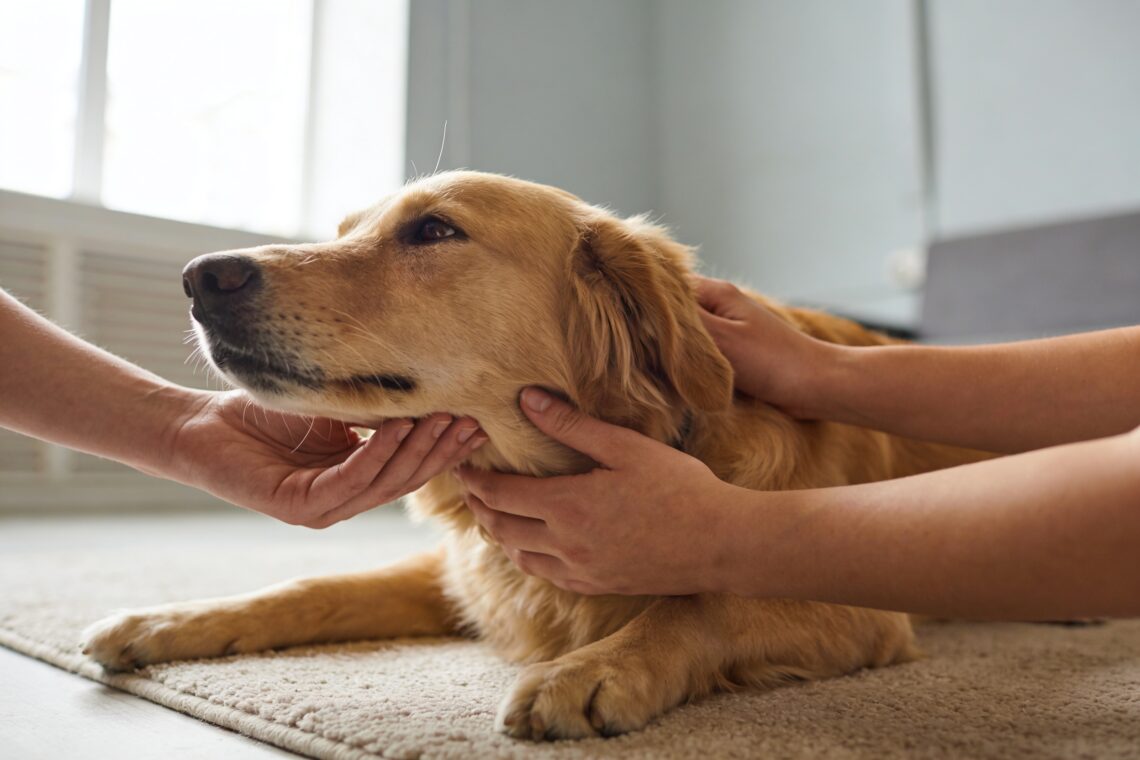
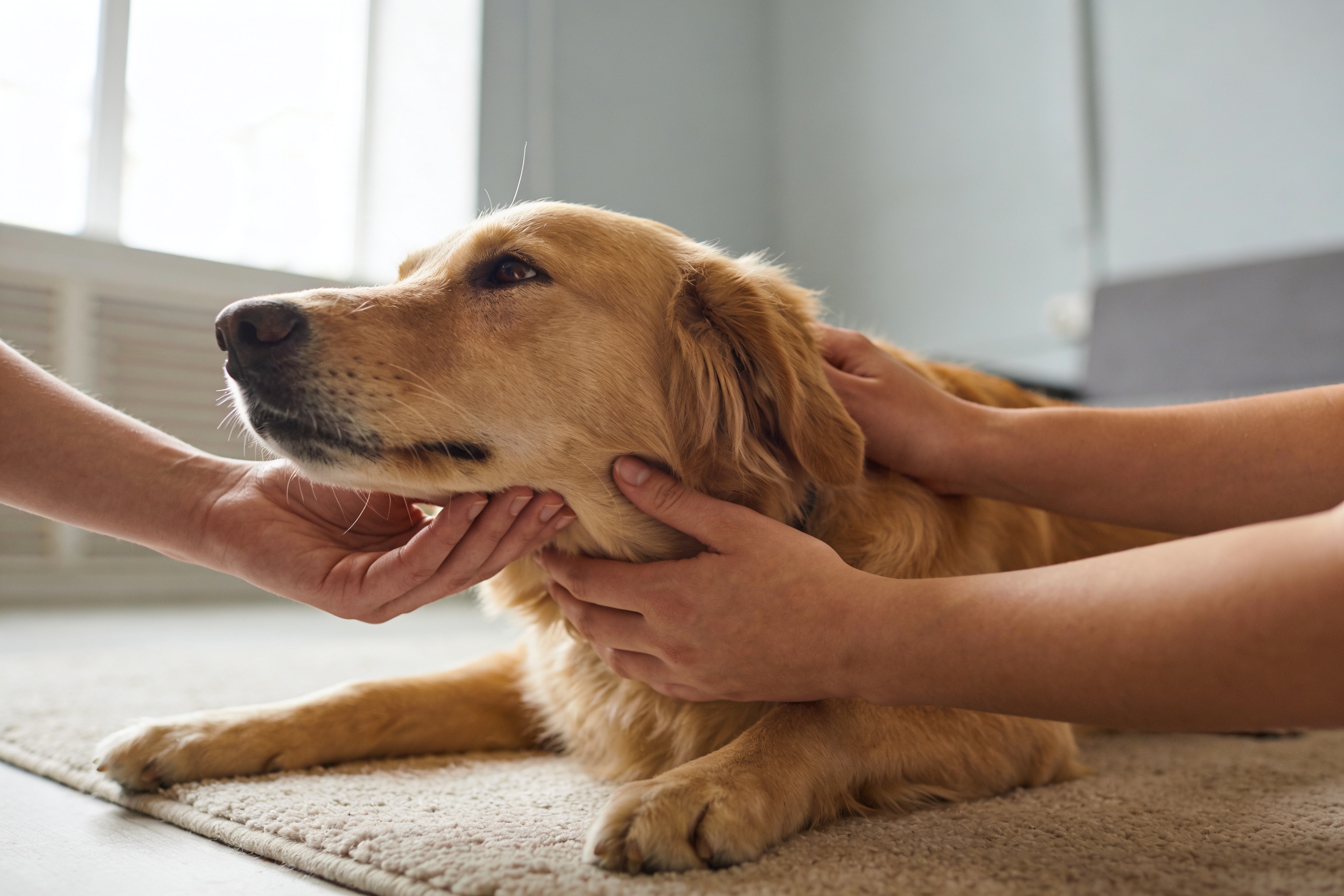
Your dog carries their stress in places you wouldn’t expect—jaw tightness after fireworks, a stiff neck after leash pulling, even achy hips from zoomies gone wrong. The fix? Your hands. A few minutes of focused massage can melt tension, ease pain, and turn your pup into a puddle of happy fur. Let’s talk simple, safe techniques you can use tonight—no spa robe required.
Why Massage Works for Dogs (And Why Yours Will Love It)
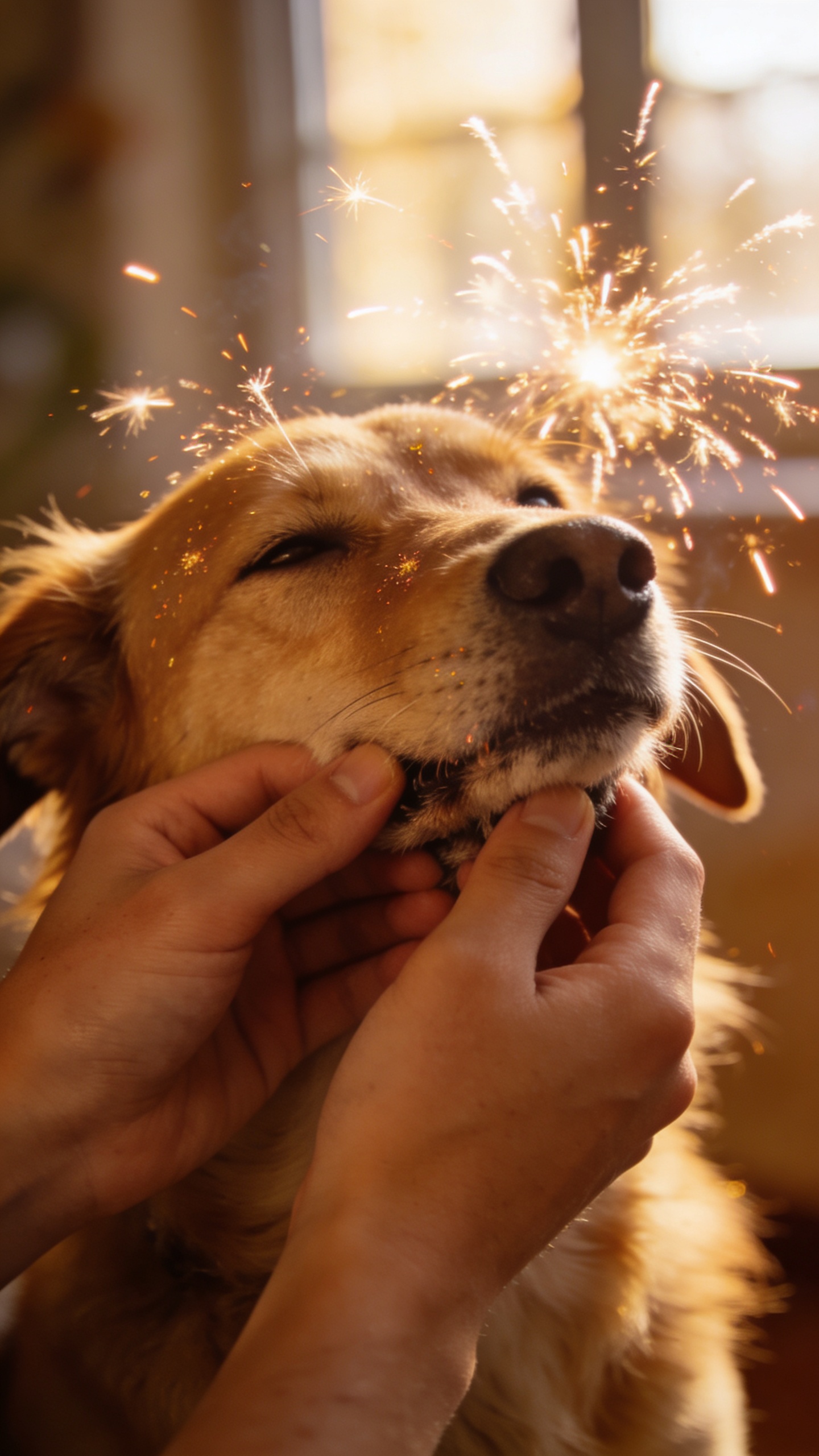
Massage increases circulation, loosens tight fascia, and stimulates the parasympathetic nervous system—aka the “chill mode.” That means less pain, less anxiety, and more snoring on your couch. You also build trust and bond better because you’re communicating comfort through touch. FYI: If your dog has an injury, fever, open wounds, or recent surgery, check with your vet first. Gentle touch helps most dogs, but we don’t push through pain. Ever.
Set the Scene: Calm Dog, Calm Hands
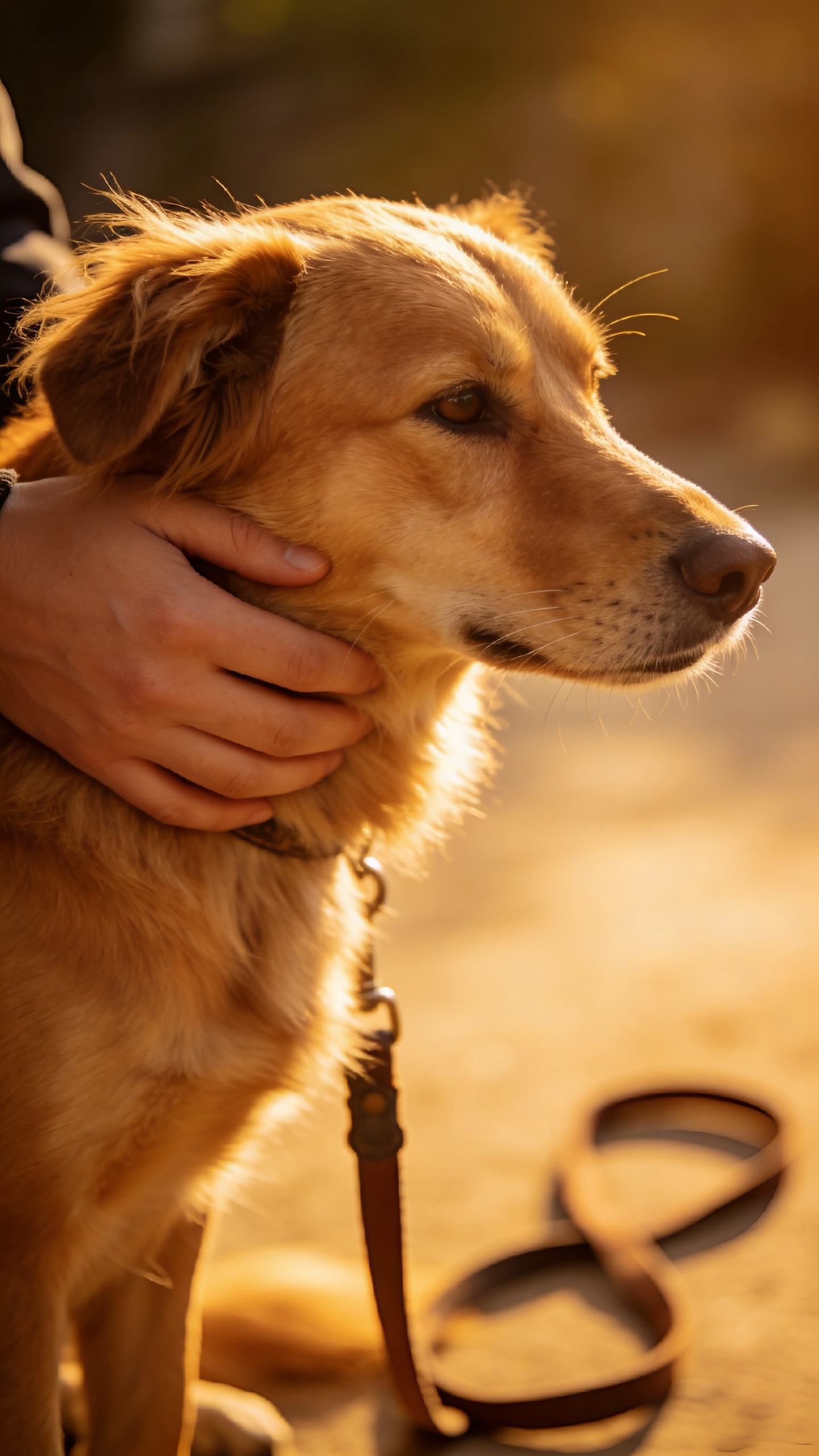
– Choose a quiet spot with soft light and no distractions. – Keep sessions short at first—5 to 10 minutes beats overhandling. – Use slow breathing and soft hands. If your dog shifts away, pause. – No oils needed. If your dog has long hair, a tiny bit of coconut oil on your hands can reduce friction. Rule of paw: Gentle pressure only. Think “firm pet,” not deep-tissue. If your dog sighs, licks, blinks slowly, or melts into you, you nailed it.
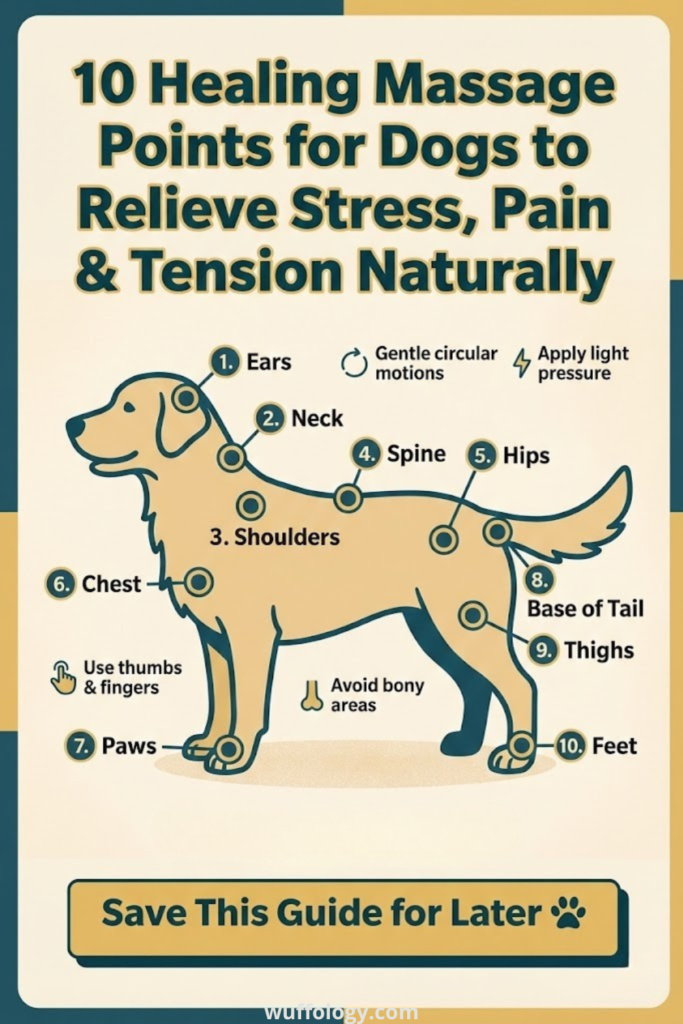
10 Healing Massage Points to Relieve Stress, Pain & Tension
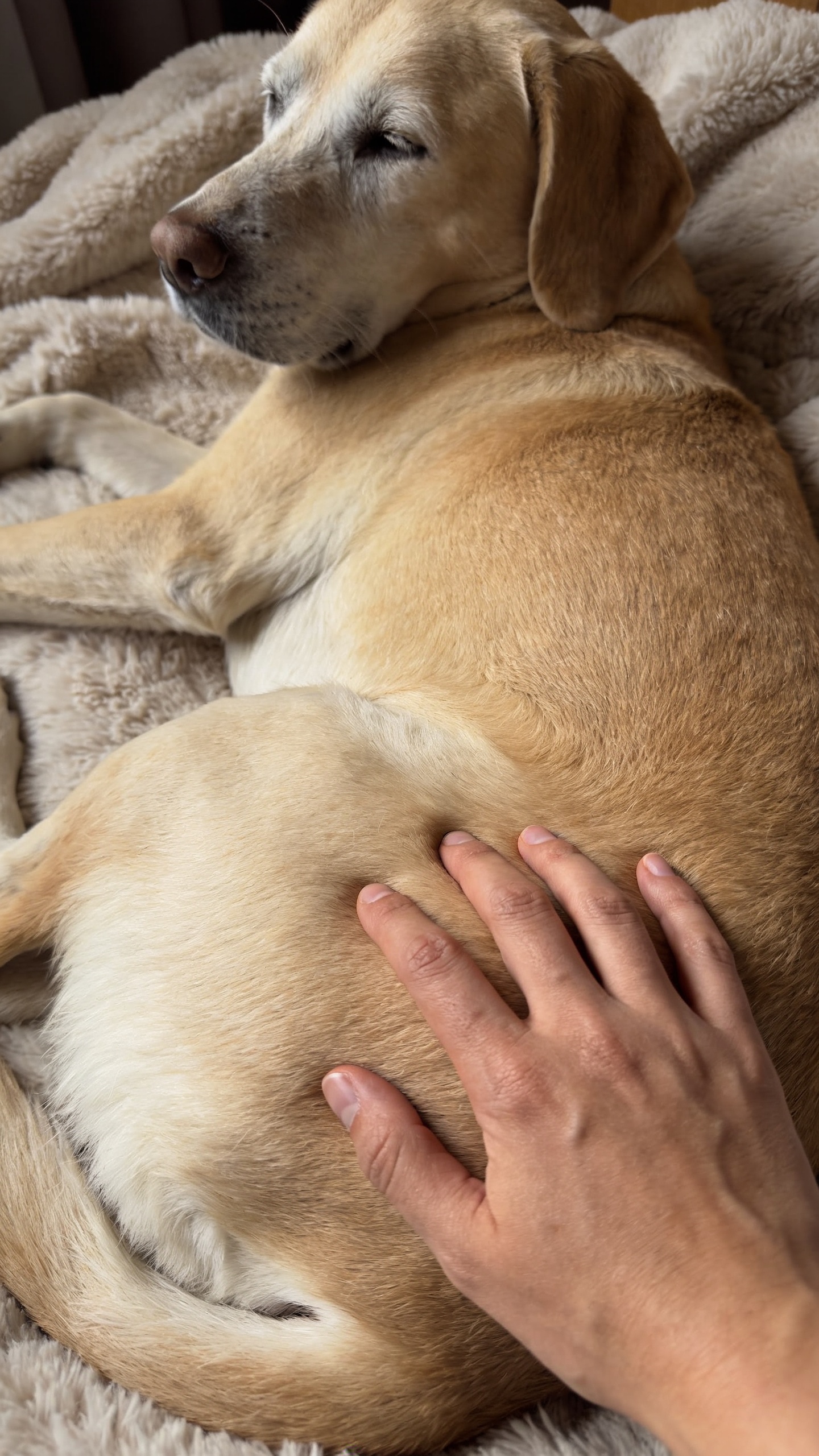
These points target common stress zones. Work 30–60 seconds per point, both sides when relevant. Always move slowly and watch your dog’s body language.
1) Ears (Base and Outer Edge)
Why it helps: Ears connect to calming nerves that tell the body to relax. How to: Start at the base, slide your thumb and forefinger along the outer edge to the tip. Gentle strokes, 5–10 times. Good for: Anxiety, car stress, post-fireworks jitters.
2) Jaw and Cheeks
Why it helps: Jaw tension builds from chewing, barking, or stress. How to: Use two fingers to make tiny circles along the cheek muscles and at the corners of the jaw. Good for: Overthinkers (yes, they exist), dogs that clench, picky eaters.
3) Brow and Between the Eyes
Why it helps: This spot signals relaxation and releases face tension. How to: With one finger, stroke slowly from the middle of the forehead toward the nose bridge. Then gentle circles above the eyes. Good for: General de-stress, eye-softening, bedtime routine.
4) Neck and Shoulder Blades
Why it helps: Collars, leashes, and zoomie whiplash live here. How to: Use flat fingers to make small circles along the neck, then glide down between the shoulder blades. Good for: Leash pullers, desk-dog coworkers who nap weirdly.
5) Chest (Sternum)
Why it helps: The sternum point can cue the nervous system to downshift. How to: Place your fingers on the center of the chest and do slow, tiny circles. Good for: Anxiety, post-excitement cool-downs.
6) Front Legs: Triceps and Elbow Area
Why it helps: Jumping, digging, and catching treats stress the front legs. How to: With one hand supporting the leg, gently knead the muscles above and below the elbow. Avoid pressing directly on the joint. Good for: Active pups, agility dogs, anyone who believes squirrels are personal enemies.
7) Back: Along the Spine (But Not On It)
Why it helps: Posture, tension, and play all affect the long muscles beside the spine. How to: Place your fingertips about an inch from the spine and make slow, symmetrical circles down both sides to the lower back. Good for: Older dogs, stiff backs, desk-chair nap kinks.
8) Hips and Glutes
Why it helps: Running, stairs, and age tighten hips. How to: Use your palm to glide over the hip muscles, then small circles on the big glute muscles. Keep it gentle over bony spots. Good for: Hip soreness, rear-end wobbles, post-park recovery.
9) Hind Legs: Hamstrings and Calves
Why it helps: These muscles work hard to power movement. How to: Support the leg, then use your thumb pads to make light strokes down the back of the thigh and calf. Skip direct pressure on the knee and hock. Good for: Sprinters, zoomers, and blanket burrowers.
10) Paws and Toes
Why it helps: Nerves, fascia, and tension gather in the paws. How to: Hold the paw gently. Rub the big pad in circles, then lightly roll each toe between your fingers. If your dog’s ticklish, go extra slow. Good for: Grounding, anxiety, post-walk reset.
Techniques That Feel Amazing (And Safe)
– Effleurage: Long, gliding strokes to warm up and calm. Start and end with this. – Circular kneading: Small circles with fingertips over muscle bellies, never bones. – Compression: Light, rhythmic presses on larger muscles (glutes, shoulders) for 1–2 seconds. – Static hold: Rest your warm palm over a tense area until you feel softening. Magic. Pro tip: Keep your hand contact consistent. Quick pokes = nope. Smooth, steady pressure = yes please.
Reading Your Dog’s “Yes” and “No”
Yes signals: Soft eyes, sighs, weight shifting toward you, relaxed jaw, slow tail wags. No signals: Lip licking, yawning out of context, head turns away, stiffening, moving the body part away, whale eye. Respect the “no.” Try a different spot or lighten up.
Routines You Can Use Right Away
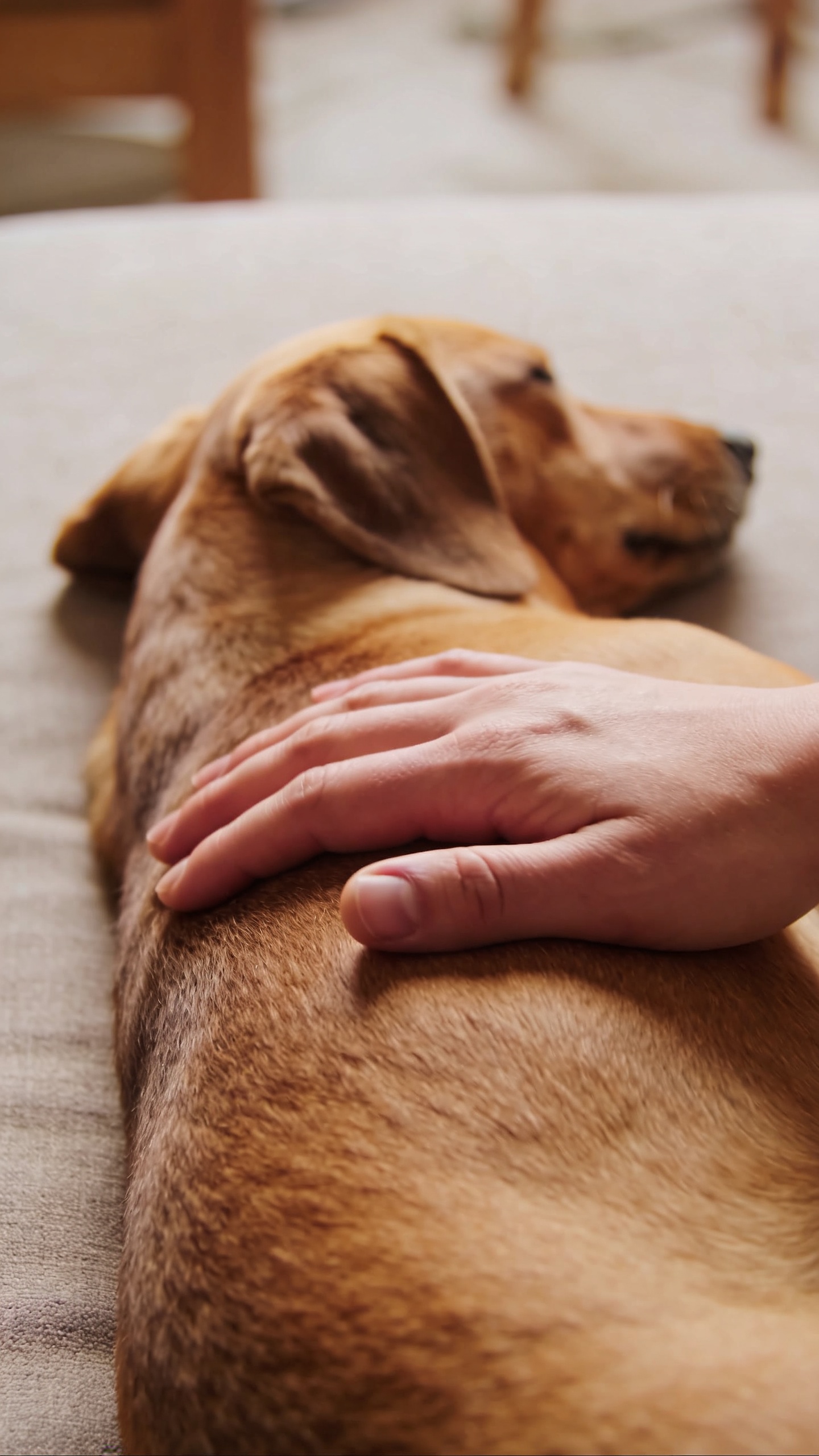
Try one of these 5-minute flows based on your dog’s vibe: – Chill Out Flow (anxious dogs) 1) Ears → 2) Between eyes → 3) Sternum → 4) Long back strokes – Post-Walk Reset (stiff or achy) 1) Neck/shoulders → 2) Along spine → 3) Hips/glutes → 4) Hind legs → 5) Paws – Bedtime Snuggle (restless at night) 1) Brow → 2) Ears → 3) Sternum → 4) Slow belly rub (if your dog consents) Frequency: 3–5 times per week works great. Keep sessions short and sweet. IMO, consistency beats marathon rubdowns.
When to Stop and Call the Vet
– Sharp yelp, flinch, or persistent guarding of an area – Swelling, heat, or a new lump – Limping that lasts more than a day – Sudden weakness, collapse, or fever You can still offer calming touch elsewhere, but get a professional opinion. Better safe than “I thought it was fine.”
Make It a Bonding Ritual
Pair massage with something your dog already loves: soft music, a favorite blanket, or post-walk water. Use a calm phrase like “relax time” so your dog knows what’s coming. Keep treats minimal so they don’t wriggle for snacks instead of melting into your hands. FYI: You can absolutely bribe at first. We all start somewhere.
FAQ
How much pressure should I use?
Use light to moderate pressure, about what you’d use to rub your own temples. If the skin moves but your dog stays relaxed, you’re on target. If they tense, lighten up or switch spots.
Can I massage a puppy?
Yes, with very gentle, short sessions. Focus on soothing strokes (ears, between the eyes, back glides). Keep it playful and never restrain. Puppies learn body handling through positive experiences, so keep it fun.
Does massage help arthritis?
It can ease stiffness, improve circulation, and support mobility, especially when combined with vet-guided care. Stick to gentle techniques around sore joints and focus on the surrounding muscles. Consistency matters more than intensity.
What if my dog hates paws being touched?
Start away from the paws. Massage the shoulders and back first, then move toward the legs. Touch the paw for one second, treat, release. Build up gradually. No forcing—it backfires.
How long before I see results?
Often right away—sighs, softer eyes, and a looser stride. Bigger changes like improved mobility or reduced anxiety may take 2–4 weeks of regular sessions. Track progress with short notes or videos.
Should I use essential oils?
I wouldn’t. Many oils can irritate or overwhelm dogs’ super-sensitive noses. If you must, talk to your vet first and keep it extremely diluted and far from faces. Plain clean hands work beautifully.
Conclusion
You don’t need fancy gear or a canine massage license—just patient hands and a few minutes. Hit those 10 points, keep it gentle, and watch your dog’s stress and stiffness melt. You’ll build trust, boost comfort, and, IMO, earn the title of Best Human. Now go try the ear strokes—you’ll see what I mean in about three sighs.