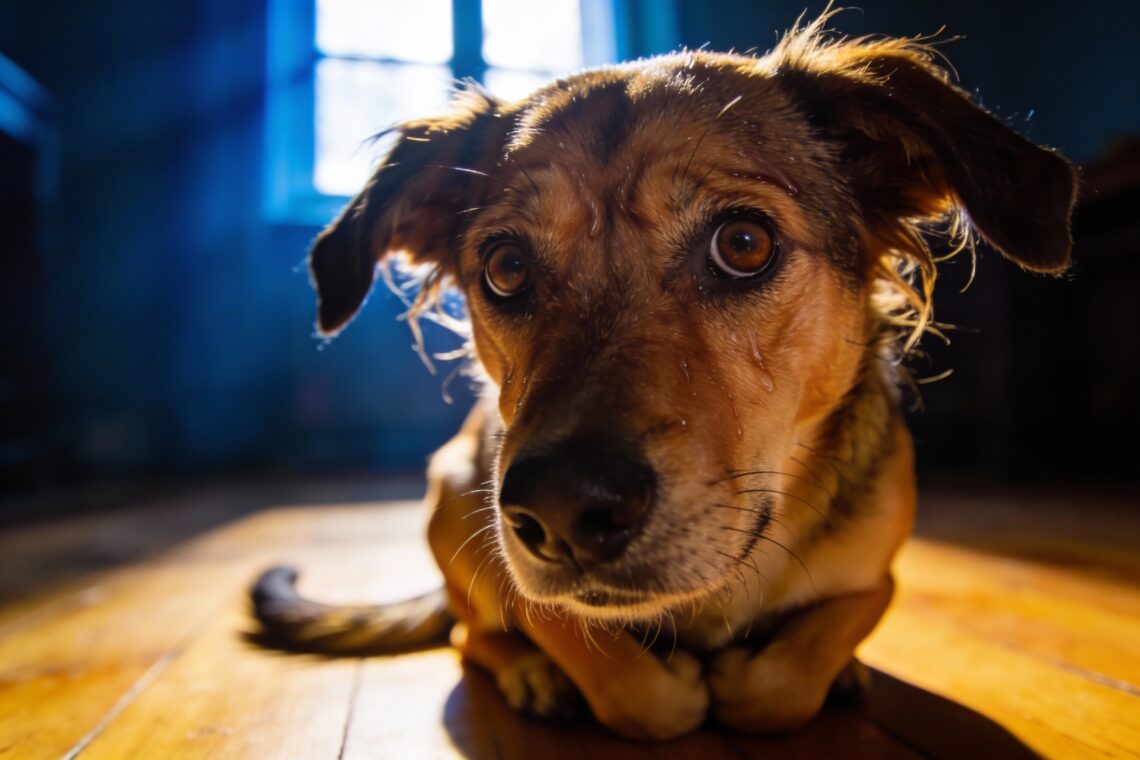
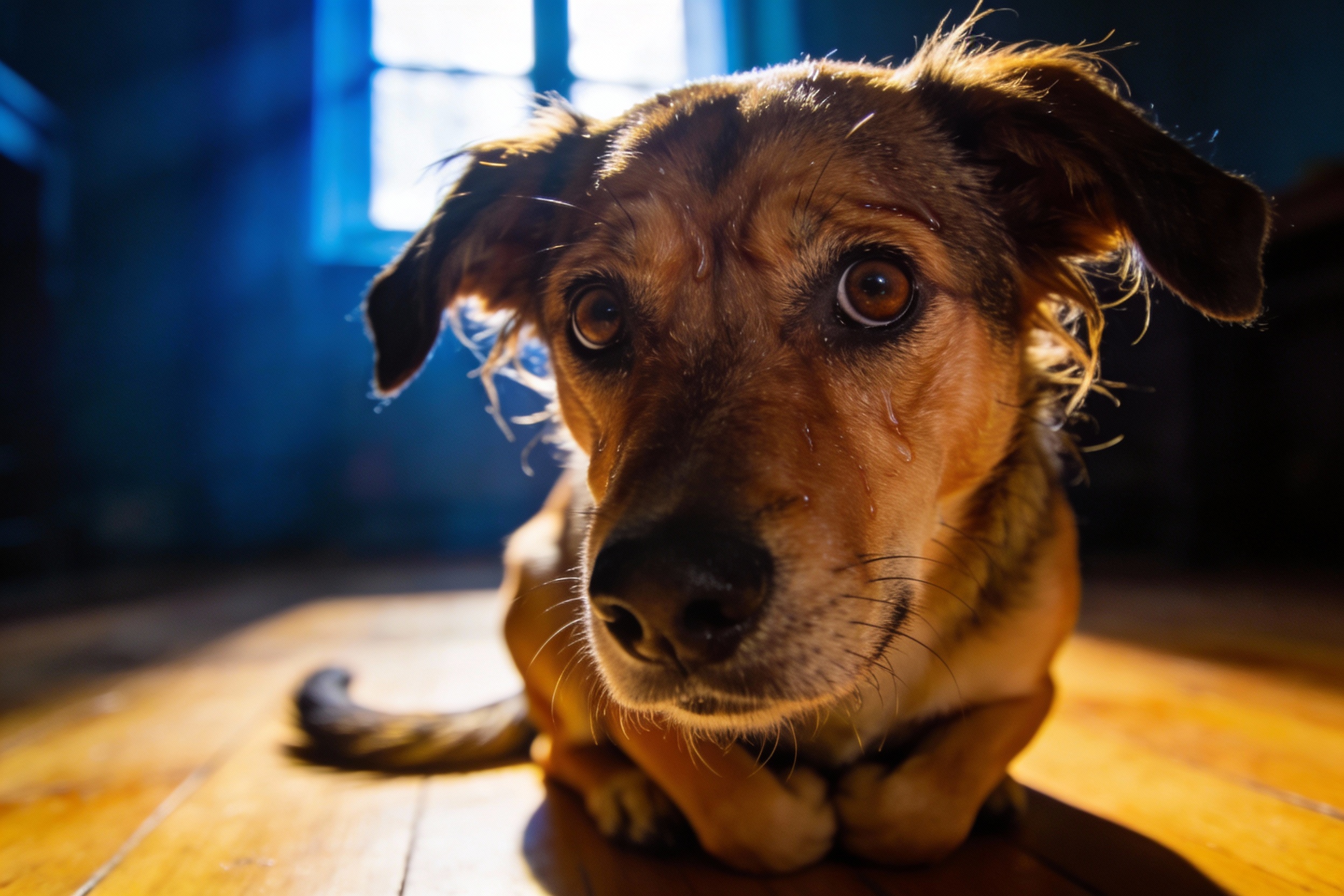
Stress in dogs doesn’t always look dramatic. No violin music, no slow-motion panting montage. Most of the time, it looks like tiny quirks we brush off as “just being a dog.” But those small signals matter. Learn to spot them early, and you help your pup feel safe, confident, and way less frazzled.
Why Dog Stress Hides in Plain Sight
Dogs evolved to keep it together around their group. They often mask discomfort with subtle behaviors. You won’t always see the obvious stuff like trembling or whining. Instead, you’ll get a string of small, “nothing to see here” moves that add up to stress. Here’s the big idea: when your dog seems “off,” they probably are. Your job isn’t to panic—it’s to notice.
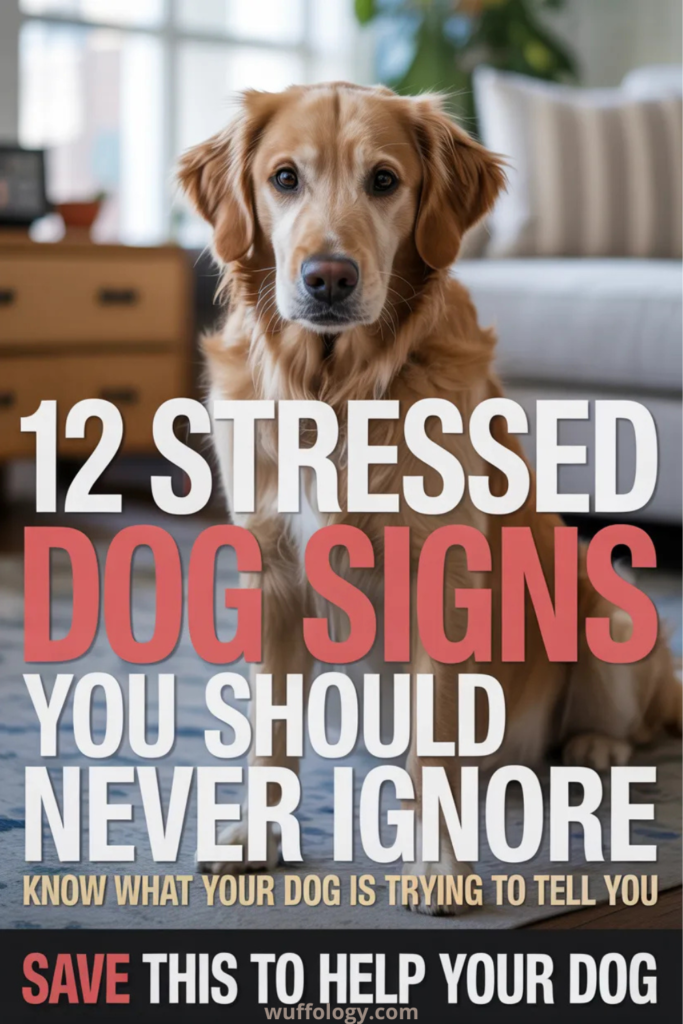
12 Stressed Dog Signs Most Owners Miss
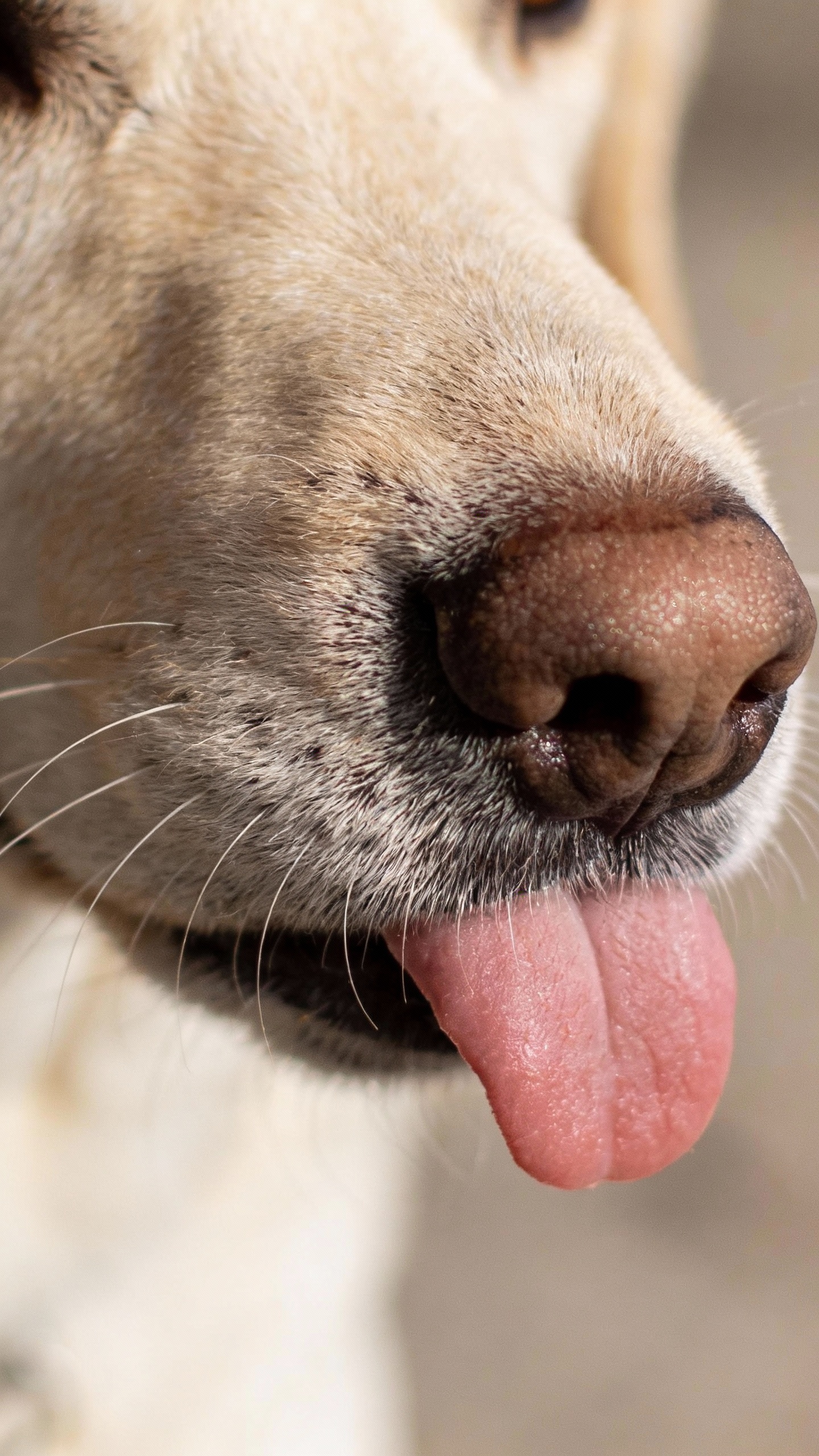
- 1) Lip licking when no food is around: One or two tongue flicks can mean anxiety. It’s not cute—it’s a calming signal.
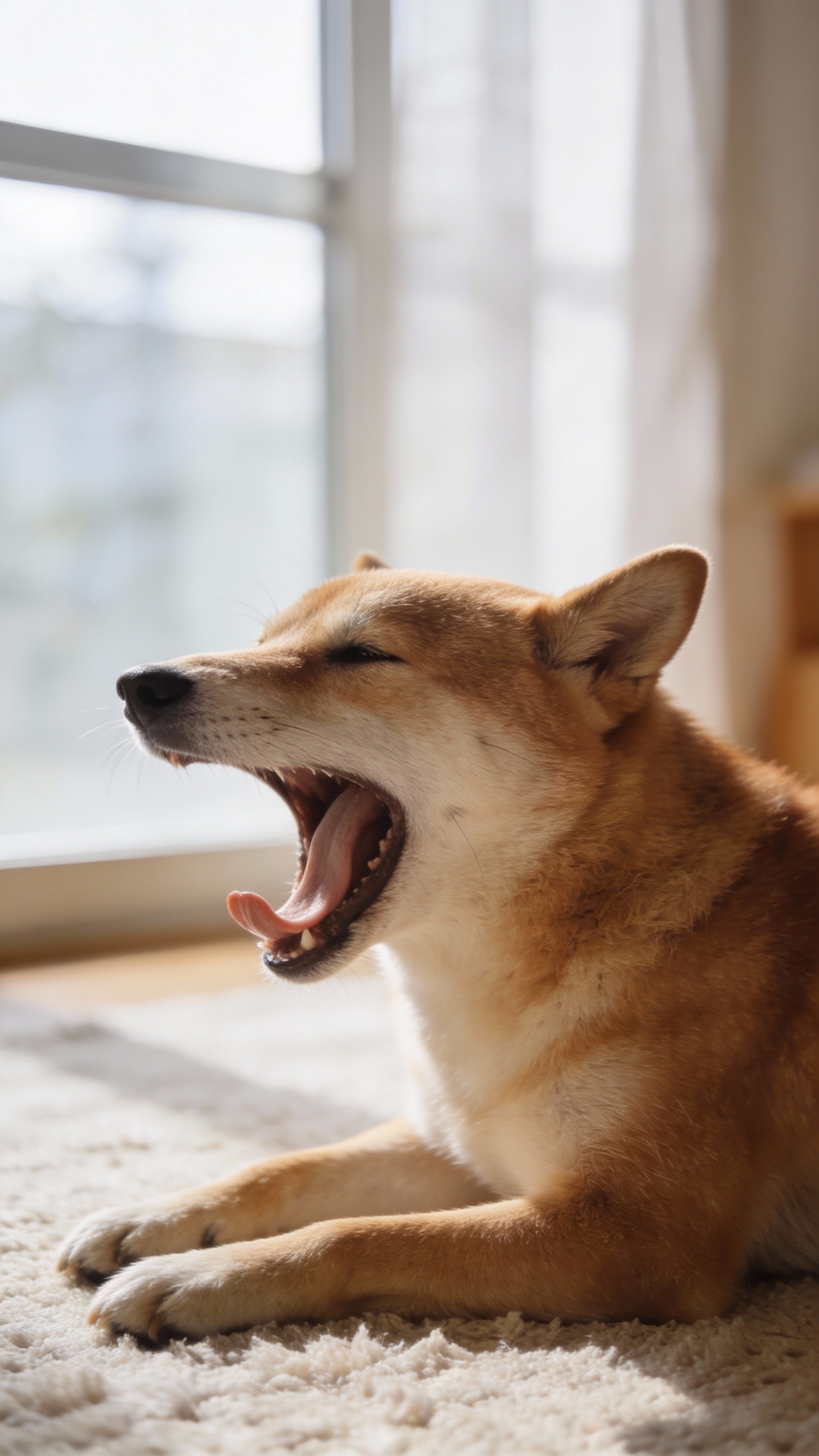
- 2) Yawning outside of nap time: Dogs yawn to diffuse tension. If you’re at the vet or meeting new people, that yawn screams “I’m not okay.”
- 3) Head turns and slow blinking: This “I’m looking away” maneuver is your dog trying to calm the situation. It’s polite, but it’s also stress.
- 4) Sniffing the ground randomly: Not every sniff has a scent agenda. Dogs will “fake sniff” to avoid pressure or conflict.
- 5) Sudden scratching or shaking off: That full-body shake? It’s a reset button after a tense moment—like “phew, that was awkward.”
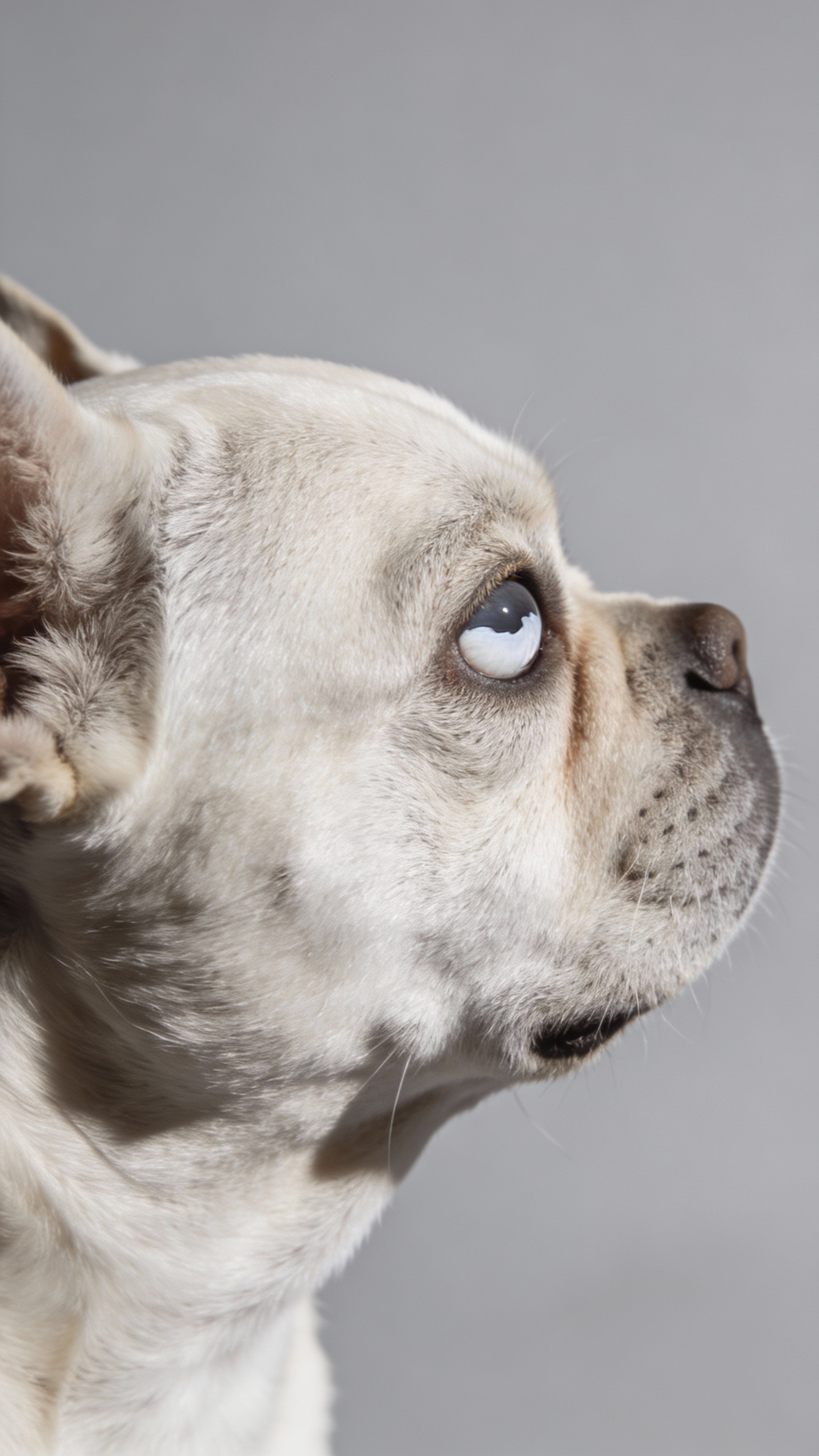
- 6) Whale eye (showing the whites): When you can see the white crescent of the eye, your dog feels cornered or unsure.
- 7) Freezing or going statue-still: Stillness isn’t calm. It’s often the last stop before a snap. Respect the freeze.
- 8) Slow motion movements: Moving in slow-mo can signal uncertainty. Your dog is tiptoeing through discomfort.
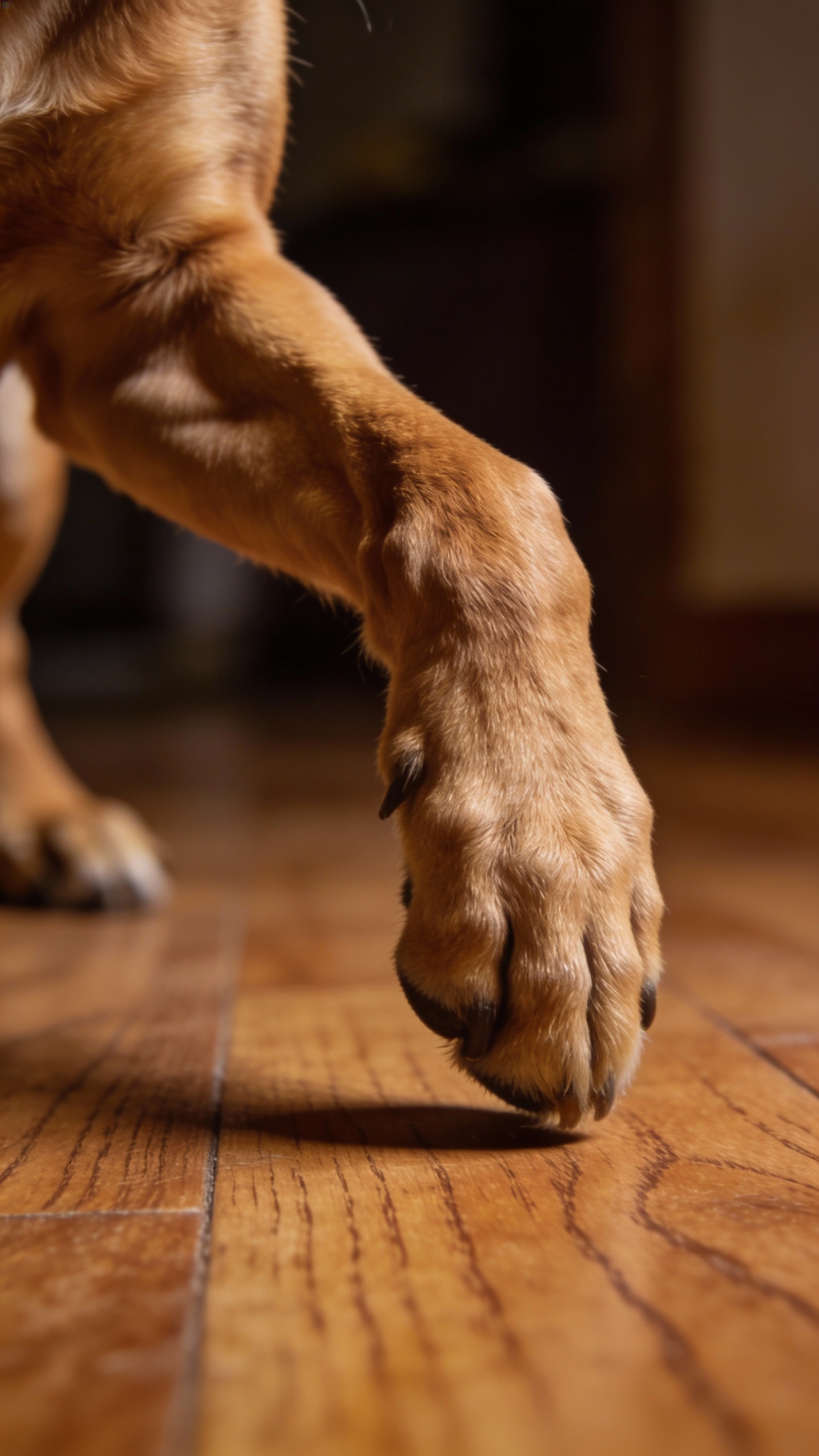
- 9) Paw lifts or one front paw hovering: Often a sign of indecision or unease, especially in new environments.
- 10) Tucked tail that isn’t fully tucked: Even a half-tuck can mean stress. Tail carriage tells the story.
- 11) Panting when it’s not hot: Stress panting sounds shallow and fast. If the room is cool, ask why your dog sounds like a tiny freight train.
- 12) Clinginess followed by avoidance: Velcro-dog behavior, then sudden disengagement, can reflect inner conflict—“I need you, but I’m overwhelmed.”
Context Is Everything (So Don’t Panic Over One Signal)
One lip lick doesn’t equal a meltdown. You want clusters of signals, plus the setting. Did a stranger lean in? Did a skateboard blast by? Dogs react to moments. Think in patterns:
- Where does it happen? Vet lobby, dog park, busy street.
- When does it happen? During greetings, grooming, car rides.
- What changed? New noise, new person, new routine.
Quick Stress Check Formula
Use “ABC”: Antecedent (what happened before), Behavior (what the dog did), Consequence (what you did, and what happened next). Track this for a week. You’ll see the triggers fast.
Body Language: Micro-Signals That Matter
We tend to watch the face, but the rest of the body spills the tea.
- Ears: Pinned back or constantly swiveling = worry radar is on.
- Mouth: Tight lips or a closed mouth after panting = tension spike.
- Back: Slight hunch or lowered posture = uncertainty.
- Weight shift: Leaning back means “no thanks.” Leaning forward means curiosity… or pressure.
That Wag Doesn’t Always Mean Happy
A high, stiff wag says arousal. A low, fast wag can mean uncertainty. Loose and full-body? That’s your happy dance. IMO, people overrate the wag and underrate the rest.
Common Everyday Triggers You Probably Didn’t Consider
We love routine. Dogs worship it. Change rocks their world.
- New floor surfaces: Slippery tiles or stairs can freak them out.
- Overhandling: Hugs, head pats, lingering eye contact—some dogs tolerate, but don’t enjoy.
- Lack of choice: Dragging on leash, forced greetings, zero decompression time.
- Too much “enrichment”: Back-to-back activities without rest equals overload.
- Silent stressors: Beeping electronics, scents from cleaners, or your neighbor’s garden tools at 7 a.m. (love that for us).
Social Stress at Home
Multi-dog homes brim with politics. Watch for resource guarding around couches, doors, or you. Also, the “fun” rough play that isn’t mutual? Step in.
How to Respond in the Moment (Without Making It Weird)
You don’t need a complete training plan to help right now. Start simple.
- Create space: Move away from the trigger. Cross the street. Step behind a parked car.
- Offer an easy behavior: Sniff on cue, hand target, “let’s go.” Keep it light and upbeat.
- Soften the environment: Lower your voice, loosen the leash, turn your body sideways.
- End the interaction: If someone pushes for a pet, say “not today.” Advocate like a boss.
Comfort Doesn’t “Reward Fear”
You can’t reinforce an emotion. You can reinforce behavior, sure, but fear itself? No. If your dog feels scared, comfort them. Provide safety first, training later. FYI, science backs this.
Build Long-Term Stress Resilience
Let’s shift from damage control to confidence building.
- Choice and consent: Teach a “start button” behavior for grooming or handling. If your dog opts out, respect it.
- Predictable routines: Regular meals, walks, and downtime. Boring can be beautiful.
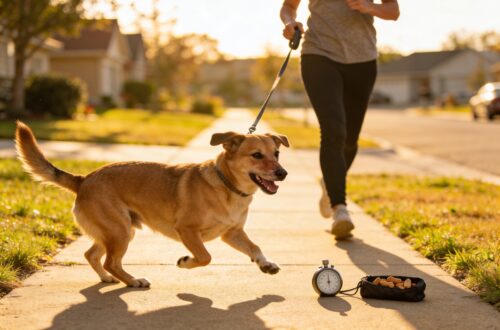
- Decompression walks: Sniffy strolls on a long line in quiet areas. Therapy for the soul.
- Mat settle training: A portable zen zone. Pair the mat with calm and rewards.
- Desensitization + counterconditioning: Expose to triggers at a low level while pairing with great treats. Slow equals fast here.
- Quality sleep: Most dogs need 12–14 hours daily. Overtired dogs act spicy.
When to Loop in a Pro
If stress escalates to growling, snapping, or constant avoidance, call a certified trainer or veterinary behaviorist. Medical checks matter too—pain hides under “behavior problems.” IMO, always rule out pain first.
Training Games That Lower Stress
Fun lowers tension and builds confidence. Keep sessions short and silly.
- Find it: Toss treats in grass and let your dog sniff them out. Instant decompression.
- Hand target: Nose to palm. Great for redirection during awkward greetings.
- Pattern games: Simple sequences (treat to left, treat to right) provide predictability in busy places.
- Peekaboo: Dog steps between your legs from behind. A moving “safe spot” in crowds.
Frequently Asked Questions
Is my dog being “dramatic,” or is it real stress?
If your dog repeats subtle signals in specific contexts, it’s real. Dogs don’t “fake it.” Look for clusters: lip licking, head turns, slow movement, and a lowered tail. Trust the pattern, not the one-off moment.
Should I punish growling?
No. Growling is communication. If you punish it, you risk removing the warning and jumping straight to a bite next time. Identify the trigger, give space, and address the underlying stress.
How do I tell stress panting from normal panting?
Stress panting happens in cool environments, looks shallow and fast, and pairs with other signs like pinned ears or whale eye. Normal panting follows exercise or heat and eases with rest and water.
Can a harness or collar cause stress signs?
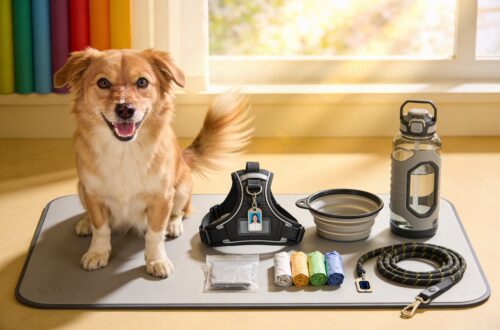
Absolutely. Ill-fitting gear rubs, restricts shoulder movement, and adds pressure to sensitive areas. Check fit, switch to a comfortable harness, and pair gear with treats so your dog feels good about it.
Do some breeds hide stress more than others?
Yes. Some breeds get labeled “stoic,” while others show big emotions. Individual temperament matters more, though. Watch your dog’s baseline and note shifts from their normal.
When should I see a vet about stress?
If stress looks chronic, affects eating or sleep, or comes with sudden behavior changes, call your vet. Pain, GI issues, and thyroid problems can all mimic anxiety. Medical rules first, then behavior.
Bottom Line: Learn the Whisper Before the Shout
Your dog tells you how they feel in tiny, generous hints. Notice the lip licks, the slow blinks, the fake sniffs. Step in early, create space, and build trust with choice and calm routines. Do that, and you won’t just reduce stress—you’ll become your dog’s safest person. Which, IMO, is the whole point of the job.