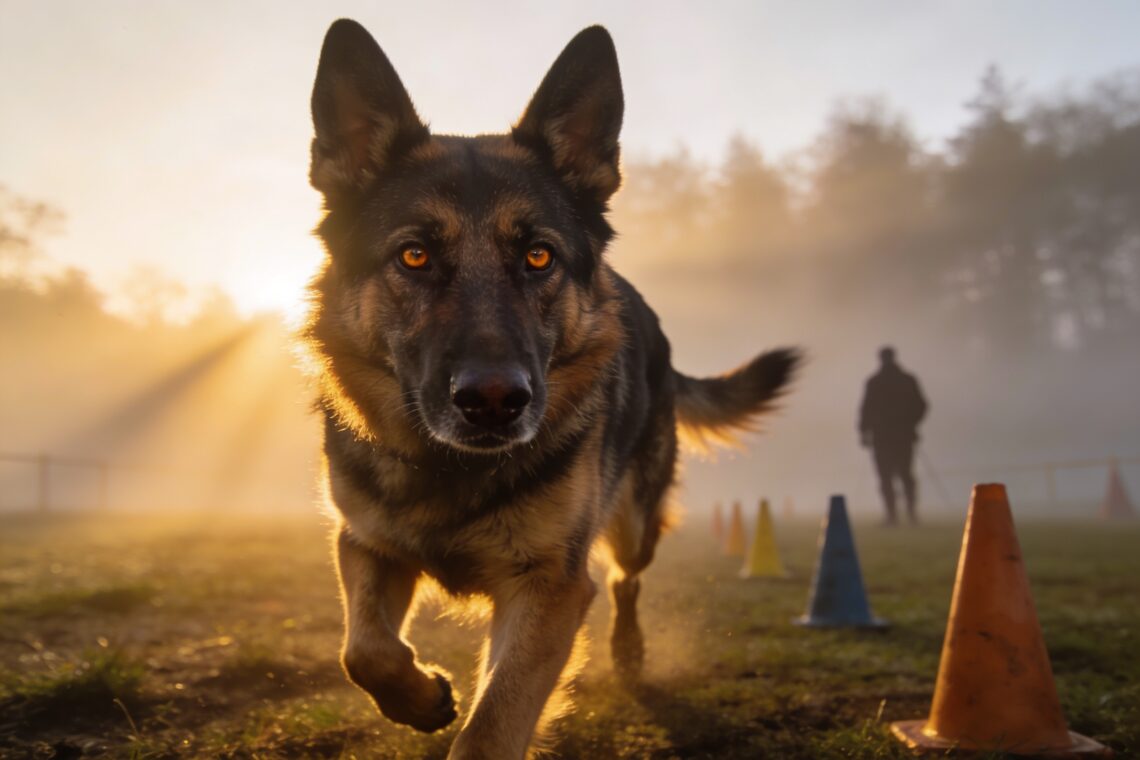
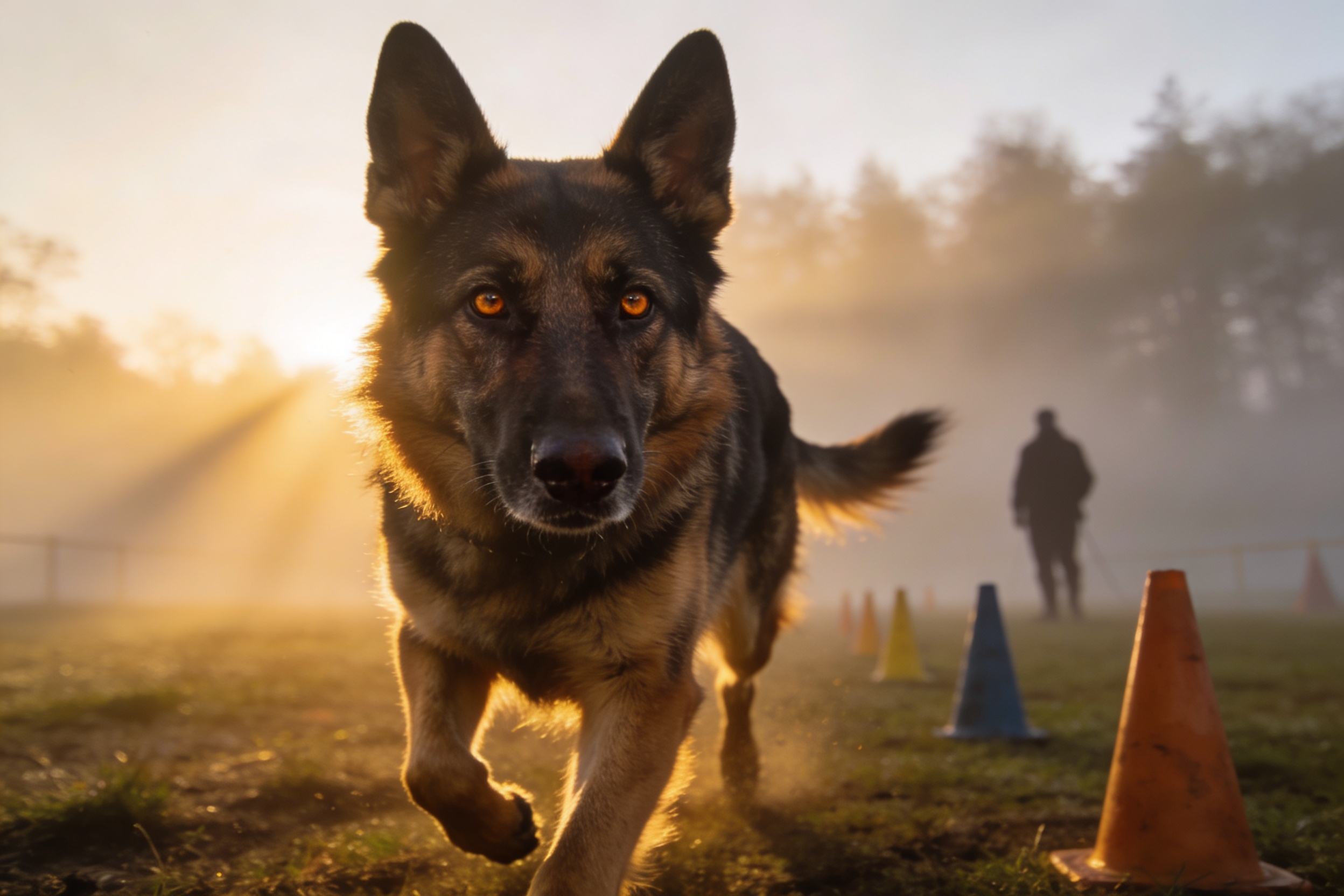
German Shepherds don’t just walk into a room—they own it. These dogs solve problems, read the room, and look great doing it. If you’ve ever locked eyes with one, you know they’re working out at least five moves ahead. Ready to see why so many people call them the brainiacs of the dog world?
Born Problem-Solvers With a Job-Or-Else Attitude
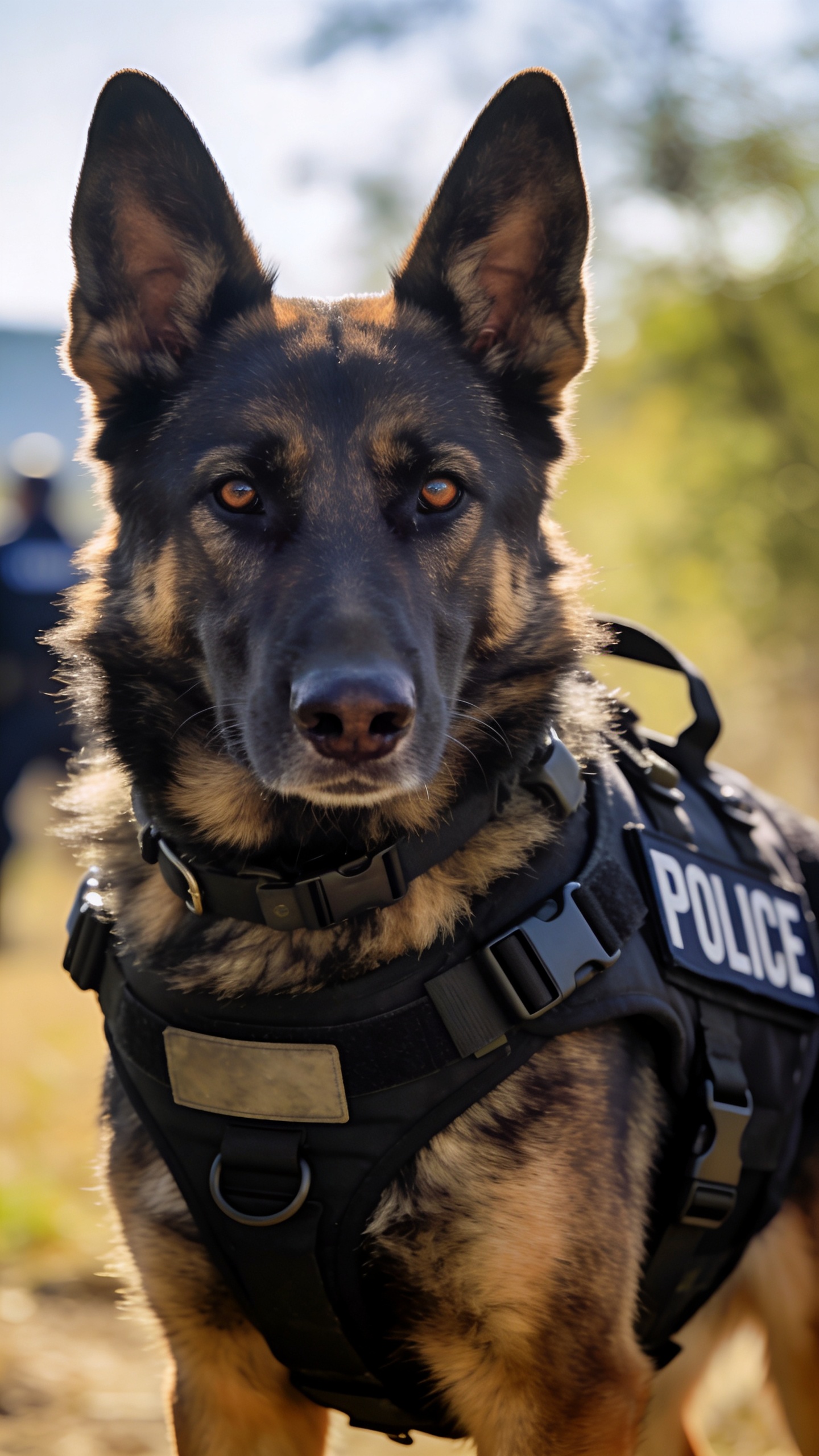
German Shepherds don’t just follow commands—they interpret them. Give a GSD a goal and they’ll figure out the fastest, safest route to nail it. That’s why you see them in K9 units, search-and-rescue, and even therapy settings.
- Adaptive intelligence: They learn patterns frighteningly fast and adjust when conditions change.
- Task focus: Once they commit, they ignore distractions like a pro. Squirrel? What squirrel.
- Decision-making: They don’t freeze under pressure; they choose and move.
“But Are They Really Smarter?”
Short answer: yes. Long answer: they rank near the top in canine intelligence tests for obedience and working IQ, often mastering new cues in under five repetitions and responding correctly the first time more than 90% of the time. That’s not just smart—that’s “should I be worried?” smart.
Their Brains Grew Up on Real-World Work
German Shepherds didn’t come from pampered show lines at first—they came from herding and guarding sheep. That heritage baked serious brains into the breed.
- Independent judgment: Shepherds protected flocks without constant human input.
- Directional control: They learned complex commands for left, right, circle, and drive.
- Boundary memory: They map huge areas and remember them—like living GPS units.
Herding Instinct = Problem-Solving Toolkit
That “gather and guide” instinct transfers to modern tasks. They can organize a crowd, navigate chaos, and keep everyone safe. Don’t be shocked when they herd your kids off the couch at bedtime. It’s not bossy. It’s professional.
Laser-Focused on Communication (With You)
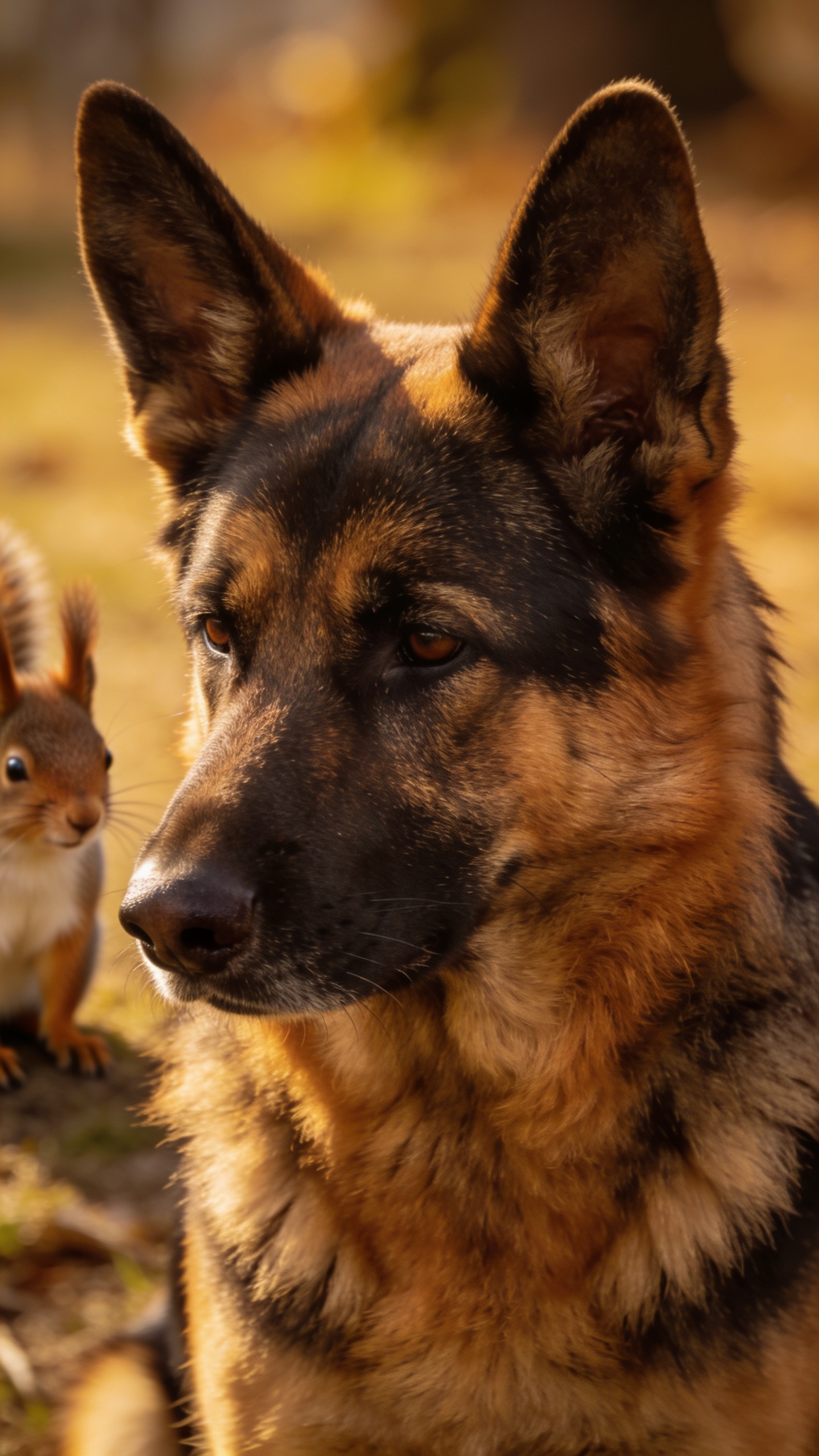
These dogs read human signals like they designed the manual. You point; they go. You nudge a brow; they rethink the plan. It’s spooky in the best way.
- Eye contact pros: They hold eye contact to gather info and reassure you they got it.
- Body-language decoding: Subtle shifts—posture, hand flicks—mean something to them.
- Vocal nuance: They distinguish tone, pace, and even emotional weight in your voice.
They Learn the Rules Faster Than You Teach Them
You’ll think you’re just “winging it,” but your GSD maps your routines instantly. Keys jingling? Time to go. Laptop closed? Walk o’clock. IMO, they’d crush a calendar app.
Training? More Like a Brain Gym
You can’t just tire out a German Shepherd with fetch. You need to give that big brain a workout. Not optional—mandatory for everyone’s sanity.
- Teach layered commands: Combine cues like “down-stay” + “place” + “watch.” Make them think.
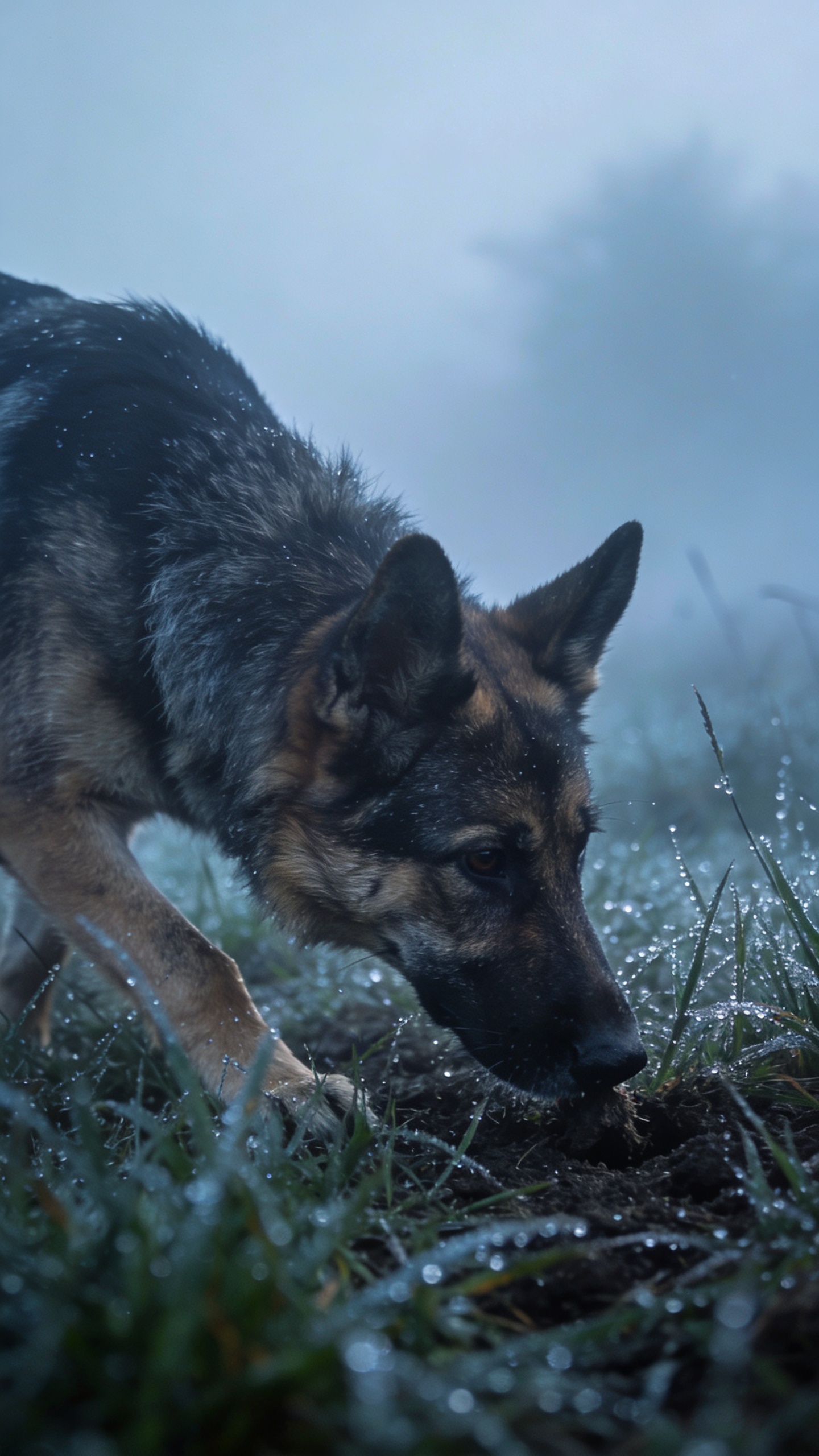
- Use scent games: Hide treats or a favorite toy and name the search.
- Rotate tasks: Keep routines fresh—new tricks, new routes, new puzzles.
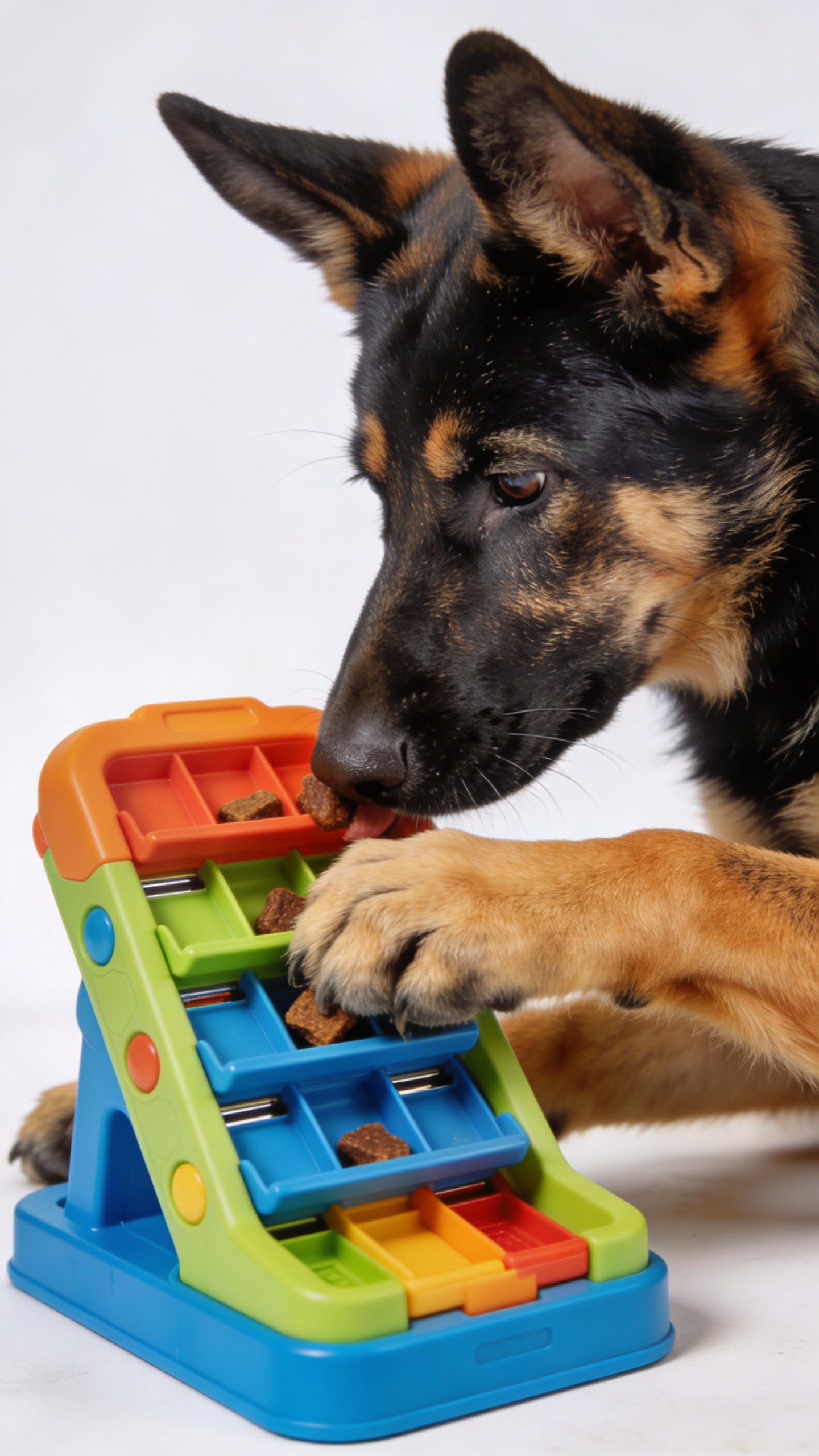
- Work-to-eat toys: Puzzle feeders, snuffle mats, and treat balls turn mealtime into class time.
Pro Tip: Reward the Effort, Not Just Perfection
German Shepherds thrive on progress. Mark the moment they try something new, not only when they nail it. You’ll see confidence spike and learning speed up.
Memory Like an Elephant, Reflexes Like a Ninja
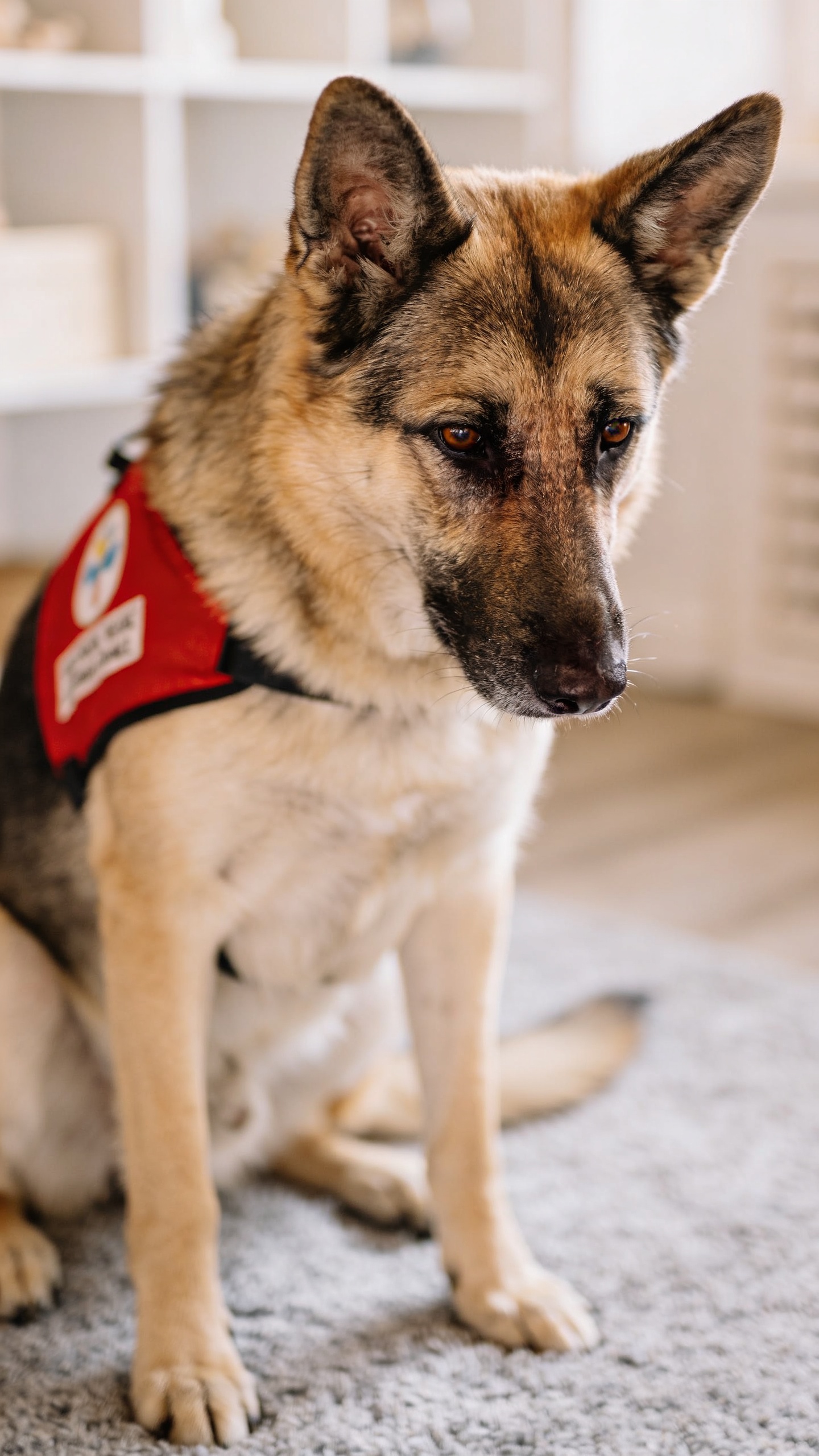
This combo makes them ridiculous. They remember what worked, avoid what didn’t, and try better strategies next time. That’s how they beat puzzle toys most dogs surrender to.
- Spatial memory: They remember hiding spots, routes, and object placements for ages.
- Pattern spotting: They sniff out routines, then anticipate next steps with eerie accuracy.
- Impulse control (with training): That discipline you see in K9 demos? Trainable—and repeatable at home.
FYI: Consistency Wins
These dogs memorize rules lightning-fast—so make sure the rules stay consistent. Mixed signals confuse them and slow learning. If “off the couch” means “sometimes fine,” good luck.
Work Ethic That Puts Overachievers to Shame
German Shepherds love a mission. Give them a role and they light up. This isn’t just energy; it’s purpose.
- Stamina for days: They can handle long training sessions without fading.
- Stress resilience: In chaotic environments, they listen harder.
- Confidence in novel places: Airports, forests, crowds—once trained, they adapt fast.
Why They Star in High-Stakes Jobs
Combine brainpower with loyalty and you get a dog willing to push through tough terrain, ignore distractions, and problem-solve while keeping handler safety first. That’s not hype—that’s their brand.
15 Mind-Blowing German Shepherd Facts
Let’s rapid-fire the receipts that prove their genius.
- They learn new commands in under five reps more often than not.
- They retain cues for months without refreshers if taught well.
- They can differentiate 100+ words with clear training and context.
- They track scent across miles with variable winds and terrain.
- They predict routines and show up before you even call them.
- They “generalize” skills from one setting to another better than most breeds.
- They herd humans as naturally as sheep (sorry, kids).
- They perform complex chains like open door > fetch item > return to handler.
- They read micro-gestures—tiny head nods, finger flicks, subtle posture shifts.
- They hold long-duration stays even with high-value distractions near.
- They ace scent discrimination across near-identical objects.
- They stay cool under stress and still follow nuanced cues.
- They improvise when a plan fails—going around obstacles or trying alternate routes.
- They form deep social bonds that turbocharge training and trust.
- They love to learn—curiosity fuels their intelligence like rocket fuel.
Living With a Genius: The Good, The Great, The “Oh Wow”
You’ll never feel alone with a German Shepherd. They watch, they help, and they sometimes judge your life choices in silence. But you need to meet them halfway.
- Daily mental work: Ten minutes of scent games beats an hour of chaotic fetch.
- Clear rules: Set house boundaries early and hold the line.
- Social exposure: New places, people, sounds—normalize the world.
- Purposeful exercise: Structured walks, obedience drills, agility fun.
IMO: They’re Not “Just Family Dogs”—They’re Teammates
Treat them like partners. Give them jobs: carry a backpack, find the keys, “help” with laundry (yes, they can). You’ll see joy and calm replace boredom shenanigans.
FAQs
Are German Shepherds good for first-time dog owners?
Yes—if you commit. They need structure, daily training, and exercise. If you like routine, enjoy teaching, and want a dog who sticks to you like Velcro, you’ll thrive. If you want a couch potato, maybe look elsewhere.
How much exercise do they really need?
Plan for 60–90 minutes daily, split between physical and mental work. Think focused walks, obedience sessions, and puzzle play. Pure cardio helps, but brain games are non-negotiable.
Do German Shepherds get along with kids and other pets?
With early socialization and boundaries, absolutely. They often bond closely with family and protect gently. Teach kids respectful handling and supervise introductions with smaller pets—herding instincts can kick in.
What’s the best way to train a German Shepherd?
Use positive reinforcement, clear markers, and short, frequent sessions. Layer difficulty slowly and vary environments. Keep it fun, fair, and consistent—this breed hates sloppy rules.
Can German Shepherds live in apartments?
Yes, with structure. Multiple daily outings, training reps, and puzzle toys keep them balanced. They don’t need acres—they need purpose and you.
Do long-haired and short-haired German Shepherds differ in intelligence?
Coat length doesn’t affect smarts. Temperament varies more by genetics, socialization, and training than by hair. Choose based on grooming preference and breeder ethics.
Bottom Line: Brains, Heart, and Hustle
German Shepherds don’t just learn—they partner with you. Give them structure, challenges, and love, and they’ll return it with loyalty, precision, and a side of glorious drama. FYI, once you experience life with a GSD, every other dog feels a little less… strategic. And that’s okay. Not every canine needs to run mission control. But if you want the smartest teammate alive? You just found them.