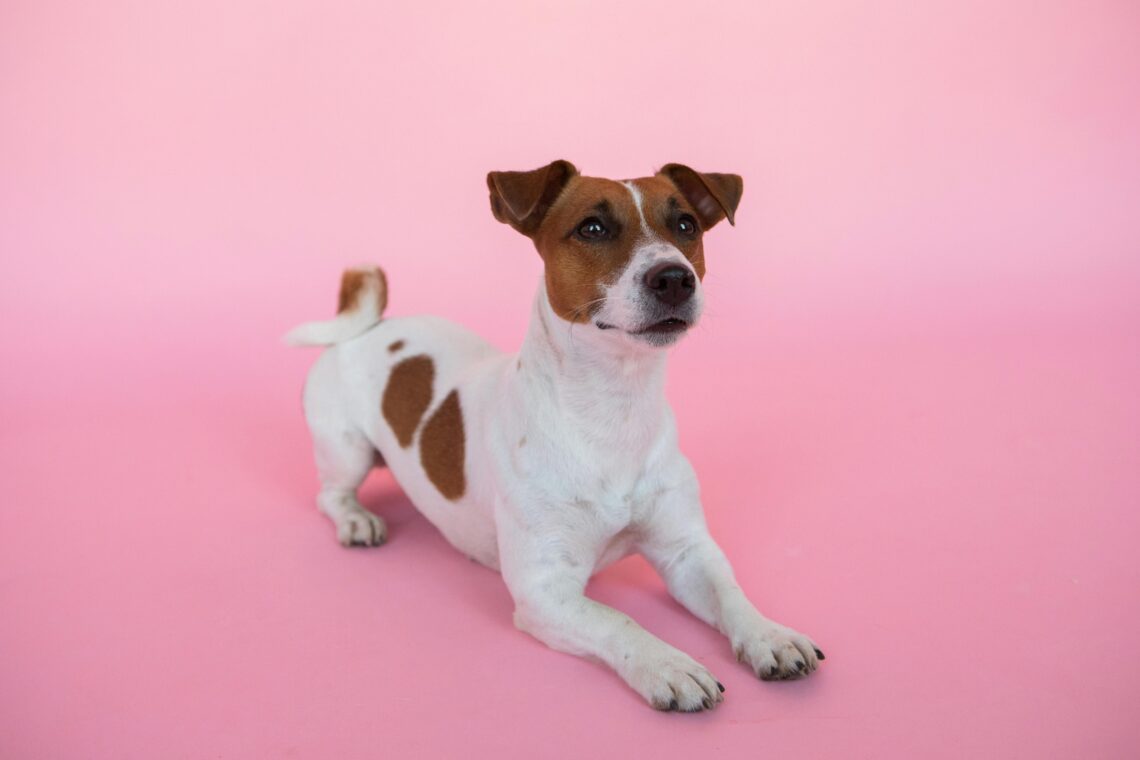
They look like pocket-sized marshmallows with ears, but Jack Russell Terriers pack the energy of a double espresso shot. You bring one home expecting cuddles and cute zoomies. You get a tactical athlete who negotiates with you like a tiny lawyer and sprints like a caffeinated cheetah.
If you’re a new owner, buckle up—here are the surprises you’ll meet sooner than your first chewed slipper.
They Don’t Walk—They Project Themselves Forward
Jack Russells don’t stroll around the neighborhood. They launch. Their default speed looks like “late for something important,” and they treat every leaf, squirrel, and shadow as an opponent. Plan on at least 60–90 minutes of real exercise daily. Not a lazy amble.
Think fetch, agility, snuffle mats, and training games. If you skip, they’ll invent their own “fun,” which often includes redecorating your shoes.
The Zoomies Come With a Brain
This breed mixes athleticism with smarts. They learn commands fast—then they learn how to game the system even faster.
Keep them guessing with short, varied training sessions. FYI, a bored Jack Russell could teach itself door handles.
The Napoleon Complex Is Real (And Weirdly Charming)
People expect them to be lapdogs. Jack Russells think they’re action heroes.
They guard the house, debate delivery drivers, and announce the existence of butterflies with opera-level volume. Socialization matters a lot. Early and consistent exposure to new people, dogs, and environments keeps that boldness sweet instead of spicy.
“Stranger Danger” vs. “Best Friend Forever”
Some JRTs fall into the “I love everyone!” camp; others act like tiny bouncers. Neither is wrong, but train polite greetings and a solid “quiet” cue early.
A Nose That Runs the Household
Jack Russells were bred for hunting, so their noses write the rules. They’ll follow a scent through the yard, behind the couch, and probably under your bed.
You don’t walk a Jack Russell—you interrupt their scent-driven side quests.
- Use long lines in safe areas so they can sniff without disappearing.
- Practice recall with mega-value rewards. Hot dogs beat squirrels (sometimes).
- Enrichment toys that hide treats work like magic.
Digging: Not A Quirk, A Calling
If your yard looks like a golf course, congrats—you own a JRT. Provide a designated dig zone with sand or loose soil and bury toys there.
Redirect instead of scolding. You won’t delete the digging; you’ll channel it.
The “Off Switch” Exists… With Conditions
Everyone says Jack Russells never stop. Not totally true.
After a good workout and a brain game, they melt into the couch like butter on a hot pancake. Quality over chaos. Endless fetch creates a cardio monster. Mix calm skills—place training, chew sessions, food puzzles—with active play. That balance flips the off switch faster.
Chewing Saves Your Sanity
Durable chews (nylon bones, rubber toys, frozen Kongs) keep that powerful jaw busy.
Rotate toys to keep novelty high. IMO, a well-timed frozen Kong equals 30 minutes of peace.
Small Body, High Maintenance (But Not How You Think)
Grooming stays simple: short coat, minimal shedding bursts, occasional baths. The real “maintenance” comes from nails, teeth, and ears.
Yes, the boring stuff. No, you can’t skip it.
- Teeth: Daily brushing or dental chews; small breeds collect tartar fast.
- Nails: Trim every 1–2 weeks; long nails mess with posture and comfort.
- Ears: Quick weekly wipe keeps gunk and infections away.
The Weight Creep Is Sneaky
They beg like Oscar winners, and extra pounds sneak up fast on small dogs. Keep training treats tiny, measure meals, and watch the waistline.
You want a tuck, not a loaf shape.
Training Feels Like Comedy… And Then It Works
Jack Russells love to negotiate. They try out 16 different ideas before deciding to sit. It’s not stubbornness; it’s initiative.
Harness it. Short, upbeat sessions win. Reward heavily for correct choices, and add difficulty slowly. Use play as a reward—tug for recall, fetch for stays. You’ll see the lightbulb moments, and they’re addictive.
The “It’s Boring, So I Won’t” Phenomenon
Repetition kills their motivation.
Mix cues, locations, and rewards. Work in tiny bursts throughout the day. FYI, five minutes, three times a day beats one slog of a session.
They’re Surprisingly Good At… Almost Everything
People assume “toy dog.” Nope.
Jack Russells excel in agility, scent work, flyball, dock diving, barn hunt—if it moves or puzzles them, they’re in. Try a sport class. It burns energy and builds confidence. Even casual scent games at home can turn a chaotic day into a calm evening.
Apartment Life? Possible, But Plan It
They can live in small spaces if you commit to exercise and enrichment.
Use flirt poles, hallway fetch, and puzzle toys. Teach a rock-solid “settle” so neighbors don’t hear your pint-sized town crier.
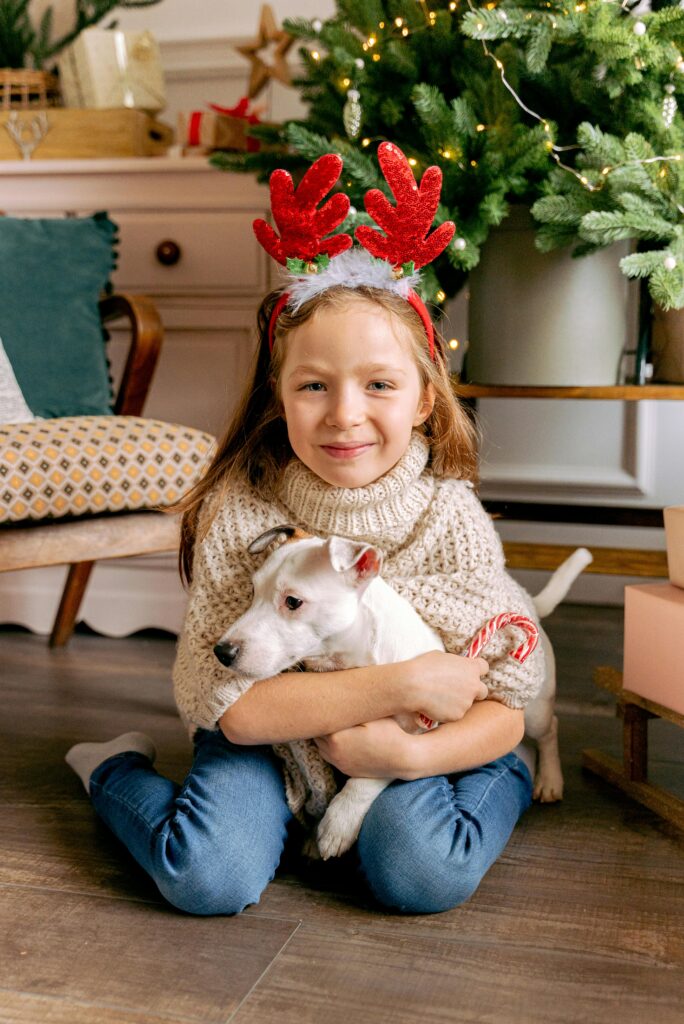
Fifteen Surprising Facts New Owners Never Expect
- They jump vertically like popcorn—clearing baby gates feels like a warm-up.
- Their stare can open doors, or at least make you believe it can.
- They catalog every neighborhood squirrel and hold grudges.
- They shred plush toys with surgical precision and zero remorse.
- They learn tricks in minutes—then try to invoice you for more treats.
- They self-appoint as home security and commentary department.
- They notice tiny changes: new shoes, new smells, new mood—nothing slips by.
- They sunbathe like lizards and follow sunbeams around the room.
- They bond hard with their people and shadow them like fluffy interns.
- They can develop selective hearing outdoors; inside, open cheese = instant recall.
- They have toddler-level FOMO and want in on every activity, including showers.
- They dig cooling “nests” in blankets and create pillow architecture.
- They’re comedians—expressive eyebrows, dramatic sighs, the whole routine.
- They rarely act their age; seniors often keep puppy energy with modified exercise.
- They keep your life structured—because if you don’t plan their day, they will.
FAQ
Are Jack Russell Terriers good for first-time dog owners?
Yes, if you love training and activity. They’re smart, funny, and loyal, but they demand time and consistency.
If you want a low-effort cuddle potato, this isn’t it, IMO.
How much exercise do they really need?
Plan for 60–90 minutes daily, split between physical exercise and mental work. Agility drills, scent games, and controlled fetch beat endless running. Quality matters more than raw minutes.
Do Jack Russells get along with other pets?
Often, with careful introductions and management.
Their prey drive runs strong, so small pets (hamsters, rabbits) don’t make great roommates. With dogs, early socialization and clear boundaries help a ton.
Are they barkers?
Yes. They announce things.
Train a “quiet” cue, reward calm behavior, and manage triggers with distance and enrichment. Tired brain = quieter dog, FYI.
How hard are they to train?
They’re very trainable and very independent. Keep sessions short, fun, and varied.
High-value rewards and play-based reinforcement turn “stubborn” into “star pupil.”
What health issues should I watch for?
Patellar luxation, lens luxation, deafness, and dental disease pop up most. Choose a breeder who screens, or get a thorough vet check for rescues. Annual exams and great dental care go a long way.
Final Thoughts
Jack Russell Terriers bring big-dog spirit in a compact package, and they’ll keep you laughing while you hit your step goals.
They thrive with structure, training, and a sense of purpose. Give them a job, a puzzle, and a place to dig, and you’ll have the most entertaining teammate you never knew you needed. IMO, once you go Jack Russell, you’ll never settle for “just a dog” again.