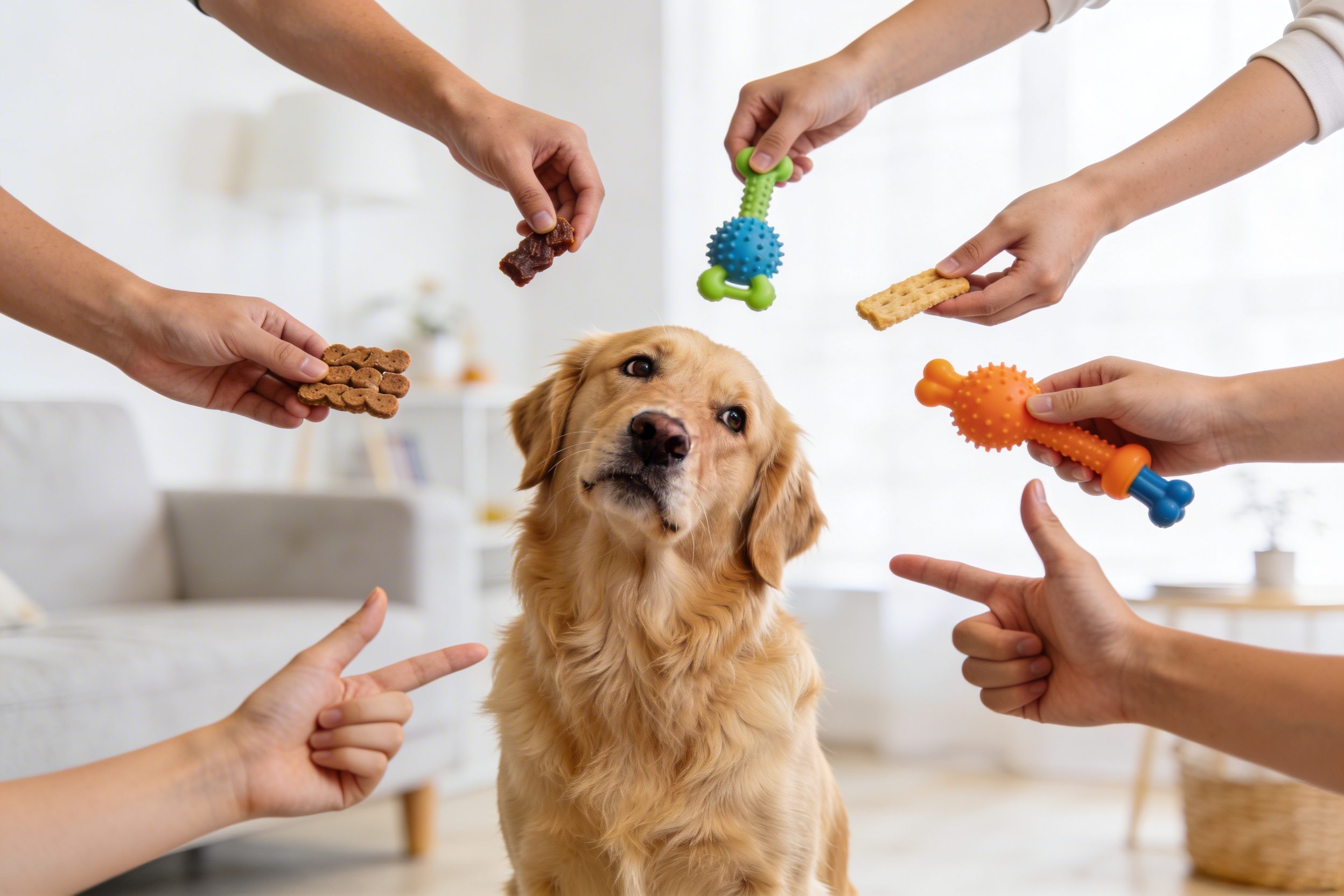
You’re trying your best with Fido, but somehow he looks at you like you’re speaking Martian. The treat disappears, the toy comes out, you say “sit,” he spins in circles—and you both end up frustrated. Sound familiar? Let’s fix the communication breakdown between you and your furry friend by tackling the most common training mistakes that leave dogs utterly confused.
Inconsistent Commands Are Your Worst Enemy
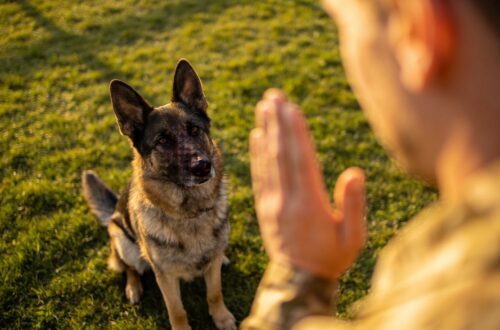
Ever notice how your dog responds perfectly when you say “down” but stares blankly when your partner says “lie down”? That’s because you’re essentially teaching him two different languages for the same action. Dogs don’t naturally understand synonyms—they learn specific sound patterns. Pick ONE word for each command and make everyone in your household use it. Write them down if you have to. “Down,” “lie down,” “get down,” and “lay down” all sound completely different to your dog’s ears. Consistency is everything. This goes for hand signals too. If you point down with one finger on Monday and use a flat palm on Tuesday, you’re confusing the poor guy. Choose your signals and stick with them like your dog’s training depends on it—because it does.
Timing Problems That Sabotage Your Success
The Delayed Reward Disaster
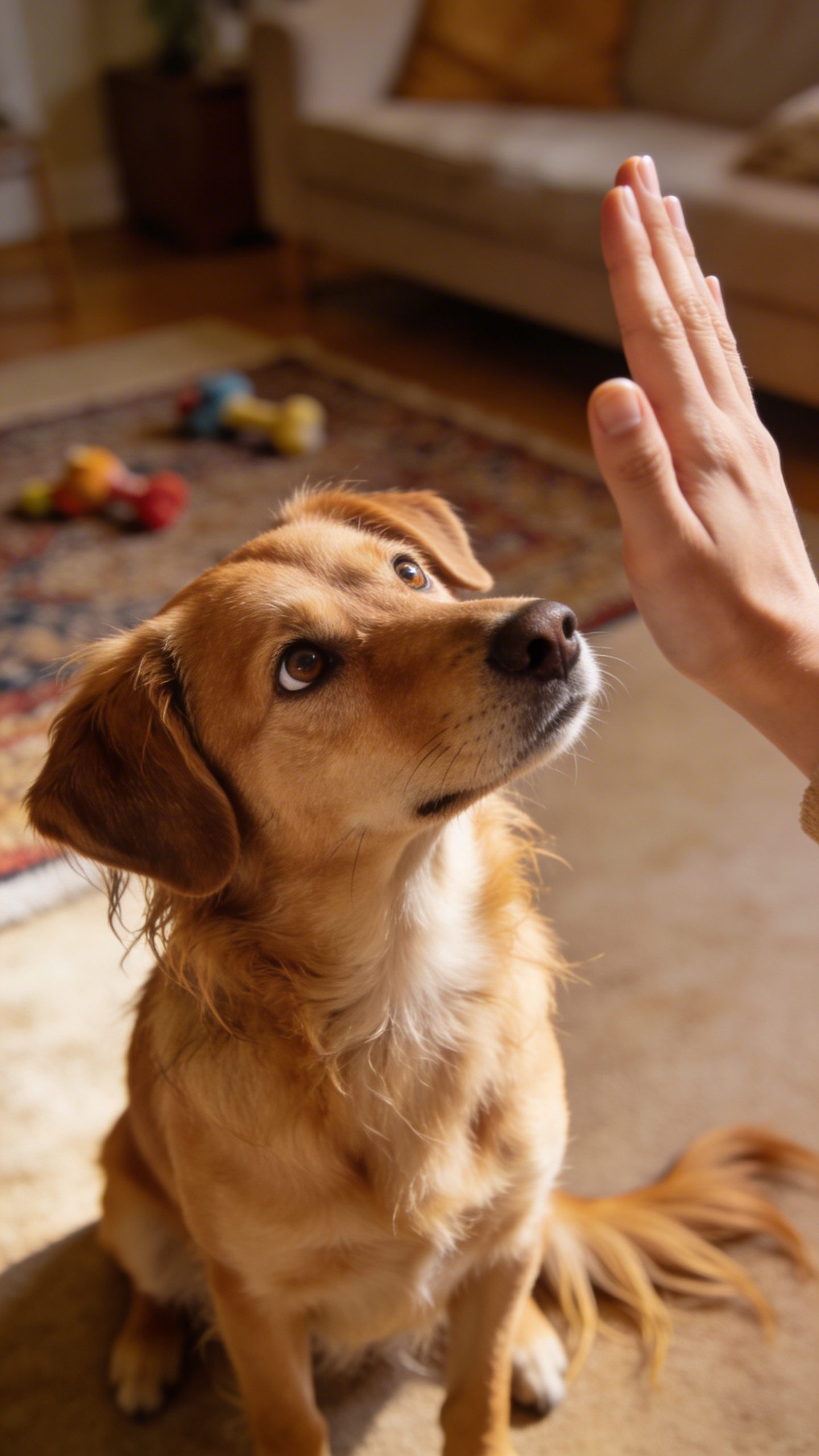
Your dog sits beautifully. You fumble around in your pocket for 10 seconds looking for that treat. By the time you hand it over, he’s already stood up and sniffed the ground. Guess what you just rewarded? Standing and sniffing, not sitting. Dogs live in the moment. You’ve got roughly 2-3 seconds to mark the behavior you want before their brain moves on to the next thing. After that window closes, they have no idea what they’re being rewarded for. The fix? Use a marker word like “yes!” or a clicker the INSTANT your dog does what you asked. Then you can take a few seconds to deliver the actual treat. The marker tells them exactly what earned the reward.
Punishing After the Fact
You come home to a shredded couch cushion. You drag your dog over to the mess and scold him. He looks guilty, right? Wrong. That “guilty” look is just him responding to your angry body language in the present moment. Your dog has zero clue why you’re upset because the shredding happened 4 hours ago. To him, you’re just randomly mad. He can’t connect punishment to something he did earlier—only to what’s happening right now.
Mixed Signals From Body Language
You’re saying “stay” while unconsciously leaning forward. Your dog breaks the stay every single time, and you can’t figure out why. Here’s the truth: your body speaks louder than your mouth. Leaning forward signals movement and invitation to a dog. You’re literally telling him to come while saying stay. Talk about confusing! Your posture, hand position, and even your eye contact all send messages that might contradict your verbal commands. Watch yourself in a mirror or record your training sessions. You might discover you’re doing all sorts of weird things with your body that you never noticed. Stand still and upright for “stay.” Step back slightly. Make your body match your words.
Repeating Commands Like a Broken Record
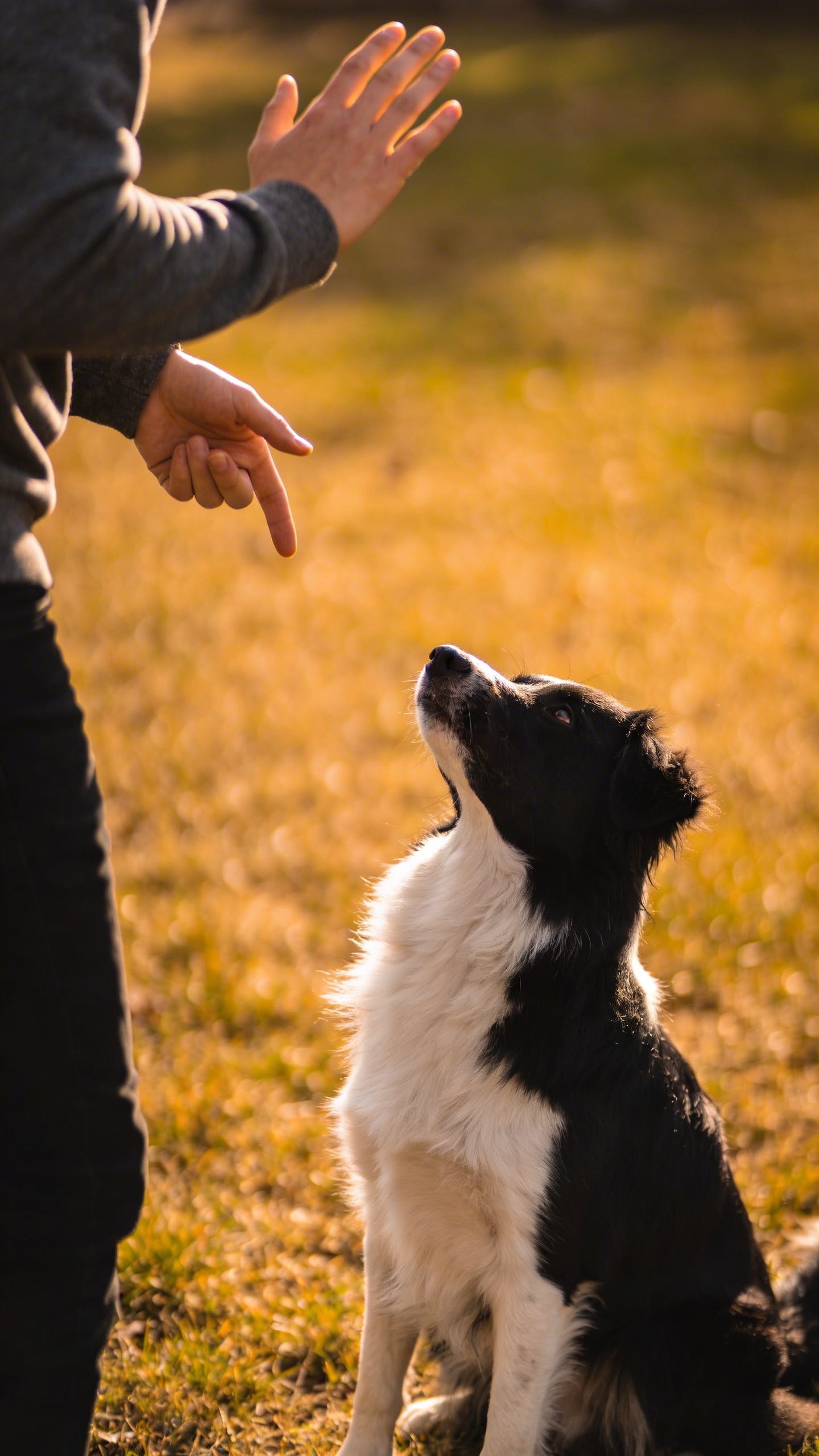
“Sit. Sit. Sit. Sit. SIT!” Sound familiar? Every time you repeat a command before your dog complies, you’re teaching him that the first “sit” doesn’t really count. Why should he listen to command number one when command number five is the “real” one? Give the command once. Just once. Then wait. If your dog doesn’t respond within a few seconds, either he doesn’t understand or he’s not motivated enough. Repeating yourself just teaches him to ignore you. Instead, help him succeed. If he doesn’t sit after one command, gently lure him into position with a treat, then reward. He’ll learn that “sit” means sit immediately, not after you’ve said it six times.
Emotion Overload During Training
Getting Frustrated and Showing It
Dogs are emotional sponges. When you’re tense, angry, or frustrated, they feel it—and it stresses them out. A stressed dog can’t learn effectively. Their brain literally shuts down the learning centers when they’re anxious. You’ll have bad training sessions. That’s normal. But the moment you feel your blood pressure rising, end the session. Do something easy and fun, reward your dog, and walk away. Training when you’re frustrated helps nobody.
Too Much Excitement
On the flip side, turning into a squealing cheerleader every time your dog sits can also backfire. Some dogs get so amped up by over-the-top praise that they can’t focus or control themselves. You end up with a jumping, spinning maniac instead of a calm, focused learner. Match your energy to what you’re trying to achieve. Calm behaviors deserve calm praise. High-energy tricks can get more enthusiastic reactions. Read your individual dog—some love excitement, others find it overwhelming.
Skipping the Basics and Expecting Magic
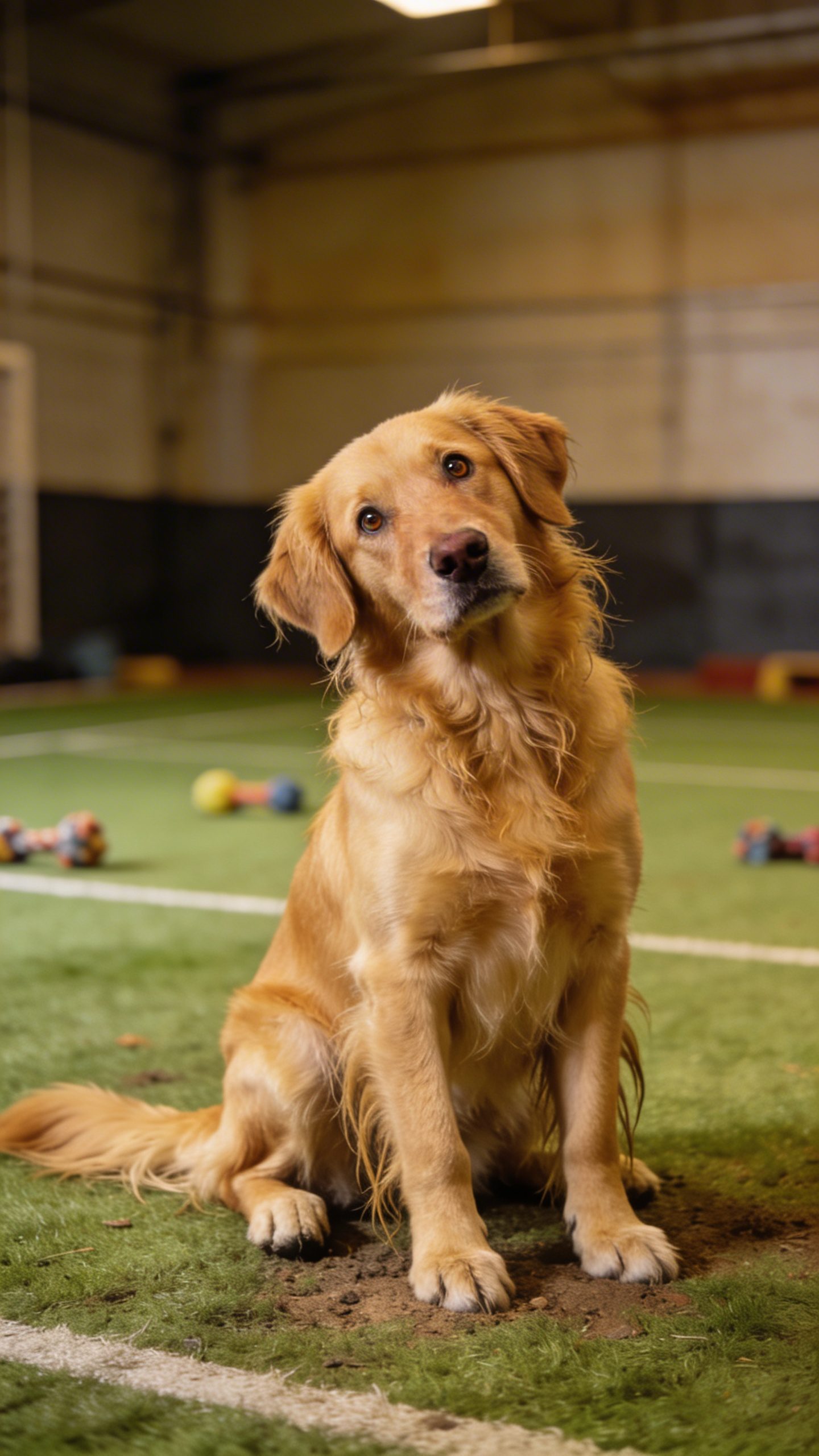
You want your dog to stay while you’re at the grocery store, but he can’t even stay for 5 seconds in your quiet living room. This is like expecting someone to run a marathon when they haven’t jogged around the block yet. Dogs need small, incremental steps to build up to complex behaviors. You can’t skip the boring foundation work and jump straight to impressive tricks. That’s not how learning works. Break everything down into tiny pieces. Add one variable at a time. Can your dog sit in the kitchen? Great. Now try the backyard. Then the front yard. Then the sidewalk. Then the sidewalk with a person walking by. See how this works? IMO, rushing the process causes more setbacks than anything else.
Bribery Instead of Actual Training
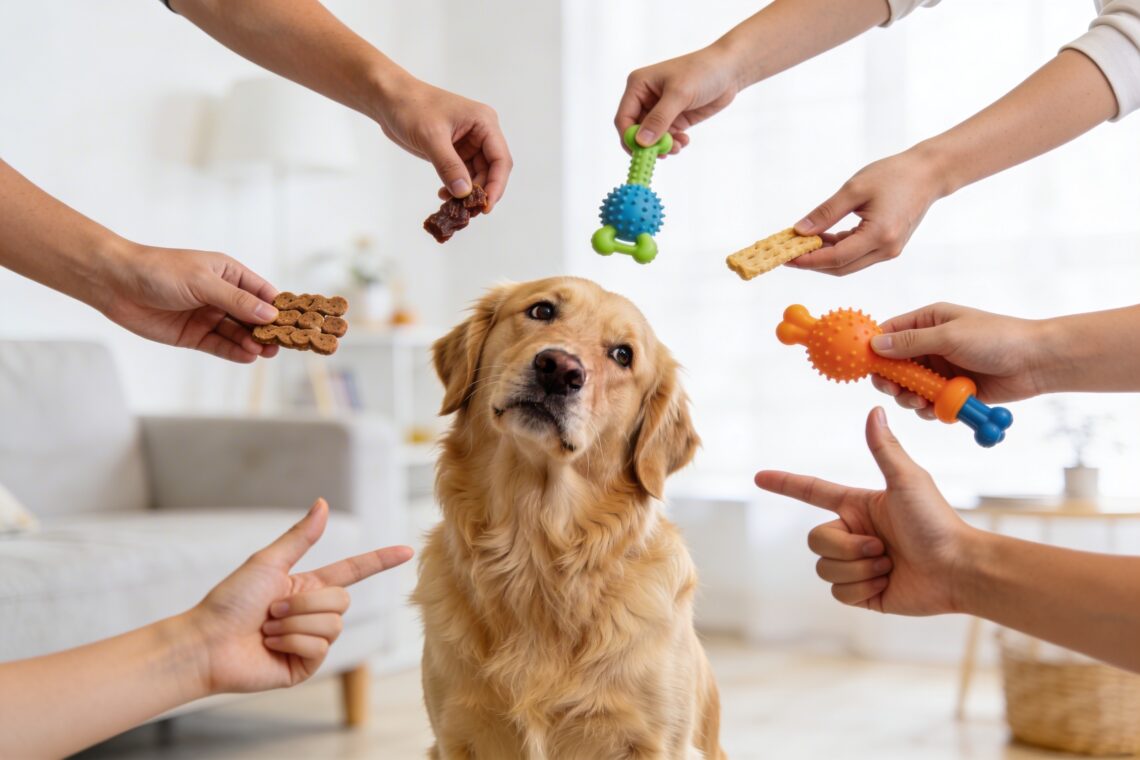
There’s a huge difference between a lure and a bribe. A lure helps teach the behavior initially—you use the treat to guide your dog into position. A bribe is when your dog won’t do anything unless he sees the treat first. If you always show the treat before giving the command, congratulations—you’ve got a dog who only listens when payment is visible upfront. Not exactly useful when you need him to come during an actual emergency and you’re not holding a hot dog. The fix? Start fading the lure quickly. Once your dog understands the behavior, hide the treats. Give the command, reward after compliance. Vary your rewards—sometimes treats, sometimes toys, sometimes just praise. Keep him guessing.
Ignoring Your Dog’s Individual Personality
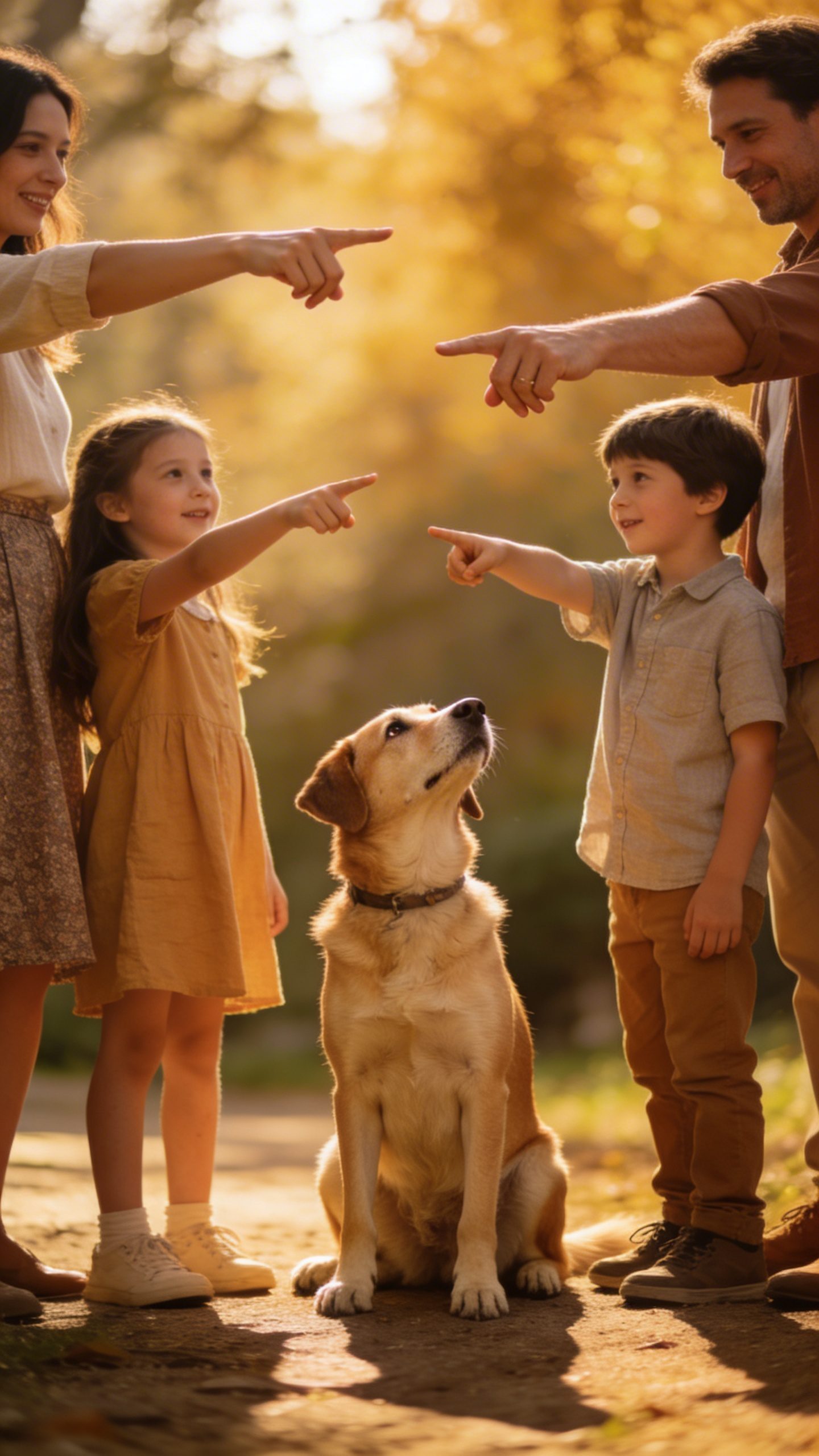
Training methods aren’t one-size-fits-all. Your neighbor’s dog might work for kibble and be happy as a clam. Your food-motivated beagle might sell his soul for cheese. Your independent husky might think treats are fine but would rather chase a ball. Some dogs are sensitive and need gentle encouragement. Others are stubborn and need more motivation. You’ve got to read YOUR dog and adjust accordingly. What works for the Golden Retriever in the YouTube video might totally flop with your terrier. Pay attention to what actually motivates your specific dog. FYI, it might not be food at all. Maybe it’s toys, maybe it’s praise, maybe it’s access to the backyard. Use whatever lights up your dog’s brain.
Frequently Asked Questions
How long should training sessions last?
Keep sessions short and sweet—5 to 10 minutes max for most dogs. Puppies and easily distracted dogs do better with even shorter sessions, like 3-5 minutes. It’s way better to do three 5-minute sessions throughout the day than one exhausting 30-minute marathon. Quality beats quantity every time.
When should I start training my puppy?
Start the day you bring them home. Seriously. Even an 8-week-old puppy can learn basic commands. Their attention span is tiny, but their brain is a sponge. Early training builds good habits and prevents bad ones from forming. Just keep it fun, positive, and age-appropriate.
My dog knows the command at home but “forgets” everywhere else. What’s wrong?
Nothing’s wrong—this is completely normal. Dogs don’t generalize well. They think “sit in the kitchen” and “sit at the park” are two totally different skills. You need to practice every command in multiple locations with varying levels of distraction. Gradually build up the difficulty. It’s not that your dog forgot—he just hasn’t learned that “sit” means sit EVERYWHERE yet.
Can you really train an old dog?
Absolutely. That old saying is nonsense. Older dogs can definitely learn new behaviors. They might take a bit longer than puppies, and you might need to work around physical limitations, but their brains still work just fine. Sometimes older dogs are actually easier because they’re calmer and more focused than crazy puppies.
Is it ever too late to fix training mistakes?
Nope. You can always reset and start fresh. Dogs are forgiving creatures. If you’ve been accidentally teaching confusing signals for months, you can undo that damage. It takes patience and consistency, but you’re not stuck with your mistakes forever. Just commit to doing it right moving forward.
Should I use punishment in training?
Positive reinforcement works better, faster, and doesn’t damage your relationship with your dog. Punishment might stop unwanted behaviors temporarily, but it often creates fear, anxiety, and new problems. Focus on rewarding what you want instead of punishing what you don’t want. Train the dog you want to have, not just suppress the dog you don’t.
Wrapping It Up
Training mistakes happen to everyone. You’re not a bad dog owner for confusing your pup—you’re just learning too. The difference between frustration and success usually comes down to consistency, timing, and understanding how your dog actually thinks. Start fixing one or two of these mistakes at a time. You don’t need to overhaul everything overnight. Pick the biggest problem, address it, and build from there. Your dog wants to understand you—he’s just waiting for clear, consistent communication. Give him that, and you’ll both be amazed at how quickly things improve.