You’ve probably noticed your furry friend giving you those puppy-dog eyes while you’re cooking chicken for dinner, right? Well, here’s the good news: chicken isn’t just delicious for your pup—it’s actually one of the best ingredients for fixing their tummy troubles. I’m going to share five simple homemade dog food recipes that’ll have your four-legged buddy’s digestive system running smoother than ever.
Why Chicken Is Your Dog’s Digestive System’s Best Friend
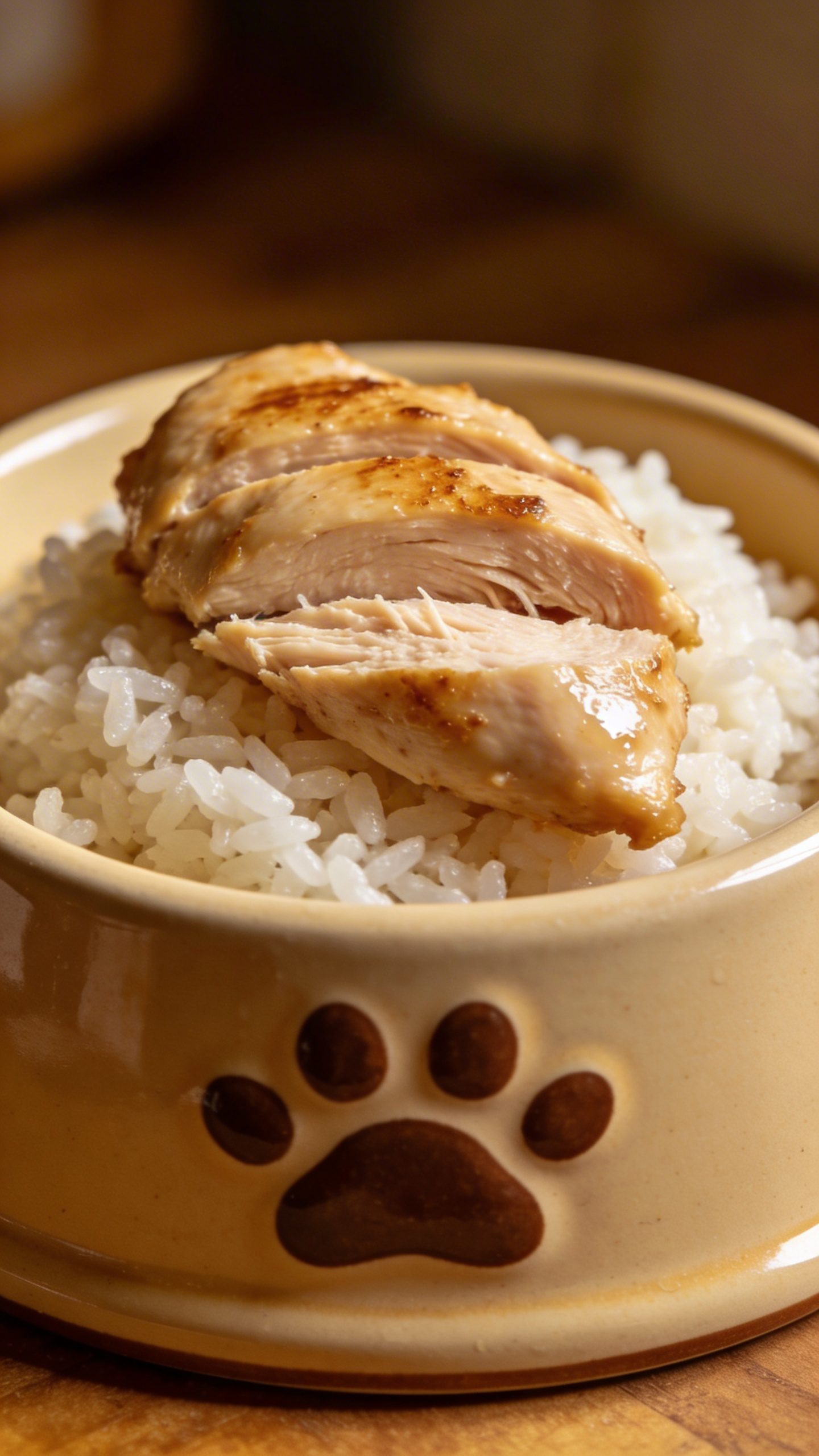
Let’s talk about why chicken deserves a standing ovation in the dog food world. This lean protein is incredibly easy for dogs to digest, meaning their bodies don’t have to work overtime breaking it down. Unlike some mystery meat in commercial kibble, chicken provides high-quality protein that supports gut health and keeps things moving along nicely. Chicken also contains amino acids that help repair and maintain the intestinal lining. Think of it as sending in a construction crew to fix up your dog’s digestive highway. Plus, it’s generally gentle on sensitive stomachs, which is why vets often recommend plain boiled chicken when dogs have upset tummies. The best part? Chicken is loaded with essential nutrients like vitamin B6, phosphorus, and selenium. These nutrients work together to support enzyme function in the digestive tract, making the whole process more efficient. Your dog gets more nutrition from their food, and you get to scoop less questionable stuff in the backyard.
Recipe 1: The Classic Chicken and Rice Gut Soother
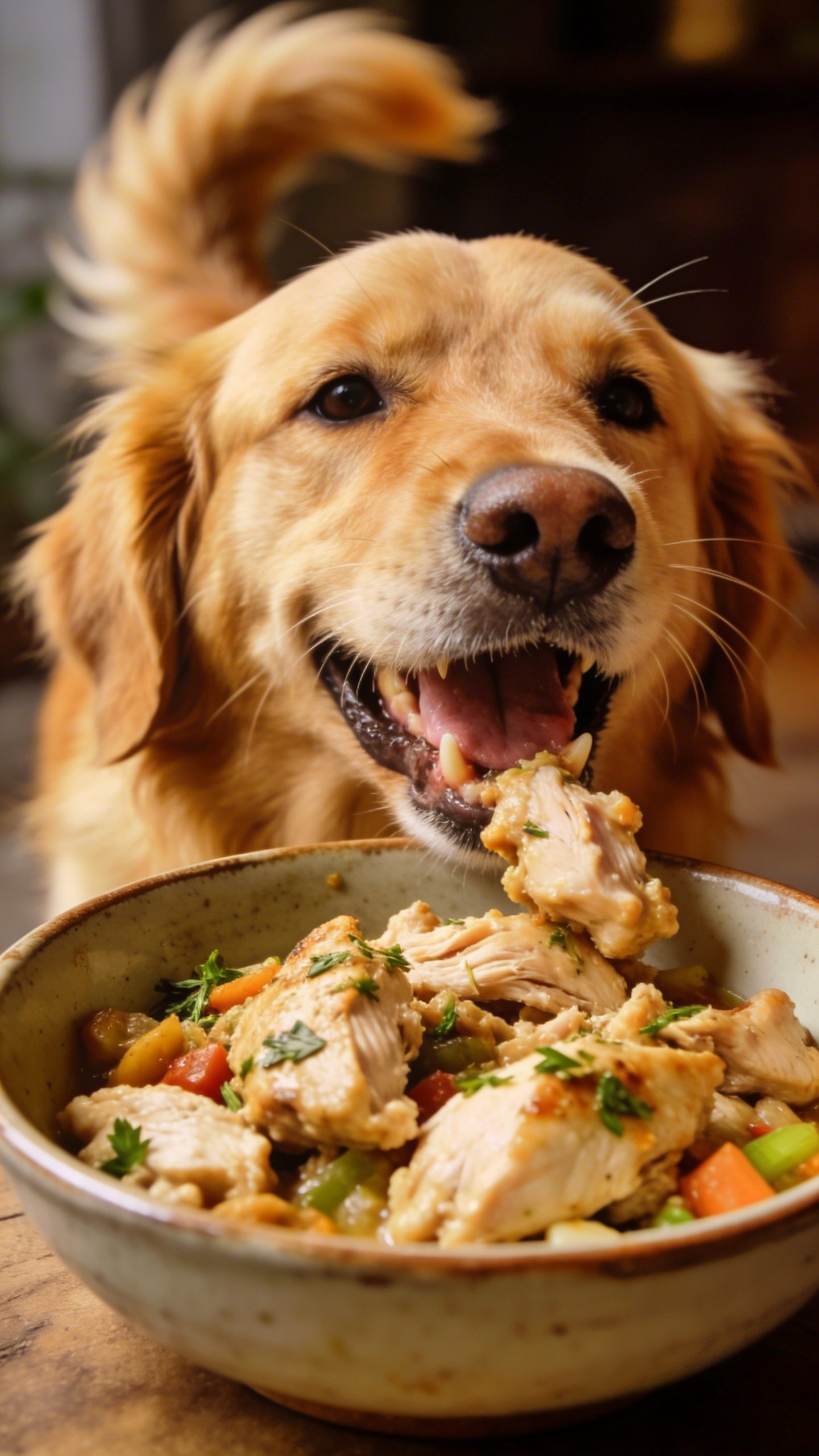
This is the MVP of doggy digestive relief. I’m talking about the recipe that’s saved countless pups from tummy turmoil. You’ll need boiled chicken breast, white rice, and a bit of plain pumpkin puree. Here’s what you’ll do:
- Boil 2 cups of diced chicken breast until fully cooked
- Cook 2 cups of white rice according to package directions
- Mix together and add 2 tablespoons of plain pumpkin puree
- Let it cool completely before serving
The white rice acts like a sponge, absorbing excess stomach acid and firming up loose stools. Meanwhile, the pumpkin provides fiber that helps regulate digestion in both directions—genius, right? Start with small portions and gradually increase based on your dog’s size.
Serving Sizes That Actually Make Sense
For small dogs (under 20 pounds), start with a quarter cup per meal. Medium dogs (20-50 pounds) can handle half to three-quarters of a cup. Large breeds (50+ pounds) can work up to 1-2 cups per serving. Just remember to split their daily portions into two or three meals rather than one big feast.
Recipe 2: Chicken and Sweet Potato Digestive Powerhouse
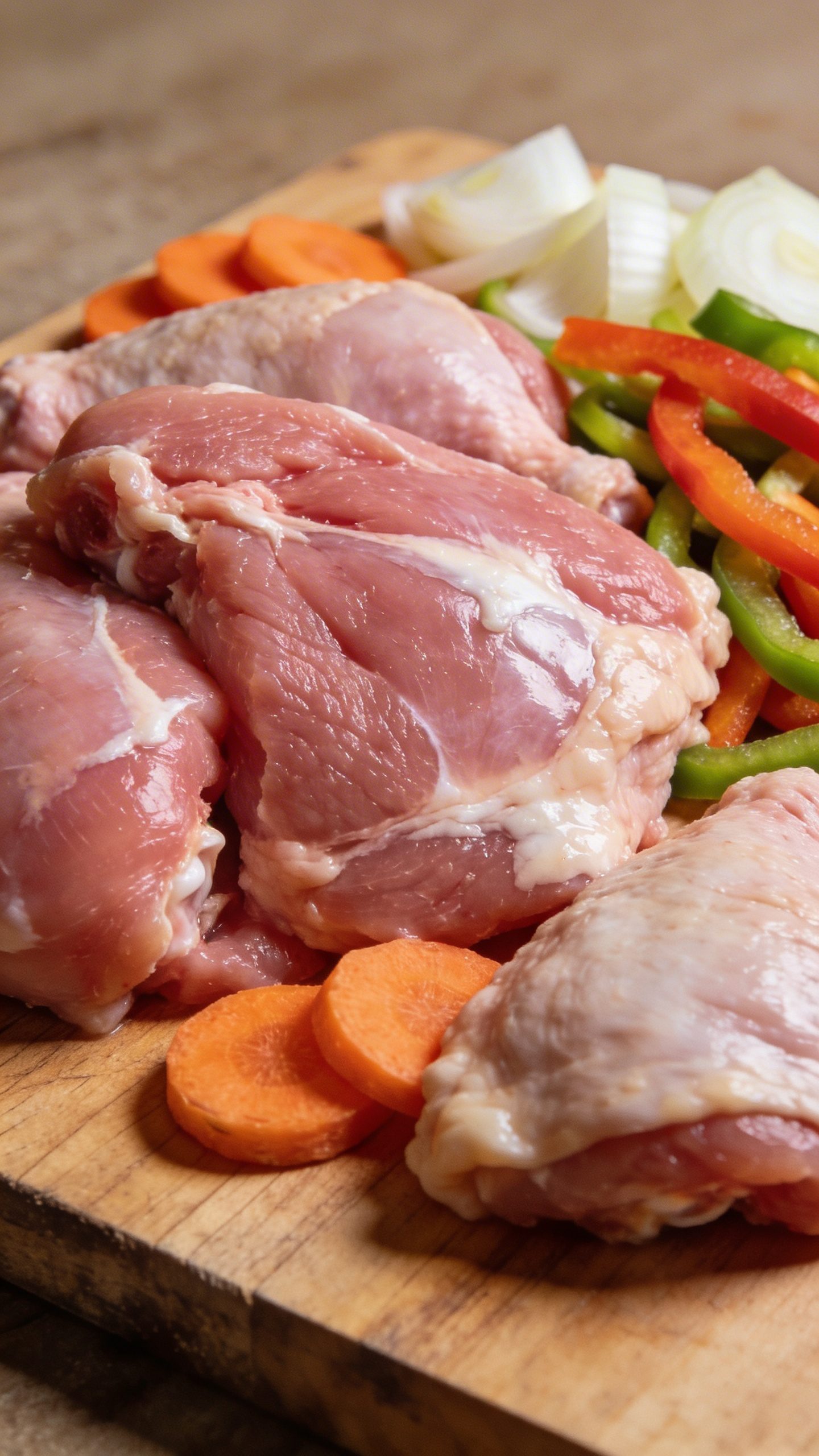
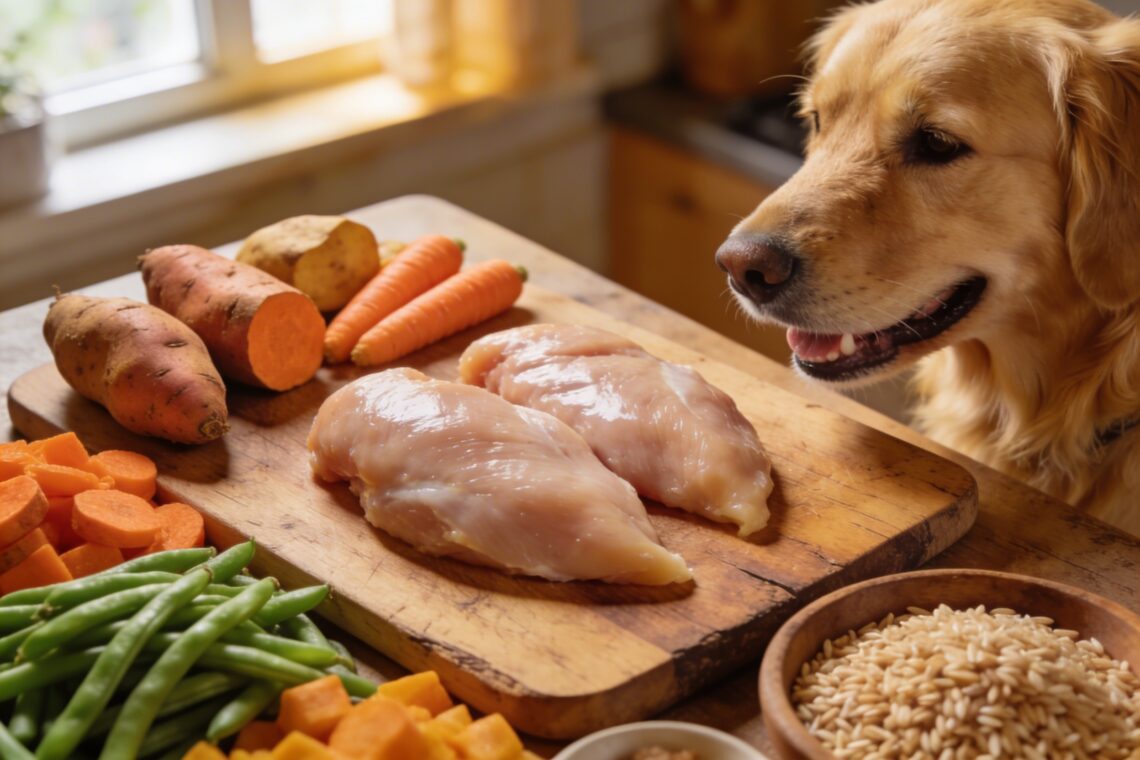
Sweet potatoes are like nature’s probiotic delivery system. They’re packed with fiber and nutrients that feed the good bacteria in your dog’s gut. Combined with chicken, this recipe is basically a spa day for their digestive tract. Grab some boneless chicken thighs (they’re slightly fattier and more flavorful than breast meat), sweet potatoes, and green beans. Cook the chicken thoroughly, bake or boil the sweet potatoes until soft, and steam those green beans until tender. Mix everything together in a 40% chicken, 40% sweet potato, and 20% green beans ratio. The green beans add extra fiber without many calories, which is perfect if your pup needs to shed a few pounds. Store this mixture in the fridge for up to four days, or freeze portions for later use.
Recipe 3: The Bone Broth and Chicken Miracle Worker
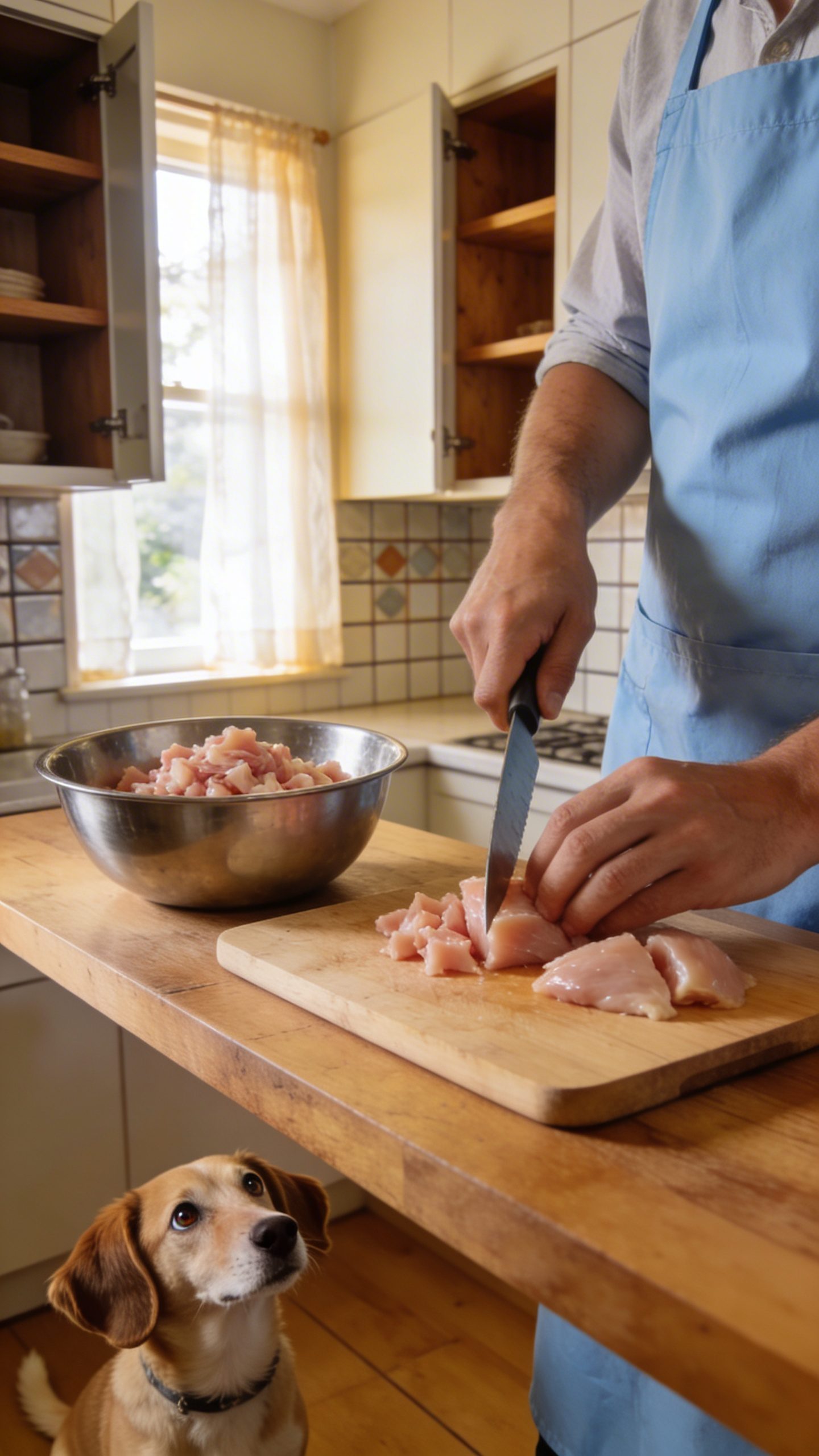
Can we just appreciate bone broth for a second? This liquid gold is basically medicine disguised as food. It’s loaded with gelatin and amino acids that literally seal up a leaky gut and reduce inflammation in the digestive tract. Simmer chicken bones (with a little meat on them) in water with a tablespoon of apple cider vinegar for 12-24 hours. Strain out the bones, shred any remaining meat, and mix it with cooked white or brown rice. The broth becomes gelatinous when cold—that’s exactly what you want.
Why Your Dog Will Literally Lose Their Mind Over This
Dogs go absolutely bonkers for bone broth. The smell alone will have them doing their best impression of a circus performer. Pour the broth over their regular portion of shredded chicken and rice, and watch them inhale it faster than you can say “good dog.” FYI, bone broth also keeps your pup hydrated, which is crucial for proper digestion. Dehydration can lead to constipation and all sorts of unpleasant digestive issues nobody wants to deal with.
Recipe 4: Probiotic-Packed Chicken and Yogurt Blend
Probiotics are the unsung heroes of gut health, and plain yogurt is loaded with these beneficial bacteria. Mix shredded boiled chicken with brown rice, steamed carrots, and a generous dollop of plain, unsweetened yogurt. The magic ratio:
- 2 cups shredded chicken
- 1 cup cooked brown rice
- Half cup finely chopped steamed carrots
- Quarter cup plain yogurt
The carrots provide beta-carotene and fiber, while the yogurt introduces friendly bacteria that colonize your dog’s gut and crowd out the troublemakers. Just make sure the yogurt doesn’t contain xylitol or artificial sweeteners—those are toxic to dogs. Brown rice offers more fiber than white rice, which helps maintain regular bowel movements. Your dog’s digestive system will thank you with less gas and more predictable bathroom breaks.
Recipe 5: Chicken and Pumpkin Fiber Festival
If your dog’s digestive issues involve irregularity, this recipe is your new best friend. Pumpkin is the ultimate digestive regulator—it helps with both diarrhea and constipation. How does one food do both? Science is wild. Combine diced boiled chicken, plain pumpkin puree (not the pie filling—seriously, check the label), quinoa, and a tiny drizzle of olive oil. The quinoa provides complete protein and is easier to digest than many grains. The olive oil lubricates the digestive tract and provides healthy fats that support nutrient absorption. This recipe works wonders for dogs who struggle with chronic digestive issues. Many pet parents report seeing improvements within 48-72 hours of switching to this combination. Plus, the natural sweetness of pumpkin makes it incredibly palatable for picky eaters.
The Secret Ingredient That Makes Everything Better
That tiny drizzle of olive oil? It’s doing more work than you think. Olive oil contains anti-inflammatory compounds that soothe the digestive tract lining. Just don’t go overboard—a teaspoon for small dogs and up to a tablespoon for large breeds is plenty. Too much fat can actually cause digestive upset, which defeats the whole purpose.
Important Things to Remember Before You Start Cooking
Before you transform into a doggy chef extraordinaire, let’s cover some crucial points. Always remove chicken bones before serving—cooked bones can splinter and cause serious internal damage. Nobody wants an emergency vet visit at 2 AM. Introduce new foods gradually. Even the healthiest homemade recipe can cause upset if you switch your dog’s diet overnight. Mix a small amount with their regular food and slowly increase the proportion over 5-7 days. Talk to your vet before making major dietary changes, especially if your dog has existing health conditions or takes medications. Some dogs need specific nutrient ratios that homemade diets might not provide without supplements. Your vet might recommend adding a canine multivitamin or calcium supplement to keep everything balanced.
Storage and Food Safety Because Nobody Wants Food Poisoning
Treat homemade dog food the same way you’d treat your own meals. Refrigerate within two hours of cooking and use within four days. Freeze portions in individual containers for longer storage—they’ll keep for up to three months. Always thaw frozen dog food in the refrigerator, not on the counter. Bacteria multiply like crazy at room temperature, and your pup deserves better than a case of food poisoning. Label containers with dates so you know what’s fresh and what needs to hit the trash.
Frequently Asked Questions
How quickly will I see improvements in my dog’s digestion?
Most dogs show noticeable improvements within 3-5 days of switching to homemade chicken-based meals. You’ll probably notice firmer stools, less gas, and more regular bathroom schedules. However, dogs with chronic digestive issues might need 2-3 weeks to fully adjust. Keep a journal of their symptoms and bathroom habits to track progress accurately.
Can I feed my dog these recipes every day long-term?
While these recipes are great for digestive health, they might not provide complete nutrition for long-term feeding without supplements. Dogs need calcium, certain vitamins, and other nutrients that simple chicken recipes don’t always provide in adequate amounts. Consider these recipes as a foundation and work with a veterinary nutritionist to create a balanced long-term meal plan. Many vets recommend rotating proteins and adding supplements to homemade diets.
Is chicken better than beef or turkey for digestion?
IMO, chicken edges out other proteins for digestive friendliness because it’s leaner and easier to break down. Beef can be harder to digest and contains more fat, which some dogs struggle with. Turkey is comparable to chicken, but chicken tends to be cheaper and more readily available. That said, every dog is different—some pups might digest turkey or even fish better than chicken. Pay attention to your individual dog’s responses.
What if my dog has a chicken allergy?
About 15% of dogs with food allergies react to chicken, so it’s not as rare as you might think. If your dog shows signs of allergies (itching, ear infections, digestive upset) after eating chicken, switch to turkey, duck, or even fish as your protein source. The same cooking principles apply—just swap out the chicken. A proper elimination diet supervised by your vet can help identify specific food sensitivities.
Should I add vegetables to these recipes?
Absolutely! Vegetables add fiber, vitamins, and minerals that support digestive health. Safe options include carrots, green beans, peas, zucchini, and spinach. Avoid onions, garlic, grapes, and anything from the nightshade family except plain tomatoes in small amounts. Steam or puree vegetables for better digestibility—dogs can’t break down plant cell walls as efficiently as we can.
How do I know if the homemade diet is working?
Look for these positive signs: regular, firm (but not hard) bowel movements, reduced gas, increased energy levels, shinier coat, and better appetite. Your dog should seem comfortable after meals without signs of bloating or discomfort. If you notice continued digestive issues, weight loss, or lethargy after two weeks on homemade food, consult your vet immediately. Something else might be going on that needs professional attention.
Wrapping Up Your Journey to Better Doggy Digestion
There you have it—five chicken-based recipes that’ll transform your dog’s digestive health faster than you can say “who’s a good boy?” These meals aren’t just nutritious; they’re actually enjoyable to make, and watching your pup devour them with pure joy makes every minute of prep work worthwhile. Remember, transitioning to homemade food is a journey, not a race. Start slowly, pay attention to your dog’s individual responses, and don’t hesitate to adjust recipes based on what works for your specific furry friend. Your dog’s tail wags, improved energy, and regular bathroom habits will tell you everything you need to know about whether you’re on the right track. Now get cooking—your pup’s digestive system is waiting!