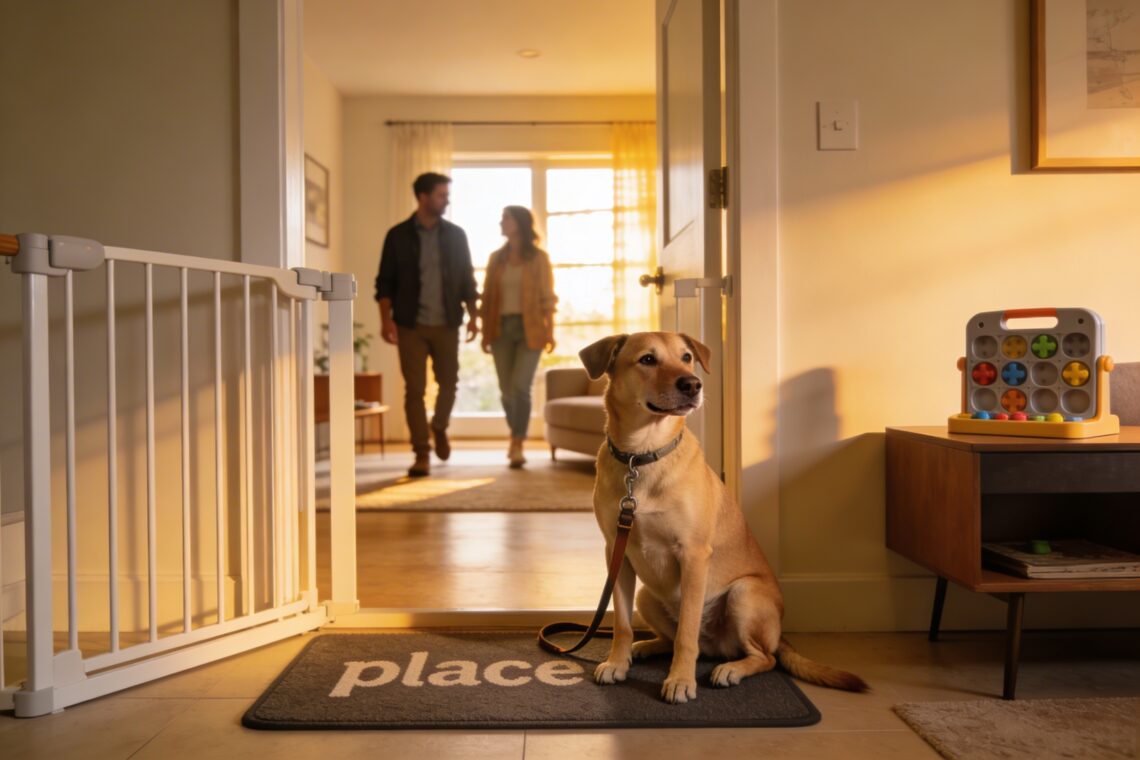
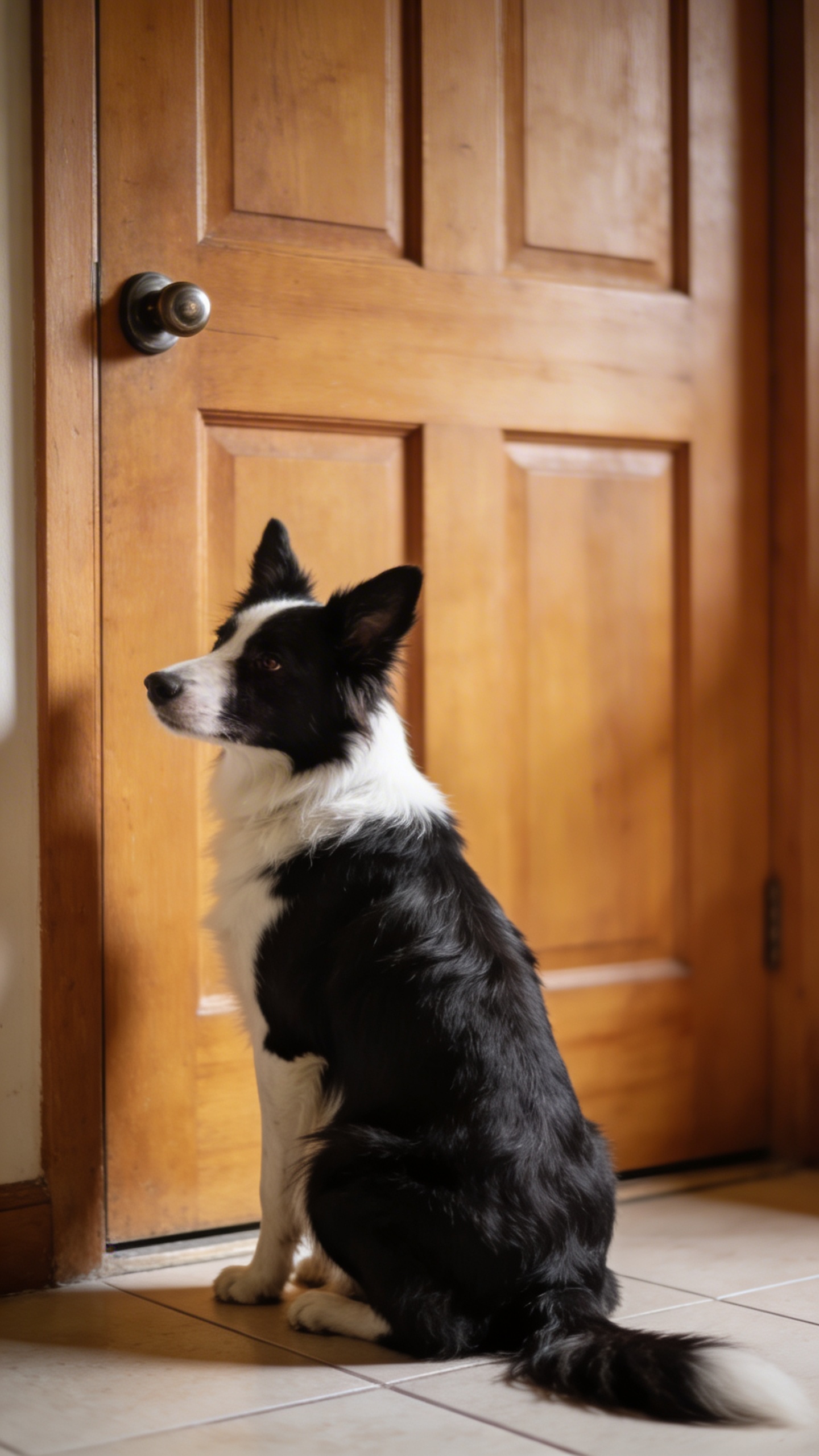
Your dog hears the doorbell and flips into turbo mode. Barking, jumping, zoomies—the whole circus. You love the enthusiasm, but your guests… not so much. The good news: you can calm that chaos fast with a few smart moves. Keep reading for practical, no-fluff tips you can use today.
Prep Before People: Drain the Energy Tank
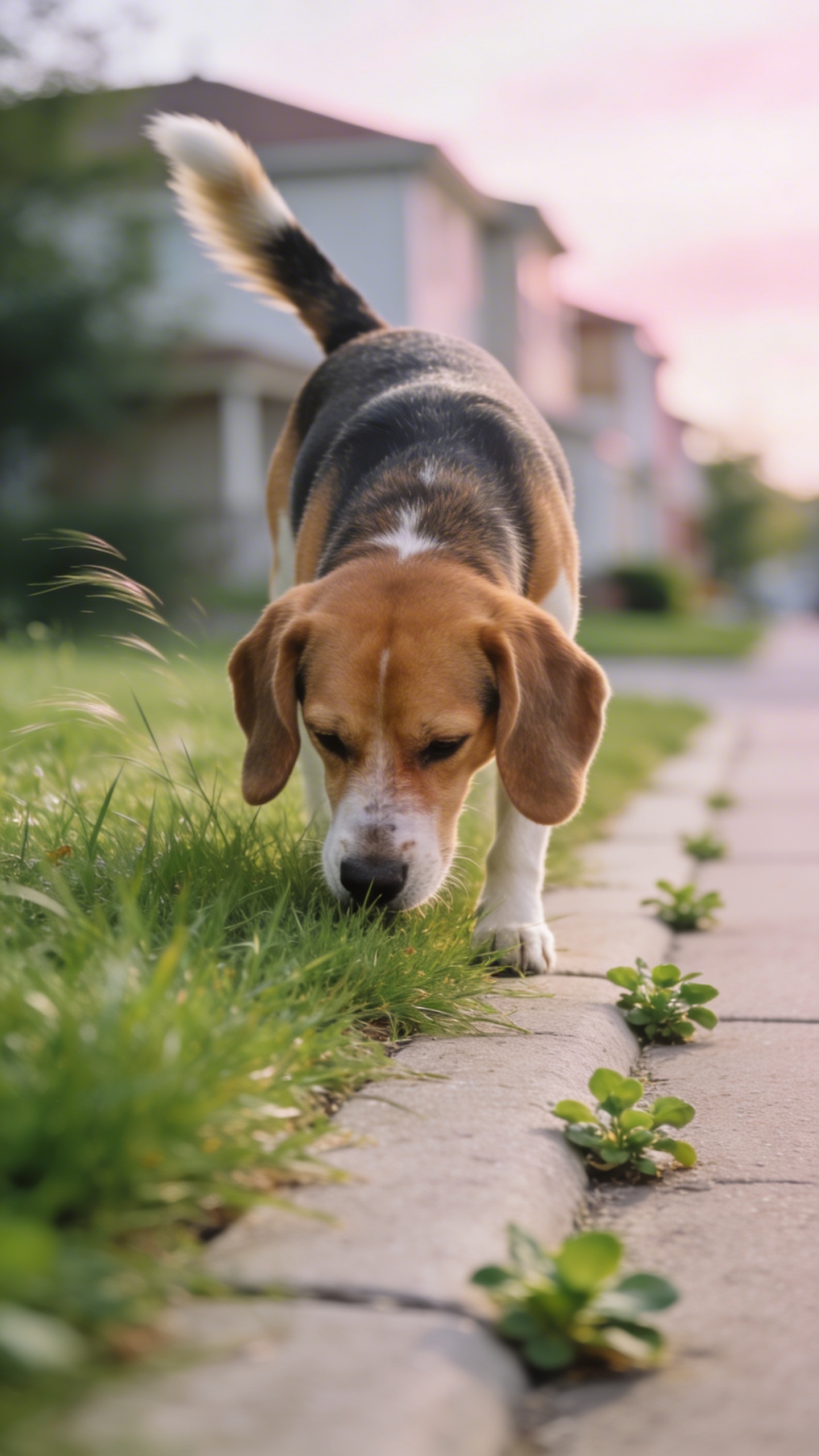
Your dog won’t settle if they’ve got a full battery. Think of excitement as fuel—burn it first. A short training session, sniffy walk, or quick game of fetch right before visitors arrive works wonders.
- 10–15 minutes of sniffing on a walk beats a frantic 5-minute sprint.
- Brain games (sit, down, stay, spin) tire them out mentally. That’s gold.
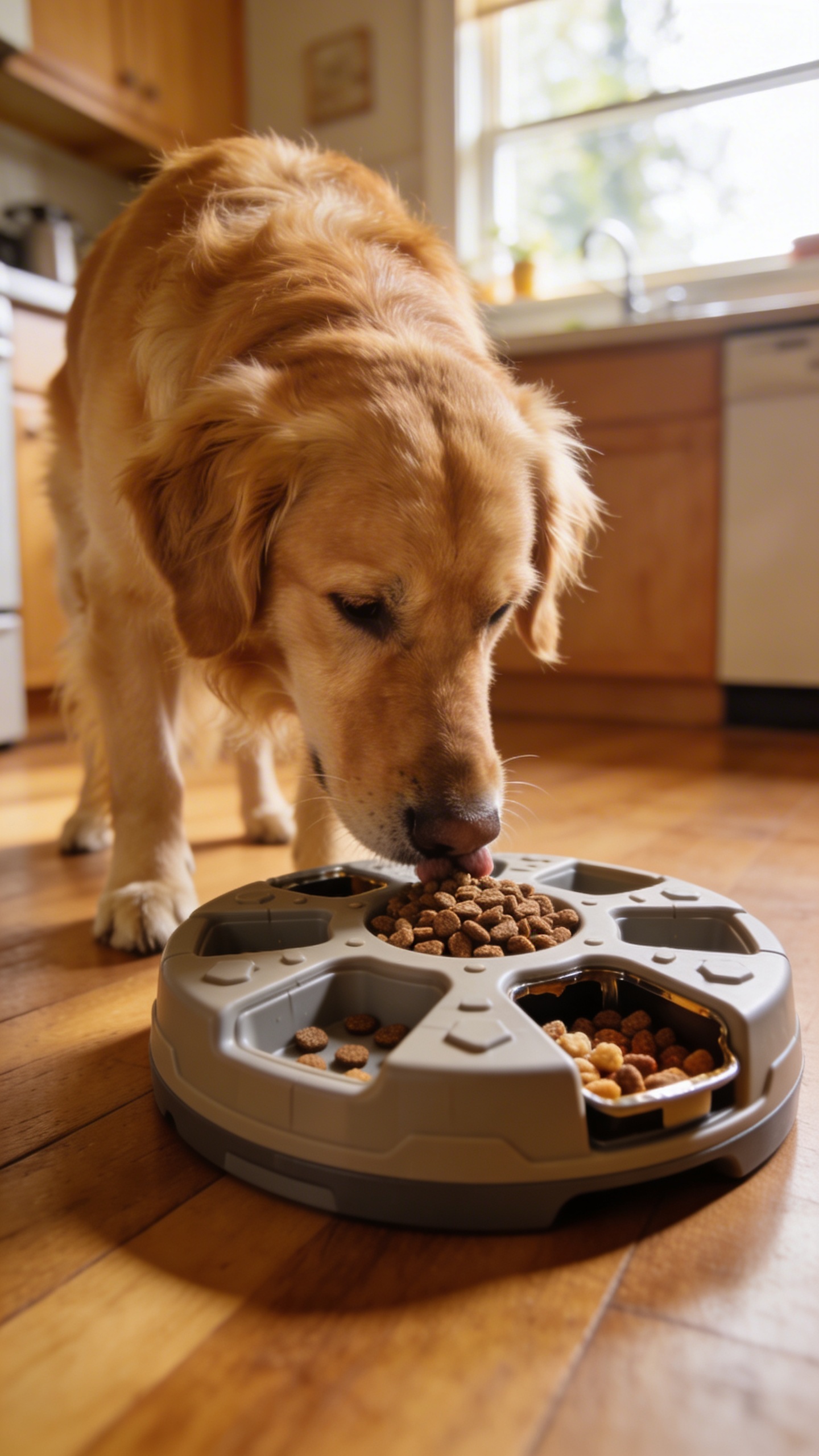
- Puzzle feeders pre-doorbell keep heads busy and paws grounded.
Quick Sprint vs. Sniff Walk?
Choose sniffing. It slows the nervous system and builds calm curiosity. Your dog will actually feel more chilled instead of just physically tired.
Control the Setup: Gate, Leash, or Place
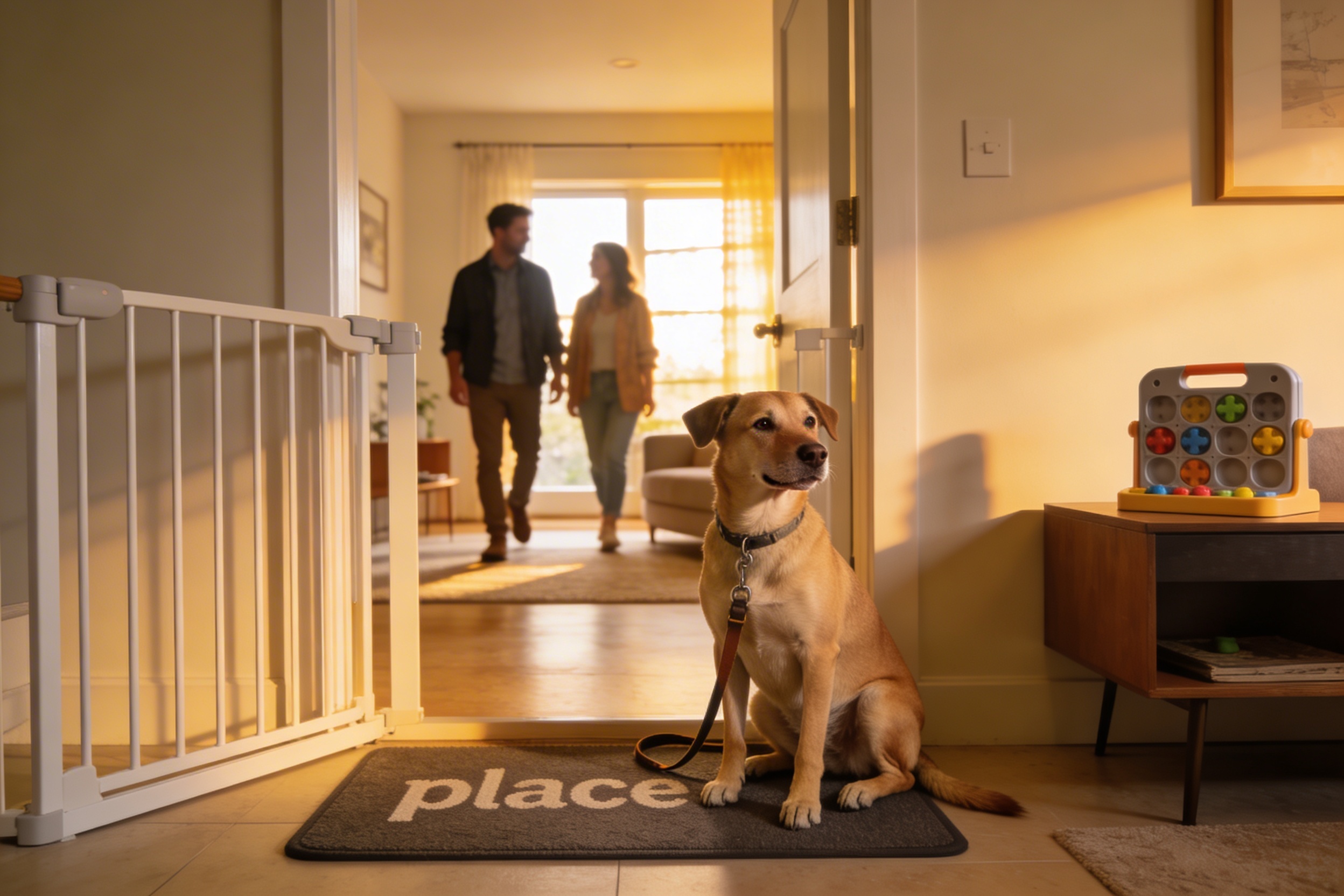
You don’t need to battle your dog in the hallway. Manage the environment so you set the tone before guests step inside.
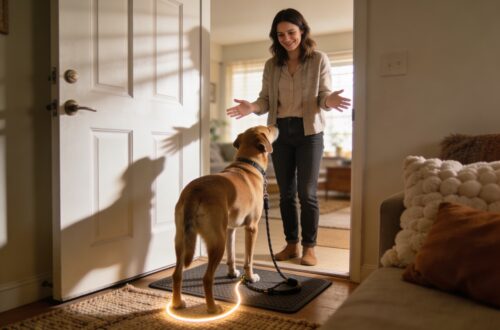
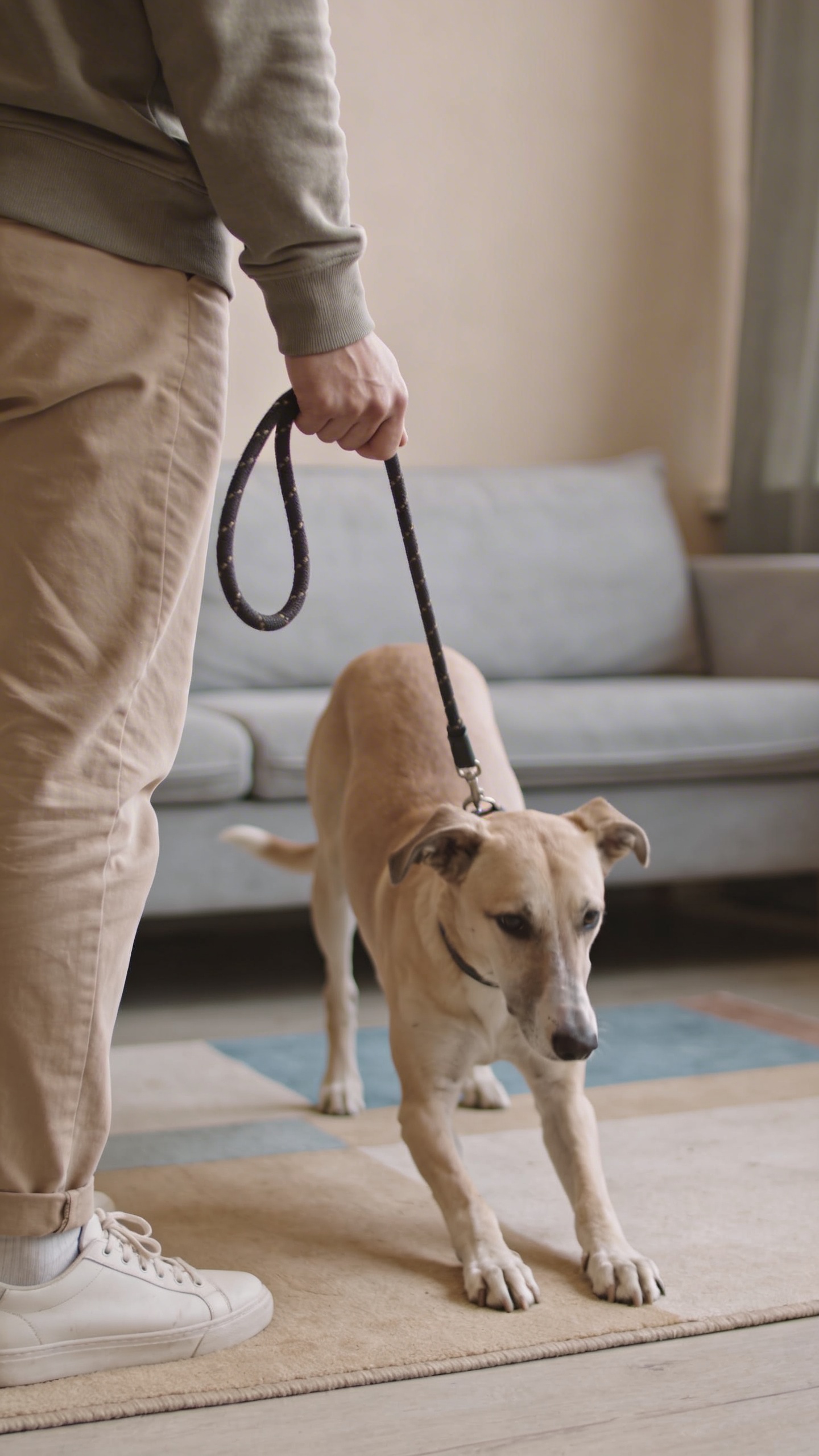
- Leash on before the knock gives you instant control without drama.
- Baby gate or playpen creates space so your dog can decompress.
- Teach “Place”—a mat or bed means park-your-butt-and-relax.
How to Teach “Place” (Fast Version)
- Lure your dog onto a mat. Mark “Yes” and treat.
- Add a sit or down. Reward calmly, not like you won the lottery.
- Release with “Okay,” then repeat. Add duration and distance over a few days.
FYI: You want your dog to feel safe there, not trapped. Keep the vibe chill.
Desensitize the Door Drama
Dogs don’t magically “get over” the doorbell. You need to make it boring. Practice in tiny doses until your dog goes, “Meh.”
- Play the doorbell sound at low volume. Toss a treat to the mat.
- Repeat until your dog looks to you for the treat instead of flipping out.
- Gradually increase volume and add knocking. Keep rewarding calm.
Bonus: Create a Predictable Routine
Doorbell rings → you say “Place” → dog gets a treat on the mat → guest enters. Dogs love patterns. Make this one their favorite.
Reward Calm Like a Pro
If you only correct excitement, you’ll confuse your dog. Reward the behaviors you want like you mean it. Quiet sits? Treat. Settled body? Treat. Eye contact? Yep—treat.
- Use calm reinforcement—soft voice, slow petting, low-value treats at first.
- Pay in bursts for staying settled as the guest moves around.
- Fade treats gradually and switch to praise once your dog gets it.
IMO, people skip this part and then wonder why nothing sticks.
Coach Your Guests (Yes, Really)
Your dog isn’t the only one who needs training. Guests love to pet and squeal, which can accidentally reward jumping and barking.
- Ask guests to ignore your dog for the first 2–5 minutes.
- No talk, no touch, no eye contact until four paws stay on the floor.
- Have treats ready so guests can reward calm greetings.
Simple Greeting Rules to Share
- Stand sideways, not head-on. Less pressure for the dog.
- Let the dog approach. No leaning or hovering.
- Pet under the chin or chest, not over the head.
You’re the host. You set the rules. Your dog will thank you with fewer chaos sprints.
Give Them a Job: Chew, Lick, or Sniff
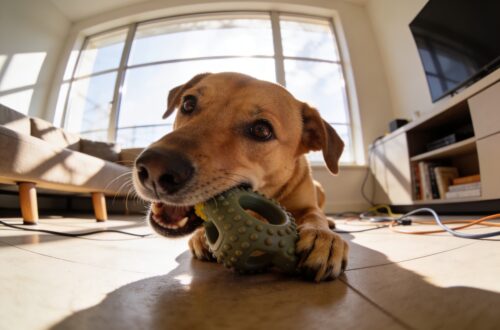
A busy mouth equals a quiet dog. Chewing and licking release feel-good hormones that help dogs self-soothe. It’s science—and it’s handy.
- Stuffed Kongs with frozen yogurt or wet food keep them anchored.
- Lick mats = instant zen for anxious pups.
- Long-lasting chews like bully sticks can outlast small talk.
Placement Matters
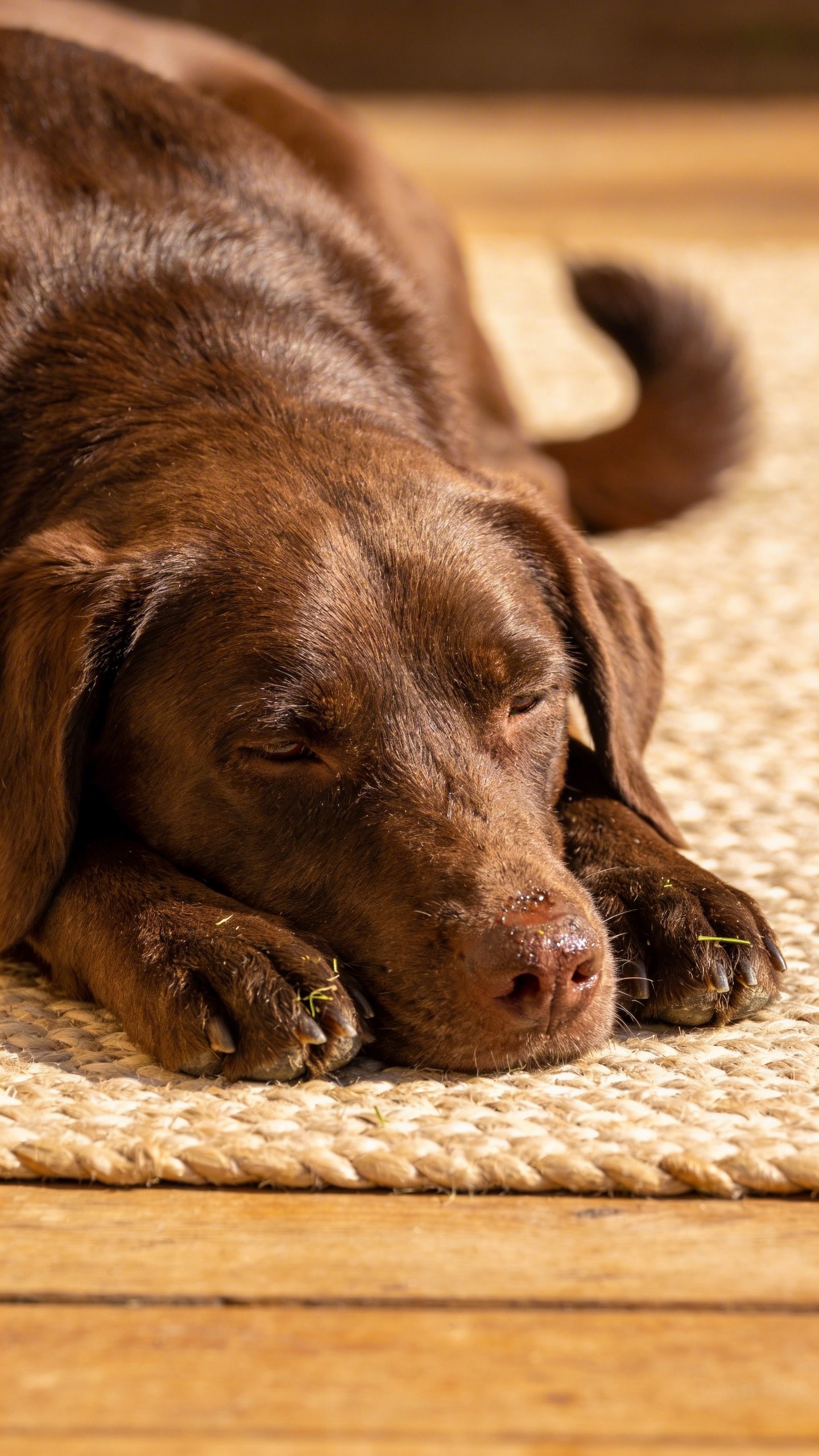
Give the chew on the mat or behind a gate. You reward both calm location and calm behavior at once. Multitasking for the win.
Know When to Retreat
Some dogs need space to feel safe. That’s not failure—it’s good management. If your dog spirals, reset instead of pushing through.
- Crate break with a chew in a quiet room.
- Leash walk outside for 3 minutes to lower arousal.
- Short visits at first, then build duration over time.
FYI: Calm begets calm. Stack small wins and your dog will surprise you.
FAQs
How do I stop my dog from jumping on people instantly?
Clip on a leash before the door opens and cue “Sit” or “Place.” Step on the leash gently if needed to prevent launch mode. Reward four paws on the floor like it’s their job. Ask guests to ignore jumping and only greet when your dog sits.
What if my dog barks nonstop at visitors?
Teach a “Quiet” cue by marking a 1–2 second pause and rewarding on the mat. Then practice with the doorbell at low intensity. Give a chew behind a gate when guests arrive, and only let the dog greet after a calm period. Consistency beats volume.
Can I use calming supplements or wraps?
You can, but treat them as support, not a fix. Calming chews, pheromone diffusers, or snug wraps may take the edge off. Pair them with training and management for real results. Talk to your vet if you’re unsure, especially for sensitive stomachs.
My dog gets worse with each knock. What now?
You’re dealing with trigger stacking. Space out exposures, lower the intensity, and practice doorbell training without guests for a few days. Keep sessions short and end on a calm note. Then reintroduce visitors with gates, place, and chews.
Is it okay to put my dog away when guests come?
Absolutely. If your dog needs decompression, use a crate, room, or gate with something to chew. Normalize breaks so your dog doesn’t feel punished. You can always bring them out later for a calmer, controlled greeting.
What’s the fastest tip for right now?
Leash on, “Place” cue, and a stuffed Kong as your guest walks in. Ask your guest to ignore your dog for three minutes. That combo calms most dogs fast, IMO.
Bringing It All Together
You don’t need magic—just a plan. Prep the energy, control the setup, make the doorbell boring, reward calm, coach your guests, and give your dog a job. Add smart retreats when needed. Do this for a week and watch your “door chaos” dog become the chillest host on the block. And hey, you might even enjoy answering the door again.