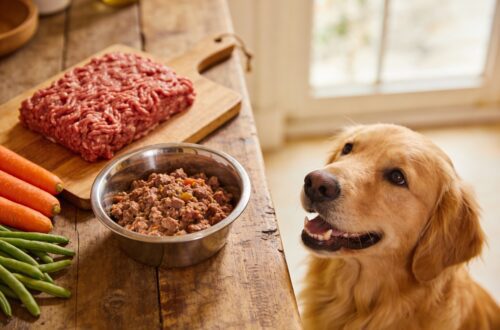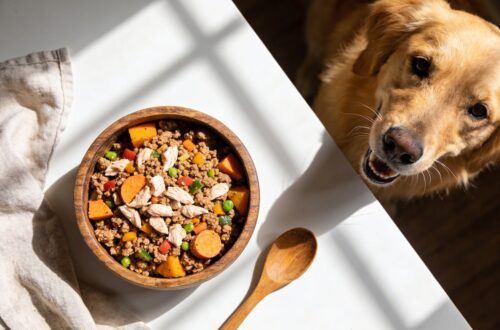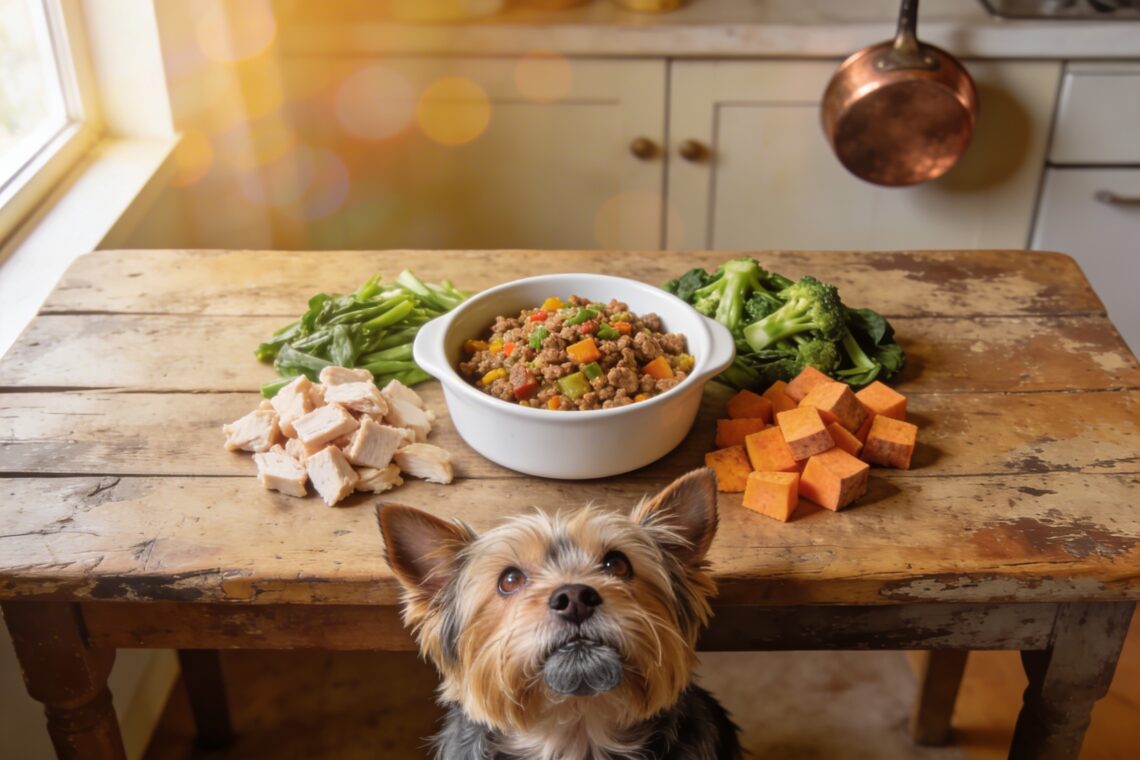
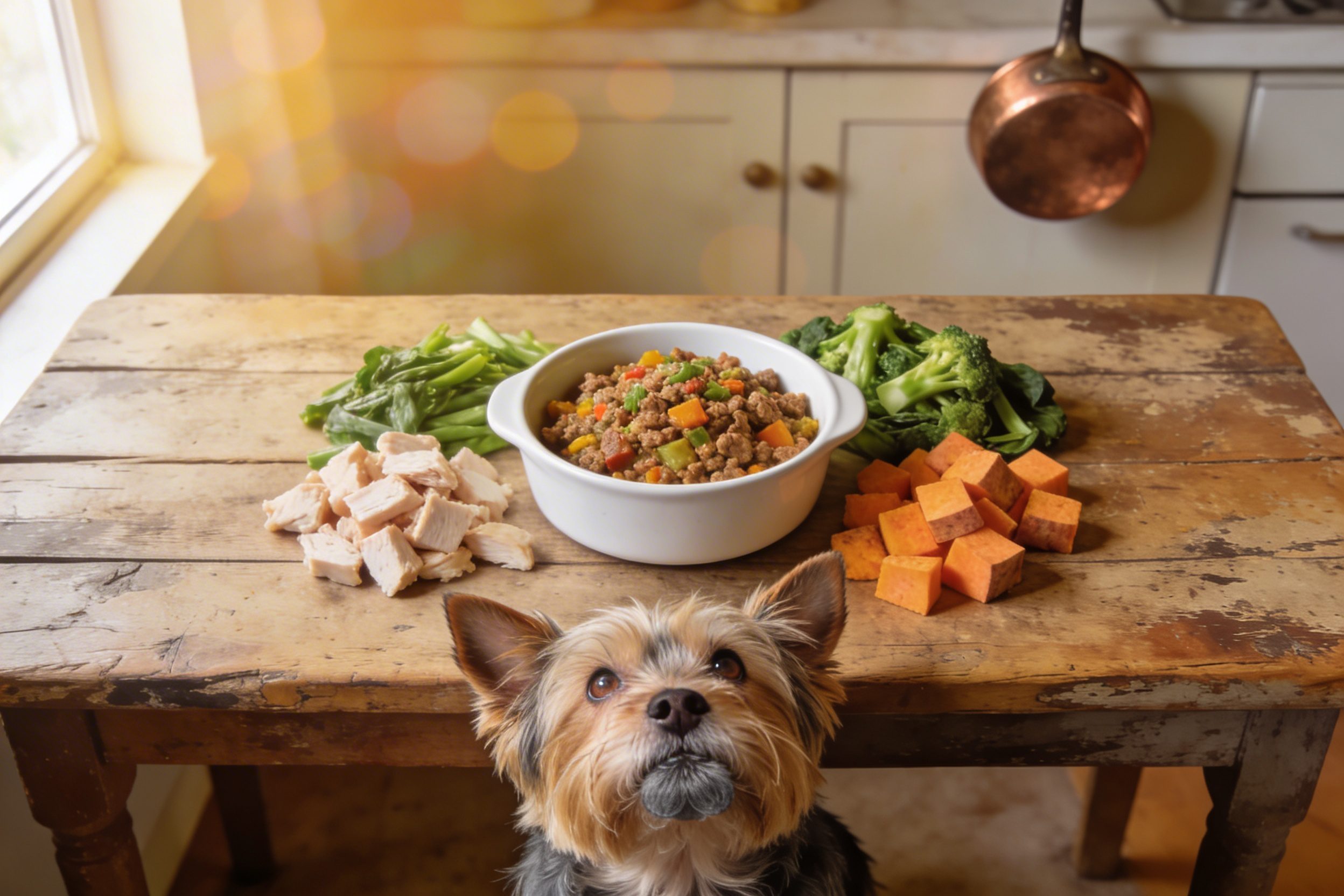
Your tiny senior pup deserves restaurant-quality meals without the all-day cooking marathon. These seven homemade recipes pack serious nutrition and flavor into dishes you can whip up faster than your next Netflix episode. Best part? Your aging buddy’s tail won’t stop wagging, and you’ll actually enjoy making them.
Why Your Senior Small Breed Needs Special Nutrition
Let’s get real for a second. That adorable grey-muzzled Chihuahua or elderly Yorkie sitting at your feet isn’t the same spry puppy who could digest anything. Senior dogs need fewer calories but more quality nutrients, and small breeds burn through energy differently than their bigger cousins. Your older small dog faces unique challenges. Their metabolism slows down, joints get creaky, and sometimes their teeth aren’t what they used to be. Commercial kibble might sit like a rock in their tiny stomachs, or worse, contain fillers that do absolutely nothing for their aging bodies. Homemade food lets you control exactly what goes into their bowl. You know that chicken is actually chicken, not “poultry by-product meal” (yeah, gross). Plus, you can adjust portions to their exact needs without doing complicated math with measuring cups.
What Makes These Recipes Perfect for Senior Small Dogs
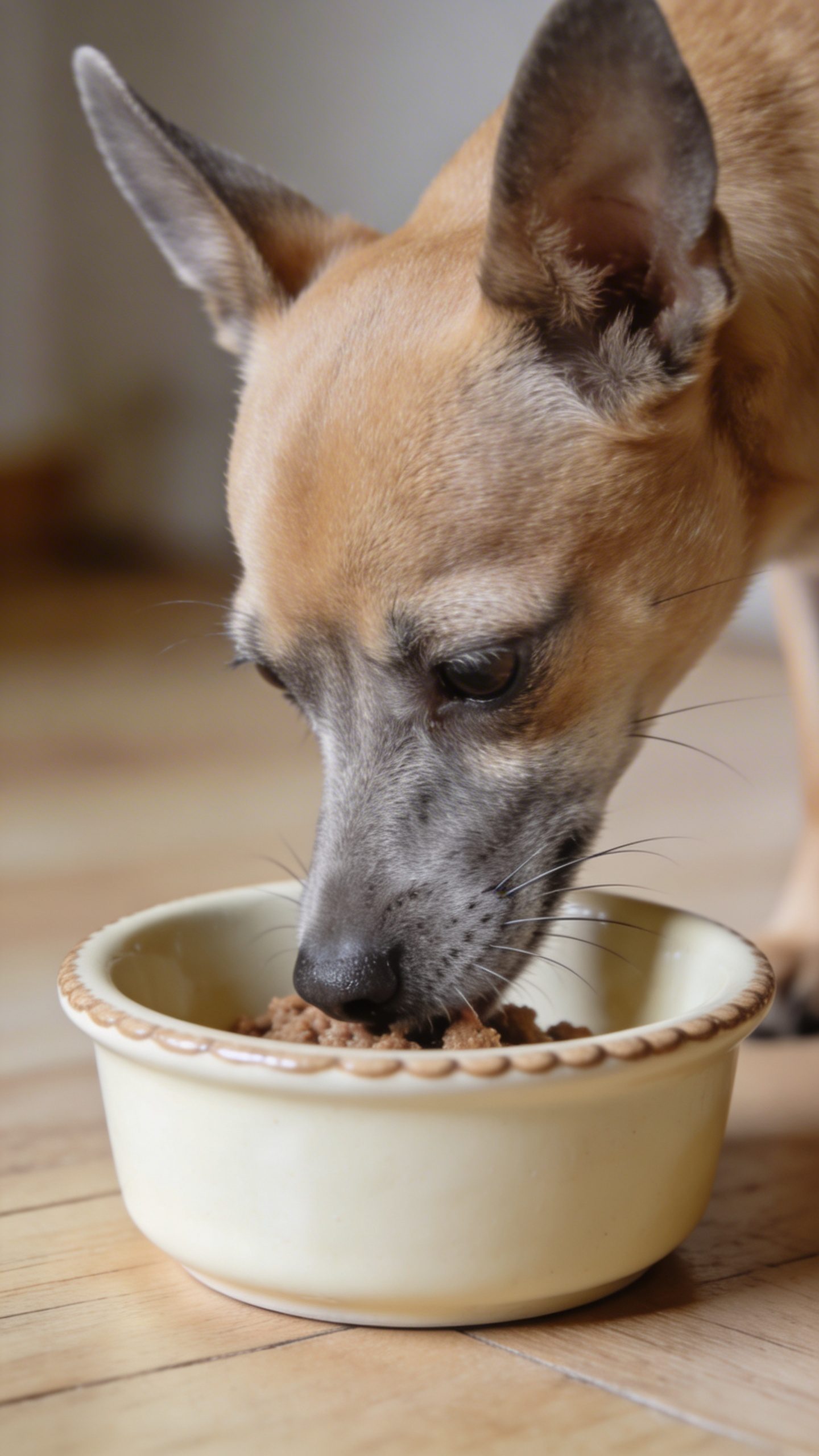
These recipes hit the sweet spot between nutrition and convenience. Each one contains lean proteins for muscle maintenance, easy-to-digest carbs, and healthy fats for their coat and brain function. No weird ingredients you need to order from specialty stores, either. I’ve kept the portions small because, well, your dog is small. Most recipes make enough for 2-3 days of meals for a 10-15 pound senior dog. You can freeze extras in ice cube trays for those days when you’re running behind. The texture matters too. Notice how several recipes include softer ingredients or suggest mashing? That’s intentional. Senior teeth and gums appreciate food that doesn’t require championship-level chewing.
Recipe #1: Turkey and Sweet Potato Mash
This one’s basically Thanksgiving dinner for dogs, and it takes about 15 minutes start to finish.
Ingredients and Preparation
You’ll need:
- 1/2 pound ground turkey
- 1 small sweet potato, diced
- 1/4 cup green beans, chopped
- 1 tablespoon olive oil
- 1/4 teaspoon dried parsley
Brown the turkey in a pan while you microwave the sweet potato for 5 minutes. Toss in the green beans with the turkey for the last few minutes. Mix everything together, add the olive oil and parsley, then mash it slightly with a fork. Done. Your dog will think you spent hours.
Recipe #2: Salmon and Quinoa Bowl
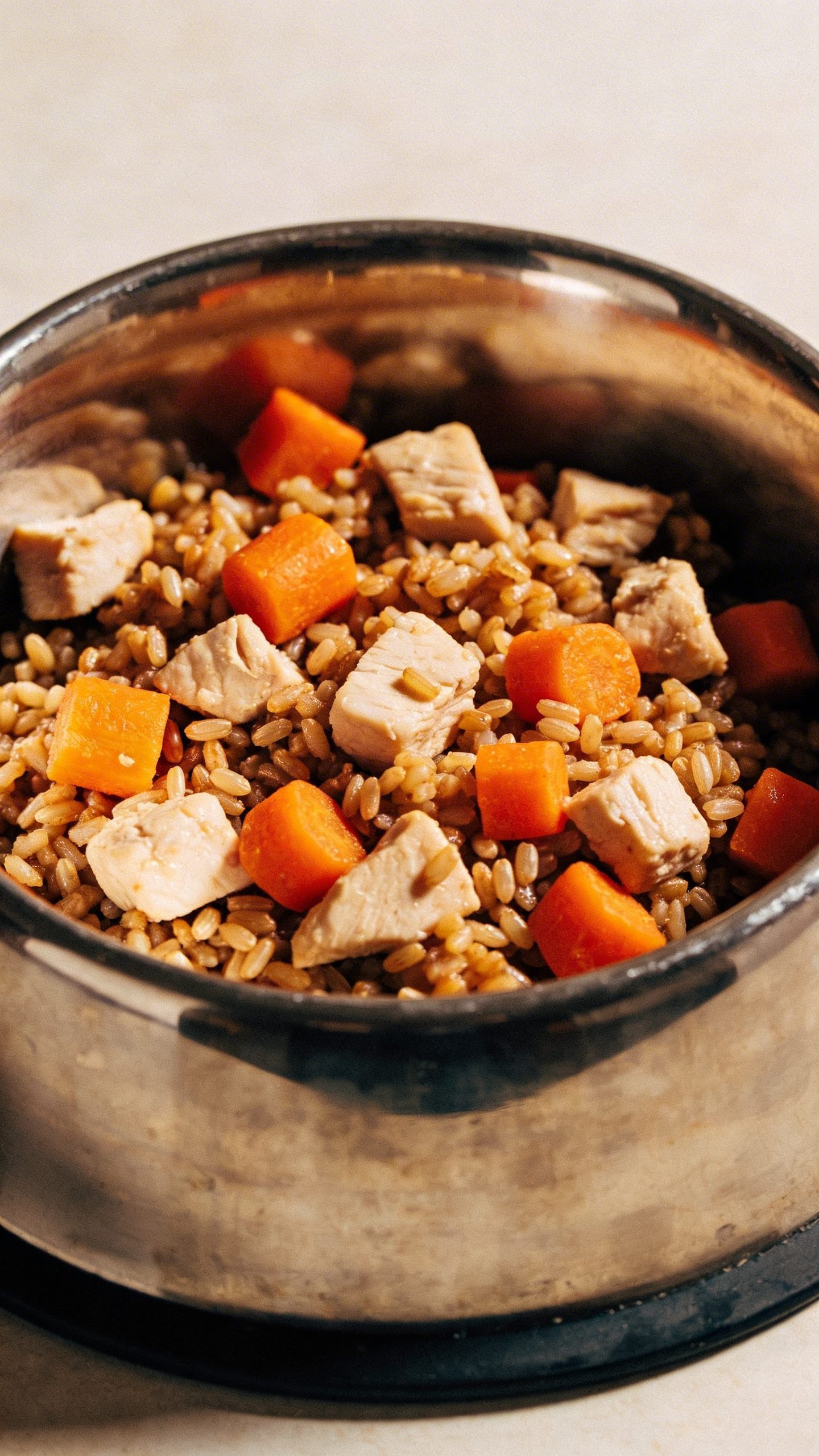
Fancy restaurant vibes without the uptight atmosphere. Omega-3 fatty acids in salmon work wonders for aging joints and that gorgeous senior coat. Cook 1/4 cup quinoa according to package directions (or use leftover quinoa, I won’t judge). Bake or pan-sear a 4-ounce salmon fillet for about 10 minutes. Flake the salmon, mix with quinoa, add some steamed broccoli florets, and you’re golden. Literally, because that salmon gives it this beautiful color.
Recipe #3: Beef and Veggie Scramble
Sometimes you want something hearty that reminds you of a home-cooked breakfast. Your dog agrees, FYI.
Quick Cooking Method
Scramble an egg in a pan, then remove it. In the same pan, brown 1/3 pound lean ground beef. Throw in some finely diced carrots and zucchini. Once everything’s cooked through (about 8 minutes), add the egg back in and mix. The egg binds everything together and adds extra protein. Add a tiny sprinkle of turmeric if you’re feeling adventurous. It’s got anti-inflammatory properties that senior joints absolutely love.
Recipe #4: Chicken and Rice Comfort Bowl

Yes, it’s the classic “my dog has an upset tummy” recipe, but it’s also perfect everyday food for seniors. Think of it as the ultimate comfort food. Boil or poach one chicken breast (takes about 12 minutes). While that’s cooking, make 1/2 cup white rice. Shred the chicken, mix with rice, add some cooked peas and carrots, and drizzle with a bit of chicken broth for moisture. This recipe is ridiculously gentle on sensitive stomachs.
Recipe #5: Lamb and Pumpkin Stew
Lamb often works great for dogs with chicken or beef sensitivities. Plus, pumpkin is basically magic for digestive health.
Ingredients
- 1/3 pound ground lamb
- 1/4 cup pure pumpkin (not pie filling!)
- 1/4 cup cooked brown rice
- 2 tablespoons chopped spinach
- 1/2 teaspoon coconut oil
Brown the lamb (drain excess fat because lamb can be rich), stir in everything else, and let it simmer together for 5 minutes. The coconut oil adds medium-chain triglycerides that support brain function in older dogs.
Recipe #6: White Fish and Veggie Medley
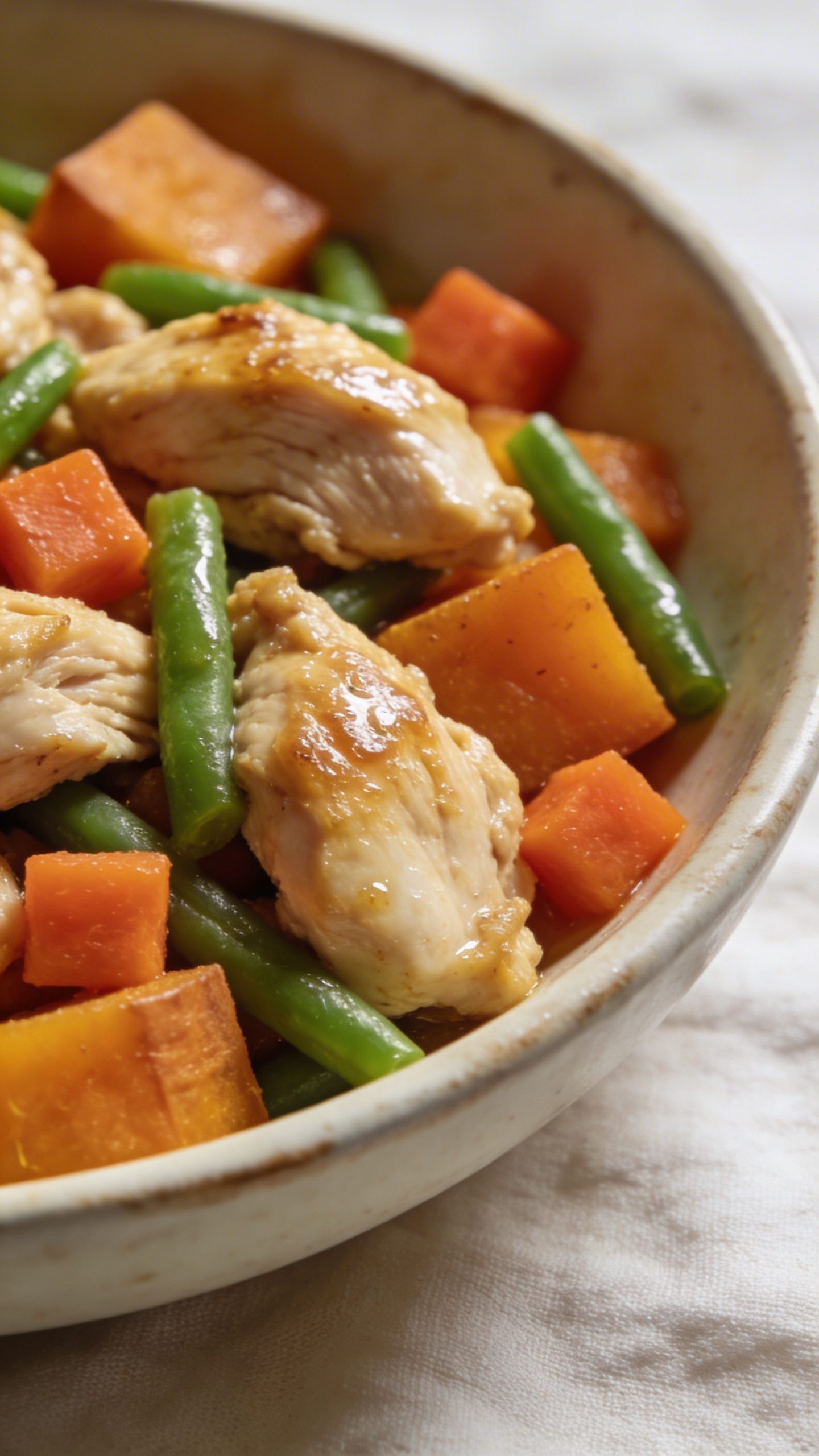
Super light, super digestible, and perfect for those picky eaters who turn their nose up at everything. Grab any white fish like cod or tilapia (about 5 ounces). Bake it for 10 minutes at 375°F. Steam some green beans and cauliflower while the fish cooks. Flake the fish, mix with veggies, and add a tiny bit of fish oil if you have it. IMO, this is the easiest recipe on the list.
Recipe #7: Beef Liver and Barley Power Bowl
Okay, liver isn’t everyone’s favorite, but dogs go absolutely bonkers for it. Liver is nutrient-dense and packed with vitamin A, iron, and B vitamins.
How to Make It Less Intense
Use just 2 ounces of beef liver mixed with 1/4 pound ground beef. This dilutes the strong flavor while keeping the nutritional benefits. Cook your 1/3 cup barley, pan-fry the meats together, add some diced apple (dogs love the sweetness), and combine everything. The whole thing takes about 18 minutes. Don’t overdo liver though. Once or twice a week max, because too much vitamin A can cause problems.
Storage and Serving Tips
Let’s talk meal prep because nobody wants to cook every single day. These recipes store beautifully in the fridge for 3-4 days in airtight containers. Label them with dates because future-you will forget when you made them. For freezing, portion into ice cube trays or small containers. Each cube equals about one meal for a small senior dog. Thaw overnight in the fridge or use the defrost setting on your microwave. Always serve at room temperature or slightly warm. Cold food straight from the fridge can upset sensitive tummies, and scorching hot food is just mean.
Portion Control Matters
A 10-pound senior dog typically needs about 400-500 calories daily, while a 15-pounder needs around 600-700. These recipes average about 150-200 calories per serving, so adjust portions based on your dog’s specific size and activity level. Watch their waistline. Senior dogs gain weight easily, and extra pounds mean extra stress on aging joints.
Frequently Asked Questions
Do I need to add supplements to homemade dog food?
Short answer: probably yes for long-term feeding. While these recipes provide great nutrition, they might not hit every single nutrient requirement over time. Talk to your vet about adding a calcium supplement and possibly a multivitamin designed for dogs. It’s not expensive and gives you peace of mind.
Can I substitute ingredients based on what I have?
Absolutely! Swap proteins around, use different veggies, change up the grains. Just avoid toxic foods like onions, garlic, grapes, and anything with xylitol. Keep the basic ratio of about 50% protein, 25% veggies, and 25% grains or starchy vegetables.
How do I transition my dog from kibble to homemade food?
Slowly, my friend. Mix a little homemade food with their regular kibble, gradually increasing the ratio over 7-10 days. Senior dogs especially need time to adjust to dietary changes. Rush it, and you’ll be dealing with some unpleasant digestive consequences.
Are these recipes complete and balanced for long-term feeding?
These recipes work great for variety and supplementing commercial food, but for exclusive long-term homemade feeding, you should consult with a veterinary nutritionist. They can help you tweak recipes to meet all nutritional requirements for your specific dog’s needs.
My dog has allergies. Which recipe should I try first?
The lamb and pumpkin or white fish recipes are your best bets. Both use novel proteins that many allergic dogs tolerate well. Keep a food diary when introducing new recipes to track any reactions.
Can I batch cook these recipes?
Totally! Double or triple the recipes and freeze portions. Just remember that quality degrades over time in the freezer, so use frozen meals within 2-3 months for best nutrition and taste.
Wrapping Up Your Homemade Cooking Journey
Cooking for your senior small dog doesn’t require culinary school or hours in the kitchen. These seven recipes prove you can make nutritious, delicious meals in the time it takes to watch a sitcom. Your grey-muzzled companion gets fresh, quality ingredients tailored to their aging body, and you get the satisfaction of knowing exactly what’s in their bowl. Start with one or two recipes that sound easiest, see what your picky eater prefers, and build from there. Before you know it, you’ll be that person who meal-preps for their dog on Sundays. And honestly? There are worse things to be.