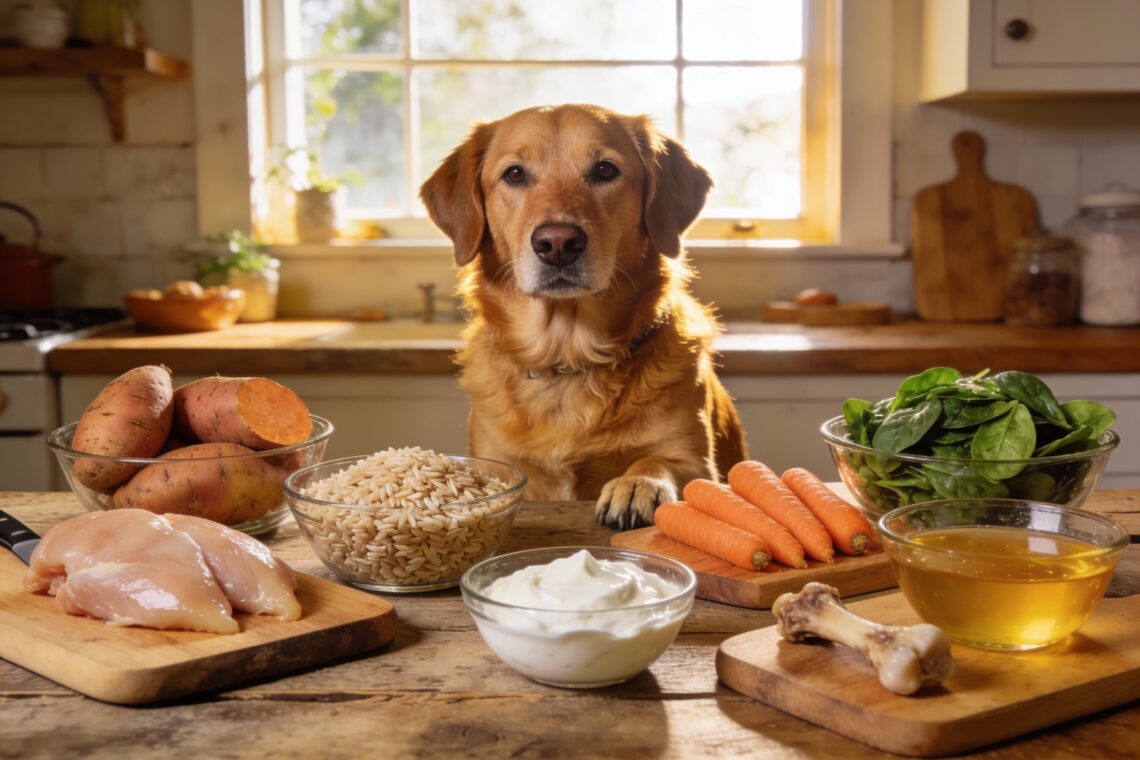
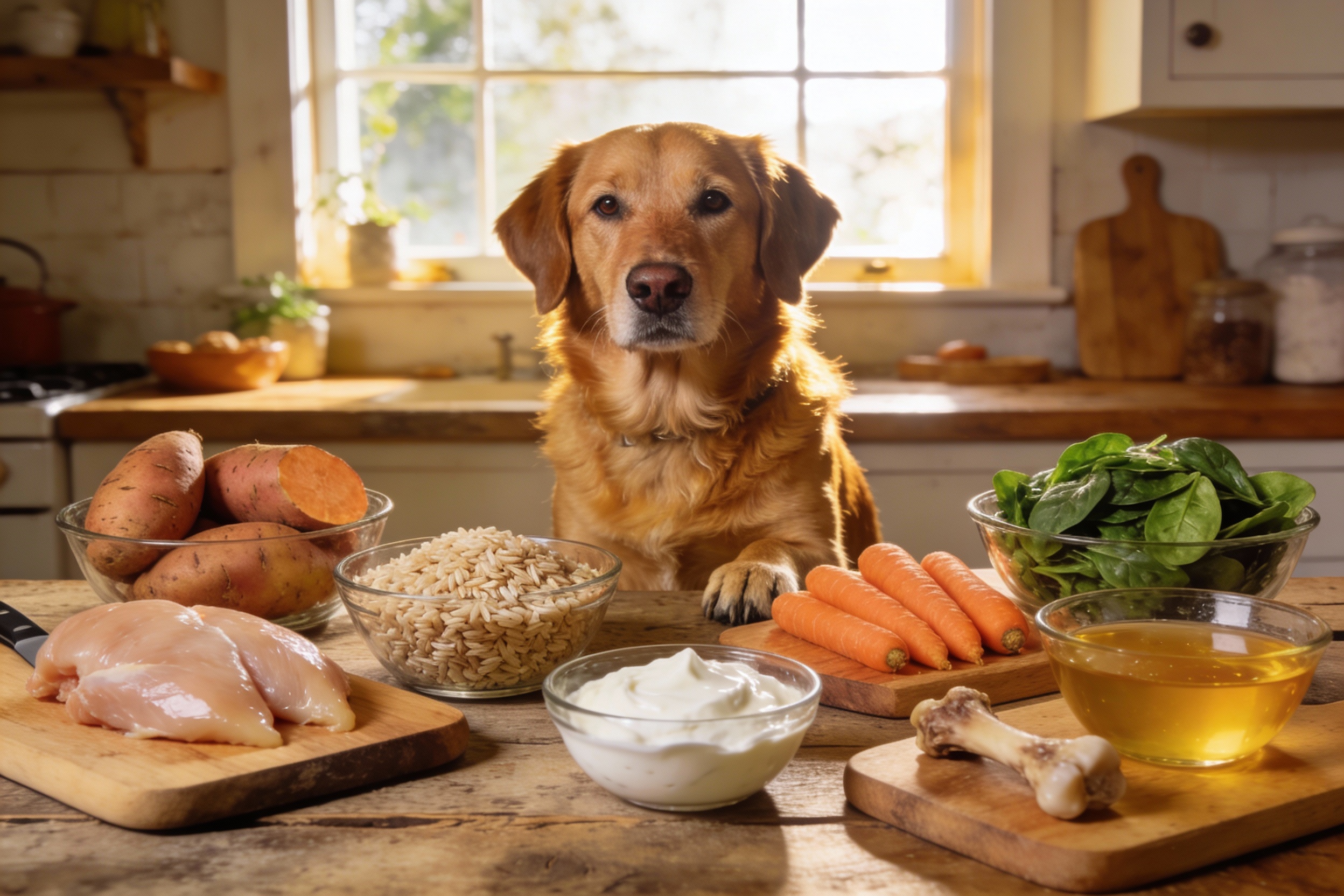
Sensitive-stomach pup? Been there. One day your dog’s a happy snack goblin; the next, they’re giving you that “my tummy is weird” side-eye after dinner. If your dog plays roulette with kibble, homemade food can calm the chaos. These recipes keep it simple, gentle, and genuinely tasty—because bland doesn’t have to mean boring.
Why Homemade Helps a Sensitive Stomach
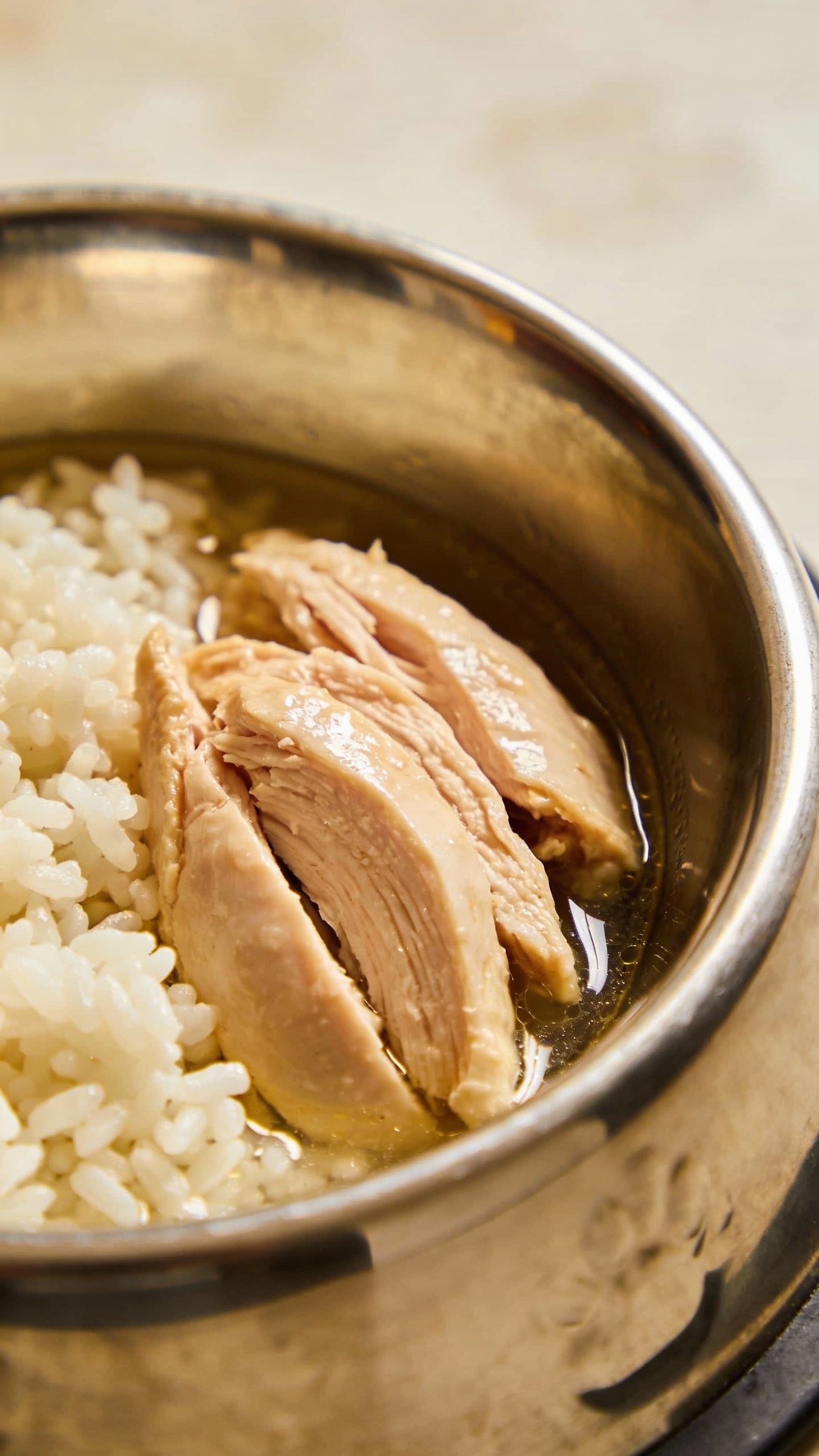
You control every ingredient. No mystery “meat by-product” surprises, no fillers, no drama. That alone can stop a lot of tummy troubles. You can also isolate what works and ditch what doesn’t. Some dogs handle turkey like a champ but beef sends them into gurgle town. With homemade, you can tweak easily and keep notes like a pro. And yes, it can save money. Vet diets have their place, but your kitchen can often deliver the same gentle nourishment for less—especially if you batch cook.
Key Guidelines Before You Cook
Let’s set the ground rules so your dog’s stomach doesn’t file a complaint.
- Introduce new foods slowly: Mix with their current food over 5–7 days. No cold turkey. Unless, you know, actual turkey.
- Keep recipes simple: 1 protein, 1 carb, 1–2 easy veggies. That’s it.
- Avoid common triggers: Onions, garlic, heavy fats, spicy anything, raisins, grapes. Hard no.
- Cook everything well: Soft textures digest better. Think tender rice, mashed veg, shredded meat.
- Add fiber gently: Pumpkin, oats, and sweet potato can settle things without causing fireworks.
- Use a vet-approved supplement: Homemade diets need added minerals and vitamins long-term. Calcium especially.
7 Homemade Dog Food Recipes For Sensitive Stomachs
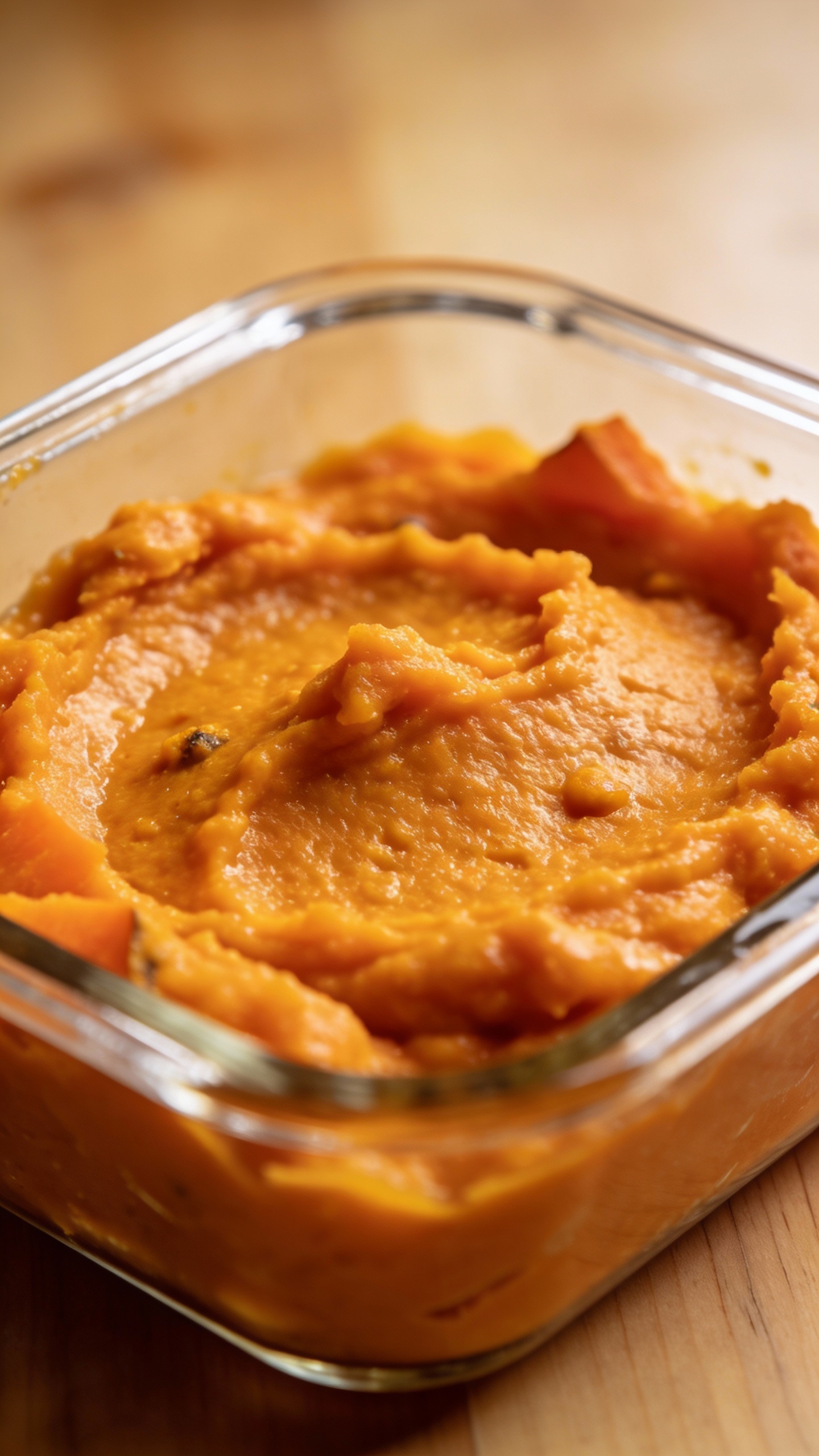
All portions below serve a 20–25 lb dog for one meal. Adjust based on your vet’s guidance and your pup’s needs. Cook meats fully and let everything cool slightly before serving.
1) The Classic: Turkey, Rice, and Pumpkin
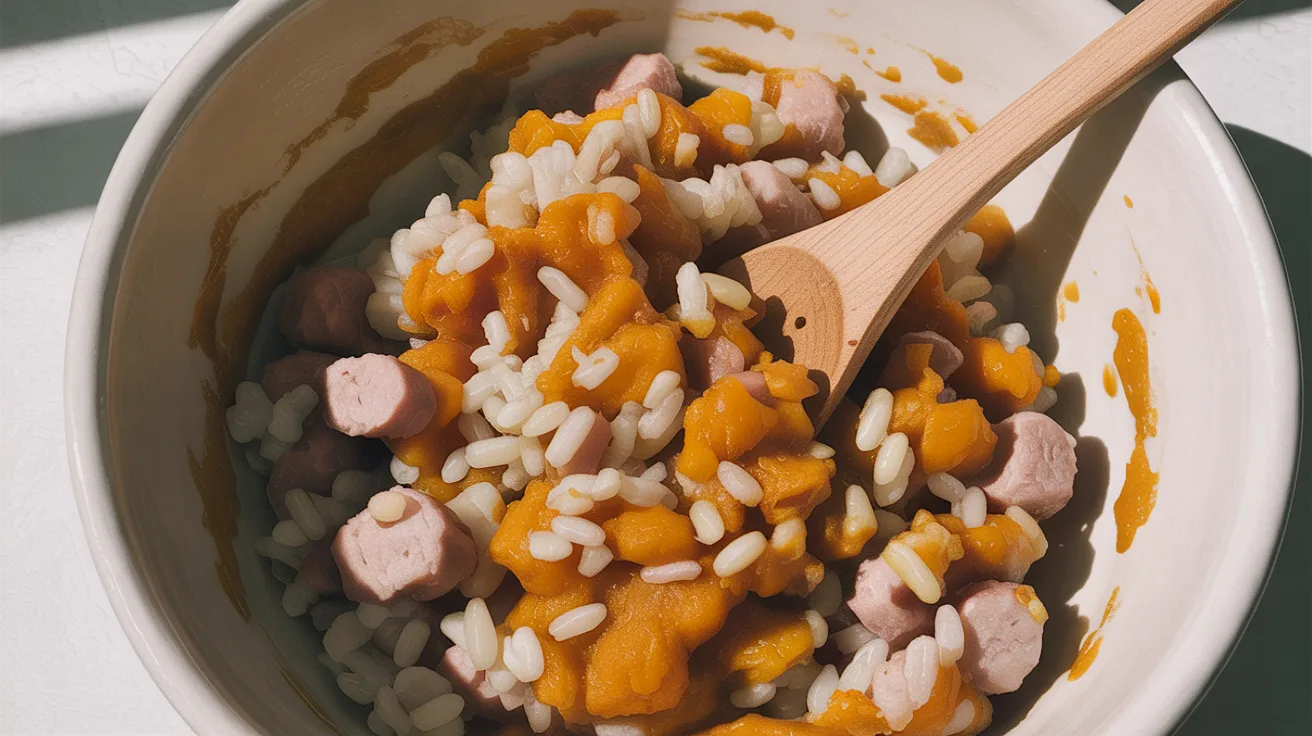
Lean, easy, and super soothing.
- 1 cup cooked white rice
- 1/2 cup lean ground turkey, cooked and drained
- 2 tablespoons plain canned pumpkin (not pie filling)
- 1 teaspoon olive oil
Mix well. The rice and pumpkin calm the gut; the turkey keeps energy up. Great for mild diarrhea or post-upset recovery.
2) Chicken, Sweet Potato, and Carrot Mash
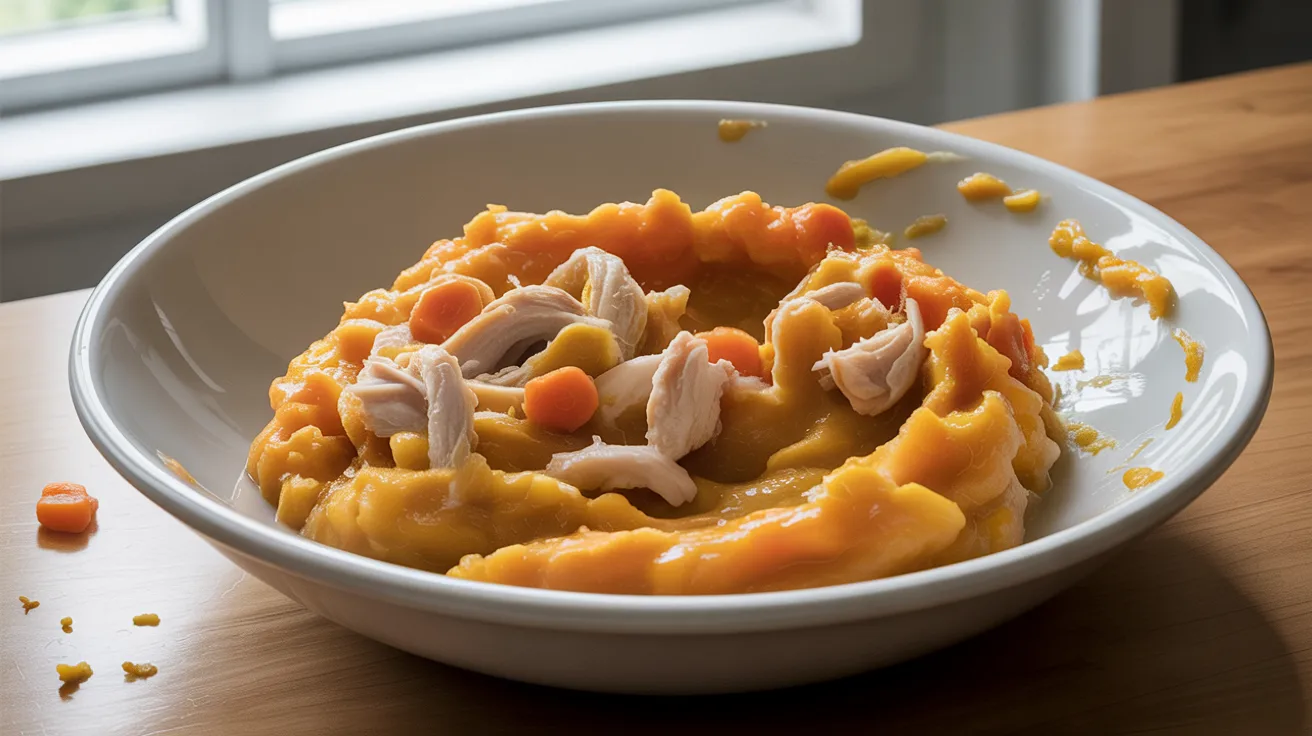
A gentle, slightly sweet combo that picky eaters love.
- 3/4 cup shredded poached chicken breast
- 1/2 cup mashed sweet potato
- 1/4 cup finely grated carrot, lightly steamed
- 1 tablespoon low-sodium chicken broth
Stir until smooth and soft. If your dog refuses to chew, mash it more. IMO, this one smells like human food—in a good way.
3) Salmon and Oatmeal with Green Beans
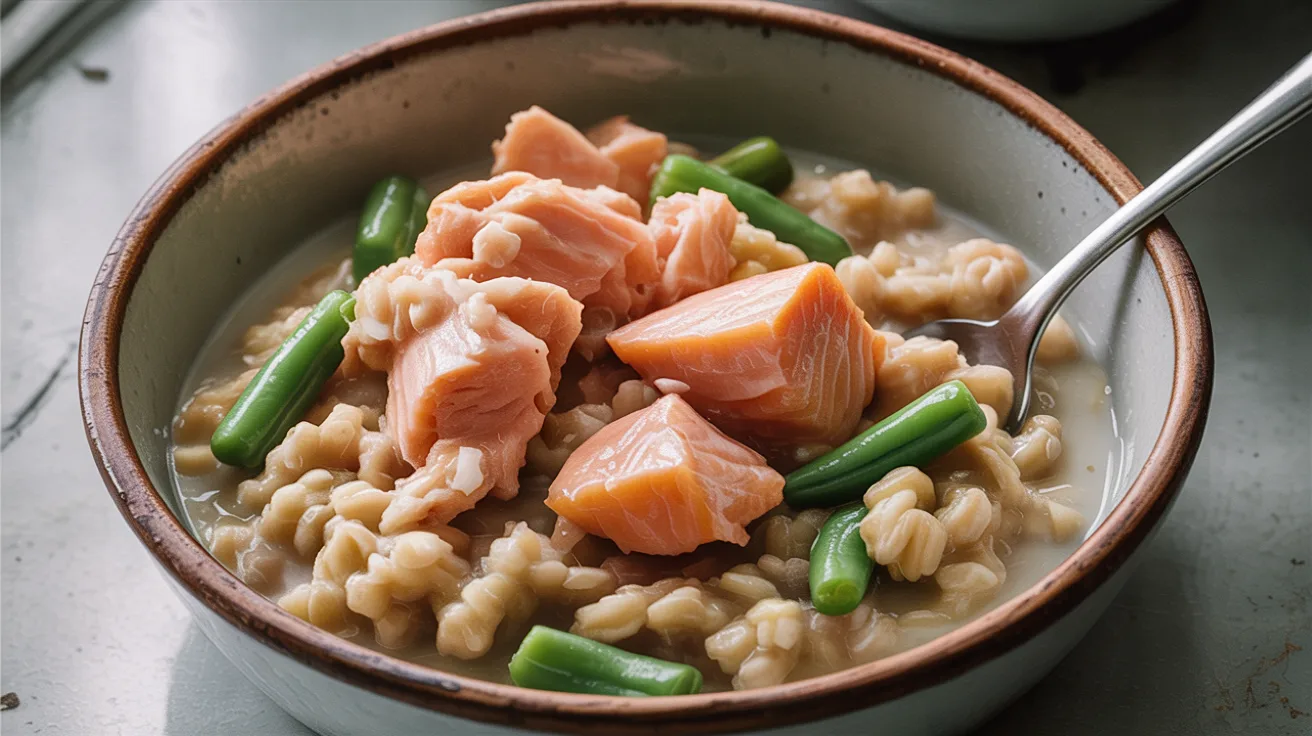
For omega support without beefy heaviness.
- 1/2 cup cooked salmon, flaked (skinless, boneless)
- 1/2 cup cooked rolled oats (plain, soft)
- 1/4 cup chopped green beans, steamed
- 1 teaspoon flaxseed oil (optional)
Combine gently. Oats soothe the gut lining and salmon brings anti-inflammatory fats. FYI: skip if your dog reacts to fish.
4) Beef and Barley Belly-Soother
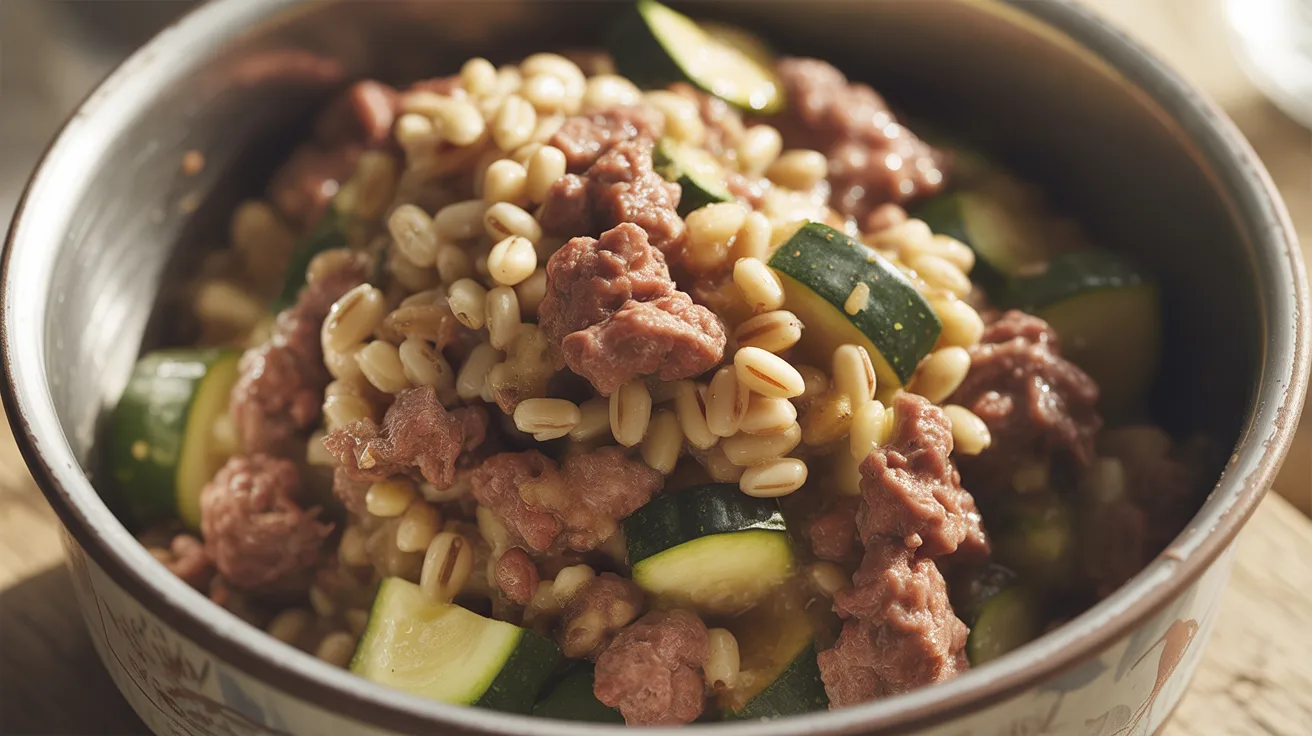
Some dogs tolerate lean beef well, especially with barley’s soluble fiber.
- 1/2 cup extra-lean ground beef, cooked and drained
- 1/2 cup cooked pearled barley (very soft)
- 1/4 cup zucchini, steamed and chopped
- 1 teaspoon sunflower oil
Stir to combine. If beef feels heavy for your pup, halve the portion and bump barley.
5) Crockpot Comfort: Turkey, Quinoa, and Spinach
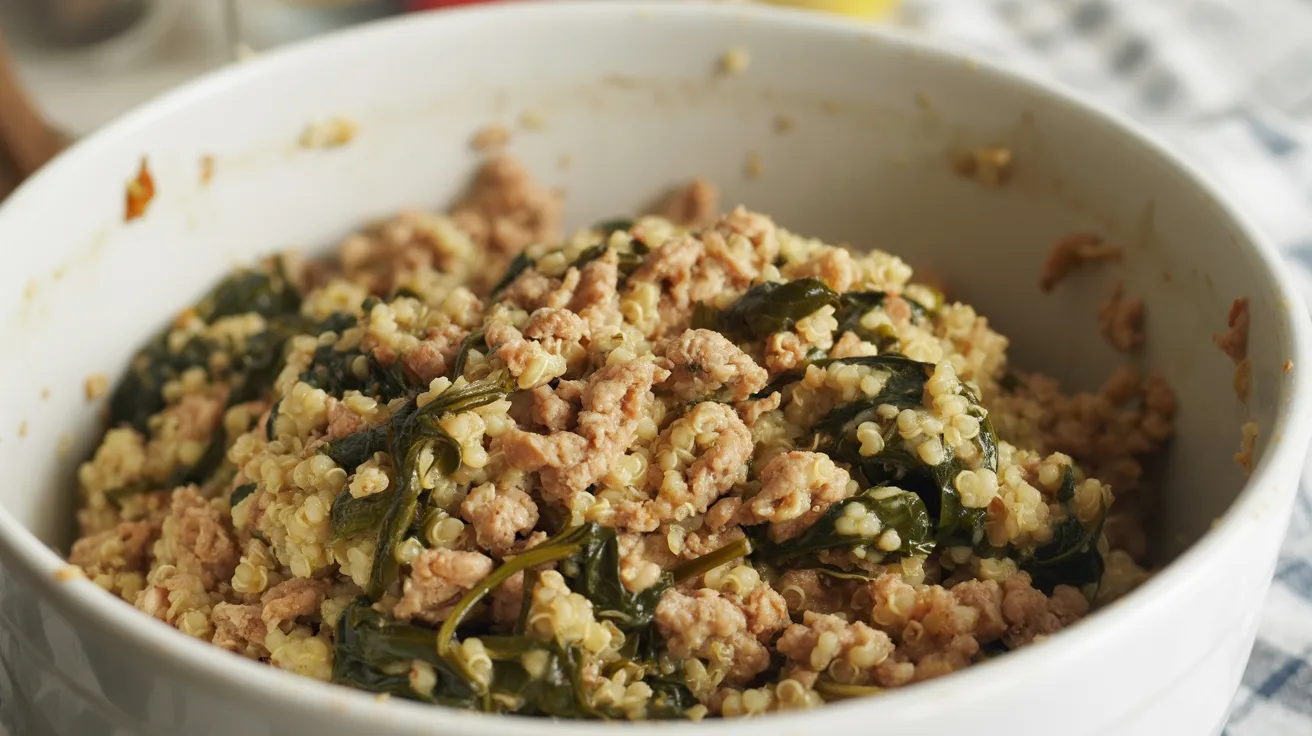
Hands-off and batch-friendly.
- 1 lb lean ground turkey
- 1 cup uncooked quinoa, rinsed well
- 3 cups water or low-sodium broth
- 1 cup chopped spinach (add in the last 30 minutes)
Slow cook on low 3–4 hours until quinoa is soft and turkey crumbles easily. Portion and freeze. Quinoa gives complete amino acids and stays light on digestion.
6) Lamb and Rice Reset
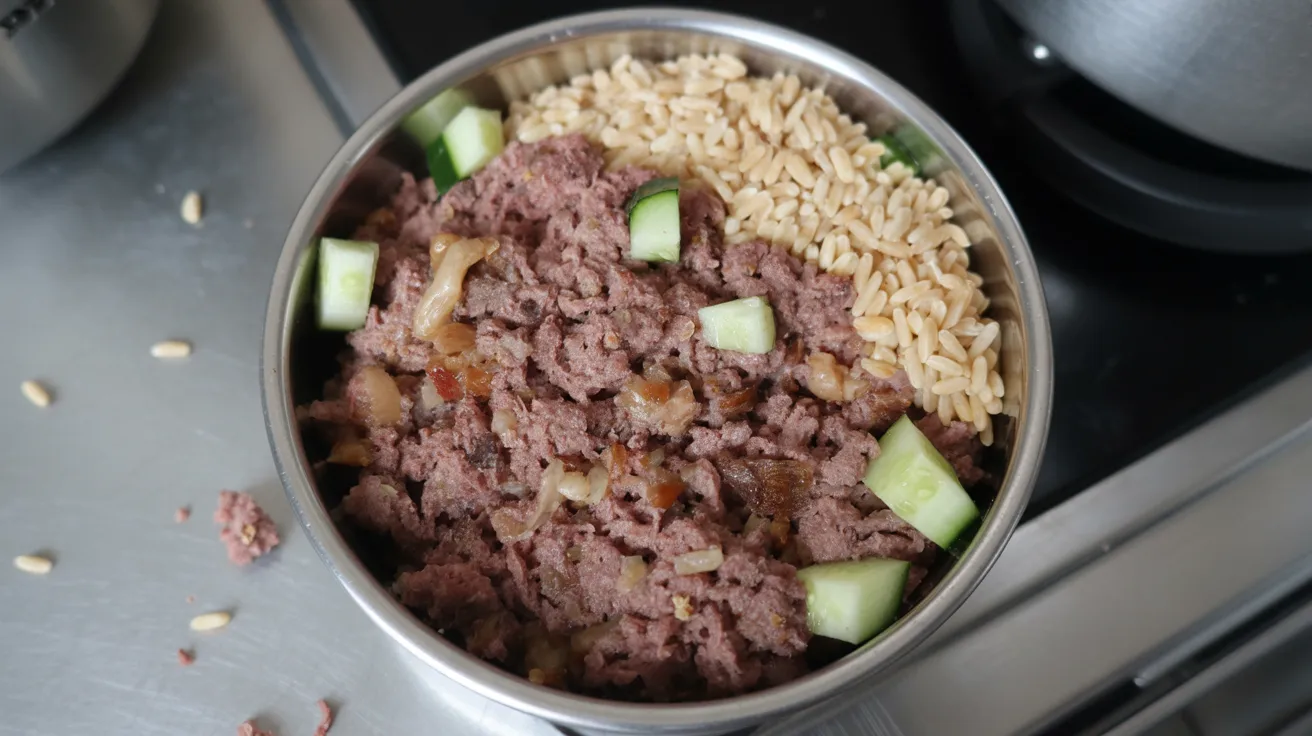
Great for dogs who react to chicken or beef.
- 1/2 cup cooked ground lamb (drain well—lamb can be fatty)
- 1 cup cooked white rice
- 1/4 cup diced peeled cucumber or steamed celery for crunch
Combine, then blot excess fat with a paper towel. Lamb’s flavor wins over stubborn eaters, but keep the fat low for sensitive tummies.
7) Egg, Cottage Cheese, and Potato Scramble

A gentle, protein-rich meal for mild flare-ups or breakfast.
- 2 scrambled eggs (no butter, cooked soft)
- 1/4 cup low-fat cottage cheese
- 1/2 cup mashed boiled potato
Mix and serve slightly warm. Great short-term option when meat feels too heavy. Avoid if dairy triggers your dog.
What To Add (And What To Skip)
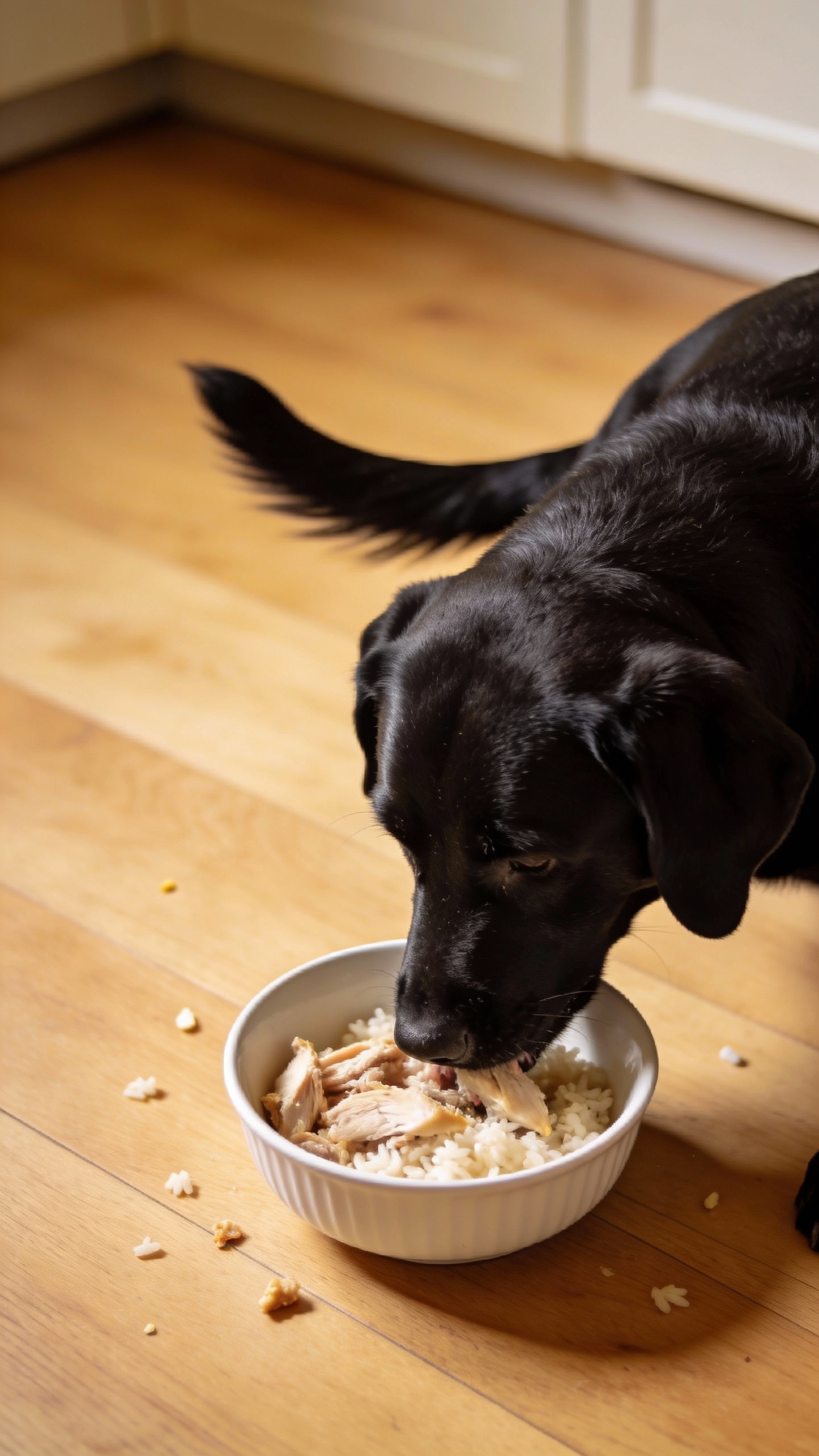
Not all extras help. Some absolutely do.
Smart Add-Ins
- Probiotics: Dog-specific powders can reduce gas and stool issues.
- Pumpkin: 1–2 tablespoons for fiber, either way (loose or firm stools).
- Bone broth: Low-sodium, onion-free, for hydration and flavor.
- Fish oil: If no fish allergy, adds omega-3s for gut and skin.
Hard Pass
- Onions, garlic, chives: Toxic.
- High-fat cuts, bacon grease: Hello, pancreatitis.
- Dairy overload: Can trigger gas and runs. Tiny amounts only if tolerated.
- Excess salt or seasoning: Dogs don’t need your spice rack.
Portioning and Balancing (The Not-Boring Basics)
You want tasty and safe, not random. Use these guidelines to avoid guesswork.
- General portion ballpark: 2–3% of your dog’s body weight per day in food, split into 2 meals. Adjust for age and activity.
- Macro balance: Aim roughly for 40% protein, 50% carbs, 10% fats for sensitive stomachs, then tweak based on stool quality and energy.
- Supplements matter: Add a vet-recommended canine multivitamin and calcium (e.g., ground eggshell powder—about 1/2 tsp per pound of food). Long-term homemade without supplements = nutritional gaps.
- Batch and freeze: Portion into meal-sized containers. Label dates. Your future self will hug you.
Signs a Recipe Works (Or Doesn’t)
Let your dog’s gut be the judge, jury, and comedian.
Green Flags
- Consistent, formed stools (not too hard, not pudding)
- Less gas, less tummy gurgling
- Good energy, normal appetite, bright eyes
Red Flags
- Vomiting, diarrhea lasting more than 24–48 hours
- Excessive lethargy or refusal to eat
- Weight loss or obvious discomfort
If you see red flags, stop the new recipe and call your vet. Don’t wait it out while your pup morphs into a sad loaf.
FAQ
How long should I test a new recipe?
Give each new recipe 5–7 days, slowly increasing the new meal while reducing the old one. Watch stools, gas, and energy. If things go south fast, bail sooner and try a simpler combo.
Is white rice or brown rice better for sensitive stomachs?
White rice wins for acute tummy upsets because it’s easier to digest. Brown rice has more fiber, which can be great later, but it might be too much during a flare. Start with white, then upgrade cautiously.
Can I use raw diets for sensitive stomachs?
Some dogs thrive on raw, but sensitive guts often prefer cooked, soft textures. Raw also raises food safety risks at home. If you’re curious, work with a vet nutritionist. IMO, cooked is the safer first move.
Do I really need supplements if I rotate recipes?
Yes. Variety helps, but it doesn’t guarantee complete nutrition. Add a canine multivitamin and a calcium source, plus omega-3s if your vet approves. FYI: long-term calcium deficiency is a big deal.
What protein should I try first?
Start with lean turkey or chicken. If your dog reacted to those before, try lamb or fish. Introduce one protein at a time so you can actually tell what works.
How do I store and reheat homemade dog food?
Refrigerate for 3–4 days or freeze for up to 2–3 months. Reheat gently until just warm—never hot. Add a splash of warm water if it looks dry.
Conclusion
Sensitive stomachs don’t need complicated food—they need predictable, simple, and gentle. Start with one of these recipes, introduce it slowly, and take notes like a nerdy food scientist. Your dog will tell you what works—usually with a happy dance and a very normal poop. And honestly? That’s the real five-star review.