Big dogs look intimidating… until you meet one and realize you’ve just been adopted by a cuddle cloud with paws the size of oven mitts. If you want a family dog that doubles as a weighted blanket and a security system, you’re in the right place. Let’s talk about the gentle giants—the big, goofy breeds that adore kids, tolerate chaos, and bring the chill vibes every home needs.
Why Big Often Means Gentle
Big dogs don’t feel the need to prove themselves. They usually cruise through life with a “been there, sniffed that” attitude. They save their energy for naps and leaning their entire body weight onto your leg. What makes giant breeds great with families?
- Lower energy indoors: Many big breeds prefer lounging to zooming.
- Even-tempered: They handle noise and movement without freaking out.
- Affectionate shadows: They follow you everywhere. Bathroom privacy? Gone.
Meet the Gentle Giants
These breeds tend to bring calm, cuddles, and comedy. They also bring drool—consider yourself warned.
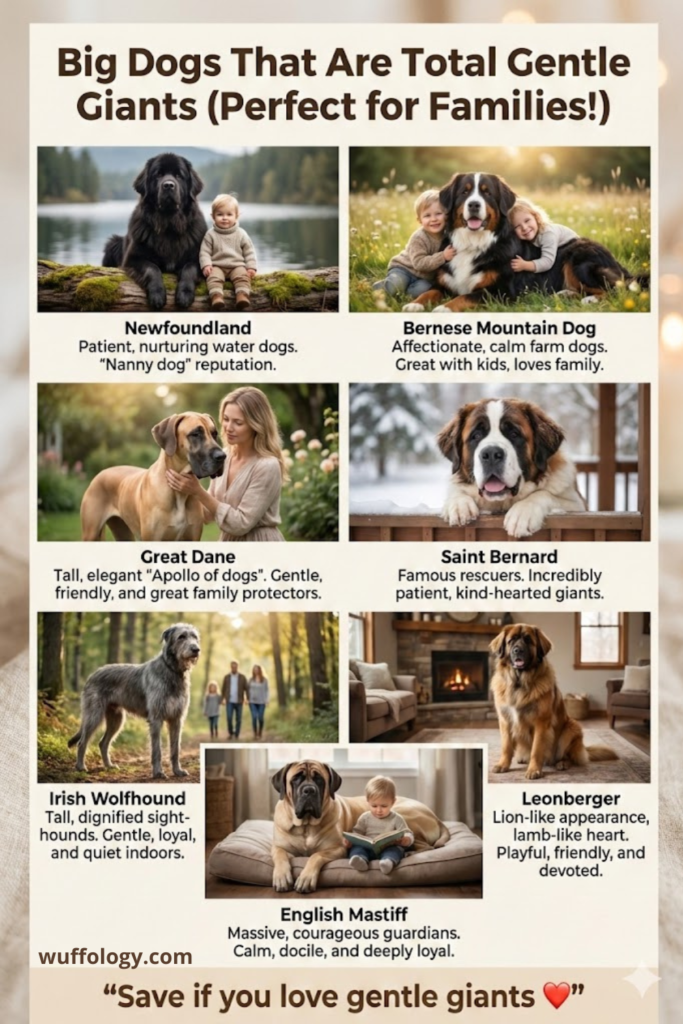
Newfoundland
Newfies look like walking teddy bears and act like them too. They adore kids and earn the “nanny dog” nickname for a reason. They’re patient, steady, and ridiculously sweet. Quick notes:
- Coat care: Heavy shedding. Brush often unless you like wearing fur sweaters.
- Exercise: Moderate daily walks and swims if you can swing it.
- Temperament: Calm, watchful, and devoted.
Bernese Mountain Dog
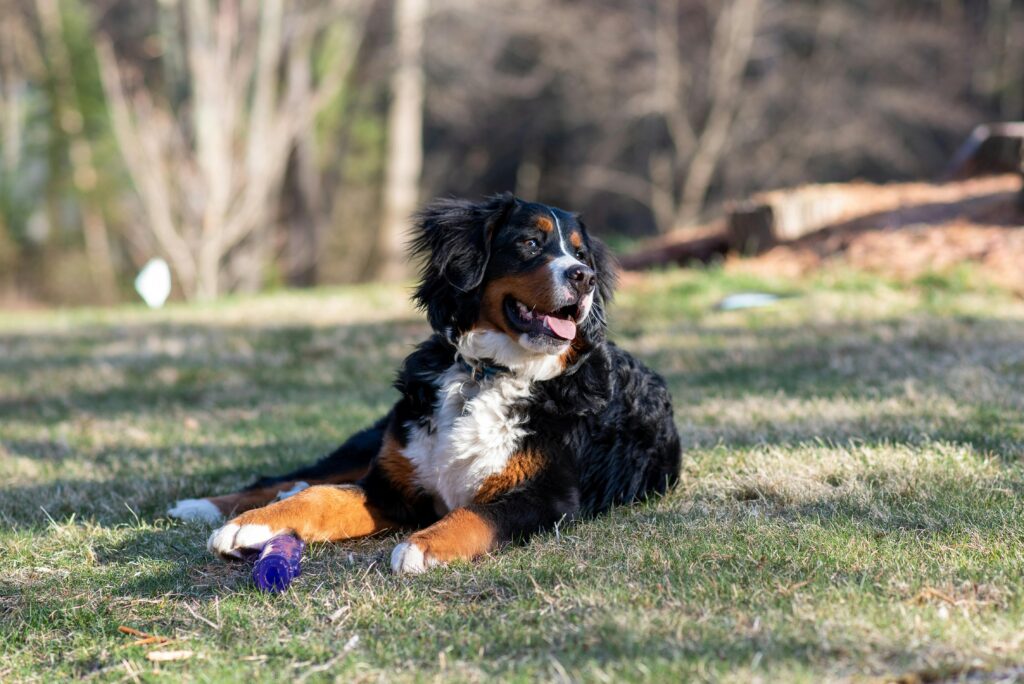
The Bernese is a cheerful, tricolor fluffball built for farm life and family snuggles. They love being included—school runs, backyard BBQs, chaotic game nights, you name it. Quick notes:
- Coat care: Seasonal shed storms. Brush frequently.
- Exercise: Moderate. They enjoy hikes but won’t demand a marathon.
- Temperament: Friendly, gentle, eager to please.
Great Dane
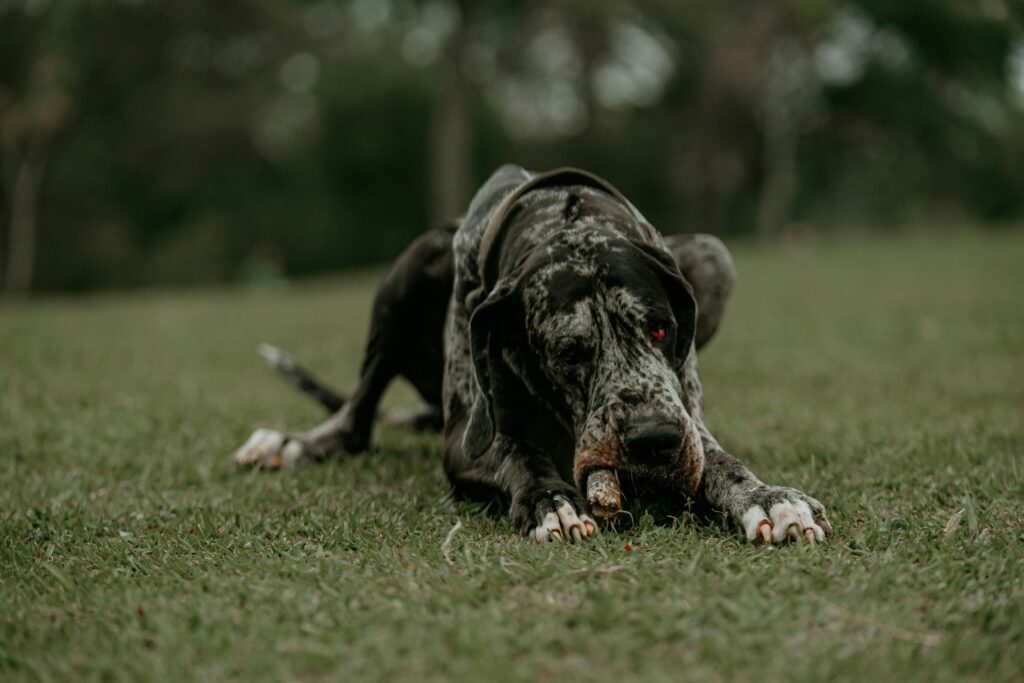
Yes, they’re huge. Yes, they think they’re lapdogs. Great Danes ooze elegance outside and become goofy couch ornaments at home. They love kids and thrive on human contact. Quick notes:
- Space: They fit surprisingly well in smaller homes, but a sturdy couch helps.
- Exercise: Short, regular walks. Avoid intense exercise while growing.
- Temperament: Affectionate, gentle, a little dramatic.
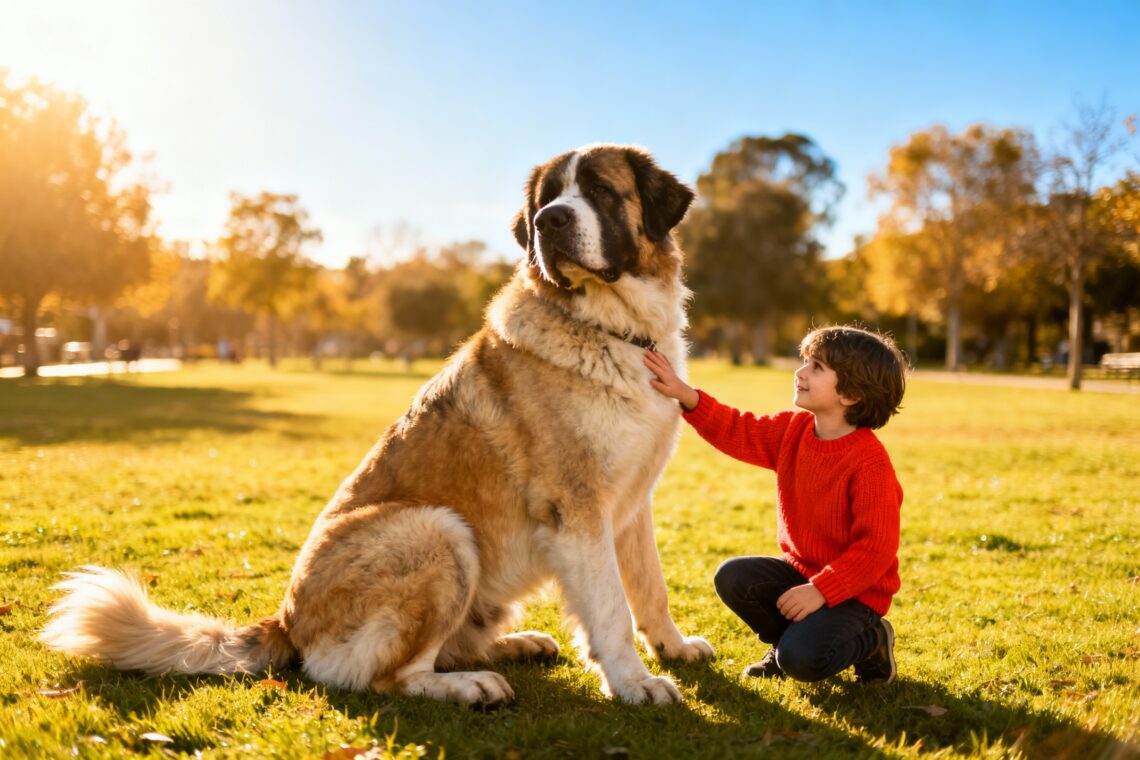
Saint Bernard
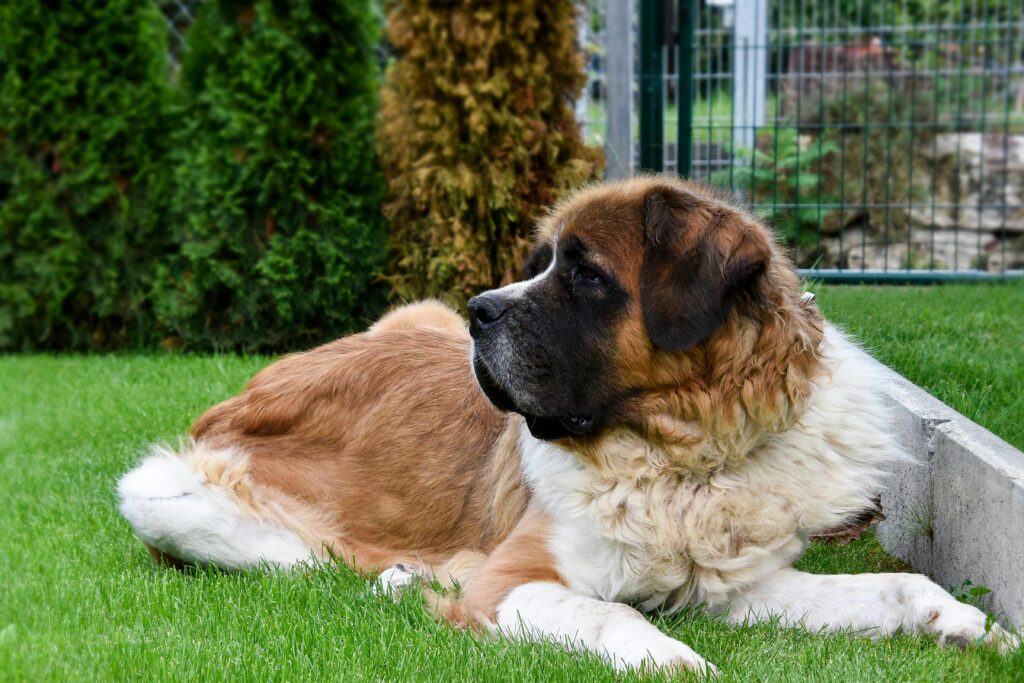
If a living weighted blanket and a cartoon character had a baby, it would be a Saint Bernard. They’re mellow, protective, and famously patient with children. Quick notes:
- Drool: Yes. Bring towels. No, really—towels.
- Exercise: Light to moderate. Keep them cool in warm climates.
- Temperament: Loyal, calm, and deeply attached to their people.
Irish Wolfhound
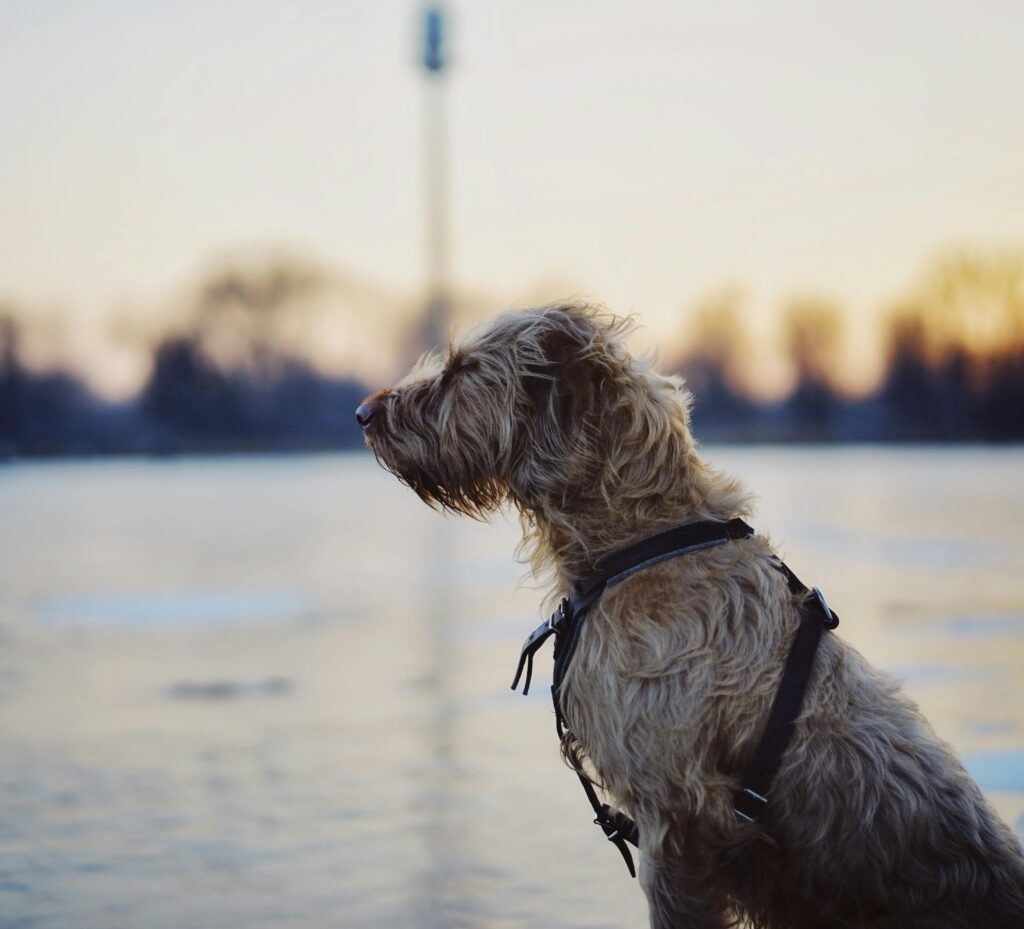
They look like noble warriors, but they’re softies at heart. Wolfhounds are gentle and reserved, great with respectful kids, and prefer peace over chaos. Quick notes:
- Space: Long legs need room to stretch.
- Exercise: Daily walks and fenced areas for a safe gallop.
- Temperament: Dignified, sweet, sensitive.
Leonberger
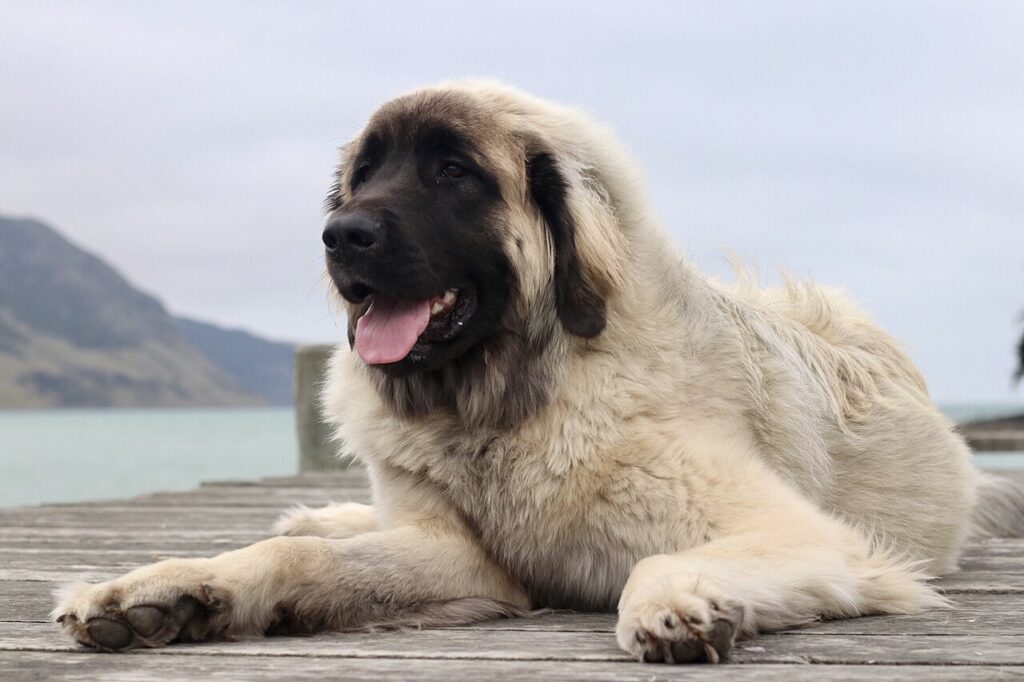
Imagine a lion-looking fluff with a sense of humor and a babysitter’s patience. Leonbergers love family life and handle noise and commotion like pros. Quick notes:
- Coat care: Lots of brushing. Lots.
- Exercise: Moderate-to-active. Excellent hiking buddies.
- Temperament: Balanced, confident, affectionate.
English Mastiff
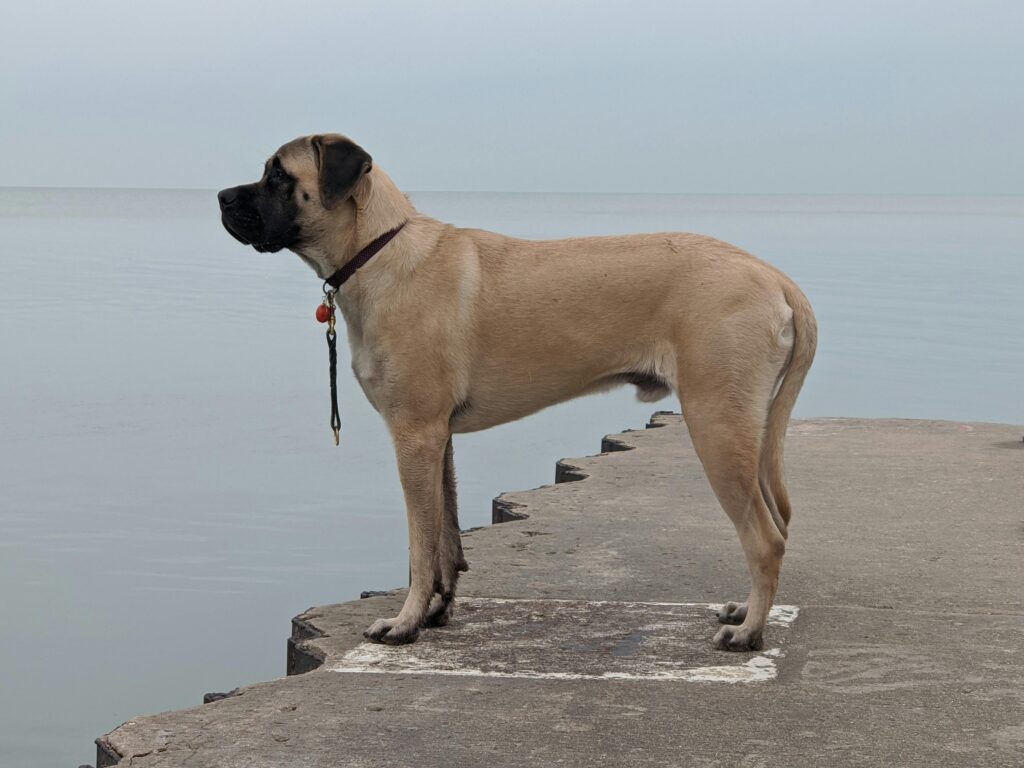
Mastiffs are living beanbags with a strong protective streak. They’re incredibly gentle with their families and have a “slow and steady” vibe that calms the whole house. Quick notes:
- Energy: Low. Expect snoring, not sprinting.
- Training: Start early. They’re smart but stubborn.
- Temperament: Steady, loyal, quietly watchful.
Temperament: What You Can Actually Expect
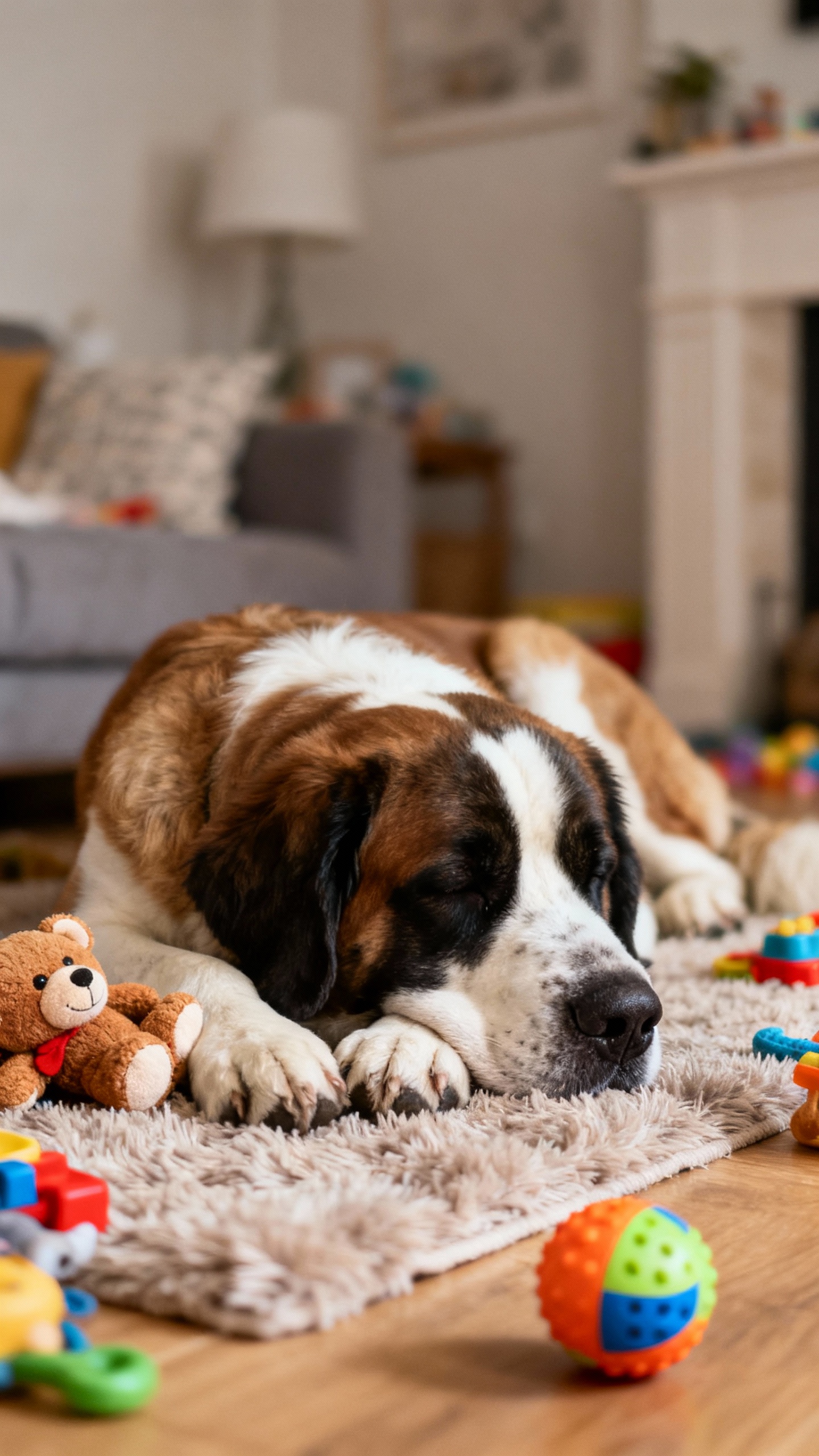
Most big, gentle breeds love kids. But you still need to set everyone up for success. Teach kids to respect boundaries—no tail-yanking, no ear-pulling, no riding the dog like a pony (FYI: it’s never cute). Look for these traits:
- Low-to-moderate arousal: Calm in the house, curious but not frantic.
- Affiliation with humans: Wants to be near you without being needy 24/7.
- Resilience: Handles noise, guests, and routine changes without meltdowns.
Training Tips for Giant Sweethearts
- Start early: Socialize with kids, cats, vacuums, doorbells, the whole circus.
- Teach impulse control: “Wait,” “leave it,” and a solid recall.
- Mind the size: A 150-pound dog who jumps can knock over a linebacker. Reward four paws on the floor early.
Reality Check: The Big-Dog Basics
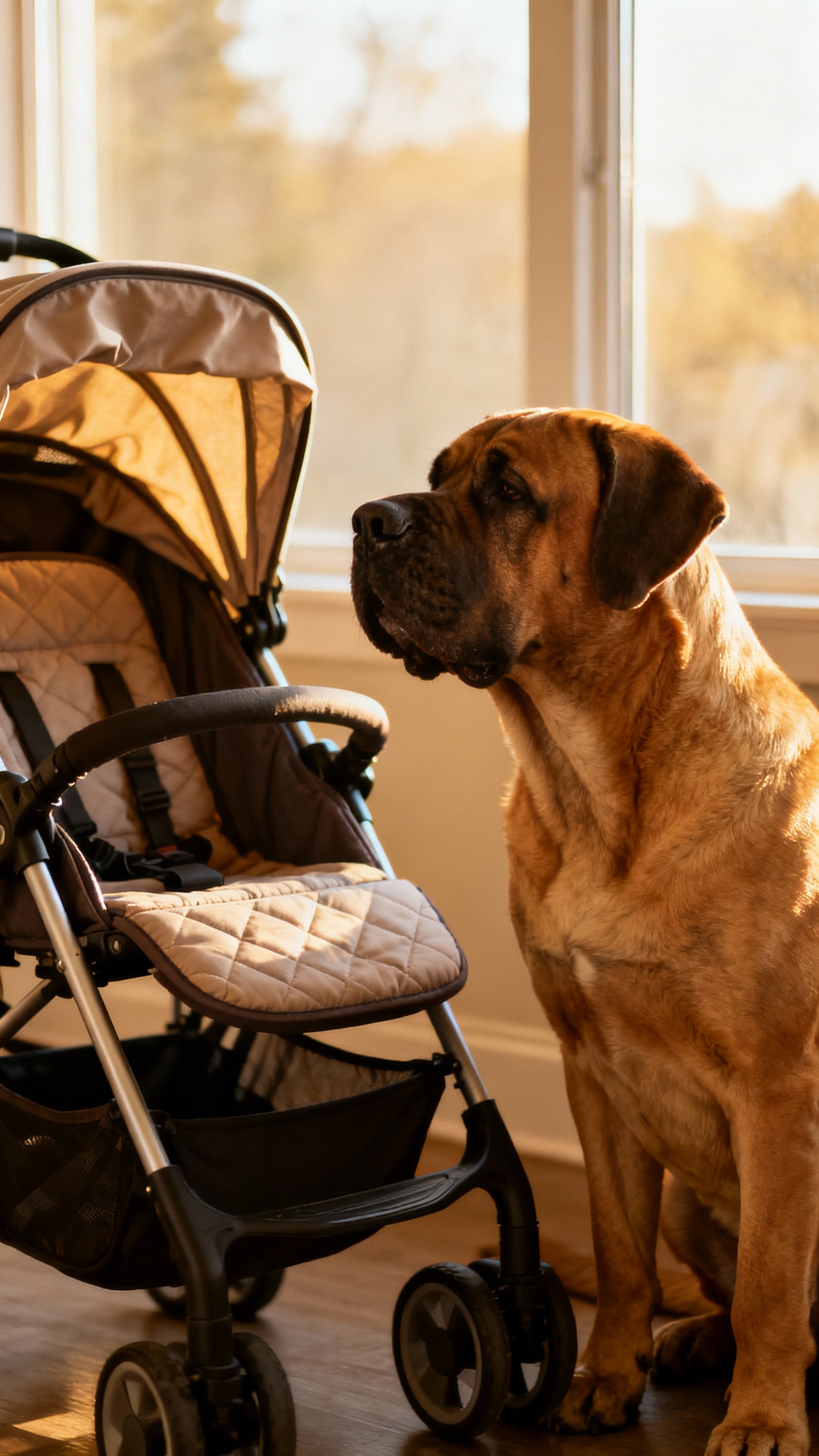
Giant love comes with giant logistics. None of this is a dealbreaker, but you’ll want to plan ahead.
- Food budget: Large-breed formulas, measured portions, and slow feeders to reduce bloat risk.
- Health: Screen for hip/elbow dysplasia, heart issues, and bloat. Get pet insurance early, IMO.
- Lifespan: Many giant breeds live 7–10 years. It’s shorter, and it hurts—but the love slaps, FYI.
- Grooming: Expect shedding, drool, and seasonal coat explosions.
- Space and surfaces: Rugs for traction, wide paths for tails, and a bed that doesn’t look like a postage stamp.
Preventing Bloat (GDV) in Giant Breeds
- Use slow-feeder bowls and split meals into two or three.
- Avoid heavy exercise for an hour before and after meals.
- Talk to your vet about prophylactic gastropexy for high-risk breeds.
Family Fit: Matching Your Lifestyle
Pick a dog that fits your actual routine, not your fantasy Instagram life.
- Chill household? Consider Mastiff, Saint Bernard, Newfoundland.
- Outdoorsy but relaxed? Bernese, Leonberger, Irish Wolfhound.
- Want a goofball roommate? Great Dane all day.
Kid and Dog Rules That Keep Everyone Safe
- No unsupervised time for young kids and dogs. Ever.
- Teach a “safe zone” where the dog can retreat and kids must not follow.
- Reward calm behavior from both sides—treats for the dog, praise and reminders for kids.
Training and Socialization: The Secret Sauce
Giant breeds grow fast. By six months they look grown, but they’re still babies with noodle brains. Keep training short, fun, and consistent. Core skills to teach early:
- Loose-leash walking: Saves your shoulders and your dignity.
- Place/settle: A mat cue melts chaos during dinner or homework time.
- Handling practice: Paws, ears, and mouth—make grooming and vet visits easy.
Enrichment That Doesn’t Wreck Your House
- Sniff walks: Let them read the “pee-mail.” Mental work tires them out.
- Food puzzles: Big, durable toys that don’t shatter under T-Rex jaws.
- Low-impact play: Tug with rules, short fetch on grass, gentle obstacle courses.
FAQs
Are giant breeds safe with small children?
Generally yes, when you choose a stable breed and train and supervise properly. The main risk isn’t aggression—it’s size and clumsiness. Teach kids respectful handling, and manage the environment so everyone succeeds.
Do big dogs need a big yard?
Not always. Many gentle giants prefer naps over laps around the yard. Daily walks, enrichment, and consistent routines matter more than square footage, IMO. Just provide safe space for stretching and turning around without tail-smacking lamps.
How much do they eat?
Less than you think, more than your wallet prefers. Quality large-breed food fed in measured amounts keeps joints healthy and weight in check. Expect higher costs during growth spurts, then a steady adult routine.
Will they guard the house?
Many giant breeds excel at “deterrence by presence.” Most don’t need to act tough; their faces and bass-boosted barks do the trick. If you want an actual guardian, work with a trainer so protection never conflicts with family life.
What about allergies and drool?
Some giants drool a lot (Saints, Mastiffs, Newfies). Keep drool cloths handy and use washable covers. For allergies, no giant breed is truly hypoallergenic—regular grooming and HEPA filters help.
How long do gentle giants live?
Most live 7–10 years, with some hitting 10–12. Good breeding, slim body condition, joint support, and regular vet care can add quality years. It’s bittersweet—but totally worth it.
Bottom Line
If you want a dog that brings calm energy, loves your kids, and doubles as a snuggle fortress, a gentle giant might be your perfect match. Choose a breed that fits your lifestyle, invest in early training, and embrace the fur and drool. You’ll get a best friend who fills your home—and your couch—with love.