You’ve probably caught your pup giving you those irresistible puppy-dog eyes while you’re munching on a crispy apple. Before you toss them a slice, you’re wondering if it’s actually safe—or if you’re about to trigger a midnight vet visit. Good news: apples are generally safe for dogs, but there’s definitely more to the story than just a simple yes or no.
The Short Answer: Yes, But With Some Important Caveats
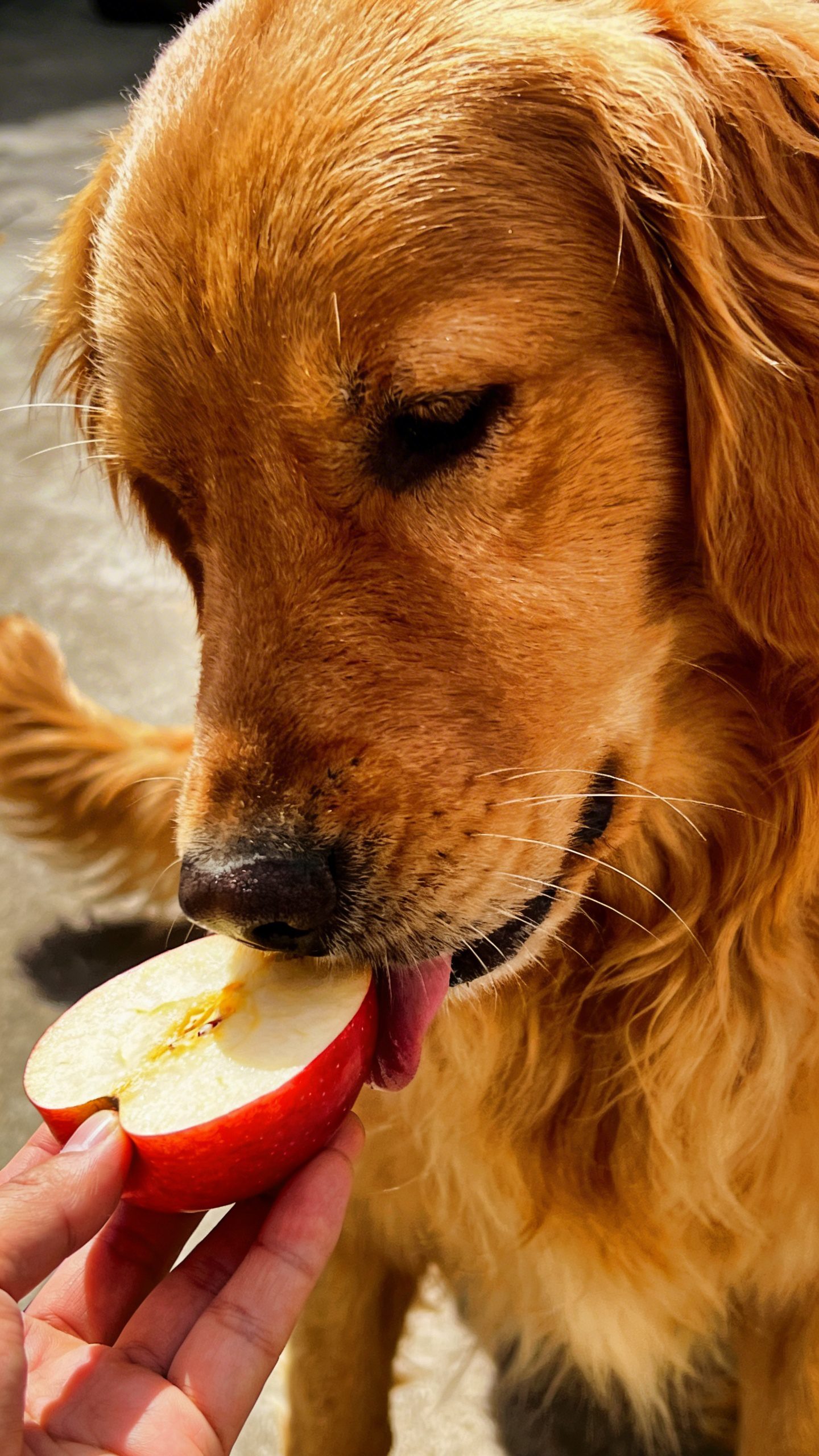
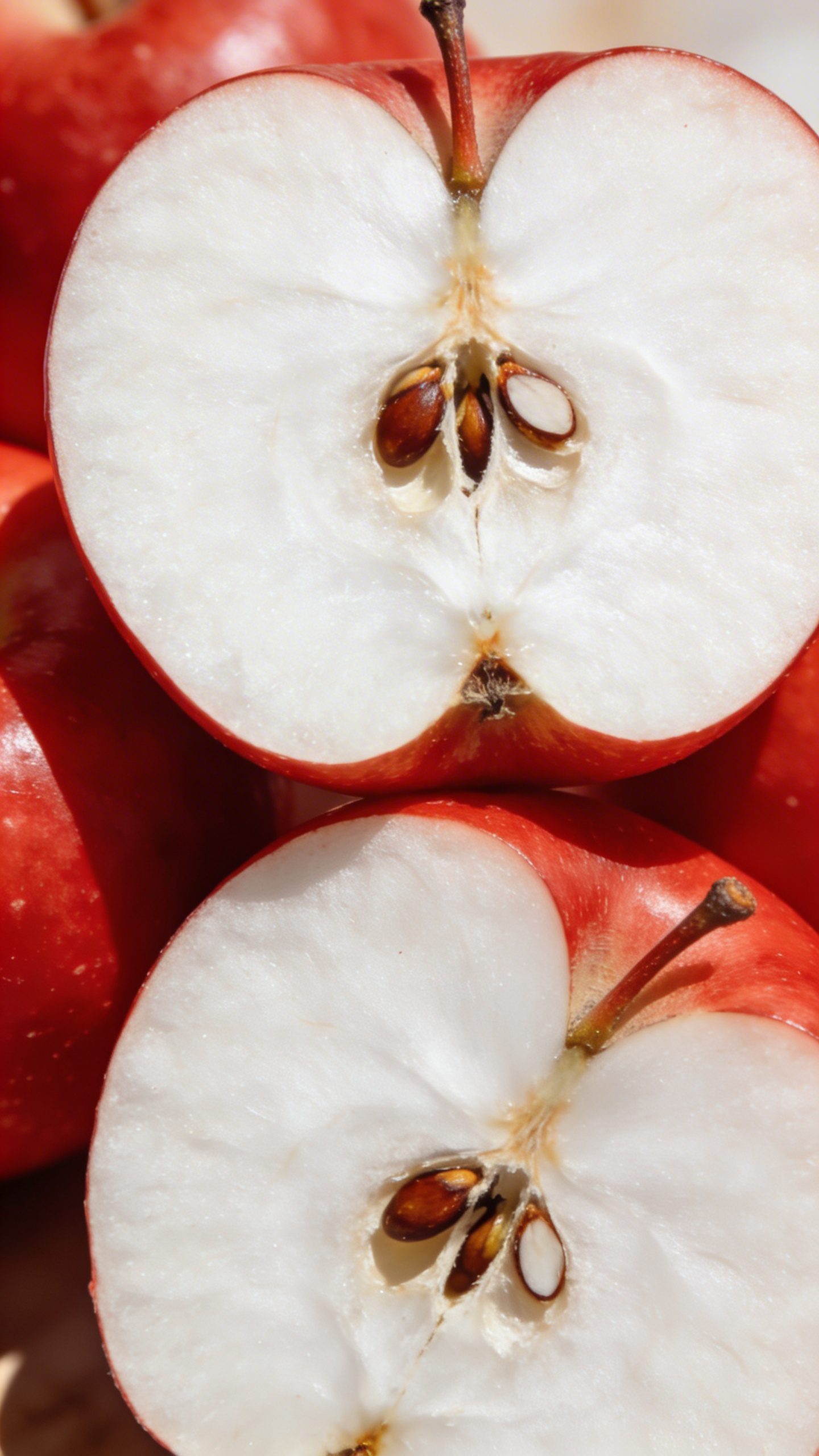
Dogs can absolutely eat apples, and most pups actually go crazy for them. Think of apples as nature’s toothbrush meets healthy treat—they’re packed with nutrients and offer that satisfying crunch dogs love. But here’s the catch: you can’t just toss your dog a whole apple and call it a day. The core, seeds, and stem need to go straight in the trash. Apple seeds contain cyanide compounds that, while not immediately dangerous in small amounts, can add up over time. Plus, the tough core poses a choking hazard, especially for smaller breeds who think they’re invincible.
9 Surprising Benefits of Feeding Apples to Your Dog
1. Dental Health Boost
That crunchy texture isn’t just satisfying—it actually helps scrub away plaque and tartar from your dog’s teeth. Obviously, apples won’t replace actual teeth brushing (nice try though), but they work as a supplementary cleaning tool. The fibrous texture acts like a natural toothbrush, reaching areas your dog won’t let you near with an actual brush.
2. Low-Calorie Treat Alternative
If your furry friend has been getting a bit, shall we say, fluffy around the middle, apples make an excellent treat swap. One slice of apple contains only about 5-10 calories, compared to the 40-50 calories in many commercial dog treats. Your chunky pup can still get treats without expanding their waistline further.
3. Fiber for Digestive Health
Apples pack a serious fiber punch, which keeps your dog’s digestive system running smoothly. This is particularly helpful for dogs dealing with constipation or those who need help with, um, regularity. The soluble fiber also feeds the good bacteria in their gut, promoting overall digestive wellness.
4. Vitamin C Powerhouse
While dogs naturally produce their own vitamin C (lucky them), an extra boost never hurts. Vitamin C supports their immune system, helps with tissue repair, and acts as an antioxidant. Senior dogs especially can benefit from this additional support as their natural production decreases with age.
5. Vitamin A for Eye and Skin Health
Apples contain vitamin A, which supports healthy vision, skin, and coat. If you’ve noticed your dog’s coat looking a bit dull lately, adding some apple slices to their routine might help restore that natural shine. It’s like a beauty treatment they’ll actually enjoy.
6. Hydration Helper
Apples are about 86% water, making them a sneaky way to boost your dog’s hydration. This comes in super handy during hot summer months or after intense play sessions. Think of it as a refreshing, edible water break.
7. Antioxidant Protection
The phytonutrients in apples help fight free radicals and reduce inflammation. This is particularly beneficial for older dogs dealing with joint issues or chronic conditions. FYI, these same compounds are why apples are considered a superfood for humans too.
8. Brain Health Support
Apples contain quercetin, an antioxidant that may protect brain cells from oxidative stress. Some research suggests this could help slow cognitive decline in senior dogs. Your old pup might just stay sharp a little longer.
9. Natural Breath Freshener
Let’s be real—dog breath can be absolutely rank. The natural acids in apples help neutralize odors and freshen breath. It won’t completely eliminate the smell of whatever disgusting thing they ate in the backyard, but it definitely helps.
The Risks You Need to Know About

Apple Seeds Are Actually Toxic
We touched on this earlier, but it bears repeating: apple seeds contain amygdalin, which releases cyanide when digested. One or two seeds probably won’t cause problems, but why risk it? Always remove the core and seeds completely before sharing.
Choking Hazards Are Real
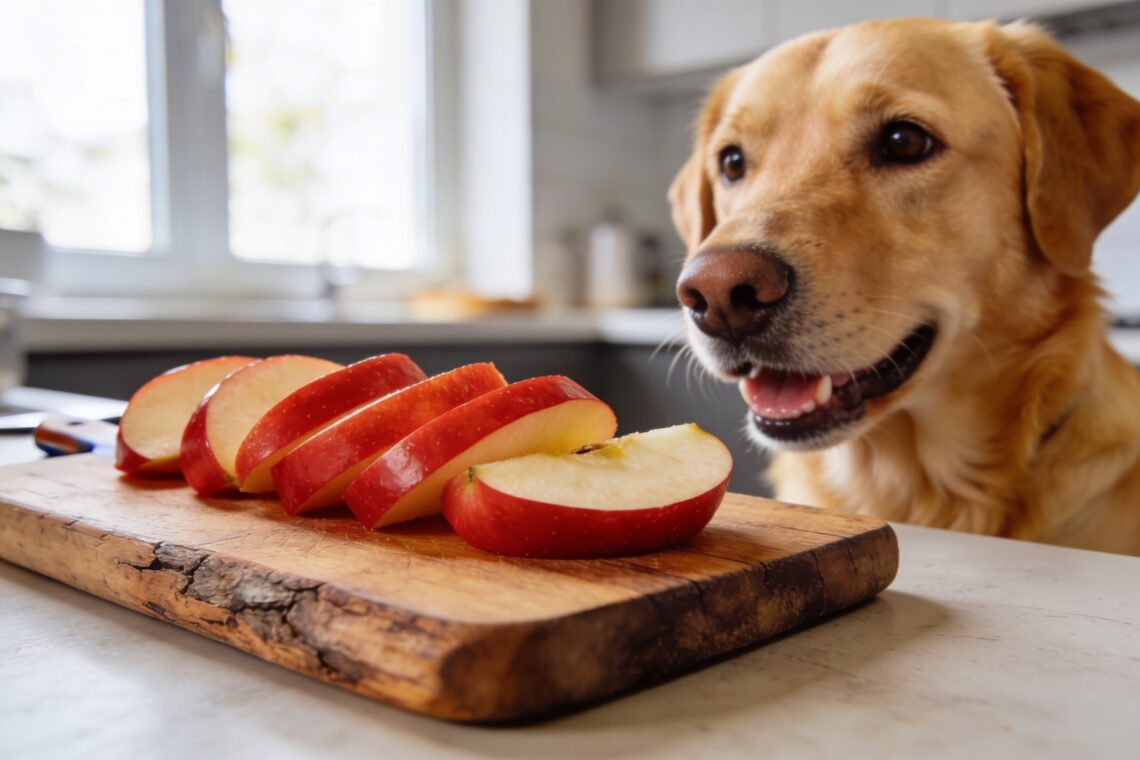
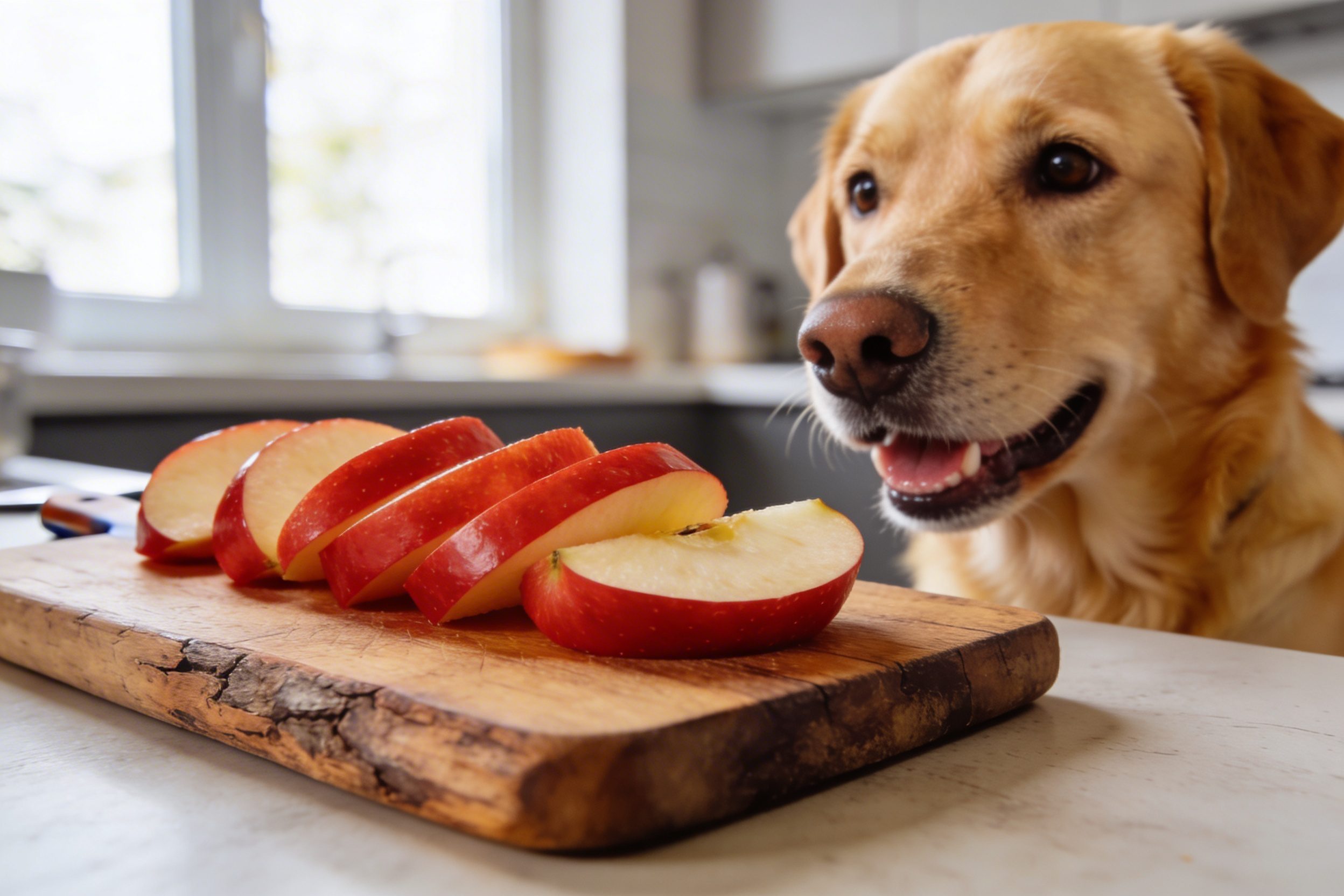
Large chunks of apple can get lodged in your dog’s throat, especially if they’re the type to inhale food without chewing. Cut apples into bite-sized pieces appropriate for your dog’s size. A Great Dane can handle larger chunks than a Chihuahua—use common sense here.
Sugar Content Matters
While natural sugars beat artificial ones any day, apples still contain sugar. Dogs with diabetes or those prone to weight gain need portion control. Think of apples as an occasional treat, not a dietary staple. Moderation is key—a few slices a few times per week is plenty.
Stomach Upset in Sensitive Dogs
Some dogs have stomachs made of iron; others get upset if you look at them wrong. Introduce apples slowly and watch for signs of digestive distress like diarrhea or vomiting. If your dog’s tummy rebels, apples might not be their thing.
How to Safely Prepare Apples for Your Dog

Preparing apples for your pup isn’t rocket science, but doing it right matters. Start by washing the apple thoroughly to remove any pesticides or wax coating. Organic apples are ideal, but a good scrub works if that’s not in your budget. Next, remove the core, seeds, and stem completely. Slice the apple into appropriate-sized pieces for your dog’s breed and chewing style. You can serve them raw, freeze them for a cooling summer treat, or even bake them (no sugar or spices added). Some dogs prefer their apples with the skin on, while others do better without it. The skin contains most of the fiber and nutrients, but it can also be harder to digest. Experiment to see what works best for your particular pooch.
Best Apple Varieties for Dogs
Honestly? Your dog doesn’t care if you’re serving them a fancy Honeycrisp or a basic Red Delicious. But some varieties work better than others for practical reasons. Sweeter apples like Gala, Fuji, and Honeycrisp tend to be crowd-pleasers among the canine set. Granny Smith apples work too, though some dogs find them too tart. Avoid any apples that are overripe or starting to ferment—the last thing you need is a tipsy dog. Whatever variety you choose, skip the crab apples. They’re not toxic, but they’re super bitter and might give your dog an upset stomach.
Frequently Asked Questions
Can puppies eat apples?
Yes, puppies can eat apples once they’re weaned and eating solid food. Just cut the pieces extra small and introduce them gradually. Puppies have sensitive digestive systems, so start with a tiny amount and work up from there. IMO, apples make great training treats for puppies since they’re healthy and low-calorie.
How much apple can I give my dog?
The 10% rule applies here: treats should make up no more than 10% of your dog’s daily caloric intake. For most dogs, this translates to a few apple slices per day at most. A small dog might get 2-3 thin slices, while a large breed could handle half an apple. When in doubt, less is more.
Can dogs eat applesauce?
Plain, unsweetened applesauce is fine for dogs in small amounts. The key word is unsweetened—most commercial applesauce contains added sugar, and some even contain xylitol, which is deadly toxic to dogs. Always check the ingredients label carefully, or better yet, make your own by cooking down apples with no additives.
Are cooked apples better than raw for dogs?
Both work fine, honestly. Cooked apples are easier to digest, which might benefit senior dogs or those with sensitive stomachs. Raw apples provide more dental benefits thanks to that satisfying crunch. You can bake apple slices at low temperature to make chewy treats, or freeze them for a refreshing snack.
Can dogs be allergic to apples?
While rare, dogs can develop allergies to apples. Signs include itching, hives, swelling, digestive upset, or respiratory issues. If you notice any of these symptoms after introducing apples, stop feeding them immediately and contact your vet. Food allergies in dogs are less common than people think, but they do happen.
What about apple juice or cider?
Skip the juice and cider. They’re basically concentrated sugar without the beneficial fiber of whole apples. Plus, many commercial varieties contain added sugars or artificial sweeteners that could harm your dog. Stick with fresh apple slices or plain applesauce instead.
Conclusion
Apples can be a fantastic addition to your dog’s treat rotation when prepared properly and fed in moderation. They offer genuine health benefits, from dental cleaning to immune support, all wrapped up in a package most dogs find delicious. Just remember to remove those seeds and cores, keep portions reasonable, and watch for any digestive issues. Your dog doesn’t need apples to be healthy, but they make a way better treat option than most commercial alternatives packed with questionable ingredients. So go ahead and share your apple slices with your furry best friend—just maybe keep the expensive organic Honeycrisps for yourself and give them the regular ones instead.