

You’ve probably caught your pup giving you those irresistible puppy eyes while you’re munching on a banana. Before you hand over a chunk, you’re smart to wonder if it’s safe. The good news? Dogs can absolutely eat bananas, but like that friend who can’t handle their ice cream, your furball needs the right portion to avoid some seriously unpleasant digestive drama.
Why Bananas Actually Rock for Dogs

Here’s the deal: bananas pack a nutritional punch that can benefit your four-legged buddy. They’re loaded with potassium, which helps keep your dog’s muscles and blood vessels functioning properly. Plus, they contain vitamins C and B6, fiber, and magnesium. Think of bananas as nature’s multivitamin that actually tastes good. Your dog gets a sweet treat while scoring some legitimate health benefits. Unlike those mystery-ingredient dog treats at the store, you know exactly what’s going into your pup’s system. But before you go turning your kitchen into a banana buffet for Fido, remember that moderation is absolutely crucial. Too much of a good thing can quickly become a bad thing, especially when it comes to your dog’s sensitive stomach.
Tip #1: Size Matters More Than You Think
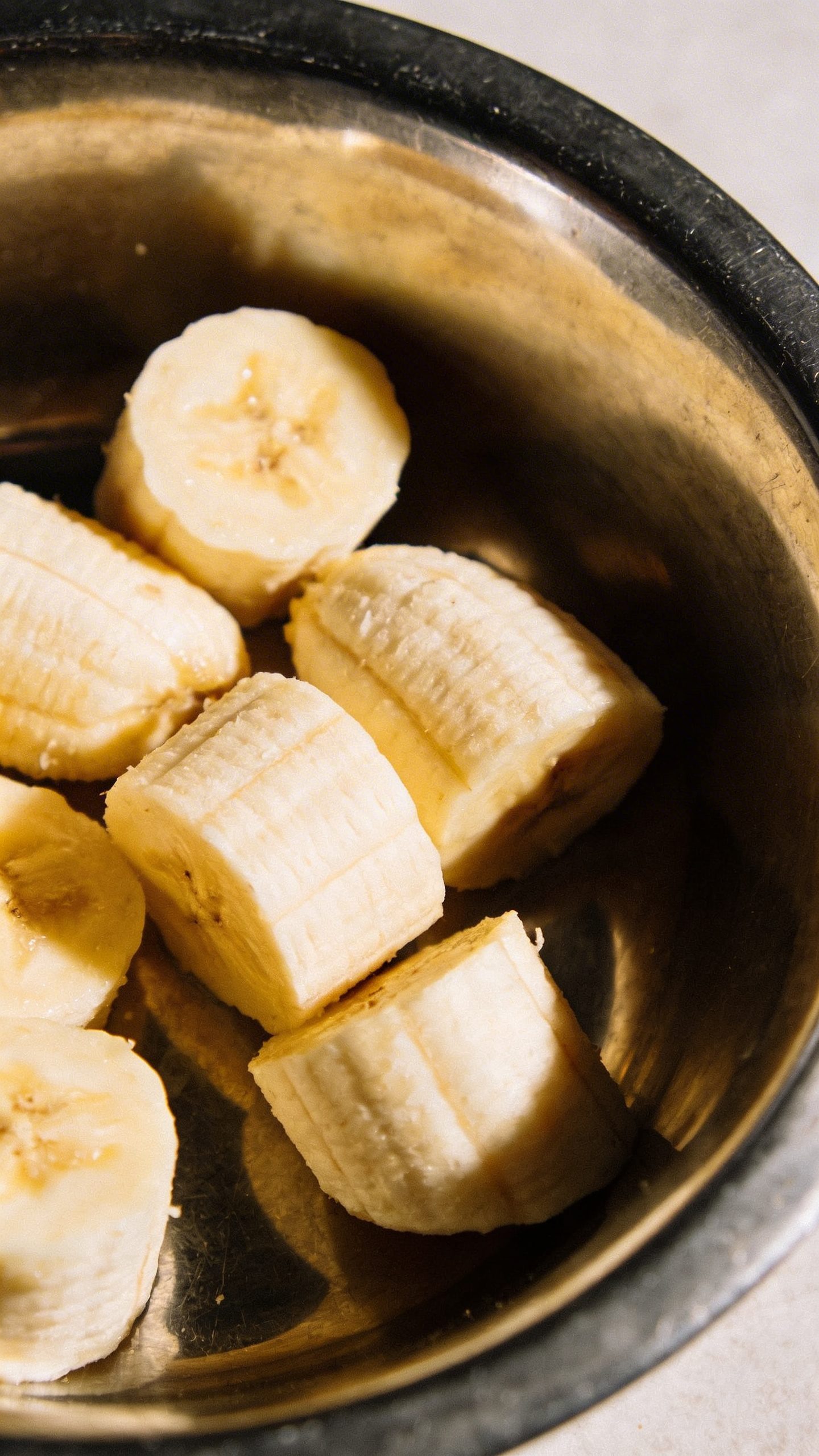
Your Chihuahua and your neighbor’s Great Dane shouldn’t be eating the same amount of banana. Sounds obvious, right? Yet people mess this up constantly. For small dogs (under 20 pounds), stick to just a few small slices or about 2-3 pieces that are roughly half an inch thick. Medium-sized dogs (20-50 pounds) can handle about half a banana. Large breeds over 50 pounds can enjoy up to a whole banana, but honestly, even that might be pushing it for some pups.
The Calorie Consideration
Here’s something most dog owners don’t think about: treats should only make up about 10% of your dog’s daily caloric intake. A whole banana contains around 105 calories. If your 30-pound dog needs roughly 800 calories per day, that single banana just ate up more than 10% of their daily budget in one shot. Do the math for your specific pup. Their regular meals should provide the bulk of their nutrition, not impromptu fruit snacks.
Tip #2: Start Small and Watch for Reactions

Never just hand your dog half a banana on day one. Their digestive system might react like you just introduced a foreign substance, because honestly, you kind of did. Start with a tiny piece, maybe the size of your thumbnail. Then play the waiting game for about 24 hours. Watch for any signs of stomach upset like vomiting, diarrhea, excessive gas, or changes in appetite. If everything looks good after that test run, you can gradually increase the portion. Think of it like introducing any new food to a toddler, except your toddler has fur and can’t tell you when their stomach feels weird.
Tip #3: Frequency Is Your Secret Weapon
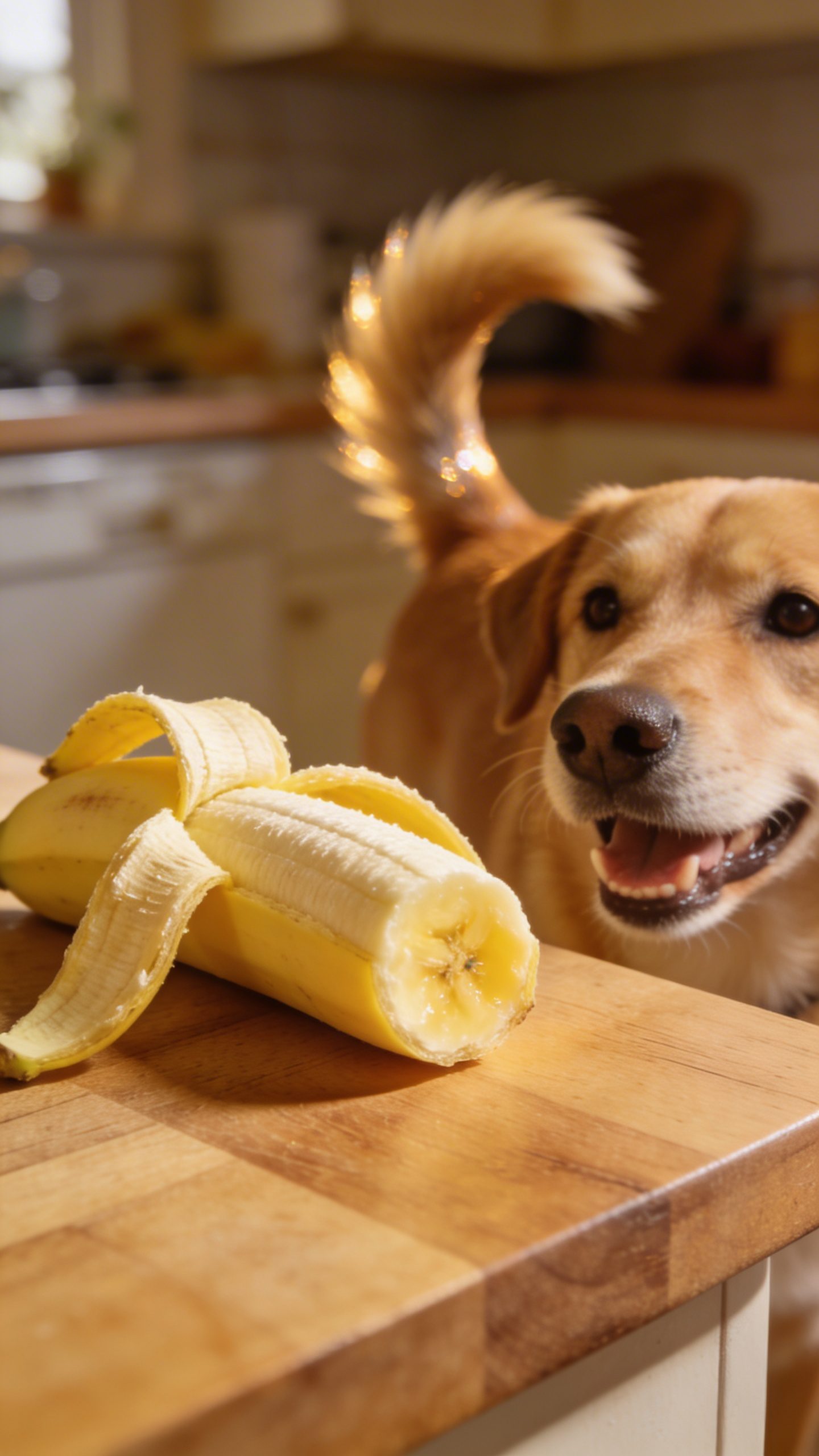
Just because your dog can eat bananas doesn’t mean they should eat them every single day. IMO, treating bananas like a special occasion snack works way better than making them a daily staple. Aim for 2-3 times per week maximum. This prevents your dog from getting too much sugar and fiber, both of which can cause digestive chaos when consumed too frequently. Plus, keeping it occasional means it stays special and exciting.
The Sugar Problem
Bananas contain natural sugars, and while they’re healthier than processed treats, they’re still sugar. Dogs don’t need extra sugar in their diet, and too much can contribute to weight gain, diabetes, and tooth decay. One medium banana has about 14 grams of sugar. That might not sound like much, but your dog’s body processes sugar differently than yours does. Regular banana binges could lead to some serious health issues down the road.
Tip #4: Preparation Method Matters Big Time
Don’t just toss your dog a whole banana and walk away. The peel, while not toxic, is incredibly difficult for dogs to digest and can cause intestinal blockages. Nobody wants that emergency vet visit. Peel the banana completely and cut it into appropriate-sized pieces. For smaller dogs, mash it up to prevent choking hazards. You can also try these preparation methods:
- Frozen slices: Perfect for hot summer days and great for teething puppies
- Mashed and mixed with regular food: Helps mask medication or adds interest to boring kibble
- Stuffed in a Kong toy: Provides entertainment and mental stimulation
- Mixed with plain yogurt: Creates a protein-packed treat (make sure the yogurt is dog-safe with no artificial sweeteners)
Whatever method you choose, skip the added ingredients. No chocolate, no peanut butter with xylitol, no honey or sugar. The banana is sweet enough on its own.
Tip #5: Know When to Skip the Banana Entirely
Some dogs shouldn’t eat bananas at all, or should only have them after consulting with a vet. If your dog has diabetes, the sugar content could mess with their blood glucose levels. If they’re overweight, adding calorie-dense treats probably isn’t the smartest move. Dogs with kidney issues need to watch their potassium intake carefully. While potassium is generally healthy, too much can be dangerous for pups with compromised kidney function. Always check with your vet first if your dog has any health conditions. Also, if your dog shows signs of a banana allergy (rare but possible), obviously stop feeding them immediately. Symptoms might include itching, swelling, difficulty breathing, or hives.
Trust Your Gut (And Your Dog’s)
You know your dog better than anyone. If something seems off after feeding them banana, trust that instinct. Maybe they just don’t tolerate fruit well, or maybe you gave them too much. Either way, you don’t need to force it. Some dogs go absolutely nuts for bananas, while others couldn’t care less. Both reactions are totally normal. Don’t push bananas on a disinterested dog just because you read they’re healthy.
What About Banana Chips and Other Products?
FYI, those banana chips from the grocery store? Probably not a great choice for your pup. Most commercial banana chips are deep-fried and loaded with added sugar, oil, and preservatives. Stick to fresh bananas or properly dried banana slices made specifically for dogs. If you want to make your own dehydrated banana treats, you can slice them thin and use a dehydrator or your oven on low heat. Just remember that dehydrating concentrates the sugar, so these should be even more occasional than fresh banana. Banana bread, banana pudding, and other banana-flavored human foods are definitely off-limits. They contain ingredients like sugar, artificial sweeteners, chocolate, and nutmeg that can be harmful or even toxic to dogs.
Frequently Asked Questions
Can puppies eat bananas?
Yes, puppies can eat bananas, but you need to be even more careful with portions. Their digestive systems are still developing, so start with tiny amounts and watch closely for any reactions. A couple of small slices is plenty for a puppy, and honestly, they’re probably better off sticking to puppy-specific foods until they’re a bit older.
What happens if my dog eats too much banana?
Overindulging in banana typically leads to digestive upset. You’re looking at potential diarrhea, vomiting, stomach pain, and constipation. The high fiber content that’s normally beneficial becomes problematic in large quantities. Most dogs will recover on their own within 24 hours, but if symptoms persist or seem severe, call your vet.
Are banana peels toxic to dogs?
Banana peels aren’t toxic, but they’re tough to digest and can cause blockages in your dog’s intestines. If your dog accidentally scarfs down a peel, monitor them closely for signs of distress like vomiting, lack of appetite, or straining to poop. Contact your vet if you notice anything concerning.
Can I give my dog banana every day?
You can, but you really shouldn’t. Daily banana consumption provides too much sugar and can lead to weight gain and other health issues. Treating bananas as an occasional snack (2-3 times weekly) gives your dog the benefits without the risks. Variety in treats is healthier anyway.
Do bananas help with dog diarrhea?
Small amounts of banana can actually help firm up your dog’s stool thanks to the fiber content. However, if your dog has severe diarrhea or it lasts more than a day, skip the home remedies and head to the vet. Diarrhea can indicate serious health problems that need professional attention.
Can dogs be allergic to bananas?
While rare, dogs can develop allergies to bananas just like any other food. Signs include itching, skin irritation, swelling, digestive upset, or difficulty breathing. If you notice any of these symptoms after feeding banana, stop immediately and consult your veterinarian.
The Bottom Line on Bananas and Dogs
Bananas can be a healthy, delicious treat for your dog when you approach them smartly. Keep portions appropriate for your dog’s size, limit frequency to a few times per week, and always monitor for adverse reactions. Fresh is best, preparation matters, and when in doubt, less is more. Your dog doesn’t need bananas to survive, but they can be a fun way to add variety to treat time while sneaking in some extra nutrients. Just remember that your dog’s regular, balanced dog food should always be their primary nutrition source. Treats are exactly that – treats, not meal replacements. Now go ahead and share that banana, but maybe keep most of it for yourself!