
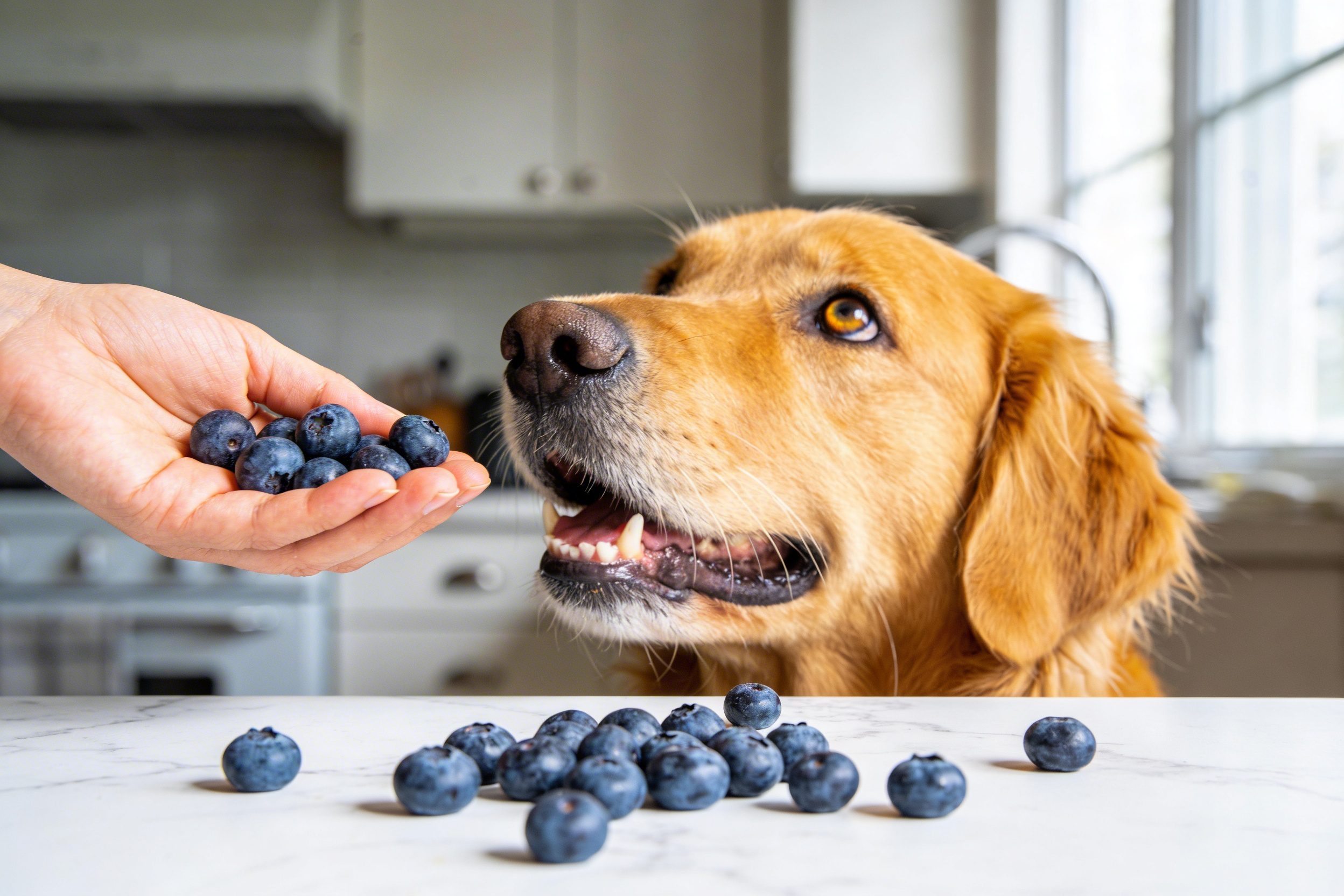
You’ve probably caught your furry friend giving you those irresistible puppy eyes while you’re munching on blueberries, and you’re wondering if you can share. The short answer? Absolutely yes! Not only are blueberries safe for dogs, but they’re actually a superfood that can seriously boost your pup’s health in ways that might surprise you.
Why Blueberries Are Actually a Canine Superfood
Look, I get it. The pet food aisle is already overwhelming enough without trying to figure out which human foods are safe for your dog. But blueberries deserve a spot on your shopping list for both you and your four-legged buddy. These little blue gems pack the same nutritional punch for dogs as they do for humans. We’re talking antioxidants, fiber, vitamins C and K, and a bunch of phytonutrients that sound complicated but basically mean “really good stuff.” The best part? They’re low in calories and naturally sweet, so your dog will think they’re getting a treat while you’re secretly being a responsible pet parent. Veterinarians actually recommend blueberries as one of the safest and healthiest human foods you can give your dog. Unlike some questionable snacks people feed their pets (side-eyeing everyone who gives their dogs pizza crusts), blueberries are nutritionally sound and won’t mess with your dog’s digestive system.
Benefit #1: Antioxidant Powerhouse That Fights Aging

Remember when everyone couldn’t shut up about antioxidants in human nutrition? Well, turns out our dogs need them just as much. Blueberries contain one of the highest antioxidant levels of any fruit, which helps combat those nasty free radicals floating around your dog’s body. What does this actually mean for Rover? These antioxidants can help slow down the aging process at a cellular level. Your senior dog might maintain better cognitive function, stay more active, and generally act like a younger pup for longer. It’s basically like giving your dog a tiny fountain of youth in berry form.
The Science Behind Those Little Blue Berries
The main antioxidants in blueberries are called anthocyanins (try saying that five times fast). These compounds give blueberries their blue color and do some seriously heavy lifting when it comes to protecting your dog’s cells from damage. They fight inflammation, protect DNA, and support overall cellular health.
Benefit #2: Brain Health and Cognitive Function
Ever notice your older dog seeming a bit… spacey? Maybe they forget where they buried their favorite toy or seem confused about their daily routine. Dogs can experience cognitive decline just like humans, and blueberries might actually help with that. Research has shown that the compounds in blueberries can improve brain function and delay age-related cognitive issues in dogs. Some studies even suggest they can enhance learning and memory in younger dogs too. Basically, blueberries are brain food for your pup. Think of it as a delicious insurance policy against doggy dementia. Your 10-year-old Lab might stay sharp enough to keep outsmarting you at hide-and-seek if you incorporate these berries into their diet regularly.
Benefit #3: Eye Health Support
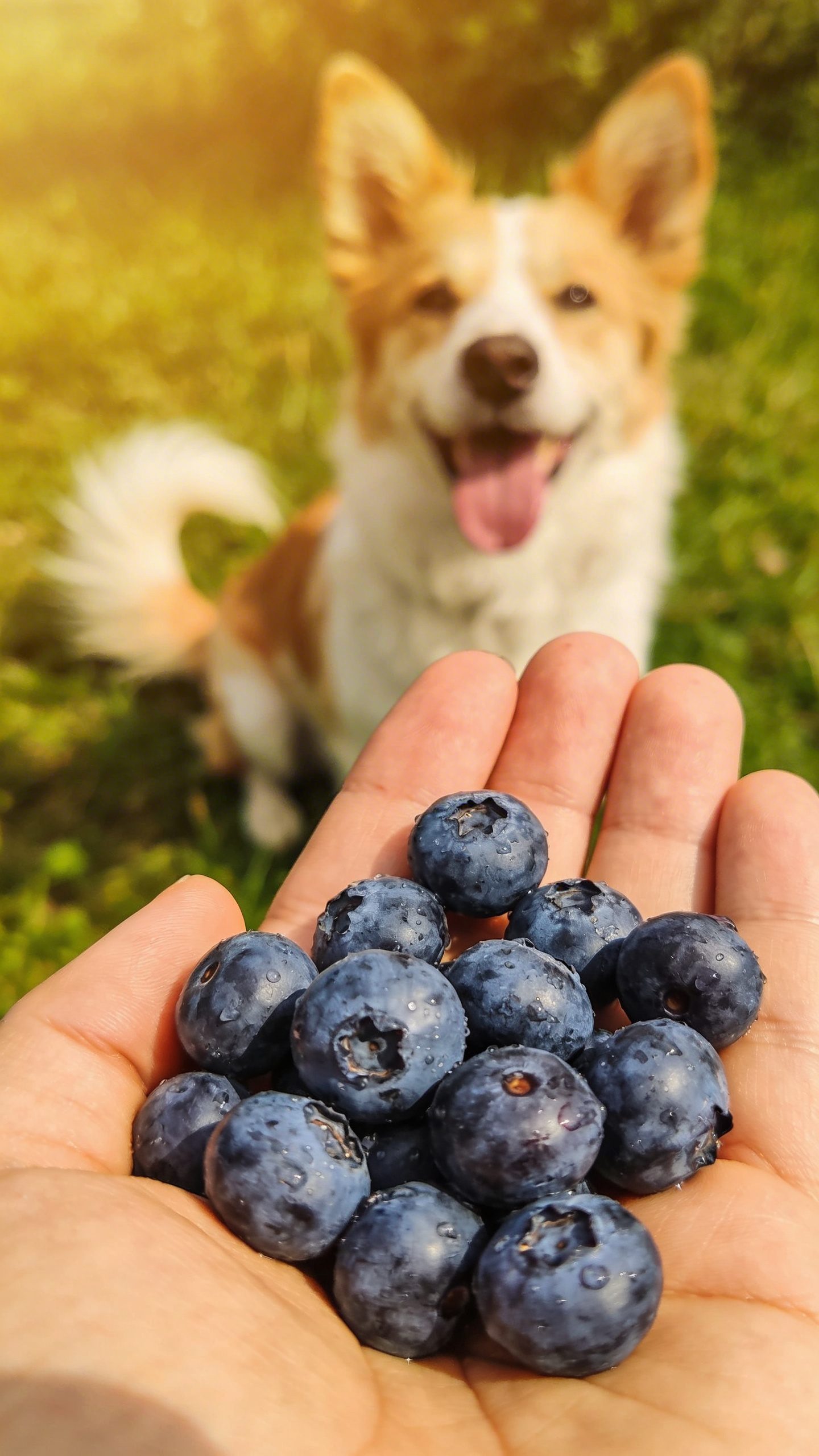
Those puppy dog eyes need protection too! Blueberries contain compounds that support eye health and can help prevent or slow down age-related vision problems. We’re talking about conditions like cataracts and macular degeneration that commonly affect older dogs. The vitamin A and anthocyanins in blueberries work together to maintain healthy retinas and improve night vision. FYI, this is particularly beneficial for senior dogs or breeds prone to eye issues like Cocker Spaniels, Poodles, and Boston Terriers.
Benefit #4: Immune System Boost
A strong immune system means fewer vet visits and more time playing fetch. Blueberries are loaded with vitamin C and other immune-boosting nutrients that help your dog fight off infections and diseases. While dogs naturally produce their own vitamin C (unlike us humans), extra vitamin C from dietary sources can still provide benefits, especially during stressful times or when they’re recovering from illness. Think of blueberries as your dog’s personal immune system cheerleader.
Perfect for Dogs with Sensitive Stomachs
Unlike some immune-boosting supplements that can upset your dog’s stomach, blueberries are gentle and easy to digest. They actually contain fiber that helps regulate digestion, so you’re getting a two-for-one deal here.
Benefit #5: Anti-Inflammatory Properties

Inflammation is basically the root of all evil when it comes to chronic health issues. Dogs with arthritis, hip dysplasia, or other inflammatory conditions can benefit from the natural anti-inflammatory compounds found in blueberries. I’m not saying blueberries will replace your vet-prescribed medication, but they can definitely complement a treatment plan for inflammatory conditions. Plus, they’re way tastier than pills, which makes your job easier.
Benefit #6: Urinary Tract Health
Here’s something you might not know: blueberries contain compounds similar to those found in cranberries that can help prevent urinary tract infections. These compounds prevent bacteria from sticking to the bladder wall, which is the main cause of UTIs in dogs. If your dog has had recurrent UTIs, adding blueberries to their diet might help reduce future infections. It’s not a cure, but it’s definitely a tasty preventative measure worth trying.
Benefit #7: Weight Management Made Easy

Let’s be real—many of our dogs could stand to lose a pound or two. Blueberries are the perfect low-calorie treat for dogs watching their waistline. Ten blueberries contain only about 8.5 calories, compared to the 40+ calories in many commercial dog treats. You can use blueberries for training rewards, between-meal snacks, or just because your dog is looking at you with those eyes again. They’ll feel like they’re getting spoiled while you’re actually helping them maintain a healthy weight. Win-win, IMO.
How to Safely Feed Blueberries to Your Dog
Okay, so you’re sold on the benefits. But how exactly should you serve these little superfoods to your pup?
Fresh, Frozen, or Dried?
Fresh and frozen blueberries are your best options. Many dogs actually prefer frozen blueberries, especially in summer—they’re like healthy little popsicles! Just make sure to buy organic when possible to avoid pesticides. Dried blueberries? Proceed with caution. They’re more concentrated in sugar and calories, so you’d need to feed fewer of them. Also, some commercial dried blueberries contain added sugar or other ingredients that aren’t dog-friendly. Always check the label.
Portion Control Matters
Even good things can become problematic in excess. Follow the 10% rule: treats should make up no more than 10% of your dog’s daily caloric intake. For most dogs, this translates to:
- Small dogs (under 20 lbs): 3-5 blueberries per day
- Medium dogs (20-50 lbs): 5-10 blueberries per day
- Large dogs (over 50 lbs): 10-15 blueberries per day
These are general guidelines, so adjust based on your dog’s individual needs and activity level.
Creative Ways to Serve Blueberries
Don’t just toss them in the bowl and call it a day. Get creative! Here are some fun ideas:
- Mix them into plain yogurt or cottage cheese
- Freeze them in ice cube trays with water for a summer treat
- Mash them up and mix with their regular food
- Use them as training treats (they work surprisingly well)
- Make homemade dog treats with blueberries as the star ingredient
Potential Concerns and What to Watch For
Before you rush to the store and buy out their entire blueberry stock, let’s talk about a few potential issues to keep in mind.
Choking Hazard for Small Dogs
Small breeds might struggle with whole blueberries, especially if they’re the type to inhale their food without chewing. Consider cutting blueberries in half or mashing them for tiny dogs or puppies.
Too Much of a Good Thing
Overfeeding blueberries can lead to digestive upset, including diarrhea or stomach pain. The fiber content is great in moderation but can cause issues if your dog eats a whole container. Start slowly and monitor your dog’s reaction.
Always Wash Them First
This should go without saying, but always wash blueberries thoroughly before feeding them to your dog. Pesticides and other residues on the skin can be harmful to pets.
Frequently Asked Questions
Can puppies eat blueberries?
Absolutely! Puppies can enjoy blueberries once they’re eating solid food. Just make sure to cut them into smaller pieces to prevent choking, and keep portions appropriate for their size. The antioxidants and vitamins can actually support healthy development in growing puppies.
What if my dog ate a whole container of blueberries?
Don’t panic. While not ideal, blueberries aren’t toxic to dogs. Your pup might experience some digestive upset like diarrhea or gas, but it should pass within 24 hours. Make sure they have access to plenty of water and monitor them. If symptoms persist or worsen, call your vet.
Are wild blueberries safe for dogs?
Wild blueberries are generally safe, but make sure you’re 100% certain they’re actually blueberries and not some other berry that could be toxic. When in doubt, stick to store-bought berries. Not all blue berries growing in the wild are the real deal, and some can be dangerous.
Can I give my dog blueberry muffins or blueberry yogurt?
Hard pass on the muffins—they contain sugar, butter, and possibly toxic ingredients like chocolate chips or xylitol. Blueberry yogurt can be okay if it’s plain yogurt with real blueberries mixed in, but avoid anything with added sugar or artificial sweeteners. Just give them plain blueberries instead. It’s simpler and healthier.
Do blueberries need to be organic?
While organic is ideal to avoid pesticides, it’s not absolutely necessary if you wash conventional blueberries thoroughly. That said, blueberries typically make the “Dirty Dozen” list of produce with high pesticide residues, so organic is worth considering if it fits your budget.
Can dogs with diabetes eat blueberries?
This one requires a conversation with your vet. While blueberries are lower on the glycemic index than many fruits, they still contain natural sugars. Some diabetic dogs can handle small amounts, but you’ll need professional guidance to determine if and how much is safe for your specific pup.
Conclusion
So there you have it—blueberries are basically a miracle snack for your dog. They support everything from brain health to immune function, they’re low in calories, and most dogs absolutely love them. Whether you have a bouncing puppy or a distinguished senior dog, adding these little blue powerhouses to their diet can provide some serious health benefits. Start small, watch how your dog reacts, and gradually incorporate them into their routine. Your pup’s tail-wagging approval will tell you everything you need to know. And honestly? Sharing healthy snacks with your best friend is one of the simple joys of dog ownership. Just maybe keep the container out of their reach, or you might come home to a very purple crime scene and one very happy (but slightly nauseous) dog.