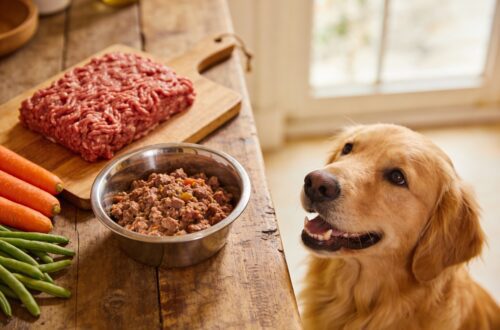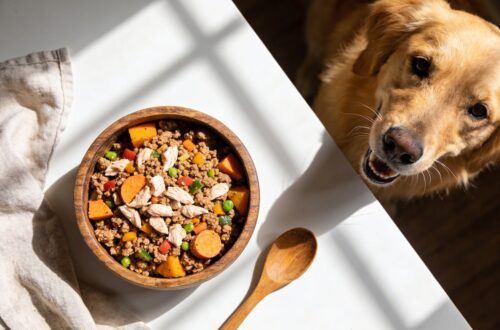

You’ve probably cracked open a few eggs for breakfast and caught your pup giving you those irresistible puppy dog eyes, begging for a taste. Good news: you can totally share the wealth! Eggs aren’t just safe for dogs—they’re basically nutritional powerhouses that can seriously boost your furry friend’s health.
Why Eggs Are Nature’s Perfect Dog Food
Listen, I’m not exaggerating when I say eggs are one of the most complete foods you can give your dog. They pack an incredible amount of nutrition into one small package, and your dog’s body knows exactly what to do with all those nutrients. Think about it—eggs contain pretty much everything needed to create life (literally). That same nutritional density translates into some serious health benefits for your four-legged companion. We’re talking high-quality protein, essential fatty acids, vitamins, and minerals all wrapped up in one convenient shell. The best part? Most dogs absolutely love the taste of eggs, so you won’t have to do any convincing. No hiding pills in peanut butter here—just pure, tail-wagging enthusiasm.
Benefit #1: A Shiny, Gorgeous Coat That’ll Turn Heads at the Dog Park
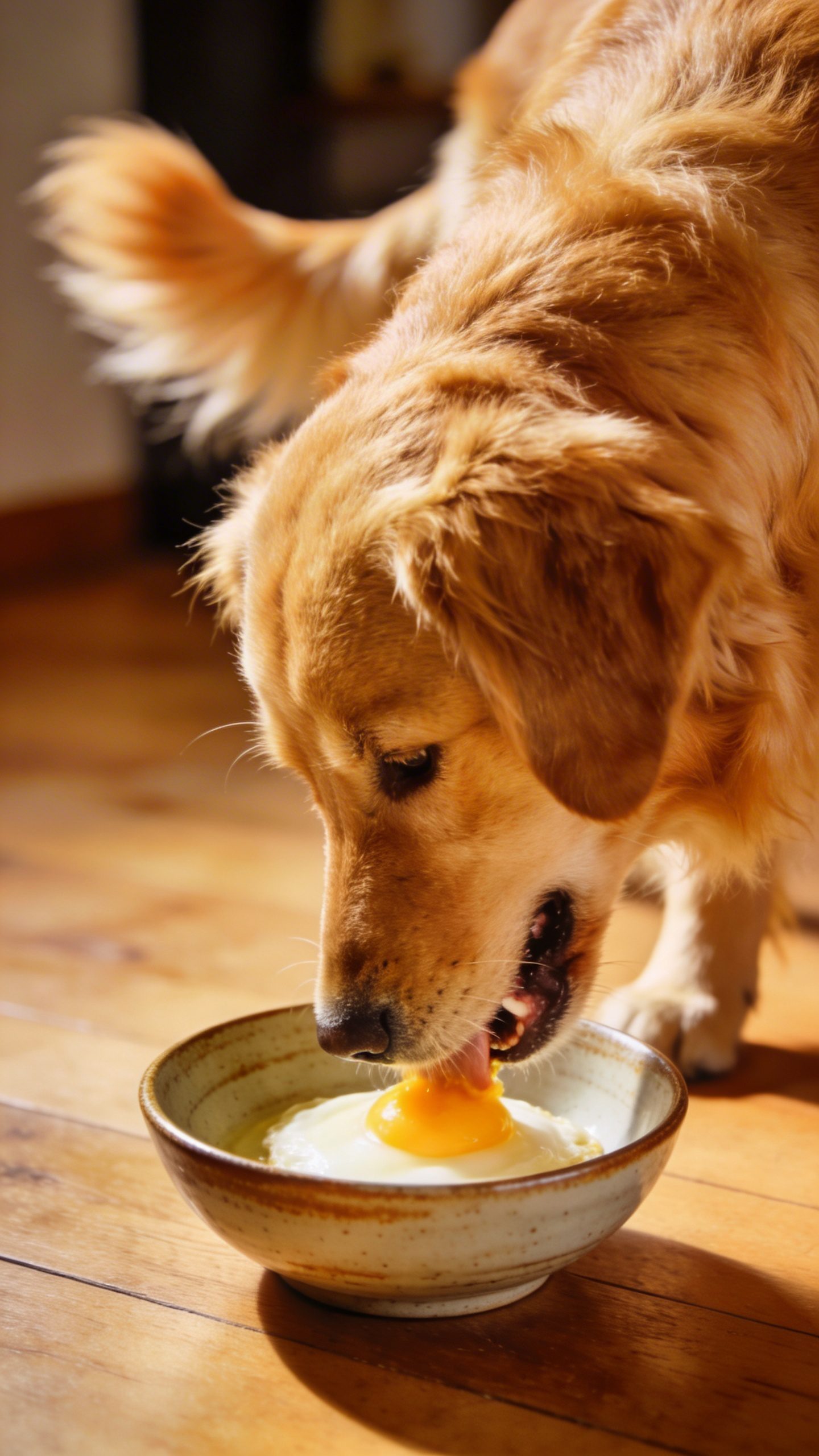
Want your dog’s coat to look like they just stepped out of a doggy spa? Eggs are your secret weapon. The protein and biotin in eggs work together to create healthier skin and a shinier coat that’ll make other dog parents jealous. I’ve seen dogs go from having dull, brittle fur to sporting a glossy coat that practically gleams in the sunlight—all from adding eggs to their diet. The fatty acids in eggs, particularly omega-3s and omega-6s, nourish the skin from the inside out. Biotin (vitamin B7) deserves special mention here. It’s essential for maintaining healthy skin and coat, and eggs are loaded with it. If your pup has been dealing with dry, flaky skin or a lackluster coat, eggs might be exactly what the vet ordered.
Benefit #2: Muscle Development and Maintenance
Dogs are naturally active creatures (well, most of them—looking at you, couch potato bulldogs), and they need quality protein to build and maintain muscle mass. Eggs deliver complete protein, meaning they contain all nine essential amino acids your dog needs. Here’s what makes egg protein so special:
- Highly digestible—dogs can absorb and use nearly all of it
- Contains the perfect amino acid profile for muscle repair
- Supports lean muscle mass without excess calories
- Helps maintain healthy body weight and composition
Whether you’ve got a high-energy working dog or a senior pup trying to maintain muscle tone, eggs provide exactly what they need. FYI, many professional dog athletes and show dogs include eggs in their regular diet for this exact reason.
Benefit #3: Brain Power and Cognitive Function
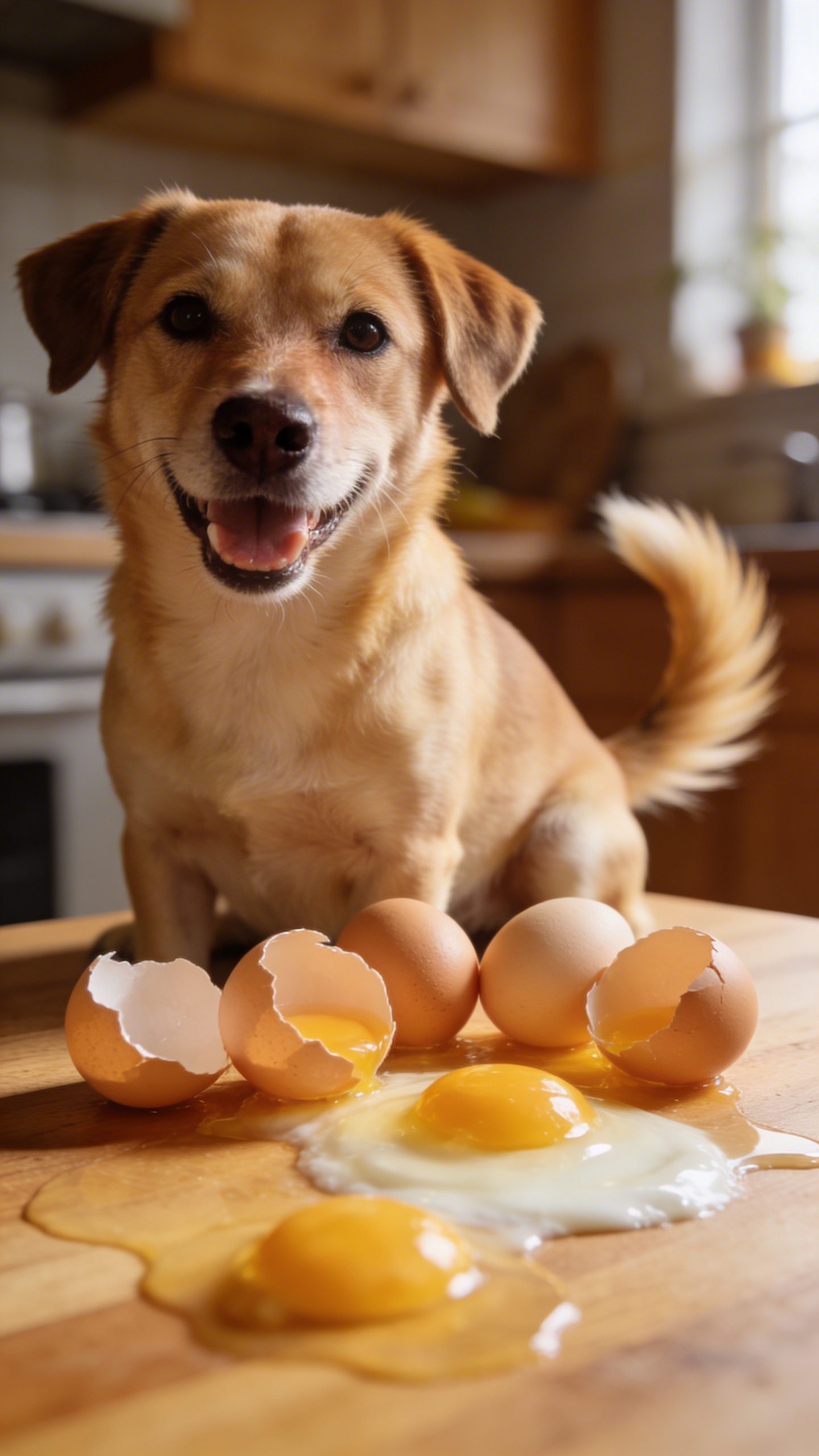
Want a smarter dog? Okay, eggs won’t turn your derpy golden retriever into Einstein, but they absolutely support brain health. Choline, found abundantly in eggs, plays a crucial role in brain development and function.
What Choline Does for Your Dog’s Brain
Choline helps build cell membranes and supports neurotransmitter function. Translation? Better memory, improved learning ability, and overall cognitive health. This is especially important for puppies (whose brains are still developing) and senior dogs (who need help maintaining cognitive function). I’ve noticed that dogs eating eggs regularly seem more alert and responsive during training sessions. Coincidence? Maybe. But the science backs up the brain-boosting benefits.
Benefit #4: Eye Health That Lasts
Your dog’s vision matters, and eggs contain lutein and zeaxanthin—two powerful antioxidants that specifically protect eye health. These compounds accumulate in the retina and help filter harmful blue light while fighting off free radicals. As dogs age, they can develop cataracts and other vision problems. While eggs aren’t a cure-all, the nutrients they provide can help slow down age-related eye deterioration. Think of it as giving your dog’s peepers some extra protection against Father Time.
Benefit #5: Immune System Support
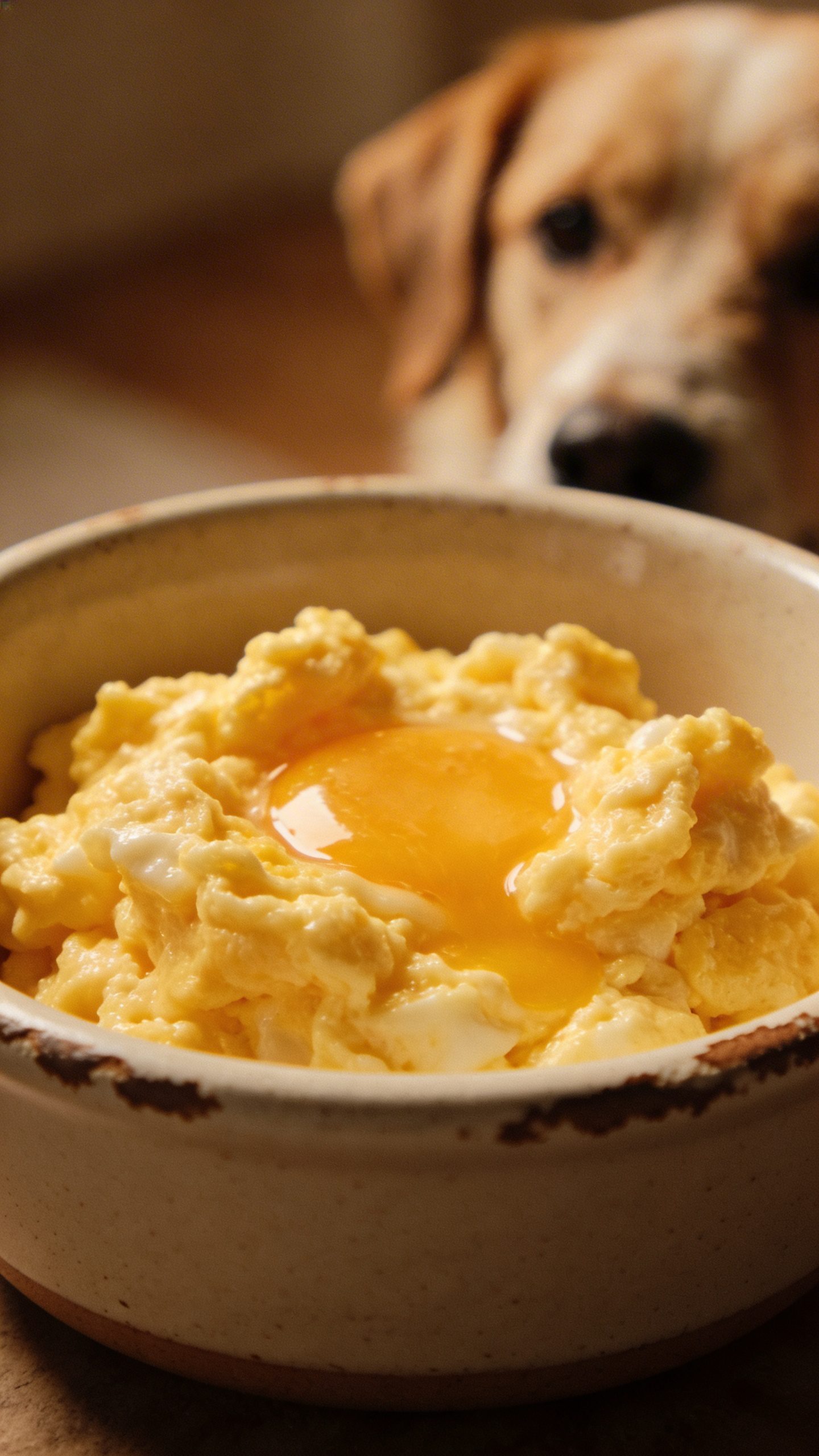
A strong immune system keeps your dog healthy and ready to tackle whatever life throws at them—whether that’s fighting off infections or recovering from injuries faster. Eggs contain several immune-boosting nutrients that work together beautifully. Check out this immune-supporting lineup:
- Vitamin A: Maintains healthy mucous membranes (your dog’s first defense against pathogens)
- Vitamin D: Regulates immune responses and reduces inflammation
- Vitamin E: Acts as an antioxidant, protecting cells from damage
- Selenium: Supports the production of disease-fighting antibodies
- Zinc: Essential for immune cell function and wound healing
Basically, eggs give your dog’s immune system the tools it needs to do its job effectively. Not too shabby for something that costs less than a dollar!
Benefit #6: Digestive Health and Nutrient Absorption
Here’s something most people don’t realize: eggs are incredibly easy for dogs to digest. Unlike some protein sources that can cause upset stomachs or digestive issues, eggs are gentle on the GI tract. The high bioavailability of nutrients in eggs means your dog actually absorbs and uses most of what they consume. You’re not just feeding them—you’re nourishing them efficiently. IMO, that’s what separates good nutrition from great nutrition.
Perfect for Sensitive Stomachs
Got a dog with a finicky digestive system? Eggs might become your new best friend. Many dogs who struggle with other protein sources tolerate eggs beautifully. They’re naturally bland (in a good way) and unlikely to trigger allergies or sensitivities.
Benefit #7: Joint Health and Mobility
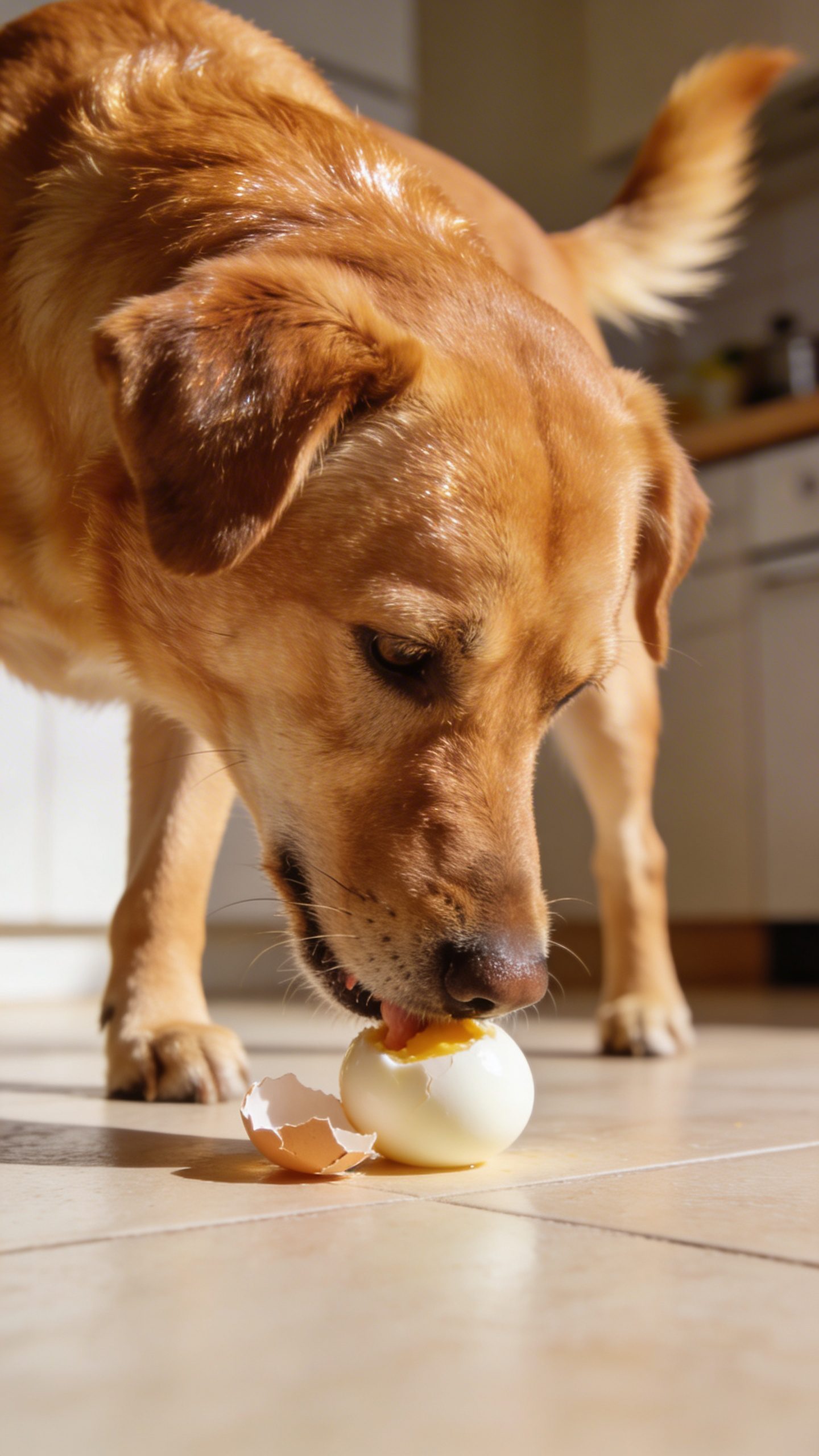
The protein and amino acids in eggs support cartilage health and can help reduce inflammation in joints. While they’re not a replacement for dedicated joint supplements in dogs with serious arthritis, eggs definitely contribute to overall joint health. The glucosamine naturally present in egg membranes (yes, that thin film between the shell and the egg white) has been shown to support joint function. Some people even give their dogs crushed eggshells for an extra calcium and glucosamine boost.
How to Safely Feed Eggs to Your Dog
Alright, so you’re convinced eggs are awesome for dogs. But how do you actually feed them safely? Let me break it down for you.
Cooked vs. Raw: The Great Debate
Cooked eggs are the safer choice. While some raw food enthusiasts swear by raw eggs, cooking eliminates the risk of salmonella and makes the protein more digestible. Scrambled, boiled, or poached—all work great. Just skip the butter, oil, salt, and seasonings. Raw egg whites contain avidin, which can interfere with biotin absorption if consumed in large quantities over time. Cooking deactivates avidin, so this becomes a non-issue.
How Many Eggs Can Your Dog Eat?
Moderation is key, folks. Here’s a general guideline:
- Small dogs (under 20 lbs): Half an egg, 2-3 times per week
- Medium dogs (20-50 lbs): One egg, 2-3 times per week
- Large dogs (over 50 lbs): One to two eggs, 2-3 times per week
Remember, eggs should supplement your dog’s regular diet, not replace it. They’re a fantastic addition, but your pup still needs a balanced dog food as their main nutrition source.
Frequently Asked Questions
Can puppies eat eggs?
Absolutely! Eggs are safe for puppies and provide excellent nutrition for their growing bodies. The protein supports muscle development, while choline aids brain development. Just make sure to cook the eggs thoroughly and adjust portion sizes based on your puppy’s weight. Start with small amounts to ensure they tolerate eggs well.
Are eggshells safe for dogs to eat?
Yes, crushed eggshells can be beneficial for dogs. They’re packed with calcium and contain natural glucosamine. If you want to feed your dog eggshells, wash them thoroughly, bake them at 300°F for 10 minutes to kill any bacteria, then grind them into a fine powder. Sprinkle a small amount over their food. Too much calcium can cause problems, so don’t go overboard.
Can eggs cause allergies in dogs?
While possible, egg allergies in dogs are relatively uncommon. However, some dogs can develop sensitivities. Watch for signs like itching, skin redness, ear infections, or digestive upset after introducing eggs. If you notice any of these symptoms, stop feeding eggs and consult your vet. When introducing eggs for the first time, start with a small amount and monitor your dog’s reaction.
Should I give my dog the whole egg or just certain parts?
The whole egg is nutritious! The yolk contains most of the vitamins, minerals, and healthy fats, while the white provides protein. Together, they create a nutritional powerhouse. There’s no need to separate them unless your vet recommends it for specific health reasons. Just remember to cook them before serving.
Can eggs help my overweight dog lose weight?
Eggs can be part of a weight management strategy because they’re high in protein and relatively low in calories. Protein helps dogs feel fuller longer, which can reduce begging and overeating. However, you need to account for the egg calories in your dog’s daily total. One large egg contains about 70 calories, so adjust their regular food accordingly. Always consult your vet before making dietary changes for weight loss.
What’s the best way to prepare eggs for dogs?
The simplest methods are usually the best: hard-boiled, scrambled (without butter or oil), or poached. Avoid frying eggs in oil or adding any seasonings, salt, cheese, or vegetables like onions or garlic (which are toxic to dogs). Let the eggs cool completely before serving. Some dogs prefer them chopped up and mixed into their regular food, while others will happily eat them plain.
Wrap Up: Eggs Are Eggscellent (Sorry, Had To)
Look, I couldn’t write an entire article about eggs without making at least one terrible pun. But seriously, eggs are one of the most nutritious, affordable, and versatile foods you can add to your dog’s diet. From supporting a gorgeous coat to boosting brain function, strengthening immunity, and maintaining healthy joints, eggs deliver benefits that’ll have your pup feeling their absolute best. Plus, watching your dog’s excitement when you crack open an egg for them? Priceless. Just remember to cook them thoroughly, serve them plain, and keep portions appropriate for your dog’s size. When in doubt, chat with your vet about whether eggs make sense for your specific dog’s dietary needs. Now go forth and crack some eggs—your dog’s wagging tail will thank you!