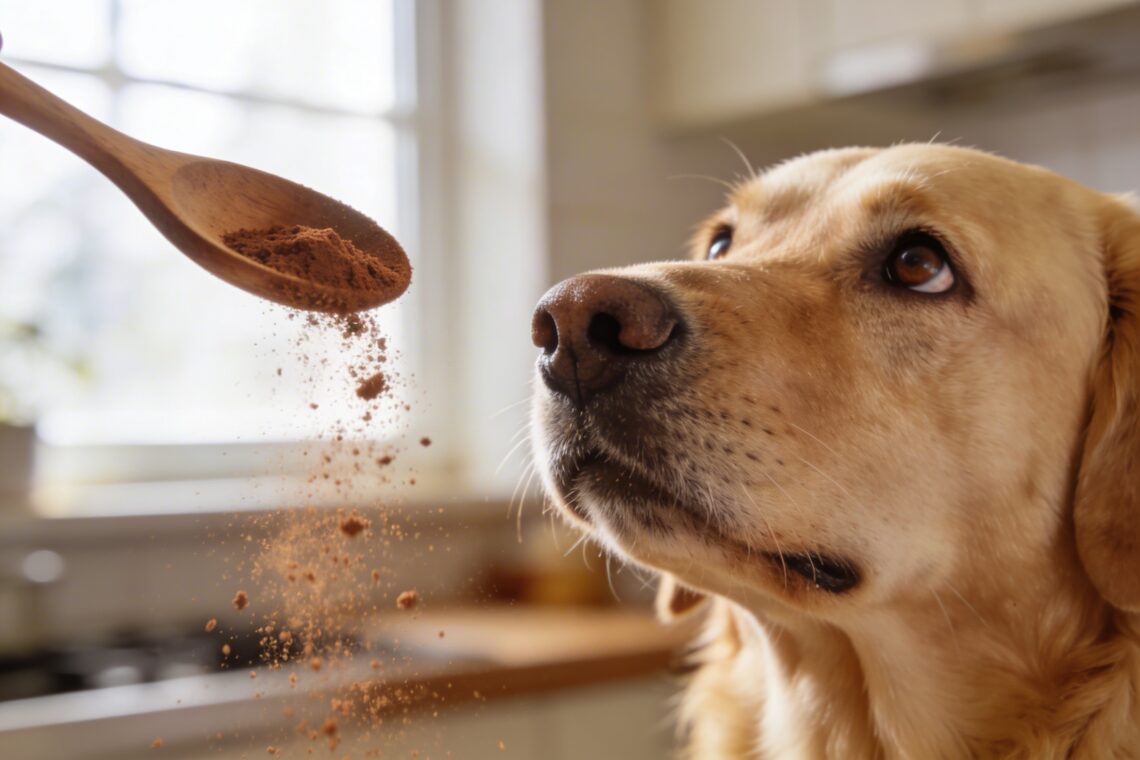
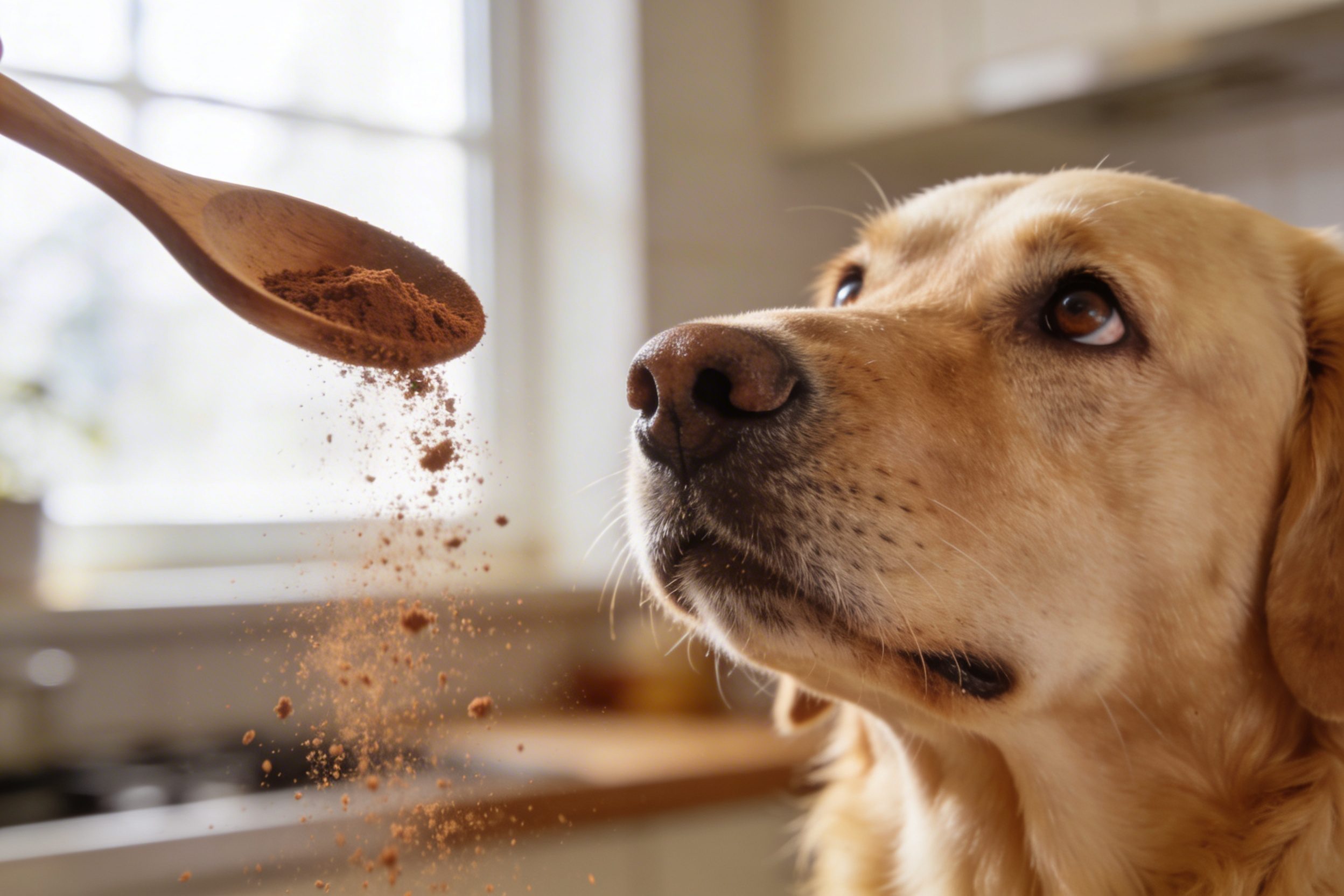
You’ve probably caught your pup giving you those puppy-dog eyes while you’re sprinkling cinnamon on your morning oatmeal or coffee. Before you let them lick your spoon, you’re wondering: is cinnamon actually safe for dogs, or are you about to accidentally poison your best friend? Let’s dive into what veterinarians actually have to say about dogs and cinnamon, because the answer isn’t as straightforward as you might think.
The Short Answer: Cinnamon Won’t Kill Your Dog (But There’s a Catch)

Here’s the good news: cinnamon isn’t toxic to dogs. If your dog sneaks a lick of your cinnamon roll or gobbles up a treat with a dash of cinnamon in it, you don’t need to panic and rush to the emergency vet. The not-so-great news? Just because something isn’t toxic doesn’t mean you should go wild with it. Cinnamon falls into that weird middle category where it’s technically safe but can still cause problems if your dog gets too much of it. Think of it like hot sauce for humans. Sure, you won’t die from eating it, but downing an entire bottle would make for a pretty miserable experience. Same concept applies here.
What Happens If Your Dog Eats Cinnamon?

When your dog consumes a small amount of cinnamon, they’ll probably be completely fine. Maybe they’ll have slightly spicy breath, but that’s about it. Problems start when dogs eat larger quantities of cinnamon or inhale cinnamon powder. Here’s what can happen:
- Stomach irritation and upset tummies
- Diarrhea (and trust me, cleaning that up is no fun)
- Vomiting
- Low blood sugar in some cases
- Changes in heart rate
- Liver problems if consumed regularly in large amounts
If your dog inhales cinnamon powder, things get even more uncomfortable. They might start coughing, choking, or have difficulty breathing. Their mouth could feel irritated and sore. Not exactly the fun time your pup was hoping for when they stuck their nose in your spice cabinet.
The Difference Between Cinnamon Types (Yes, It Matters)

Plot twist: not all cinnamon is created equal. There are actually two main types you’ll find in stores, and one is significantly worse for dogs than the other.
Ceylon Cinnamon (The “Good” One)
Ceylon cinnamon, sometimes called “true cinnamon,” comes from Sri Lanka and is considered the safer option. It contains very low levels of a compound called coumarin, which is the troublemaker in the cinnamon world. This is the fancy stuff that costs a bit more at the grocery store, and honestly, most people don’t have it in their spice cabinet.
Cassia Cinnamon (The Common One)
Cassia cinnamon is what you probably have sitting in your pantry right now. It’s cheaper, more widely available, and contains much higher levels of coumarin than Ceylon cinnamon. Coumarin can cause liver damage in high doses, especially with regular consumption. For dogs with existing liver issues or smaller breeds, this is particularly concerning.
How Much Is Too Much?
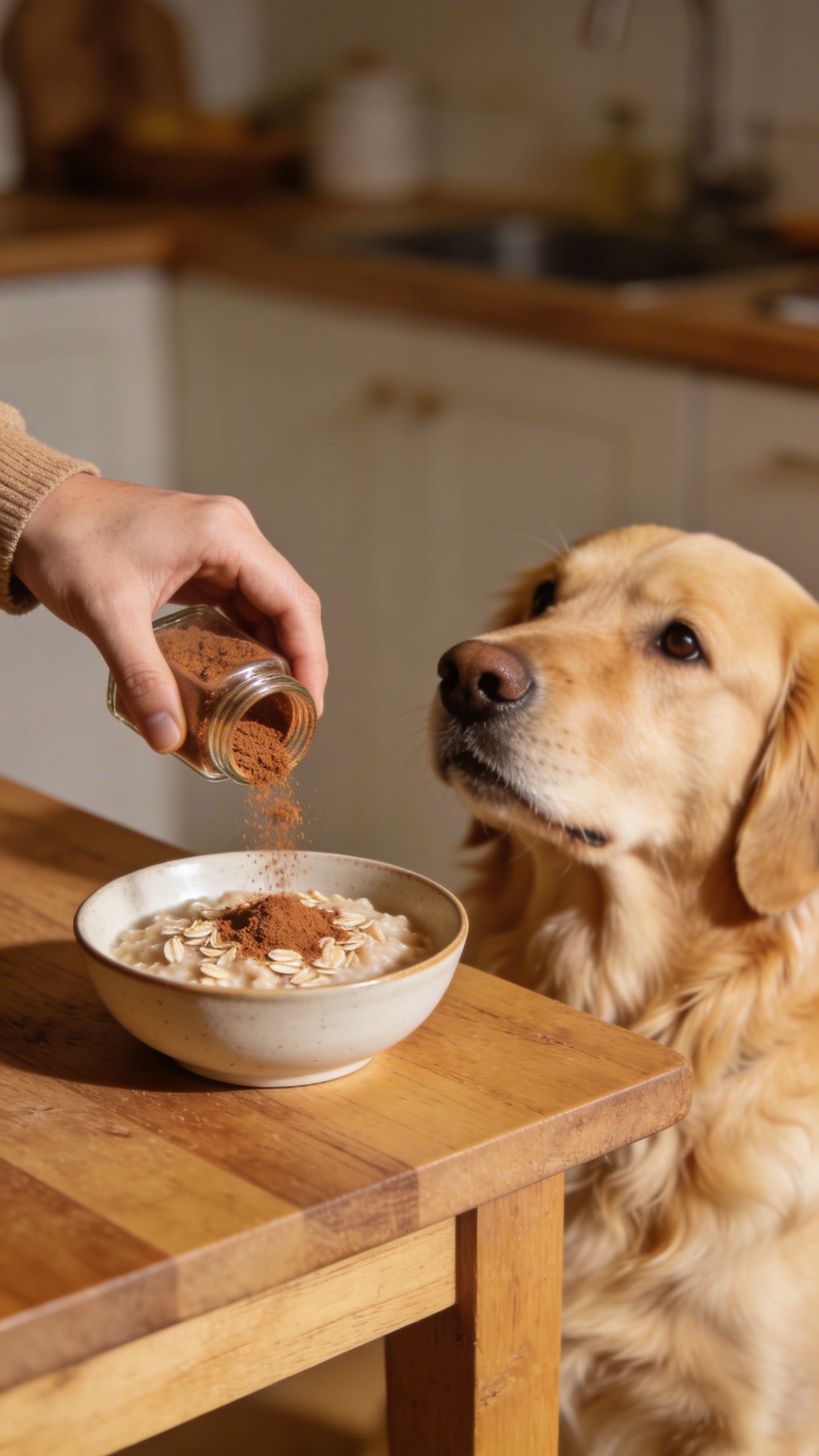
Veterinarians generally recommend keeping cinnamon intake to less than one teaspoon per day for dogs, though honestly, even that might be pushing it for smaller breeds. But here’s the thing: there’s really no reason to give your dog that much cinnamon in the first place. We’re not talking about an essential nutrient here. If a little cinnamon ends up in a dog treat recipe or they accidentally lick something with cinnamon on it, fine. But intentionally feeding them cinnamon? Skip it. The size of your dog matters too. A Great Dane accidentally eating a cinnamon stick is way less concerning than a Chihuahua doing the same thing. Body weight plays a huge role in how substances affect dogs, just like it does with humans.
What About Cinnamon Essential Oil?
Oh boy, this is where things get dicey. Cinnamon essential oil is a hard no for dogs. Like, seriously, keep it away from them. Essential oils are super concentrated versions of the plant compounds, which means they’re way more potent than ground cinnamon. Dogs can experience serious reactions to cinnamon essential oil, including:
- Severe skin irritation if it touches their skin
- Respiratory distress if they inhale it
- Digestive issues if they ingest it
- Potential liver damage
FYI, this applies whether you’re diffusing it, applying it topically, or adding it to homemade cleaning products. Dogs have way more sensitive noses than we do, and what smells nice to you might be overwhelming and irritating to them.
Are There Any Benefits to Giving Dogs Cinnamon?
Some people claim that cinnamon offers health benefits for dogs, like anti-inflammatory properties, blood sugar regulation, or improved brain function. And sure, studies have shown some potential benefits of cinnamon in humans and even in some animal studies. But here’s the reality: the research on cinnamon specifically for dogs is pretty limited. Most vets will tell you that any potential benefits probably don’t outweigh the risks, especially when there are safer alternatives available. Want to support your dog’s health? Stick to proven methods like quality dog food, regular exercise, and actual vet-recommended supplements. Don’t rely on sprinkling cinnamon on their kibble and calling it a day.
What To Do If Your Dog Eats a Bunch of Cinnamon
Okay, so disaster struck and your dog knocked over the cinnamon container and had themselves a little feast. Now what? First, don’t panic. Take a breath. Assess how much they actually ate. A few licks or a small amount probably won’t cause major issues, but if they consumed a significant quantity, call your vet. Watch for these warning signs:
- Excessive drooling
- Vomiting or diarrhea
- Coughing or difficulty breathing
- Acting lethargic or weak
- Changes in behavior
Your vet might tell you to just monitor your dog at home, or they might want you to bring them in, depending on the amount consumed and your dog’s size. Better safe than sorry, IMO.
Frequently Asked Questions
Can dogs eat cinnamon bread or cinnamon rolls?
While the small amount of cinnamon in these treats probably won’t hurt your dog, the bigger issue is all the other stuff in there. Sugar, butter, and other ingredients in cinnamon rolls aren’t great for dogs either. Plus, some cinnamon rolls contain raisins or nutmeg, which are actually toxic to dogs. Best to keep your pastries to yourself and give your pup an actual dog treat instead.
Is cinnamon in dog treats safe?
Commercial dog treats that contain cinnamon are generally safe because manufacturers use very small amounts. They’ve done the math to make sure the quantity won’t cause problems. Just check the ingredient list and make sure there aren’t any other questionable ingredients mixed in. Stick to reputable brands that follow safety guidelines.
Can cinnamon help with my dog’s bad breath?
Some people swear by cinnamon for freshening dog breath, but it’s not worth the risk. If your dog has serious bad breath, that’s usually a sign of dental issues or health problems that need actual veterinary attention. Try dog-specific dental chews or, you know, actually brushing your dog’s teeth instead.
What spices are actually dangerous for dogs?
Great question! Nutmeg, garlic powder, onion powder, and cocoa powder are all toxic to dogs and should be kept far away from them. Even some herbs like chives can cause problems. When in doubt, assume human seasonings aren’t meant for canine consumption.
Can puppies have cinnamon?
Puppies have even more sensitive systems than adult dogs, so it’s best to avoid giving them cinnamon entirely. Their little bodies don’t need the extra stress of processing unnecessary spices. Stick to puppy-specific foods and treats.
Will cinnamon hurt my dog’s liver over time?
Regular consumption of cinnamon, especially cassia cinnamon with its higher coumarin content, could potentially stress your dog’s liver over time. There’s no good reason to test this theory with your own pup. Keep cinnamon as an occasional accident, not a regular addition to their diet.
The Bottom Line
So can dogs have cinnamon? Technically yes, but should they? Probably not on purpose. A tiny bit here and there won’t cause a catastrophe, but there’s really no compelling reason to intentionally feed your dog cinnamon. If your dog accidentally gets into your cinnamon supply or licks up some cinnamon-flavored food, they’ll most likely be fine. Just keep an eye on them and call your vet if you notice any concerning symptoms. Save the cinnamon for your own morning coffee and give your four-legged friend something actually designed for dogs. They’ll appreciate a good old-fashioned dog biscuit way more than they’d enjoy an upset stomach anyway.