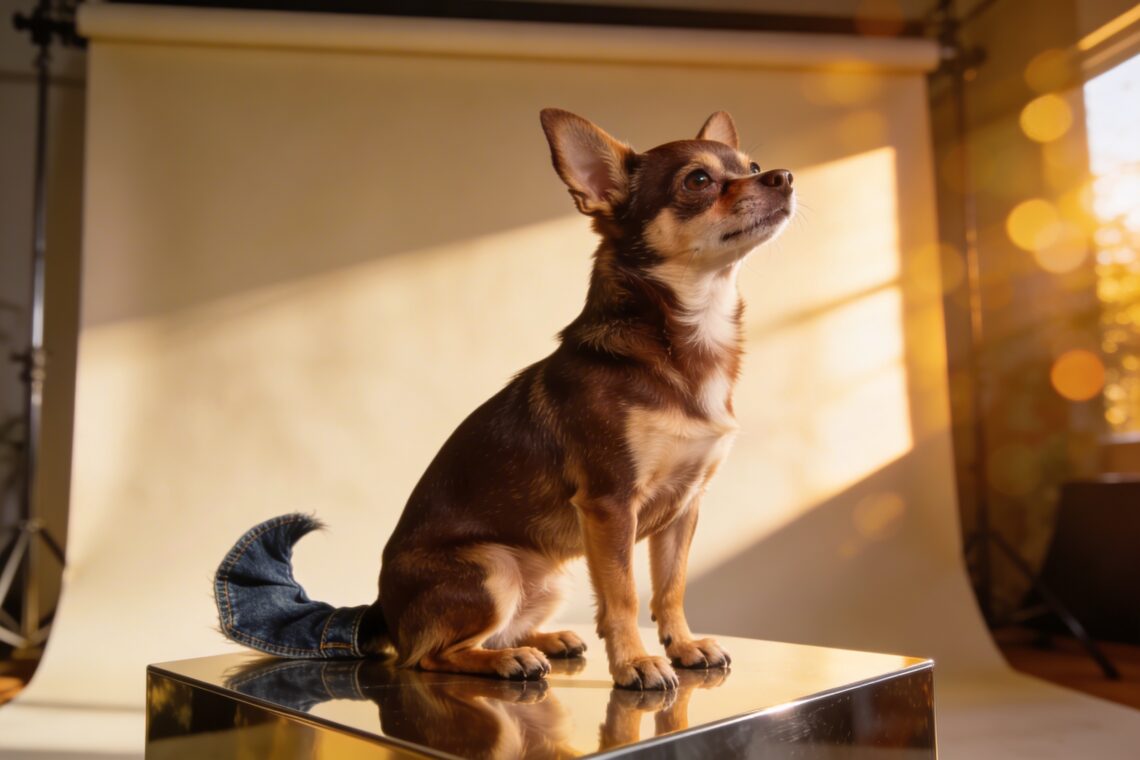
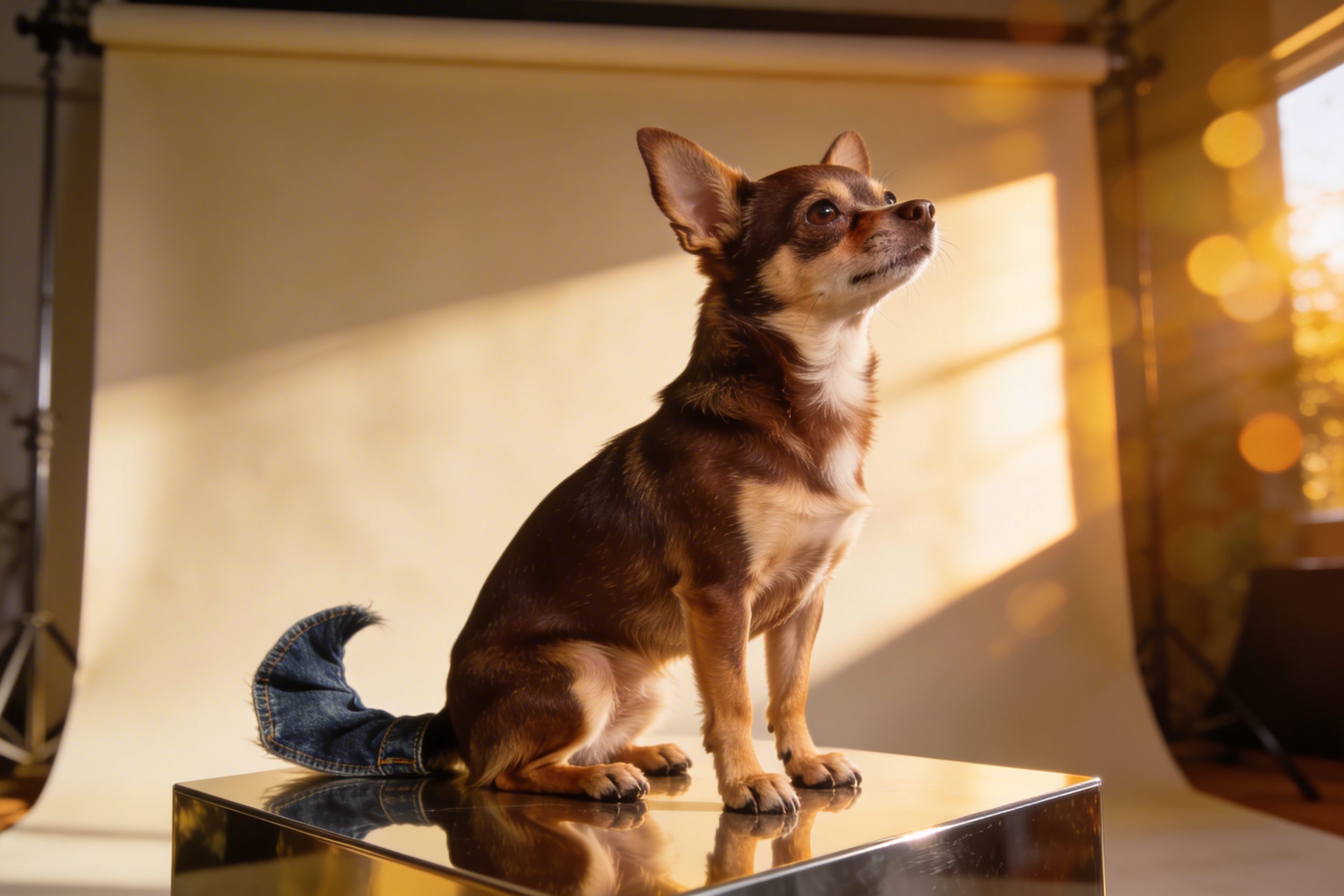
Chihuahua Facts: 15 Tiny Secrets That Make These Little Dogs So Fearless Think small, bark big, and steal the show with a wag of their denimed tails. Chihuahuas may be pint-sized, but their personalities roar louder than their size. If you’ve ever wondered what makes these pocket rockets tick, you’re about to get the insider scoop. FYI: by the end, you might just want one on your lap right now.
1) Size Ain’t a Vibe—Fearlessness Is
Chihuahuas are the canine version of a ninja in a fur coat. They stride around like they own the joint, even when the mailman is a mile away. Their tiny bodies pack a confidence punch that can bash through doors and stereotypes alike. So what gives? – They evolved with a history of guarding and alertness. Tiny but mighty, they learned to rely on loud barks to keep bigger threats at bay. – Their brains are wired for quick reactions. When something smells off, they don’t hesitate—new alert mode engages instantly. If you’ve ever met a Chihuahua who didn’t bark at a breeze, you’ve met a rare unicorn. Most of these little dynamos don’t back down easily.
2) The Right Fit: Why They Bond So Deeply
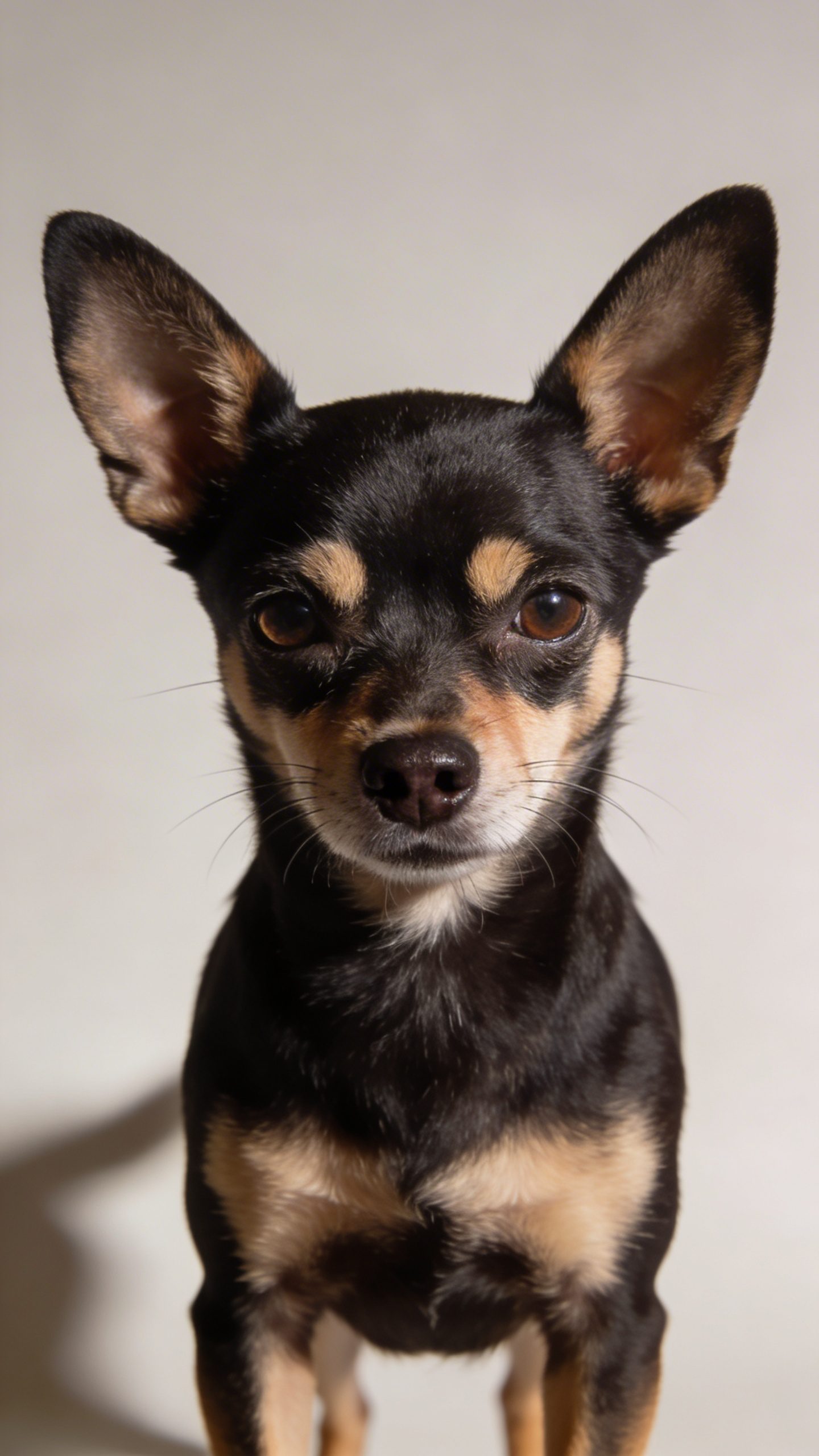
Ever notice how a Chihuahua can stare you down like you’re a snack? It’s affection, not aggression, most of the time. These dogs form tight bonds with their chosen humans and can turn your lap into a command center. – They crave close contact and eye contact. Yes, that means constant cuddling and constant “I love you, human” vibes. – They read emotions like a book you forgot to close. Happy? They’re all in. Stressed? They’ll try to “fix” it in their own cute way. This bonding thing means they thrive on routine and predictability. If you’re the chaotic type, you’ll want to work on grounding routines so your Chihuahua doesn’t become a tiny hurricane.
3) The Bold Advice Your Vet Will Tell You
Beth from the clinic says it best: tiny bodies, big needs. Here are the practical bits you’ll actually use.
3.1 Nutrition that Fuels a Fiery Spirit
– Small breed formulas are key. They’re easier to digest and help avoid bloat—a real risk for tiny dogs if they gorge. – Feeder tip: split meals into 2-3 small portions daily. No one needs a meet-and-greet with the vet because FOMO led to an overeating incident.
- Watch fat intake. A little is necessary, a lot becomes a problem fast.
- Fresh water, clean bowls, and a routine feeding time keep tummy troubles away.
3.2 Exercise Without Turning Your Living Room into a Gym
– Short, frequent play sessions beat marathon dance-offs any day. Think 10-15 minute bursts a few times a day. – Indoor enrichment is your friend. Treat puzzles, scent games, and tiny obstacle courses fit for a dog-sized adventurer.
3.3 Dental Drama: Tiny Teeth, Big Issues
– Tiny mouths mean crowded teeth, which means dental care matters. Brush a few times weekly, introduce dental chews, and schedule regular checkups. – Bad breath is a red flag. If it’s persistent, your vet might flag a mouthful of trouble or a need for cleaning.
4) Grooming Truths: It’s Not All Fur-Real Magic
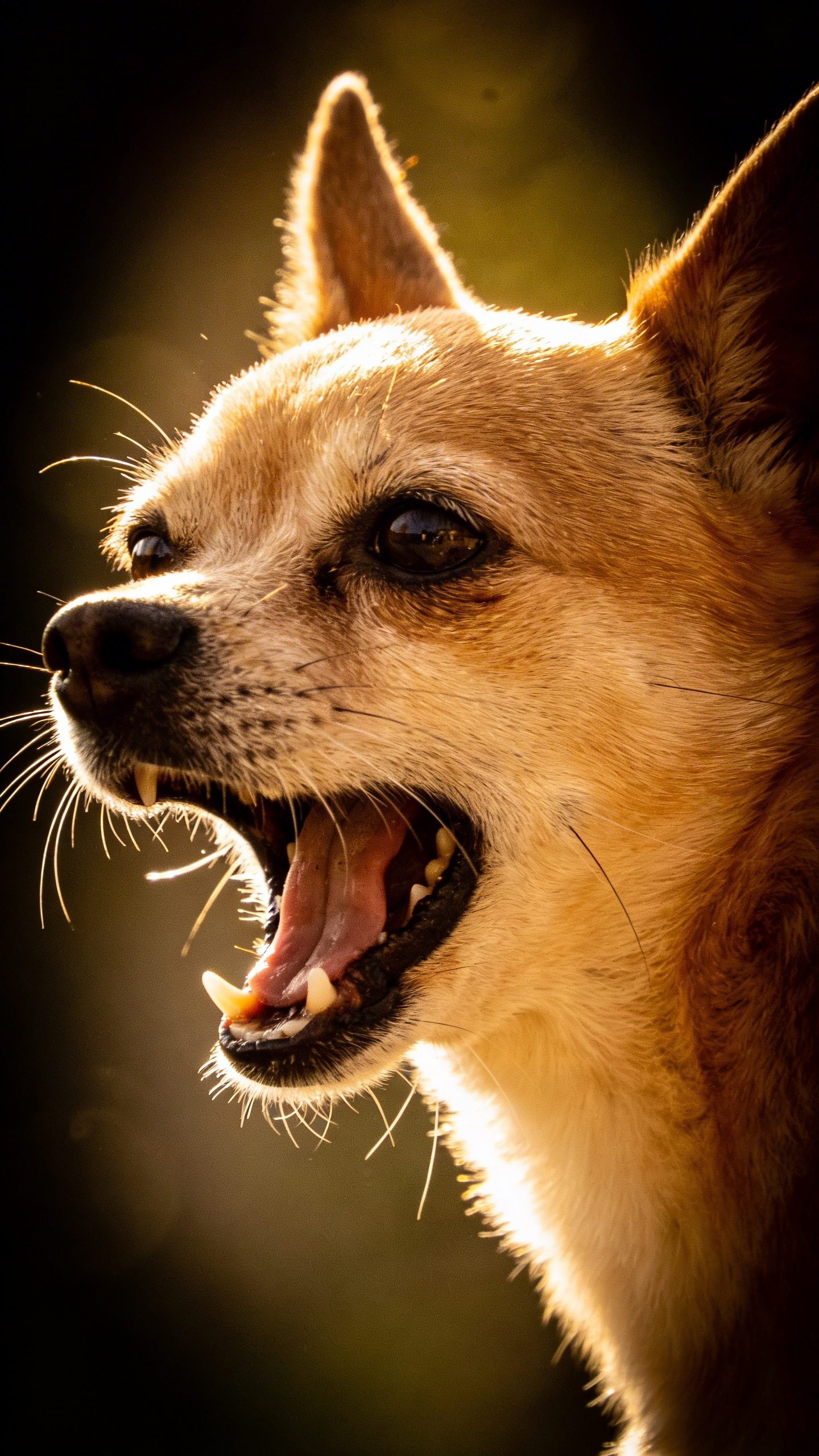
Grooming is a vibe and a maintenance plan rolled into one. Chihuahuas come in short and long coats, and each has its quirks. – Short coat? Minimal brushing, but don’t skip the routine to keep shedding in check. A quick brush 2-3 times weekly does wonders. – Long coat? Brace yourself for the holiday-season tumbleweed feeling. Daily brushing helps prevent mats and keeps them looking suave. Fun fact: some chiswaus—yes, I’m coining that—are hypoallergenic-ish, but no dog is truly hypoallergenic. If allergies are a concern, spend some cuddle time with a pup before bringing one home.
5) Social Dynamics: How They Play with Humans and Other Dogs
Chihuahuas aren’t shy about socializing—sometimes a little too sure of themselves in a crowd. They’re selective about friends and switch gears quickly. – With humans: they’re affectionate and loyal, but they’ll let you know when they’ve had enough. Boundaries matter. – With other dogs: big dog energy often comes out in a tiny frame. Supervised introductions help. Don’t assume a Chihuahua will bow out gracefully in every dog encounter. Pro tip: low-stress intro environments (neutral ground, calm energy) work best. FYI, a confident, social Chihuahua grows into a fearless social butterfly.
6) Health and Longevity: Adventures Don’t Stop Early
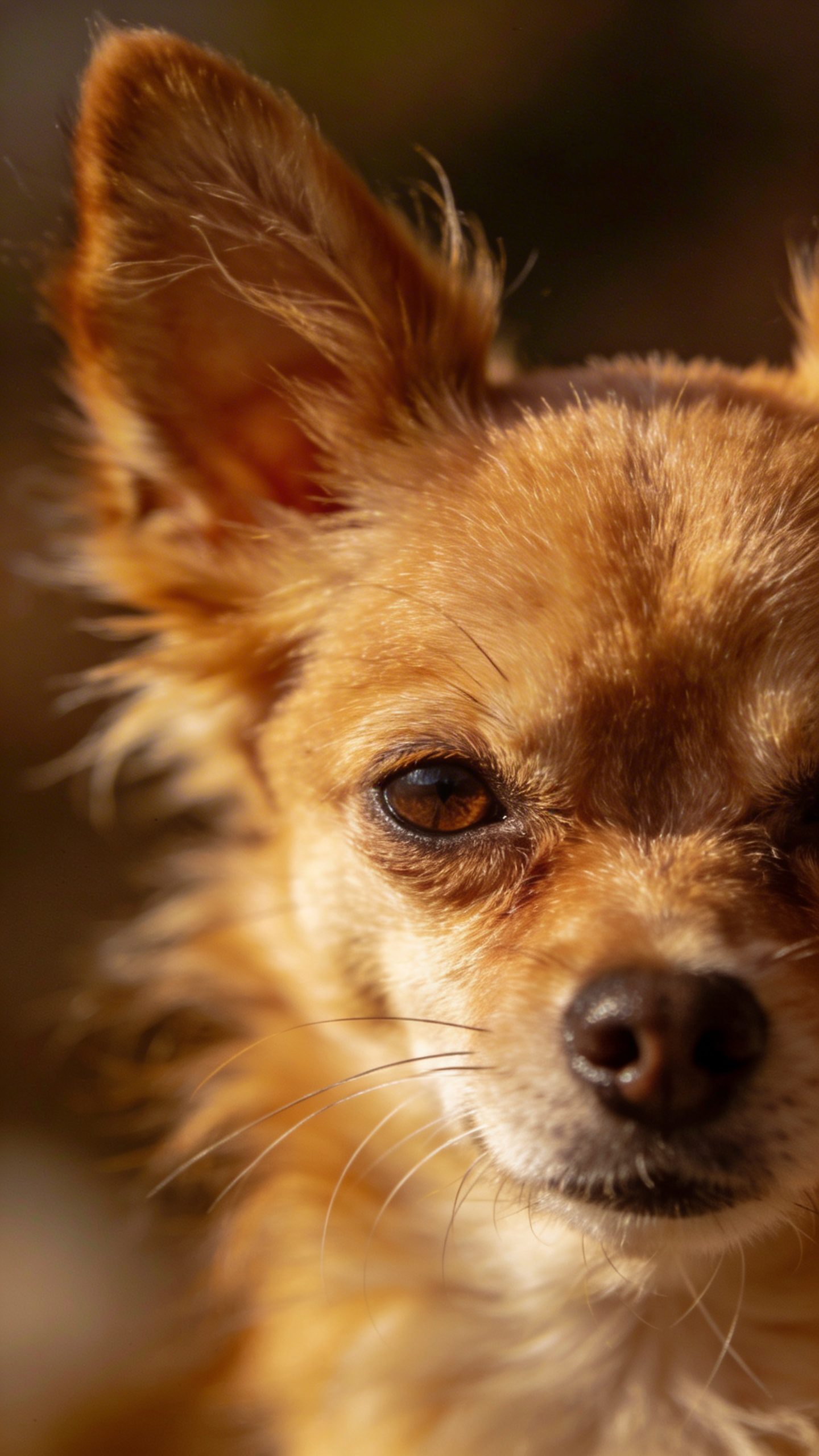
Fearless doesn’t mean invincible. Healthy habits extend the party and the life. – Typical lifespan: around 12-20 years. Yes, that means you’ve got a long commitment to cute chaos. – Common issues to know: dental problems, patellar luxation (knee worry), and heart issues are more common in small breeds. Regular vet checkups catch problems early. – Weight management: keep those calories in check. A chonky Chihuahua loses agility and joy fast. If you love a good challenge, make a “keep them healthy” plan with your vet. It’s a partnership, not a solo mission.
7) Training Tricks: Tiny Mind, Big Results
Training a Chihuahua is less “sit, stay” and more “trust me, this is fun.” They’re clever, curious, and can get bored easily, so keep sessions short and spicy. – Start with basics: sit, stay, come. Use rewards that really make them drool (treats, playtime, or belly rubs). – Mental games beat brute force. Hide-and-seek, puzzle feeders, and scent games tap into their natural problem-solving instincts. – Consistency is queen. Keep cues consistent and avoid mixed signals. Otherwise you’ll end up with a dog who’s not sure whether to fetch or just stare at you. Hints: use a soft voice, a little sarcasm when you mess up your own cue, and lots of praise. They remember good vibes.
8) Style and Personality: What Makes Each Chi Special

Every Chihuahua is a mini character with its own quirks. Some are mask-off bold, others shy but loyal to the core. – They’re observational nerds. They notice your new shoes, your haircut, and whether you should’ve started that project last week. – They’re food-motivated hustlers. If there’s a snack, they’re orbiting your chair with a laser focus. This mix of observation and determination is what makes them feel fearless—and a little pirate-y at times.
9) Myths, Busted: Common Misconceptions
Let’s debunk a few for good measure. – Myth: All Chihuahuas are yappy. Reality: some are, some aren’t. Training and socialization shape the volume. – Myth: They’re fragile. Reality: they’re sturdy enough for daily life if you respect their size and avoid rough play. If you’re new to Chihuahuas, go in with a plan, not a stereotype.
9.1 A Quick Guide to Avoiding Common Mistakes
– Don’t leave tiny dogs unsupervised with big pets. Egos aren’t their problem; bones are. – Don’t over-coddle or under-challenge. Balance is everything.
10) The Best Little Gear Stockpile
What actually helps a Chihuahua stay happy and comfy? – Harnesses beat collars for walks. They distribute pressure and keep insistence away from the neck. – Cozy beds with proper support. Back and hip issues can sneak in if you ignore spinal comfort. – Chew toys and puzzle feeders. Mental stimulation is non-negotiable. With the right gear, your Chihuahua’s daily routine becomes a joyride of tiny triumphs.
FAQ
How long do Chihuahuas typically live?
Chihuahuas usually live between 12 and 20 years with good care. Regular vet visits, proper diet, mental stimulation, and socialization all play big roles in keeping them spry.
Are Chihuahuas good with kids?
They can be, but supervision is essential. Teach kids to handle gently, avoid rough play, and respect the dog’s space. Some Chihuahuas are great with kids, others prefer a calmer environment.
Do Chihuahuas shed a lot?
Short-coated Chihuahuas shed moderately, while long-haired varieties shed a bit more. Regular brushing helps. FYI, seasonal shedding can be more noticeable, but it’s manageable with a routine.
What’s the biggest training challenge?
Consistency and patience. They’re smart but also a little stubborn. Short, frequent sessions with rewards work best. Don’t punish; redirect and reward the right behavior.
Should I crate-train my Chihuahua?
Crate training can be very helpful for safety and routine. Make the crate a comfy, positive space with soft bedding and treats. Never use it as punishment.
Conclusion
Chihuahuas are fearless, funny, and endlessly endearing in their tiny, thunderous way. They don’t just fill a room; they steal the spotlight with punchy personality and surprising resilience. If you’re ready for a buddy who laughs at big dogs’ barking matches, a Chi might be your next best friend. IMO, there’s nothing quite like a lap full of bold, fluffy cheer. So go ahead—embrace the tiny powerhouse in your life, and tell me your best Chi moment.