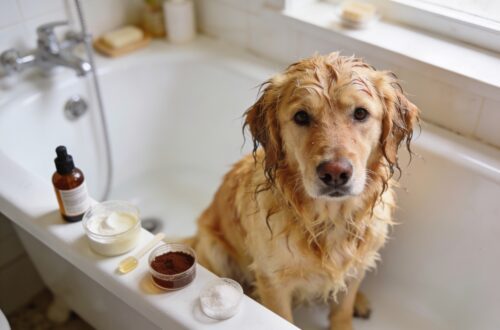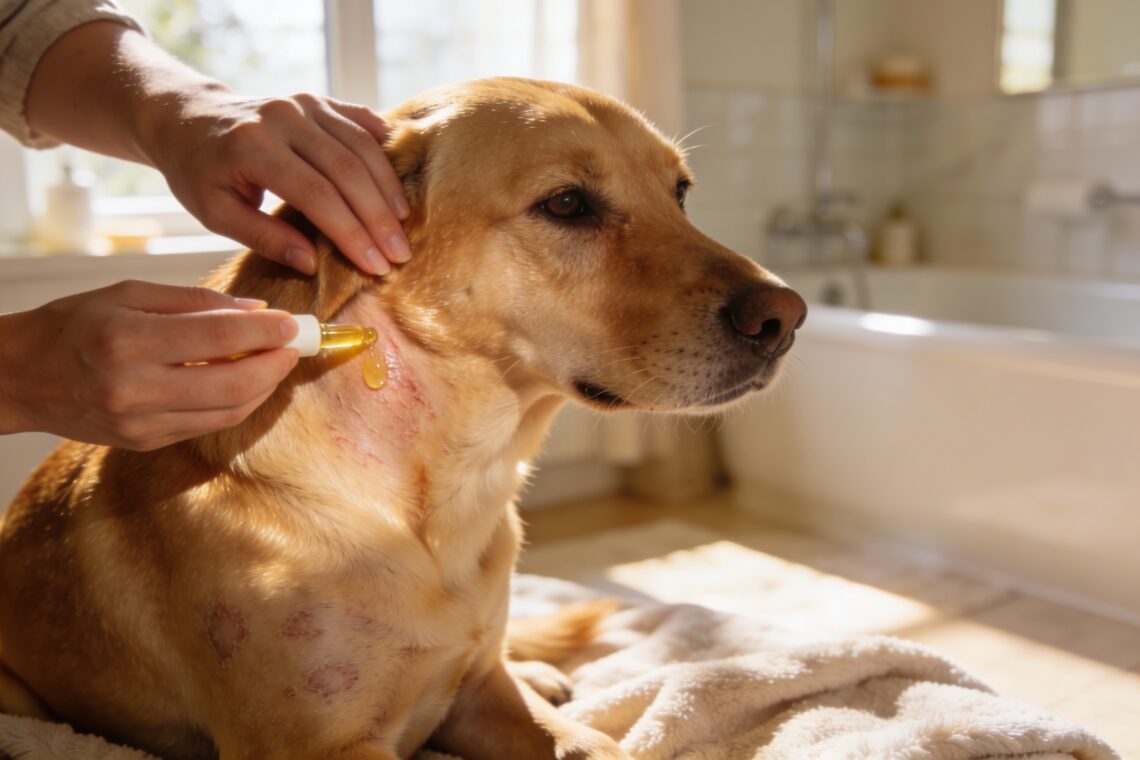
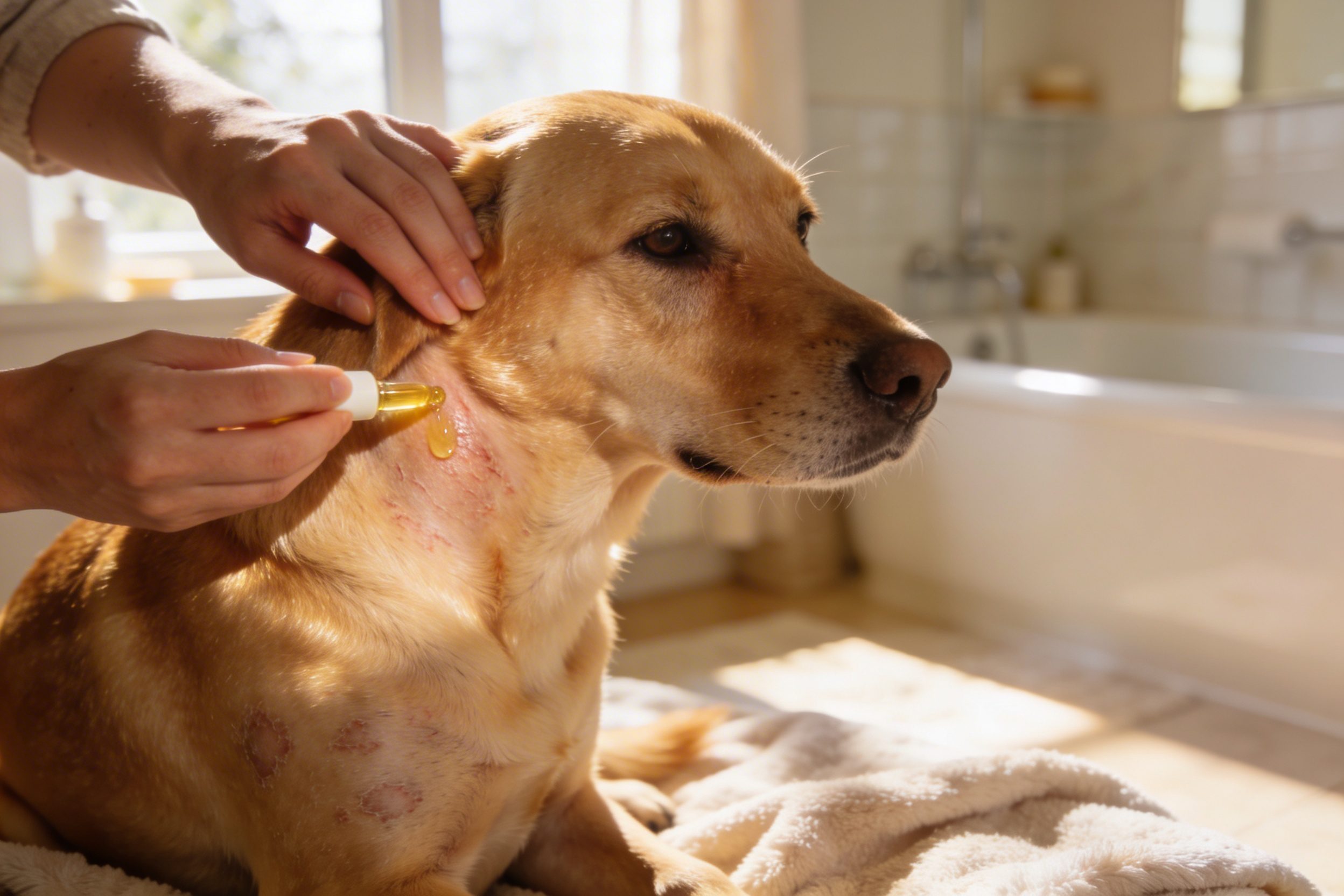
I’ll get right to the point: your dog’s dry skin is cranky, uncomfortable, and maybe making them itch like crazy. You don’t need a veterinarian-sized rescue plan for minor flakiness, you need quick, doable fixes you can try at home. FYI, some remedies work faster than others, and consistency matters.
1) Start with the basics: a gentle bath routine
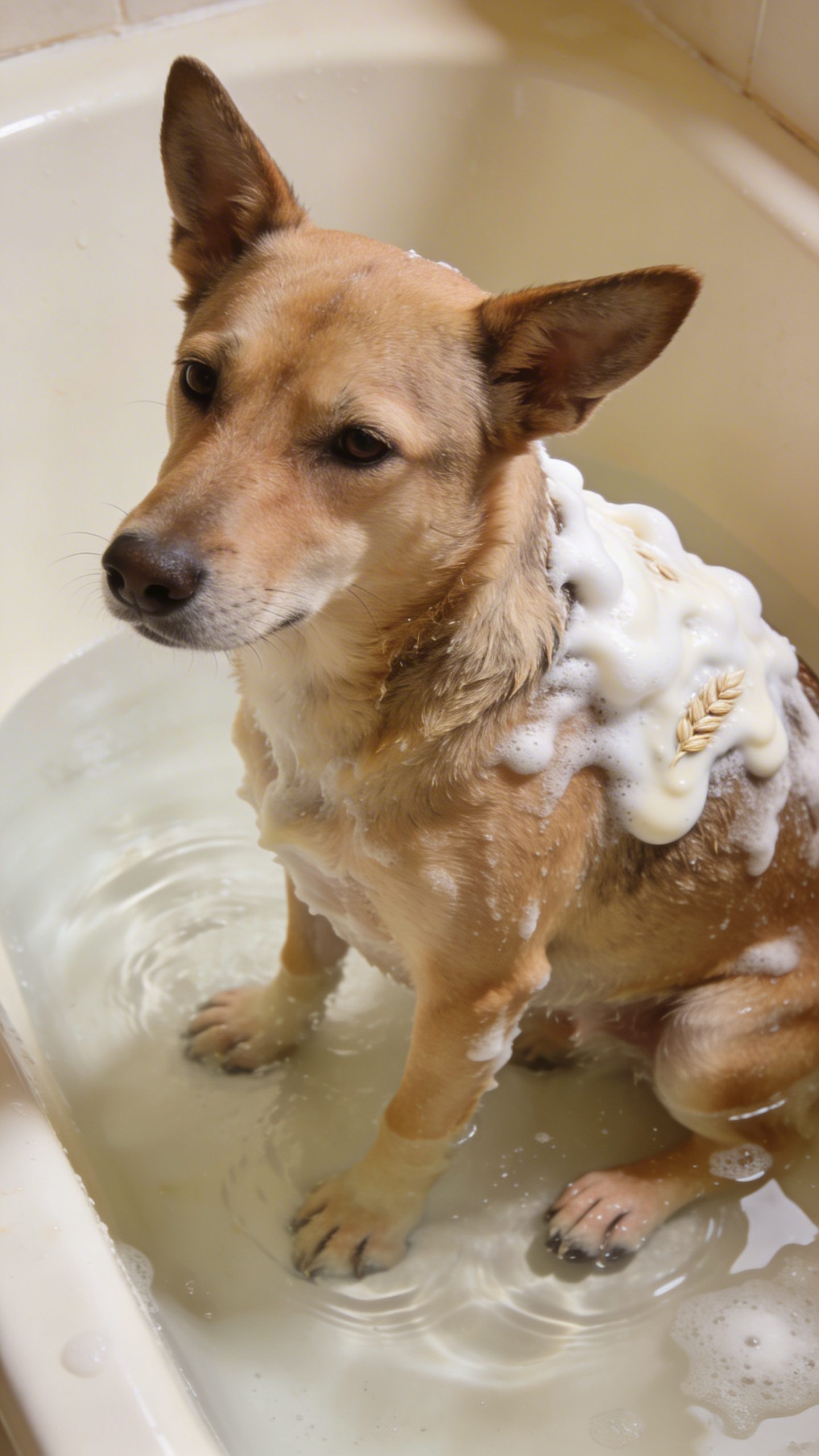
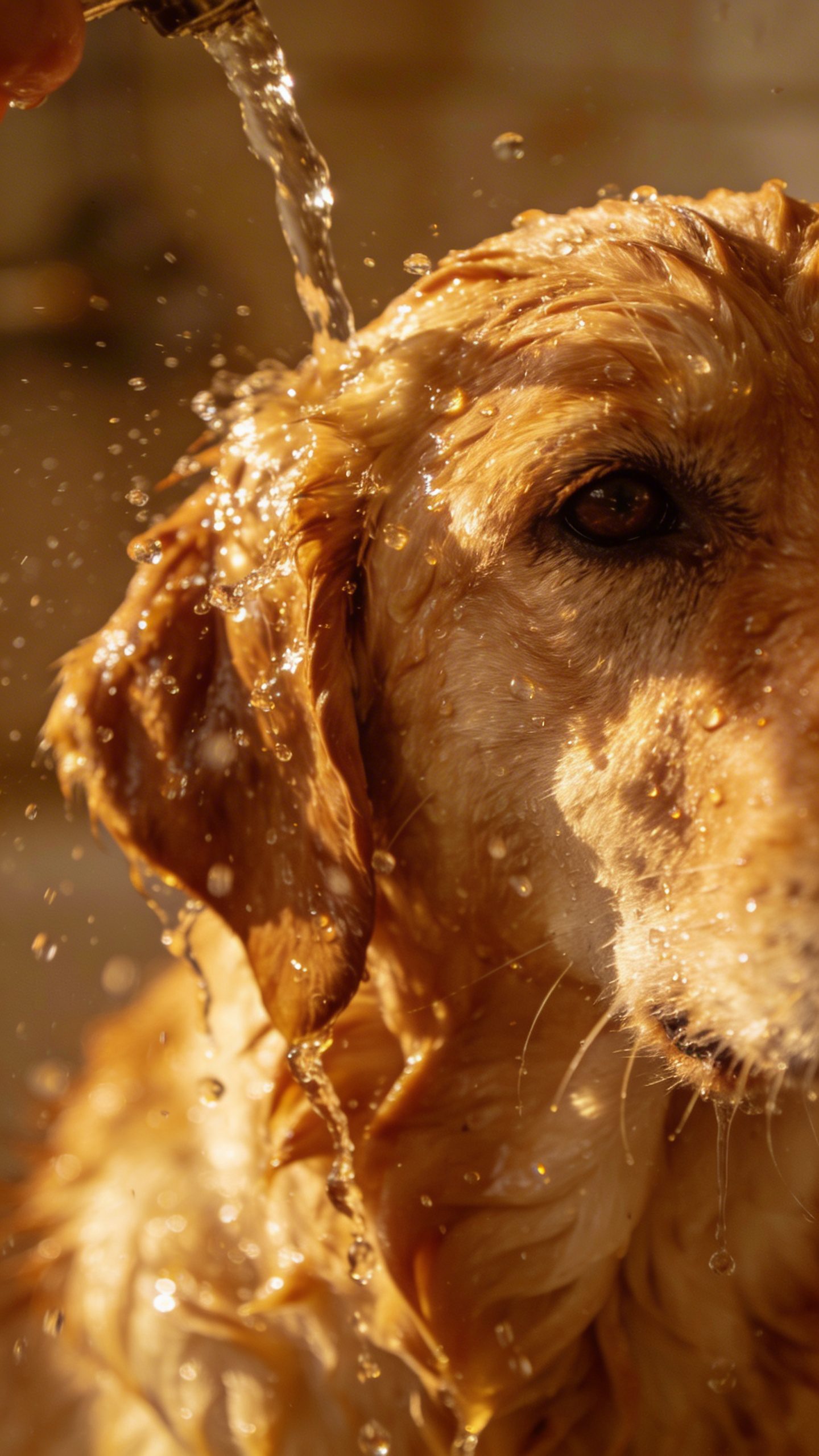
A boring-but-crucial step is cleaning without stripping. Hydration starts at the skin, not the sink, so pick the right wash for sensitive skin. Do a quick soak-and-rinse once or twice a week to remove dirt, dander, and groomer residue that can irritate.
- Use a hypoallergenic, oatmeal-based or soap-free dog shampoo.
- Rinse thoroughly—no shampoo leftovers on the skin, or you’ll pay in itchiness tomorrow.
- Keep baths short and warm, not hot (because who wants a crusty bath at bath temperature?).
Know when to skip the bath
If your pup’s skin is red, oozing, or has open sores, skip DIY baths and check in with a vet. Quick tip: when in doubt, consult your vet before introducing new products.
2) Coconut oil or olive oil: do-it-at-home moisturizers
Oil can be a game changer for dry patches. It seals moisture and can calm inflamed skin. Some dogs love the feel; others glare at you like you handed them a shrub. Start with a small amount and monitor.
- Apply a pea-sized amount to small dogs, or a dime-sized amount for medium dogs, focusing on dry patches.
- For larger dogs, spread a thin layer on affected areas after bathing, once skin is dry.
- Avoid applying near the eyes or inside the ears to prevent irritation.
How much is too much?
If skin looks greasy by the next day or hair coats seem to attract more dirt, scale back. You don’t want a candy-bar sheen on your pup, just a healthy glow.
3) Omega-3s: boost from the inside out
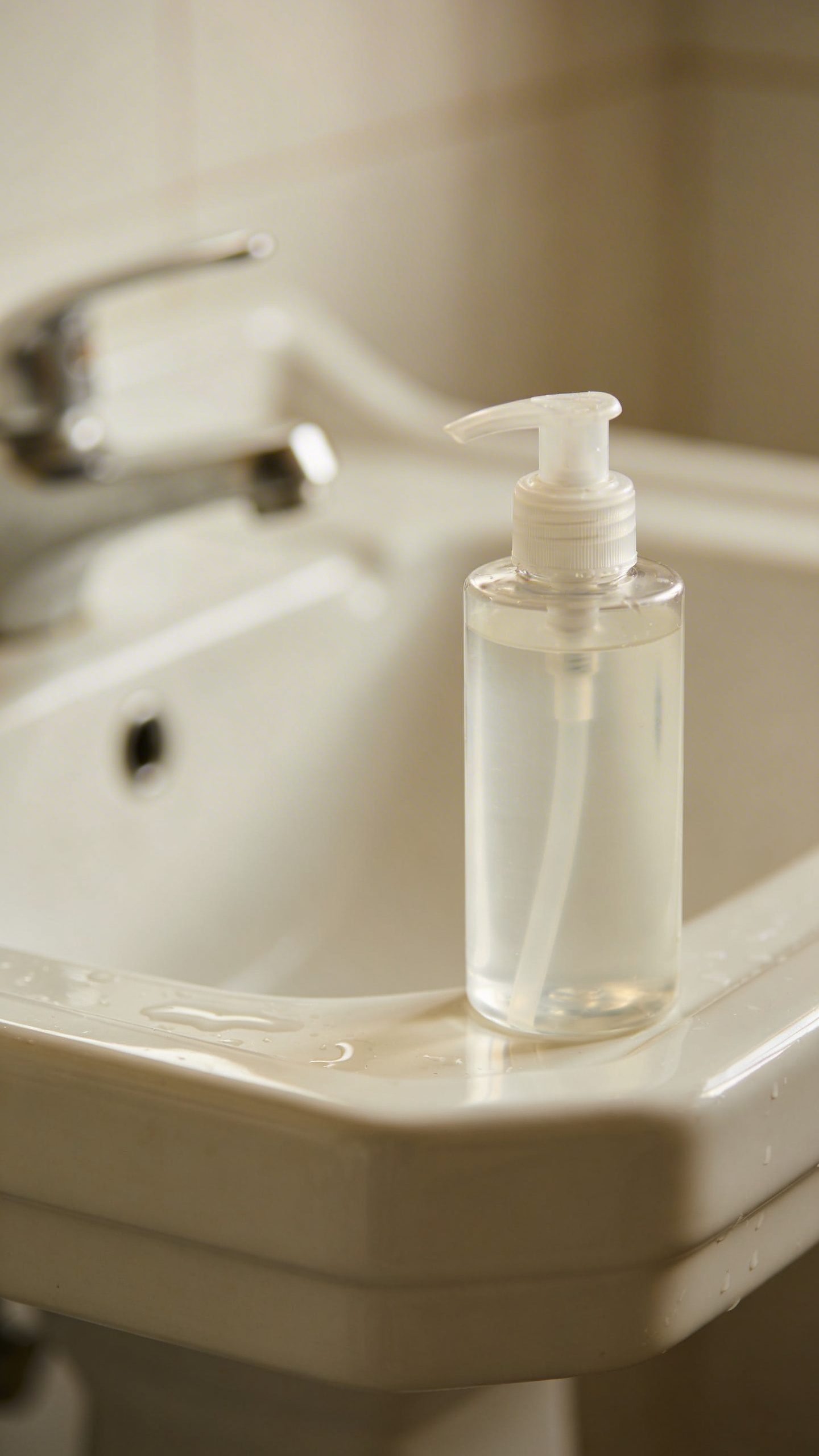
Sometimes dry skin isn’t a surface problem—it’s a nutrition one. Omega-3 fatty acids can help reduce inflammation and improve the skin’s barrier function. This one’s less “DIY in the kitchen” and more “DIY with your vet’s blessing.”
- Ask your vet about a dog-safe fish oil supplement or a high-quality Omega-3 supplement formulated for dogs.
- Follow dosing guidelines exactly—over-supplementing isn’t cute, and it isn’t safe either.
- Pair with a balanced diet to maximize benefits.
Are there signs to watch for?
If your dog starts coughing, has loose stools, or shows digestive upset after starting Omega-3s, contact your veterinarian. Everyone handles supplements differently.
4) Humidifier hack and cozy nooks: keeping skin hydrated
Heating season is the enemy of moisture. Dry air sucks moisture right out of fur and skin. A humidifier can do wonders, especially in dry climates or during winter.
- Run a cool-mist humidifier in your dog’s living space.
- Place a comfy bed off the floor away from direct drafts.
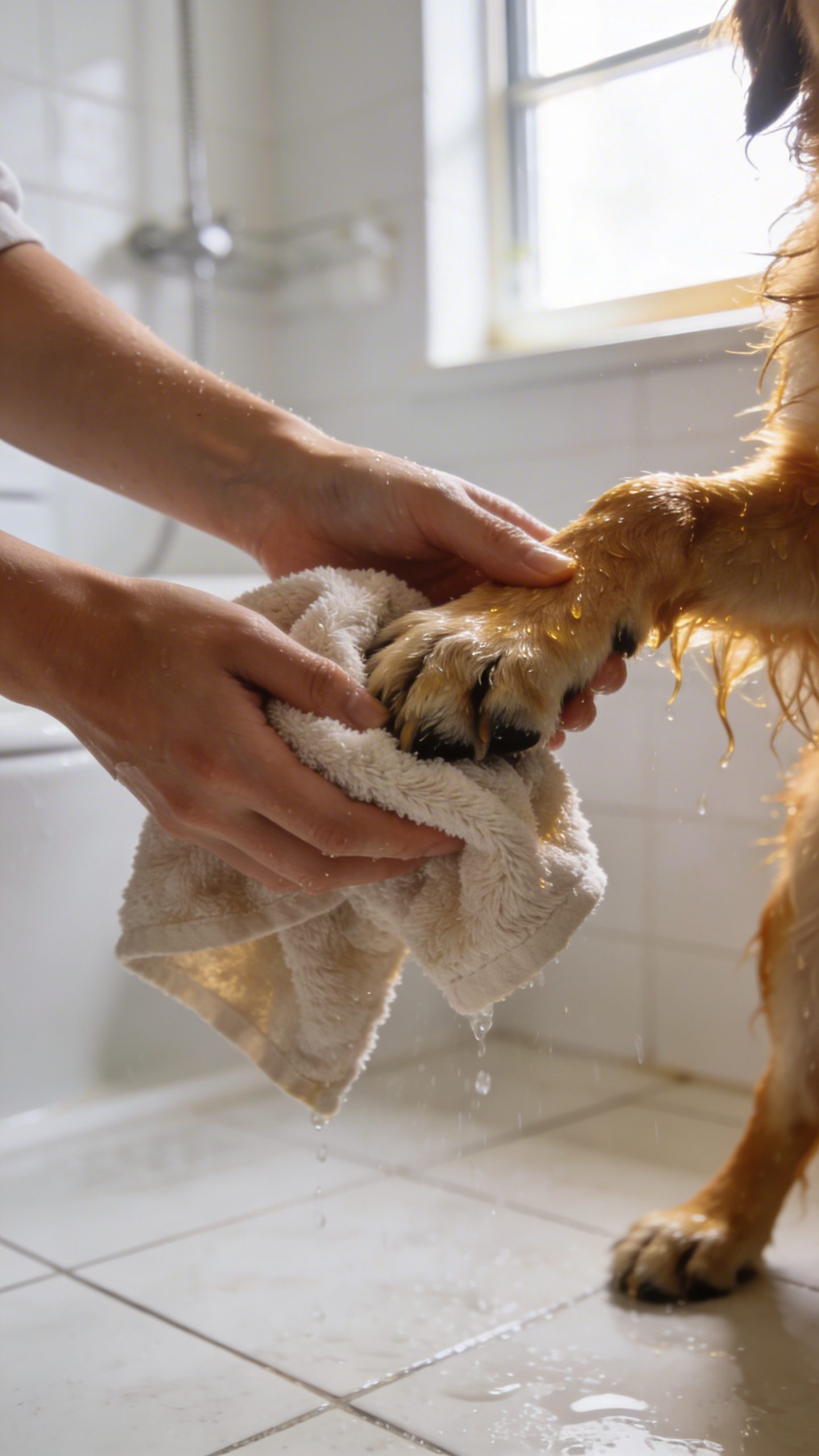
- Wipe paws and belly after outdoor trips to remove salt or chemicals that irritate skin.
Creating a skin-friendly zone
Think of a “calm corner” where the air isn’t bone-dry and your pup can nestle into softness. A warm, dry-less haven helps skin recover faster between baths and treatments.
5) Gentle exfoliation: buzzwords and basics
Sometimes flaky skin needs a gentle nudge. Exfoliation can remove dead skin flakes and improve absorption of moisturizers. Keep it soft, not scratchy.
- Use a soft brush or a grooming mitt to very gently remove loose flakes.
- Limit exfoliation to 1-2 times a week to avoid irritation.
- Avoid using human exfoliating scrubs or rough textures—dogs’ skin is sensitive.
When to skip exfoliation
If your dog has open wounds, redness, or severe itching, hold off on exfoliating until the skin improves. You don’t want to create more micro-tears.
6) Topical balms and ointments: what to try (and what to avoid)
There are dog-safe balms that help seal moisture and soothe irritated skin. Look for products made for dogs, with simple ingredients and no fragrance or harsh additives.
- Pet-safe ointments containing petrolatum or ceramides can help lock in moisture.
- Avoid essential oils, menthol, and synthetic fragrances—they can irritate canine skin and lungs.
- Test a small patch first, watching for any redness or itching over 24 hours.
DIY-ish option: a simple barrier balm
If you’re feeling handy, mix a tiny amount of pure coconut oil with a little lanolin-based balm (check ingredients) to form a mild barrier paste. Apply only to dry patches, not the entire belly or any open areas.
7) When a vet visit is the smarter move
DIY is great, but not a substitute for professional care. If you notice any of the following, ring up your vet ASAP:
- Persistent itchiness beyond a week of home care
- Redness, swelling, or pus on the skin
- Hair loss spreading or thinning patches
- Recurring skin issues after trying remedies for a couple of weeks
Common culprits that mimic dry skin
Sometimes what looks like dry skin is a sign of allergies, parasite problems (like fleas), or a hormonal issue. A vet can run tests and tailor a plan that fits your pup’s exact needs.
FAQ
Is coconut oil safe for dogs with dry skin?
Yes, in moderation. Applied to dry patches, it can help moisturize and reduce itchiness for many dogs. Start small to gauge tolerance, and avoid applying near the eyes or mouth. If your dog licks it off, that’s fine in small amounts, but monitor to ensure no stomach upset.
How often should I bathe my dog to fix dry skin?
Stick to a routine that suits your dog’s coat type and sensitivity. For many, once a week or every other week with a gentle, hypoallergenic shampoo works well during flare-ups. If skin is severely irritated, cut back on baths and focus on topical moisturizers and vet guidance.
Can diet really help with dry skin?
Absolutely. Omega-3 fatty acids and a balanced diet can improve skin health from the inside. If you’re considering supplements, talk to your vet first to pick a product and dose that suit your dog’s size and health.
What should I avoid putting on my dog’s skin?
Avoid human skincare products, fragranced lotions, essential oils (unless prescribed by a vet), and anything with alcohol. These can irritate or burn a dog’s skin. FYI, dogs aren’t tiny humans when it comes to skin products.
How long does it take to see results from home remedies?
Most dogs start improving within 1-2 weeks with a consistent routine. Some may take longer depending on the root cause. If you don’t see improvement after two weeks, or if symptoms worsen, contact your vet.
Conclusion
Dry skin doesn’t have to derail your daily routine or your pup’s happiness. Start with a gentle bath routine, add a moisture boost from oils or supplements with vet guidance, and create a skin-friendly home living space. Combine topical care with a balanced diet and a humidified environment, and you’ll likely notice fewer flakes and less itchiness. IMO, the key is consistency and listening to your dog—if they clearly don’t love a particular option, switch gears. You’ve got this, and your pup will thank you with wagging tails and side-eye that says, “Thanks for taking care of me.”