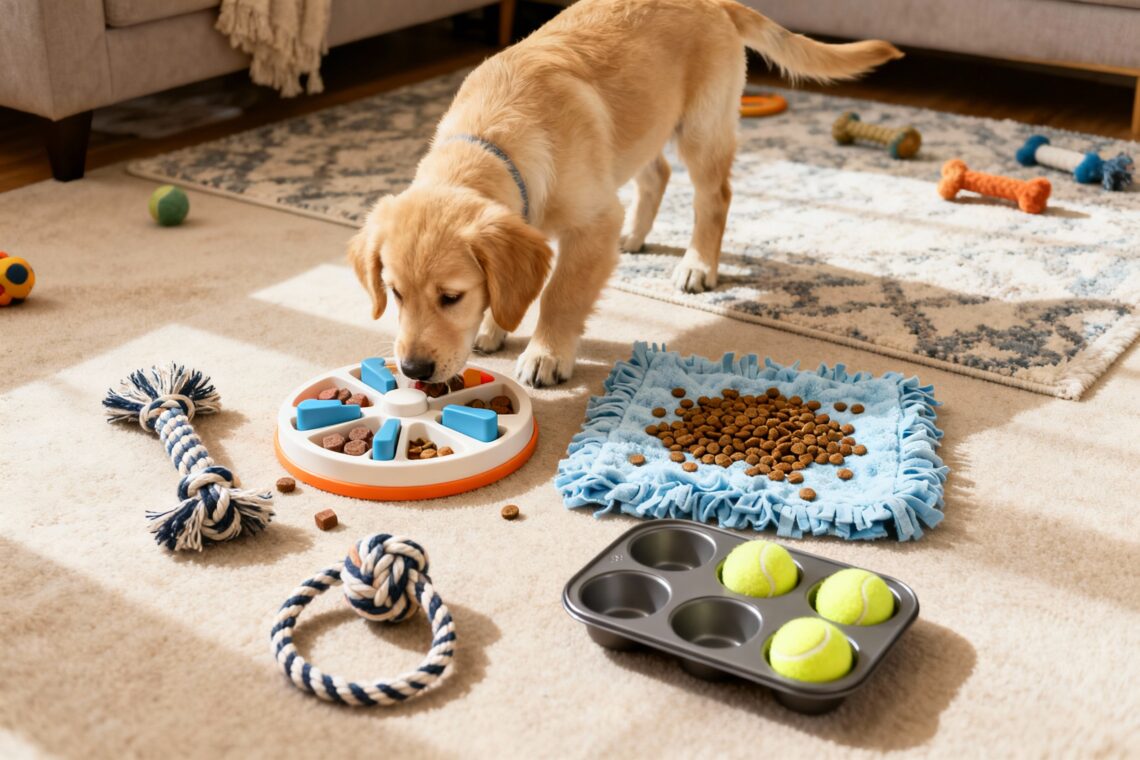
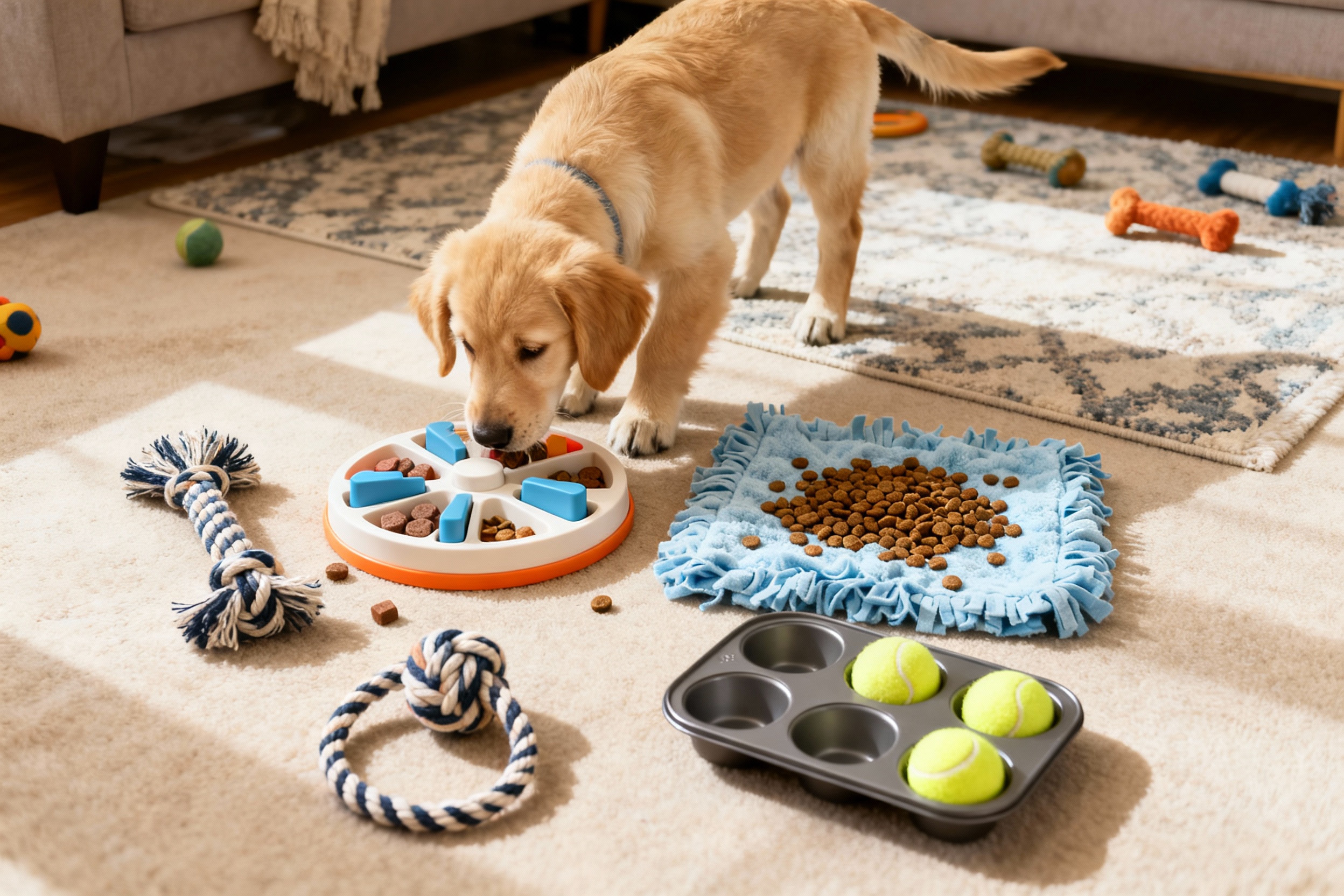
Your dog stares at you like you owe them a good time. They’re right. You can turn a regular afternoon into a brain-boosting, tail-wagging party with stuff you already have at home. No fancy gear, no agility course in the backyard—just fun, simple games your pup will love. Let’s make your living room the hottest dog park in town.
Why DIY Games Beat Another Boring Walk
You don’t need a marathon to tire out your dog. You need mental work. Most dogs get bored, not exhausted, and boredom fuels zoomies and sock theft. Indoor enrichment games flip that switch. Mental games:
- Build confidence and problem-solving skills
- Lower stress and reduce destructive behaviors
- Strengthen your bond because you’re the fun human, not just the treat dispenser
FYI: A 10-minute sniffing game can tire a dog faster than a 30-minute walk. Science. (And also lots of tired dogs.)
The Sniffari: Easy Nose Work Games
Dogs read the world with their noses. Let them clock in for their real job.
1. Cup Shuffle
Grab three cups and a treat. Hide the treat under one cup, slide them around, and let your dog sniff out the prize.
- Beginner tip: Lift the correct cup quickly at first to help them “win.”
- Level up: Add more cups or hide two different treats.
2. Scatter Hunt
Toss kibble or tiny treats across a small room or yard. Say “Find it!” and let your dog hunt. Start easy, then scatter in trickier places like under chairs or on low shelves.
- Pro move: Use a snuffle mat or a rolled-up towel for extra challenge.
3. Scent Trail
Drag a treat along the floor to create a scent path and hide it at the end. Release your dog after a brief wait. Watch that nose do its thing. IMO, this game turns every dog into a tiny Sherlock Holmes.
Puzzle Toys You Can Make in Five Minutes
You do not need to buy a $40 puzzle that your dog solves in 12 seconds. Use what’s in your recycling bin.
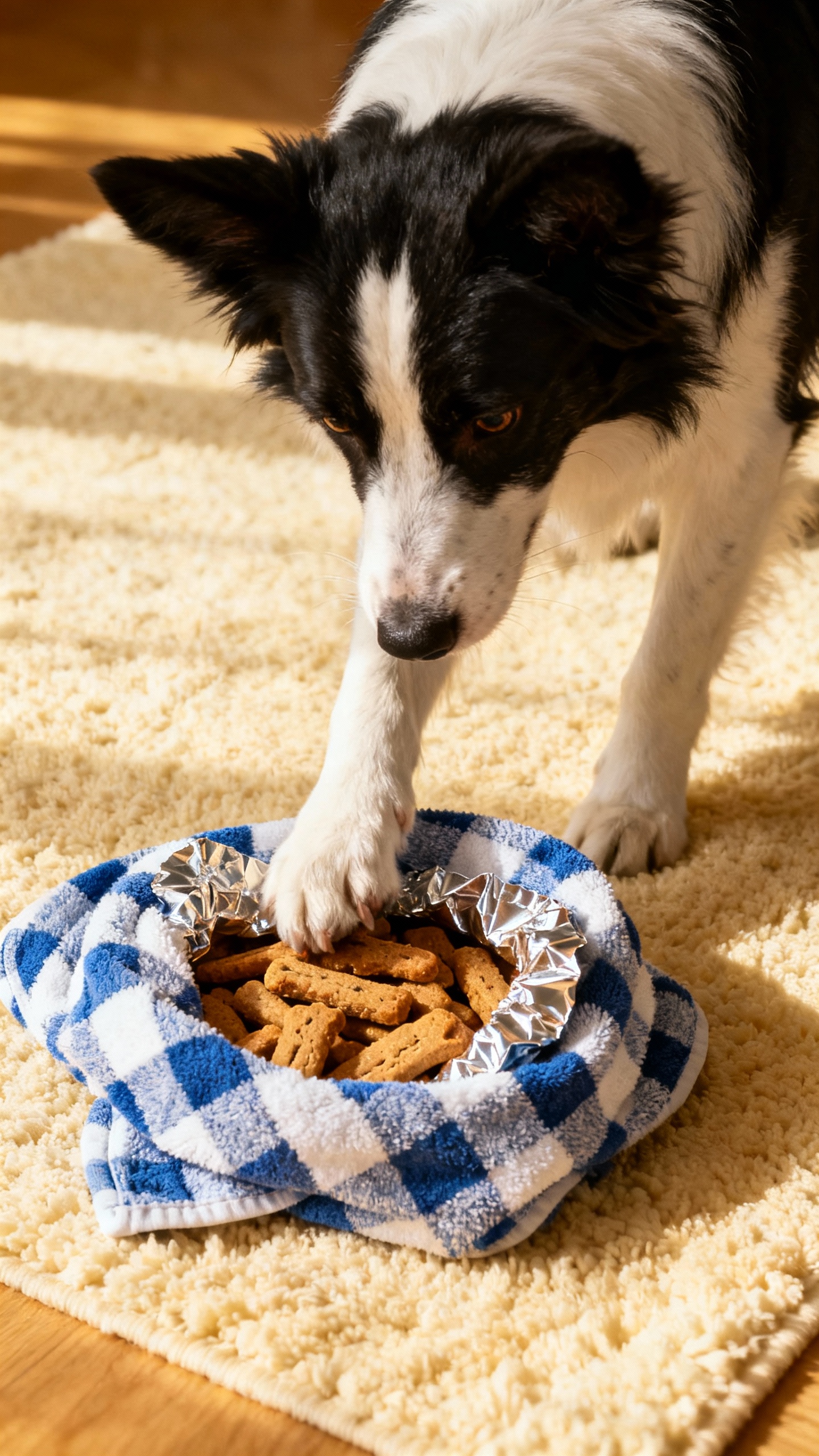
Towel Burrito
Lay a towel flat, sprinkle kibble, roll it up, and tuck in the ends. Your dog unrolls it to get rewards.
- Easy mode: Looser roll with bigger chunks.
- Hard mode: Fold, roll, and tie with another towel strip.
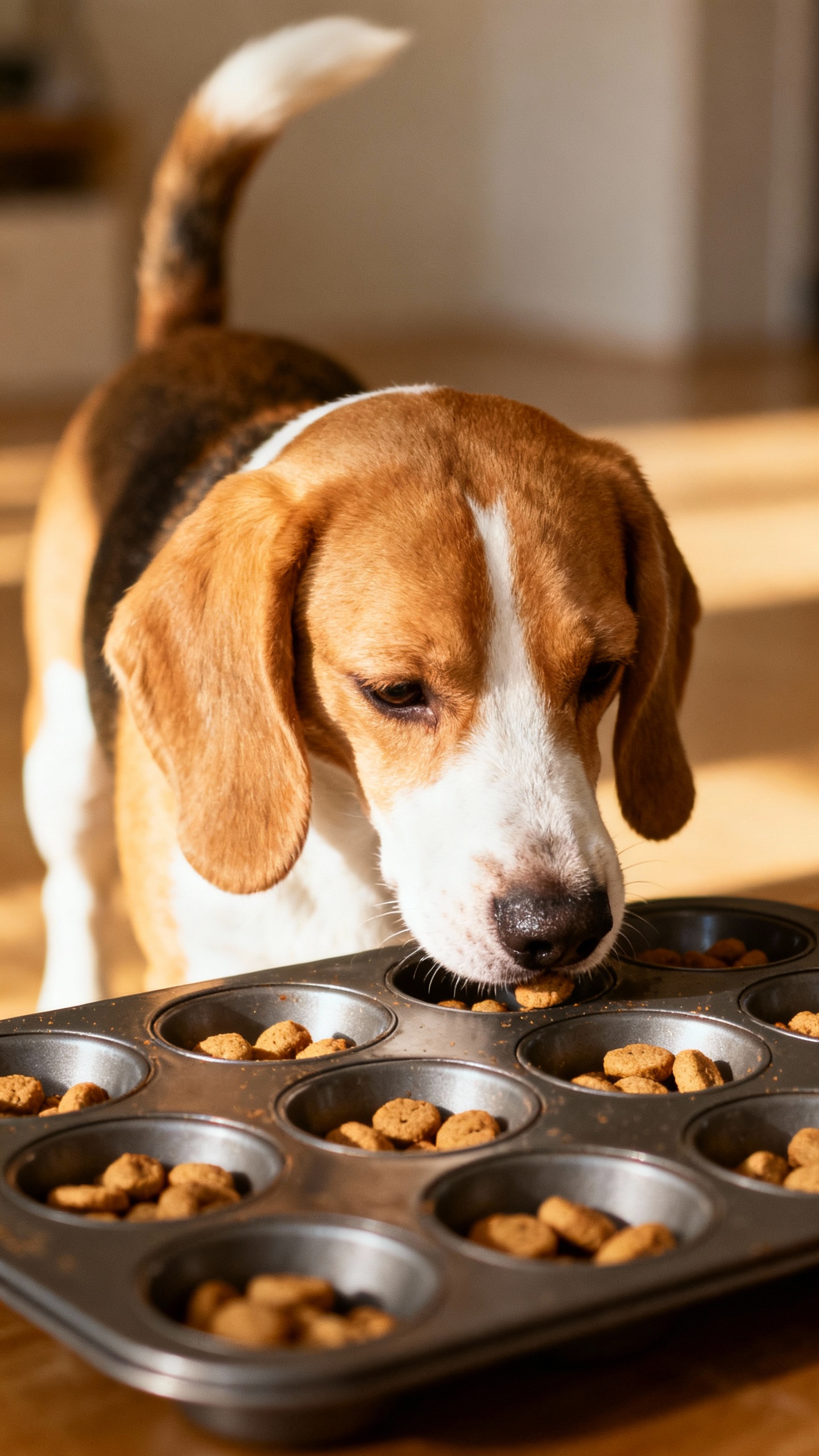
Muffin Tin Mastermind
Put treats in a muffin tin, cover some wells with tennis balls. Your dog removes balls to find food.
- Use lighter balls for beginners.
- Add paper cups or crumpled paper for variety.
Box of Wonders
Toss treats and safe toys into a cardboard box filled with crumpled paper or toilet paper rolls. Your dog digs and sniffs to find treasure.
- Safety: Remove tape and staples, and supervise the cardboard chaos.
Brain Games with Zero Props
No props, no problem. You still have the best tool: your attention.
Where’s the Human?
Play hide-and-seek. Ask for a sit-stay, go hide behind a door or couch, and call your dog. Celebrate like they just won an Oscar when they find you.
- Training bonus: Builds recall without feeling like a drill.
Yes/No Choice Game
Hold both hands out, one with a treat. When your dog targets the right hand, mark it with “Yes!” and reward. Switch it up. This teaches problem-solving and impulse control.
- Keep sessions short—like 3 minutes. End on a win.
Copycat Moves
Teach a new trick by modeling. Do a simple move (spin, bow, paw) and cue your dog. Reward any attempt. You’ll laugh a lot. Your dog will think you’re weird. That’s fair.
Food Enrichment Without Overfeeding
You can feed your dog and entertain them at the same time. Multi-tasking for the win.
- Stuffed Kong or Toppl: Layer kibble, yogurt, pureed pumpkin, and a few soft treats. Freeze for extra challenge.
- Lick Mat: Spread wet food or peanut butter (xylitol-free!) and freeze. Great for grooming or bath time.
- Ice Block Party: Freeze broth with toys or kibble inside an ice cube tray. Perfect for hot days.
Portion Control Tips
- Use part of your dog’s daily food for games.
- Cut treat size to pea-sized. Your dog cares about the game, not the portion.
- Balance rich fillings (cheese, peanut butter) with plain kibble.
Calm Games for Rainy-Day Zoomies
When your dog turns into a furry tornado, switch to slow, soothing activities.
- Decompression Walk Indoors: Loop slowly around the house while scattering a few treats. Encourage sniffing and gentle movement.
- Mat Training: Teach “Go to your mat.” Reward for lying calmly. Layer in a chew for longer chill time.
- Slow Sniff Box: Hide treats in folded washcloths or paper envelopes inside a box. Let your dog work at a relaxed pace.
Build a DIY Obstacle Course
No cones? No problem. Your dining room chairs can become an agility arena.
- Tunnel: Drape a blanket over two chairs.
- Jumps: Broom handle across books (low and safe).
- Weave: Line up water bottles for weaving.
- Pause Box: A folded towel as a “station” to sit or down.
Safety Tips
- Keep heights low—no heroic leaps.
- Use non-slip rugs or yoga mats.
- End before your dog gets tired or frustrated. Leave them wanting more.
Training Games That Actually Stick
You can tuck real-life manners into play without turning into a drill sergeant.
- Red Light, Green Light: Move when your dog walks nicely, stop when they pull. Reward eye contact to start again.
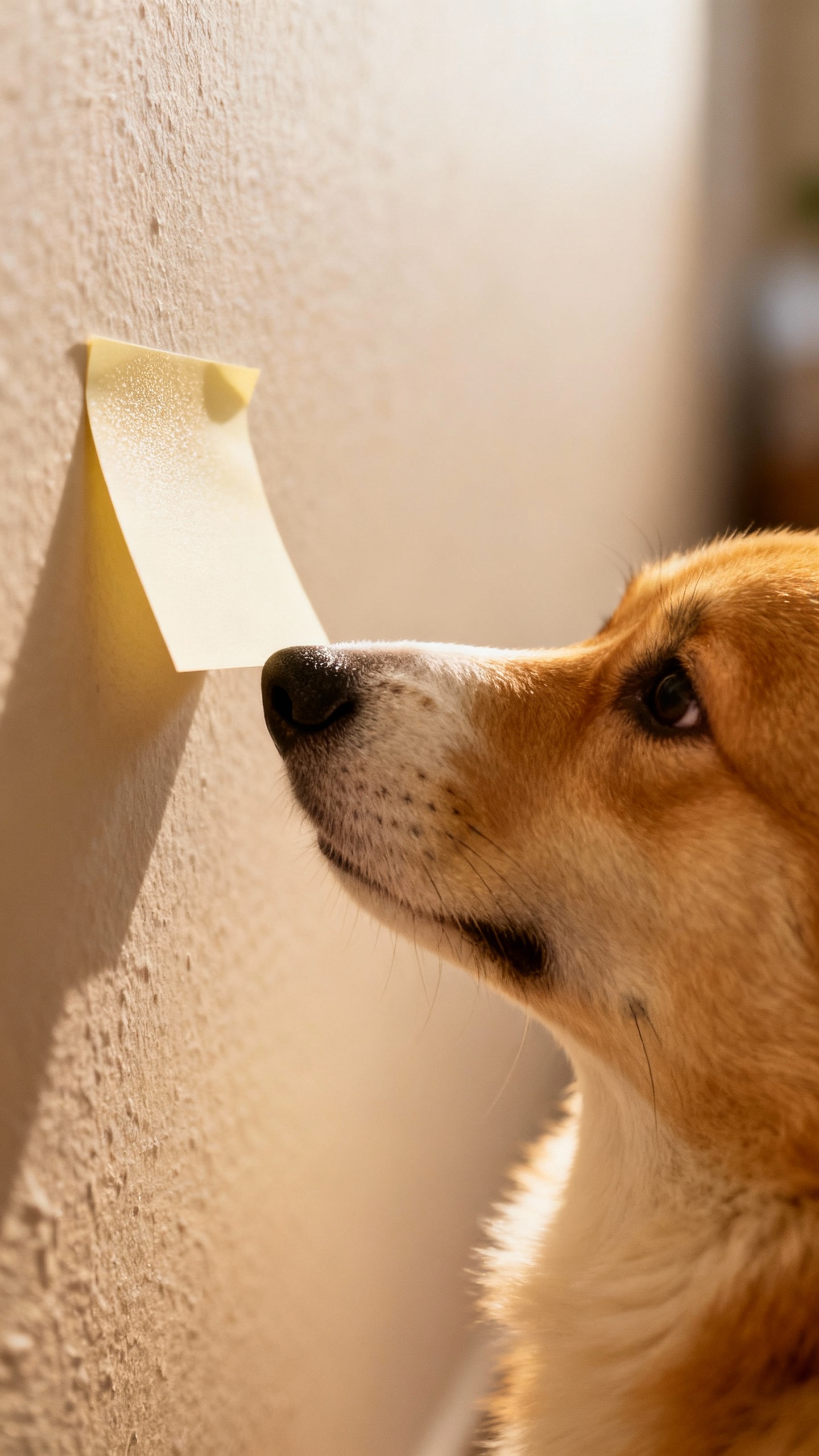
- Name Game: Say their name, reward for eye contact. Use it to refocus during excitement.
- Trade Game: Teach “Drop” by swapping a toy for a treat, then giving the toy back. Builds trust and prevents guarding.
Make It a Mini Routine
Consistency beats intensity. Aim for short, fun sessions that become part of your day.
- Morning: Scatter hunt with breakfast.
- Afternoon: Five-minute training game and a towel burrito.
- Evening: Lick mat or stuffed Kong for wind-down.
FYI: Variety matters. Switch 1-2 games each day to keep things fresh.
FAQ
How long should an enrichment session last?
Keep it short and sweet. Aim for 5–10 minutes per activity, then give a break. Several mini-sessions throughout the day beat one long marathon. Quit while your dog still looks eager.
What if my dog gets frustrated or gives up?
Dial it back. Make the game easier, increase your hints, and celebrate small wins. Frustration means the difficulty jumped too fast. Think video game levels, not boss battle on day one.
Can puppies do these games?
Yes! Just scale down. Use soft, easy-to-eat rewards, keep sessions extra short, and skip jumps or slippery surfaces. Puppies learn fast but tire even faster.
Are these ideas okay for senior dogs?
Absolutely. Seniors crush scent work and gentle puzzles. Keep movements low-impact, use bigger treats for easier chewing, and add more rest. Mental games keep older pups sharp and happy.
What if my dog only cares about food?
Use it to your advantage. Pair food with play: toss a treat, then a toy, then a treat again. Over time, many dogs learn to love the game itself. Also, rotate treat types so the payoff stays exciting.
Do I need special training cues?
Not really. A few basics like “Find it,” “Wait,” and “Drop” help a ton. Use clear, consistent words and reward the second they get it right. Timing matters more than perfect phrasing, IMO.
Conclusion
Your dog doesn’t need a giant backyard or expensive toys to live their best life. They need you, a few household items, and some playful structure. Pick two games and try them today. If your dog naps afterward with a goofy grin, mission accomplished.