Cracked, sandpaper paws? Hard pass. Your dog deserves squishy, kissable toe beans, not scratchy pads that snag your sofa. Good news: you can whip up a silky DIY paw balm in five minutes with pantry-level ingredients. No mystery chemicals, no drama—just happy paws and a wagging tail.
Why Your Dog’s Paws Get Dry (And Why You Should Care)
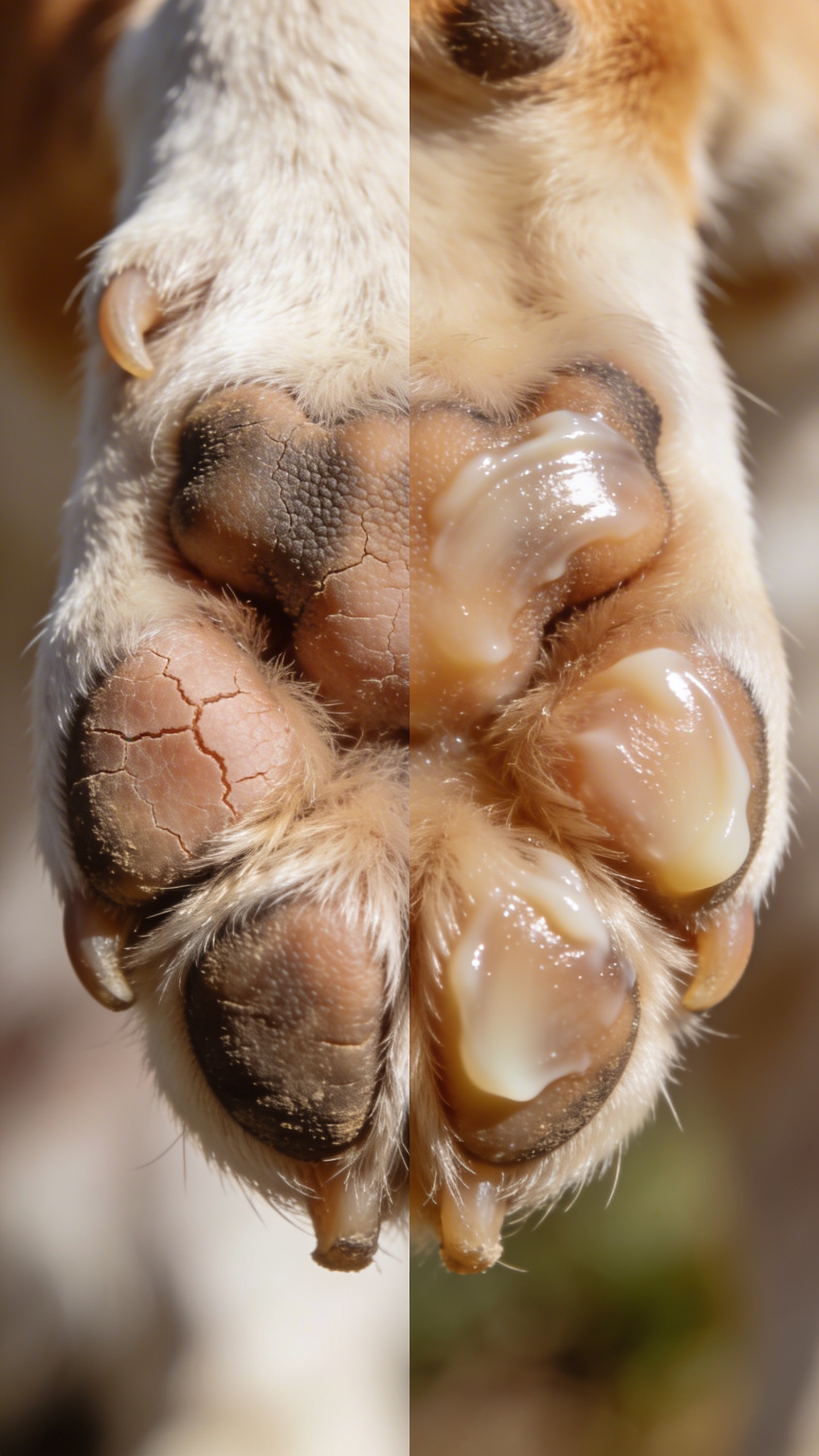
Your dog’s paw pads take a beating—hot sidewalks, icy salt, rough trails. Add indoor heating or beach days, and you’ve got a recipe for dryness and cracks. That hurts, and it can invite infections. So, yeah, soft paws aren’t just cute—they’re a health thing. And the balm you make at home can actually protect and repair.
The 5-Minute DIY Paw Balm Recipe
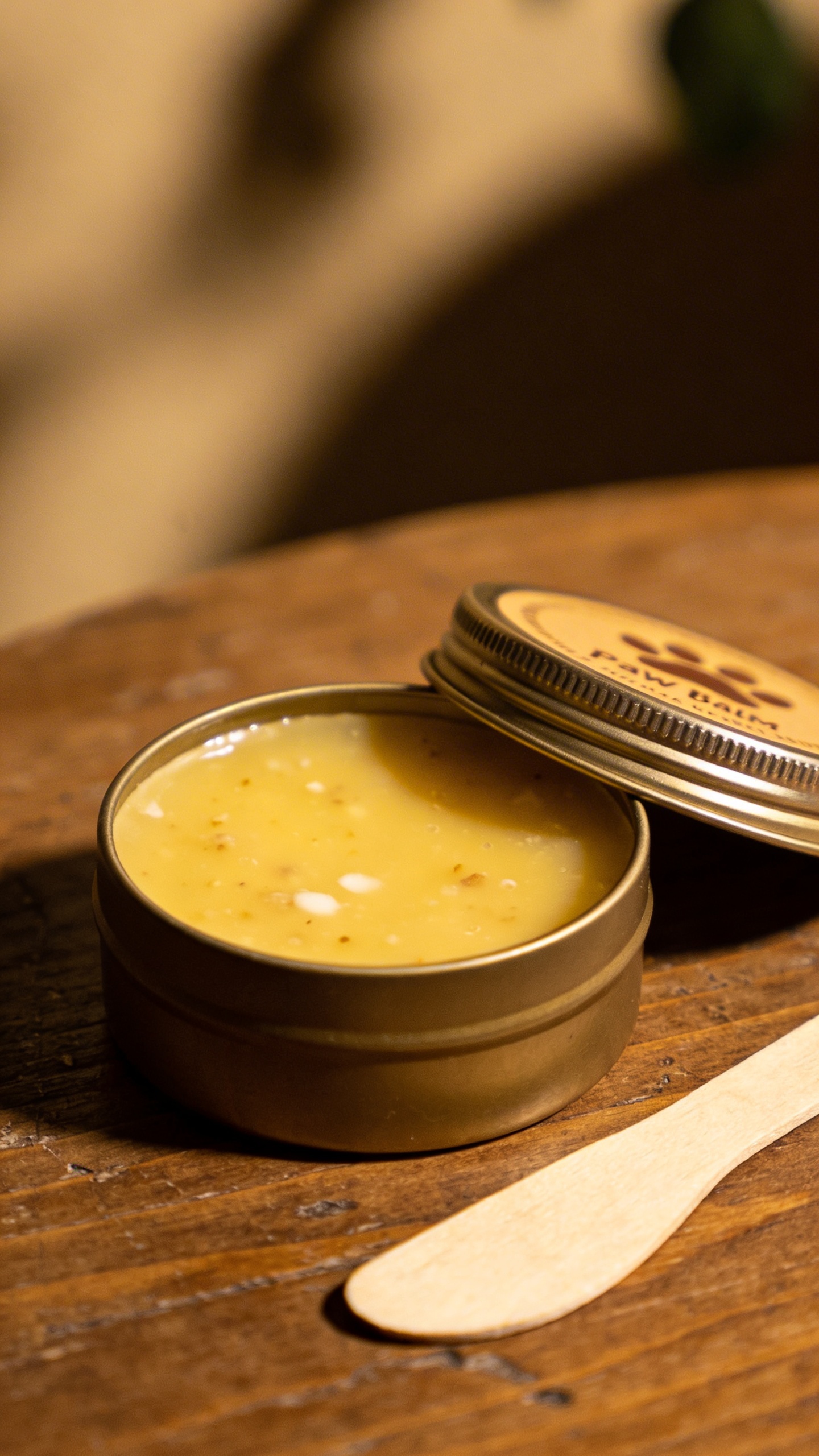
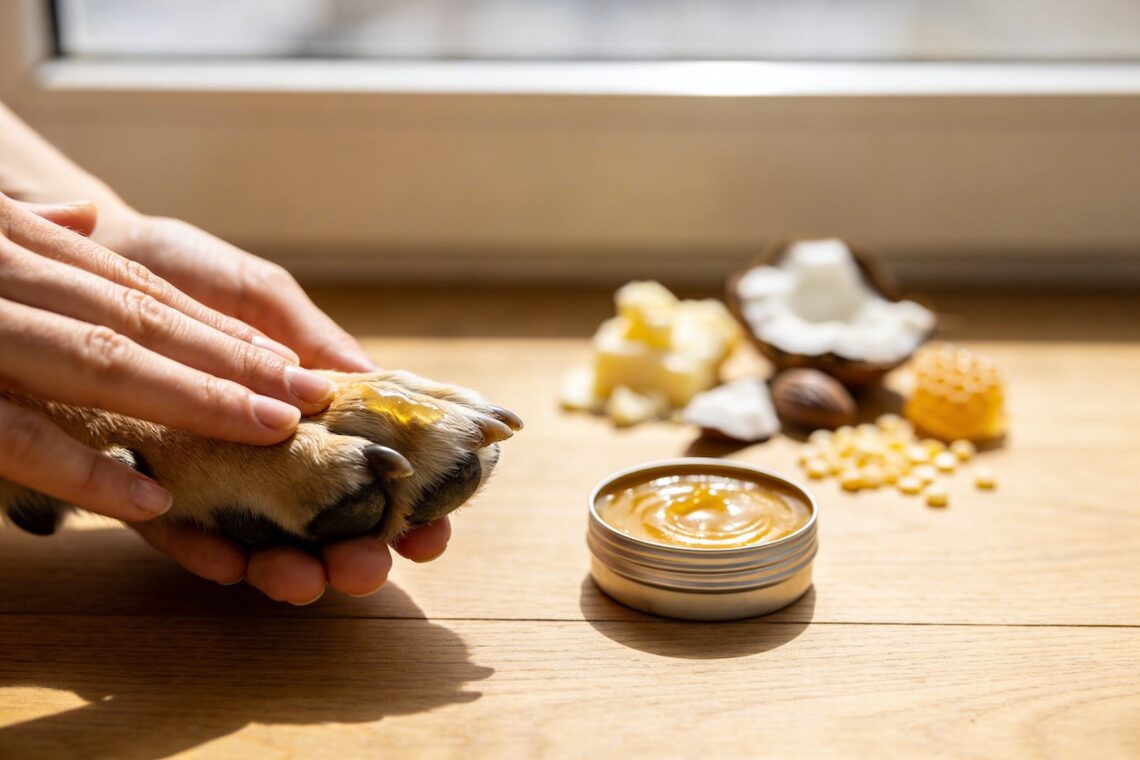
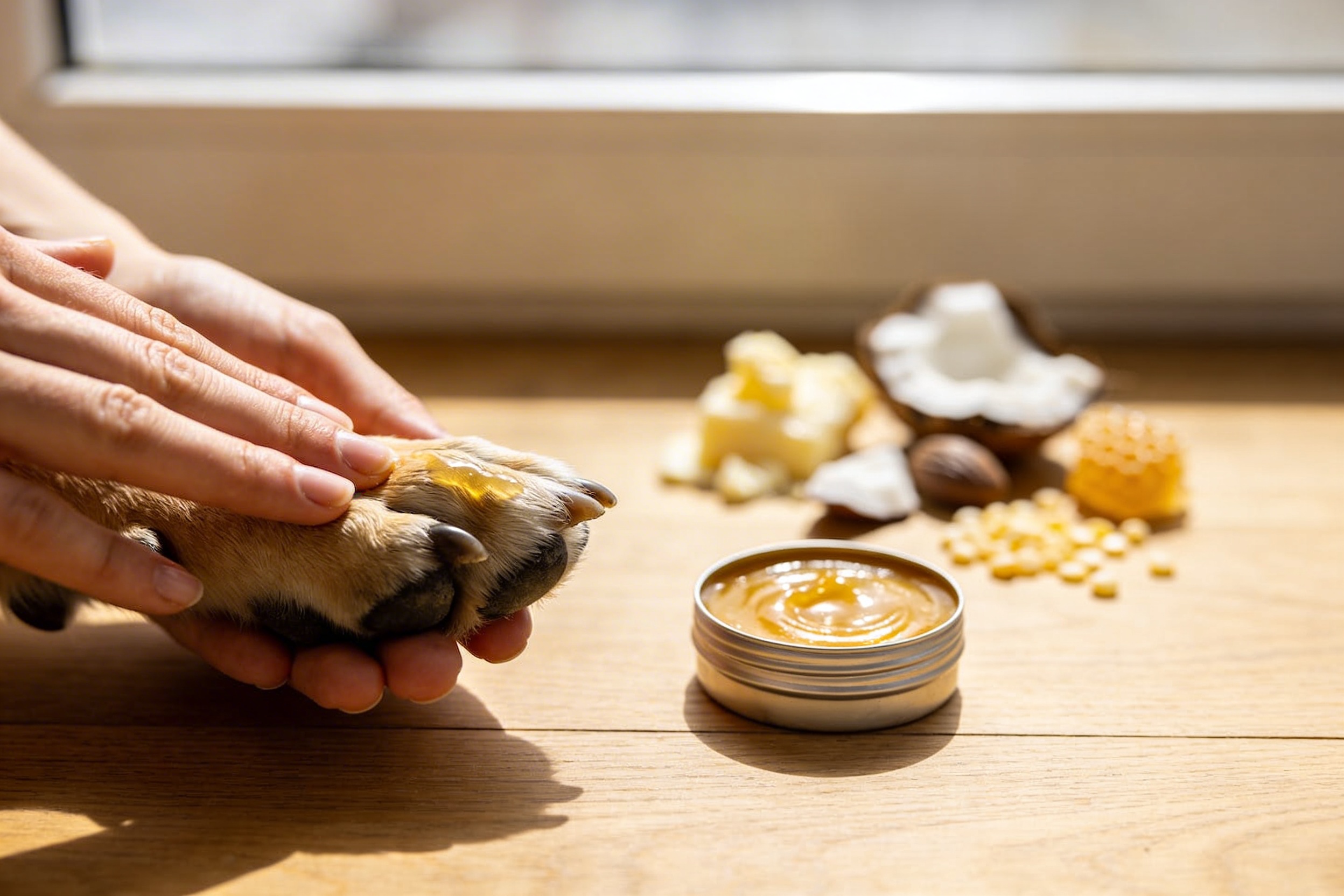
You can customize this, but here’s a simple, effective base that works on most dogs. Ingredients (small batch, ~2 ounces):
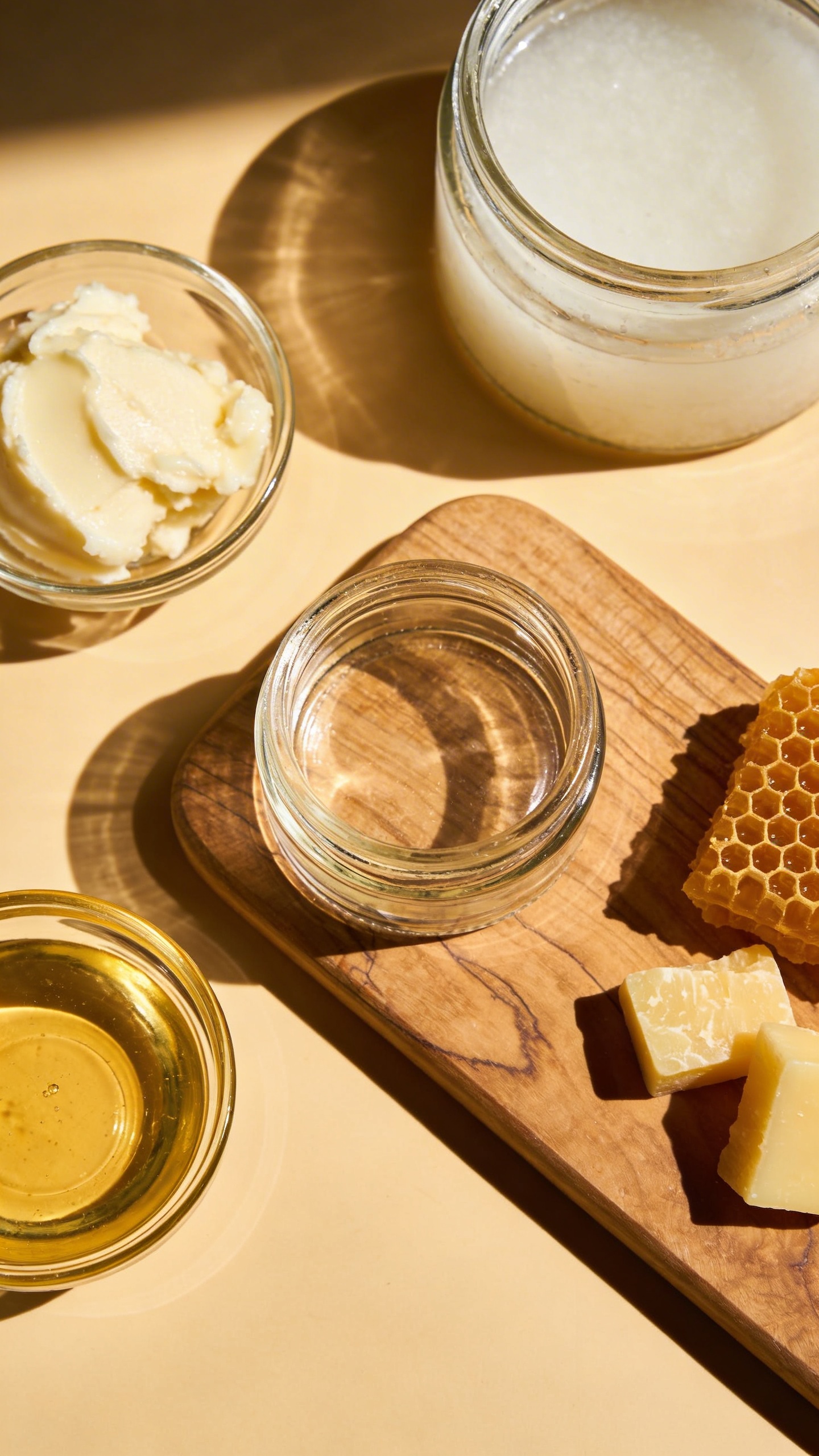
- 1 tbsp shea butter (deeply moisturizing, rich in vitamins A and E)
- 1 tbsp coconut oil (softens and helps with minor irritation)
- 1 tbsp sweet almond or olive oil (adds glide and nourishment)
- 1 tbsp beeswax pellets (creates a protective barrier)
- Optional: 1 tsp vitamin E oil (natural preservative and skin booster)
Tools:
- Heat-safe glass jar or measuring cup
- Small pot for a double-boiler setup
- Clean tin or small jar with lid
- Spoon or mini whisk
Steps:
- Set up a double boiler: simmer 1–2 inches of water in a pot, place your heat-safe jar in it.
- Add beeswax, shea butter, and coconut oil to the jar. Melt slowly, stirring until smooth.
- Remove from heat, then stir in almond/olive oil and vitamin E.
- Pour into your tin or jar. Let it cool and set (20–30 minutes). Done.
Texture tweak tips:
- Too firm? Re-melt and add 1 tsp more liquid oil.
- Too soft? Re-melt and add 1 tsp more beeswax.
Ingredient Swaps (Because Pantries Vary)
- No shea? Use mango or cocoa butter for a firmer balm and a light scent.
- No sweet almond? Use jojoba, grapeseed, or avocado oil.
- Vegan? Swap beeswax for candelilla wax (use a little less—it’s firmer).
How to Use It Without a Wrestling Match
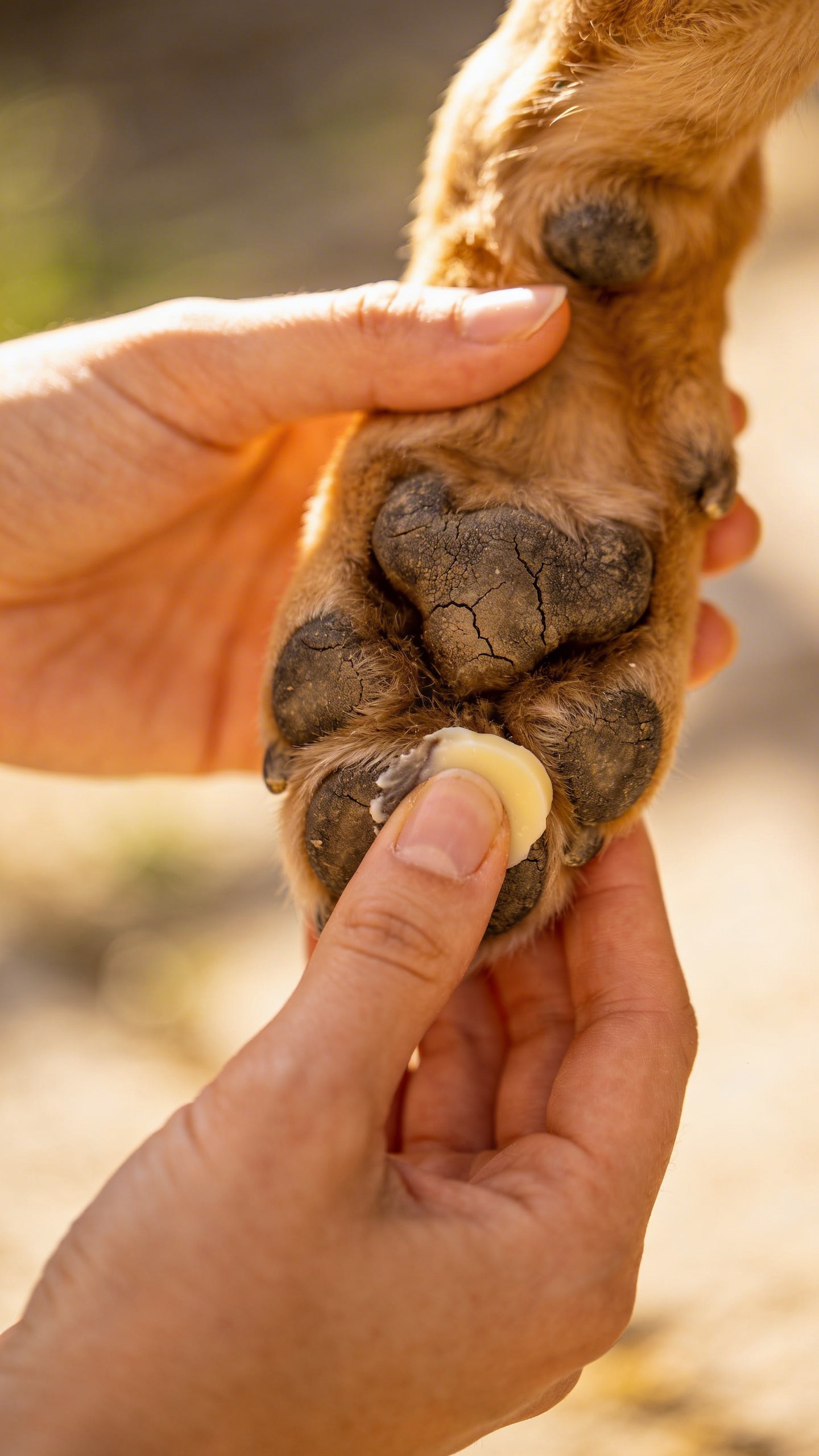
You don’t need to mummify the paws. A pea-sized amount per paw works. Application routine:
- Wipe paws clean and dry. Dirt plus balm equals grime glue—no thanks.
- Warm a dab between your fingers, then massage into pads and between toes.
- Distract your dog for 2–3 minutes (treat puzzle, snuggle time) so it absorbs.
- Use once daily for cracked paws, then 2–4 times per week for maintenance.
Timing Matters
Apply before walks in winter to protect from salt and ice, and after walks to soothe. In summer, use after hot pavement strolls. Before-bed applications work great since your dog chills and the balm sinks in. IMO, bedtime balms = fewer lick sessions.
Safety: What’s Okay, What’s Not
Dogs lick. So let’s keep it safe. Do:
- Use food-grade oils and butters.
- Patch test first—rub a tiny amount on one pad and check for redness or irritation after 24 hours.
- Keep the balm unscented or very lightly scented with dog-safe choices.
Avoid:
- Strong essential oils (tea tree, wintergreen, clove, cinnamon, eucalyptus). Big nope for pets.
- Grapeseed oil if your vet advised against it. FYI, opinions vary on topical use.
- Human lotions with fragrance, alcohol, or zinc oxide.
When to Call the Vet
If you see bleeding cracks, swelling, oozing, or your pup keeps licking one spot obsessively, get a vet check. Allergies, burns, or infections need targeted care. Balm helps, but it can’t fix everything.
Make It Last: Storage, Shelf Life, and Cleanliness
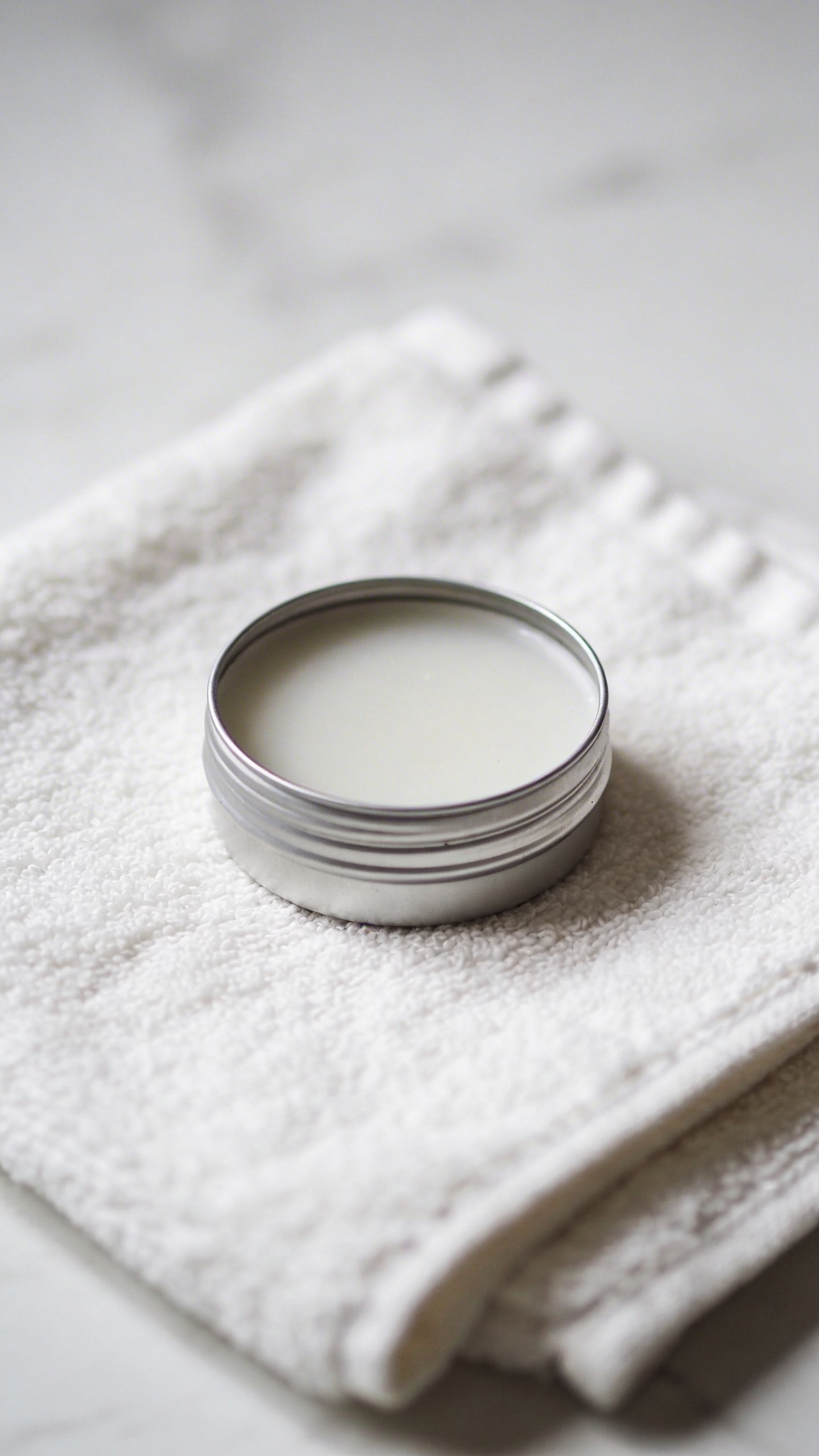
Your balm keeps best when you treat it like a tiny skincare product. Storage:
- Keep it in a cool, dry spot away from sun. A drawer works.
- Use clean, dry hands or a spoon to scoop—no wet fingers.
Shelf life:
- 3–6 months, depending on oil freshness and storage.
- If it smells funky or looks spotty/moldy, toss it and make a fresh batch.
Make It Travel-Friendly
Pour into small tins or lip-balm tubes for walk bags and car kits. Label with the date because Future You will forget, guaranteed.
Level Up: Add-Ins That Actually Help
Want to boost the healing game a bit? Keep it simple and safe.
- Calendula-infused oil: soothing and great for irritated skin. You can buy infused oil or DIY by steeping dried calendula in olive oil for a couple weeks.
- Lanolin (a pea-sized dollop per batch): super occlusive and very moisturizing. Skip if your dog has wool sensitivities.
- Light lavender (optional): If you insist on scent, 1–2 drops per 2 ounces max, and only if your vet gives a thumbs-up. I usually go unscented, FYI.
For Super Active Dogs
If your dog hikes or runs on rough terrain, bump beeswax up by 1 tsp for a more protective shield. Reapply before and after long outings. Also, trim fuzzy toe hair to keep debris from matting and tugging at pads.
Prevention Habits That Beat Cracks For Good
Balms help, but habits win long term.
- Rinse after winter walks: De-icers and salt dry skin and sting. Quick rinse, pat dry, then balm.
- Avoid hot pavement: If you can’t hold your hand on it for 5 seconds, it’s too hot for paws.
- Moisture in, not soggy: Dry paws well after baths and swims—constant dampness can cause issues.
- Diet check: Omega-3s (with vet approval) can improve skin health from the inside. Fish oil for the win.
FAQ
Can I use this balm on noses or elbows?
Yes. The formula works on dry noses and calloused elbows too. Use a tiny amount and avoid getting it inside nostrils. If your dog licks nonstop, distract or apply before sleep.
How often should I apply paw balm?
Start daily for a week if the pads look rough. Once they feel soft and healthy, switch to 2–4 times per week or before/after harsh conditions. Adjust based on your dog’s activity and climate.
What if my dog tries to lick it off?
Totally normal. Use a distraction—lick mat, chew, or cuddle session—for a couple minutes after application. A little licking won’t hurt with these ingredients, but let it absorb first for best results.
Is coconut oil safe for dogs?
Topically, yes for most dogs. If your pup has sensitive skin or a history of allergies, patch test first. Some dogs don’t tolerate ingesting large amounts, so keep it as a skin treatment, not a snack.
My dog’s paws are bleeding. Will this balm help?
If you see open cracks or bleeding, clean the area and call your vet. The balm can protect mild dryness, but deeper cracks or infections need professional care. Don’t cover serious wounds with heavy ointments without guidance.
Can I add essential oils for scent?
I’d avoid them, IMO. Many essential oils can irritate or harm pets, especially if they lick. If you insist, use extremely small amounts of dog-safe options and vet-check first.
Wrap-Up: Soft Paws, Happy Dog
You don’t need a fancy product line to fix dry, cracked paws. In five minutes, you can melt, pour, and have a safe, effective balm your dog actually benefits from. Keep it simple, apply regularly, and pair it with smart habits. Your couch, your floors, and your pup’s comfy strut will say thanks.