The easiest way to a fresh-scented doggo? A DIY toothpaste that actually works. No dental degree required, just a few pantry staples and a little patience. If your pup’s breath could clear a room, you’re in the right place.
Why DIY Toothpaste? Why Now?
Your dog’s breath is a tiny, smelly truth radar. Bad breath usually means plaque buildup, tartar, or just a stubborn combination of saliva and mystery kibble. Commercial toothpastes exist, but they’re not always dog-friendly or affordable. DIY toothpaste puts you in the driver’s seat: you control ingredients, you know what your pet’s ingesting, and you can tailor flavors your pup actually likes. – It’s cost-effective: a few pantry staples go a long way. – It’s customizable: pick flavors your dog enjoys. – It’s quick to whip up: you can make a batch on a lazy Sunday. FYI, consistency matters more than fancy ingredients. Daily brushing beats weekly miracles, but we’ll get into real-life routines a bit later.
The 3-Ingredient Trick That Actually Works
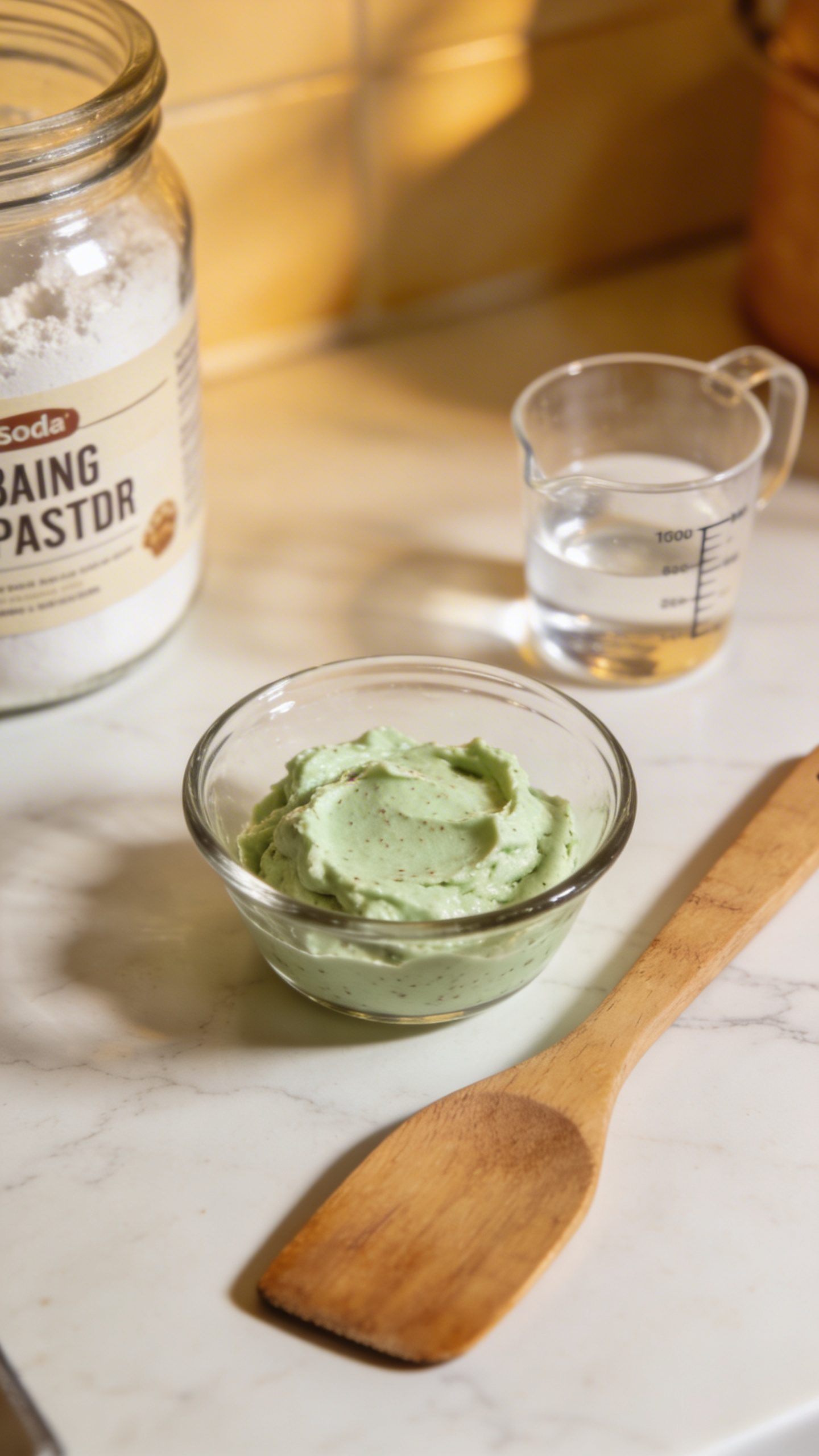
Here’s the fast, practical version you can whip up in under 5 minutes. Three ingredients, zero mystery, and a flavor most dogs tolerate or even enjoy. What you’ll need
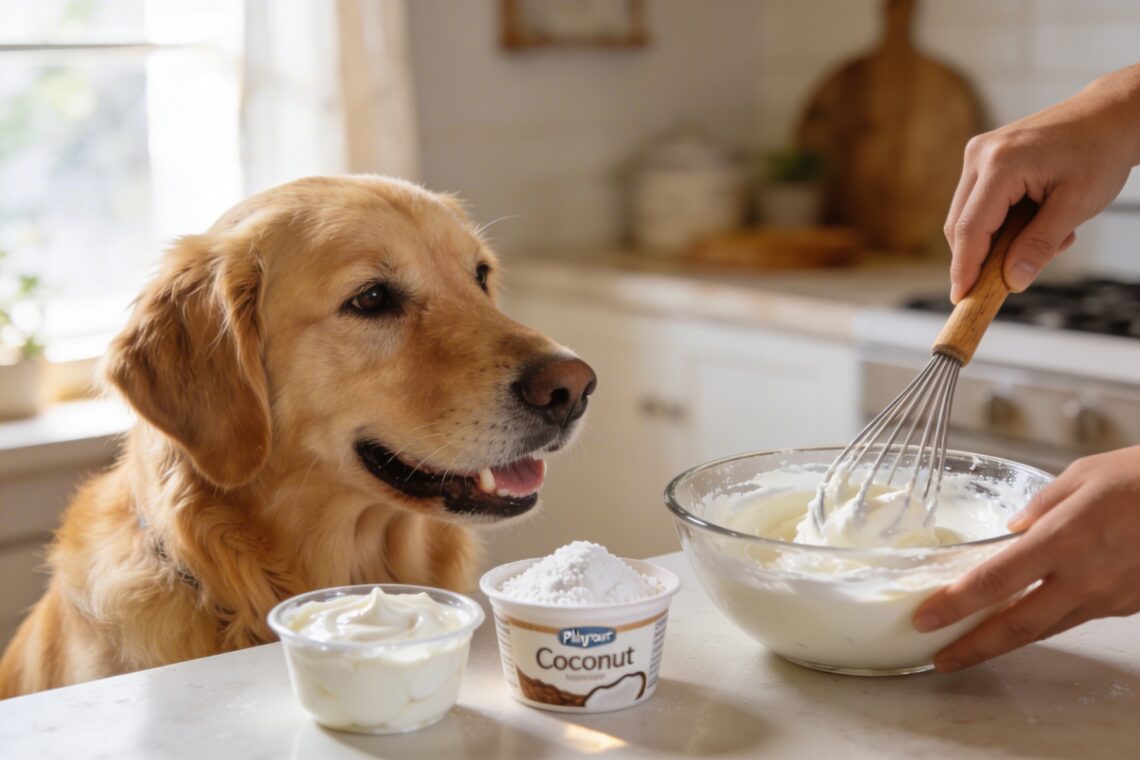
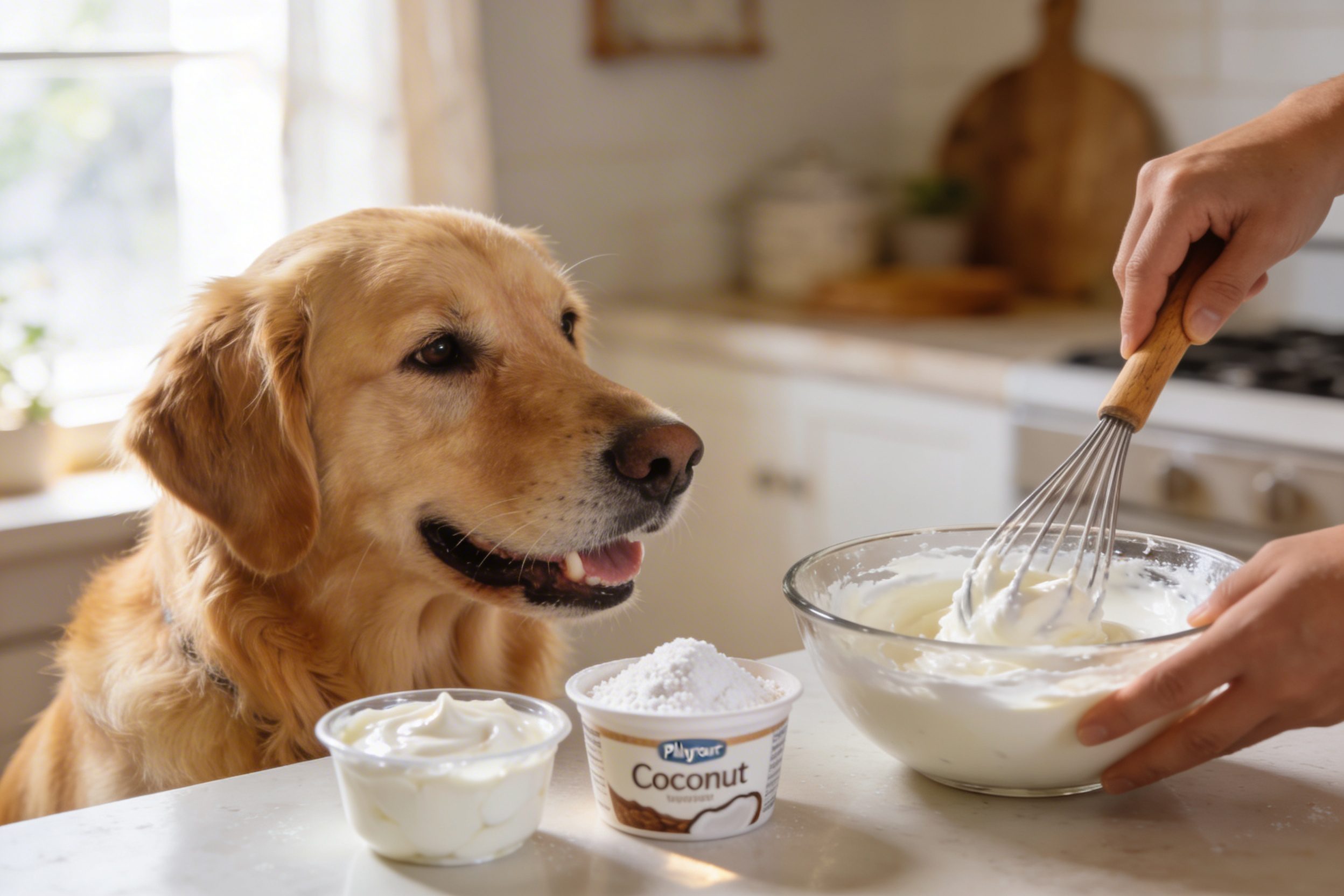
- Plain yogurt or coconut yogurt (unsweetened) — 2 tablespoons
- Plain, unsweetened yogurt works wondersy? Wait, drop that—use yogurt as a base to add creaminess and friendly bacteria.
- Baking soda — 1/4 teaspoon (helps with mild tartar control and neutralizes odors)
- Water — as needed to achieve toothpaste-like consistency
Step-by-step
- In a small bowl, combine yogurt and baking soda. Stir until smooth.
- Add a splash of water to thin out if needed. You want a paste that holds its shape but isn’t runny.
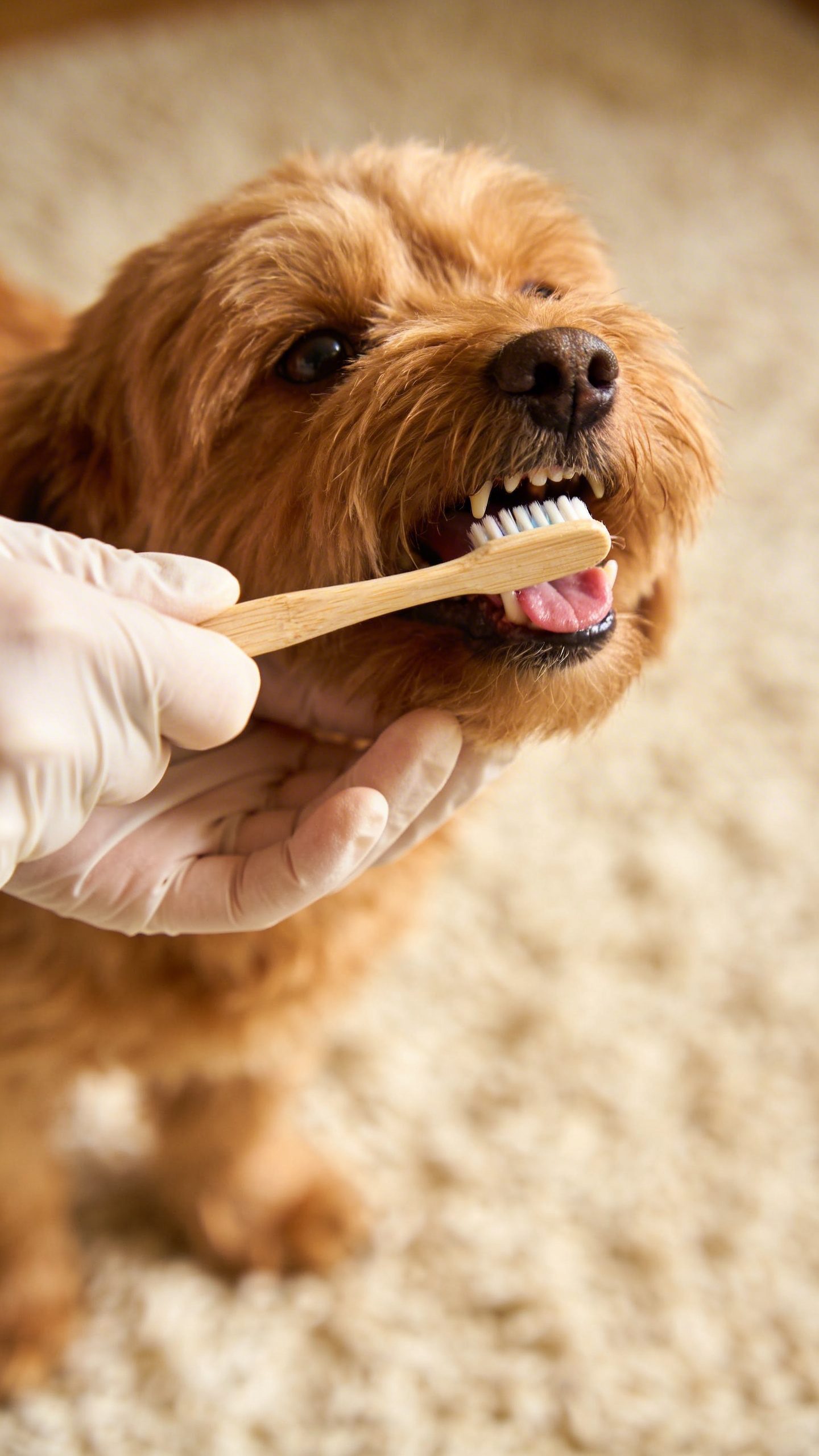
- Offer to your pup with a finger brush or brush attachment. Go slow—start with 5 seconds, then build up as your dog tolerates it.
If your dog hates the texture, try swapping in a tiny spoonful of peanut butter (xylitol-free, of course) for a flavor boost. IMO, most dogs adore PB, but check ingredients first.
Flavors Your Dog Might Actually Like
Not every dog loves yogurt. The good news: you can swap out flavors without sacrificing the 3-ingredient framework. Here are a few puppy-pleasing twists.
Savory Spin: Chicken Broth Base
– Replace yogurt with a small amount of low-sodium chicken broth (unsalted). – Add a pinch of cinnamon for a warm note (optional). – This keeps it savory and appealing for dogs who aren’t yogurt fans.
Minty Fresh? Not Always Best
– Cats love mint, dogs not so much. If your pup seems indifferent to mint, skip it. – Instead, add a tiny splash of beef broth or a sprinkle of parsley for a fresh vibe without overpowering flavor.
Safety First: What You Need to Know
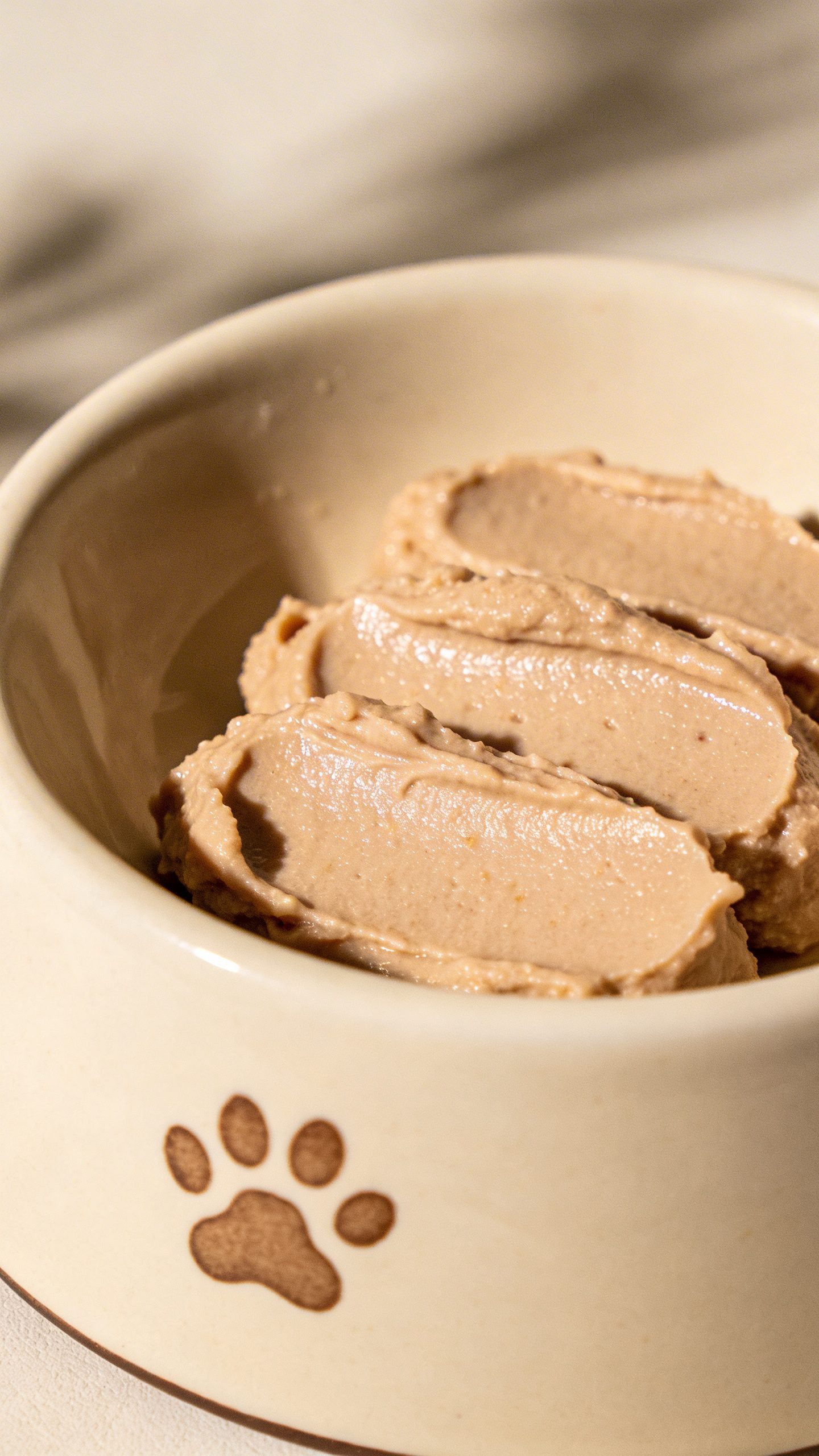
DIY doesn’t mean “free-for-all.” A few rules keep teeth clean without tummy trouble. – Use human-grade, dog-safe ingredients. Avoid xylitol, artificial sweeteners, onion, garlic, or grape-derived products. – Check for allergies. If your pup gets upset stomach, back off and consult a vet. – Don’t replace full veterinary care. Brushing is great, but it’s not a substitute for professional cleanings or dental exams. – Start slow. A tiny smear is plenty for a first week, then ramp up as your dog gets comfortable. How often should you brush? Aim for 2-3 times per week at minimum. Daily brushing is ideal if your schedule allows. Consistency beats long sessions once in a while.
Tools of the Trade: Getting Your Dog On Board
What makes brushing less of a battle and more of a bonding moment? The right setup.
- Dog-friendly toothpaste (the 3-ingredient variety works wonders, but there are commercially available options if you prefer).
- A soft-bristled brush or finger brush to reach those back teeth without scaring your pup.
- Patience as a skill—this takes time, and that’s totally okay.
- Positive reinforcement—treats, praise, and a calm voice. No scolding if your pup resists.
Getting Your Pup Used to the Brush
– Start by letting them lick the paste off your finger. – Progress to a small dab on the brush and let them lick that for a few seconds. – Gradually increase brushing time in short sessions. If your dog is really resistant, try a wipe-down on the outside of the teeth first with a damp cloth or dog-safe wipe, then graduate to brushing.
Common Pitfalls and Quick Fixes
We’ve all been there: the paste is everywhere, or the dog acts like you’re asking them to eat a lemon rind. Here are quick hacks to keep things smooth. – Pitfall: Your dog spits out most of the paste. Quick fix: Use a smaller amount at a time and pair with a high-value treat after brushing. Build trust first, then lengthen sessions. – Pitfall: Paste clumps around the gums. Quick fix: Add a tiny bit more water to the mix to achieve a smoother texture. – Pitfall: You’re worried about gagging. Quick fix: Brush the front teeth first, stay on the outside surfaces, and avoid deep throats. If gagging is frequent, consult a vet for a technique that suits your dog.
Real-Life Routines: Making It a Habit
Consistency isn’t glamourous, but it works. Here’s a simple weekly plan you can actually follow. – Monday: 2 minutes of brushing, small rewards. – Wednesday: 1-2 minutes, focus on back molars if your pup tolerates it. – Friday: 2 minutes, end with a favorite treat. – Weekend: Quick check-in, a little wipe-down if a full brushing isn’t feasible. If you’re busy, consider pairing brushing with a favorite daily activity—movie night with your pup, a walk, or cuddle time. The goal is association, not stress.
FAQ
Is this 3-ingredient toothpaste safe for puppies?
Yes, with caveats. Start with a smaller amount and ensure ingredients are suitable for your puppy’s age and size. Always supervise to prevent swallowing large amounts. If in doubt, ask your vet before introducing any new dental routine for puppies.
Can I use flavors beyond yogurt and baking soda?
Absolutely. You can experiment with canine-safe flavors like peanut butter (xylitol-free), mashed pumpkin, or a splash of unsweetened apple sauce. Keep the ingredient list short and avoid anything toxic to dogs.
What if my dog won’t tolerate brushing at all?
No problem. Build up gradually: let them sniff the paste, lick from your finger, and only then try the brush. Short, positive sessions beat long battles. You can also use dental wipes as a supplement or consult a vet for alternative options like dental chews.
How soon will I see fresher breath?
Typically, you’ll notice improvement within a few weeks of regular brushing, assuming you’re brushing a couple of times per week and pairing with overall dental care (like dental chews or vet cleanings when needed). If breath doesn’t improve, consult your vet to rule out dental disease or other issues.
Are there risks with DIY toothpaste?
The main risk is swallowing too much of any paste at once or using unsafe ingredients. Follow the two-ingredient limit, avoid harmful substances (onion, garlic, xylitol), and use a pea-sized amount for small dogs. If you have a curious chewer, supervise and store ingredients safely.
Why This 3-Ingredient Trick Really Works
– It’s simple: three ingredients, minimal prep, fast results. – It’s adjustable: you can swap in dog-friendly flavors without breaking the formula. – It’s repeatable: you can fit it into most daily routines without drama. Plus, there’s something oddly satisfying about taking control of your dog’s dental health with stuff you already have in your kitchen. IMO, this is the kind of DIY win you celebrate with a sigh of relief and maybe a quick celebratory treat for you both.
Conclusion
Fresh breath for your dog isn’t a myth. With the 3-ingredient trick, you get a practical, affordable route to better oral health and happier snuggles. Start small, stay consistent, and celebrate every tiny victory—because your pup’s breath is a direct line to the heart (and your couch, which you’d like to keep smelling nice). You’ve got this. Deck out your dental routine, keep it light, and remember: a little paste, a lot of patience, and plenty of praise go a long way. If FYI you ever feel stuck, your vet is only a call away, and they’ll help tailor the plan to your dog’s specific needs.