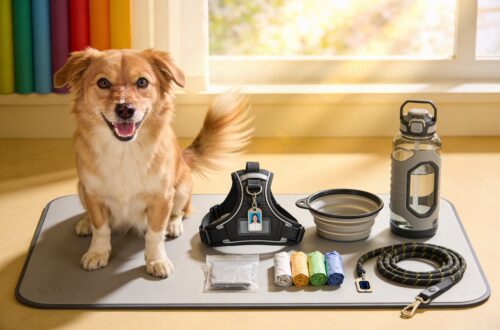
You love your dog, but you don’t love the grooming bill. Same. The good news?
You can handle a big chunk of grooming at home without turning your bathroom into a fur tornado. With the right tools, a little prep, and a cheerful bribe or two (treats, obviously), you’ll save money and keep your pup looking sharp between pro visits.
Set Yourself Up: Tools That Make It Easy
You don’t need a salon setup. You just need reliable basics that won’t quit halfway through a nail trim.
Grab these and you’re golden:
- Brushes: Slicker brush for most coats; bristle or rubber curry for short hair; undercoat rake for heavy shedders.
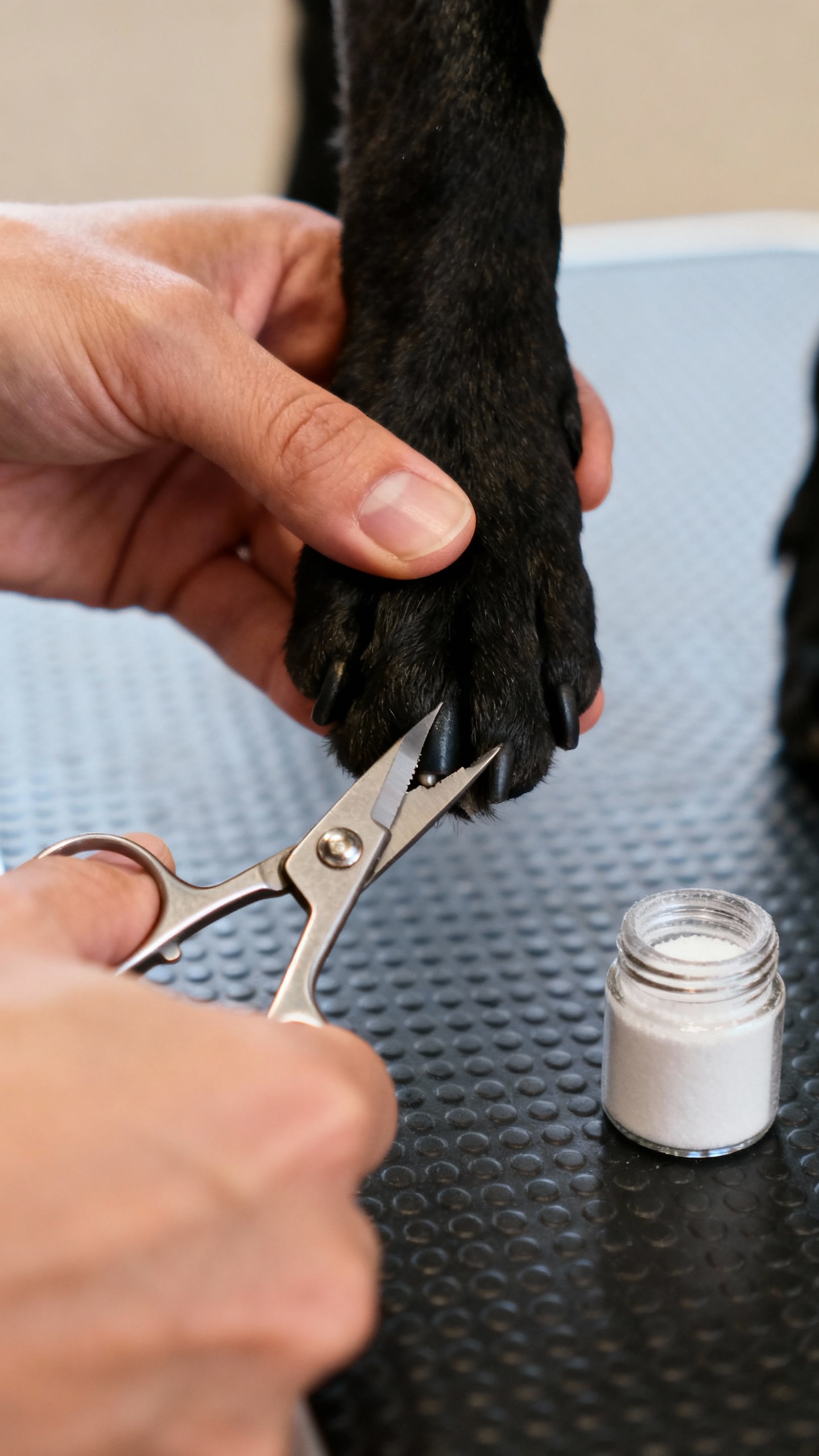
- Nail trimmer: Guillotine or scissor style. Keep styptic powder nearby just in case.
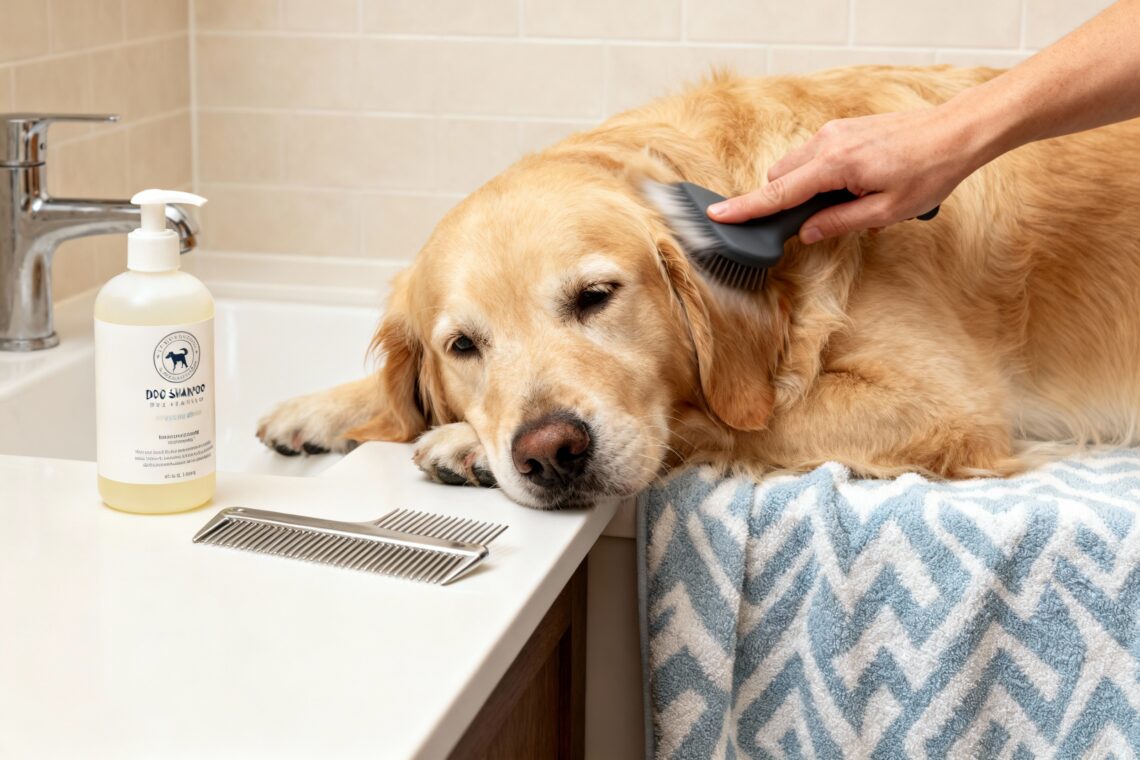
- Shampoo: Dog-specific, gentle, and pH-balanced. Oatmeal or hypoallergenic if your pup gets itchy.
- Ear cleaner: Vet-approved solution and cotton rounds (never Q-tips—no spelunking).
- Toothbrush and dog toothpaste: Poultry flavor if you want cooperation.
- Clippers (optional): Quiet ones with guards, plus grooming scissors with rounded tips.
- Non-slip mat, towels, treats: Your sanity savers.
Pro tip
Make a small “grooming caddy” so you’re not hunting for nail clippers while your dog contemplates a daring escape.
Brushing: Your Cheapest, Most Powerful Move
Brush often and you’ll cut shedding, tangles, and bath time in half.
It also reduces the funky dog smell. Win-win, IMO.
- Short hair: Brush 2-3 times a week with a rubber curry to lift loose fur and distribute oils.
- Long or curly coats: Daily light brushing with a slicker, then a comb to check for hidden knots.
- Double coats: Use an undercoat rake weekly, especially during shedding seasons.
How to de-tangle without drama
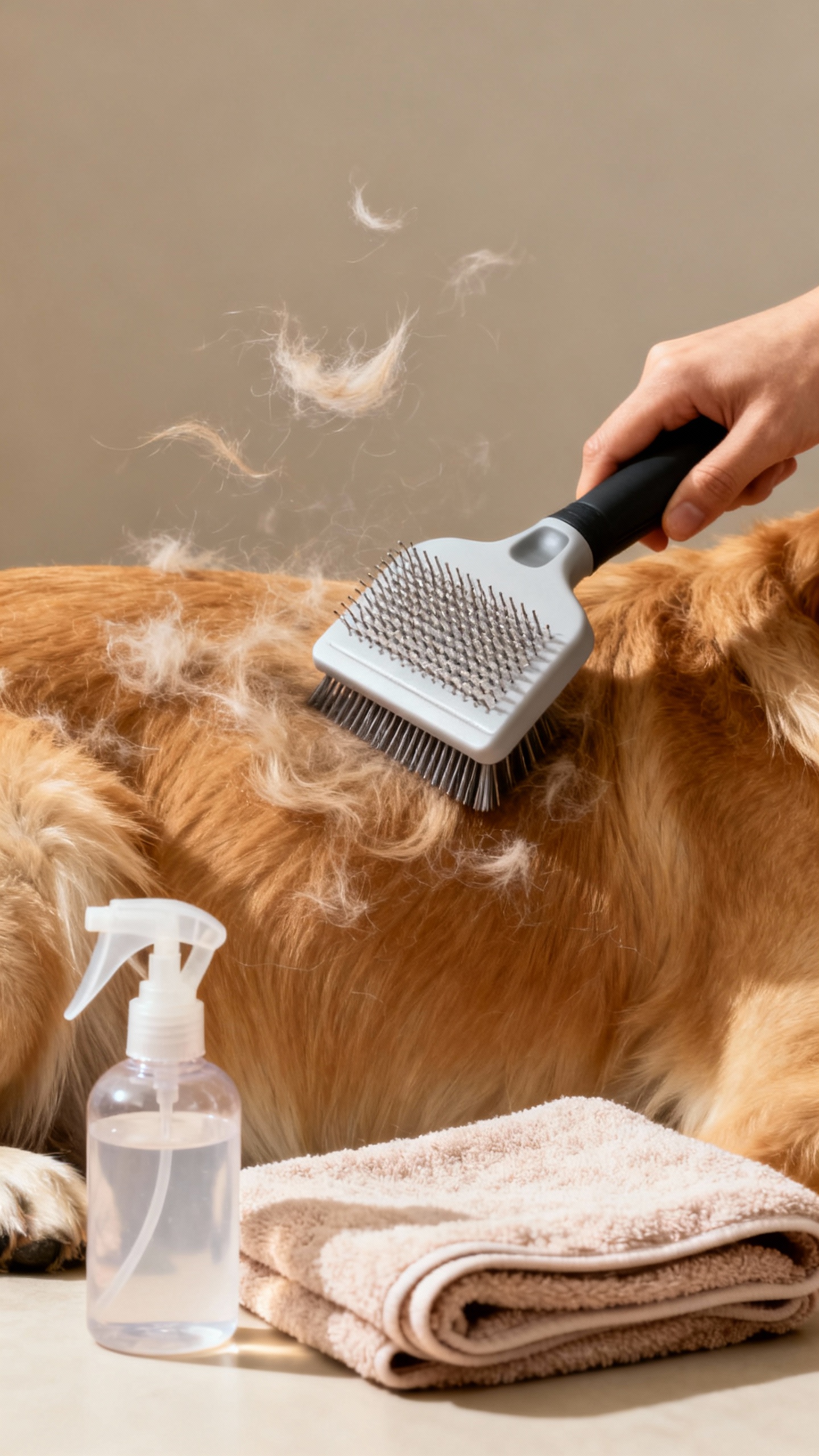
Hold hair above the tangle to avoid pulling the skin, and work slowly from the ends inward. Use a detangling spray if needed.
If you hit a stubborn mat, don’t yank—snip carefully with rounded scissors, or better yet, clip it out. Safety over perfection.
Bathing Without the Splash Zone
Dogs don’t need weekly baths unless they roll in questionable substances. Aim for every 4-8 weeks depending on activity and coat.
Overbathing can dry their skin, FYI.
- Brush first. You don’t want to cement tangles with water.
- Use lukewarm water. Hot water = itchy, cranky dog.
- Shampoo once, avoid eyes and ears, and rinse like your deposit depends on it.
- Conditioner helps with long coats and reduces tangles.Rinse again.
- Dry thoroughly with towels or a low-heat dryer. Keep the airflow moving to avoid hot spots.
Bath hacks
Smear a little peanut butter on a tile at nose height. Instant spa cooperation.
Also, put cotton balls gently in the ear openings to keep water out, then remove after.
Nail Trims: Less Scary Than They Look
Long nails mess with your dog’s posture and comfort. Trim every 2-4 weeks. If the click-clack on the floor sounds like tap dancing, it’s time.
- Find the quick: On light nails, look for the pink center.On dark nails, trim tiny slices and look for a chalky ring—stop before it turns moist.
- Hold steady: Support the toe, cut at a slight angle, and don’t rush.
- Made a mistake? Dab styptic powder to stop bleeding. Treats cure everything else.
Alternative: grinding
A nail grinder smooths edges and gives you more control. Introduce the sound slowly with treats, then touch, then brief grinding.
Think incremental wins.
Ears, Eyes, and Teeth: Quick Checks That Pay Off
These small habits prevent big bills. They take two minutes and save you a vet visit, IMO.
- Ears: Wipe the outer ear with a cotton round soaked in dog ear cleaner. If you see redness, swelling, or smell something funky, call your vet.
- Eyes: Gently wipe tear stains with a damp cloth.Trim long facial hair if it pokes their eyes.
- Teeth: Brush 3-4 times a week. If that’s ambitious, aim for quick sessions and add dental chews. Consistency beats perfection.
Signs you shouldn’t ignore
Shaking head, brown discharge, strong odor from ears; excessive tearing, squinting; bad breath with drooling or pawing at the mouth.
Those mean “vet now,” not “Google later.”
Trimming Fur Without the “Uh-Oh” Moment
Not every dog needs clippers. But a tidy trim around key areas keeps things clean and comfy.
- Paws: Trim hair between paw pads and around the foot for better traction and less mud.
- Sanitary areas: Carefully trim around the bum and belly to prevent messes.
- Face: Use rounded scissors around eyes and mouth—slow and steady, dog calm and still.
- Full-body clipping: If you try it, use guard combs, move with hair growth, and keep blades cool. Stop if your dog gets stressed.
When to call a pro
Severe matting, complex breed cuts (hello, poodles and doodles), or a nervous dog that hates buzzing sounds.
A pro groomer can reset the coat and make home upkeep easy.
Make Grooming a Positive Habit
You’re not just cleaning—you’re training trust. Keep sessions short, upbeat, and frequent.
- Start small: One paw today, two tomorrow. Gradual beats marathon sessions.
- Reward like you mean it: High-value treats and praise.Think chicken, not boring kibble.
- Pick the right time: After exercise when your dog feels relaxed. Less wiggle, more wiggle-room for you.
- Routine: Same tools, same spot, same vibes. Dogs love predictable rituals.
Budget-Friendly Upgrades That Actually Help
You don’t need the fanciest gear, but a few smart buys make life easier and safer.
- Quality nail clippers that don’t crush nails.
- Quiet dryer with adjustable settings to avoid overheating.
- Detangling spray to prevent breakage and speed brushing.
- Grooming loop or suction-cup tether for stability in the tub.
- Non-slip bath mat to prevent slides and the “nope” reflex.
DIY savings
Use old T-shirts as drying cloths, store brushes in a shower caddy, and make a simple grooming log on your phone to track nails, baths, and brushing.
Systems save money—boring but true.
Common Mistakes to Avoid
Let’s skip the “learn the hard way” phase, shall we?
- Skipping the pre-bath brush: Traps mats and makes drying a nightmare.
- Using human shampoo: Different pH, dry skin, itchy dog. Just don’t.
- Rushing nails: Tiny cuts often beat big trims. The quick recedes over time with frequent small trims.
- Ignoring ears after baths: Trapped moisture = infections.
- Clipping hot blades: Check them on your wrist.If they feel warm, let them cool.
FAQ
How often should I bathe my dog?
Most dogs do well every 4-8 weeks. Active, muddy dogs may need more; sensitive skin dogs might need less. Focus on regular brushing and spot-cleaning between baths to stretch time.
What if my dog hates nail trims?
Desensitize in steps: show the clipper, treat; touch paw, treat; clip one nail, jackpot.
Try a grinder if the clip sound spooks them. In tough cases, ask your vet or a trainer for cooperative care techniques.
Can I use baby shampoo in a pinch?
If you’re stuck, a one-time use likely won’t wreck the coat, but don’t make it a habit. Dog shampoo protects the skin barrier better.
Your pup’s skin pH isn’t the same as yours—science and all that.
How do I handle matting safely?
Start with a detangling spray, then use a slicker and comb in small sections. Hold hair near the skin to reduce pulling. If mats sit close to the skin or cover large areas, see a pro.
Cutting blindly risks injuries.
Is teeth brushing really necessary?
Yes. Plaque turns to tartar fast, and dental disease is both painful and pricey. Brush most days, add dental chews or water additives, and schedule professional cleanings as your vet recommends.
Do all dogs need haircuts?
Nope.
Many short-coated breeds just need routine brushing, nails, and baths. Long, curly, and some double-coated breeds benefit from strategic trimming, but avoid shaving double coats—they rely on that fur for insulation.
Wrapping It Up
Home grooming doesn’t mean perfection—it means consistent, simple care that keeps your dog comfy and your wallet happy. Start with brushing, nail trims, and quick ear/teeth checks.
Add baths and light trimming as you gain confidence. Keep it positive, keep it short, and keep the treats flowing. Your dog will look great, feel great, and yes, you’ll absolutely brag about it later.