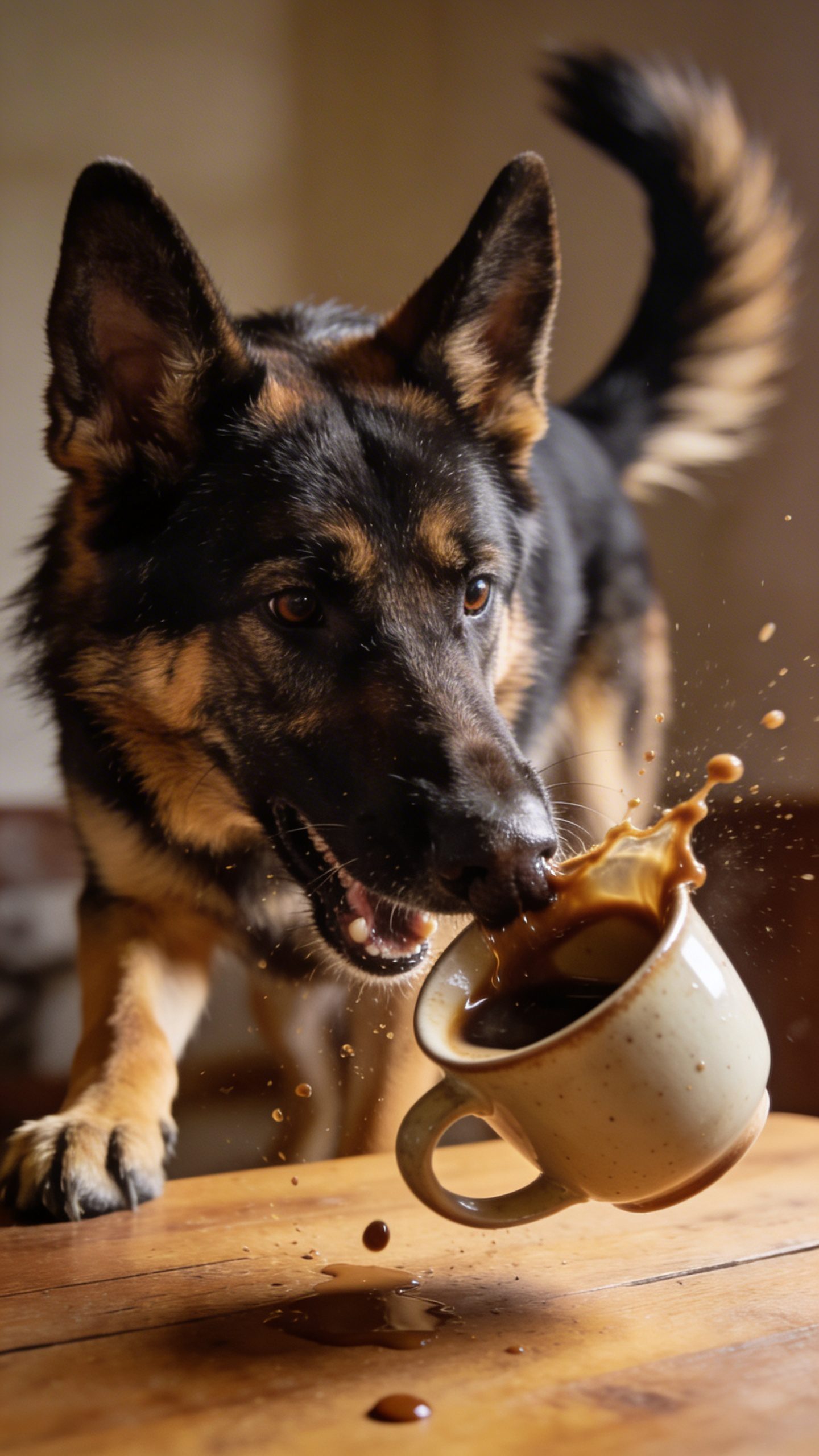
Your German Shepherd just knocked over your coffee again while “greeting” you with the enthusiasm of a freight train. Sound familiar? Here’s the good news: these brilliant dogs are basically the straight-A students of the canine world, and with the right approach, you can teach them seven game-changing commands in just one week. Let’s get your furry Einstein under control without losing your mind in the process.
Why German Shepherds Are Perfect (and Terrible) for Obedience Training
German Shepherds crack me up because they’re simultaneously the easiest and most challenging dogs to train. They’re whip-smart, picking up new commands faster than you can say “sit,” but that intelligence comes with a catch. If you’re not consistent or confident, they’ll spot it from a mile away and basically promote themselves to CEO of your household. These dogs were bred to work alongside shepherds (shocking, I know) and police officers, which means they’re hardwired to learn, follow commands, and make decisions. The problem? They need mental stimulation like you need coffee on Monday morning. Without proper training and structure, all that brain power turns into creative destruction. The seven-day timeline isn’t magic, but it’s realistic. German Shepherds can grasp the basics of a new command within days if you’re doing it right. The key is consistency, short training sessions, and understanding that your dog wants to please you – they just need to understand what you’re asking.
Setting Up for Success: The Pre-Training Checklist
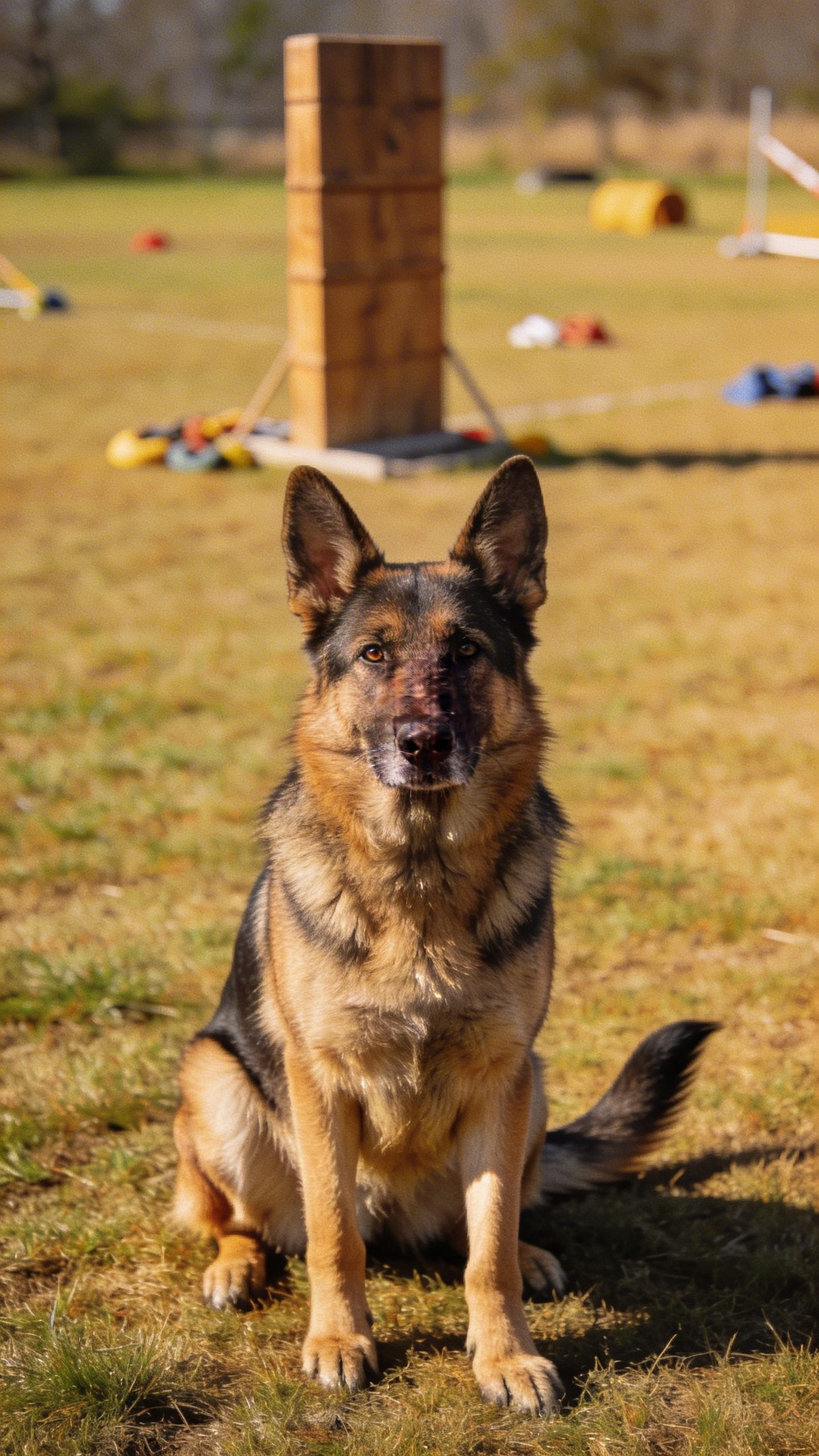
Before we dive into the commands, let’s talk setup. You wouldn’t run a marathon in flip-flops, right? Same principle here. First, grab some high-value treats. I’m talking the good stuff – small pieces of chicken, cheese, or those fancy training treats your dog goes nuts for. Regular kibble isn’t going to cut it when you’re competing with every squirrel, leaf, and imaginary threat in your yard.
Create Your Training Environment
Start in a quiet, distraction-free zone. Your living room works great. Once your shepherd nails a command indoors, you’ll gradually add distractions. Trying to teach “stay” at a dog park on day one is like trying to study calculus at a rock concert – technically possible but unnecessarily difficult. Keep training sessions short and sweet. German Shepherds have great focus, but 10-15 minute sessions work better than hour-long marathons. Think of it like interval training. Three sessions a day beats one exhausting hour that leaves both of you frustrated.
The 7 Genius Commands That Actually Work
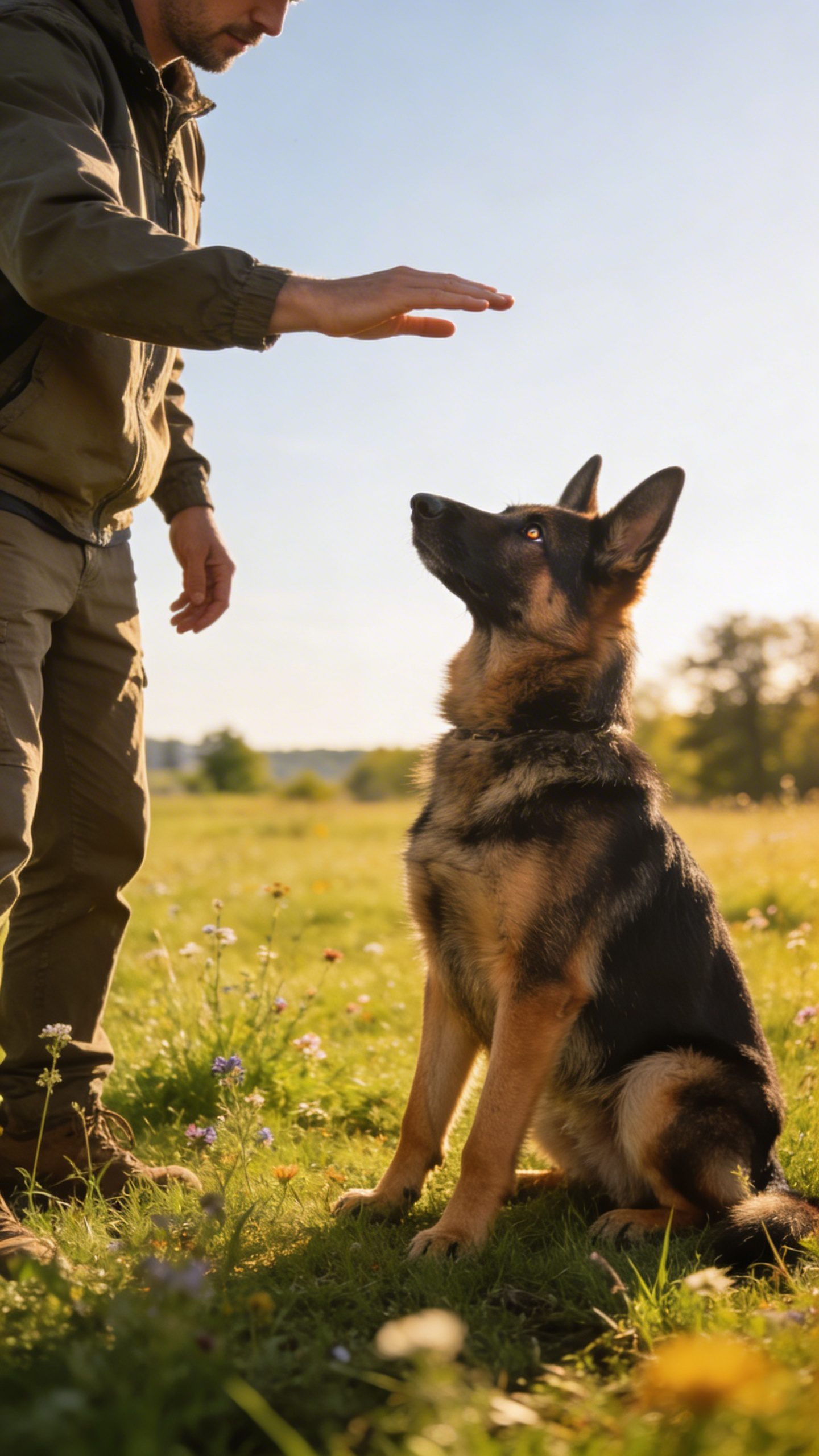
Command #1: “Watch Me” (Days 1-2)
This is your foundation. Everything else builds on your dog’s ability to focus on you instead of that fascinating butterfly or the neighbor’s cat. Hold a treat near your eyes, say “watch me,” and reward when your shepherd makes eye contact. Why start here? Because a dog who’s watching you is a dog who’s listening. Plus, it’s super easy to teach, which builds confidence for both of you. By day two, your shepherd should be giving you solid eye contact for 5-10 seconds.
Command #2: “Sit” (Days 1-3)
The classic. Hold a treat above your dog’s nose and slowly move it back over their head. Their butt will naturally drop as they look up. The moment it touches the ground, say “sit,” give the treat, and throw a little praise party. German Shepherds usually nail this one embarrassingly fast. FYI, once they’ve got it down, start asking for sits before anything good happens – meals, going outside, getting petted. It becomes a default behavior.
Command #3: “Down” (Days 2-4)
From a sitting position, lower a treat straight down to the ground between their paws. Most dogs will follow it into a down position. Be patient with this one – down is a vulnerable position, and some shepherds need extra time to feel comfortable. If your dog’s being stubborn (read: testing you), try sitting on the floor with them. Sometimes getting on their level makes them more willing to comply. Never push them down physically though – that’s a trust-breaker.
Command #4: “Stay” (Days 3-5)
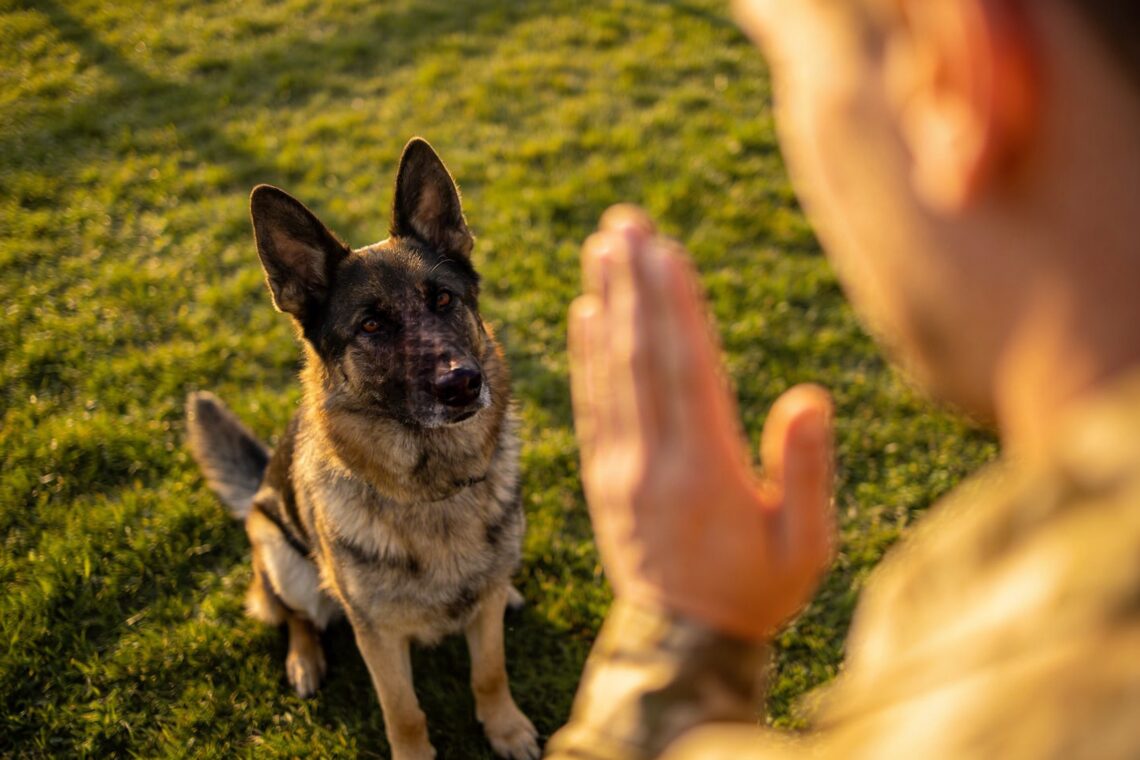
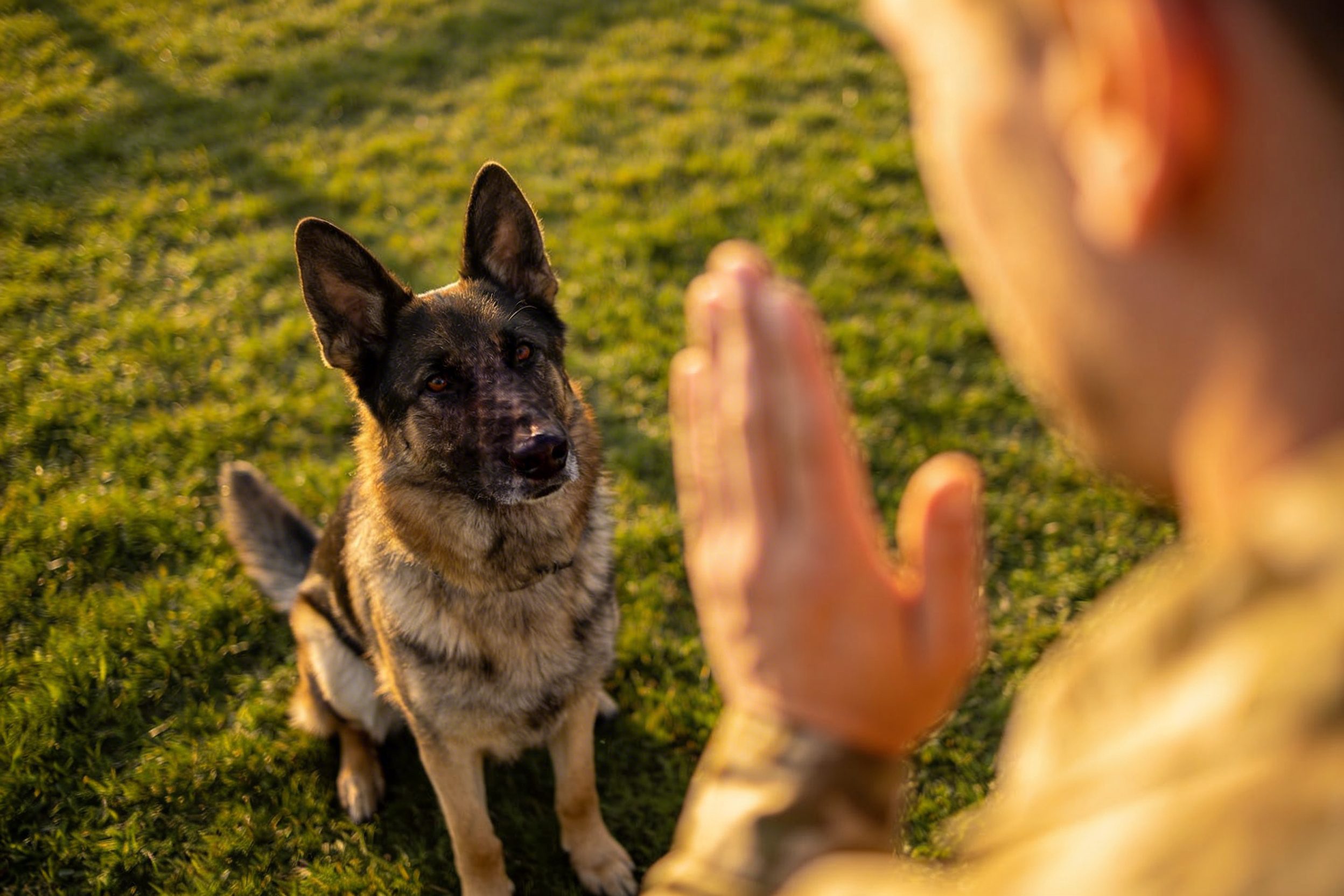
Ask for a sit, put your hand up like a stop sign, say “stay,” and take one step back. Wait two seconds, step forward, and reward. Gradually increase distance and duration. The trick with German Shepherds? They’re often so eager to be near you that staying put feels wrong to them. Start with tiny intervals. One second counts as a win initially. Build duration before distance, and distance before adding distractions.
Command #5: “Come” (Days 4-6)
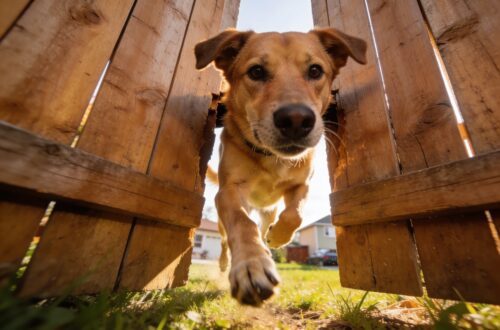
This command might literally save your dog’s life one day, so it’s worth obsessing over. Start with your shepherd on a long leash in a hallway or fenced area. Get excited (seriously, act ridiculous), say “come,” and reward lavishly when they reach you. Never call your dog to come and then do something they hate, like trimming nails or ending playtime. You’ll poison the command faster than you can say “oops.” Always make coming to you the best decision they’ll make all day.
Command #6: “Leave It” (Days 5-7)
Place a treat in your closed fist. Your dog will sniff, lick, and probably try to excavate your hand. Ignore all of it. The second they back off, say “leave it” and reward with a different treat from your other hand. IMO, this is one of the most practical commands you’ll ever teach. German Shepherds have a talent for finding the most disgusting things to investigate. “Leave it” works for dead birds, random trash, and that sketchy food on your walk.
Command #7: “Place” (Days 6-7)
This one’s a game-changer. Designate a spot – a dog bed, mat, or raised platform – as their “place.” Lure them onto it, say “place,” and reward. Gradually increase how long they stay there. “Place” gives your shepherd a job when guests arrive, during dinner, or when you need them out from underfoot. It’s like a mental reset button. Plus, it satisfies their desire to have a purpose and position in the household.
Common Training Pitfalls (And How to Dodge Them)
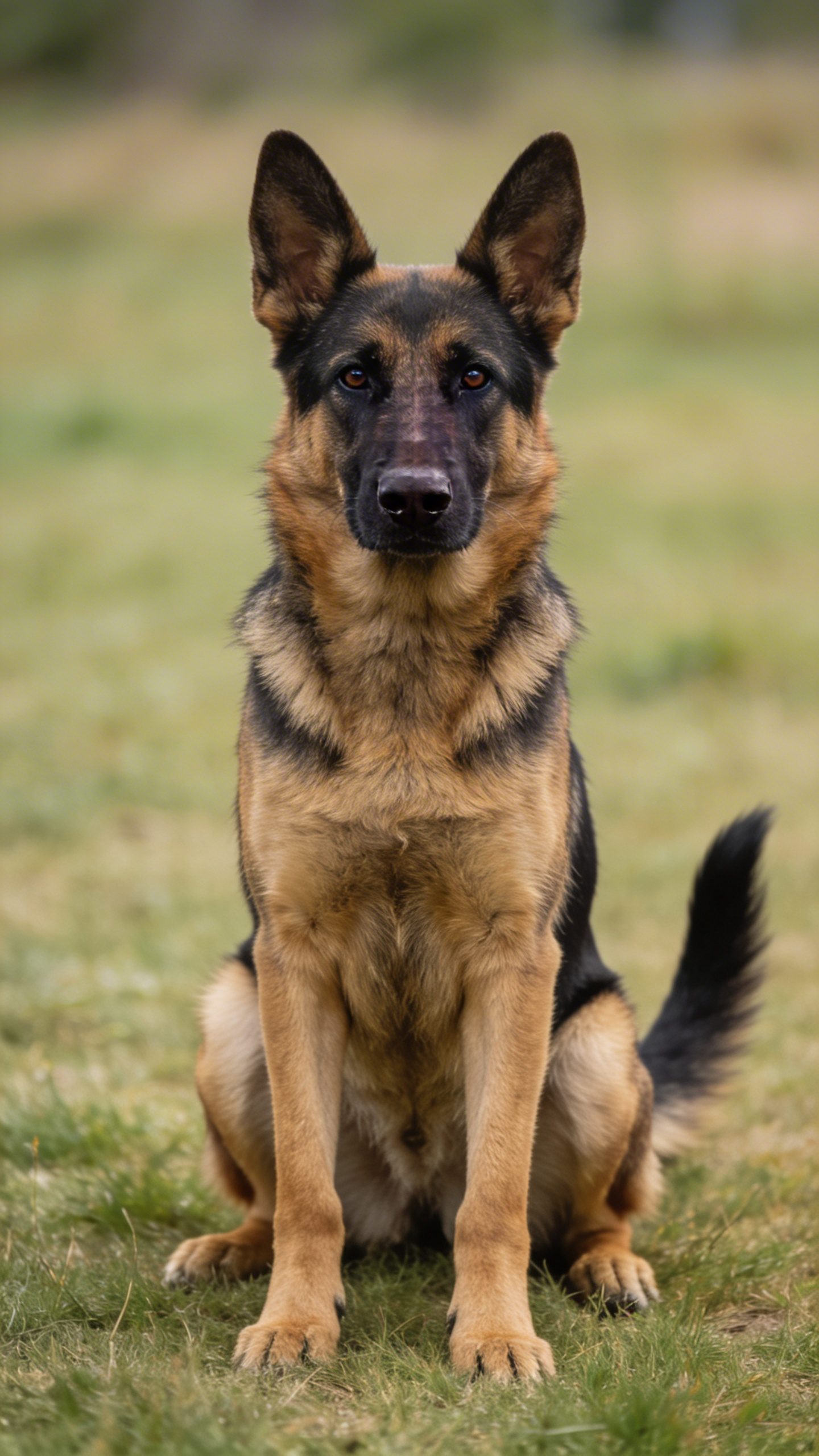
Let’s be real – you’re going to mess up. We all do. The most common mistake? Inconsistency. If “off” means get off the couch on Tuesday but you let them snuggle up there on Friday, your shepherd will call your bluff every time. Another trap is training only when you feel motivated. German Shepherds thrive on routine. Five minutes before breakfast every day beats an hour-long session whenever you remember. Set a phone reminder if you need to. Also, ditch the angry training vibes. Your dog can read your frustration better than you can hide it. If you’re getting annoyed, end on an easy win and come back later. Training should be fun, not a battle of wills.
Beyond the Basics: Keeping Your Shepherd Challenged
Here’s something they don’t tell you enough: German Shepherds get bored. Like, really bored. Once they master these seven commands, they’re ready for more. Otherwise, they’ll create their own entertainment, and trust me, you won’t love their ideas. Consider adding tricks, advanced obedience, or even sport training like agility or nose work. These dogs were bred to work 10-hour days. A quick walk and basic commands won’t cut it long-term. Mental exercise exhausts them faster than physical exercise. A 15-minute training session can tire them out more than a 30-minute walk. Mix both for a balanced, well-behaved shepherd.
Frequently Asked Questions
Can I really teach all seven commands in one week?
Yes, but with a caveat. Your German Shepherd will understand the basics of all seven commands within a week, but mastery takes longer. You’re building a foundation in seven days, not creating a perfectly polished performance dog. Expect to spend the following weeks reinforcing and proofing these commands in different environments and situations.
What if my German Shepherd is older – will this still work?
Absolutely. The “you can’t teach an old dog new tricks” thing is complete nonsense. Adult and senior German Shepherds actually have better focus than puppies and often learn faster. They might have some habits to unlearn, which takes patience, but age isn’t a barrier. I’ve seen 8-year-old shepherds pick up new commands in days.
My shepherd gets too excited during training and won’t focus. Help?
Burn off some energy before training sessions. A quick 10-minute play session or short walk can take the edge off that intense German Shepherd energy. Also, lower your energy during training. If you’re super hyped up, they’ll match it. Stay calm and reward calmness. Sometimes doing a few rapid-fire easy commands they already know helps them settle into “work mode.”
How do I know if I’m using enough treats or too many?
During the initial learning phase, reward every single success. We’re talking lots of treats, so use tiny pieces to avoid a chunky shepherd. As they get reliable with a command, switch to intermittent rewards – sometimes a treat, sometimes just praise, sometimes a toy. This actually makes the behavior stronger because they never know when the jackpot’s coming.
Should I use a clicker or just treats and praise?
Clickers can be super effective with German Shepherds because they provide precise timing and a consistent marker. That said, they’re not mandatory. Your voice works fine if you’re consistent with your timing and marker word (like “yes!”). Try both and see what clicks – pun intended – with your dog.
What if my German Shepherd knows a command at home but ignores it outside?
Welcome to the concept of “proofing.” Dogs don’t automatically generalize commands to new environments. Your living room and the park are completely different worlds to them. You need to re-teach each command in gradually more distracting environments. Start in your yard, then a quiet street, then busier areas. Think of it as leveling up in a video game.
Wrapping It Up
Training a German Shepherd doesn’t require some secret formula or expensive boot camp. It needs consistency, patience, and about 15 minutes a day of focused effort. These seven commands form the foundation of a well-behaved dog who’s actually enjoyable to live with instead of a furry tornado destroying your peace. Remember, German Shepherds want to work with you. They’re literally bred for partnership and cooperation. When training feels frustrating, it’s usually a communication problem, not a defiance problem. Stay consistent, keep sessions short and fun, and celebrate the small wins. Your coffee-knocking, over-enthusiastic shepherd can absolutely transform into a responsive, well-mannered companion in just one week. Then the real fun begins – watching your brilliant dog learn, grow, and become the amazing partner these dogs are meant to be. Now get off the couch and go teach your dog something. They’re probably staring at you right now anyway.