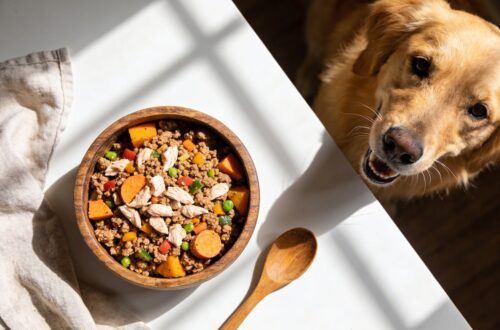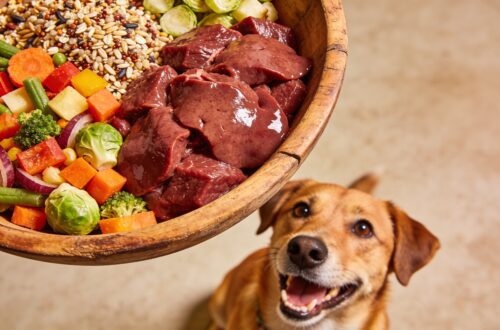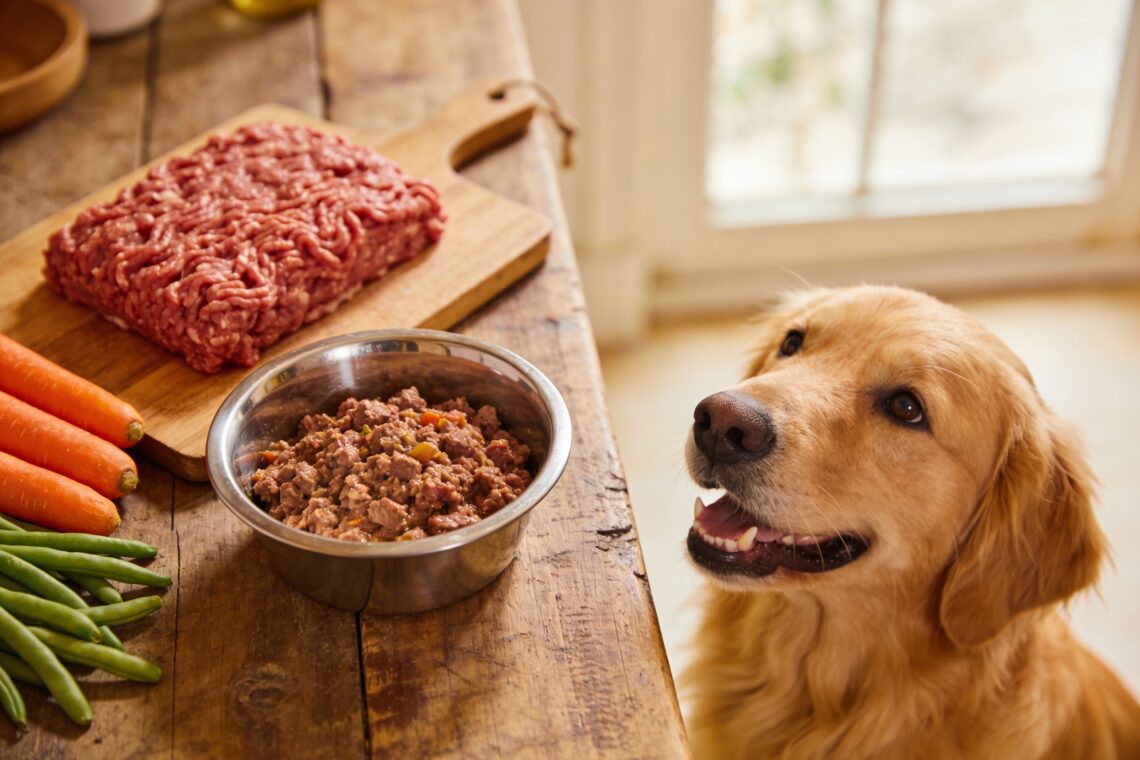
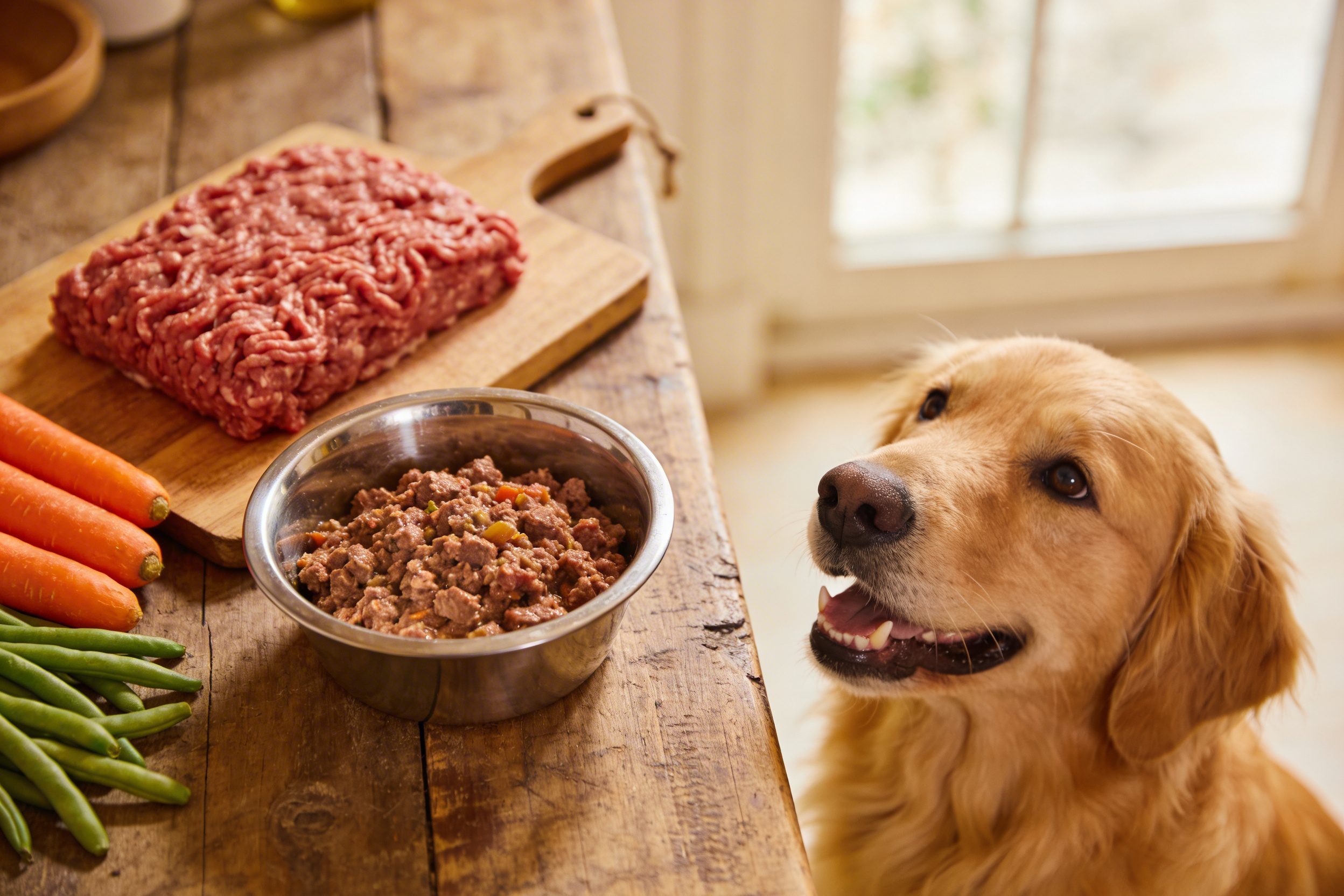
Your pup’s been giving you those pleading eyes every time you crack open that pricey Farmer’s Dog package, right? I get it—those fresh food delivery services are amazing, but they can seriously drain your wallet. Good news: you can whip up beef recipes that rival the real deal, and you won’t need to spend your entire evening doing it.
Why Your Wallet (and Your Dog) Will Thank You
Let’s talk numbers for a second. The Farmer’s Dog runs about $2-12 per day depending on your dog’s size. Do the math over a month, and you’re looking at potentially hundreds of dollars. Meanwhile, making these recipes at home? You’re probably spending a third of that, maybe even less if you buy ingredients in bulk. But here’s the real kicker—you actually know what’s going into your dog’s bowl. No mystery ingredients, no “natural flavors” that could mean literally anything. Just real, honest-to-goodness food that you’d probably eat yourself (though I wouldn’t recommend it for your own dinner). Plus, there’s something pretty satisfying about watching your furry friend demolish a meal you made with your own hands. It’s like being a chef, except your customer has four legs and way less refined table manners.
The Basic Formula That Changes Everything
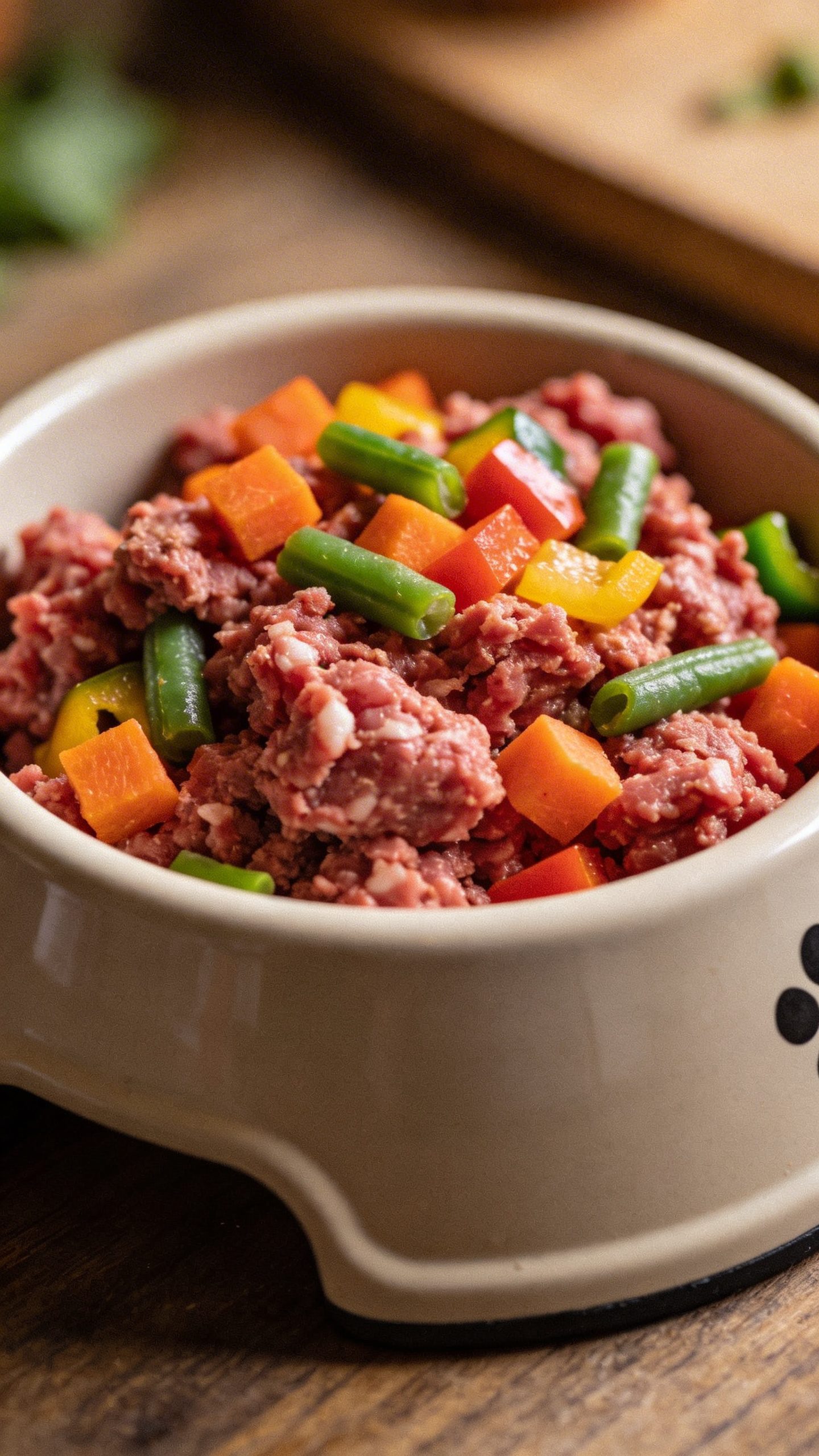
Before we dive into specific recipes, you need to understand the magic ratio. The Farmer’s Dog follows a pretty consistent formula, and once you crack it, you can customize endlessly. Here’s what you’re aiming for:
- 40-50% protein (that’s your beef)
- 30-40% carbohydrates (sweet potatoes, rice, or oats)
- 10-20% vegetables (carrots, peas, green beans)
- A small amount of healthy fats (fish oil or flaxseed oil)
This breakdown gives your dog everything they need: protein for muscles, carbs for energy, veggies for vitamins, and fats for that shiny coat. Simple, right?
Recipe #1: The Classic Ground Beef Bowl
This is your starter recipe—the one you’ll probably make most often because it’s ridiculously easy. I’m talking throw-it-all-in-one-pot easy. Start with one pound of lean ground beef (85/15 works great). Brown it in a large pot, breaking it up as you go. Don’t drain all the fat—your dog actually needs some of it, and it makes the food way more appealing. Toss in two cups of diced sweet potato, one cup of chopped carrots, and half a cup of peas. Add enough water to cover everything, bring it to a boil, then let it simmer for about 20 minutes until the sweet potatoes are fork-tender. Let it cool completely before serving. FYI, you can batch this and freeze portions in containers for easy grab-and-go meals throughout the week.
Recipe #2: The Beefy Rice and Veggie Mix
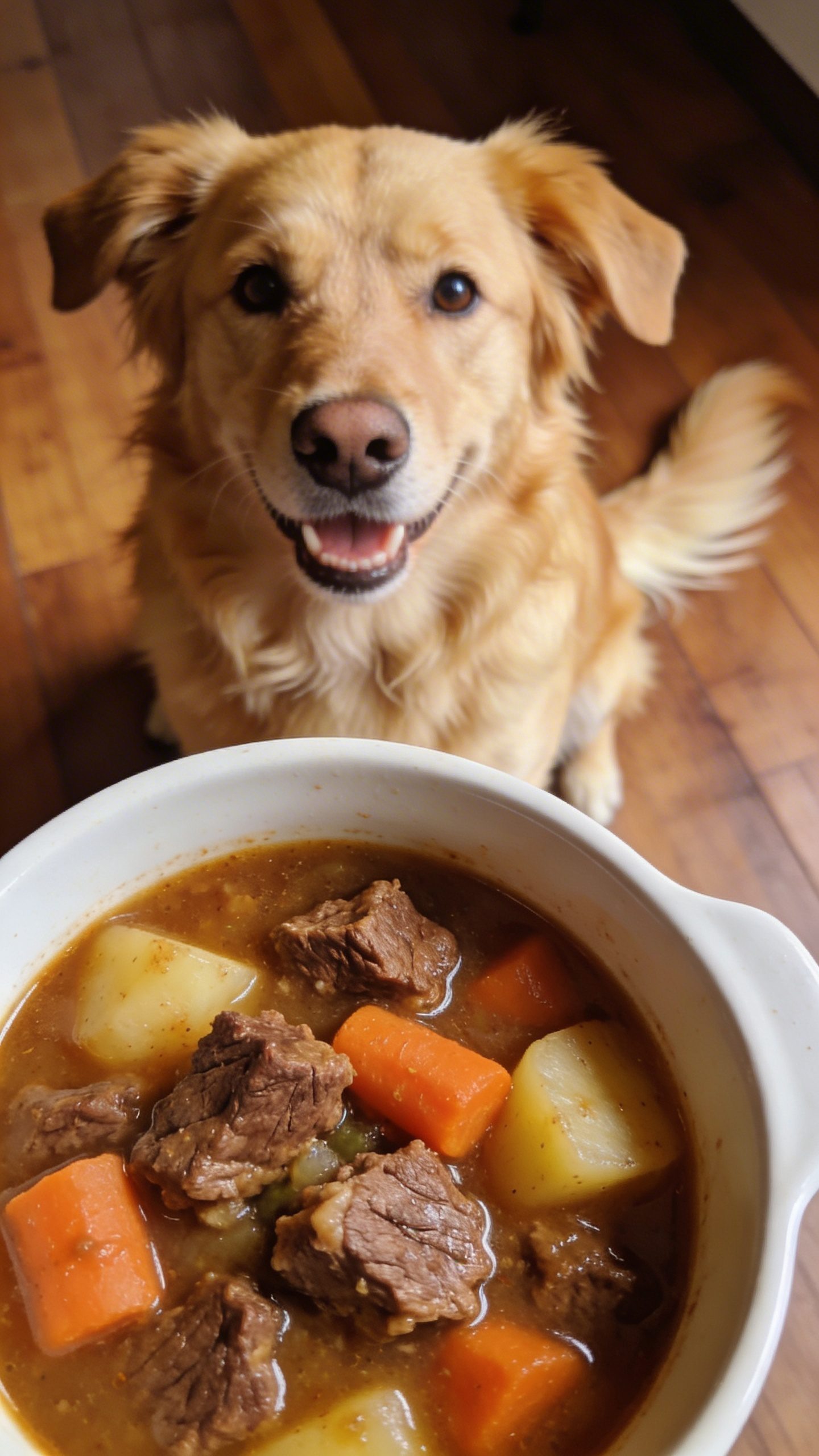
Some dogs do better with rice than sweet potatoes (looking at you, sensitive stomachs). This recipe swaps things up while keeping prep time under 30 minutes. Cook one cup of brown rice according to package directions—or cheat and use a rice cooker while you handle everything else. Brown one pound of ground beef in a skillet, then add a cup of chopped spinach, half a cup of green beans, and a diced zucchini. Once the veggies soften, mix in your cooked rice and add a tablespoon of fish oil. That’s it. Your dog just scored a balanced meal, and you still have time to watch your favorite show.
Recipe #3: Chunky Beef Stew Style
If your dog prefers something with more texture (mine goes absolutely nuts for chunks), this one’s a winner. Cut one pound of beef stew meat into bite-sized pieces appropriate for your dog’s size. Sear them quickly in a pot with a tiny bit of olive oil. Add three cups of low-sodium beef broth, two diced sweet potatoes, one cup of butternut squash chunks, and a handful of chopped kale. Let everything simmer for 25 minutes. The beef gets tender, the veggies get soft, and your house smells amazing. Bonus: your dog will probably start drooling before you even finish cooking.
Recipe #4: The Quick Scramble
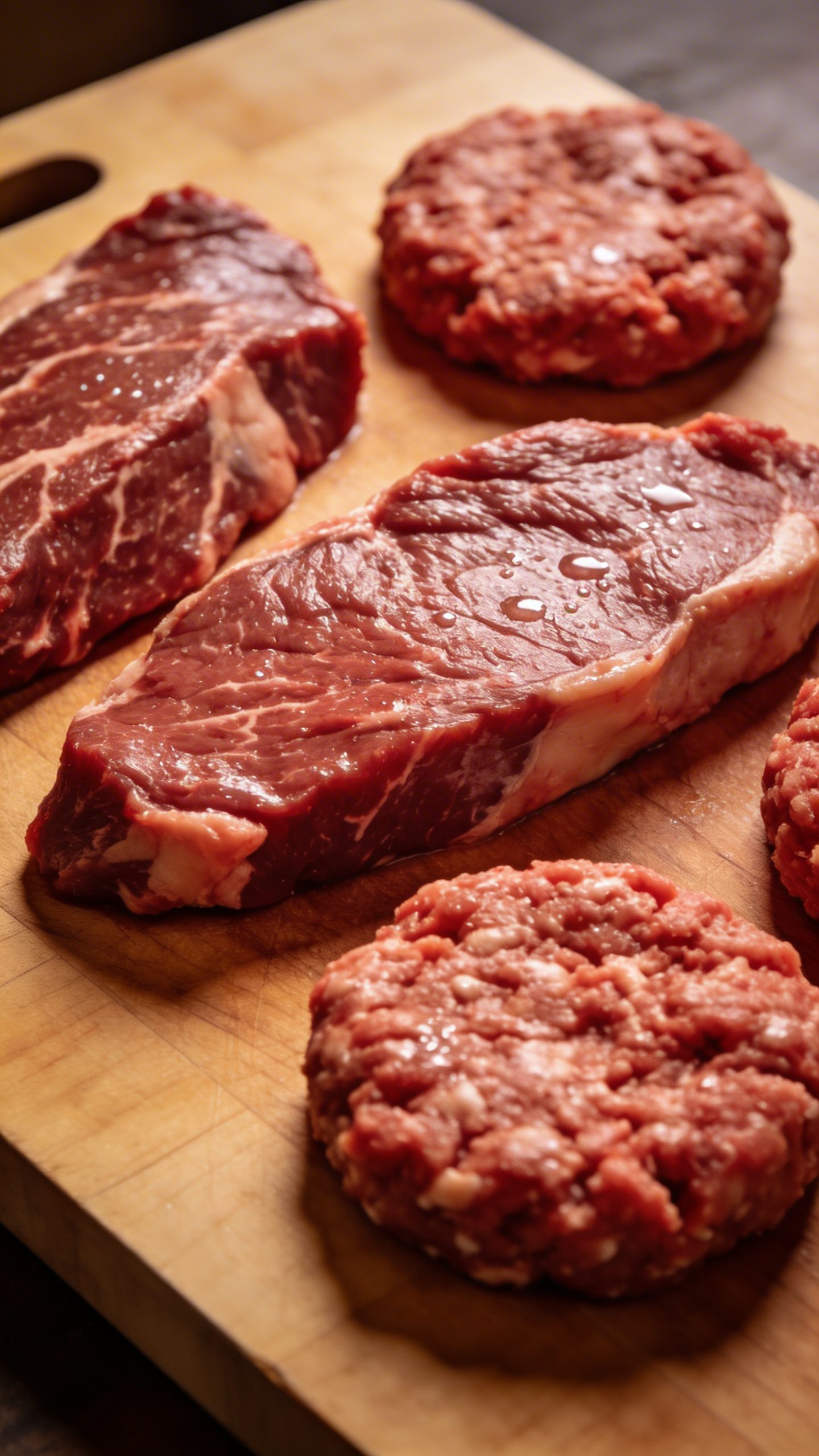
Running super late? This recipe takes literally 15 minutes, and dogs absolutely love it. Brown three-quarters of a pound of ground beef. While that’s cooking, microwave a sweet potato for 5 minutes until soft. Mash it up (skin and all—that’s where the fiber lives). Scramble two eggs in with the beef, then mix in the mashed sweet potato and a handful of frozen mixed veggies. The eggs add extra protein and make the texture super appealing. IMO, this is the perfect recipe for those mornings when you forgot to meal prep.
Recipe #5: Beef and Oatmeal Comfort Bowl
Oatmeal isn’t just for humans having a midlife health crisis. Dogs can benefit from the fiber and it’s incredibly gentle on digestion. Cook one cup of plain oatmeal (not the flavored packets—those are loaded with sugar). Brown one pound of lean ground beef, then mix in the cooked oatmeal, a cup of finely chopped carrots, half a cup of blueberries, and a tablespoon of ground flaxseed. The blueberries add antioxidants and a little sweetness dogs love. Just make sure they’re mixed in well so your pup doesn’t pick them out like a toddler avoiding vegetables.
Recipes #6 & #7: The Two-for-One Special
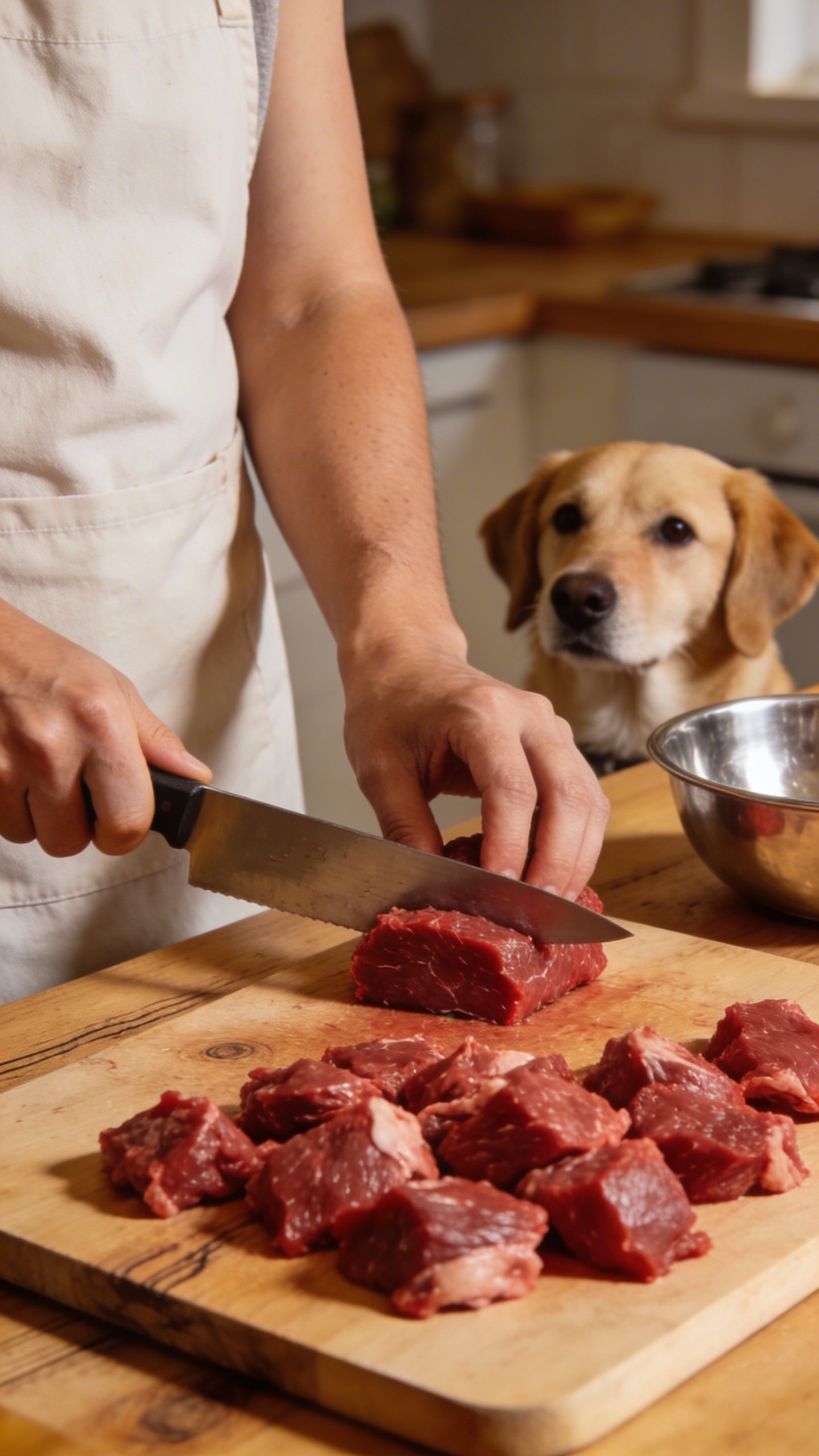
Beef and Quinoa Power Bowl
For the overachieving dog parent, quinoa brings complete protein to the party. Cook one cup of quinoa, brown one pound of ground beef, and mix with diced bell peppers, shredded carrots, and a bit of cottage cheese for calcium.
Simple Beef and Potato Hash
Dice two large russet potatoes and one pound of beef into small cubes. Cook them together in a large skillet with chopped green beans and a splash of bone broth. Done in 25 minutes flat, and it’ll keep your dog satisfied for hours.
Storage and Serving Tips That Actually Matter
Okay, so you’ve cooked up a storm. Now what? Let everything cool completely before portioning it out—serving hot food can burn your dog’s mouth and nobody wants that. Divide meals into containers based on your dog’s daily caloric needs (check with your vet if you’re not sure). Most medium-sized dogs need about 2-3 cups per day, split between meals. Store what you’ll use within three days in the fridge. Freeze the rest in individual portions. Those cheap meal prep containers from the dollar store work perfectly for this. Label them with dates because future you will definitely not remember when you made what.
Frequently Asked Questions
Can I substitute ground turkey or chicken for beef?
Absolutely! The recipes work with any ground meat. Just keep in mind that turkey and chicken are leaner, so you might want to add a touch more healthy fat like coconut oil or salmon oil. The cooking time stays the same, and your dog probably won’t even notice the difference.
Do I need to add supplements to homemade dog food?
This is where you really should chat with your vet. For occasional meals or rotating with commercial food, these recipes are great as-is. If you’re going 100% homemade long-term, you’ll likely need to add a calcium supplement and possibly a multivitamin to ensure complete nutrition. Every dog is different, so professional guidance matters here.
How do I know if my dog is getting the right portion size?
Watch your dog’s body condition over a few weeks. You should be able to feel their ribs easily but not see them prominently. If they’re gaining weight, reduce portions slightly. Losing weight? Bump it up. Most dogs need about 25-30 calories per pound of body weight daily, but active dogs need more and couch potatoes need less.
Can puppies eat these recipes?
Puppies have different nutritional needs than adult dogs—they need more protein, fat, and calcium for growth. While these recipes won’t hurt a puppy occasionally, you shouldn’t use them as a complete diet without modifying the ratios and adding proper supplements. Stick with puppy-formulated food until they’re fully grown, then transition to homemade if you want.
What vegetables should I avoid?
Good question! Skip onions, garlic, grapes, raisins, and avocados—these are toxic to dogs. Also avoid corn (it’s hard to digest and has minimal nutritional value) and raw potatoes. Stick with dog-safe veggies like carrots, sweet potatoes, green beans, peas, zucchini, and spinach.
How long does homemade dog food last in the freezer?
You’ve got about 2-3 months in the freezer before quality starts declining. Use freezer-safe containers and squeeze out as much air as possible to prevent freezer burn. Thaw portions in the fridge overnight, never on the counter where bacteria can party.
Making the Switch Without Drama
Don’t just swap your dog’s food overnight unless you enjoy cleaning up digestive disasters. Transition gradually over 7-10 days, mixing increasing amounts of homemade food with their current food. Start with 25% homemade, 75% their regular food for a few days. Then go 50/50, then 75/25, and finally 100% homemade. This gives their digestive system time to adjust and helps you spot any sensitivity issues before they become major problems. Watch for changes in energy, coat quality, and yes, poop consistency (welcome to dog parenting). Good homemade food should result in smaller, firmer poops because your dog is actually using most of what they’re eating instead of pooping out fillers and junk. Your dog deserves real food, and you deserve to not go broke providing it. These recipes give you both—quality nutrition without the premium price tag or hours of cooking time. Your pup will be doing happy dances at mealtime, and your bank account will finally stop crying. That’s what I call a win-win.