

So you’re thinking about getting a Goldendoodle? Those adorable teddy bear-looking pups with the perfect Instagram aesthetic? Before you put down that deposit, let me hit you with some real talk from owners who’ve been in the trenches. These fluffy bundles of joy come with some surprises that breeders conveniently forget to mention.
They’re Not Actually Hypoallergenic (Sorry to Burst Your Bubble)

Let’s tackle the biggest myth right off the bat. You know that whole “hypoallergenic dog” pitch that probably got you interested in the first place? Yeah, about that. No dog is truly 100% hypoallergenic, and Goldendoodles are no exception. Goldendoodles can inherit more Golden Retriever genes than Poodle genes, which means they might shed more than you bargained for. Some Goldendoodles shed like crazy, while others barely leave a hair behind. It’s basically a genetic lottery, and you won’t know what you’re getting until your puppy grows up. If you have severe allergies, don’t assume a Goldendoodle will solve your problems. Spend time with the specific puppy you’re considering before committing. Better yet, hang out with the parents if possible to get an idea of what you’re in for.
The Grooming Bills Will Make Your Wallet Cry
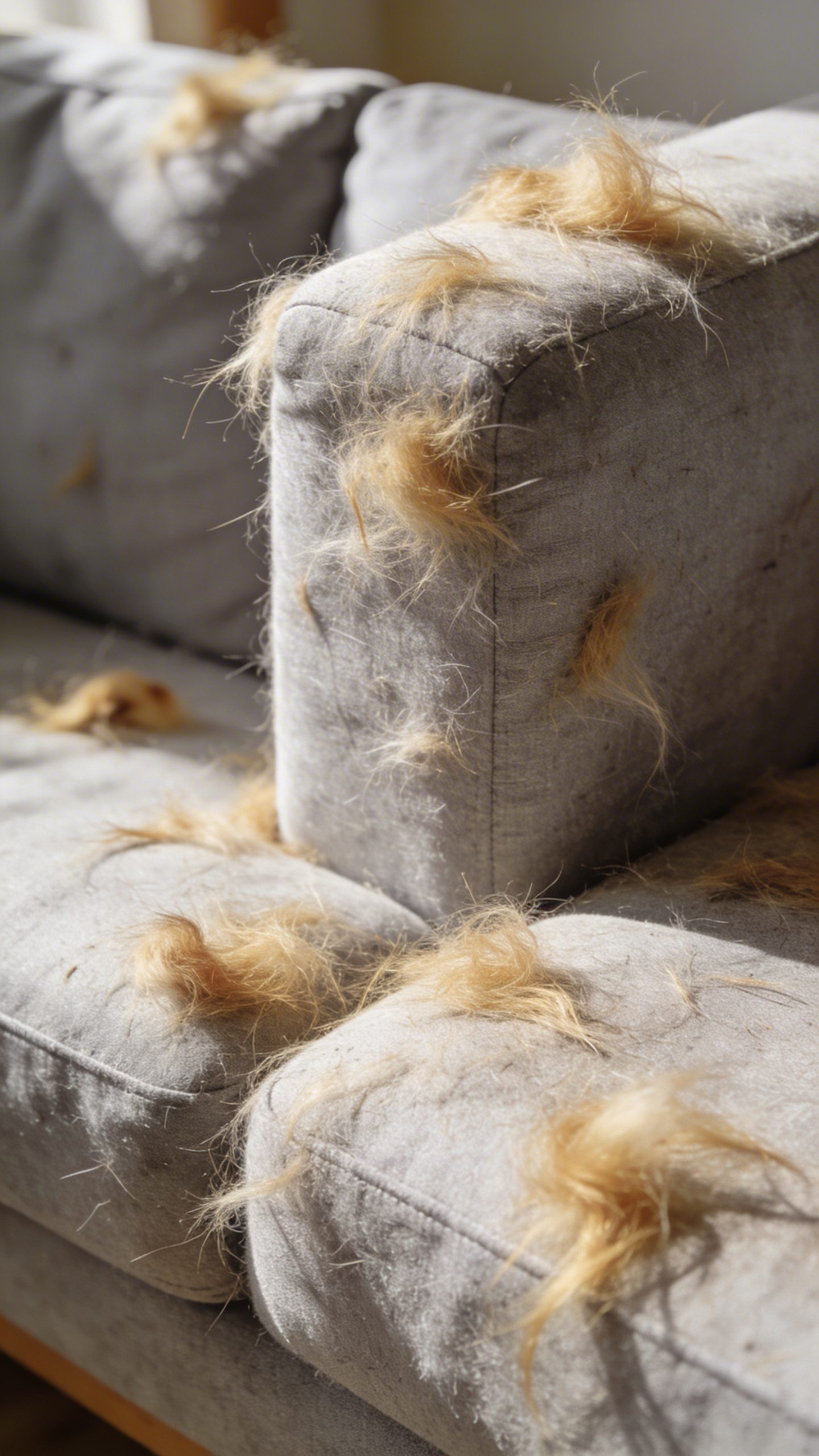
Think regular haircuts are expensive? Try grooming a Goldendoodle every 6-8 weeks. Professional grooming sessions typically cost between $75-150, depending on your location and your dog’s size.
The DIY Route Isn’t Much Cheaper
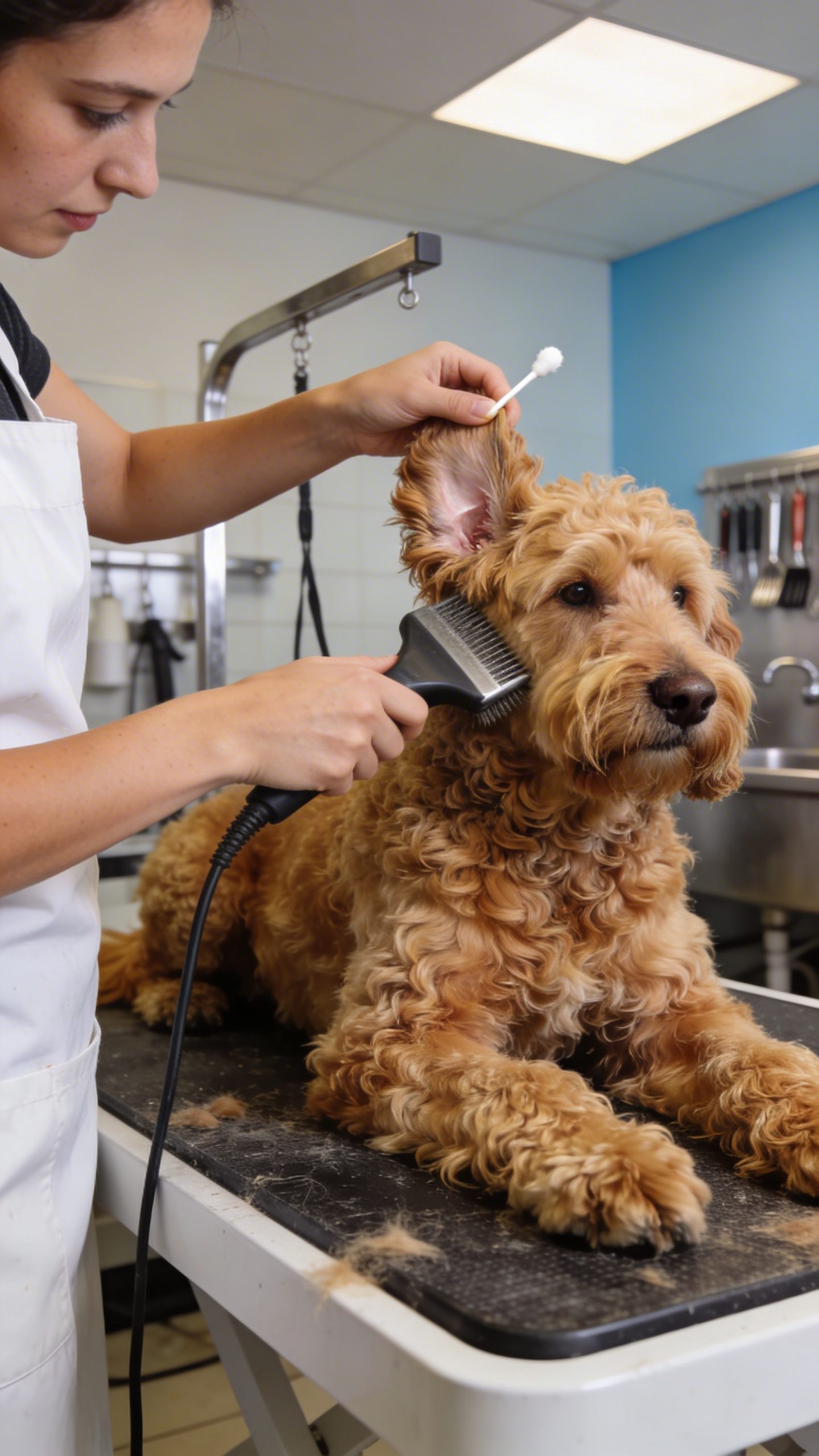
Sure, you could groom them yourself, but you’ll need to invest in quality clippers, scissors, brushes, and actually know what you’re doing. Plus, daily brushing isn’t optional unless you want your pup to turn into one giant mat. Here’s what regular Goldendoodle maintenance looks like:
- Daily brushing sessions (10-15 minutes minimum)
- Professional grooming every 6-8 weeks
- Regular nail trims
- Ear cleaning to prevent infections
- Sanitary trims between grooming appointments
Skip the brushing for a few days, and you’ll be dealing with painful mats that might require shaving your dog down completely. Not exactly the fluffy look you were going for, right?
Energy Levels That Put Toddlers to Shame
Remember those cute videos of Goldendoodles lounging adorably on couches? That’s about 20% of their day. The other 80%? Pure chaos. Goldendoodles need at least 60-90 minutes of exercise daily, and we’re not talking about a leisurely stroll around the block. These dogs want to run, play fetch, swim, and generally exhaust you before they even think about settling down.
Mental Stimulation Is Just As Important
A tired Goldendoodle is a good Goldendoodle, but physical exercise alone won’t cut it. These smart cookies need mental challenges too, or they’ll create their own entertainment. Spoiler alert: you won’t like their creative choices. Puzzle toys, training sessions, and interactive games should be part of your daily routine. Otherwise, say goodbye to your favorite shoes, couch cushions, and probably some drywall.
They’re Velcro Dogs (Hope You Like Company)

Privacy? Never heard of her. Goldendoodles take the term “man’s best friend” to clingy new heights. These dogs will follow you everywhere, including the bathroom. Yes, everywhere. This adorable trait has a dark side called separation anxiety. Many Goldendoodles struggle when left alone and can become destructive, vocal, or stressed. If you work long hours away from home, a Goldendoodle might not be your ideal match. You’ll need to actively train them to be comfortable alone, starting from day one. Crate training, gradual alone-time practice, and creating positive associations with your departures are all essential. FYI, this takes months of consistent effort.
Health Issues Nobody Warns You About
Mixed breeds are supposed to be healthier than purebreds, right? Well, yes and no. Goldendoodles can inherit health problems from both parent breeds, effectively doubling your potential issues.
Common Health Concerns Include:
- Hip dysplasia – expensive to treat and painful for your pup
- Progressive retinal atrophy – can lead to blindness
- Von Willebrand’s disease – a blood clotting disorder
- Sebaceous adenitis – a skin condition affecting the hair follicles
- Ear infections – those floppy ears trap moisture like nobody’s business
Pet insurance isn’t optional with these dogs; it’s a survival strategy. Vet bills can pile up fast, especially if your Goldendoodle wins the bad genetics lottery.
The “Doodle” Premium Is Real
Let’s talk about the elephant in the room: Goldendoodles typically cost between $1,500-$3,000 from a breeder. Some charge even more for specific colors or sizes. That’s a lot of money for what’s technically a mixed breed. And that’s just the initial cost. Factor in:
- Grooming expenses ($900-$1,800 annually)
- High-quality food ($600-$1,200 annually)
- Vet visits and preventative care ($500-$1,000+ annually)
- Pet insurance ($400-$800 annually)
- Toys, beds, and supplies that they’ll destroy ($200-$500 annually)
You’re looking at roughly $3,000-$5,000 per year to keep your Goldendoodle happy and healthy. IMO, people seriously underestimate the ongoing costs.
Not All Breeders Are Created Equal
The Goldendoodle craze has attracted some pretty sketchy breeders. Since these aren’t recognized by major kennel clubs, there’s no real breeding standard or oversight. Reputable breeders will perform health testing on parent dogs, provide health guarantees, and let you meet the parents. Backyard breeders and puppy mills? Not so much. They’re just churning out puppies for profit without caring about health or temperament. Red flags to watch for:
- Multiple “designer breed” litters available at once
- No health testing documentation
- Won’t let you visit or meet the parents
- Selling puppies younger than 8 weeks
- No questions about your lifestyle or experience
Do your homework, ask for references, and don’t let those puppy dog eyes cloud your judgment.
Frequently Asked Questions
Are Goldendoodles good with kids?
Generally, yes! Goldendoodles typically inherit the friendly, patient temperament of both parent breeds. However, their high energy and size (especially standard Goldendoodles) can accidentally knock over small children. Early socialization and training are crucial to ensure they learn appropriate behavior around kids. Remember, no dog is automatically good with children without proper training and supervision.
How big do Goldendoodles actually get?
It depends on which size Poodle parent was used. Miniature Goldendoodles typically weigh 15-35 pounds, medium ones hit 35-50 pounds, and standard Goldendoodles can reach 50-90 pounds. Keep in mind that predicting adult size is tricky with mixed breeds. That “miniature” puppy might surprise you by growing into a medium-sized dog.
Can I leave a Goldendoodle alone during work hours?
Technically yes, but it requires serious preparation and training. Adult Goldendoodles can typically handle 4-6 hours alone after proper conditioning, but puppies need much more frequent attention. You’ll need to work up to longer absences gradually, provide mental stimulation through puzzle toys, and possibly consider doggy daycare or a dog walker. Leaving an untrained Goldendoodle alone for 8+ hours is asking for trouble.
Do Goldendoodles bark a lot?
It varies by individual dog, but Goldendoodles can be vocal, especially if they inherit the Poodle’s alertness. They’ll bark at strangers, weird noises, or when they’re bored and seeking attention. Proper training and adequate exercise can minimize excessive barking, but you probably won’t have a completely silent dog. If you live in an apartment with thin walls, this is worth considering.
What generation Goldendoodle is best?
F1 Goldendoodles (50% Golden Retriever, 50% Poodle) tend to be healthier due to hybrid vigor but may shed more. F1B Goldendoodles (75% Poodle, 25% Golden Retriever) typically shed less but might cost more. There’s no universally “best” generation—it depends on your priorities regarding shedding, appearance, and temperament. Talk to breeders about their specific dogs’ traits rather than just focusing on generation labels.
Are Goldendoodles easy to train?
Both parent breeds are intelligent and people-pleasing, which should make training easier, right? Well, they’re smart enough to learn quickly but also smart enough to test boundaries. They respond best to positive reinforcement training and can get stubborn or sensitive with harsh corrections. Consistency is absolutely key. Start training early, stay patient, and consider professional obedience classes for best results.
Final Thoughts
Look, Goldendoodles are genuinely wonderful dogs. They’re affectionate, playful, and yes, ridiculously cute. But they’re not the low-maintenance, perfect-for-everyone dogs that Instagram makes them out to be. These pups demand serious time, money, and energy commitments. They need owners who can keep up with their exercise requirements, afford ongoing grooming and healthcare, and handle their clingy personalities. If you’re prepared for the reality behind the fluff, a Goldendoodle can be an amazing addition to your family. Just go in with your eyes wide open and your wallet ready.