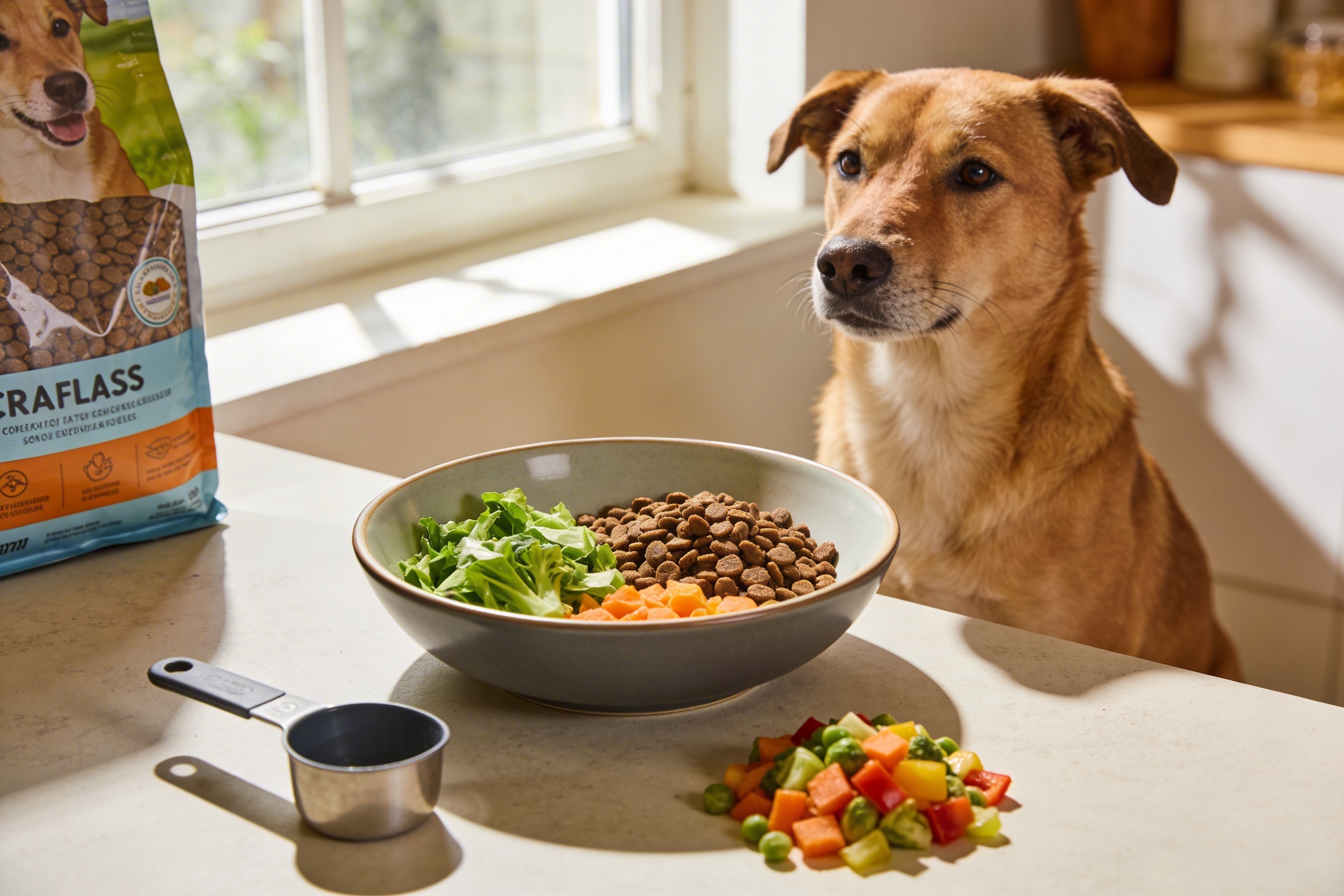
If you’ve ever stared at a dog’s bowl and wondered, “Is this too much, or not enough?” you’re not alone. Feeding a pup without turning mealtime into a math test is possible. You just need a simple, stress-free guide that fits a busy life. Let’s cut the guesswork and get you back to more important things, like chasing your dog out of the kitchen with a leash of dignity.
How much should I feed my dog daily? The quick answer
Your dog’s daily food needs depend on three big things: weight, age, and activity level. It’s not just “dog eats X cups,” because every dog is a snowflake—slightly different and oddly specific. Start with the feeding guidelines on the bag as a baseline, then tune up or down from there. FYI, adjustments are normal as metabolism, weather, or routine shifts. – Use the bag’s recommended range as a starting point. – Look at your dog’s body condition and adjust by about 10-15% at a time. – Consider split meals if your pup gets too snacky or stares longingly at your dinner.
Reading the signs: how to know if your dog is getting the right amount
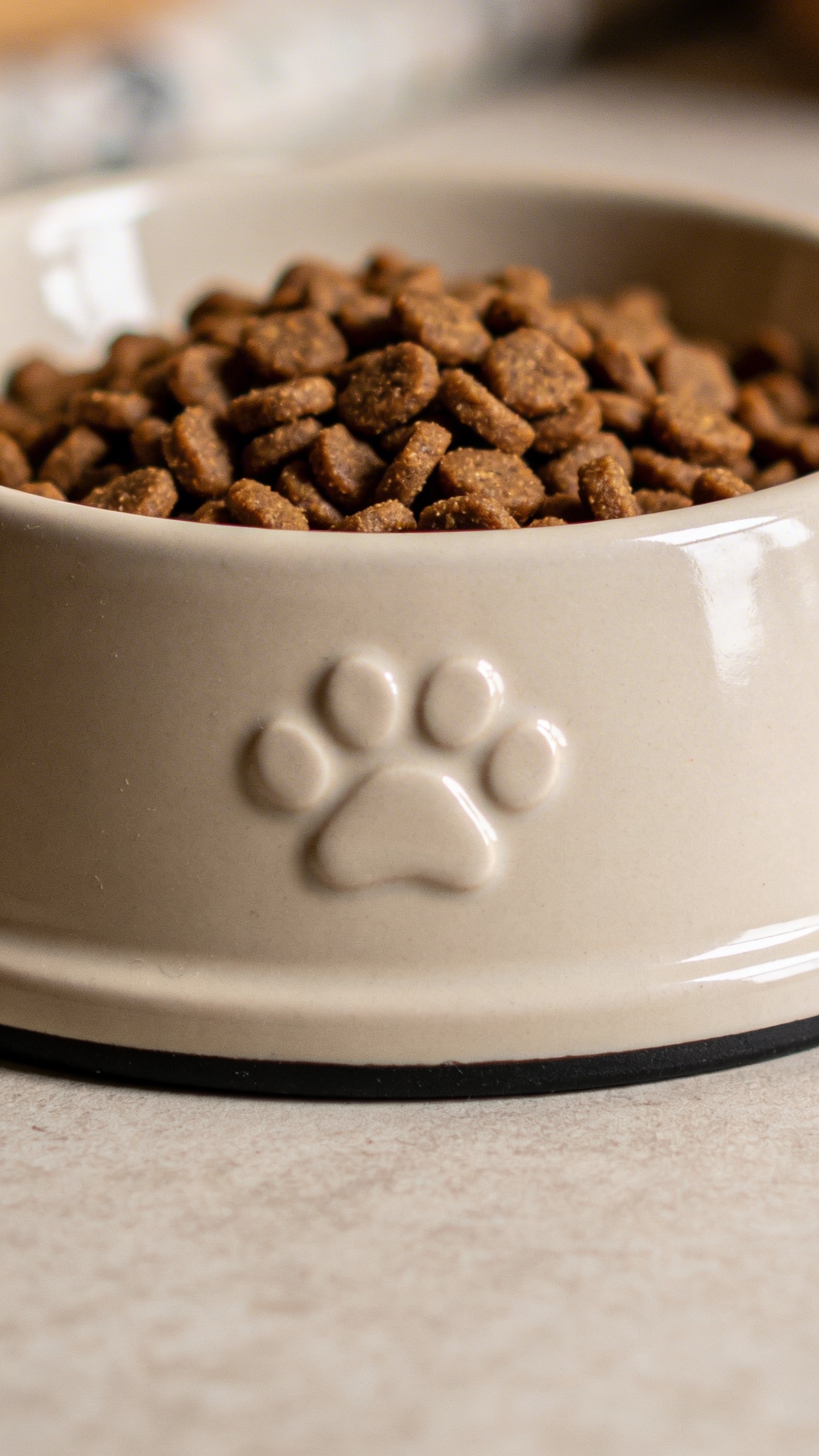
Feeding is part art, part science, and mostly watching your pup. Here are the signs to watch for without turning mealtime into a full-time job.
- Stealing food? That’s a red flag for underfilling or too much table scraps.
- Ribs and waist disappearing? You may need more calories.
- Constant begging, begging, and more begging? You’re either doing it wrong or your pup has a stealth snack habit.
- Low energy or lethargy? Could be underfed, but also could be something else—call your vet if it persists.
- Gaining weight? Cut back a little and increase activity.
Crafting a simple daily feeding plan for busy owners
When life is a blur of meetings, school runs, and “reply-all” disasters, you need a plan that sticks. Here’s a straightforward approach.
- Pick a daily total: Use the bag guidance as a baseline, then decide if you’ll split into two meals or keep it to one.
- Set a routine: Consistency beats chaos. Feed at the same times each day, even on weekends.
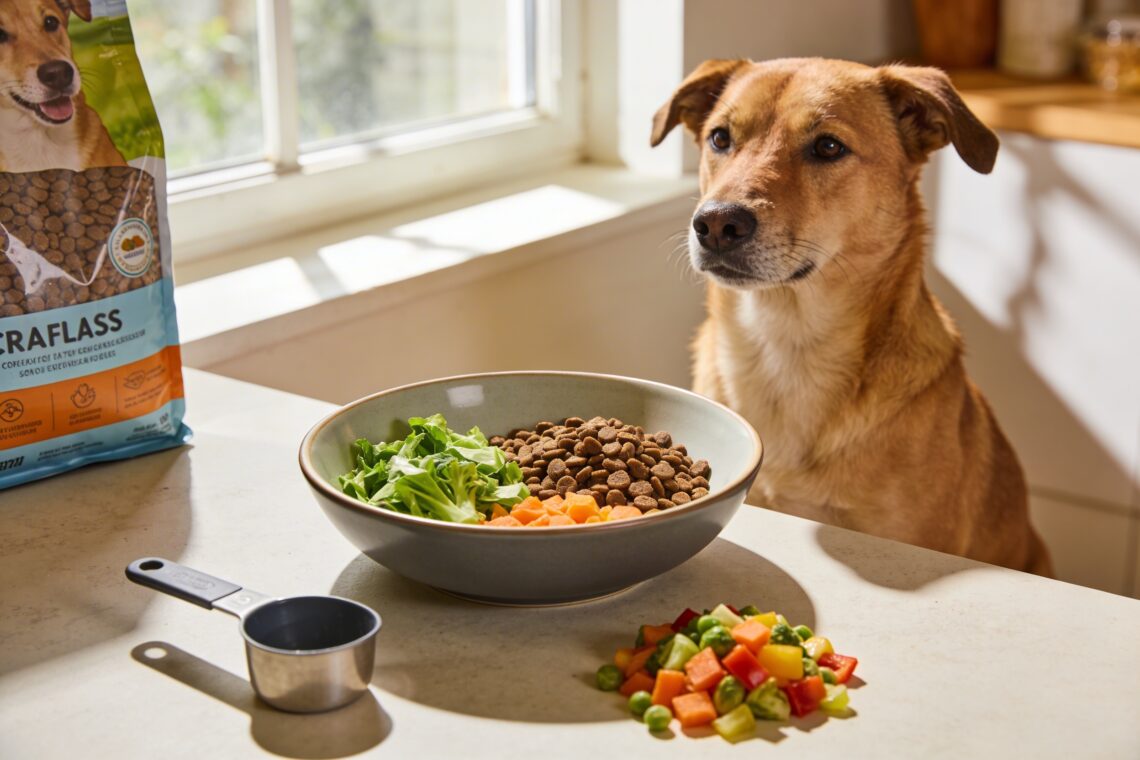
- Measure, don’t guess: Use a proper measuring cup or scale. No more “eyeballing it” catastrophes.
- Adjust in small increments: If your dog looks too thin or too round after a couple of weeks, tweak by 10-15%.
- Reassess with seasonal changes: Winter you might need more due to warmth and movement indoors; summer, less if they’re hiking less.
Two common feeding routines you can steal today
- Two meals a day: Morning and evening. Keeps energy steady and helps with digestion.
- One big meal for small dogs, two for large dogs: Some tiny breeds do great with a single daily portion, but others do better with a small midday snack to avoid bloat risk in deep-chested dogs.
Choosing the right food: wet vs dry, and everything in between
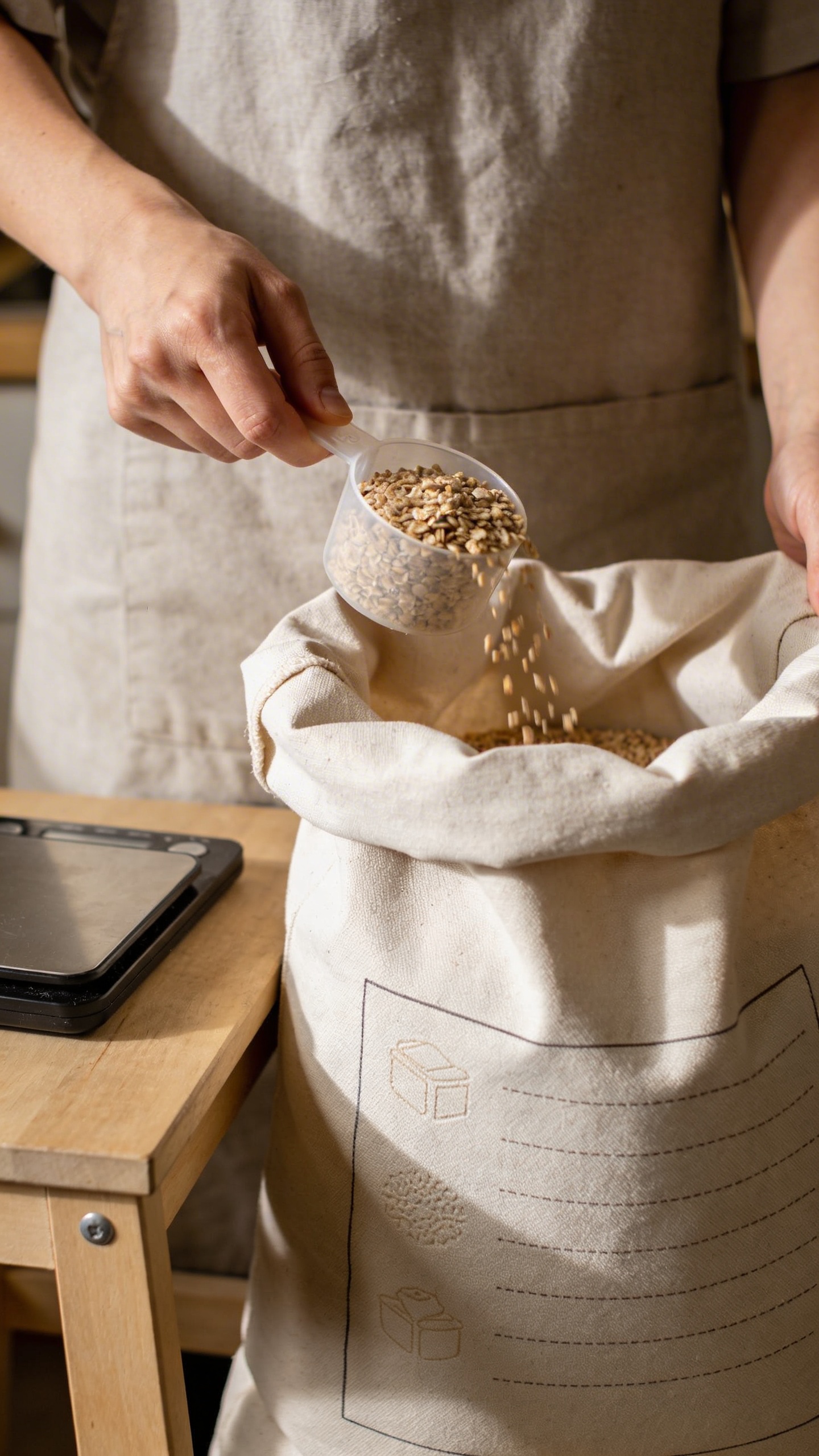
Food choice matters more than most people realize. It’s not just flavor; it’s calories, nutrients, and how full your dog feels.
- Dry kibble is convenient, shelf-stable, and easy to measure. It also helps with dental health to some extent.
- Wet food can be more palatable and provides hydration, but it’s usually more expensive per calorie and spoons out faster.
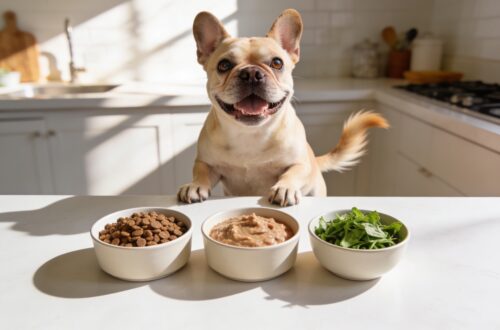
- Combos work: Some pups do best with a mix—more flavor enthusiasm, less stomach drama.
- Look for complete and balanced life-stage formulas: puppies, adults, and seniors have different needs.
- Watch for fillers and artificial stuff: your pup doesn’t need a chemistry project at every meal.
How to tell if your dog’s food is actually good for them
– Check the nutrition label: AAFCO statement confirms the food is complete and balanced for your dog’s life stage. – First five ingredients matter: Aim for high-quality animal protein as the top ingredient. – Digestibility matters: If your dog’s stool changes a lot, consider a different formula or brand with better ingredients. – Bonus sign: shiny coat, steady energy, and small, firm stools.
Managing weight and energy without turning mealtime into a math class
We all want a fit pup, but we don’t want to turn the kitchen into a lab. Here’s how to keep things simple.
- Use a target body condition score: You should be able to feel ribs with a light touch (not see them like a skeleton in a cartoon).
- Balance calories with activity: More walks, more treats, more calories. It’s a simple economy: calories in vs. calories burned.
- Treats count, too: Treat calories can add up fast. Convert treat calories into meal adjustments.
- Seasonal shifts: Cooler months often mean more calories are needed for energy; summer demands can drop a bit due to activity patterns.
Smart snack habits for busy owners
– Use low-calorie treats or fresh veggies when appropriate (carrots, green beans; check with your vet). – Reserve high-calorie goodies for training rewards or rare indulgences rather than daily grazing. – Consider puzzle feeders to slow eating and provide mental stimulation.
Special cases: puppies, seniors, and dogs with health concerns
No one wants to mess up a growing pup or a delicate senior. Here’s how to handle special stages and conditions without overthinking it.
- Puppies: They need more calories per pound and frequent meals. Use a puppy-specific formula and feed 3-4 times per day until about 6 months, then transition to fewer meals as directed by your vet.
- Seniors: They typically require fewer calories but higher fiber or joint-support ingredients. Monitor weight and adjust as activity declines.
- Health issues: Diabetes, kidney disease, allergies, or GI sensitivities demand a tailored approach. Work with a vet to pick the right diet.
When to switch foods
– If you notice digestive upset that lasts more than a day or two, it’s time to revisit food choice. – A sudden weight change is a red flag—talk to your vet before changing portions drastically. – If your dog loses interest in meals, it could be health or boredom; consider a gentle switch to a more palatable option after vet approval.
Feeding on the go: when you’re overwhelmed or traveling
Busy life plus a hungry dog is a recipe for chaos. Here’s how to stay sane.
- Pre-measured portions: Pack daily portions into labeled containers or bags so you don’t have to measure on the fly.
- Automated feeders: Great for two-meal schedules or when you’re away. Just make sure to test them at home first to avoid weekend chaos.
- Travel snacks: Small, non-perishable options can save you when you’re running between airports or car rides with a clingy pup.
Tips for vacation mode
– Maintain a routine as much as possible; dogs crave consistency. – Bring familiar food to avoid tummy troubles. – If you must switch foods temporarily, do it gradually over 7-10 days to minimize GI upset.
Putting it all together: your stress-free feeding plan
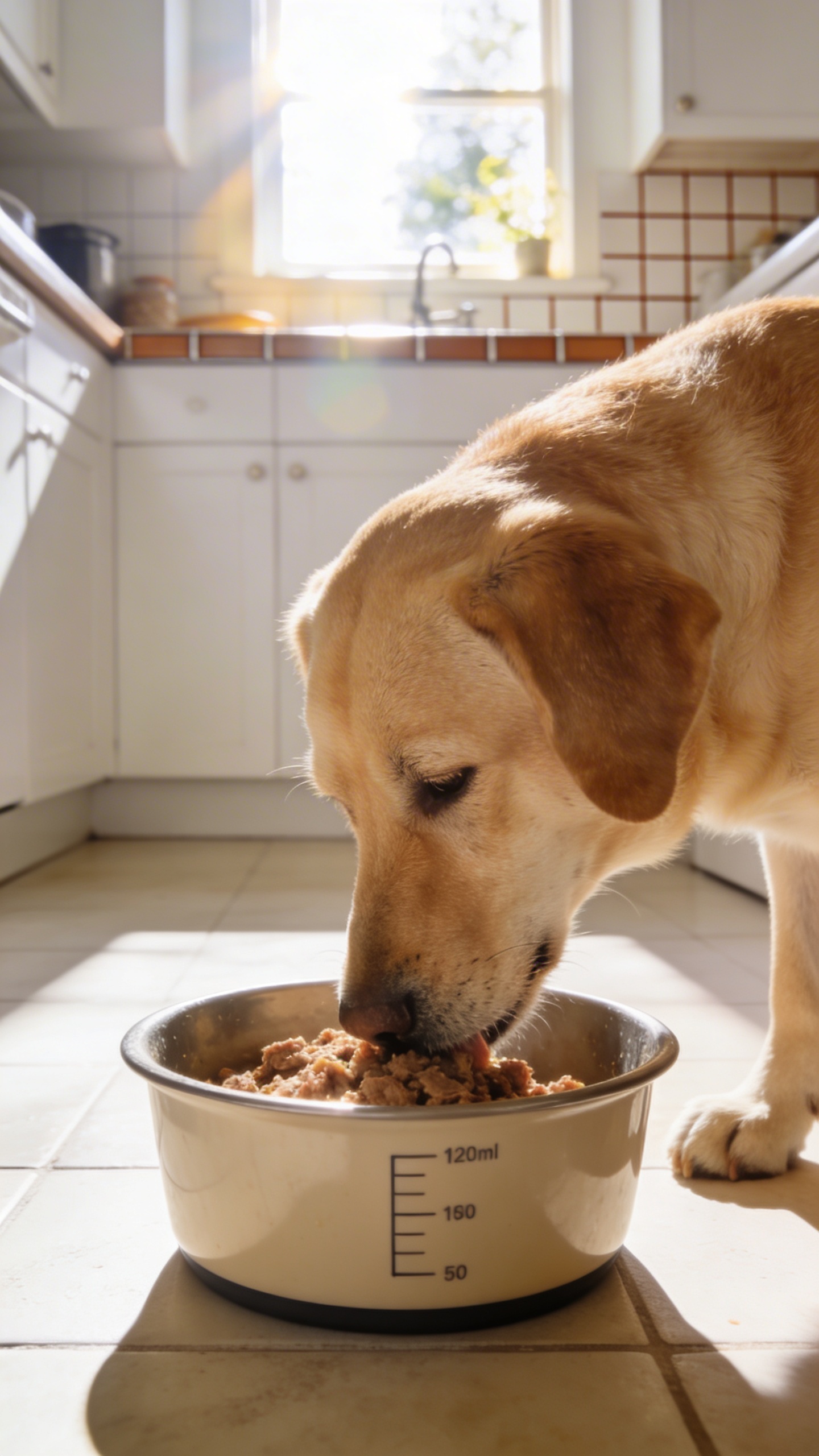
Let’s stitch together a plan you can actually follow.
- Start with the bag’s guideline for daily calories and split into two meals (morning and evening) if your dog tolerates that well.
- Measure portions with a proper tool and log in a note or app at the end of each week to spot trends.
- Adjust by small increments based on body condition and happiness: aim for a calm, well-fed dog with regular stools.
- Keep treats practical: use them for training rather than constant grazing to prevent calorie creep.
Common pitfalls to avoid
- Overfeeding due to assumptions about “they’re growing” or “they’re active.” Growth spurts aren’t endless, and calories still count.
- Relying on free-feeding (leaving food out all day). It can lead to overeating and weight gain.
- Switching foods too abruptly. If you need to change, do it gradually over 7-10 days.
- Ignoring medical signals. Sudden weight loss, diarrhea, or lethargy isn’t normal—call your vet.
FAQ
How do I know my dog’s exact daily calorie need?
Your dog’s calorie needs depend on weight, age, and activity. Start with the manufacturer’s feeding chart on the bag and adjust in small steps after a few weeks based on body condition and energy. If you’re unsure, ask your vet for a personalized plan. It’s better to check than to guess and get a furry alarm clock diet.
Can I free-feed my dog if I’m busy?
Free-feeding can lead to overeating and weight gain. A better approach is to measure portions once or twice daily and use timed meals. If your schedule is insane, consider an automatic feeder that’s reliable and tested. It’s not cheating—it’s smart logistics.
What if my dog’s weight is changing too quickly?
Rapid weight gain or loss deserves vet attention. Reassess portions, activity level, and any health issues. A gradual change (about 10-15% per week) is safer and easier for your pup to adapt to.
Should I switch foods if my dog’s stools change?
Stool changes can signal a mismatch with the food. Try a gradual 7-10 day transition to a new formula if the symptoms persist. If problems continue, consult your vet to rule out underlying issues.
Are treats included in daily calories?
Yes, treats count. Include them in your daily calorie budget and adjust meal portions accordingly. Use low-calorie treats and save richer ones for training rewards, not daily grazing.
Conclusion
Feeding your dog doesn’t need to be a nerve-wracking project hidden in your to-do list. With a simple plan, a couple of measurements, and a willingness to tweak as you go, you’ll get a steady routine that fits a busy life—and keeps your pup happy and well-fed. So grab a measuring cup, set a routine, and remember: consistency beats drama. Your dog will thank you with wagging tail, bright eyes, and zero guilt about devouring dinner at the speed of light.