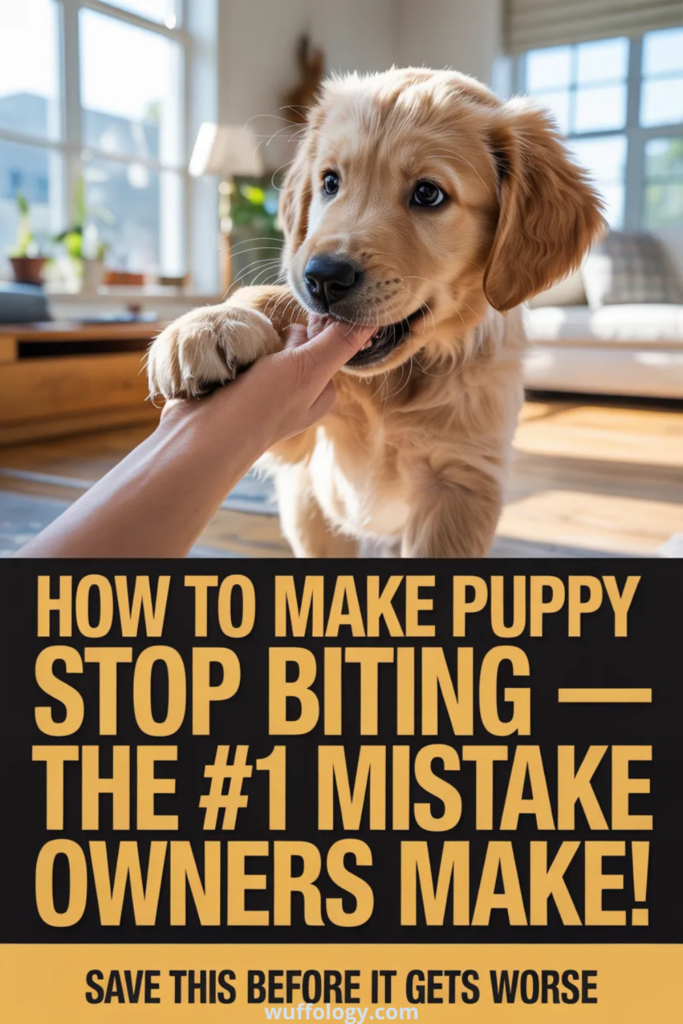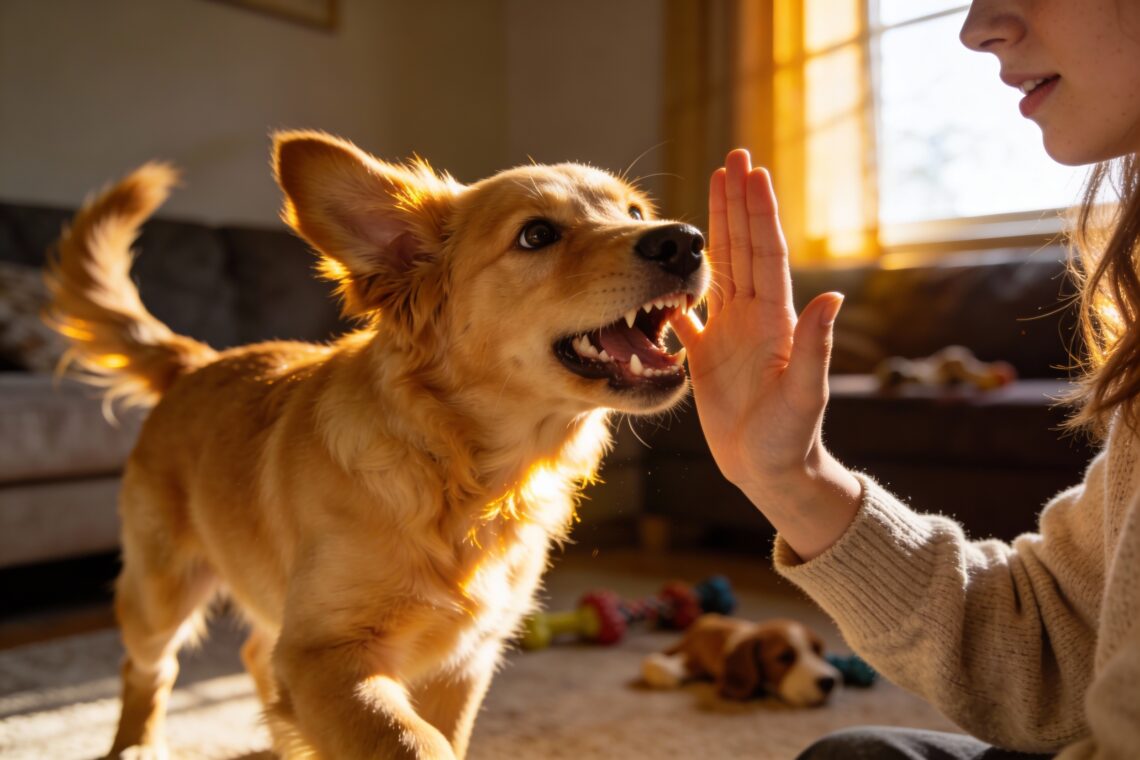
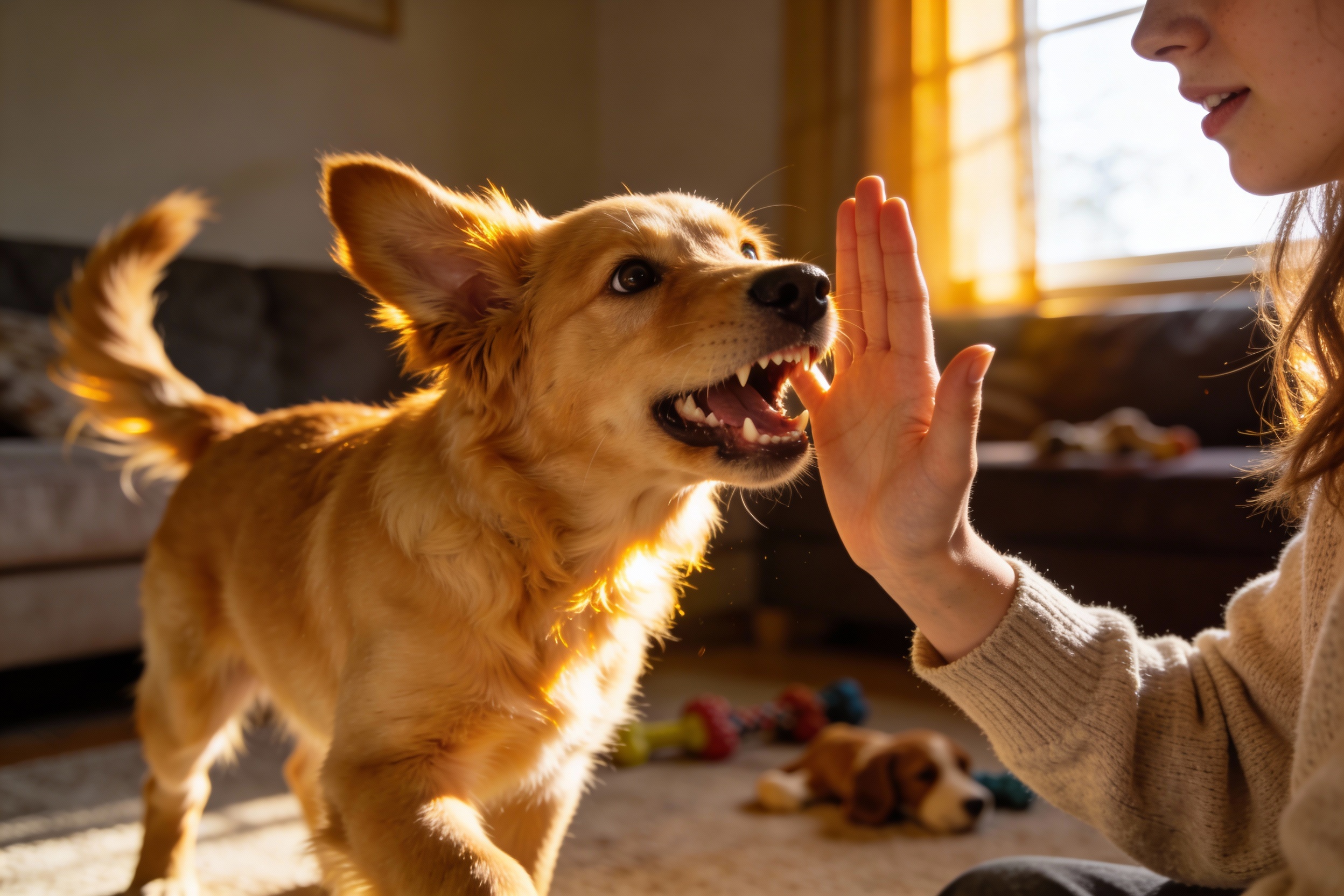
Your tiny land shark won’t stop testing those needle teeth on your fingers, pant legs, and—why not—your soul. You’ve tried “No!” and yelping like a wounded squirrel. You’ve even offered toys like a peace treaty. Still chomp. Let’s fix that fast, because the #1 mistake almost every new owner makes is actually making the biting worse.
The #1 Mistake: You’re Accidentally Reinforcing the Bite
Puppies bite because they explore, they teethe, and they want attention. Every reaction counts as attention. That means squealing, yelling, pushing the puppy away, or even talking excitedly can all feel like a win to your pup. Here’s the kicker: attention is a reward. If biting gets you to play, move, or yip, your puppy learns, “Perfect, biting works!” The secret? Remove the payoff. No attention, no fun, no reaction they find interesting.
What to Do Instead: The Calm Cut-Off
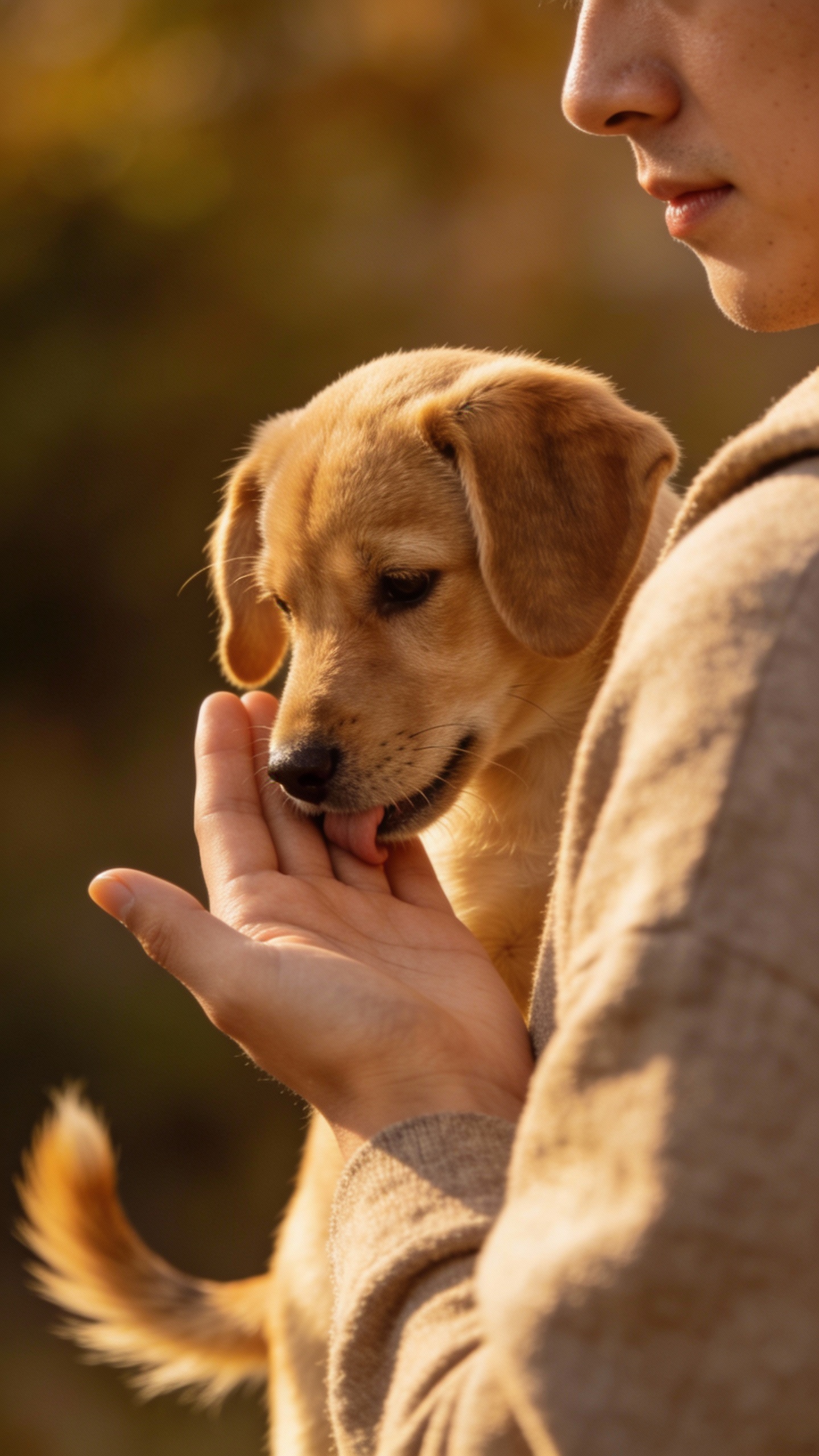
When teeth touch skin, you need one consistent response: stop the game. No drama, no lecture. Just end the party.
- Freeze for 2 seconds. Hands still, no eye contact, no words.
- Stand up and step away if biting continues. Ten seconds of boring.
- Resume play only with a toy. If they bite skin again, repeat.
You send two clear messages: skin stops fun; toys keep fun going. Puppies learn super fast when the rules stay consistent.
Why “No!” Doesn’t Work (And Sometimes Backfires)
Saying “No!” can sound like noisy play to a puppy. You raise your voice, they get amped, you move your hands more—it becomes a hype party. Calm silence hits harder because it kills the reward loop instantly.
Teach Bite Inhibition (So Your Puppy Learns “Soft Mouth”)
We don’t want a dog that never uses its mouth—dogs need their mouths. We want a dog that knows how hard is too hard. That’s bite inhibition. Try this:
- Offer a treat in your fist. If the puppy bites, keep your fist closed. When they lick or back off, open your hand and reward.
- Do the same with toys: if they chomp skin, game ends; if they mouth the toy gently, praise and keep playing.
- Mark gentle behavior with a cheerful “Yes!” or a click if you use a clicker.
Soft Mouth Practice: Hand Feeding
Feed a portion of meals from your hand. Hold kibble between your fingers. If the mouth is gentle, they get food. If they chomp, the buffet closes. Gentle gets access. Chompy gets nothing. Easy math, clear lesson.
Toys, Chews, and Redirection (Control the Outlet)
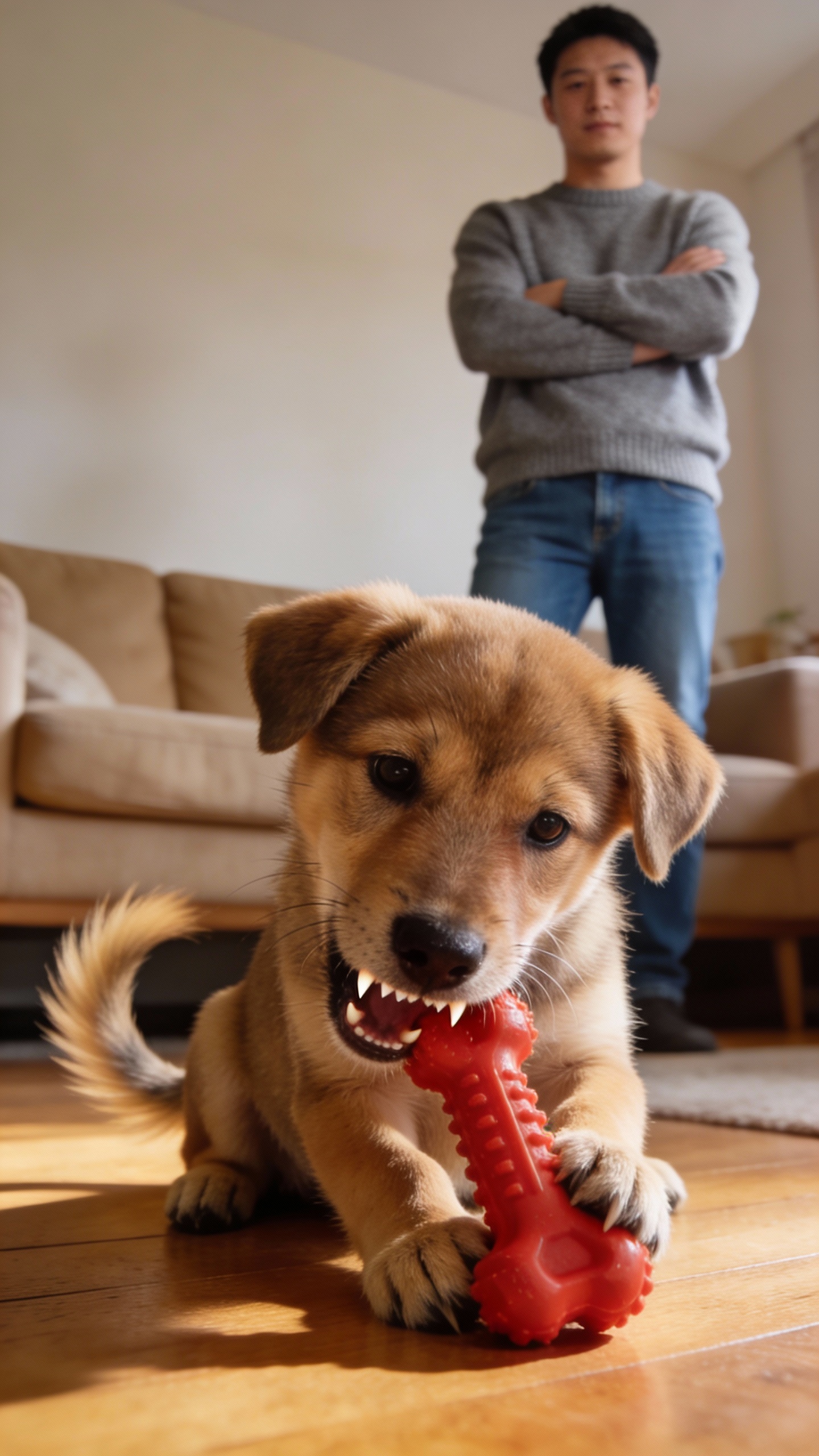
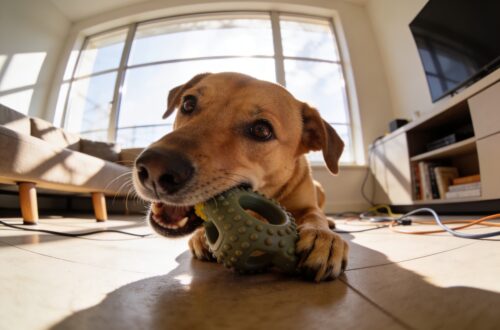
Your puppy needs to chew. Denying that need only turns your sleeves into jerky. Give them legal outlets and make those outlets fun.
- Have 3-5 textures handy: plush, rope, rubber, and something frozen for teething.
- Rotate toys daily, so they feel fresh and exciting.
- Redirect fast: when teeth head for skin, calmly offer a toy. As soon as they take it, praise and play with the toy.
- Use tug strategically: tug is great, but teach “Drop” by trading for a treat and resuming tug. Drop doesn’t end fun—it unlocks more fun.
Best Teething Hacks
- Freeze a wet washcloth twisted into a rope. Supervised only.
- Chill safe rubber toys with a smear of peanut butter (xylitol-free, FYI).
- Offer longer chews after high-energy play when puppies feel nibbly.
Tired Brain, Softer Teeth
A bored, overstimulated puppy will bite more. Fast zoomies + overtired brain = gremlin mode. Balance exercise with mental work.
- Short training bursts (2-3 minutes): sit, down, leave it, touch, name game.
- Enrichment: snuffle mats, lick mats, frozen Kongs, scatter feeding.
- Age-appropriate exercise: gentle play and short walks. No marathon fetch with tiny joints.
Know the Witching Hour
Many puppies bite more in the evening. Plan a short sniffy walk, a training session, then a frozen chew, then crate/pen quiet time. You get peace. Puppy gets reset.
Handling Manners: Stop the Nibbles Before They Start
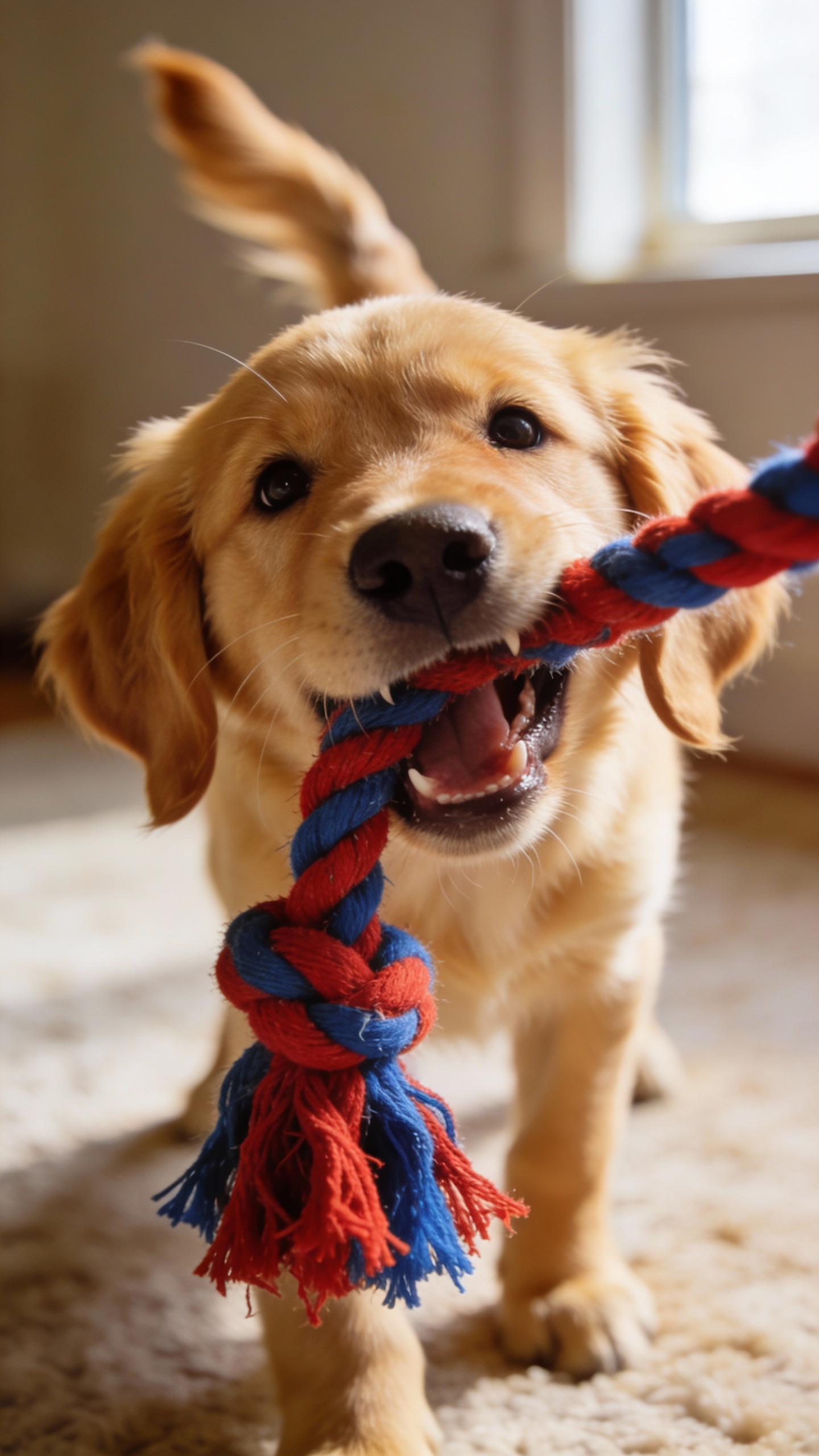
Most biting happens during petting, picking up, or putting on harnesses. Teach your pup how to enjoy handling and how to “ask” politely.
- Pet-pause protocol: pet for 3 seconds, pause. If puppy leans in, continue. If they mouth or twist away, stop. Consent matters, even with puppies.
- Harness = treats: pair gear with tiny food bits so handling predicts good things.
- Use a station: teach “Place” on a mat for grooming and harnessing. Pay for calm stillness.
Teach an Incompatible Behavior
Mouthy greeting? Teach sit for attention. It’s hard to bite if you’re sitting and staring with hopeful eyes. Reward sits like it’s your new hobby.
Consistency: Your Secret Weapon (And Biggest Challenge)
Your puppy doesn’t need to hear “no biting” in five languages. They need to see one rule lived by everyone in the house.
- Teeth touch skin = play stops. Every time.
- Redirect to toy = praise and play continue.
- Reward gentle mouth = more access to fun and food.
Put a toy in every room. Tell guests the rules. If someone wants to roughhouse with hands, they can sign the “I enjoy Bandaids” waiver. Kidding. Mostly.
When to Get Extra Help
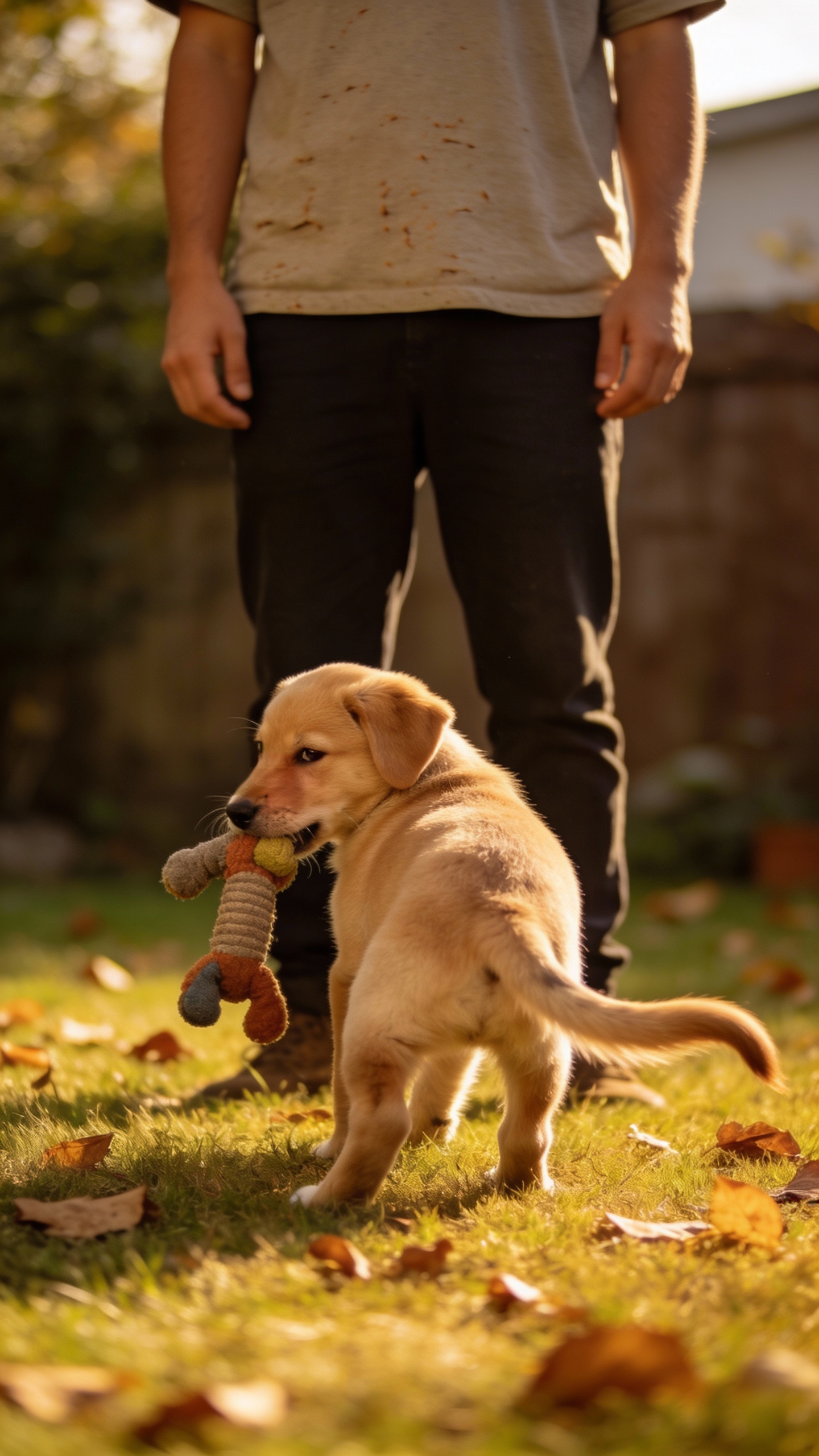
If the biting looks intense, comes with growling over resources, or breaks skin regularly, get a certified trainer or behavior consultant on board. Early guidance saves months of frustration. Puppies go through developmental fear periods too, so a pro can help you read the room, IMO.
FAQ
Isn’t yelping like a puppy the right move?
Sometimes it works. Often it hypes puppies up or scares sensitive ones. If yelping makes your pup more excited or worried, switch to the calm cut-off: freeze, disengage, and resume with a toy. It’s clearer and more consistent.
How long does this phase last?
Most puppies improve noticeably by 5-6 months as adult teeth come in and training sticks. Consistency speeds things up. If things feel worse around 12-16 weeks, that’s peak teething—double down on chews and structure. You’ll survive.
What if my puppy keeps biting my clothes?
Clothes are moving toys—super tempting. Freeze immediately, step out of the clothing trap gently, and redirect to a tug toy. Reinforce tug like crazy and add a “Drop.” If they re-latch onto clothes, game ends. Boring beats biting.
Should I use timeout in a crate?
Use “timeout” as a brief loss of access to you, not punishment. Ten seconds of you walking away works great. If you use a crate, make sure it keeps its positive vibe—crate equals naps and chews, not penalties. We want the crate to feel like a cozy studio apartment, not solitary confinement.
Can I teach ‘Gentle’ as a cue?
Yes, and it helps. Hold a treat, say “Gentle,” deliver the treat only when they take it softly. Mark with “Yes!” Repeat until the cue predicts careful lips. Then use it during play and handling. It’s basically mouth manners on command, FYI.
What toys work best for mouthy pups?
Durable rubber toys, rope tugs, and plush with reinforced seams. For teething, chilled or frozen options soothe gums. Rotate daily. If a toy gets your pup focused and quiet, keep it in the rotation. If it turns them into a gremlin, retire it for now.
Conclusion
Puppy biting isn’t a character flaw. It’s a habit that pays off—until you stop paying it. Cut the reward, channel the chomp into toys, teach a soft mouth, and keep sessions short and calm. Do that consistently and your little land shark will turn into a polite snack connoisseur in no time, IMO.