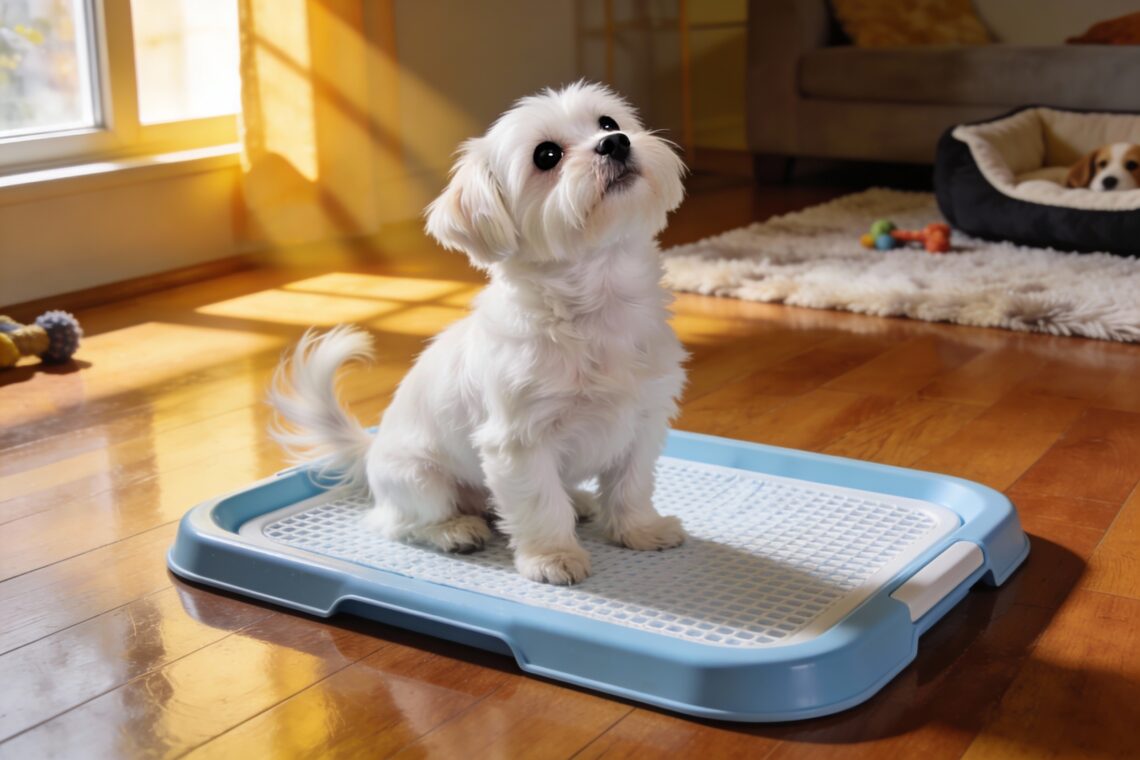
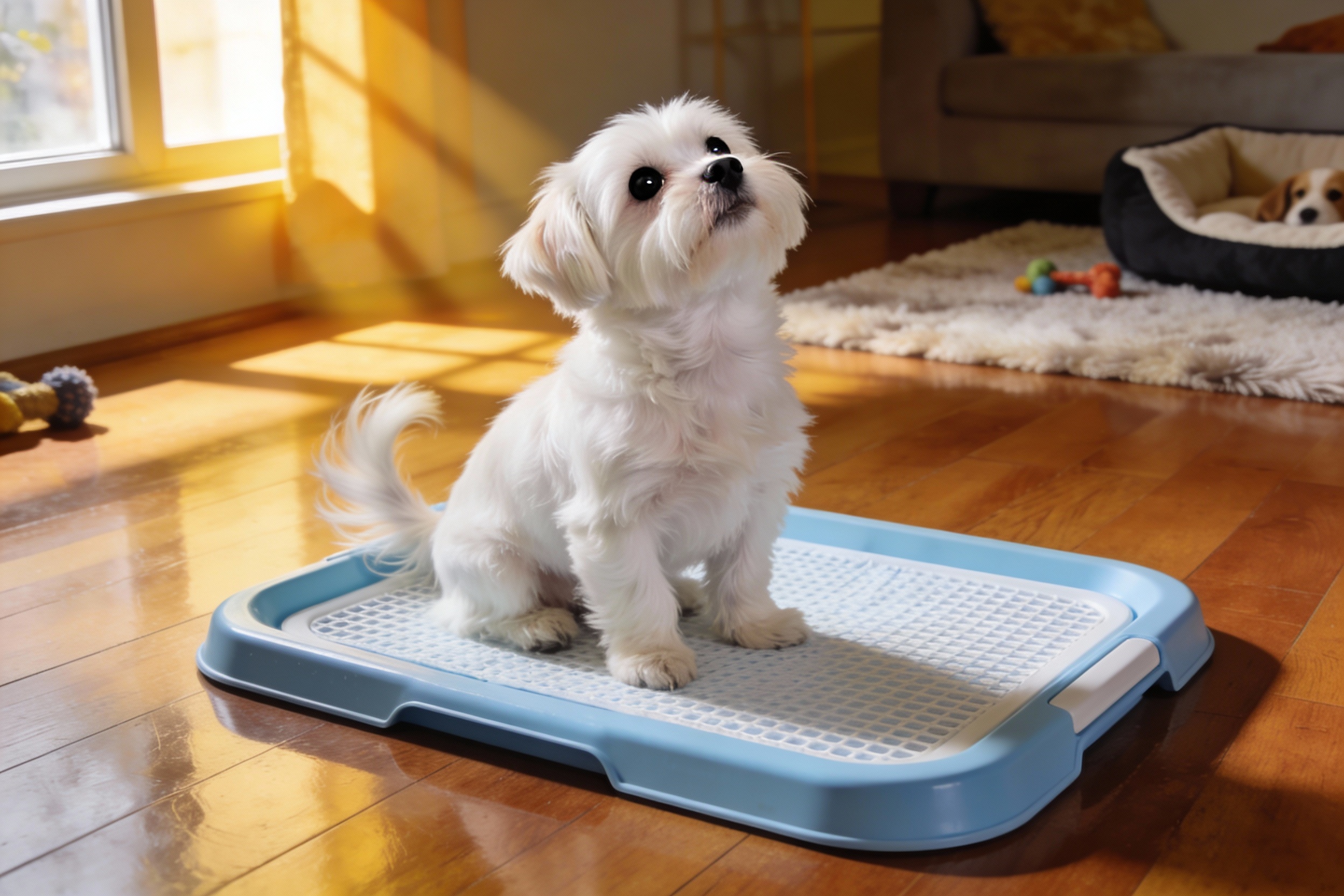
Your Maltese puppy is adorable. Your floors? Not so much right now. House training a tiny fluff-ball with a thimble-sized bladder feels like a full-time job, but you can absolutely nail it with a plan and a few smart habits. We’ll keep it simple, consistent, and honestly, kind of fun. Ready to retire your mop?
Know Your Maltese: Tiny Dog, Tiny Tank
Maltese puppies have small bladders and quick metabolisms. That combo means they need frequent potty breaks. Expect accidents at first, but don’t panic. You’ll set them up to win if you understand their timing. General rule: a puppy can hold it for about their age in months plus one hour. A 3-month-old? Two to four hours max. Overnight stretches get a bit longer, but don’t push it.
Pick Your Potty Plan (and Stick to It)
Decide where your puppy will go: outside, pee pads, a litter box-style tray, or a combo. Then commit. Constant switching confuses your pup and delays progress.
Outside-Only Plan
Great if you can get out often and live somewhere safe. You’ll build a rock-solid habit early.
Pee Pad or Indoor Spot
Useful for apartments, bad weather, or busy schedules. Place pads in a consistent spot, far from food and bed. Later, you can wean them off pads and move outside if you want.
Set a Rock-Solid Routine
Routine beats willpower. Create a schedule and treat it like your puppy’s bathroom calendar. Take your puppy out:
- First thing in the morning
- After every nap
- After meals and water
- After playtime or zoomies
- Before bedtime
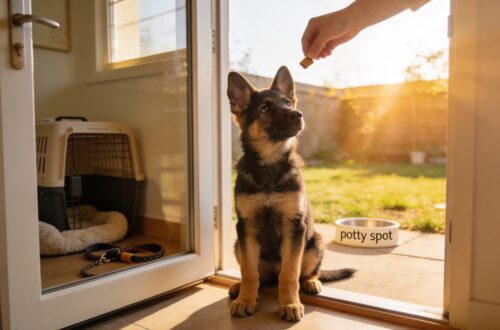
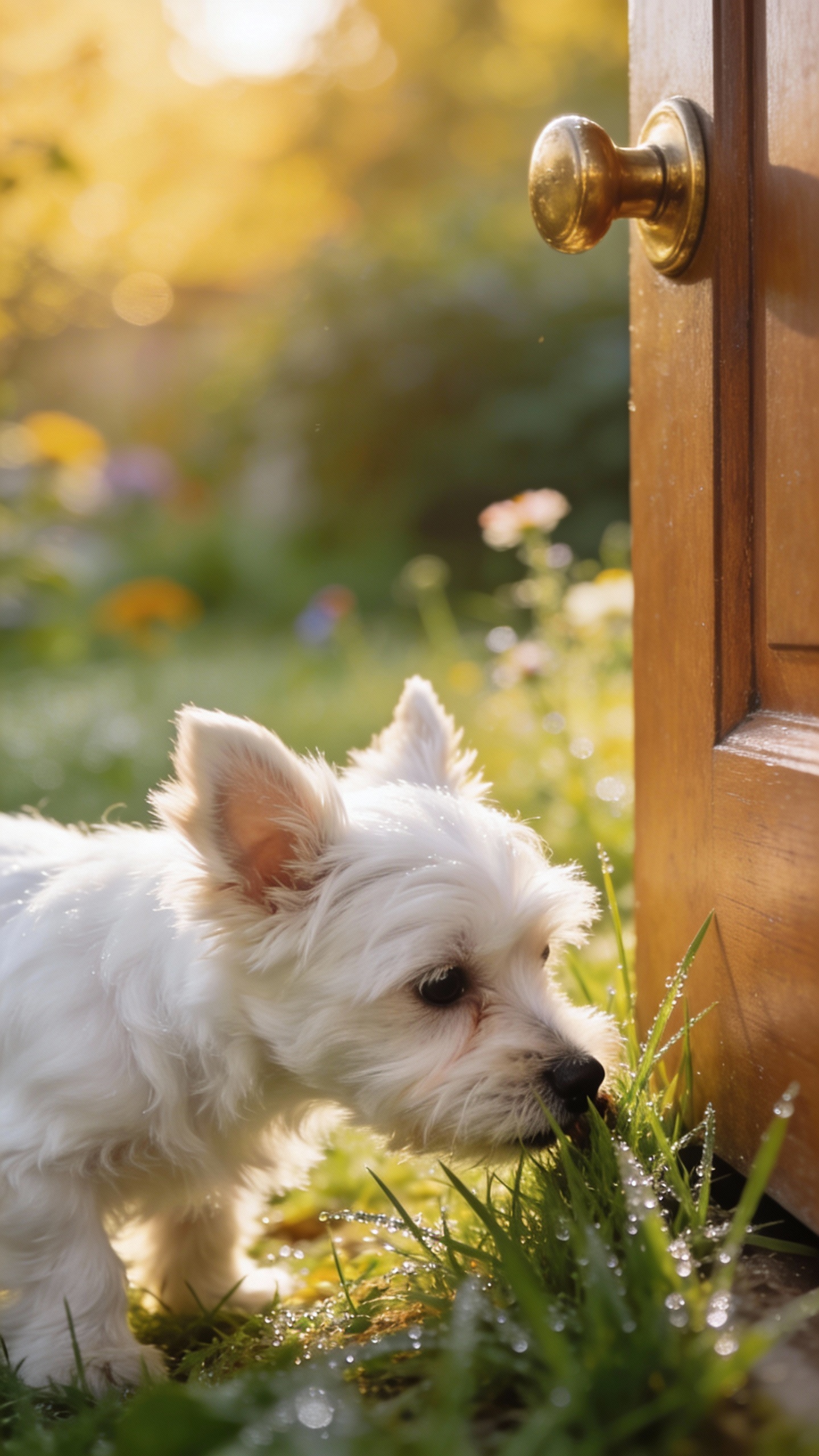
Use the same door and the same spot. Walk to the spot, stand still, and use a cue like “Go potty.” No play or wandering. Give them 5 minutes. If nothing happens, go back inside and try again in 10–15 minutes.
The Two-Leash Trick
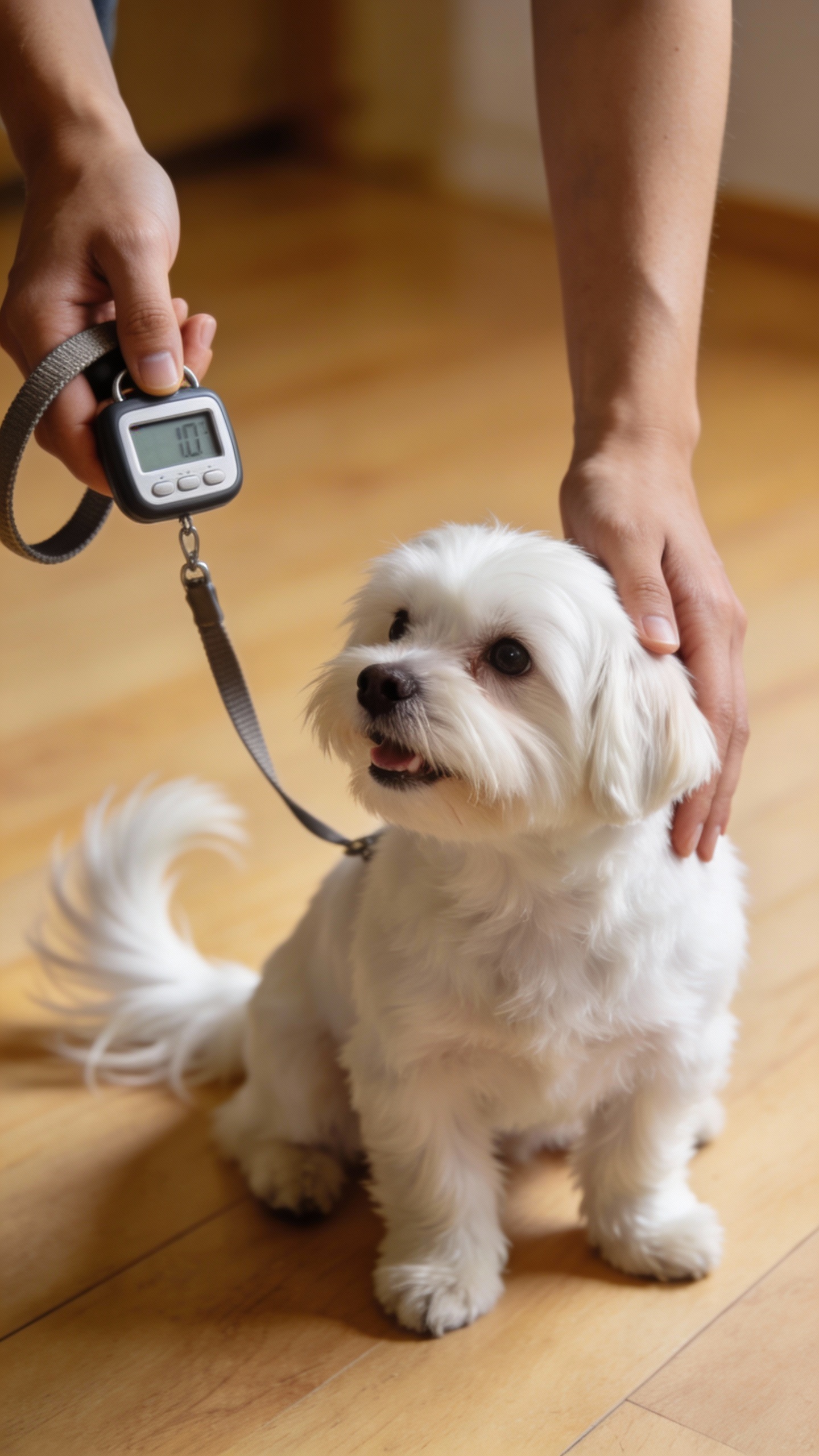
Use a short leash outside so sniffing doesn’t turn into a nature documentary. Potty first, party after.
Crate and Confinement: Your Secret Weapons
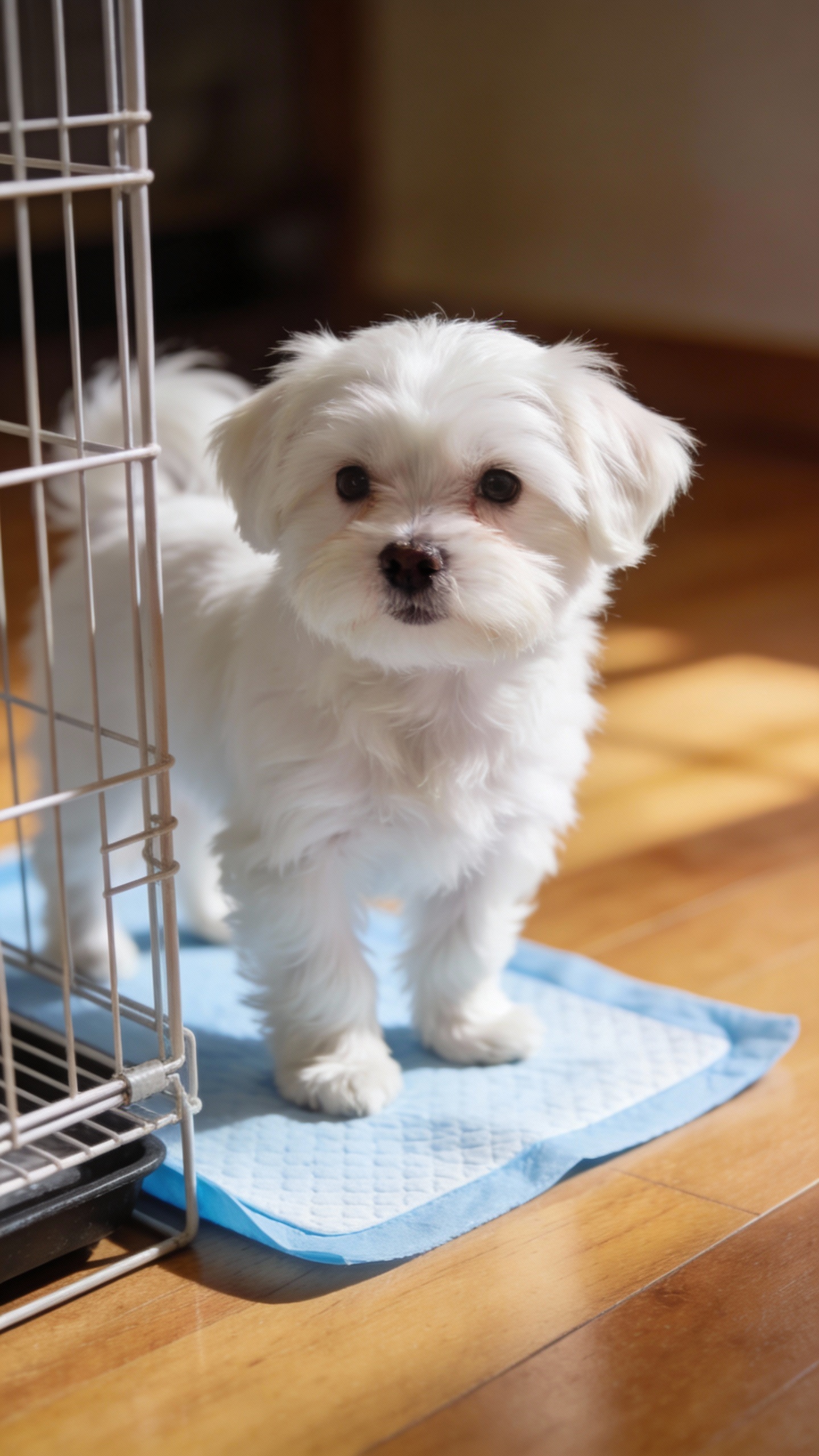
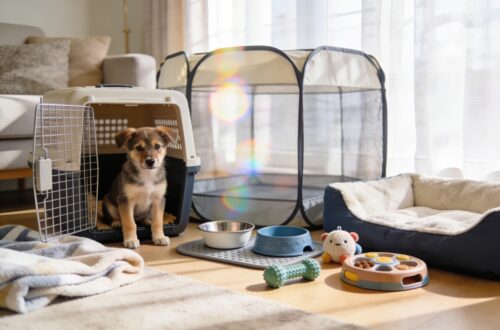
Crates aren’t mean. They’re cozy dens that help puppies learn bladder control and protect your sanity. Pick the right crate:
- Just big enough for standing, turning, and lying down
- Use a divider if it’s a large crate
- Soft bedding but not so plush it becomes a chew toy
How to use it:
- Short naps in the crate after potty breaks
- Overnight sleep in the crate near your bed
- Out of the crate? Then your eyes are on your puppy. Period.
No crate? Use a playpen with a small bed area and a separate potty pad area. It’s not as fast as a crate, but it prevents chaos.
Reward Like You Mean It
Timing matters. Reward within two seconds of your puppy finishing. Keep tiny, high-value treats in your pocket. Praise like they just paid your mortgage. Important: celebrate outside, not when you come back inside. If you wait, the puppy won’t connect the reward to the potty moment.
Pick a Potty Cue
Use the same phrase every time they start to squat: “Go potty” or “Hurry up.” Over time, the cue helps them go faster on command. Magic? Kind of.
Accidents Happen (Don’t Lose It)
You’ll miss a signal. They’ll misjudge their bladder. It’s fine. Correct the process, not the puppy. If you catch them mid-accident:
- Say “Outside!” in a neutral tone
- Scoop them up or guide them quickly to the potty spot
- Reward if they finish there
If you find a puddle later:
- Deep clean with enzymatic cleaner (kills the smell for real)
- Don’t scold after the fact—it just confuses them
- Adjust your schedule and supervision
FYI: If accidents cluster in one area, block access or keep that spot squeaky clean with an odor remover. Dogs love a “marked” bathroom. Don’t give them one.
Teach Clear Signals
You want your Maltese to tell you when they need to go. You have options:
- Door routine: Always use the same door. Puppy learns to sit or hover there.
- Bell training: Hang a bell, tap it with their nose or paw, then go out immediately. Reward after potty.
- Mat signal: Place a small mat near the door. When they step on it, open the door. Easy and quiet.
IMO, bell training works great with vocal pups. But don’t reward bell rings with playtime—only potty breaks. Otherwise, you’ll be a doorman.
Food, Water, and Timing Hacks
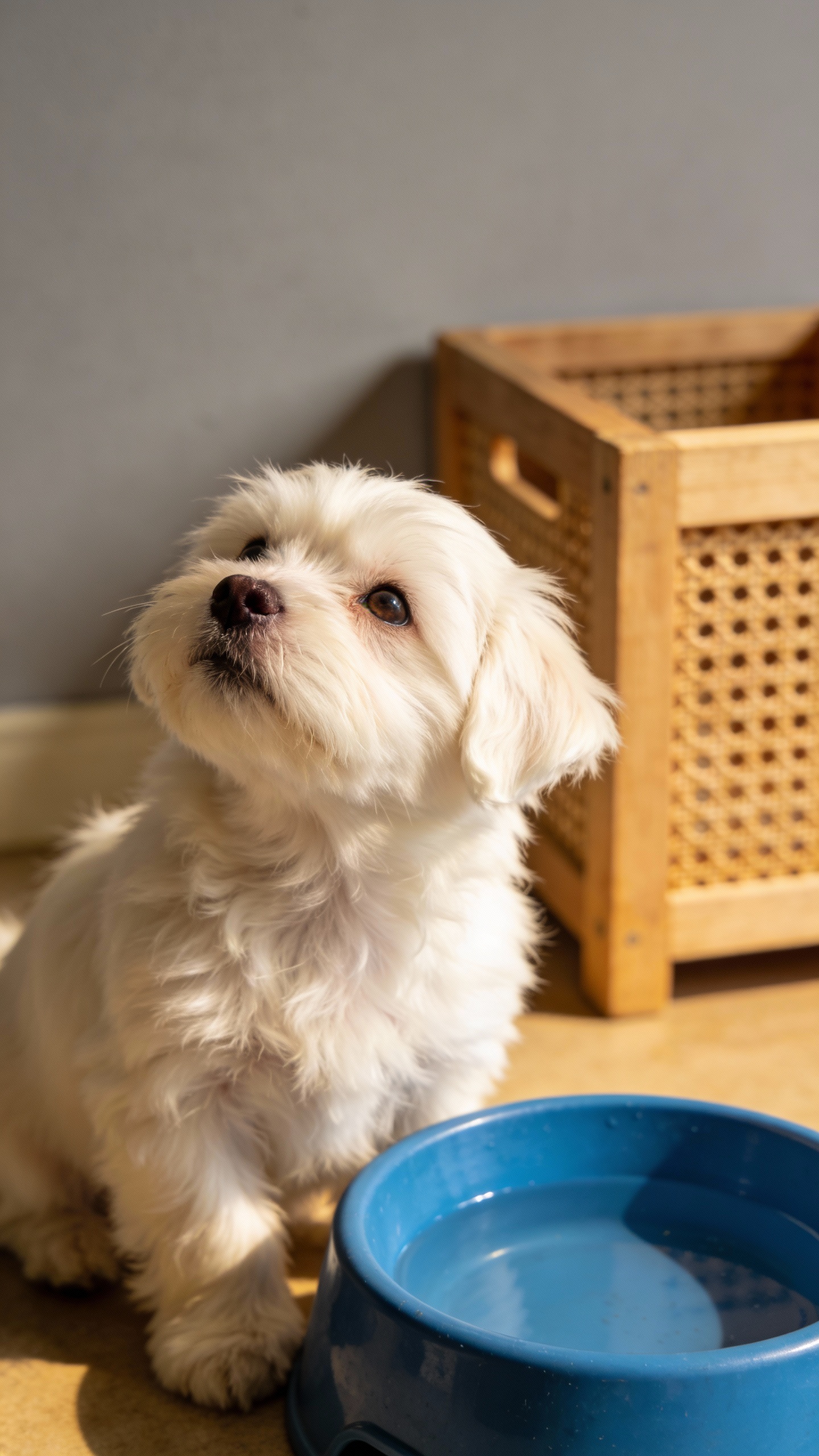
You control the input, so you control the output. Predictability helps.
- Feed on a schedule: Same times daily to regulate bathroom times.
- Pick up water 2–3 hours before bedtime: Unless it’s very hot or your vet says otherwise.
- Monitor excitement: Tiny dogs pee when excited. Greet calmly, then go straight outside.
- Watch for squats, circling, sniffing: That’s your 10-second warning.
Nighttime Game Plan
Set an alarm for one potty trip if your puppy is under 12–14 weeks. Quiet out, quiet back in. No play. The goal: back to sleep fast.
Common Mistakes That Slow Everything Down
Let’s fix these before they sabotage you.
- Too much freedom too soon: Gated rooms, leashes indoors, or tethers keep the puppy in sight.
- Inconsistent spots or cues: Keep everything boringly the same.
- Rewarding after coming indoors: You train them to hurry back, not to potty.
- Rubbing noses or yelling: It doesn’t teach. It just creates sneaky bathroom ninjas.
- Using ammonia cleaners: Smells like urine to dogs. Use enzymatic cleaners instead.
Progress Timeline: What to Expect
Every puppy learns at a different pace, but this is typical for a Maltese:
- Weeks 8–12: Lots of breaks, many wins, some oops moments. You’re shaping habits.
- Weeks 12–16: Fewer accidents, longer holds, clearer signals.
- Months 4–6: Mostly reliable with supervision. Occasional excitement pee.
- Months 6+: Solid, but still maintain routine. Regression happens during growth spurts—stay calm.
FYI: If your puppy backslides after doing well, first rule out medical issues like UTIs. Then tighten the routine again for a week. It usually rebounds fast.
FAQ
How often should I take my Maltese puppy out?
Every 2–3 hours during the day for very young puppies, plus after waking, eating, drinking, and playing. As they grow, you can stretch the time gradually. At night, plan one quick potty break until they can comfortably hold it.
Should I use pee pads or go straight outside?
Both work. If you can take your puppy out reliably, I’d go straight outside IMO, because it builds a clear habit. If your schedule or living situation makes that tough, use pads consistently in one spot and phase them out later by moving the pad closer to the door, then outside.
What treats work best for potty training?
Use tiny, soft, high-value treats your puppy goes wild for—think pea-sized training treats or small bits of boiled chicken. Keep them in a pocket or treat pouch so you can reward instantly. Timing beats treat size every time.
My puppy pees when excited. Help?
Keep greetings low-key. Ignore the puppy for 30 seconds when you come in, then calmly leash and go outside. Ask visitors to do the same. Build confidence with short, success-first greetings and reward outdoor potties right after excitement triggers.
When should I worry about medical issues?
If your puppy strains to go, has blood in urine, drinks excessively, or suddenly has frequent accidents after doing well, call your vet. UTIs and other issues can mimic training problems. Better safe than scrubbing endlessly.
Can I train a Maltese to use a litter box-style tray?
Yes. Use a low-sided tray with pee pads or dog-specific litter. Lead your puppy there on a schedule and reward heavily. Keep it clean, and place it away from food and bedding. You can keep this long-term or transition outside later.
Conclusion
Potty training your Maltese doesn’t require superpowers—just consistency, timing, and a sense of humor. Pick a plan, nail the routine, celebrate the wins, and manage the environment so accidents don’t become habits. In a few weeks, you’ll wonder why you ever doubted yourself. Your mop can finally retire, and your slippers can stop living in fear.