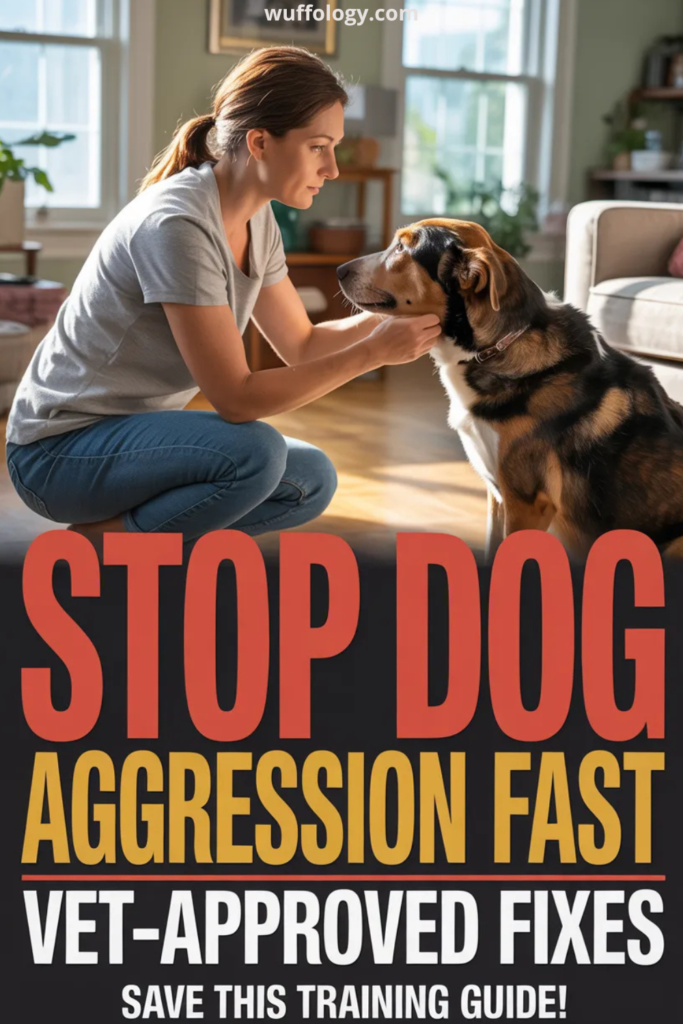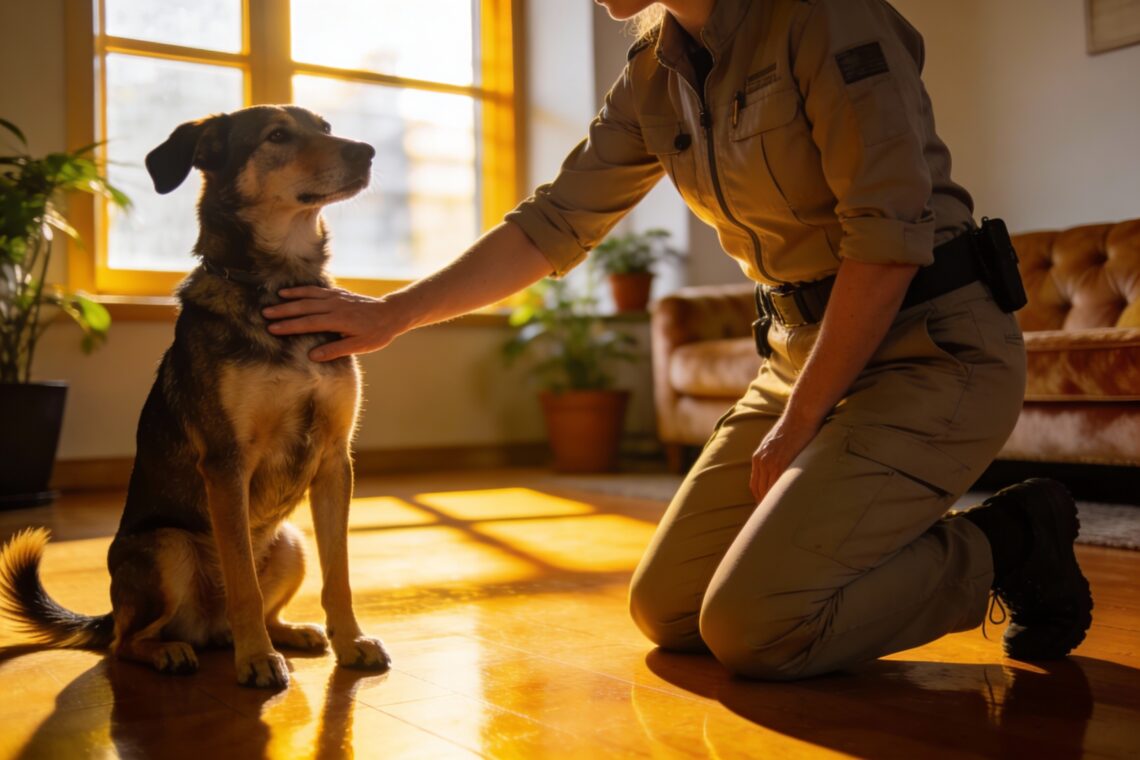
Your sweet potato just grew teeth? Dog aggression can feel scary and confusing, especially when it happens at home. The good news: most dogs aren’t “mean”—they’re stressed, scared, in pain, or unsure. You can absolutely make things better with smart, consistent changes and a little patience. Ready to turn the tension down and the tail wags up?
First, Know What You’re Looking At
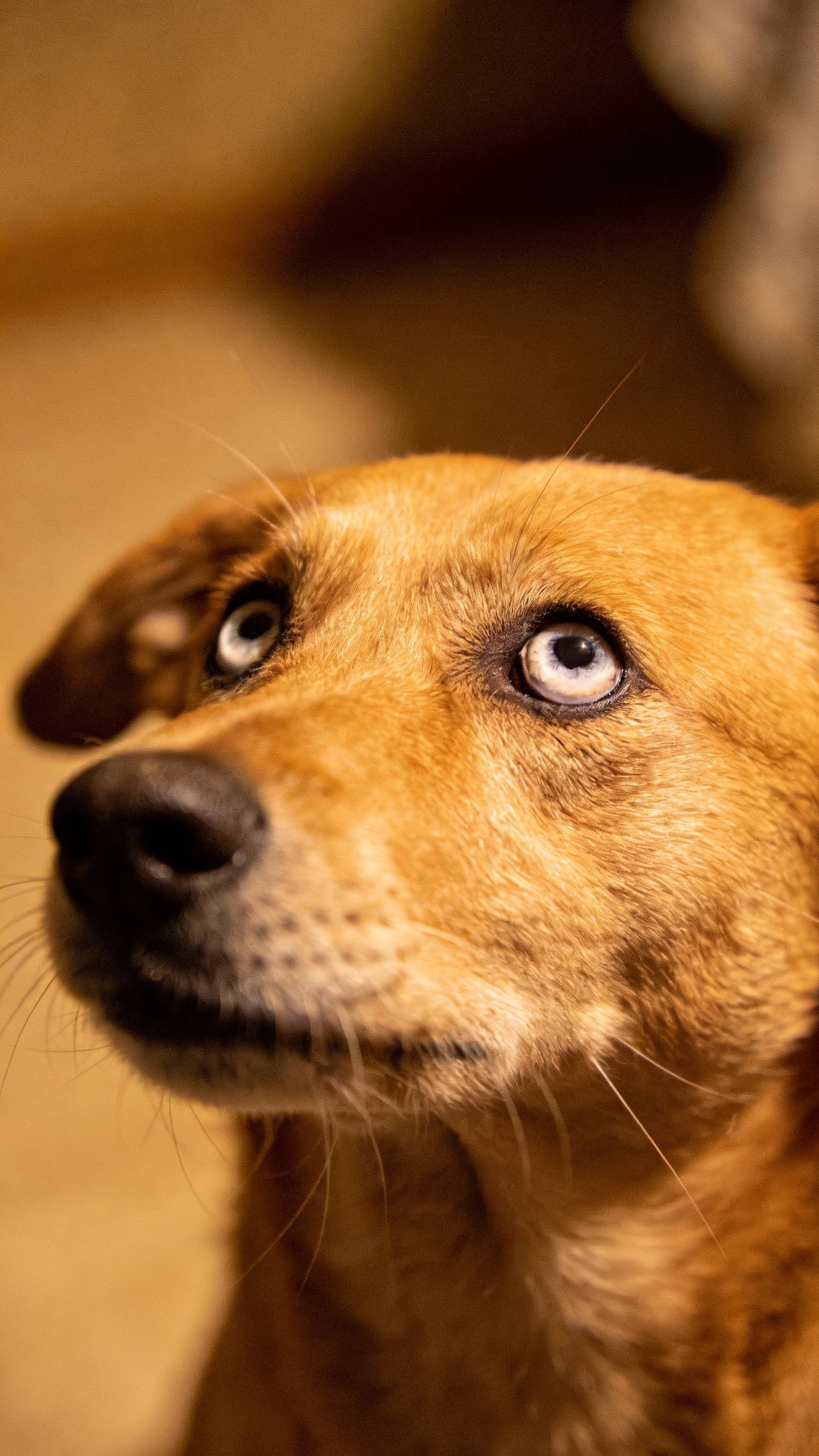
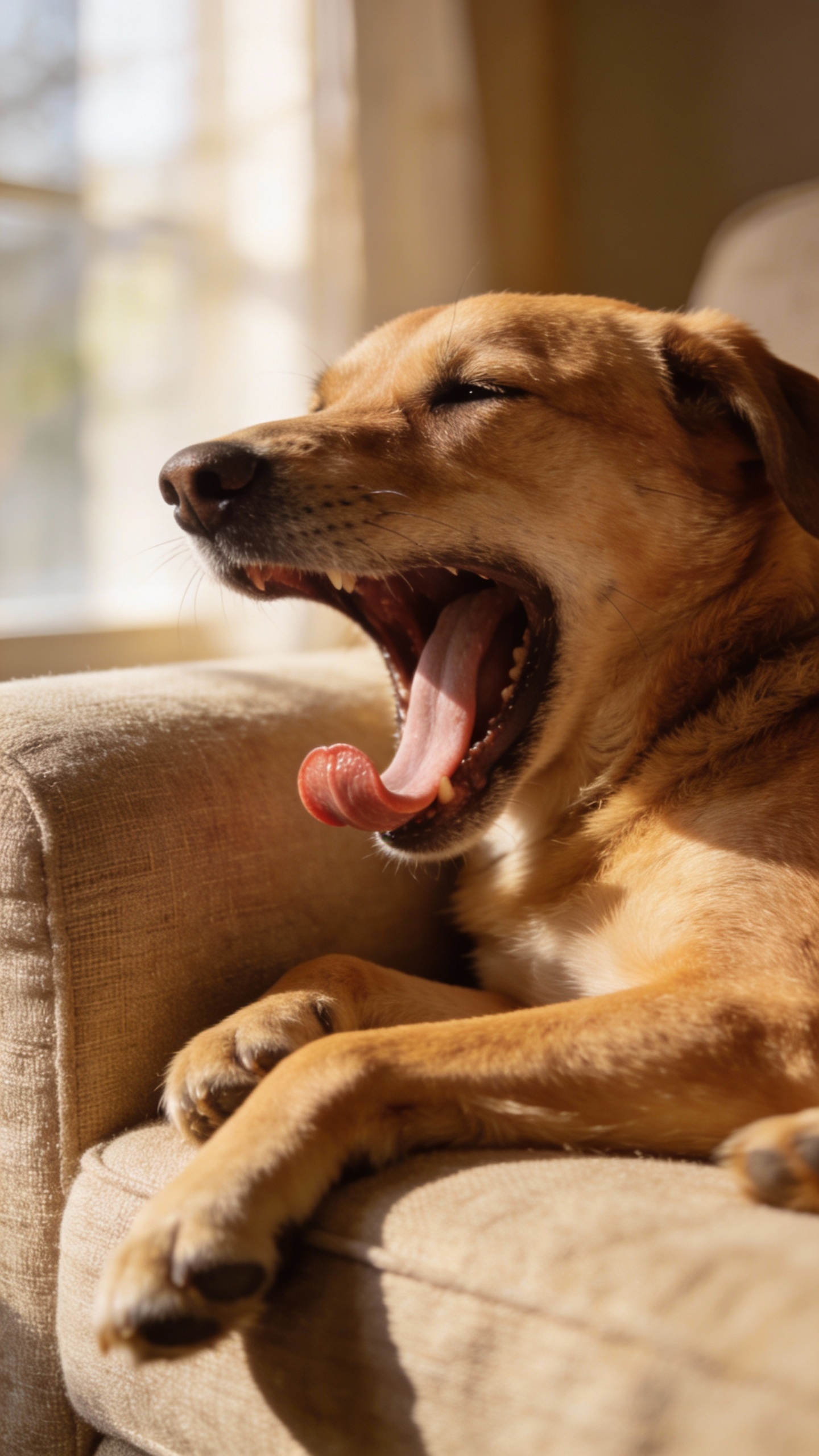
Aggression isn’t just biting. It can look like growling, stiff body posture, staring, lip lifting, snapping, or even freezing up. Dogs rarely “flip a switch” out of nowhere—they usually send warnings first. Watch for these early stress signals:
- Yawning, lip licking, or turning away
- Whale eye (you see the whites)
- Stiff tail or body, ears pinned back
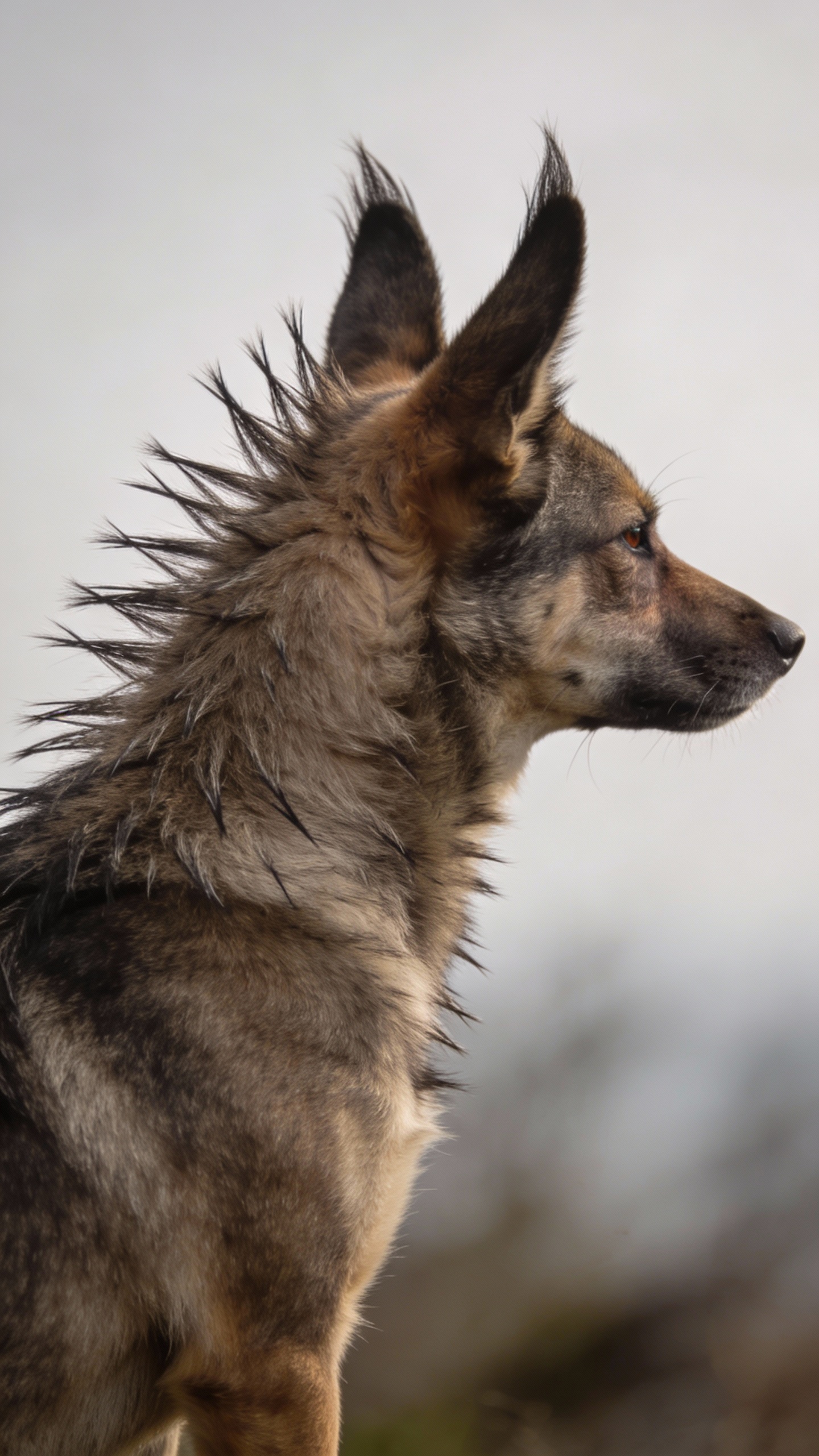
- Hackles raised, low growls, or a hard stare
Why it matters: If you catch the early signals, you can change the situation before your dog escalates. Prevention beats damage control every time.
Rule Out Pain and Medical Issues
You can’t train away pain. If your dog shows new or worsening aggression, call your vet. Changes in behavior often tie directly to physical discomfort. Common medical triggers vets see:
- Arthritis or joint pain (lifting, brushing, or stairs trigger snappiness)
- Dental disease (face handling becomes a no-go)
- Ear infections (head petting suddenly “offends” them)
- Thyroid disorders, neurological issues, or GI pain
Your vet can run exams, treat pain, and—if needed—recommend medications or supplements that lower baseline anxiety. IMO, this step alone fixes more cases than people expect.
Identify the Triggers (Yes, You Have To Play Detective)
Aggression is a behavior with a cause. Find the “why,” and you’ll find the path forward. Common home triggers:
- Resource guarding: food, toys, beds, people
- Handling: grooming, nail trims, being picked up
- Stranger danger: visitors, delivery people
- Space issues: crowding on couches, doorways, crates
- Noise sensitivity: vacuums, thunder, fireworks
Make a trigger log:
- What happened right before?
- Who was there and where?
- What exactly did your dog do?
- How did it end?
Patterns pop out fast when you write it down. FYI: “He was fine until he wasn’t” usually means you missed early signals.
Manage the Environment Like a Pro
Management buys safety and sanity while you train. It’s not cheating. It’s smart. Simple management wins:
- Use baby gates and pens to create calm zones
- Feed in a separate room and pick up bowls after
- Rotate high-value chews instead of leaving them out
- Leash indoors during busy times to guide, not grab
- Post “Do Not Pet” rules for visitors (and your roommate who ignores everything)
Resource Guarding at Home
If your dog guards items, remove free-for-all triggers. Don’t reach into their mouth. Don’t chase. Instead, trade up. Trade game basics:
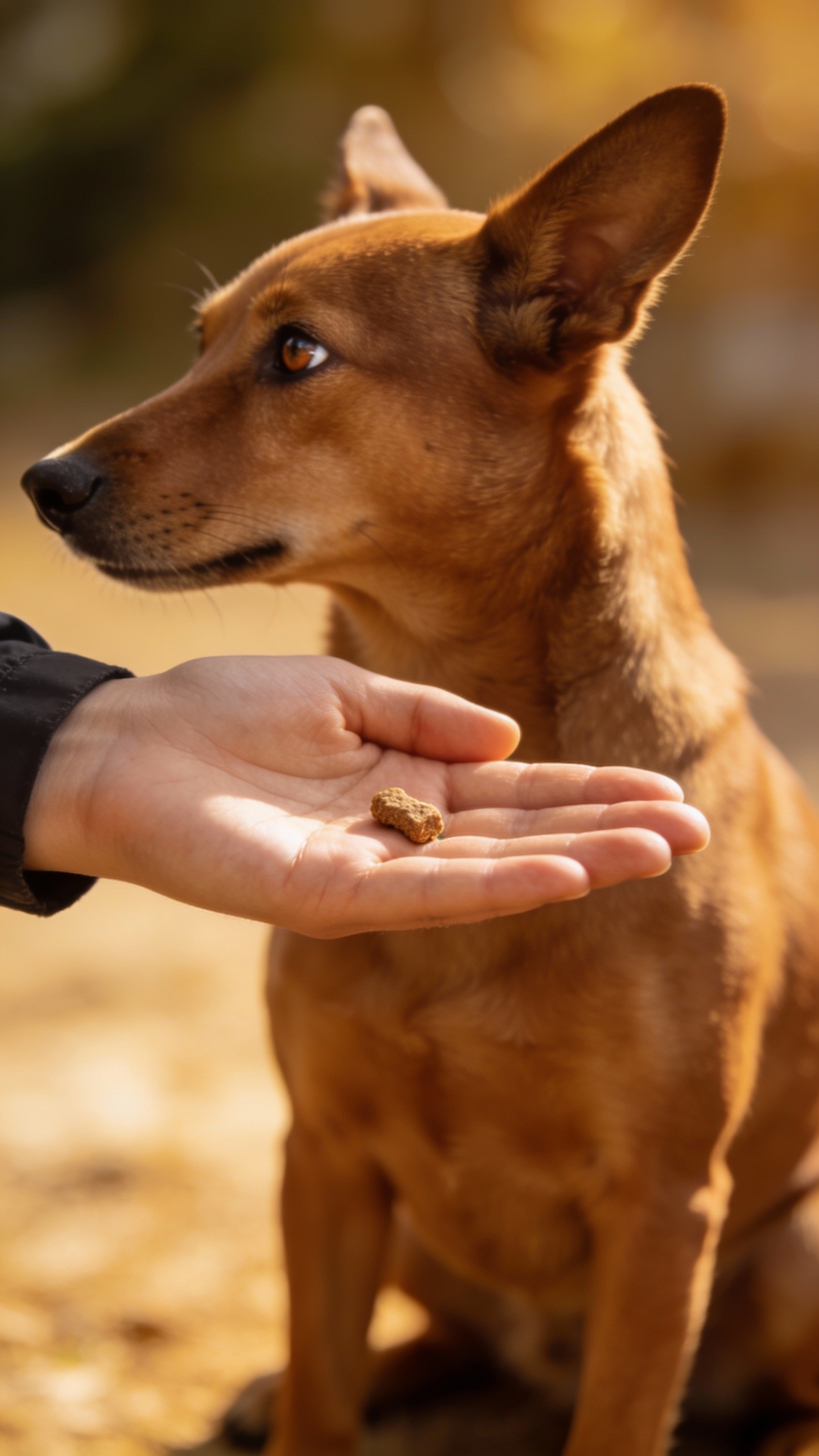
- Offer a higher-value treat (chicken beats sock, usually).
- Say “drop” once your dog sniffs the treat; when they release, toss the treat away.
- Pick up the item while they eat. Then sometimes give it back, sometimes not.
This builds trust: humans approach = good things, not theft.
Train Calm, Not Chaos
You can’t punish fear out of a dog. But you can teach alternative behaviors that feel safer and pay better.
Teach a Rock-Solid “Place” Cue
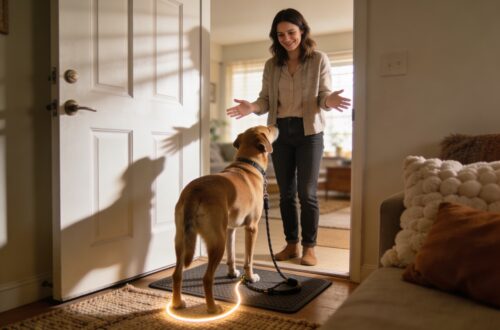
Why it works: It gives your dog a job when life gets loud (doorbell! guests! kids with noodles!). How to:
- Lure your dog onto a mat or bed. Mark with “yes” and treat.
- Add duration: treat every few seconds while they stay.
- Add the cue “place.”
- Practice with tiny distractions, then bigger ones (door knocks, people entering).
Desensitization and Counter-Conditioning (D/CC)
This is the vet-approved gold standard for fear or reactivity. Quick formula:
- Expose your dog to the trigger at a low intensity where they stay under-threshold.
- Pair that exposure with high-value treats.
- Increase difficulty only when your dog stays relaxed and engaged.
Examples:
- Visitors: Start with your dog behind a gate, visitor at a distance, treat-treat-treat. Slowly close the gap across sessions.
- Handling: Touch shoulder, treat. Touch ear, treat. Briefly lift paw, treat. Keep sessions short and sweet.
Teach “Say Please” for Everything
Impulse control lowers the chance of conflict. Ask for a sit or down before meals, walks, couch invites, or play. Consistency turns manners into muscle memory.
Drop the Myths, Keep the Science
Dominance talk? Hard pass. Modern veterinary behavior science doesn’t support “alpha rolls,” choke chains, or intimidation. These increase fear and, yes, aggression. Use these instead:
- Positive reinforcement: reward what you want more of
- Clear routines: same rules, same cues, every day
- Predictability: let your dog opt in or out when possible
And remember: growling is communication. Don’t punish it. If you remove the warning, you might get the bite.
Exercise and Enrichment: Tire the Brain, Not Just the Legs
A bored dog invents drama. A fulfilled dog naps through it. Daily essentials:
- Structured walks with sniffing breaks (sniffing lowers arousal, science says so)
- Food puzzles and slow feeders
- Short training games: 5 minutes, 2-3 times a day
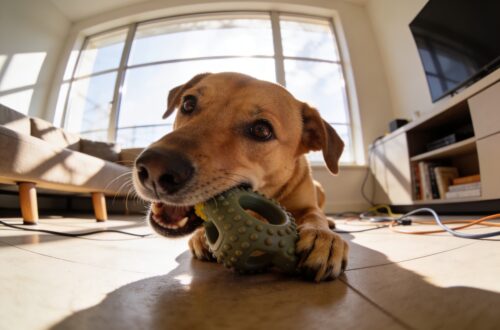
- Chewing outlets: bully sticks, Kongs, safe bones
- Species-specific fun: scent work, flirting pole, fetch, tug with rules
IMO, two 20-minute sniffaris beat one frantic hour of fetch for keeping nerves calm.
Safety First: When to Get Professional Help
If your dog has bitten, air-snapped repeatedly, or guards people/rooms intensely, bring in a certified pro. Look for:
- Board-certified veterinary behaviorist (DACVB)
- Certified Applied Animal Behaviorist (CAAB)
- Fear Free Certified trainers or CPDT-KA with aggression experience
Why it matters: They’ll create a custom plan, track progress, and coordinate with your vet if meds help lower reactivity while you train.
FAQs
Is my dog just being “dominant”?
Probably not. Most aggression comes from fear, anxiety, or resource guarding. Dominance theory oversimplifies complex behavior and often makes things worse. Focus on teaching safe alternatives and managing triggers.
Should I punish growling?
Nope. Growling says “I’m uncomfortable.” If you punish it, you remove the warning and risk a bite. Respect the growl, create distance, and fix the underlying issue with D/CC and training.
Can neutering or spaying stop aggression?
Sometimes it reduces certain hormone-driven behaviors, but it won’t magically fix fear-based or learned aggression. Treat it as one piece of a bigger plan, guided by your vet.
What if my dog is great with me but aggressive with guests?
Use management (gates, leashes, safe rooms), train a “place” cue, and run systematic D/CC with low-intensity guest exposures. Start with calm, dog-savvy visitors and keep sessions short. Success stacks slowly.
How long until I see progress?
With daily practice, you can see early wins in 2-4 weeks—better focus, fewer flare-ups. Bigger transformations take months. Progress isn’t linear. Track small wins and stick to the plan.
Is medication a last resort?
Not necessarily. For high baseline anxiety or a bite history, meds can lower arousal so training works. Your vet or a veterinary behaviorist can decide if it’s appropriate. It’s not “giving up”—it’s giving your dog a fair shot.
Wrapping It Up
Aggression at home feels heavy, but you’re not stuck. Start with a vet check, ID the triggers, lock down management, and train smarter with positive methods. Keep sessions short, be consistent, and celebrate tiny wins. Your dog doesn’t need perfection—just a calm plan and a human who shows up. FYI: that’s you.