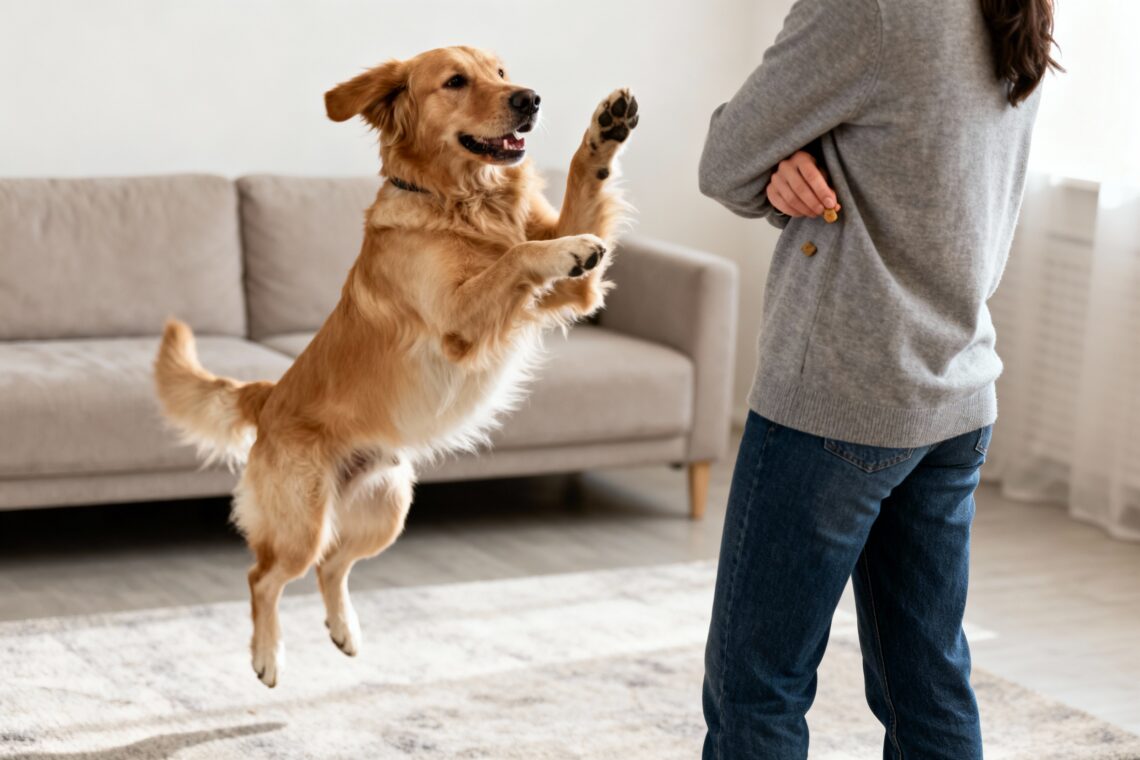
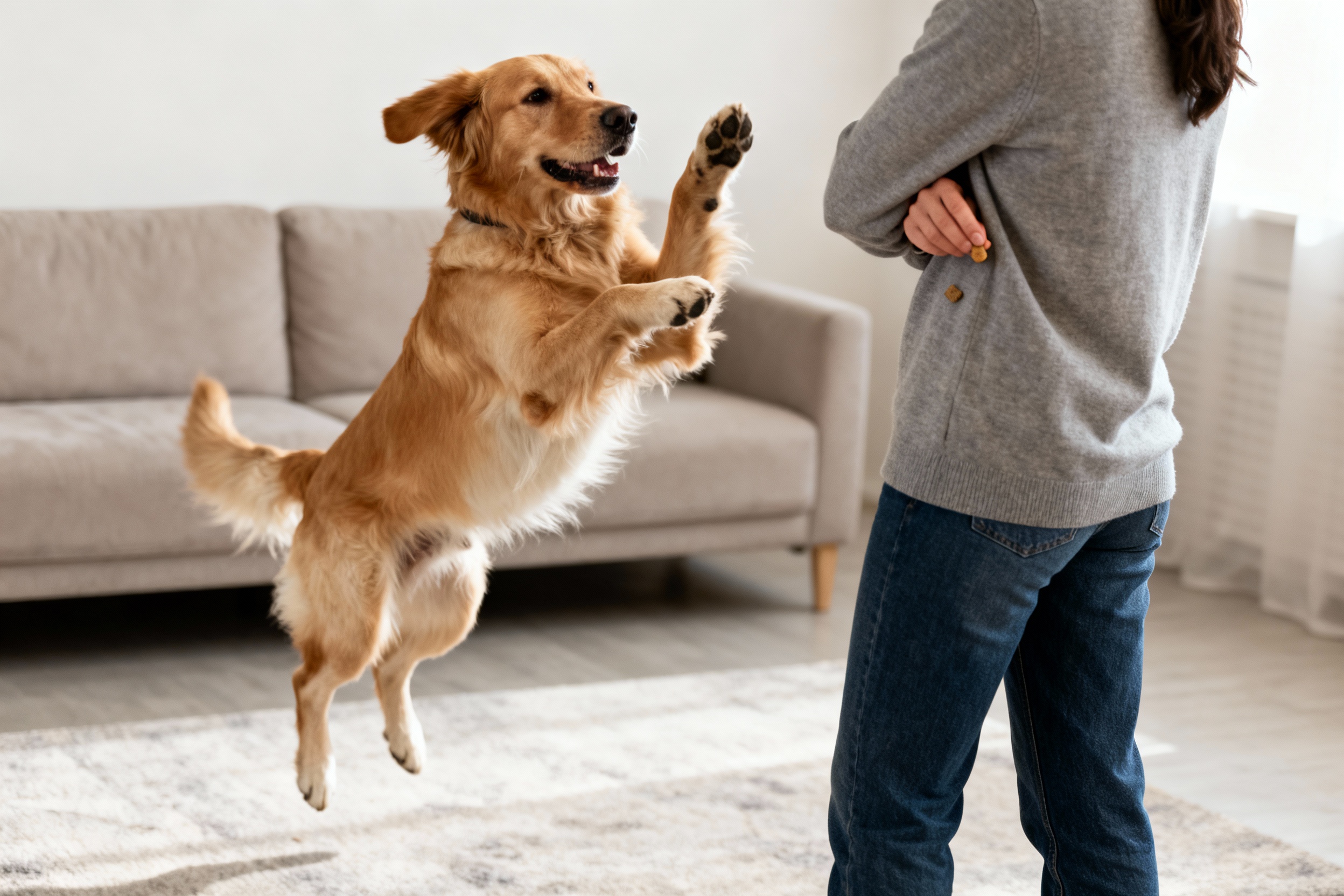
Your dog greets people like they’re a long-lost celebrity and your living room is the red carpet. Cute? Yes. Practical? Not even a little. If you’re tired of apologizing to guests as your pup launches themselves into orbit, let’s fix it. You can teach your dog to keep four paws on the floor—and you don’t need to become a drill sergeant to do it.
Why Dogs Jump (And Why It Keeps Working)
Dogs jump for one reason: it pays. They want attention, excitement, or access to your face, and jumping gets results. Even yelling “no!” or pushing them away counts as attention, FYI. So the behavior sticks. The secret sauce? Remove the reward for jumping and give a better, faster reward for staying grounded. That’s it. No mystery. No magic.
Foundation: Teach an Alternative Greeting
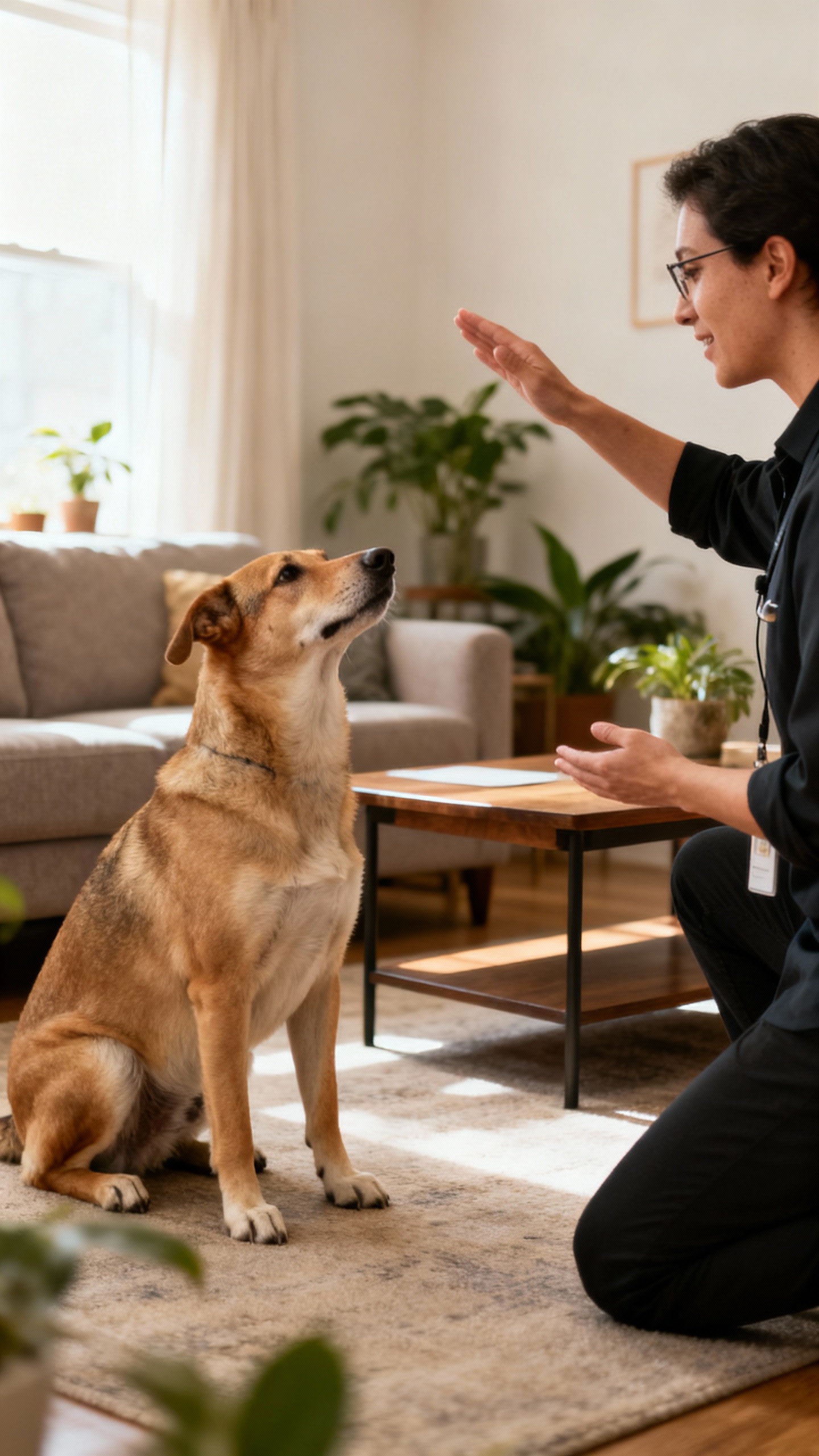
You can’t just say “don’t jump” and expect your dog to mind-read. Give them a clear, repeatable behavior that earns them love.
Option A: Sit-for-Greeting
– Lure your dog into a sit as someone approaches. – The second their butt hits the floor, they get a treat and calm praise. – If they pop up, the person takes a step back. No sit = no attention. – Repeat until your dog sits automatically when people come near. Pro tip: Use super high-value rewards at first (tiny cheese cubes, chicken, or whatever makes your dog starry-eyed).
Option B: Four-on-the-Floor
– Dogs don’t have to sit; they just need all four paws down. – Mark the behavior with “Yes!” the moment all paws are on the ground. – Pay fast and often at first. Think “slot machine that hits every time.” – Gradually space out treats as your dog gets it.
Option C: Go to a Mat
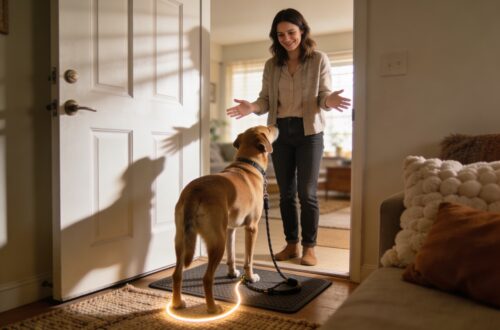
– Place a mat or bed near the door. – Toss treats onto the mat and say “Place.” – Reward your dog for staying on the mat as people come in. – Release after a few seconds, then build duration over time. IMO, “Place” is a game-changer if your house gets lots of visitors. It gives your dog a clear job when excitement spikes.
Consistency Rules: What to Do Every Single Time
You’ll squash jumping fast if you commit to a consistent routine. Everyone in the house needs to do this the exact same way (yes, even the kids and the “but I love hugs!” friend).
Your Greeting Protocol
– Step in through the door calmly. – If the dog jumps, turn your body away and fold arms. No eye contact. No words. – Wait for four paws down or a sit. – Mark it (“Yes!”) and reward with treats, petting, or attention. – If they jump again, attention ends again. Rinse, repeat. Important: Don’t push the dog off. That turns into a fun wrestling game. We’re removing the payoff for jumping, not creating a new one.
Practice with Controlled Reps (Not Just Random Guests)
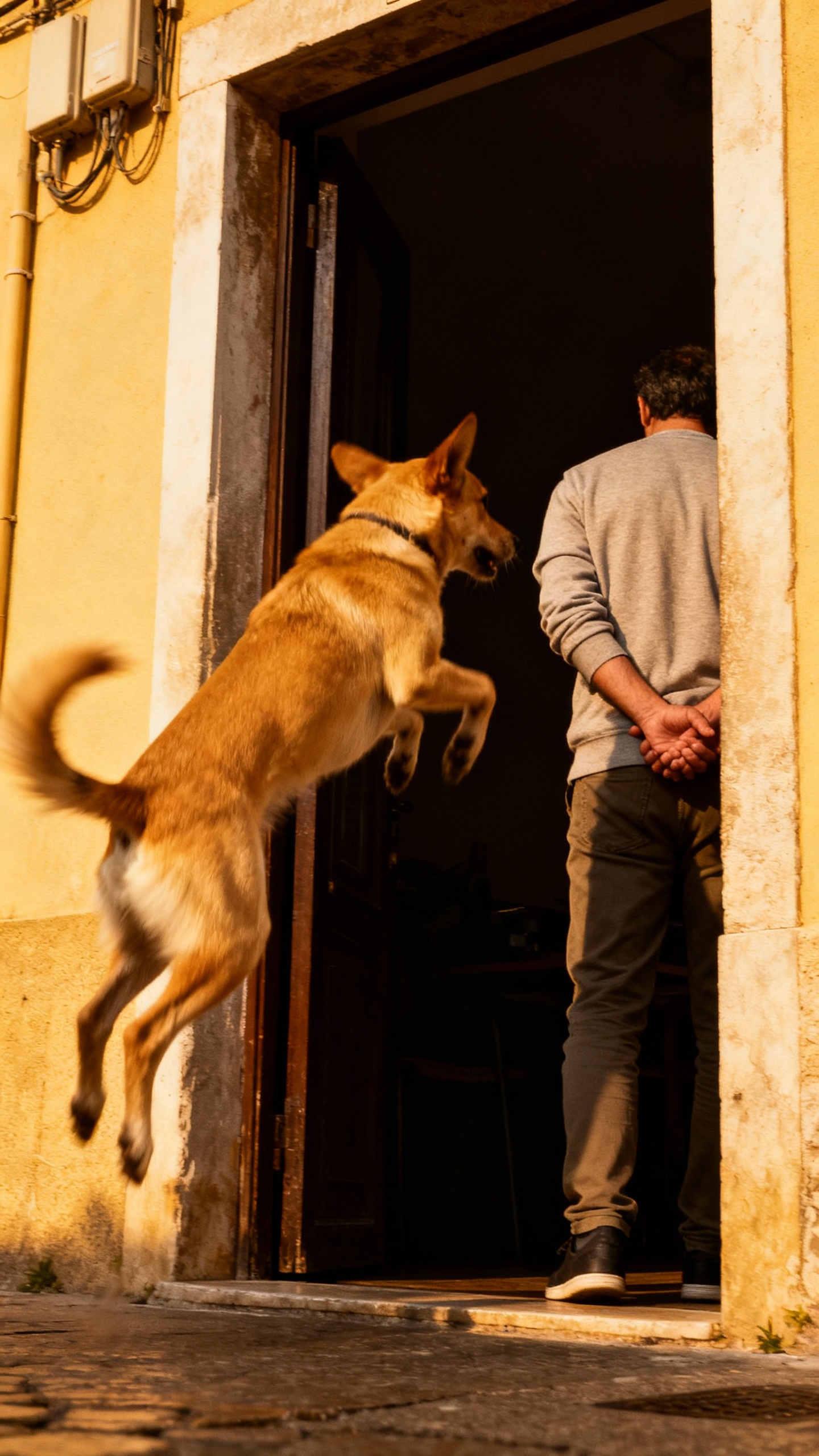
Waiting for real guests to show up turns training into chaos. Set up “fake” greetings so your dog gets reps when everyone can focus.
Set Up Success
– Leash your dog to control impulses without a tackle. – Ask a friend to knock or ring the bell, then wait outside. – Run your greeting protocol. Reward heavily when your dog gets it right. – Keep sessions short: 5–10 minutes, a few times a day. You’ll turn unpredictable greetings into predictable training sessions—way less stress for both of you.
Upgrade Your Tools: Management Saves the Day
Training takes time. Managing the environment keeps guests upright while you’re still in the learning stage.
- Baby gates or x-pens: Park your dog behind a barrier for arrivals, then let them earn their way out with a sit.
- Leash parking: Clip the leash to a sturdy point near the door so you can control greetings.
- Harness: More control, less pressure on the neck if your dog lunges with excitement.
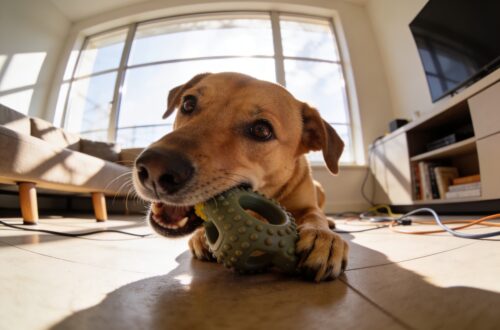
- Stuffed Kong or chew: Keep the mouth and brain busy while people come in.
- Doorbell routine: Bell rings → dog goes to mat → treat jackpot. Build this like a reflex.
FYI: Management doesn’t replace training, but it saves your sanity while training “loads.”
Reward What You Want, Ignore What You Don’t
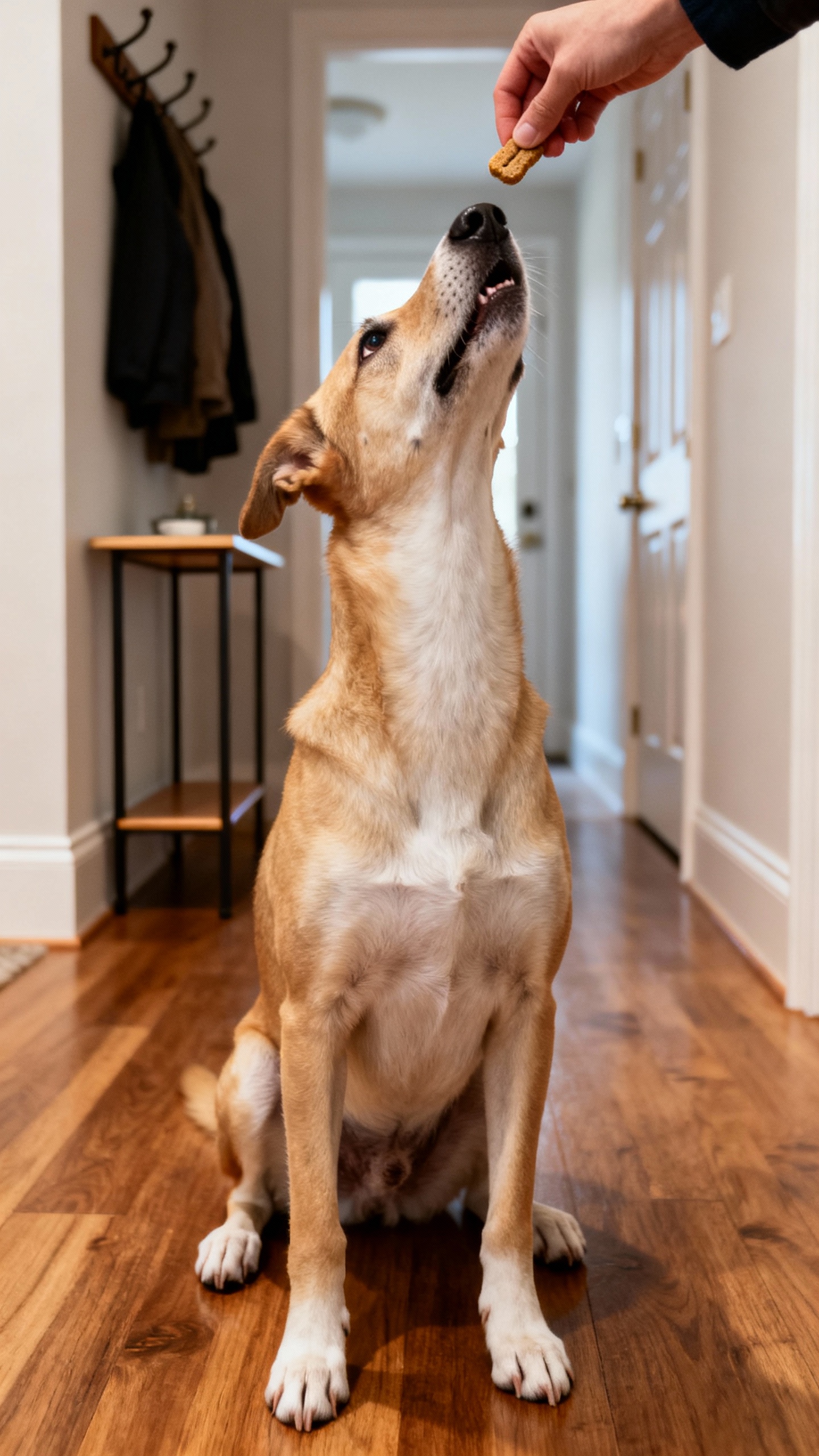
Dogs repeat what gets rewarded. So let’s stack the deck.
Reinforce Like a Pro
– Pay fast when paws hit the floor. – Use small, rapid-fire treats initially. – Shift to life rewards: petting, greeting the guest, going outside, tossing a toy. – Ask guests to help: “Please only pet when he sits.” If someone ignores the rules and hypes your dog up, it’ll set you back. Kindly hand them the script or just keep your dog on leash for those folks. It’s not rude; it’s training.
Fix Common Mistakes (Yes, We’ve All Made Them)
– Accidental rewards: Laughing, touching, or even eye contact can reinforce jumping. – Inconsistent cues: If one person allows jumping, your dog will gamble every time. House meeting time! – Too hard, too soon: Practice calm greetings with low excitement before testing on a birthday party crowd. – Under-paying good behavior: Early on, good choices need big paychecks.
What About Small Dogs?
They still shouldn’t jump on people. Tiny paws can scratch, and not everyone loves lap launches. Same rules apply—reward sits or four-on-the-floor. Don’t scoop them up every time; that becomes the reward.
When Jumping Comes from Overarousal
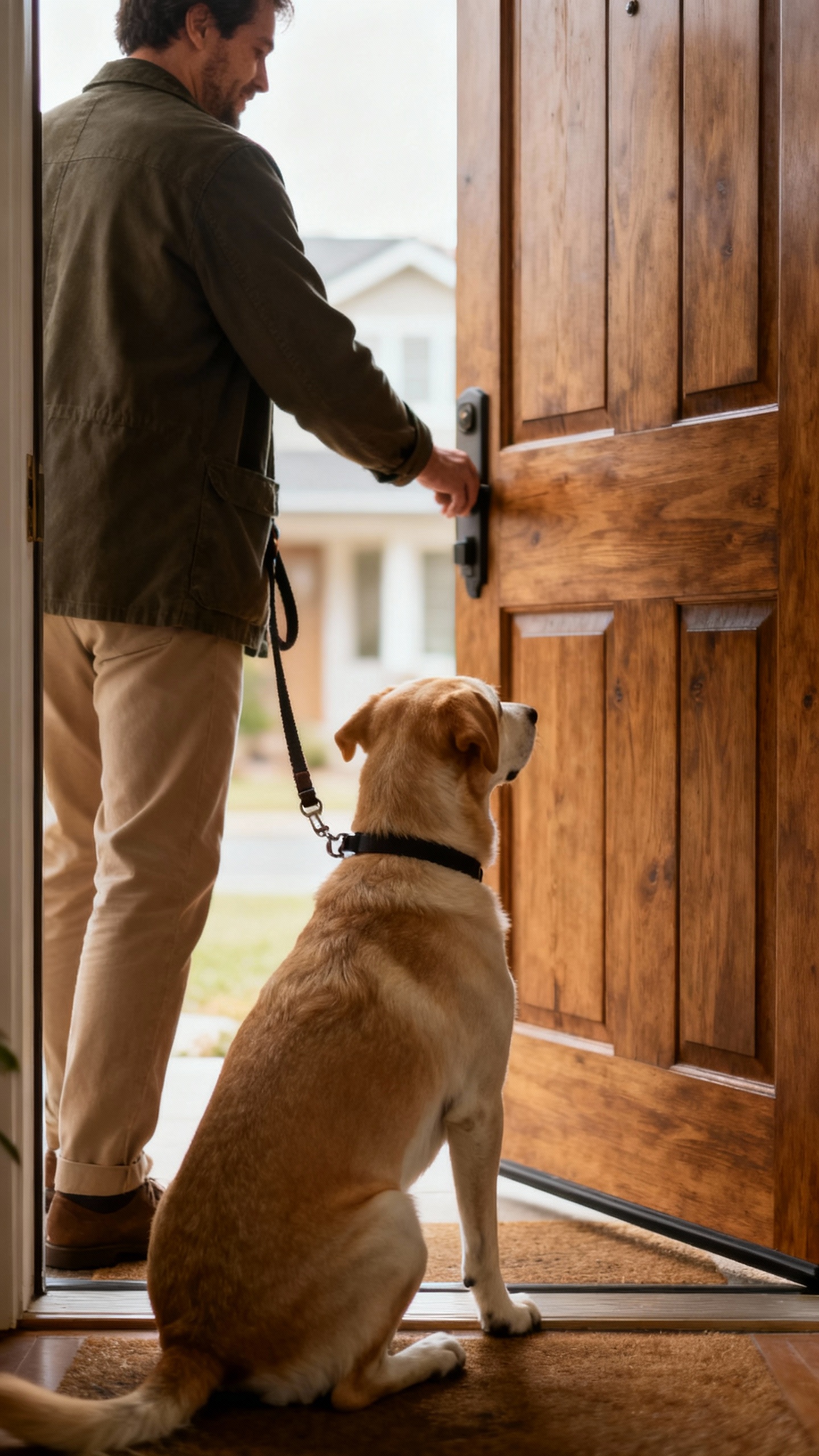
Some dogs explode with excitement because they’ve got too much gas in the tank. Training helps, but so does overall regulation.
- Pre-guest exercise: A 15–20 minute sniffy walk or fetch session before visitors.
- Calming games: Scatter feeding, snuffle mats, lick mats—these bring the arousal down.
- Impulse control drills: “Wait,” “Leave it,” and short-duration “Place” reps during the day.
- Breathing room: Give your dog space from the doorway at first, then gradually move closer.
IMO, a calmer dog learns faster and makes better choices. Energy management isn’t optional—it’s part of the plan.
Progression Plan: From Chaos to Chill
– Week 1: Train sit or four-on-the-floor in quiet rooms. Reward heavily. – Week 2: Add mild distractions: someone walking by, a quiet knock, opening the door slowly. – Week 3: Controlled guest practice with a leash and mat. Keep greetings short. – Week 4: Real-life tests. Keep treats by the door. Review the rules with guests before entry. If progress stalls, drop back a step and make it easier. Success builds confidence—for both of you.
FAQ
Should I use a knee-bump or push my dog off?
Nope. That can hurt your dog and turn greetings into a wrestling match. It also gives attention, which reinforces jumping. Teach a sit or “place” and reward that instead.
What if my dog only jumps on certain people?
That’s normal. Some people are more exciting (kids, high-pitched voices, your friend who smells like bacon). Coach those people. Leash your dog, ask for a sit, and only allow petting when your dog holds it together.
Can I train this without treats?
Treats speed up learning big time. But you can transition to life rewards—petting, praise, greeting access—once your dog understands the game. Start with food, fade it gradually.
Is my dog being “dominant” when they jump?
No. They’re excited, seeking attention, or both. Dominance theories don’t fit here. Reinforcement history does. Change the payoff, change the behavior.
How long will this take?
Many dogs improve in a couple of weeks with daily practice. Fully rock-solid greetings might take a month or two, especially with high-energy pups. Consistency determines speed.
What if nothing works?
Call a certified positive-reinforcement trainer. They’ll spot tiny timing issues and tailor a plan. Also rule out pain or anxiety with your vet if behavior changed suddenly.
Conclusion
Jumping stays because it works. You’ll fix it by making calm greetings pay better than spring-loaded chaos. Teach a clear alternative, manage the environment, and reward the heck out of four paws on the floor. Do that consistently, and your dog will greet like a polite pro—no body checks required.