I know the drill: a curious pup with a jaw that could rival a shark, and every corner of your home suddenly doubles as a chew toy. You want real results, not more guilt or mystery strategies. Let’s cut to the chase with a simple, 3-step fix that actually works.
Step 1: Nail down the why and the what
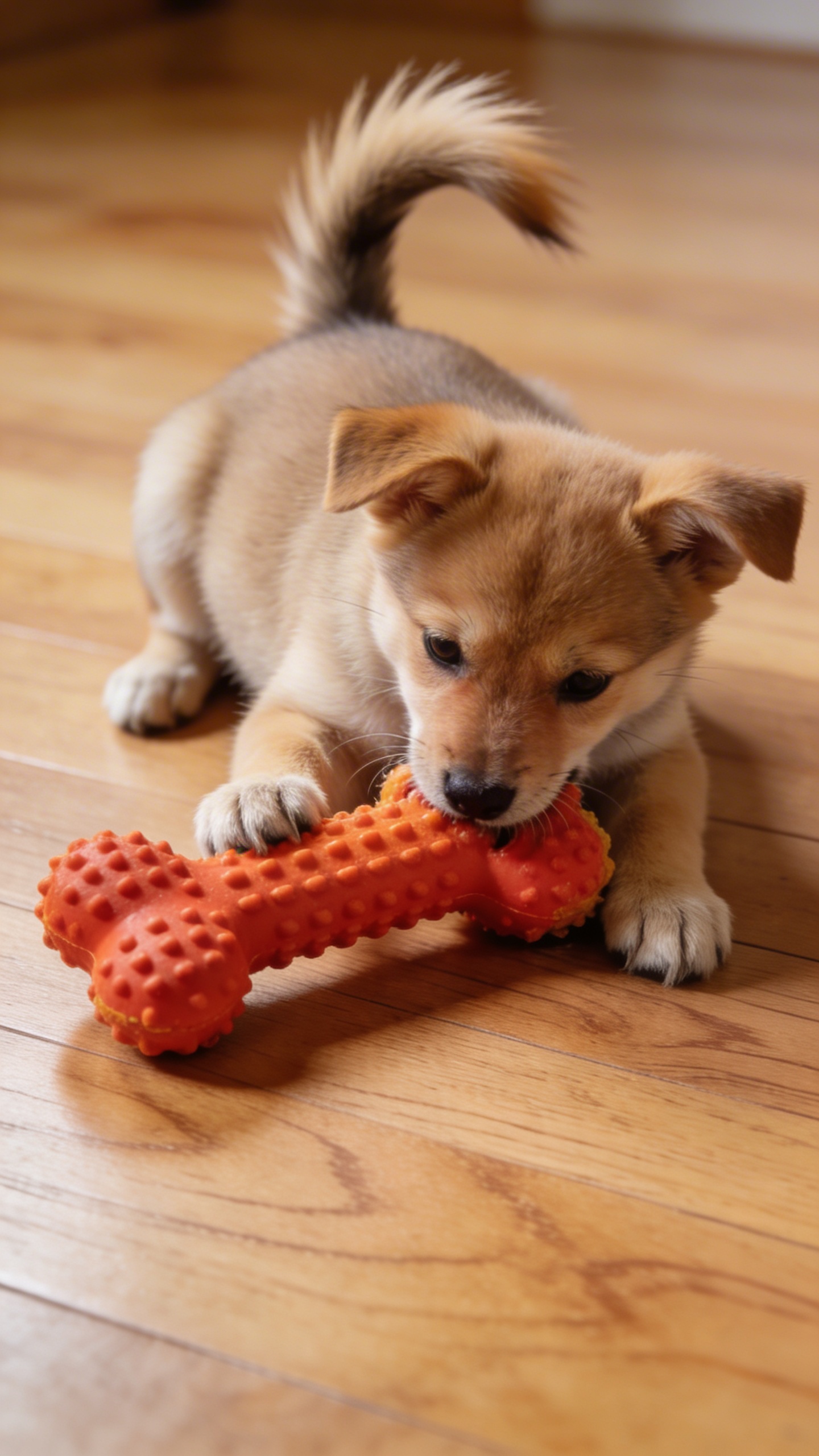
Before you conjure up the perfect chew toy, you gotta understand why your dog is chewing in the first place. It isn’t just a “bad dog” moment—chewing is natural, sometimes essential, and often a sign of a need. So let’s break it down. – Boredom or energy overflow: A pup with nothing to do finds its own entertainment, which usually involves your furniture. – Teething or growing pains: Puppies and juniors chew to ease sore gums and to explore their world. – Anxiety or frustration: Separation anxiety, fear, or even apartment acoustics can drive a chew spree. – Nutritional gaps or boredom relief from eating stuff they shouldn’t. Now, what should you actually target? Start by identifying a couple of hotspots in your home—the couch legs, shoes, cords, or a favorite rug. Also note when the chewing peaks: is it after meals, when you leave the house, or late at night? A quick, practical move: set up a cheap camera or rely on your eye. If you catch your pup chewing during specific times or triggers, you’ll tailor your plan perfectly. FYI, knowing your dog’s routine gives you the upper paw.
How to choose the right chew items
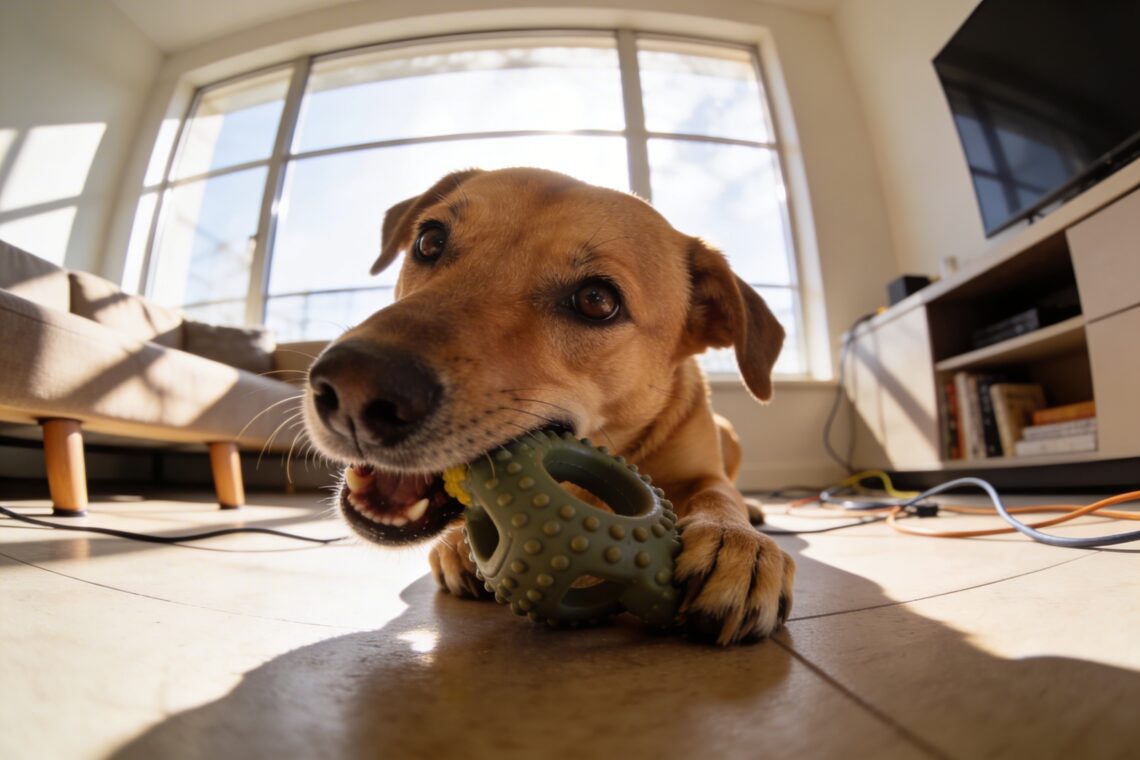
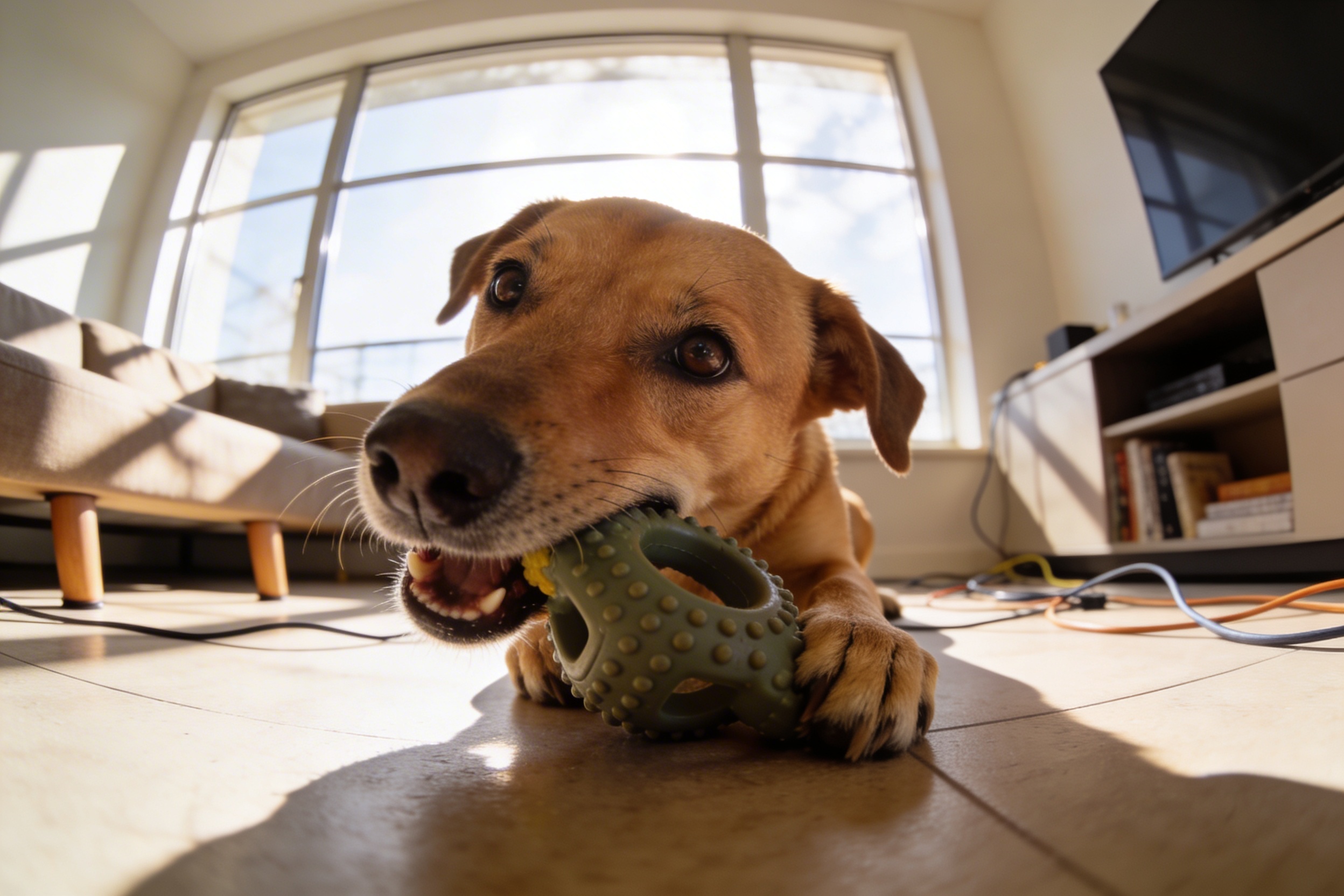
– Durable, dog-safe options: rubber chew toys, nylon bones, or sisal chews that stand up to enthusiastic jaws. – Edible chews with care: bully sticks or rawhide can be great, but monitor size and digestibility and avoid choking hazards. – Puzzle toys: treat-dispensing toys keep brains busy and mouths busy—in a good way. – Rotate chews: keep things fresh by swapping toys every couple of days. Remember: you’re not punishing your dog; you’re redirecting their energy. A happy, engaged pup chews less on your favorite couch. Simple, right?
Step 2: The 3-step fix you can actually implement
Here’s the heart of the method. It’s three clean moves that everyone’s actually using with success.
- Replace the habit with a better habit
- Limit access and increase supervision
- Strengthen the dog’s confidence and independence
1) Replace the habit with a better habit
When you catch or anticipate chewing, redirect immediately. Grab a favorite toy and guide your dog to chew it instead. Use a high-pitched, excited tone like you’re announcing a cool game. The idea isn’t to scold; it’s to swap. – Keep treats handy for quick reinforcement. “Yes! You got the good toy!” works wonders. – If your dog goes after something on the floor, pick up or block it, then offer the chew toy and praise generously. – Make the replacement feel like a treasure—vary the types to keep it exciting. Pro tip: keep a “chew routine” around the times your dog tends to use furniture as a chew target. For example, after a walk or before naps, bring out the big guns—the favorite toy, a delicious chew, or a puzzle.
2) Limit access and increase supervision
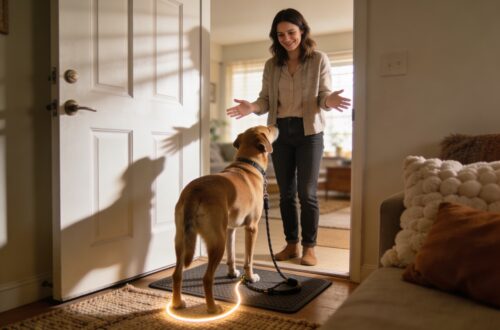
This is where most people slip up. If you can’t watch a golden egg-laying chicken, you shouldn’t expect it to stay unbroken. Short, close supervision beats long, vague hope. – Use baby gates to confine your dog to a chew-friendly zone when you’re busy. – Put away tempting items during high-risk windows (shoes, cords, the remote control, etc.). – Consider crate training for times when you can’t supervise. A crate becomes a safe den, not a prison. If you’re new to crates, make it a cozy, positive space: a comfy bed, a couple of safe chew toys, and a mat with a familiar scent. Practice short, happy sessions to avoid stress.
3) Strengthen confidence and independence
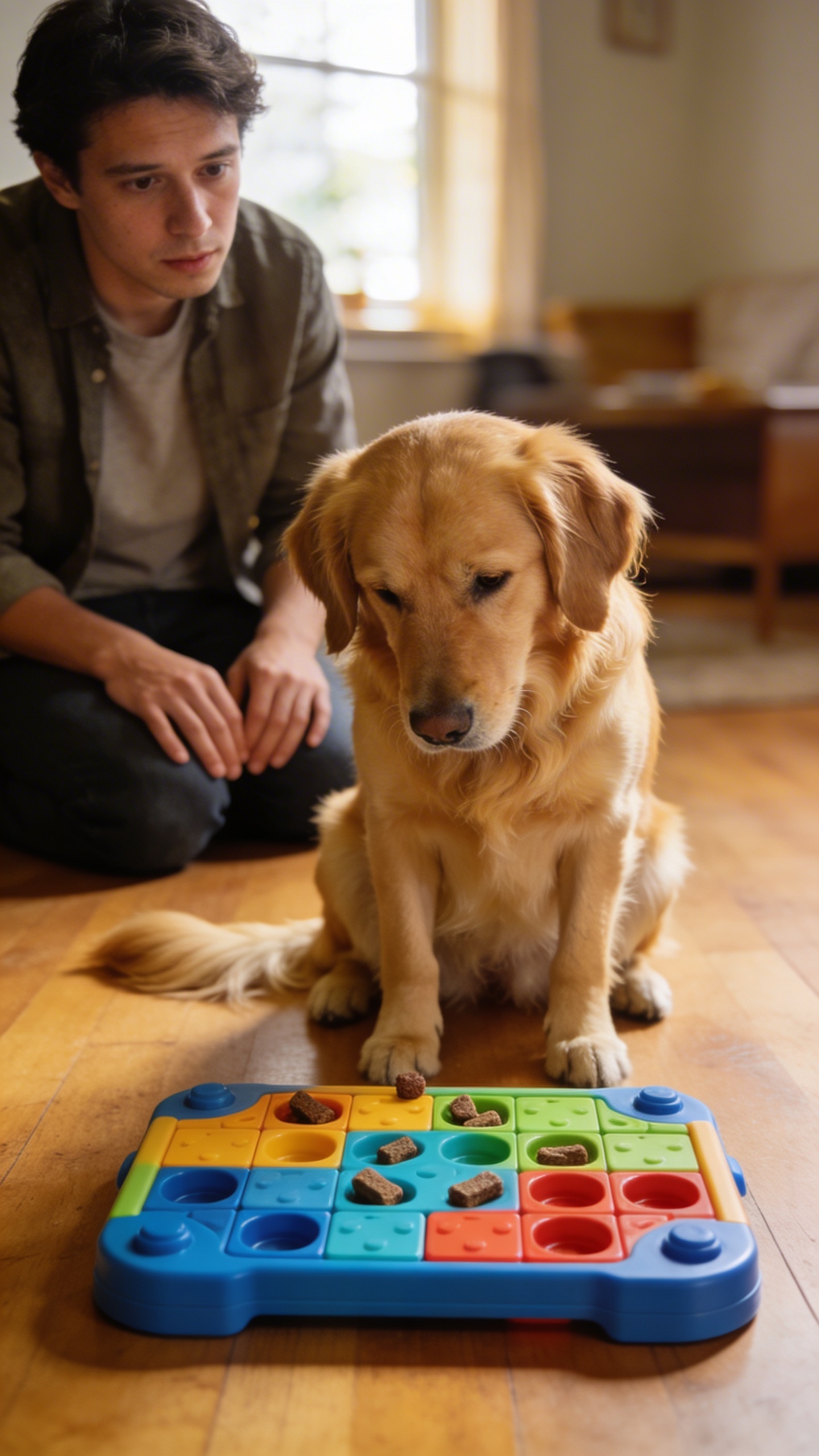
A confident dog with something to do loves to choose the right activity. Build that resilience with structured training and enrichment. – Short training sessions: keep commands like “sit,” “stay,” and “leave it” sharp. A dog that listens is less likely to assault your curtains. – Independence feeders: puzzle feeders that require thinking for food reduce the urge to chew on household items. – Schedule downtime and exercise: a tired dog is less likely to chew out of pure boredom. Add a dash of mental workouts. Hide treats around a room and let your dog hunt them. It’s mental stimulation without the potential for furniture demolition.
Common pitfalls and quick fixes
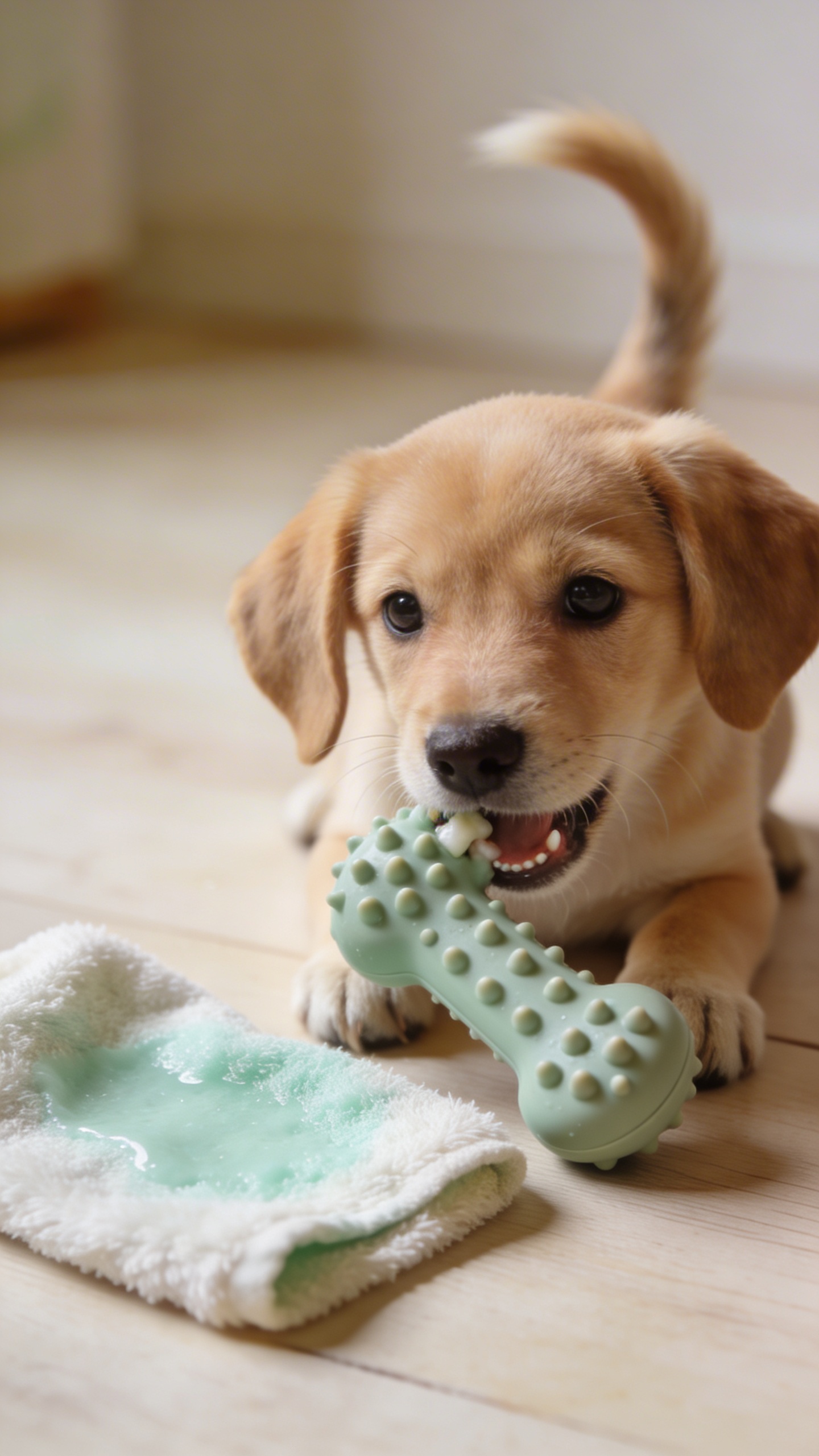
Let’s be honest: we all trip up. Here are dares-to-avoid and how to bounce back fast. – Pitfall: Overpunishing after a chew incident. Quick fix: Redirect and reinforce the preferred behavior. Apologize in dog language with a treat, not a lecture. – Pitfall: Relying only on chew toys without supervision. Quick fix: Use a timer for booping train sessions and reinforce with praise. – Pitfall: Not addressing teething properly in puppies. Quick fix: Chill with soft edible chews or dental toys designed for teething pups. How to know if you’re on the right track? Your dog starts choosing their chew toys over your personal belongings and doesn’t sneak into restricted zones as often. If you still see destructive bouts after a solid week, you may need to adjust the toy selection or ramp up training.
When to call in a pro
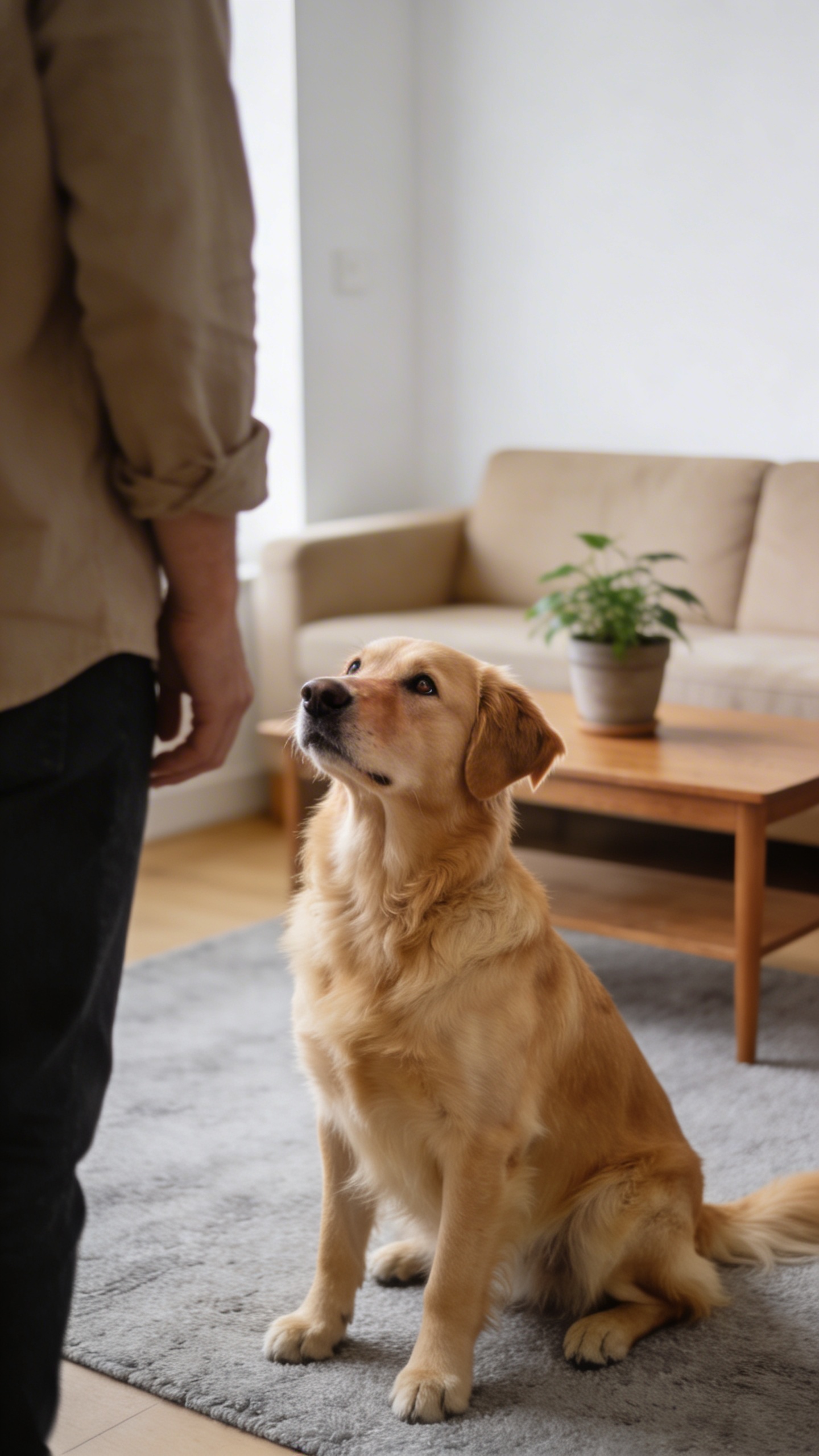
Most dogs respond well to the plan above. If you’re dealing with severe separation anxiety, obsessive chewing, or destructive behavior that spans rooms, it’s time to bring in a pro. – A certified dog trainer can tailor a plan to your dog’s triggers. – A veterinary behaviorist can help with underlying anxiety or medical issues. – In rare cases, chew targets could stem from medical problems, so a vet visit is not a bad idea if chewing escalates suddenly.
Designing your environment for success
Your home should be a playground for a dog, not a minefield. Optimize the space to support good behaviour and minimize temptations. – Chew-friendly zones: dedicated toy baskets, a crate or gated area, and a consistent feeding spot. – Safe, durable toys: avoid too-small toys that could be swallowed; opt for sturdy designs. – Cable management: invest in cord protectors or tape to hide or cover wires. – Furniture protection: slipcovers or bitter sprays can deter chewing on furniture, but pair these with actual redirection. A quick checklist you can copy-paste into your house notes: – Do I have a dedicated chew toy stock? – Are there high-risk items out of reach? – Do I supervise enough during peak chew times? – Is my dog getting enough exercise and mental stimulation?
Real-life success stories
People often worry this will never work. Then they try a few changes and suddenly, the dog isn’t shredding the living room at 2 a.m. A friend of mine saw her rescue go from shredding couch cushions to begging for stuffed toys within two weeks of rotating toys, scheduling short training bursts, and using a gate to create a safe zone while she cooked dinner. Another reader told me their puppy’s teething phase lasted longer than expected. They upped the dental chews, used frozen KONGs for soothing gums, and kept a constant rotation of puzzles. The result? Less destructive chewing, more focused play, and a calmer household. IMO, consistency beats intensity.
FAQ
Is chewing really a problem I can fix quickly?
Chewing is a normal behavior, but you can reduce it substantially with a consistent 3-step plan: replace, restrict, and build independence. The sooner you start, the quicker you’ll see progress. It isn’t magic, but it feels like magic when your pup starts choosing the right toy.
What if my dog only chews things that aren’t toys?
Redirect with a high-value toy or puzzle that’s irresistible. Make the toy the best thing in the room. If needed, remove the item from the floor and offer the toy as a replacement. You’ve got this—consistency wins.
Should I punish the dog after it chews something?
Nope. Punishment can increase anxiety and make things worse. Redirect, reinforce the right behavior, and reward the good choice. Think of it as teaching, not scolding.
How long does it take to see results?
Most dogs show improvements within 1–3 weeks with consistent redirection, supervision, and enrichment. Some dogs, especially puppies, need a bit longer. FYI, patience is part of the plan.
Can I use DIY chews or home remedies?
Yes, but choose safe, dog-friendly items. Frozen carrots, attached puzzles, and durable rubber toys are great. Avoid anything risky that could splinter or cause choking. If in doubt, pick store-bought, tested options.
What if my dog chews during my absence?
Lockdown the problem areas with baby gates or a crate during longer absences. Leave a couple of high-value toys and a puzzle feeder to keep them busy. The goal is to create a controlled, enriching environment while you’re away.
Conclusion
Stop chasing the problem and start reshaping the routine. The 3-step fix—replace, restrict, and build independence—gives you a practical path to a home that’s less chewed up and more harmonious. It’s not about being perfect; it’s about making better choices and sticking with them. If you stay consistent, your dog will learn to pick the right toys, and your furniture will thank you. If you’re feeling overwhelmed, take a breath. Start small: one well-chosen toy, one short training session, and one safe zone. Then build from there. You’ve got this—your couch will survive, I promise. IMO, a little humor and a lot of consistency go a long way.