You’ve cleaned the floors. You’ve tried the fancy sprays. You’ve begged, bribed, and maybe cried a little. Yet your dog still pees in the house. Let’s fix this—without shame, without magic wands, and definitely without more expensive gadgets that don’t work. You need a clear plan that tackles behavior, routine, and health. Ready to reboot?
First: Rule Out Medical Issues (Seriously, Don’t Skip This)
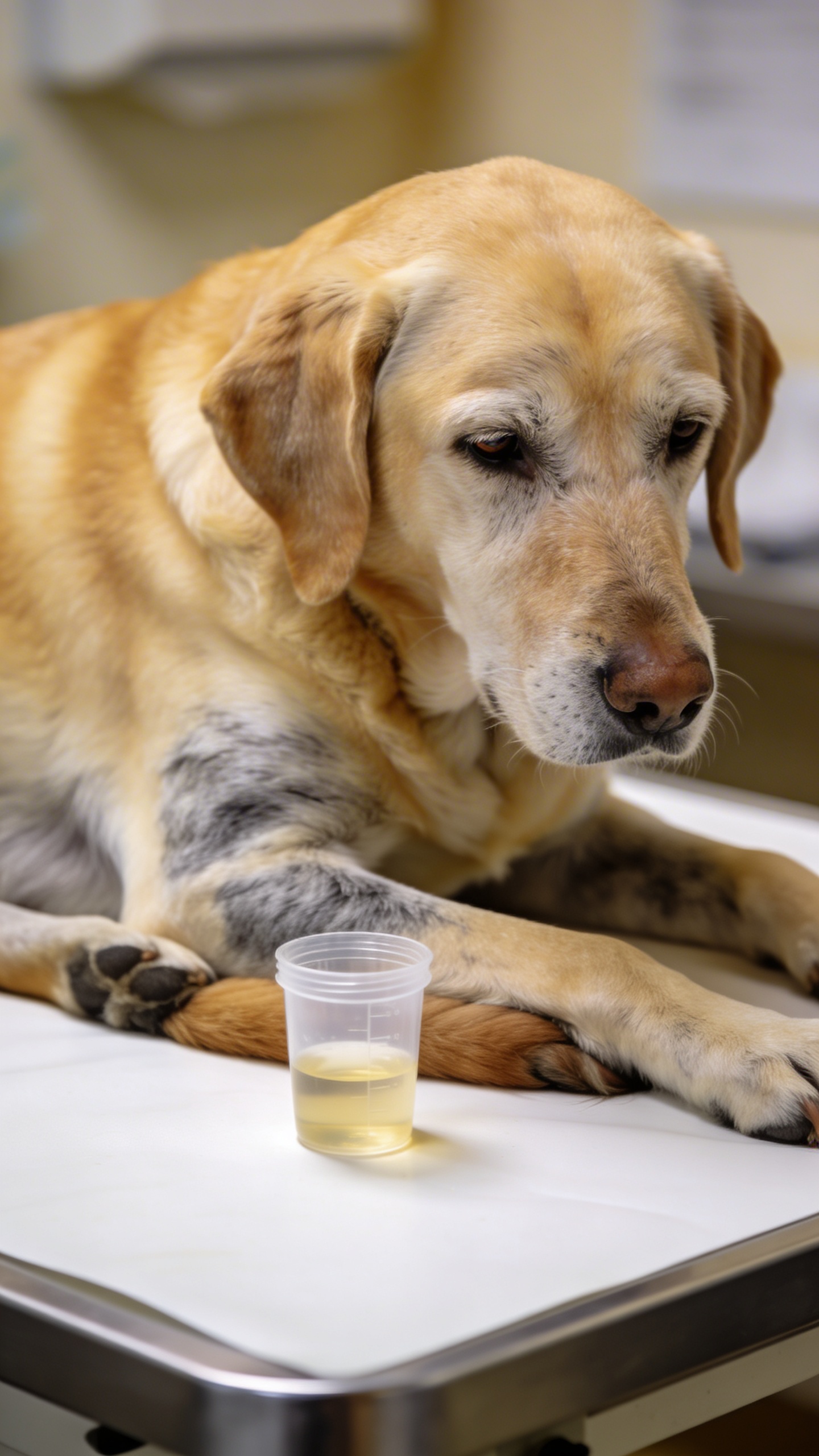
If your dog suddenly started peeing indoors or can’t seem to hold it, call your vet. UTIs, bladder stones, diabetes, kidney issues, and Cushing’s disease can all cause accidents. Older dogs can also develop cognitive decline. A quick exam and urine test can spare you months of frustration. FYI, puppies and seniors have different needs, so your vet can help tailor a plan.
Red Flags That Scream “See the Vet”
- Frequent peeing or straining with little output
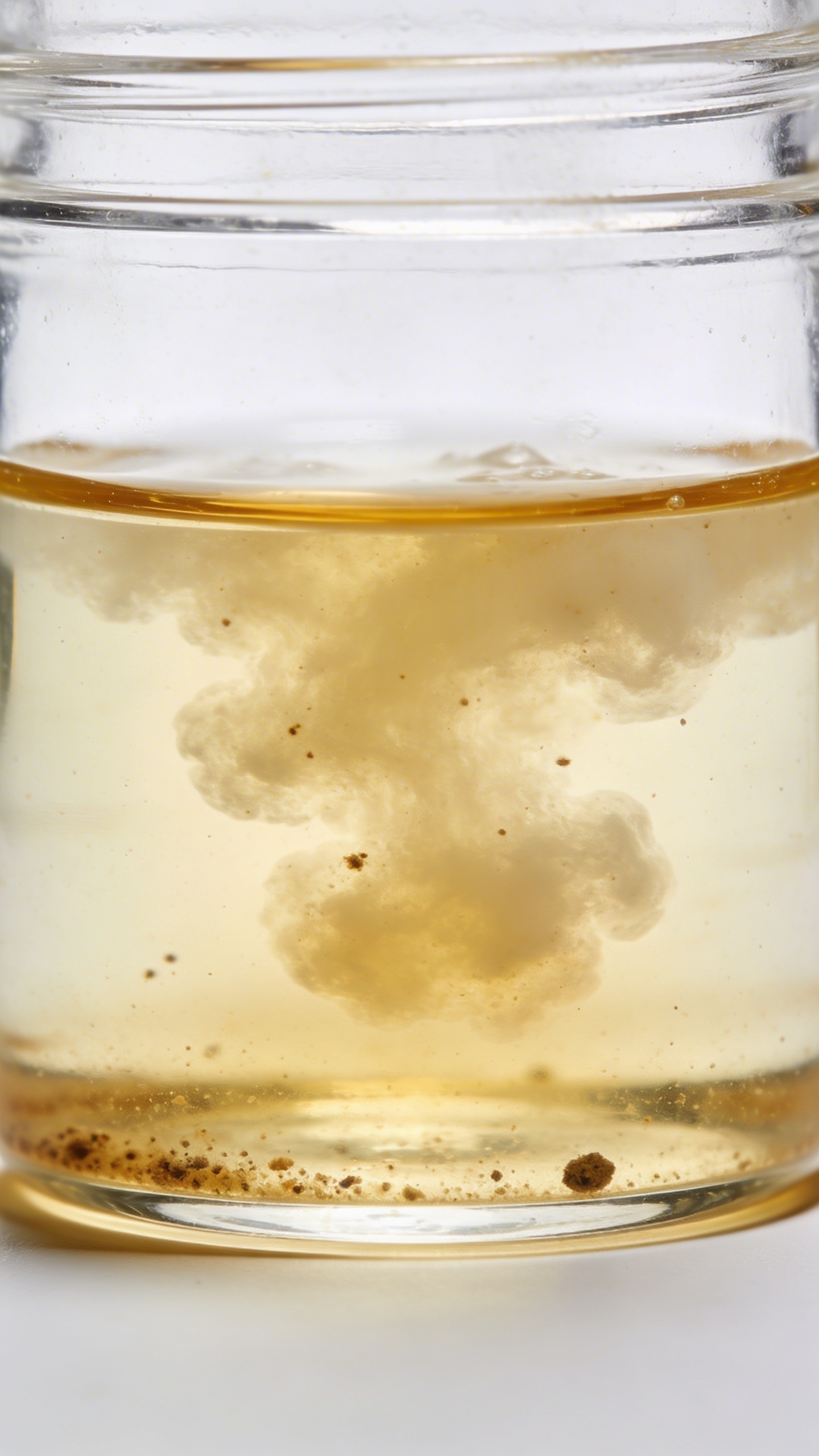
- Blood in urine, strong odor, or cloudy pee
- Drinking tons of water
- New anxiety or confusion, especially in seniors
Stop the Smell (Or Your Dog Will Keep Going)
Dogs pee where it smells like pee. If old odors linger, your dog reads it like a neon sign that says “Bathroom Here.”
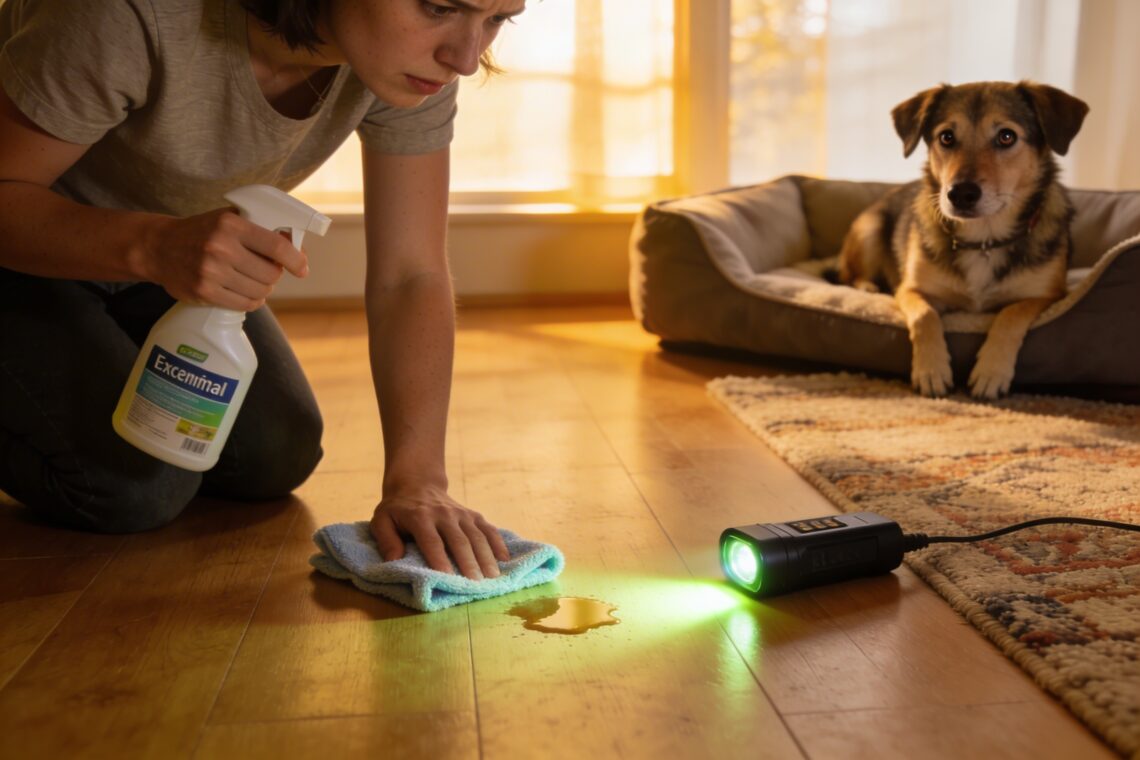
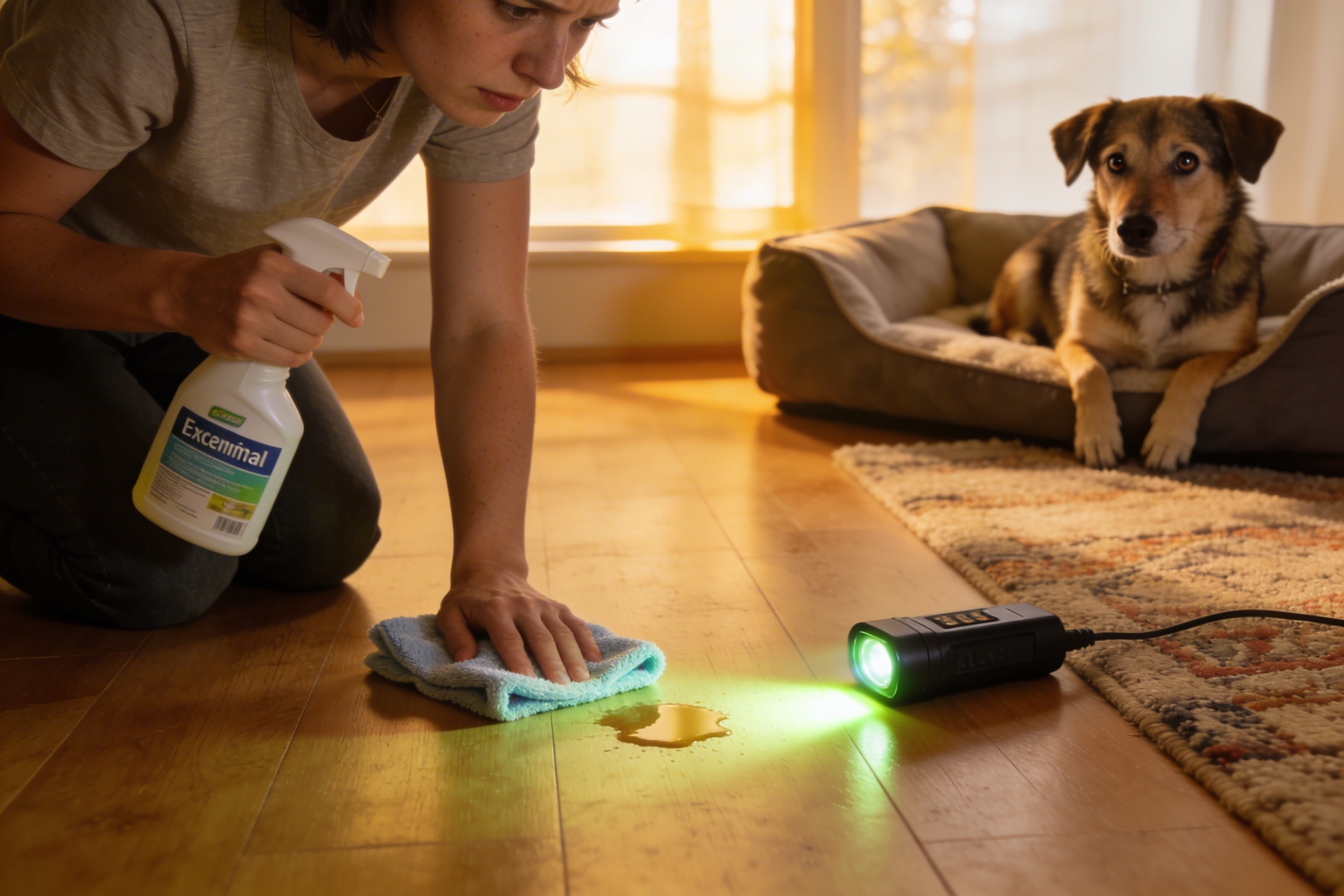
- Use an enzymatic cleaner on every known spot. Not vinegar. Not baking soda. Enzymes break down the stink at the molecular level.
- Use a blacklight at night to find hidden crime scenes on rugs, corners, and furniture.
- Wash soft items with an enzyme additive. Air dry first to check if the smell returns before heat sets it.
Reboot the Routine: Back to Potty Training Basics
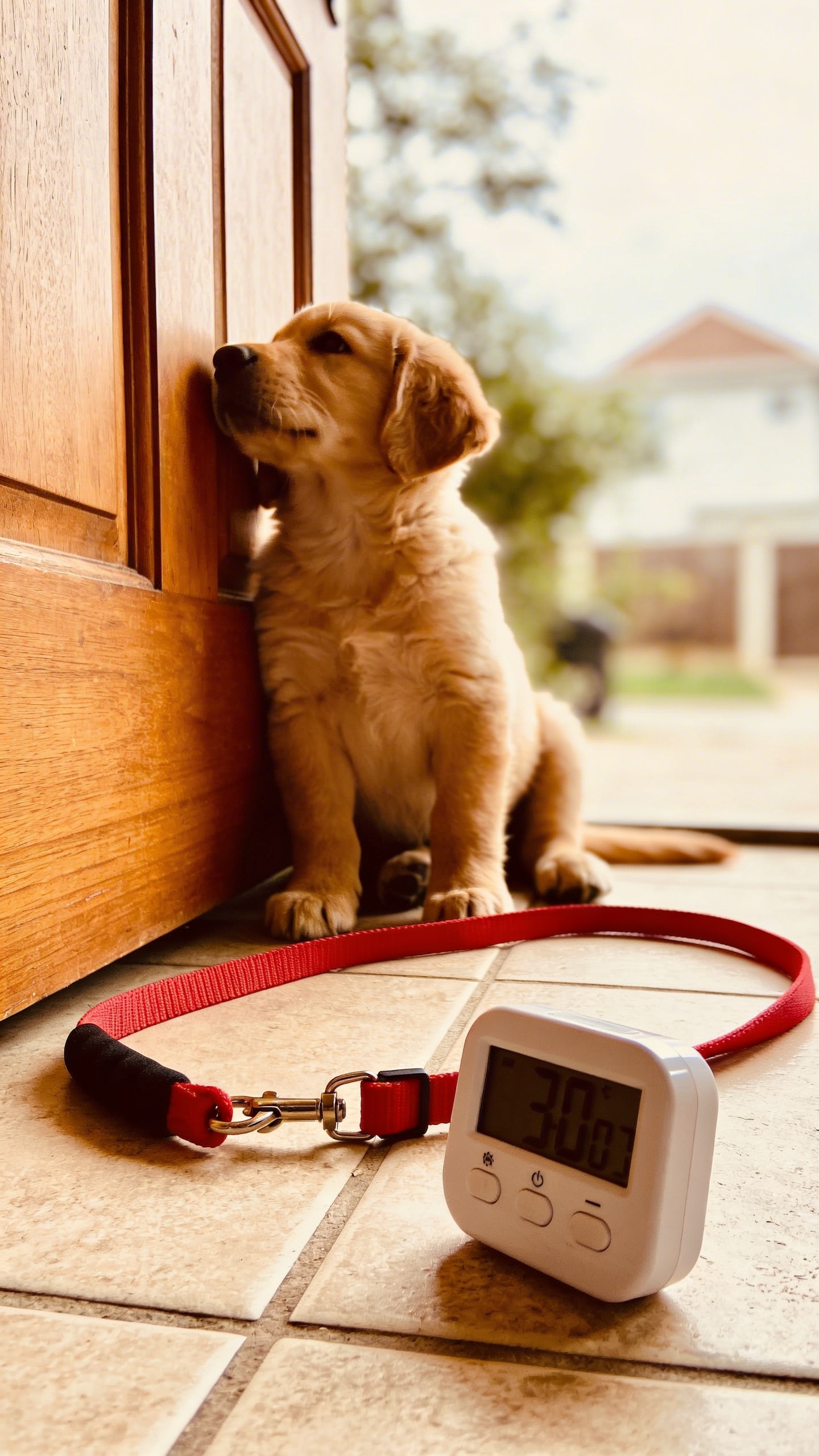
Even adult dogs sometimes need a reset. No shame—just structure.
- Go out on a schedule: first thing in the morning, after meals, after naps, after play, and right before bed. Most dogs need 4–6 potty trips a day minimum.
- Leash them in the yard so they don’t just sniff butterflies. Walk to the spot. Wait quietly. Give a cue like “Go potty.”
- Reward instantly with a tiny treat and praise the second they finish. Not ten seconds later—right away.
- Control water access at night or before long crating (don’t restrict all day). Offer water regularly, but not endless slurps before bedtime.
Crate and Confinement Done Right
Crates help, but only if you get the size and timing right.
- Right size: Big enough to stand, turn, and lie down. Too big and they pick a corner to potty.
- Short stretches: Don’t expect a dog to hold it all day. General guideline: age in months + 1 for puppies, up to about 4–6 hours max. Adult dogs still need breaks.
- Use playpens or puppy-proofed rooms if crates cause anxiety. Add a pee pad temporarily only if you can’t get outside often.
Identify the Real Reason: It’s Not Always “Just Stubborn”
If you’ve “tried everything,” you probably haven’t matched the method to the cause. Different triggers need different fixes.
Submissive or Excitement Peeing
Does your dog pee when you greet them or when guests come over?
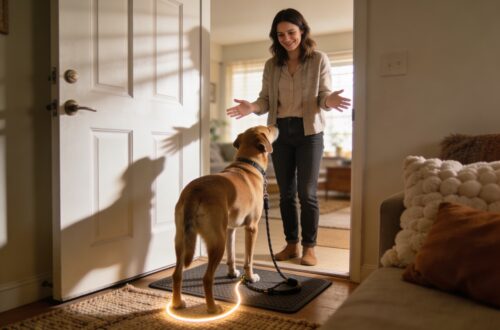
- Keep greetings low-key. No squealing. No looming over them. Turn sideways and let them come to you.
- Build confidence with training games and predictable routines.
- Teach a sit-for-greeting and reward calm behavior.
Marking Behavior
This isn’t a bathroom emergency; this is “I claim this couch.” You’ll see small amounts on vertical surfaces.
- Neuter/spay if appropriate—it reduces marking for many dogs (IMO, especially helpful with males).
- Supervise indoors and interrupt gently with a “let’s go” to the yard.
- Belly bands can help manage while you train, but still work the root cause.
Anxiety or Separation Stress
Peeing when you leave? That’s not defiance; that’s distress.
- Short departures and gradual desensitization. Leave for 1–5 minutes, return casually, build up.
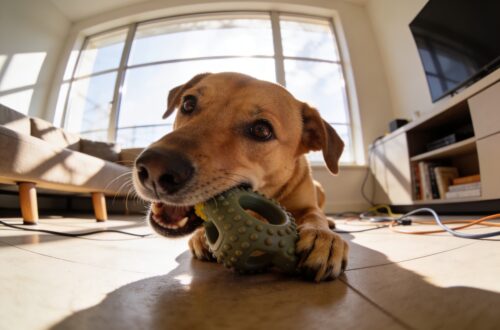
- Pre-departure calm: no big goodbyes, provide a stuffed Kong or chew.
- Talk to your vet about anxiety support if training alone doesn’t cut it.
Inadequate Outdoor Opportunities
Harsh weather, busy schedules, or apartment living can sabotage success.
- Increase potty trips temporarily to retrain the habit.
- Create a covered potty area for rain or snow, or use real-grass pads on balconies.
- Hire a walker or ask a neighbor during long workdays—cheaper than replacing rugs, FYI.
Supervision: Catch It Before It Happens
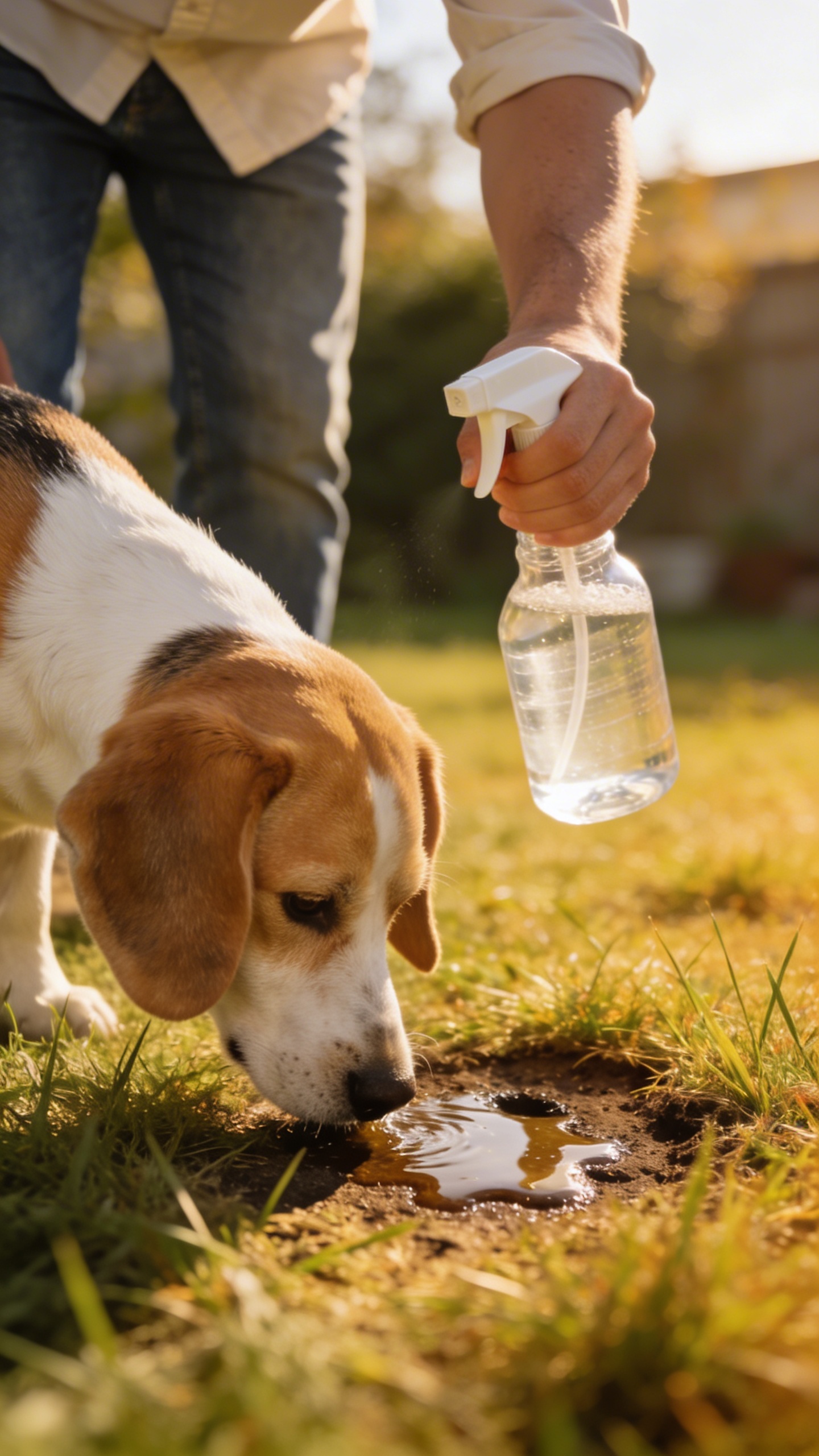
The best correction happens before the puddle, not after.
- Tether your dog to you with a lightweight leash at home for a few days. You’ll spot the sniff-circle-squat routine fast.
- Interrupt gently with “outside!” and jog to the door. No scolding. No rubbing noses in messes—ever.
- Close doors and block access to rugs and bedrooms where accidents keep happening.
Build a Rock-Solid Potty Cue
You want results on command? Make it a game.
- Walk to the same outdoor spot.
- Say your cue softly: “Go potty.”
- Stand still. Don’t chit-chat. Boring is your friend.
- Reward immediately after they finish. Party-level praise, small treat.
- Repeat for two weeks. Gradually fade treats; keep verbal praise.
When You Can’t Supervise: Manage Like a Pro
Life happens. You can’t watch every second.
- Use strategic confinement with crates, pens, or a bathroom with easy-to-clean floors.
- Consider indoor turf or pads as a short-term backup, especially for small breeds or in high-rises.
- Keep a log of feeding, water, peeing, and pooping. Patterns appear fast, and then you can predict like a wizard.
Motivation Matters: Make Outdoors Worth It
Some dogs prefer your Persian rug because it’s comfy and close. Convince them the yard pays better.
- Reward outdoors only for potty. Keep treats by the door in a sealed jar.
- Don’t rush back inside the second they finish. Hang out for 2–3 more minutes so peeing doesn’t end the fun.
- Play after potty. Pee first, then fetch. That sequence builds habits, IMO the easiest win.
Common Mistakes That Keep the Cycle Going
- Inconsistent schedules: Dogs thrive on routine. Set alarms if you must.
- Punishing accidents: It teaches hiding, not housetraining.
- Free-feeding all day: Scheduled meals create predictable potty times.
- Too much freedom too soon: Earned freedom beats carpet cleaning.
FAQ
How long does it take to fix indoor peeing?
Most dogs improve in 2–4 weeks with a tight routine. Medical or anxiety cases can take longer. Track progress weekly, not daily. If nothing changes after a month, bring in a certified trainer or behaviorist.
Should I use pee pads for an adult dog?
Pads can help in apartments or for tiny breeds, but they can blur the “inside vs. outside” rule. If you use them, put them in one consistent spot and phase them out gradually by moving them closer to the door, then outside.
Is belly banding cruel?
No, not when used thoughtfully. A belly band catches urine and protects your home while you train. Make sure it fits well, change it often, and keep working on the underlying behavior like marking or anxiety.
What cleaner actually works?
Use an enzymatic cleaner designed for pet urine. Read the label and let it sit for the full dwell time. For carpets, soak the pad layer too, not just the surface. Blacklight after it dries to double-check.
My dog pees when excited—help?
Keep greetings calm and brief. Ask guests to ignore the dog at first. Take them outside right before visitors arrive. Reward calm sits. Many dogs outgrow excitement peeing with consistency.
Can diet or supplements help?
Consistency helps more than supplements. Feed on a schedule and choose a quality diet your dog digests well. If your vet suspects UTIs or bladder irritation, they may suggest specific diets or medical treatments—don’t DIY this one.
Conclusion
You’re not dealing with a “bad dog.” You’re dealing with a habit loop that needs a reset—and maybe a health check. Clean the slate (literally), tighten the routine, supervise like a hawk, and reward like a game show host. Stick with it for a few weeks, and those indoor puddles become a distant, slightly damp memory.