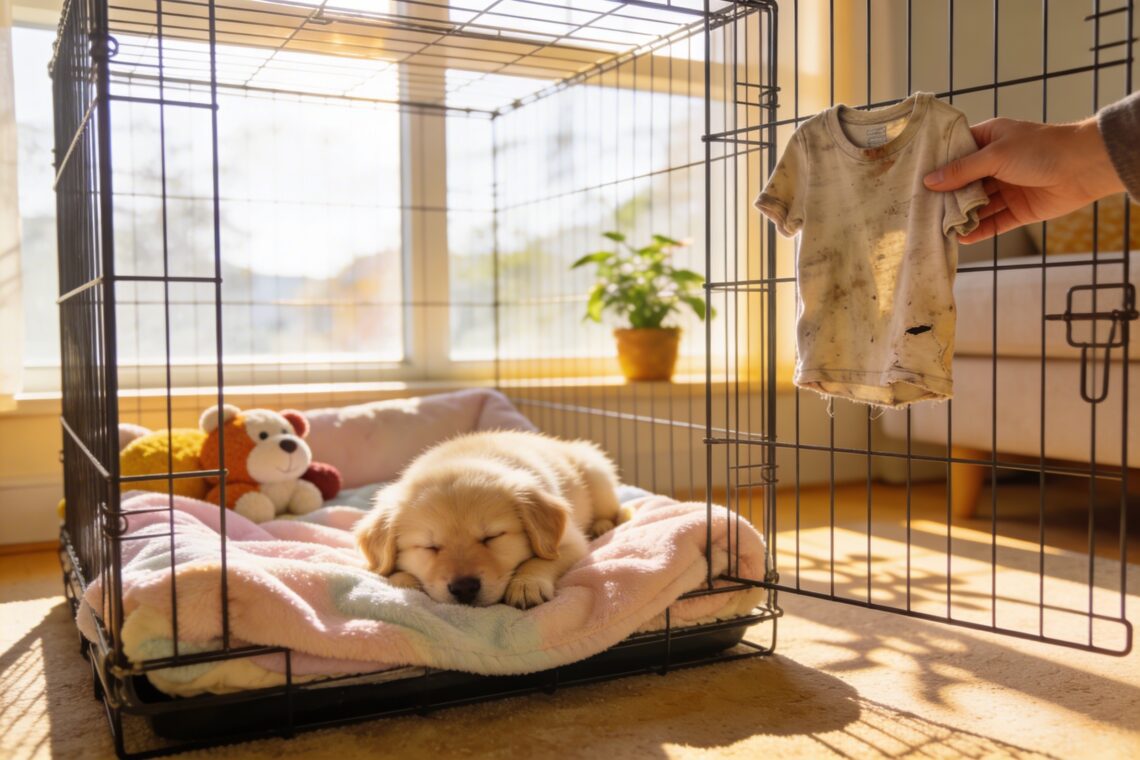
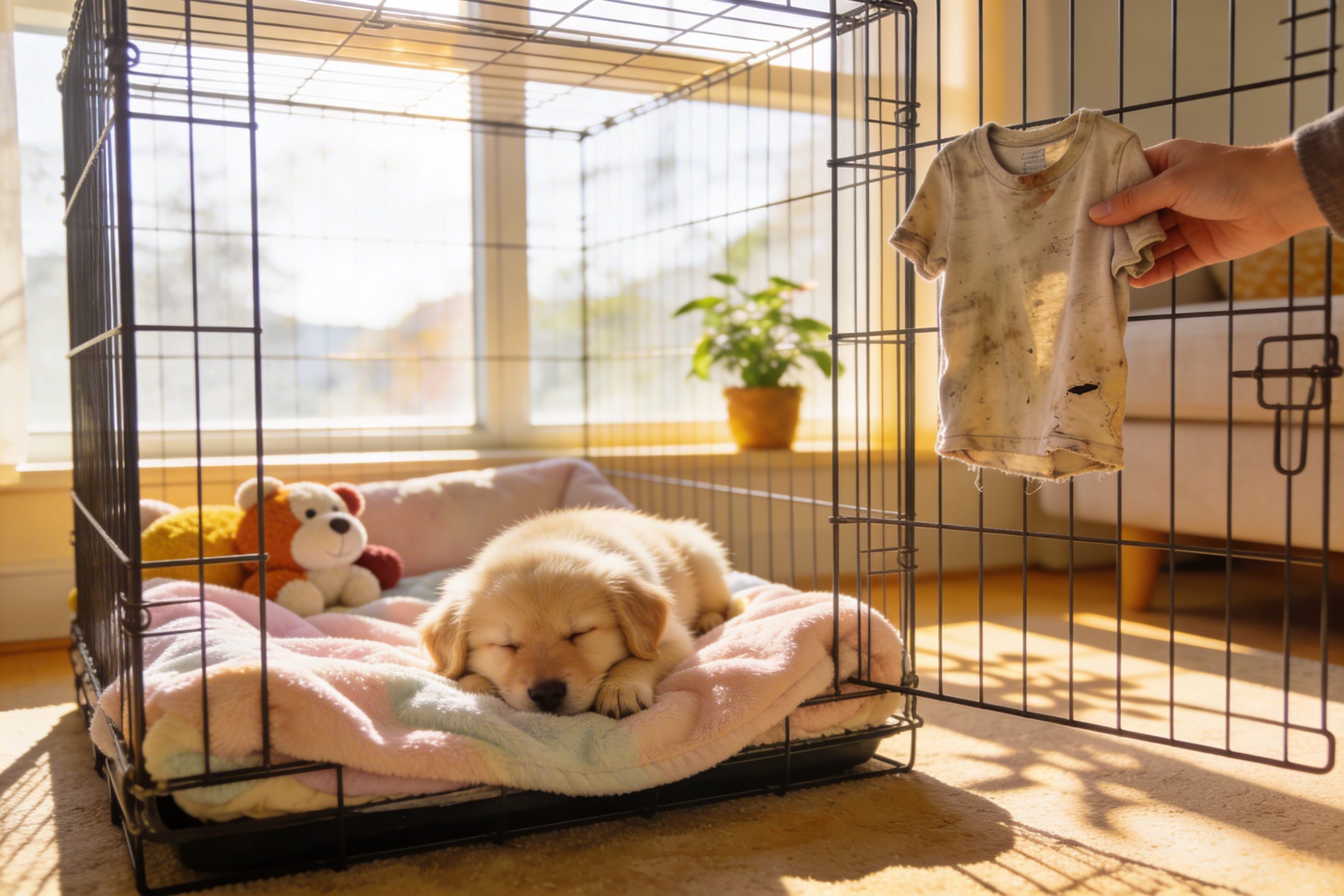
If your puppy’s nightly soundtrack is a chorus of whines and cries, you’re not alone. Crate training can feel like a tiny, fur-covered battlefield, but you don’t need to surrender to the overnight wails. With a few tweaks, you can turn those howls into peaceful dreams and your sanity back.
Set the stage: make the crate a cozy, irresistible place
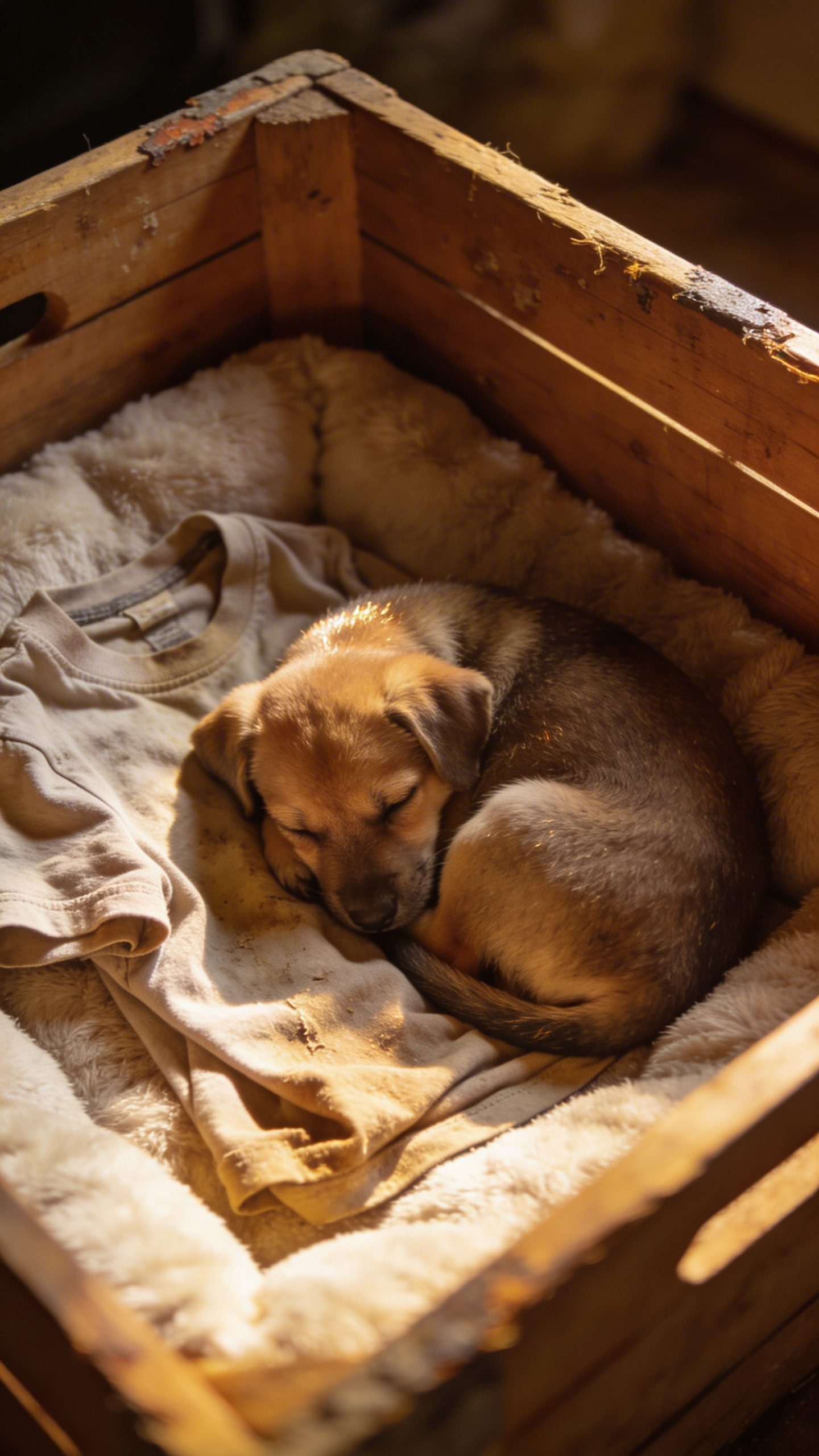
– Start with the basics: the crate should feel like a den, not a jail. Put the crate in a common area where you hang out, so your pup doesn’t feel isolated. – Comfort matters: a soft bed or blanket, a stuffed toy, and a reassuring scent (a worn t-shirt from you can help) make a big difference. – Temperature check: keep it cool enough to sleep, not hot enough to sweat. If it’s winter, a light blanket is fine; summer, keep airflow steady. – Use food timing to favorite crate spots: feed your puppy near the crate at first, then gradually move meals inside the crate to create positive associations.
Crate setup without the drama: how to pair routine with calm
– Establish a consistent bedtime routine: potty, dinner, a little play, then crate. The predictability helps them settle faster. – Use a cue word: a simple “crate” or “bed” cue helps your puppy associate the space with rest. – Keep the door open at first: let them explore the crate on their own terms. Snap a few treats in there to lure them inside. – Short first sessions: start with a few minutes inside, then gradually extend. If they whine, calmly close the door for a minute and reopen—progress, not punishment.
Training tricks that actually reduce nighttime cries

– Positive reinforcement wins: reward quiet behavior with praise and a treat when they settle. – Gradual independence: praise the quiet moments more than the moments you’re paying attention to the whining. – Ignore the cry, reward the calm: don’t give attention during the whines, but immediately reward when they’re quiet. – Tire them out before bed: a quick play session and a bathroom break can burn off some energy and reduce restlessness.
What to do if the crying starts in earnest
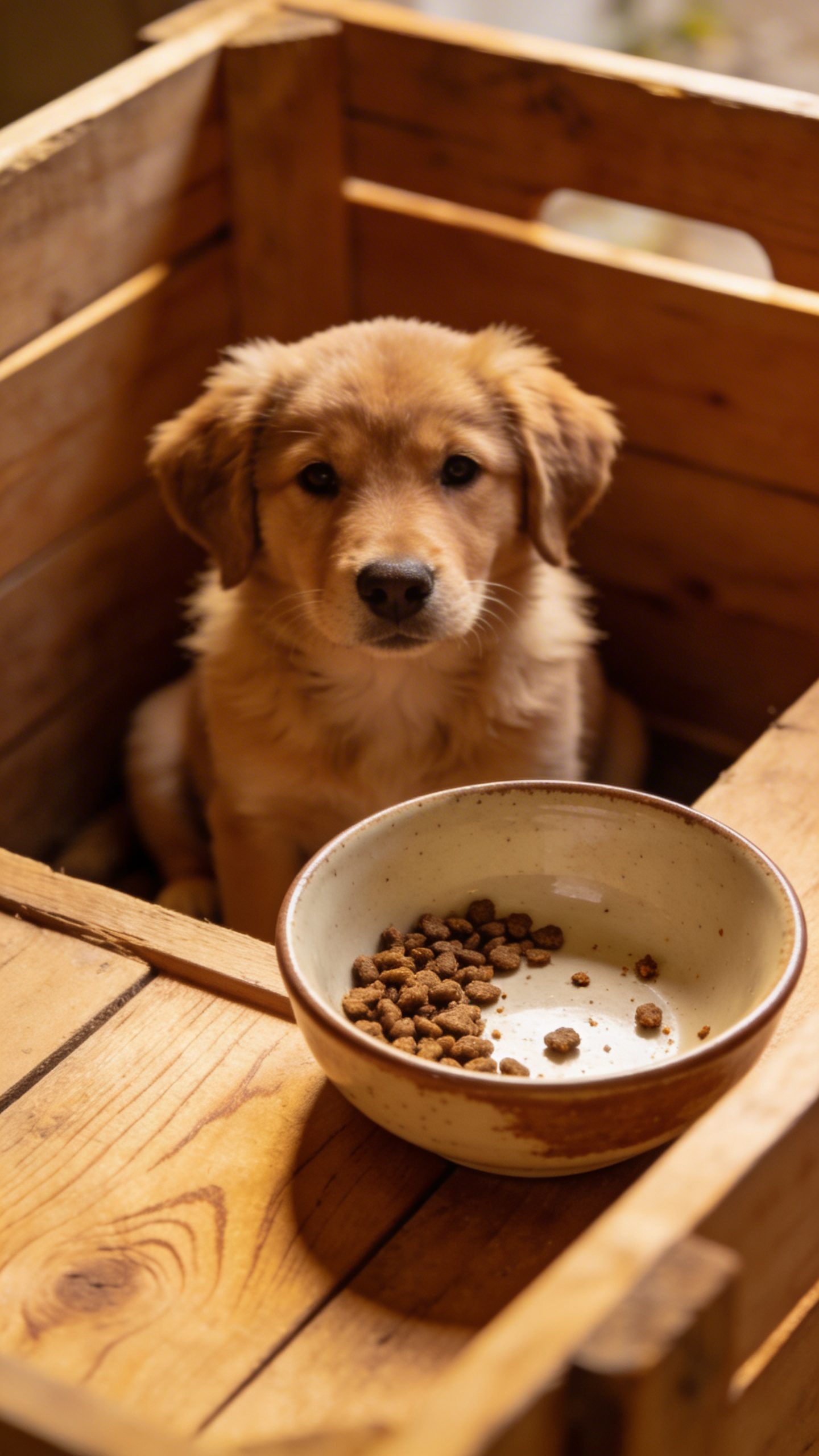
– Reassess potty needs: puppies have tiny bladders. If they’re crying after hours, they may need a quick potty break. – Check for discomfort: cold, pain, or an uncomfortable crate setup can provoke crying. Adjust bedding or crate height if needed. – Keep a consistent sleep window: even on weekends, try to keep the same bedtime. Humans are creatures of habit too.
Address common pitfalls that fuel the wails
– Don’t use the crate as punishment: that’s a fast track to fear and more crying. The crate should feel like a safe space, not a timeout. – Don’t create a crate-in-the-bedroom showdown: some puppies sleep better closer to you, as long as it’s safe and quiet for everyone. – Avoid excessive noise: if you’re up every ten minutes, you’ll miss the signal that a single check might solve. Consistency beats frequency.
When to switch up routines: signs it’s not working
– If crying lasts more than a week with consistent effort, reassess. Sometimes a puppy just needs more time, sometimes a different crate placement helps. – Growth spurt adjustments: teething and growth spurts can make sleep unsettled. Be ready to adapt bedding, crate size, and routines as your pup grows. – Consider a vet check if crying turns into distress, panting, or vomiting. It’s rare, but better safe than sorry.
Useful hacks that actually help (FYI, not magic)
– White noise or soft lullabies: a gentle backdrop can mask outside sounds that might wake a sensitive pup. – A stuffed toy with your scent: the familiar smell can soothe a nervous puppy. – A safe chew near the crate: something durable to keep them occupied when the world feels loud. – Temperature and lighting: a dim nightlight and a comfortably cool room can help more than you’d expect.
How to transition from bedtime to morning without a crash
– Set a consistent wake-up cue: aim for roughly the same time every day, even weekends. – Morning potty routine: take them out before breakfast, then reward with a calm greeting and breakfast. – Gentle morning routine: avoid rushing in with loud voices. A soft “good morning” and a treat can ease into the day.
What to do if the crate is too small or too big
– Size matters: the pup should be able to stand, turn around, and lie down comfortably. If they’re cramped, move up a size. – Don’t oversize it: a crate that’s too big can make crate training less effective and invite accidents away from the sleeping area. – Use a divider: many crates come with dividers so you can gradually increase space as your puppy grows.
Investing in training aids: are ramps, mats, and crates worth it?
– Crate mats and padding: good padding reduces the chance of cold or hard surfaces waking them. – Puppy pads vs. potty training: many eventually outgrow pads, so plan ahead for house training while using the crate. – A crate cover: some dogs like a little privacy, but not all. Start uncovered and introduce a cover if your pup seems soothed by it.
Need a quick step-by-step plan?
– Week 1: crate at night with door open, treats inside, quick short inside sessions during the day.
– Week 2: close the door for short periods after they settle, gradually lengthen.
– Week 3: aim for longer stretches of quiet before you unlock the crate.
– Week 4: full nights of sleep with consistent routines.
FAQ
Should I let my puppy sleep in my bed instead of the crate?
Sleeping with you can help some puppies feel secure, but it can become a hard habit to break. If you choose this route, keep a consistent plan and be prepared to transition back to the crate gradually to avoid confusion.
What if the crying is due to separation anxiety?
Separation anxiety is tougher, but you can tackle it with gradual desensitization, short departures, and consistent routines. Start with brief separations while you’re in the room, then lengthen the time apart as they stay calm inside the crate.
Are progress and patience the only tools I need?
Progress and patience are essential, but so are timing and environment. Make sure the crate is inviting, routine is consistent, and stressors (like loud noises) are minimized during the night.
What if I have a multi-puppy household?
Two puppies can cry in unison, which is adorable and chaos-inducing. Use separate crates or safe room setups, keep their routines coordinated but not identical, and ensure each pup has its own space and comfort items.
Is it okay to use a bell reminder for potty breaks?
Yes, a bell by the door can be a helpful cue for potty breaks during night and day. Train gently: let them sniff the bell, praise when they touch it, and reward a successful outing.
Conclusion
Crate training doesn’t have to feel like a test you studied all night for and still failed. With a few tweaks to setup, routine, and expectations, you can reduce nighttime crying and create a peaceful space for your pup to grow confident and rested. FYI, consistency beats chaos every time. Stay patient, tune your approach, and celebrate the tiny victories—like a quiet crate at 2 a.m.—because those are the moments that build real trust.