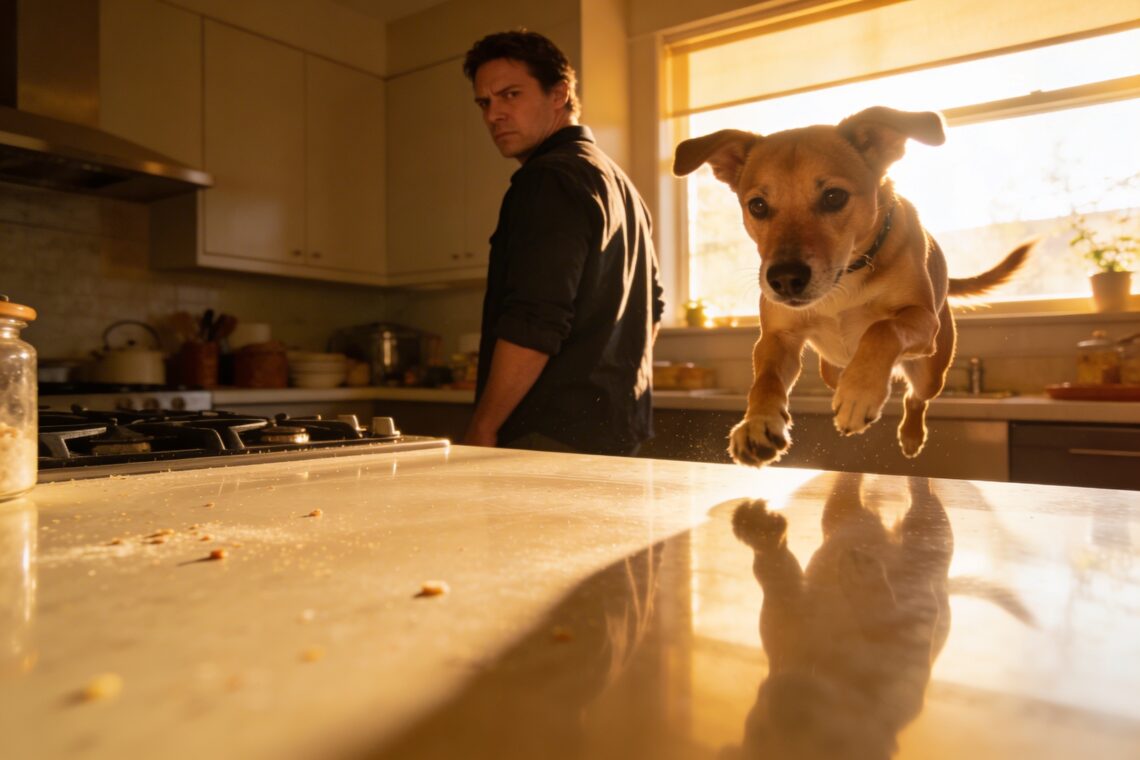
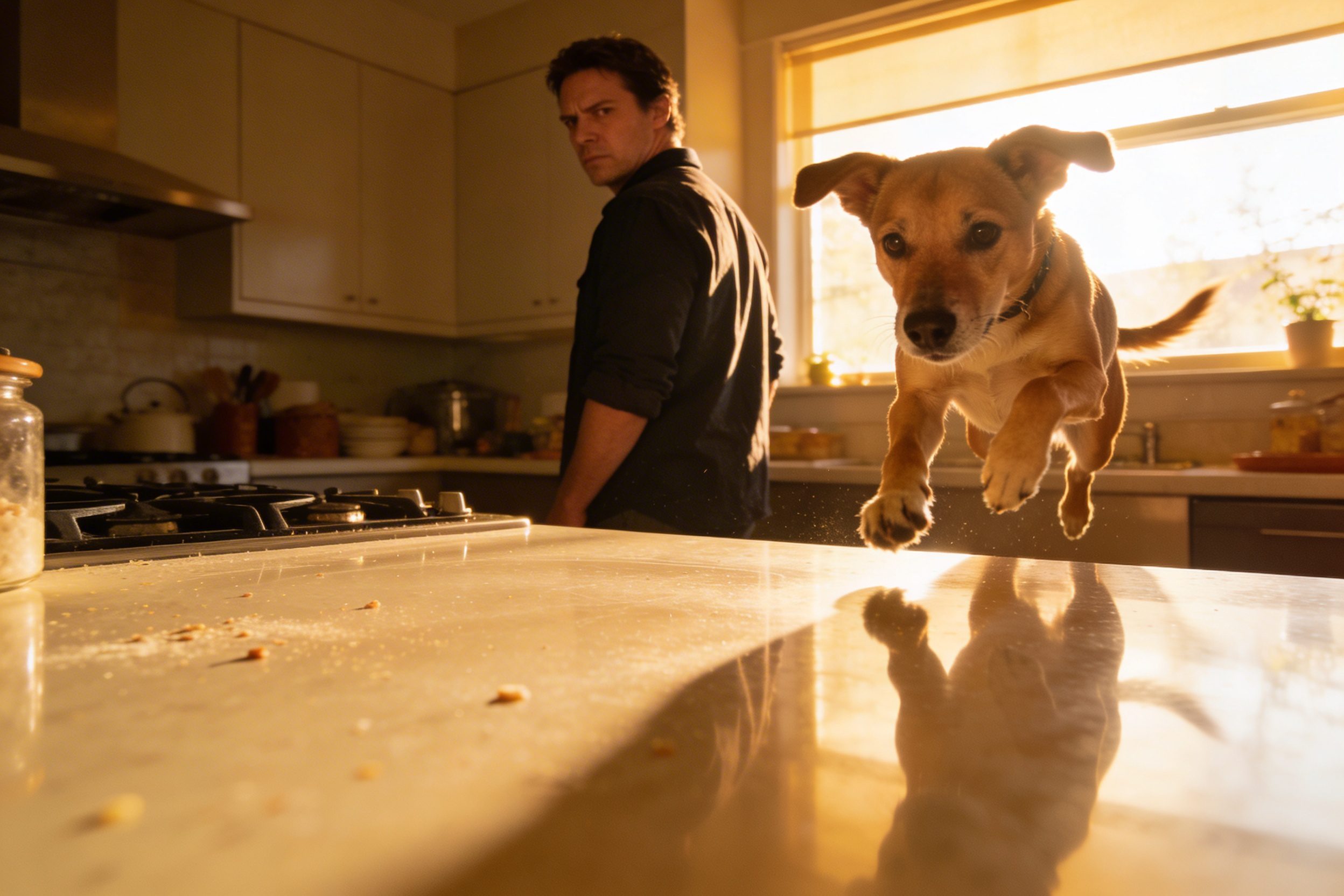
The second you turn your back, your dog’s on the counter like it owns the place. If you’re tired of opening the fridge to find paw prints and a suspiciously empty butter dish, you’re not alone. Let’s get your kitchen time back and your countertop dignity restored—with seven fixes that actually work.
Know Why It Happens in the First Place
Your pup isn’t “being bad” for sport. They’re chasing adrenaline, curiosity, or a tasty shortcut to reward. The smarter they are, the sneakier they get. And yes, there are brains, doors, and snacks involved. If you don’t want a future where you catch them mid-shoulder-ride onto the counter, you’ve got to understand the why behind the behavior. – Food is irresistible: smells travel faster than gossip on social media. – They’re clever and bored: a bored dog is a counter-surfing dog in disguise. – Inconsistent rules invite exploration: if you’re unclear, they’ll guess wrong and win. – Access is easy: a quick hop, a sniff, a bite, and boom—habit forms. Now ask yourself: what does your kitchen reward most, you or the dog? If the answer is your dog, we’ve got fixes that flip the script.
Fix 1: Make the Counter Less Tempting
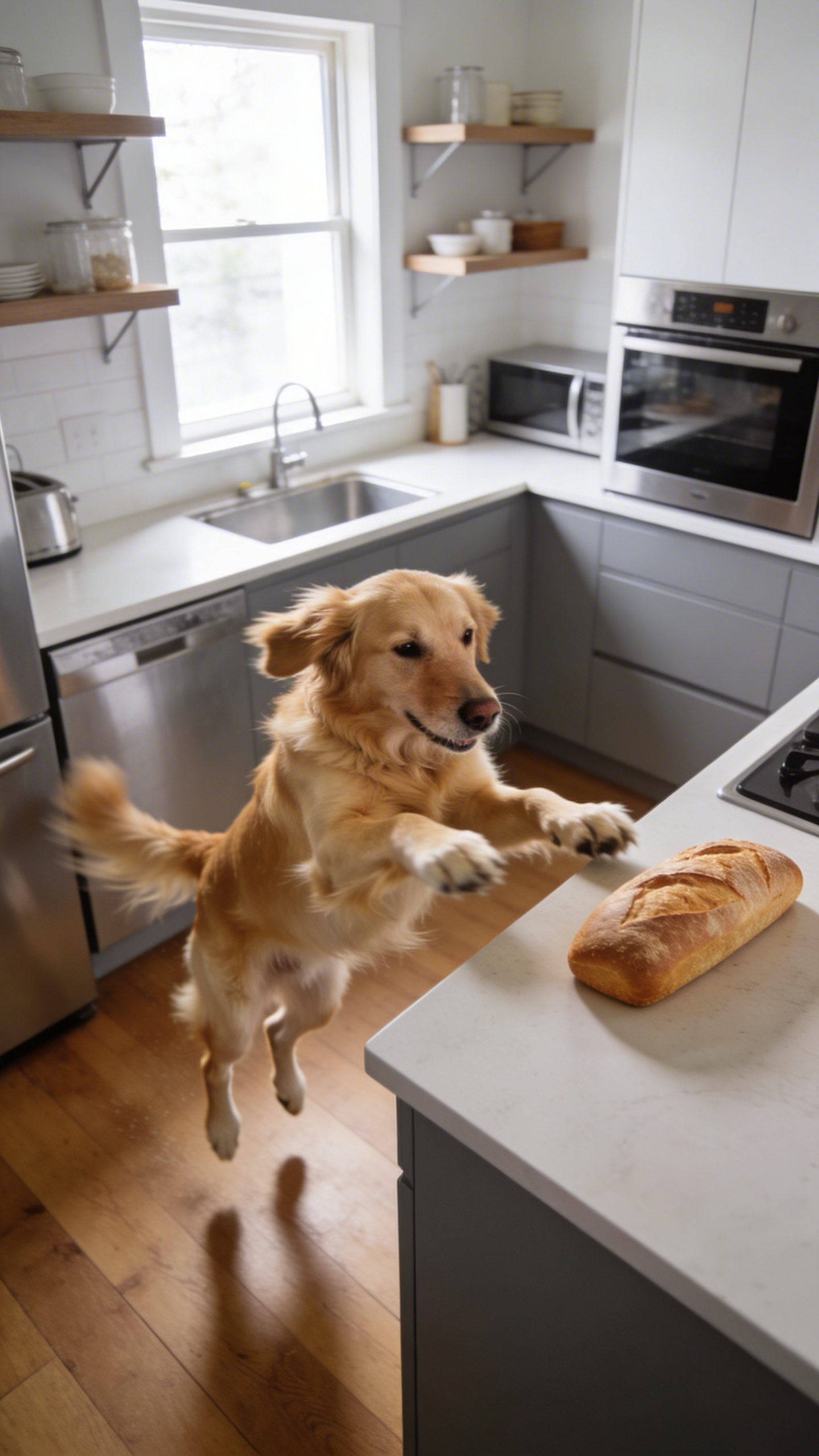
If there’s nothing enticing up there, there’s less motivation to jump up. It’s simple, but it works when you pair it with a strong alternative. – Clear counter tops: wipe away crumbs, wipe away excuses. – Elevate your awareness: keep eyes on the prize—your dog. A quick glance can deter mischief before it starts. – Use deterrents that feel humane: double-sided tape, foil, or a citrus spray (for some dogs, citrus is a scent they dislike). FYI, not every dog hates all deterrents, so test one that suits yours. – Create a “no-go” zone with baby gates or exercise pens during peak times (meal prep, opening the fridge, etc.).
Subsection: Is Your Kitchen Really a no-go Zone?
Sometimes you need to make a tiny fortress around the main crime scene. A gate or a leash tether during cooking can save a lot of counter drama. It’s less about punishment and more about gentle boundaries.
Fix 2: Teach a Solid “Off” and “Place” Command
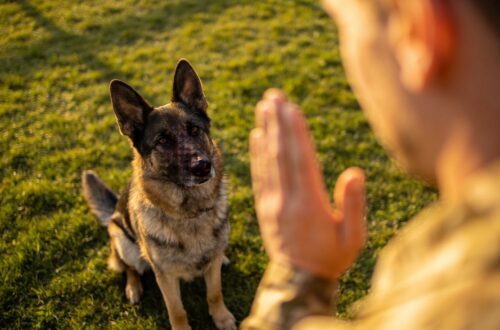
Consistency beats chaos. If your dog knows exactly where to be and what not to do, you’ll reclaim your counters without yelling like a lunatic. – Start with “Off”: use a calm, low voice and a gentle touch. Reward when all four paws hit the floor. – Introduce “Place”: train them to go to a mat or bed during kitchen activities. Reward with treats granted from a distance to reinforce staying put. – Practice makes permanent: short, regular sessions beat marathon sessions that lead to cranky humans.
Subsection: The Power of a Second Choice
Give them something better to do in that moment. A kong stuffed with peanut butter or a favorite toy can redirect their energy and their mouth away from the counter.
Fix 3: Manage Feeding and Mealtimes Better
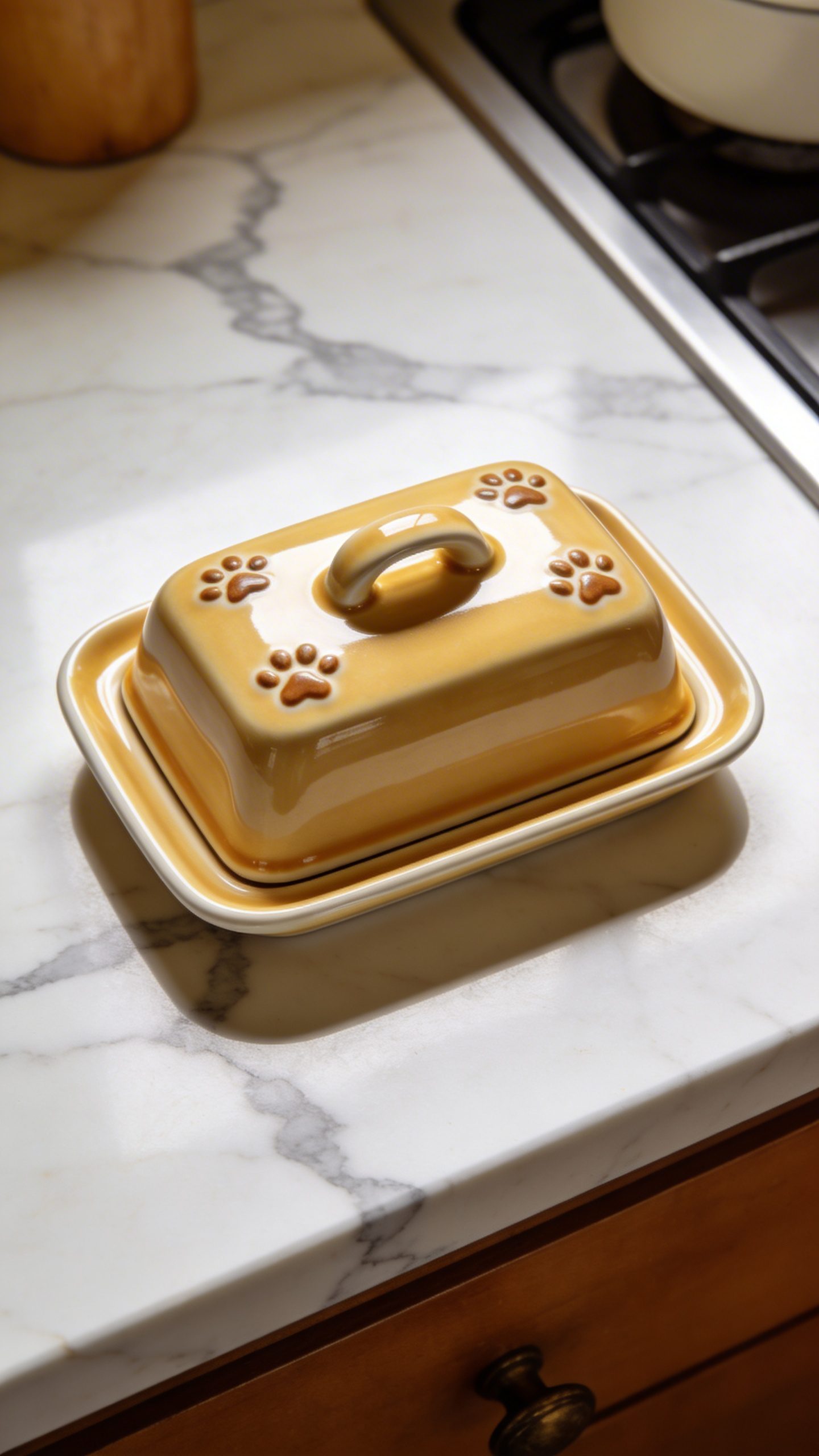
One of the simplest but most overlooked fixes is timing. If your dog’s always hungry during your cooking, they’ll be on the verge of a counter-surf at all times. – Schedule meals and snacks: consistent times reduce grazing anxiety. – Feed from a bowl, not the floor near counters: it reduces the “nose to surface” temptation. – Use puzzle toys: entertain and fill their brain while you prep food.
Subsection: DIY Easy Treat Strategy
Put a tasty reward in a treat-dispensing toy for 15 minutes while you cook. They’ll focus on the puzzle, not the countertops. It’s win-win unless you’re secretly hoping for spontaneous kitchen chaos.
Fix 4: Create a Strong Supervise-and-Redirect System
Supervision isn’t spying; it’s proactive care. You can’t expect a dog to “just stop” if you’re not there to redirect. – Use a leash or tether in the kitchen during high-risk moments. – Schedule frequent check-ins: if you see “the glance,” redirect before they commit. – Have a quick, high-value redirect item ready: favorite toy, treat, or chew to break focus.
Subsection: What Counts as “High-Risk Moments”?
Late-night snack prep, opening the fridge, or grabbing a plate can be gold-mined for a counter sprint. Keep your dog under a careful watch during these times and practice your redirection.
Fix 5: Make Access Harder, Not Just Punish More
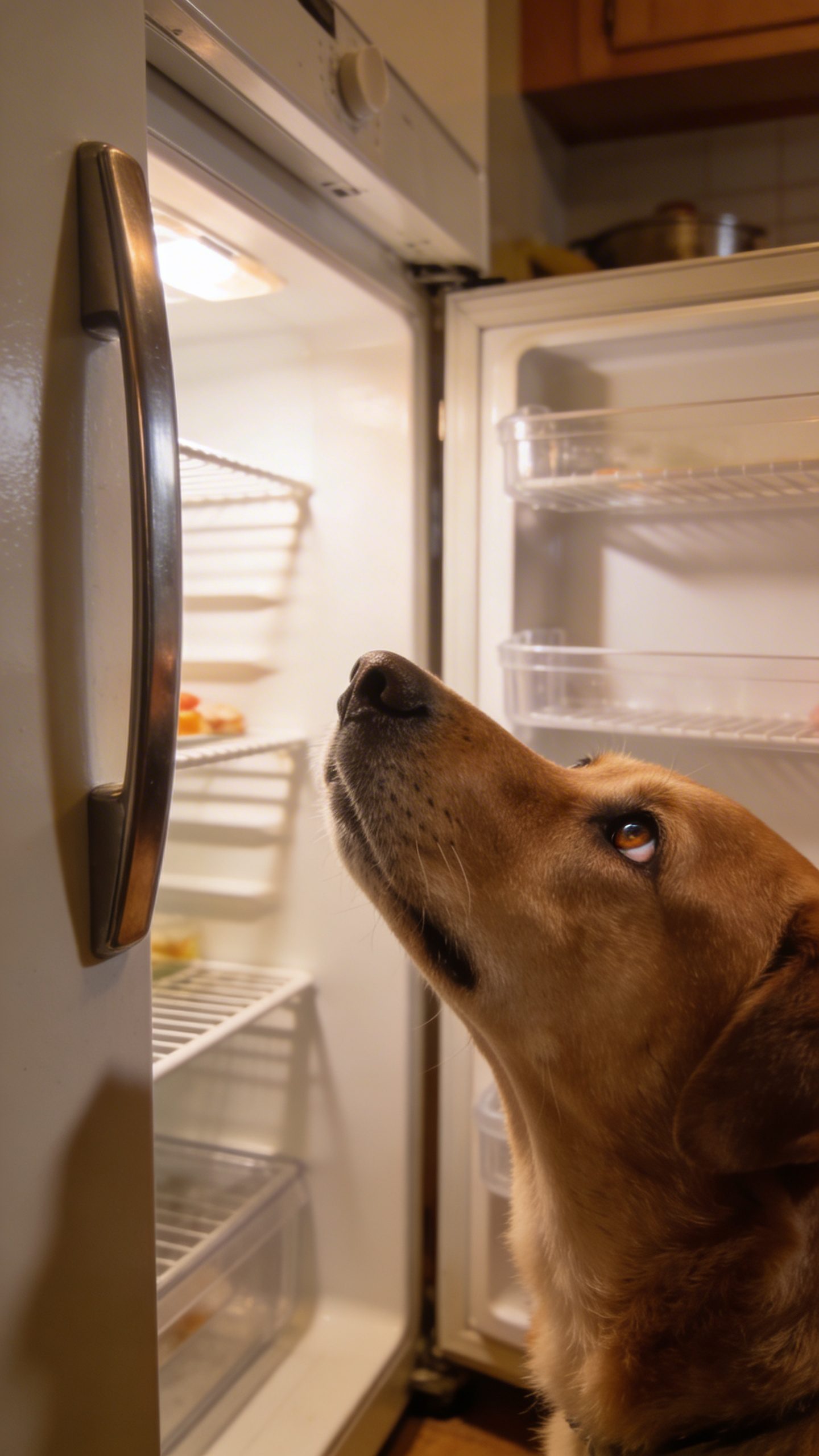
Punishment doesn’t fix the underlying motivation and can damage trust. Instead, alter the environment and routines so where they can reach is simply less appealing. – Remove raw pantry items and trash from the counters. – Use child-proof locks on cabinets with snacks that tempt a canine heist. – Close doors to dining rooms or kitchens when you’re not supervising.
Subsection: The Trash, the Real Villain
A lot of countersurfing starts at the trash can. Use a sealed can or a cabinet to stash it. It’s amazing how often this one change reduces mishaps more than any “no counter” lecture.
Fix 6: Train a Reliable “Leave It” and Reward Quiet Behavior
“Leave it” is a superpower in any dog’s toolkit. It helps in the kitchen and beyond. – Begin with easy sips: pair “leave it” with a treat, then escalate to higher-value items. – Reward quiet, non-counter behavior: when they’re calm and not rummaging, shower them with praise and goodies. – Practice in real-life kitchen scenarios: gradually increase complexity from simple plates to open ovens (without heat, obviously).
Subsection: Trigger-Training in the Real World
Set up shoots where you’re cooking and intentionally place tempting items within reach. Your dog learns that they can’t access them, but you’ll still reward them for staying put and following cues.
Fix 7: Build an Enriched Environment to Short-Circuit Curiosity
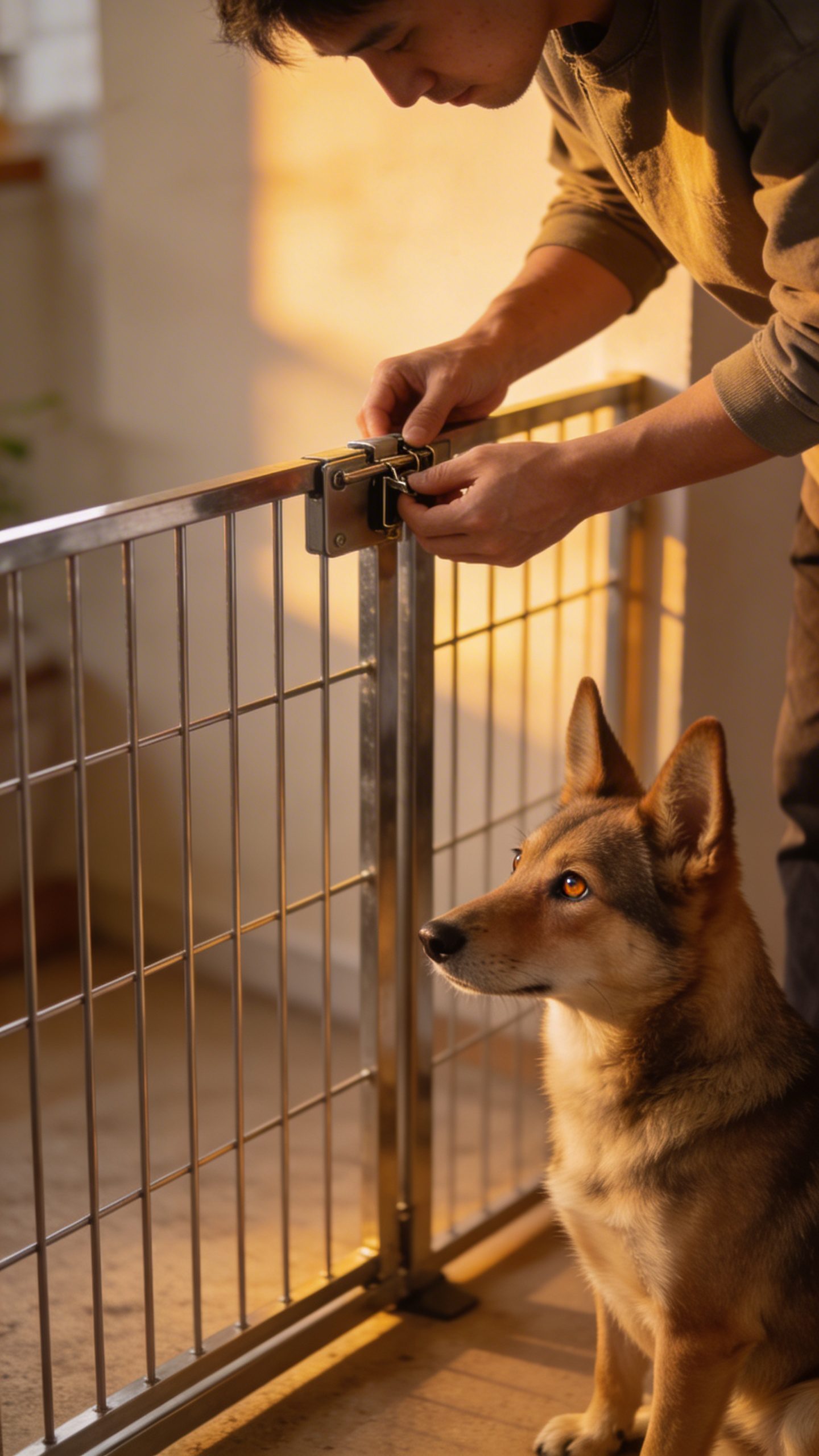
A bored dog becomes a curious dog, and curiosity often leads to counter crawling. – Increase daily exercise: a tired dog is less prone to mischief. – Mental stimulation: puzzle toys, scent games, training sessions. – Rotate toys: keep novelty high by swapping out toys every few days.
Subsection: Quick Brain-Boost Ideas
Hide treats around the house for a sniff-and-find adventure. It’s a mental workout and it diverts energy away from the counters. IMO, this is one of the easiest wins.
Frequently Asked Questions
Why do some dogs never counter surf and others do it all the time?
Every dog is different. Some are more food-motivated, some are more curious, and some simply have more opportunities. It’s about aligning training, environment, and routines with your dog’s personality.
Can I punish my dog for counter surfing?
Nope. Punishment can backfire, create fear, and may even increase the behavior as a coping strategy. Focus on prevention, redirection, and positive reinforcement instead.
How long does it take to stop counter surfing?
It varies. Some dogs respond within a few days of consistent rules and training, others take weeks. Consistency is the secret sauce—no gaps.
What about dogs who counter surf for attention?
Then you’re battling the attention-seeking reward. Ignore the behavior, reward the behavior you want (calm, on-place), and ensure they’re getting enough positive attention when they’re not misbehaving.
Should I use a crate during kitchen time?
Crates can work, especially for puppies or dogs in transition. They provide a safe, contained space. Just ensure it’s comfortable and never used as punishment.
Conclusion
Counter surfing doesn’t have to be a stubborn norm in your house. With a mix of practical boundary-setting, consistent training, and a little environmental adjustment, you can reclaim your kitchen and keep the peace (and your butter, preferably intact). FYI, progress might be incremental, but it’s real. Start with one or two fixes, celebrate the wins, and build from there. You’ve got this — your countertops will thank you, and so will your dinner plate. If you want a quick recap: make the counter less tempting, teach solid “Off” and “Place” cues, tighten feeding routines, supervise and redirect, harden access to snacks, train “Leave It,” and enrich your dog’s life to curb boredom. And remember, humor helps—dogs read your energy better than your grocery list. Good luck, and may your kitchen be counter-surf free soon.