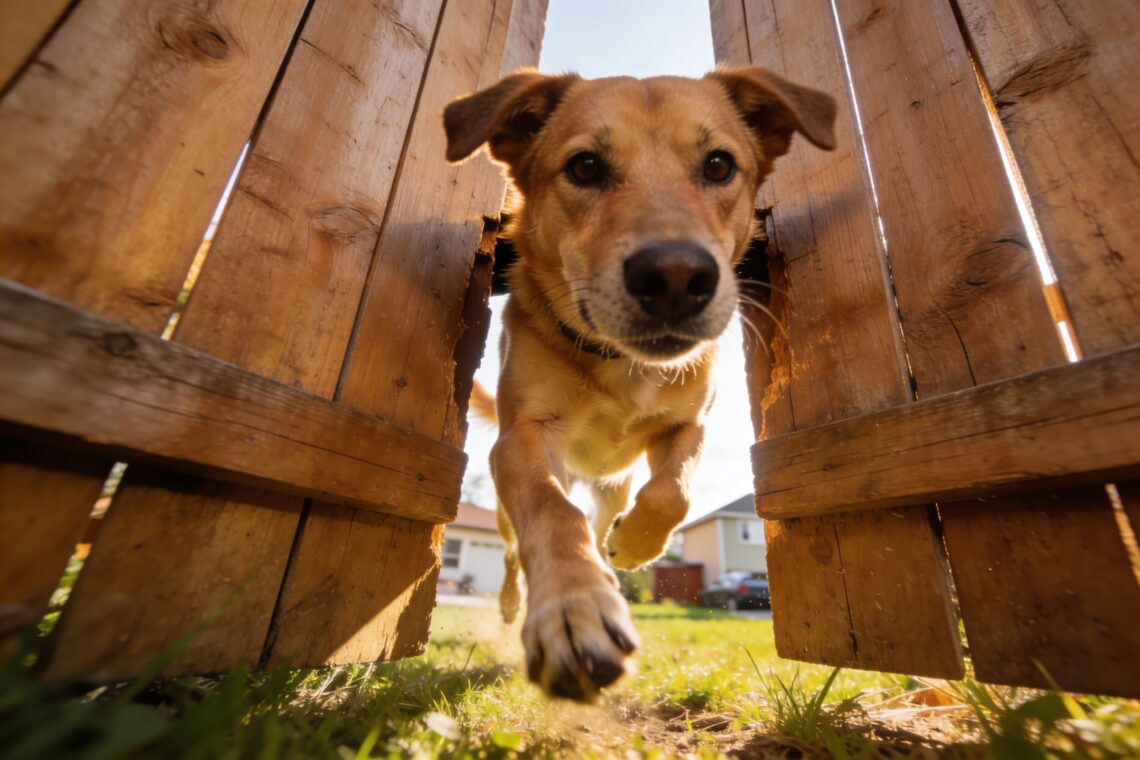
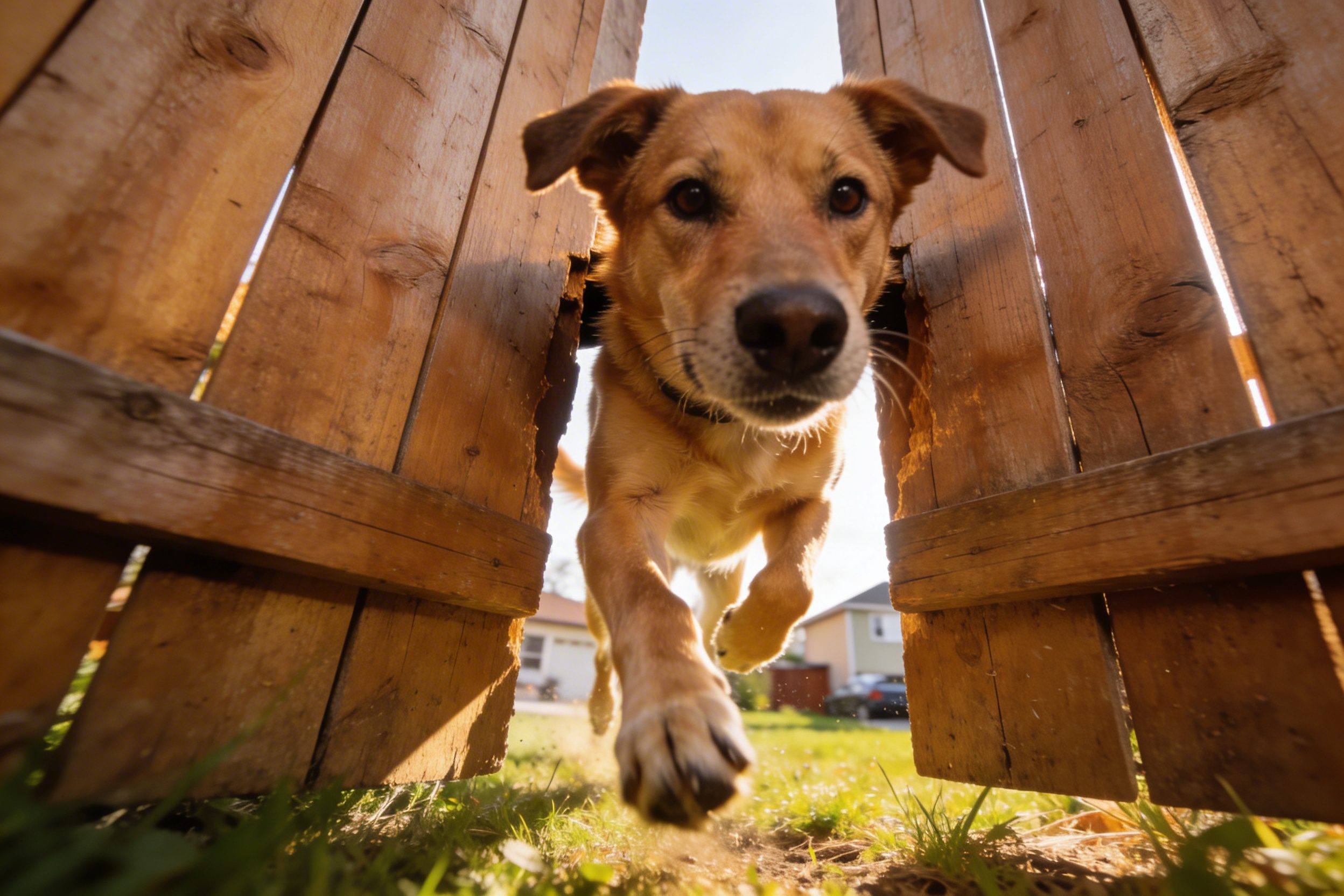
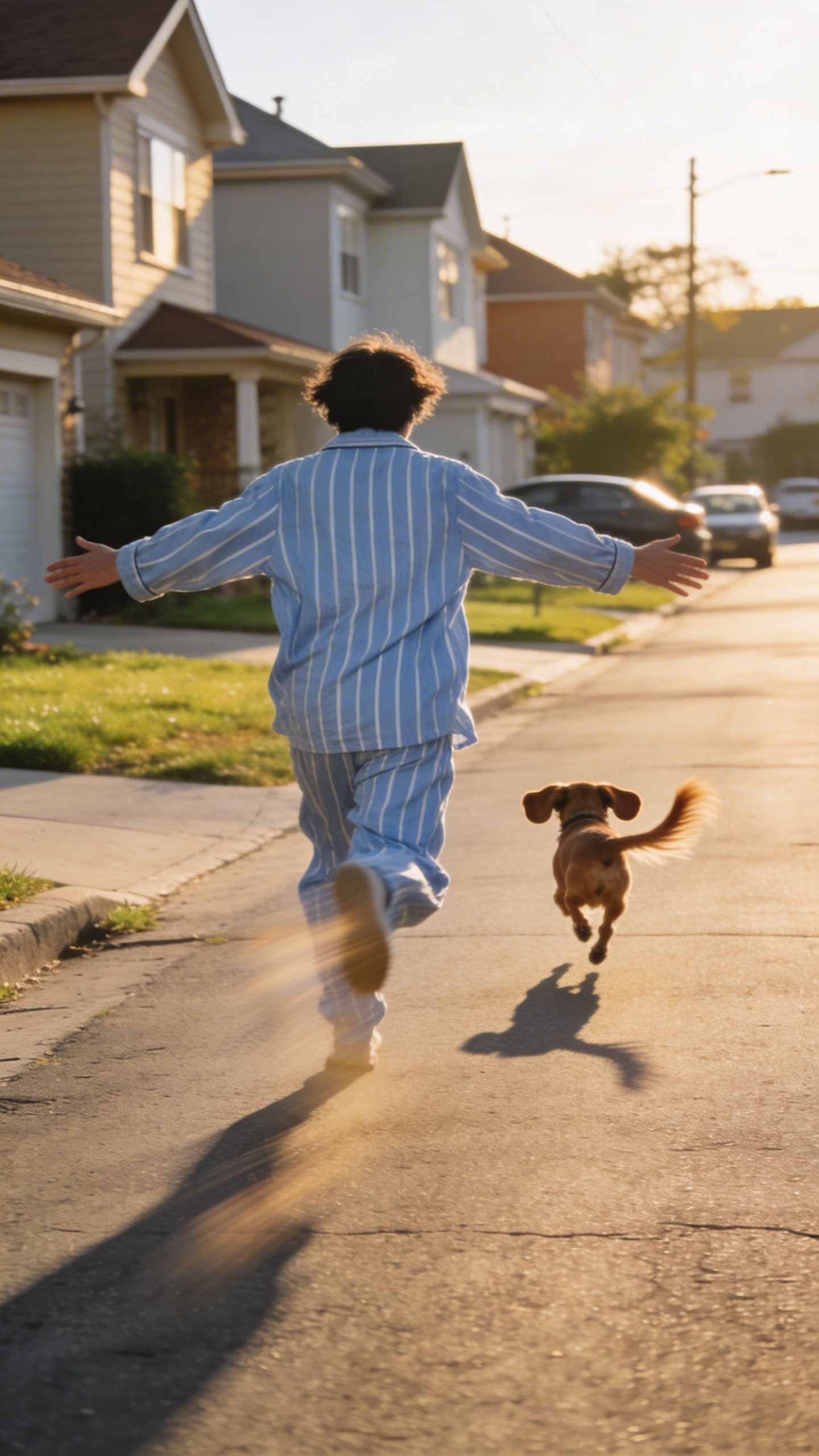
Your dog just bolted through the fence again, and now you’re chasing them down the street in your pajamas. Sound familiar? If your furry Houdini keeps finding ways to escape, you’re not alone—and more importantly, you don’t need to live like this forever. These seven proven strategies can seriously curb your dog’s escape artist tendencies in just three days, and I’m going to show you exactly how.
Why Your Dog Keeps Breaking Out (It’s Not What You Think)
Before we dive into the fixes, let’s talk about why Fido keeps ditching you in the first place. Most people assume their dog is ungrateful or plotting world domination, but the reality is usually way simpler. Dogs escape because they’re bored, lonely, or something outside is way more interesting than what’s happening in your yard. Maybe there’s a cute poodle three houses down, or the neighbor’s cat keeps taunting them through the fence. Sometimes they’re just anxious and looking for you. The good news? Once you understand the “why,” the “how to fix it” becomes a whole lot easier. Let’s get into the actual solutions that work.
Fix #1: Make Your Yard the Best Place on Earth
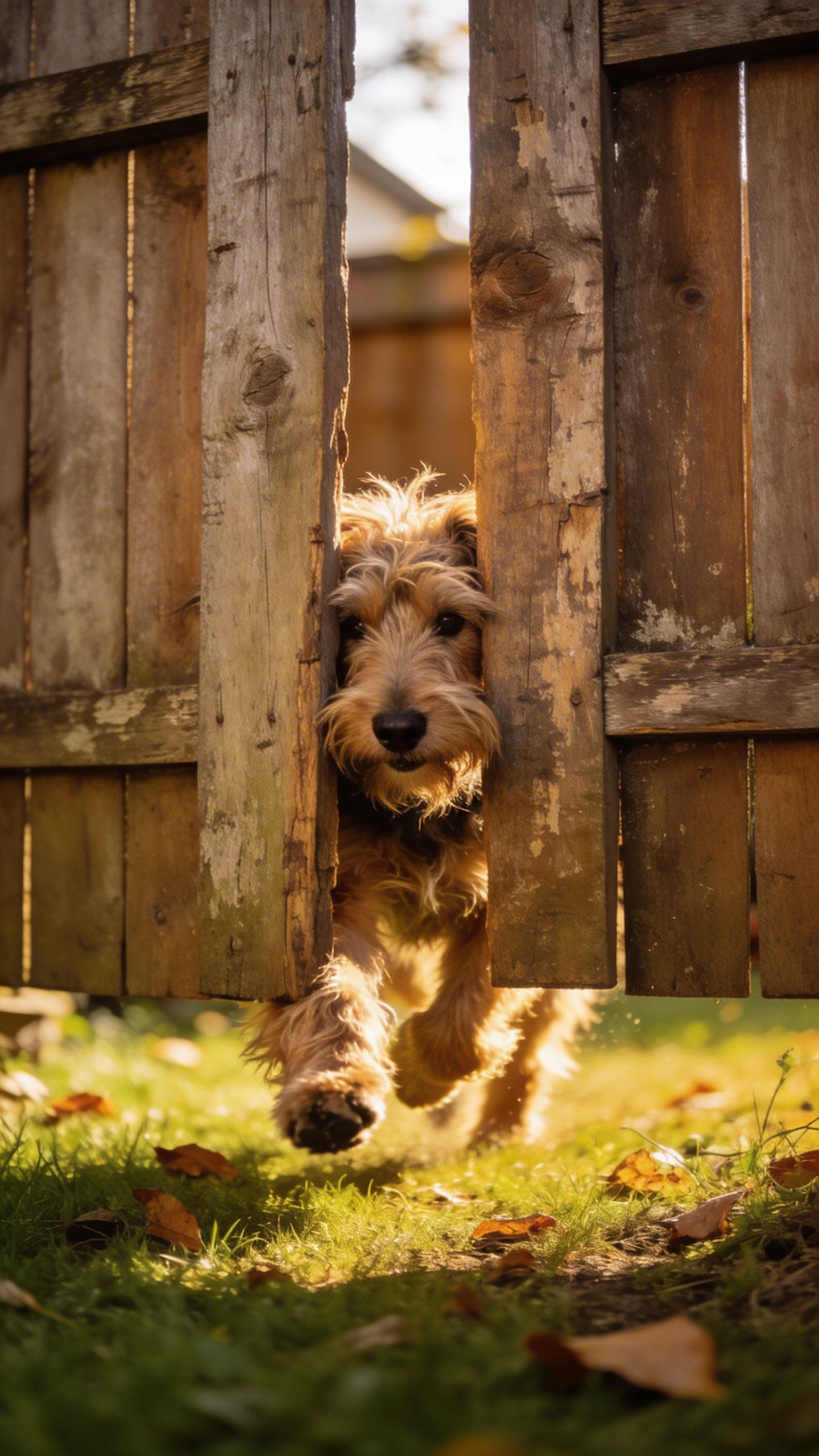
Here’s the deal: if your yard is boring, your dog will absolutely look for better options elsewhere. Would you want to hang out in an empty space with nothing to do? Exactly. Start by adding mental stimulation to your outdoor space. Hide treats around the yard, rotate toys weekly, or set up a digging pit filled with sand where they’re actually allowed to go to town. Dogs love having “jobs,” even if that job is just finding buried treasures. Consider adding a kiddie pool in summer, puzzle toys that dispense treats, or even a window perch where they can watch the neighborhood action without actually joining it. The goal is to make staying home feel like the fun option, not the boring one.
Interactive Toys That Actually Work
Not all toys are created equal. Invest in puzzle feeders and treat-dispensing toys that keep your dog’s brain busy for 20-30 minutes at a time. Kong Wobblers, snuffle mats, and busy boxes are your friends here. Rotate these toys every few days so they don’t get stale. FYI, a bored dog is an escape-prone dog, so keeping things fresh matters more than you’d think.
Fix #2: Exercise Them Into Submission (The Friendly Way)
Look, I’m just going to say it: a tired dog is a dog that’s too exhausted to plot elaborate escape schemes. Most dogs need way more exercise than they’re getting, and that pent-up energy has to go somewhere. Aim for at least 30-60 minutes of solid exercise before you leave them alone in the yard. And no, letting them out to pee doesn’t count as exercise. I’m talking actual walks, runs, fetch sessions, or even doggy playdate action. Morning exercise works especially well because it sets the tone for the whole day. Your dog will be way more likely to nap and chill than to dig under the fence if they’ve already burned off their zoomies.
Mental Exercise Counts Too
Physical exercise is crucial, but don’t sleep on mental stimulation. Training sessions, new trick practice, and scent work can tire out your dog’s brain just as effectively as a long run tires out their body. Try teaching a new command each week or setting up a simple agility course in your backyard. Ten minutes of focused training can equal a 30-minute walk in terms of how wiped out your dog feels afterward.
Fix #3: Secure the Perimeter Like You Mean It
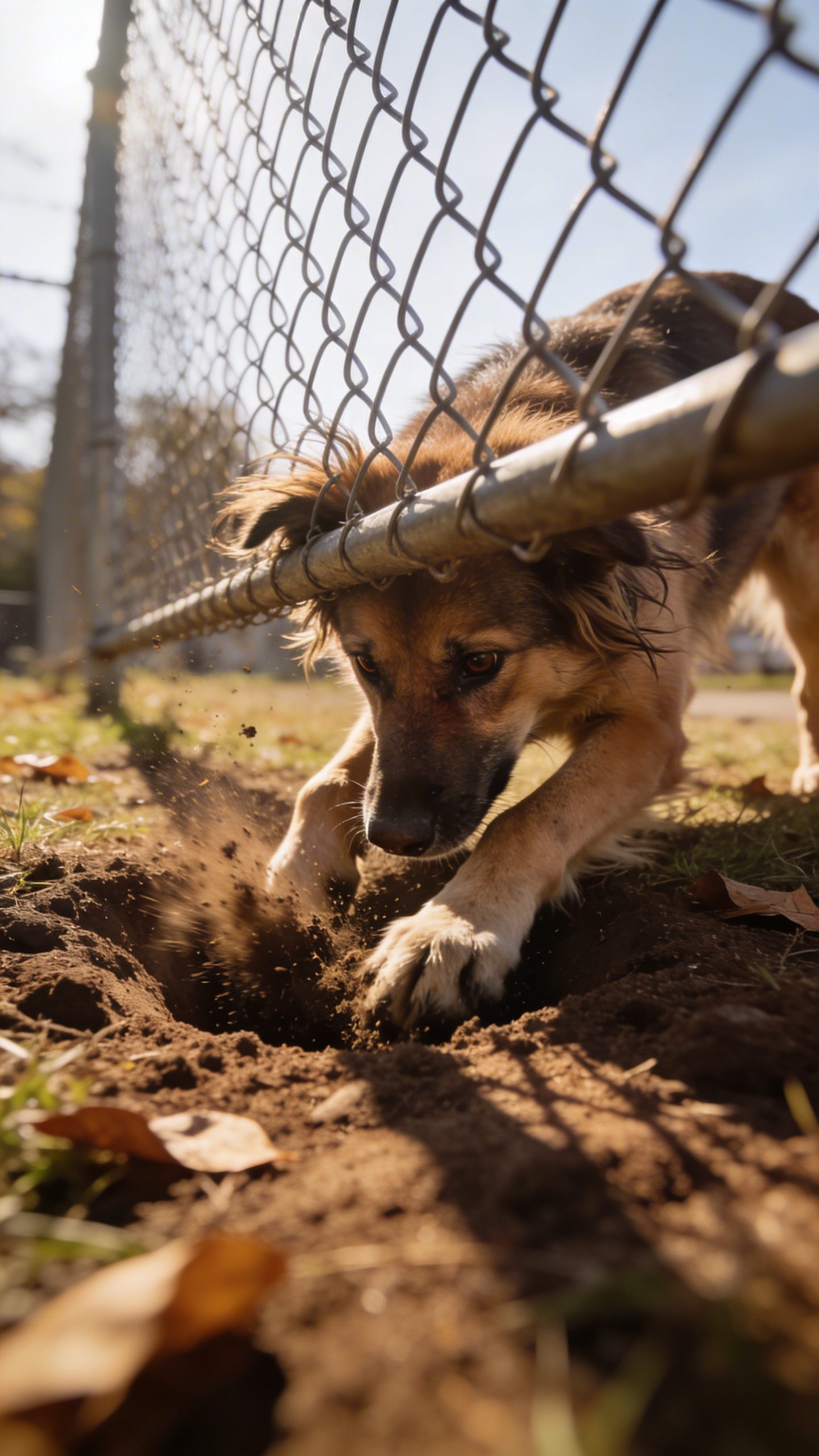
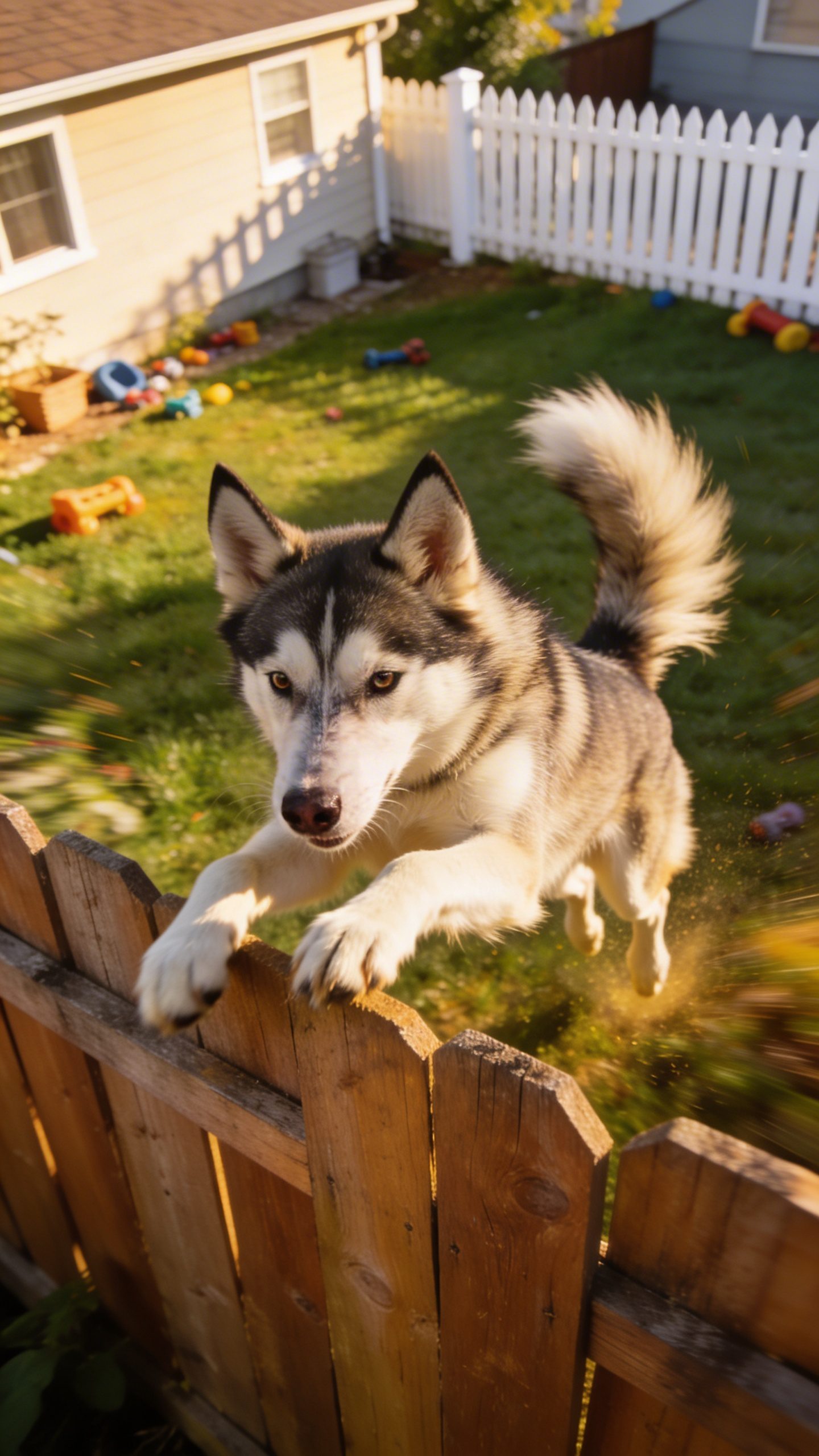
Time for some real talk about your fence situation. If your dog can see through it, dig under it, or jump over it, you’ve got homework to do. For diggers, bury chicken wire or large rocks along the fence line. You can also pour a concrete footer, but that’s more permanent and pricey. The quick fix? L-footer method—attach wire mesh to the bottom of your fence in an L-shape, with the bottom part extending into the yard about 1-2 feet. For jumpers, you might need to extend your fence height or add coyote rollers to the top that spin when your dog tries to grip them. Some people also angle the top of the fence inward, which makes it nearly impossible for dogs to get leverage. For squeezers, check every single inch of your fence for gaps. Dogs can fit through spaces you wouldn’t believe possible. Patch holes, reinforce weak spots, and make sure gates actually latch properly.
Fix #4: Create a Supervision Schedule
Here’s something nobody wants to hear but everyone needs to: you probably can’t just throw your dog outside unsupervised if they have escape tendencies. At least not yet. For the first three days of implementing these fixes, supervise every outdoor session. I know, I know—that defeats the purpose of having a yard. But think of it as temporary training, not a permanent lifestyle. When you catch your dog even thinking about escaping, interrupt immediately with a firm “no” and redirect them to a toy or activity. Reward them like crazy when they engage with the yard appropriately instead of plotting their escape. After three days of consistent supervision and redirection, you can start giving them short unsupervised sessions and gradually build up from there.
Fix #5: Address the Anxiety Factor
Sometimes dogs escape because they’re genuinely stressed about being away from you. This is separation anxiety, and it’s a real thing that deserves real solutions. Start desensitizing your dog to your departures. Practice leaving for just 30 seconds, then come back before they freak out. Gradually increase the time. Don’t make a big deal about leaving or returning—just be casual about it. Consider leaving a piece of clothing that smells like you in their favorite outdoor spot. Some dogs also respond well to calming music or white noise machines. There are even dog-specific playlists on streaming services designed for anxiety, which honestly feels very 2024, but hey, if it works, it works.
When to Call a Professional
If your dog’s anxiety seems severe—like they’re injuring themselves trying to escape or showing extreme distress—it’s time to call in a veterinary behaviorist. No shame in getting professional help. IMO, it’s actually the smarter move than letting the problem escalate.
Fix #6: The Power of Positive Reinforcement
Every single time your dog chooses to stay in the yard when they could attempt an escape, reward them immediately. Treats, praise, playtime—whatever makes them happiest. You’re literally teaching them that staying put is more rewarding than leaving. This might feel like bribing at first, but it’s actually just smart psychology. Dogs repeat behaviors that get rewarded, so reward the behavior you want. Set a timer to check on and reward your dog every 5-10 minutes during those supervised sessions. As they get better at staying put, you can space out the rewards.
Fix #7: Spay or Neuter Your Dog
If your dog isn’t fixed yet, this could be your entire problem right here. Intact dogs are significantly more likely to escape because they’re driven by hormones to find mates. Male dogs can detect a female in heat from miles away, and they will absolutely do whatever it takes to get to her. Female dogs in heat may also wander looking for males. Getting your dog spayed or neutered can dramatically reduce these urges. Beyond preventing escapes, it’s also just good for their health and helps with the overall pet overpopulation problem. Win-win-win.
Frequently Asked Questions
How long does it actually take to stop a dog from escaping?
Most dogs show significant improvement within 3-5 days if you’re consistent with exercise, supervision, and fence reinforcement. That said, dogs with severe anxiety or deeply ingrained habits might need 2-3 weeks of dedicated work. The key is consistency—you can’t skip days and expect results.
Will an electric fence stop my dog from escaping?
Electric or invisible fences work for some dogs but not all. Highly motivated dogs will run through the correction to chase something exciting, and then they’re stuck outside the boundary because they don’t want to cross back through. Plus, they don’t keep other animals or people out of your yard. I’d recommend physical barriers as your first line of defense.
My dog only escapes when I’m not home. What do I do?
This screams separation anxiety. Start with shorter absences and work your way up. Leave them with puzzle toys and treats to keep them occupied. You might also want to set up a camera to see exactly what triggers the escape behavior. Sometimes dogs are reacting to specific triggers like the mailman or neighborhood kids.
Can I train an older dog to stop escaping, or is it too late?
You can absolutely train older dogs—they just might take a bit longer than puppies to break old habits. The same principles apply: make the yard interesting, provide adequate exercise, secure your perimeter, and use positive reinforcement. Older dogs are often calmer and less energetic than puppies, which can actually work in your favor.
What’s the fastest way to dog-proof a fence?
The fastest temporary fix is to add extra supervision while you work on longer-term solutions. For immediate fence reinforcement, chicken wire along the bottom stops diggers, and privacy slats or fabric reduce visual stimulation for fence-line barkers and jumpers. Check all gates and latches—most escapes happen through gates left slightly ajar, not through elaborate fence breaches.
Should I punish my dog when they try to escape?
No! Punishment doesn’t work and often makes anxiety-based escaping worse. Instead, focus on prevention and rewarding good behavior. If you catch them attempting to escape, interrupt calmly and redirect to something positive. Make staying in the yard the rewarding choice, not leaving it the scary one.
Final Thoughts: You’ve Got This
Stopping your dog from escaping isn’t about becoming a prison warden—it’s about making home the place they actually want to be. Combine a secure fence with plenty of exercise, mental stimulation, and positive reinforcement, and you’ll see major changes fast. The three-day timeline works because you’re addressing the root causes, not just slapping a Band-Aid on the symptom. Give your dog a reason to stay, remove their ability to leave, and reward them for making good choices. It really is that straightforward. Now stop reading and go check your fence for holes. Your future self (who isn’t chasing the dog down the street in pajamas) will thank you.