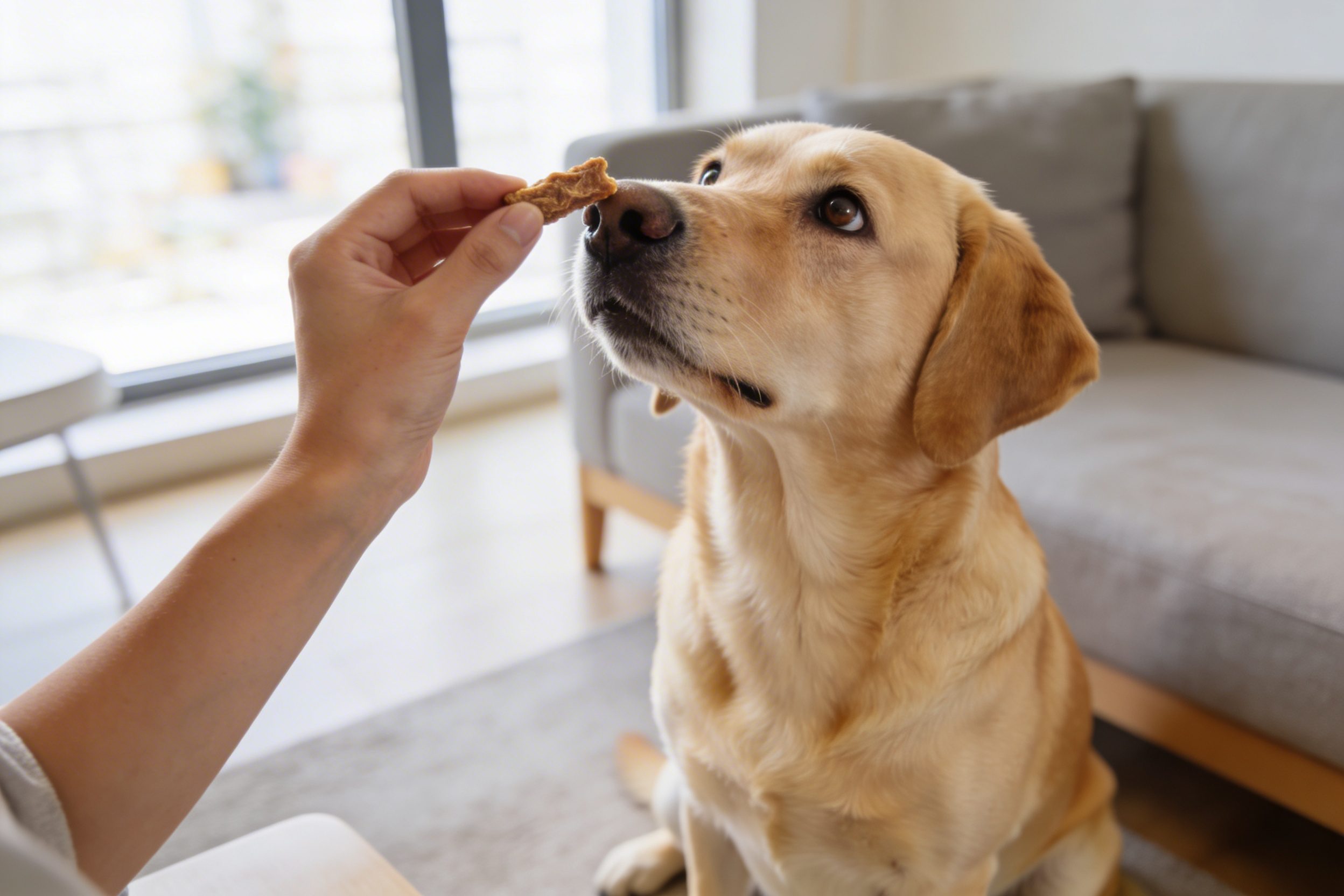
You’ve probably seen those Instagram dogs who sit on command like furry little soldiers, and you’re over here wondering why your pup acts like “sit” is a foreign language. Here’s the good news: teaching your dog to sit isn’t rocket science, and you don’t need a fancy degree in canine psychology. With these five genius tricks, you’ll have your dog parking their butt on command faster than you can say “treat.”
The Classic Lure Method (Because Food Makes the World Go Round)
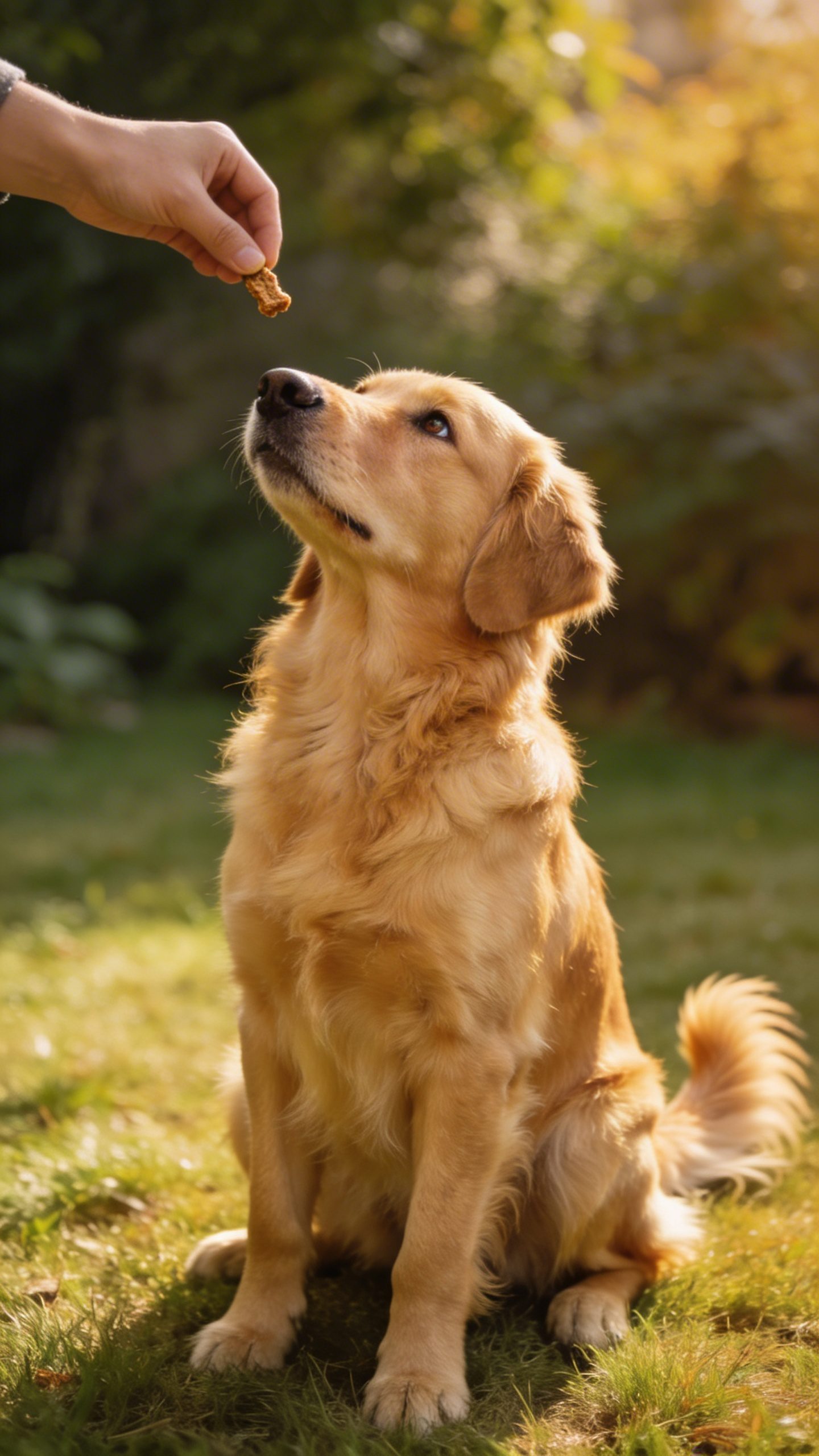
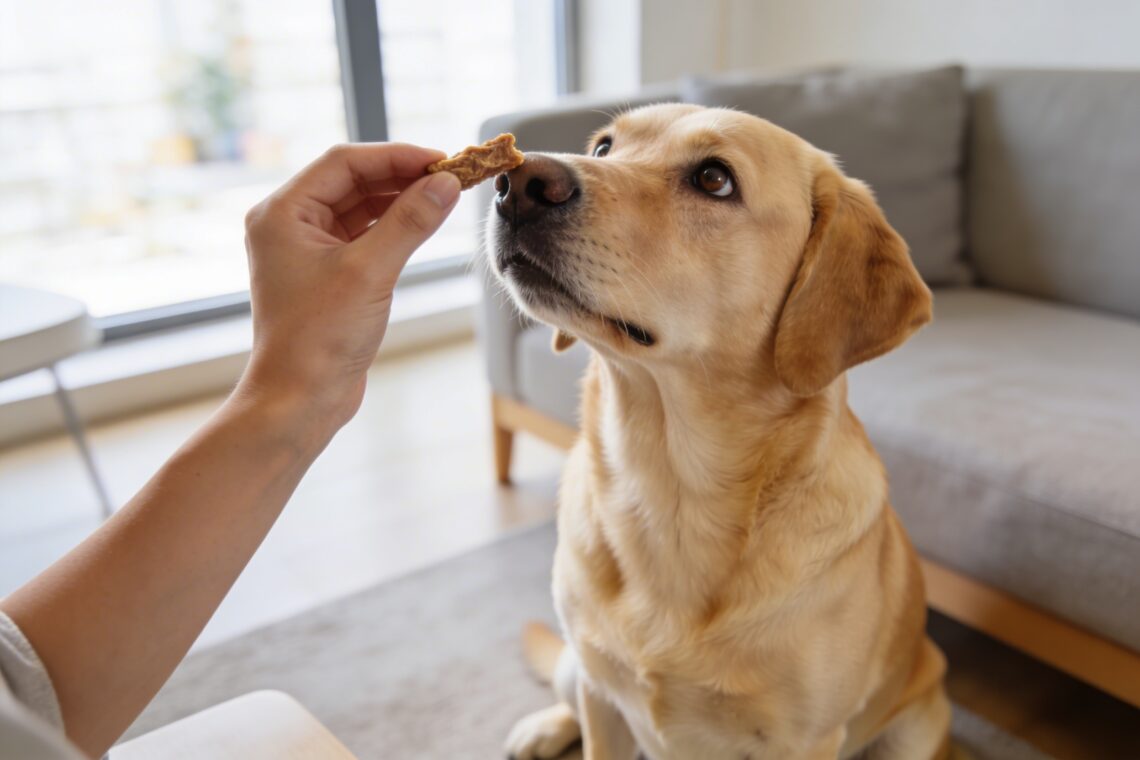
Let’s be real—dogs are basically walking stomachs with legs. The lure method takes advantage of this beautiful fact by using treats to guide your dog into a sitting position without any physical manipulation. Here’s how you do it: Hold a treat right in front of your dog’s nose, like you’re dangling the Holy Grail of snacks. Slowly move the treat up and back over their head, following an imaginary arc. As their head goes up to follow the treat, their butt naturally goes down. It’s basically physics, but make it doggy. The moment their rear hits the ground, say “yes!” or click if you’re using a clicker, then immediately hand over that treat like you’re a slot machine paying out. Timing is everything here—you want to mark the exact moment their butt touches down, not three seconds later when they’re already standing up again doing the cha-cha.
Common Mistakes People Make With the Lure
Don’t hold the treat too high, or your dog will just jump up like they’re auditioning for the NBA. Keep it close to their nose and move it slowly. Also, resist the urge to push their butt down with your hand. We’re trying to teach them to think, not just physically comply like a furry puppet.
The Capture Method (For the Lazy Trainers Among Us)
FYI, this method is perfect if you’re the type who likes to multibinge Netflix while training. The capture method means you simply wait for your dog to sit on their own, then reward the heck out of it. Dogs sit naturally all the time—when they’re tired, when they’re waiting for something, or when they’re contemplating the mysteries of the universe (like why you won’t share your pizza). Keep treats in your pocket and whenever you catch your dog sitting, mark it with a “yes!” and toss them a treat. After a few repetitions, start saying “sit” right as they’re in the process of sitting down. This method takes a bit longer than luring, but it’s actually pretty genius because you’re rewarding a behavior your dog already knows how to do. No confusion, no frustration, just capitalizing on natural behavior. It’s like getting paid for breathing.
The Magnet Method (Mind Games for Dogs)
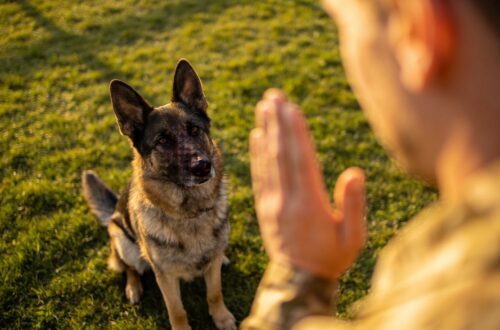
This one sounds fancy, but it’s essentially the lure method’s sophisticated cousin. Instead of holding a treat, you hold your empty hand in the same position you would if you had a treat. Your dog, being the optimistic creature they are, will follow your hand anyway because hope springs eternal. Guide their head up and back with your empty hand, and when they sit, surprise them with a treat from your other hand or your pocket. The beauty of this method is that you’re not creating a dependency on seeing the treat first. Your dog learns to respond to the hand signal itself, not just the promise of food. After a few successful reps, you can start phasing out the dramatic hand movement and develop a more subtle hand signal. Eventually, you’ll look like a wizard who can make dogs sit with barely a flick of your finger.
The Shape Method (For the Control Freaks)
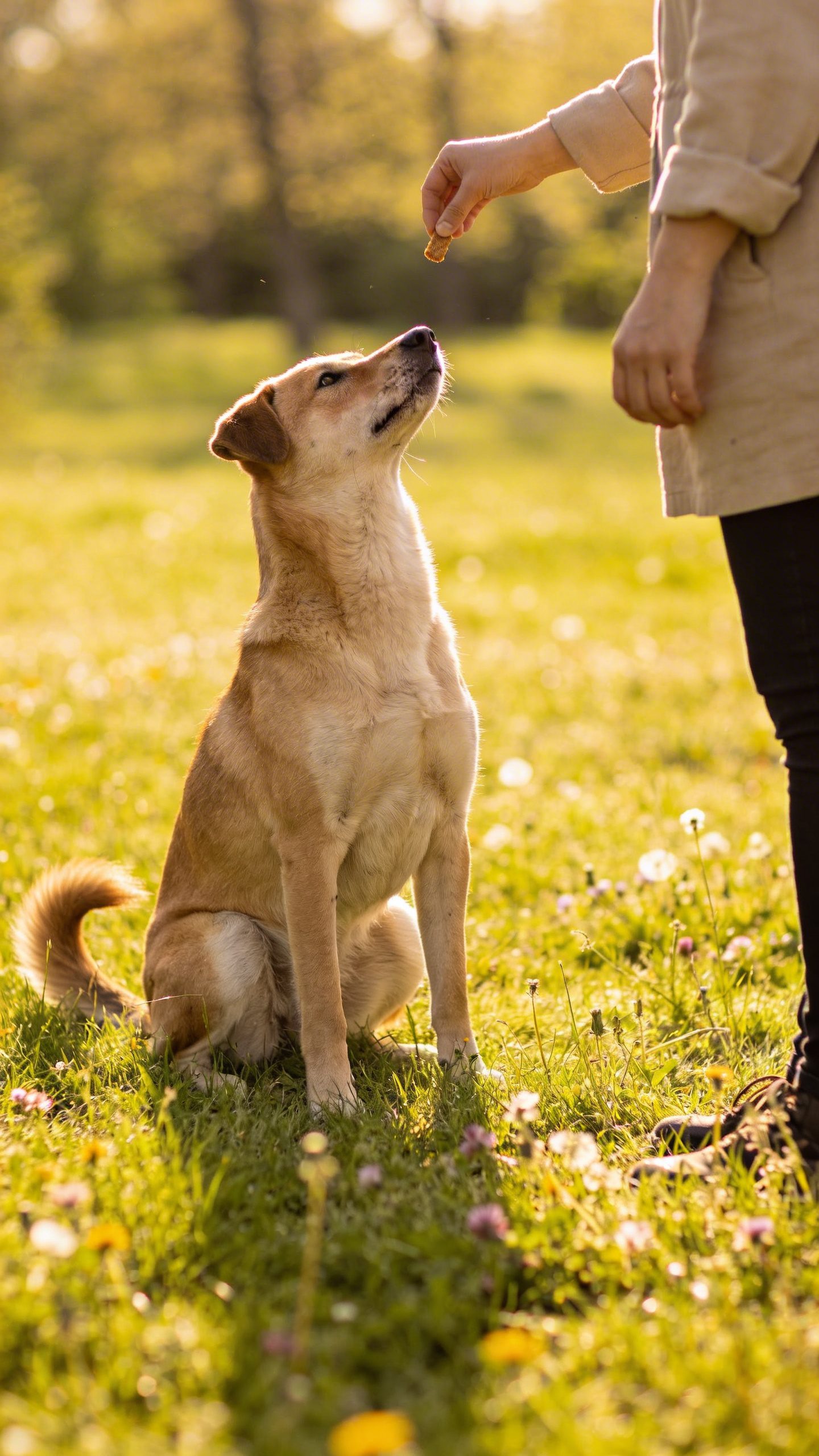
Shaping is basically training in baby steps—you reward your dog for getting progressively closer to the final behavior. Start by rewarding any tiny movement toward sitting: a slight bend in the knees, a lowered rear end, literally anything that resembles thinking about sitting. This method requires patience and good timing, but it’s incredibly powerful. You’re teaching your dog to problem-solve and figure out what you want. It’s like playing the world’s cutest game of hot-and-cold.
How to Break It Down
Start by clicking and treating when your dog shifts their weight back. Then only reward when they bend their knees a bit. Then when they lower their butt halfway. Finally, only reward the full sit. Each session might only take three minutes, but you’re building a dog who actively tries to figure out what you want instead of just mindlessly following a treat.
The Wait-and-See Method (Reverse Psychology Edition)
Here’s a sneaky one: sometimes the best way to get what you want is to make your dog think it was their idea all along. Stand in front of your dog with a treat visible but say nothing. Just wait. Most dogs will run through their entire repertoire of tricks trying to earn that treat. They’ll paw at you, spin around, maybe bark, possibly do that weird head tilt thing. Wait them out. Eventually, out of frustration or confusion, they’ll sit. Boom—that’s when you strike with the reward. After a few repetitions, your dog will figure out that sitting is the magic key to treat town. Once they’re offering the sit readily, you can add your verbal cue. IMO, this method creates really solid behaviors because your dog genuinely wants to do it rather than being lured or shaped into it.
Pro Tips to Supercharge Your Training
Now that you’ve got five different methods, let’s talk about making any of them work faster and more reliably. Keep training sessions short. Three minutes is actually perfect—dogs have the attention span of a goldfish at a rave. Multiple short sessions throughout the day beat one long, boring marathon every time. Use high-value treats for training. We’re talking real cheese, tiny pieces of hot dog, or freeze-dried liver. Save the boring kibble for their regular meals. You want your dog thinking “holy cow, this is amazing!” not “meh, I get this every day anyway.”
The Environment Matters
Start in a quiet, boring room with no distractions. Your living room with Netflix paused works great. Once your dog is sitting like a pro there, gradually add distractions: move to the kitchen, then the backyard, then the park. Don’t expect perfection in new environments—you’ll need to backtrack and make it easier again.
Fade the Treats Eventually
Yes, you heard me. Eventually, you need to wean off constant treats or you’ll be walking around with pockets full of hot dog pieces forever (trust me, your washing machine will thank you). Once your dog reliably sits on cue, start rewarding randomly—sometimes they get a treat, sometimes just praise, sometimes a quick game of tug. This actually makes the behavior stronger because unpredictability is weirdly motivating.
Frequently Asked Questions
How long does it actually take to teach a dog to sit?
Most dogs can learn the basic concept in one or two three-minute sessions if you’re using the lure method. Getting it reliable in all situations and environments? That takes a few weeks of practice. Don’t rush it—consistency matters more than speed.
What if my dog already knows sit but ignores me?
You’ve got a motivation problem, not a knowledge problem. Either your treats aren’t exciting enough, there are too many distractions, or you’ve been asking without following through. Go back to basics in an easy environment with better rewards and rebuild the behavior.
Should I use a clicker or just my voice?
Either works fine. Clickers are more precise and don’t carry emotional tone, but your voice is always attached to your body (convenient, right?). Pick whatever feels natural to you and stick with it consistently.
My dog keeps jumping up instead of sitting. Help?
You’re probably holding the treat too high or moving it too fast. Keep it closer to their nose and move it more slowly. If they jump, simply close your hand around the treat, turn away, and wait a few seconds before trying again. No reward for launching like a rocket.
Can I teach an old dog to sit?
Absolutely. That whole “can’t teach an old dog new tricks” thing is complete nonsense. Older dogs often learn faster because they’ve figured out how training works and are less easily distracted than puppies. You might need to account for joint issues by using a softer surface, but age itself isn’t a barrier.
How do I add a hand signal?
Just pair it with your verbal cue. Every time you say “sit,” also make your hand signal. After enough repetitions, your dog will respond to either one independently. Most people use a closed fist or an upward palm movement.
Wrapping It Up
Teaching your dog to sit doesn’t require expensive trainers, special equipment, or a PhD in animal behavior. Pick one of these five methods, grab some tasty treats, and commit to a few short sessions each day. Within a week, you’ll have a dog who sits on cue, and you’ll feel like a training genius. The best part? Once your dog nails the sit, you’ve learned the framework for teaching basically any other behavior. Same principles, different actions. Now get out there and turn your chaos goblin into a well-mannered pup—one three-minute session at a time.