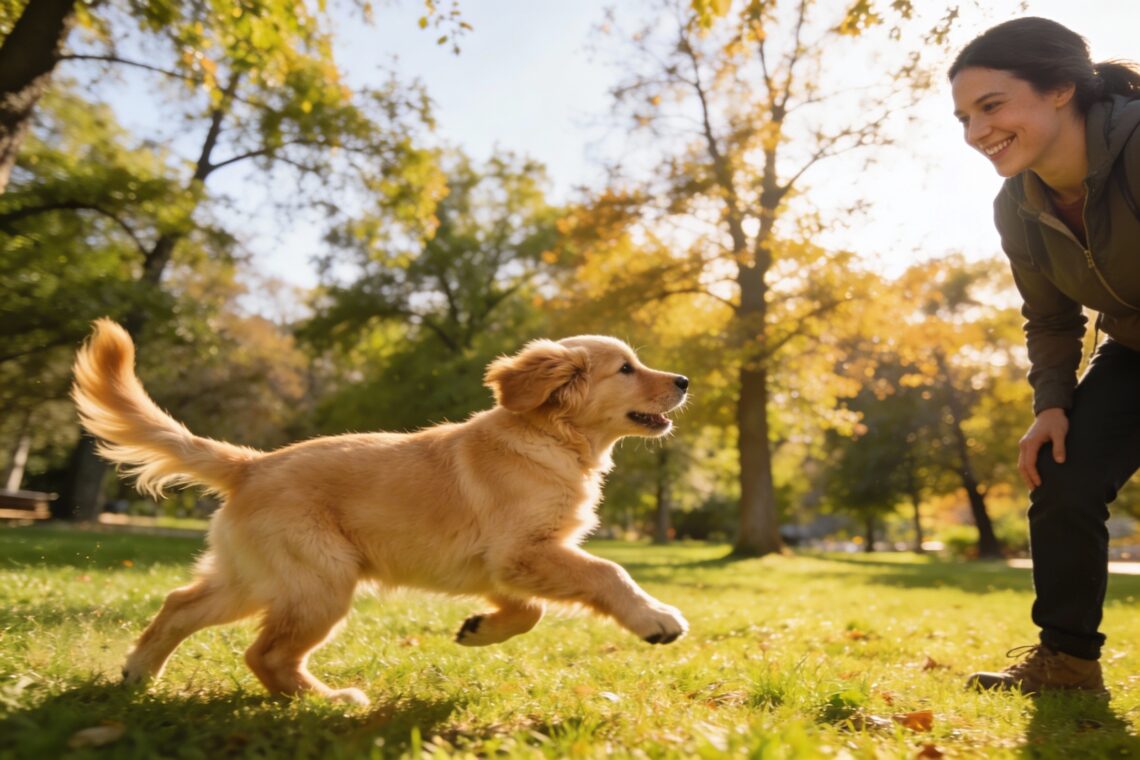
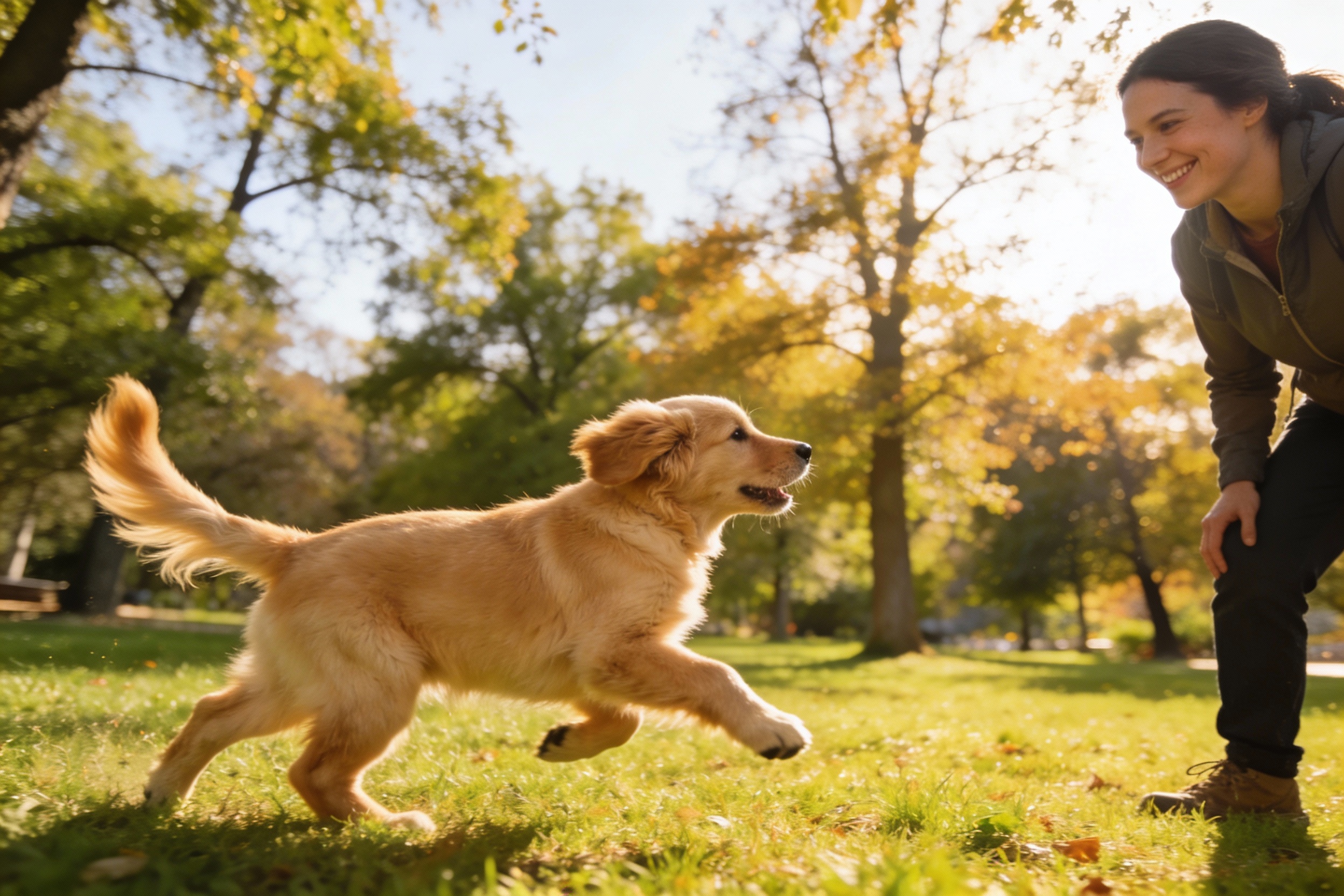
Your puppy hears “Come!” and sprints the other way like you yelled “Free donuts over there!” Sound familiar? You don’t need to shout, chase, or bribe forever. You need a clear plan, tiny wins, and a recall that actually pays your dog better than the squirrels do. Let’s build that recall—calmly, consistently, and without losing your voice.
Rethink “Come”: Make It a Jackpot Word
You want “Come” to scream “best party ever!” in your puppy’s brain. That means you use it sparingly at first and pay like a high-roller when they show up. No nagging. No repeating it like a broken record. The rule: Only say your recall word (Come/Here) when you know your pup will succeed. If they ignore you, your word loses value. Instead, get closer, make it easier, or use your backup sounds (kissy noises, clap, crouch low) to lure them in. Then pay big.
Pick your power word
Choose one recall word and stick to it. “Come” or “Here” works. Don’t use their name as the cue—use their name to get attention, then your cue to recall. Example: “Pip… Come!”
Start Indoors Where You Can’t Lose
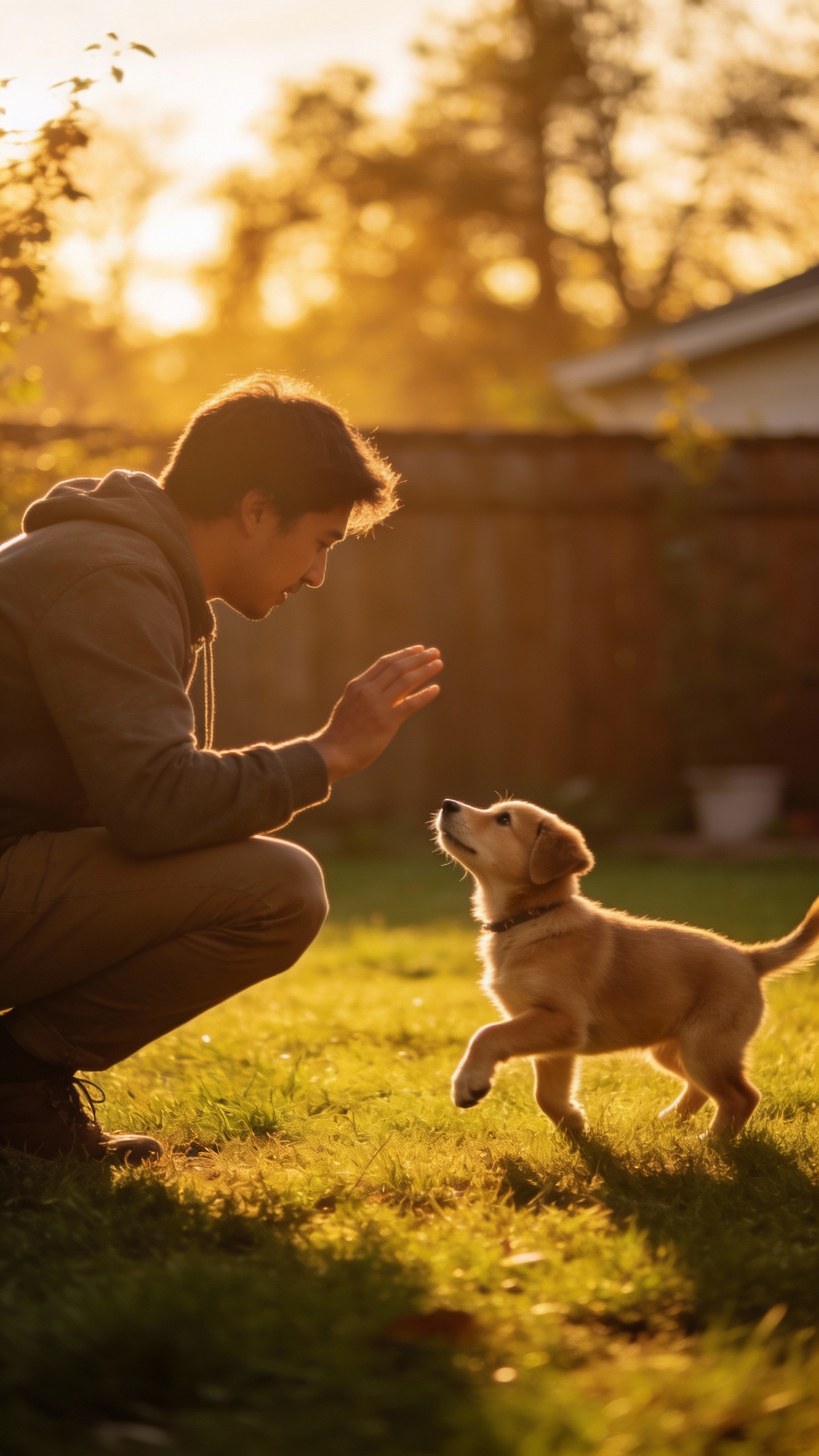
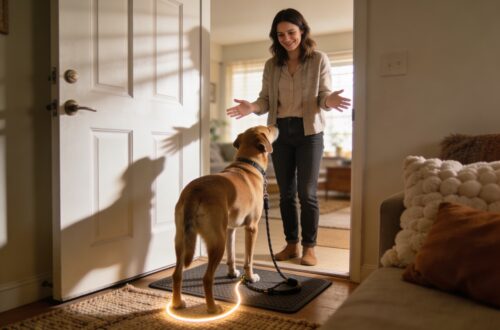
You’re training a skill, not testing their loyalty. Start in the least distracting place: your living room. Keep the first sessions short and easy. Begin with name recognition: – Say their name once. – When they glance at you, mark it with “Yes!” and treat. – Repeat 5-10 times. Easy dopamine hit for both of you. Level 1 recall: – Stand a few steps away. – Say “Pip, Come!” in a happy voice. – Back up as they move toward you. Most puppies chase moving things—use that. – When they arrive, grab their collar gently and deliver 3-5 small treats one after another while praising like a dork. Why multiple treats? It builds duration and keeps them from snatching and bailing. Also, it makes your hands near their collar a good thing, not a “oh no, fun is over” signal.
Set up boomerang reps
– Toss a treat away from you. – As they finish it and turn back, say “Come!” and reward when they arrive. – Do 5-10 reps max. Quit while you’re ahead.
Use a Training Leash, Not Your Legs
Chasing your puppy turns recall into a tag game you will lose. Instead, use a long line (15–30 feet) for outdoor practice. You don’t yank. You just step on it if they start a squirrel crusade. How to use it: – Clip the long line to a harness (not a collar). – Let it trail on the ground in a safe area. – Call once. If they hesitate, reel them in gently like you’re pulling in a kite. Feed five treats calmly. Release them again with “Go sniff!” as a reward. That release cue matters. Your puppy learns that coming to you doesn’t kill the fun. Sometimes the reward is freedom. IMO, that’s the secret sauce.
Turn Yourself Into a Reward Machine
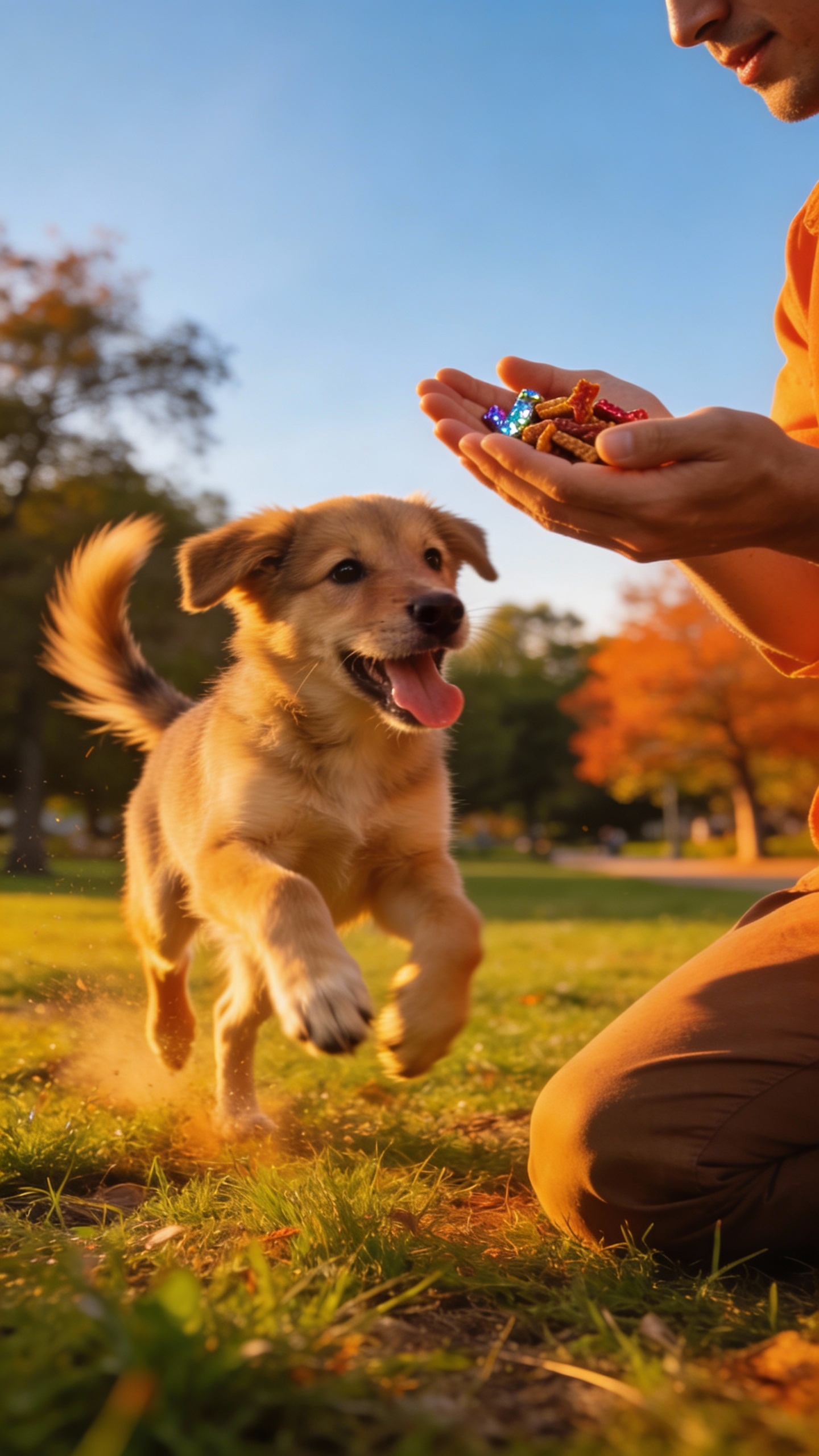
Treats work, yes. But dogs also work for play, movement, and access to the world. Mix it up so your puppy never knows which party you’ll throw. Great rewards for recall: – Food: soft, smelly pea-sized treats (chicken, cheese, salmon) – Play: a quick tug or fetch – Freedom: “Go sniff!” or “Okay, go play!” – Touch: chin scratch, chest rub, goofy praise Rotate these. Keep the recall unpredictable in the best way. FYI: if your pup loves one thing above all else, use that for the hardest recalls only.
Make returning to you the start of fun
– Call them. – Reward at your feet. – Then start a chase-the-toy or tug game. – End with “All done!” and let them go back to sniffing. The message: “Come here, we party, then you can go back to your dog business.” Win-win.
Stack Small Wins Before You Raise the Stakes
Don’t go from living room recall to off-leash at the park. That’s like skipping from tricycle to highway. Build difficulty in layers. Progression plan:
- Quiet indoor rooms
- Hallway with minor distractions
- Backyard with a long line
- Quiet park times on a long line
- Busier park times on a long line
- Fenced dog field or tennis courts for off-leash tests
Add one distraction at a time: a tossed toy, a person walking by, a rustling leaf. Nail each step before moving on. If your puppy blows you off twice, you went too fast. Reduce distance, distractions, or ditch duration (don’t ask for a long hangout at your feet).
Proof the hard stuff
Use controlled temptations: – Food on the ground (covered with your foot) – A friend walking by with a toy – A squeaky held behind your back Call once. If your puppy chooses you over the distraction, throw a mini party. If not, you manage with the long line, reduce difficulty, and try again later.
Never Poison the Cue
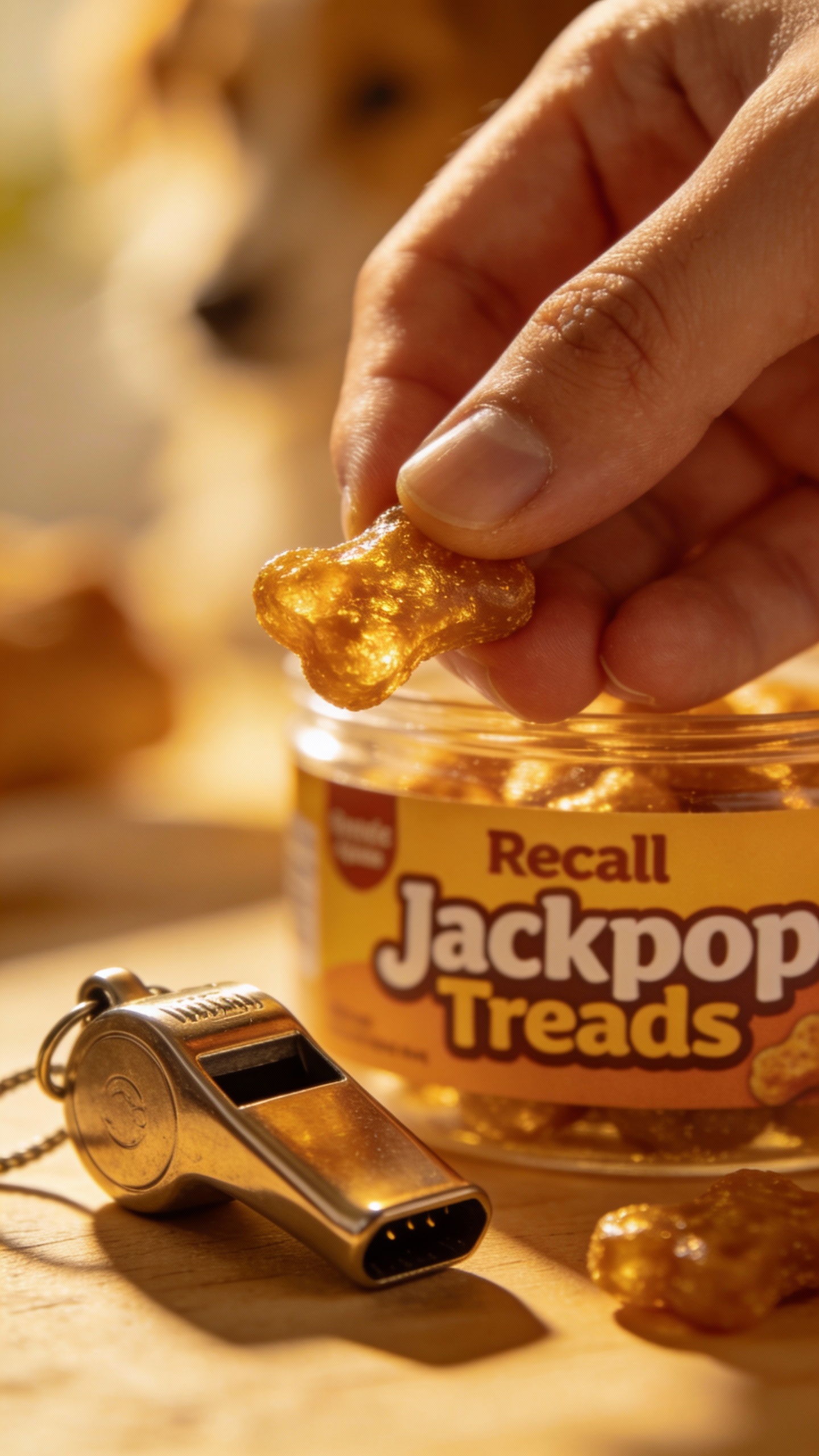
Puppies learn fast. They also learn when “Come” predicts nail trims, bath time, or leaving the park. Don’t toss your recall in the trash by using it only for boring stuff. Protect the magic: – Sometimes call, reward, and release them back to play. – Walk to your puppy to end the fun instead of calling them every time. – Avoid saying “Come” if you feel annoyed. Dogs read your tone like a gossip blog. If you mess up and they ignore you? Don’t repeat the cue. Get closer, sweeten the deal, or use your long line. The cue should stay valuable, not optional.
What if they run away laughing?
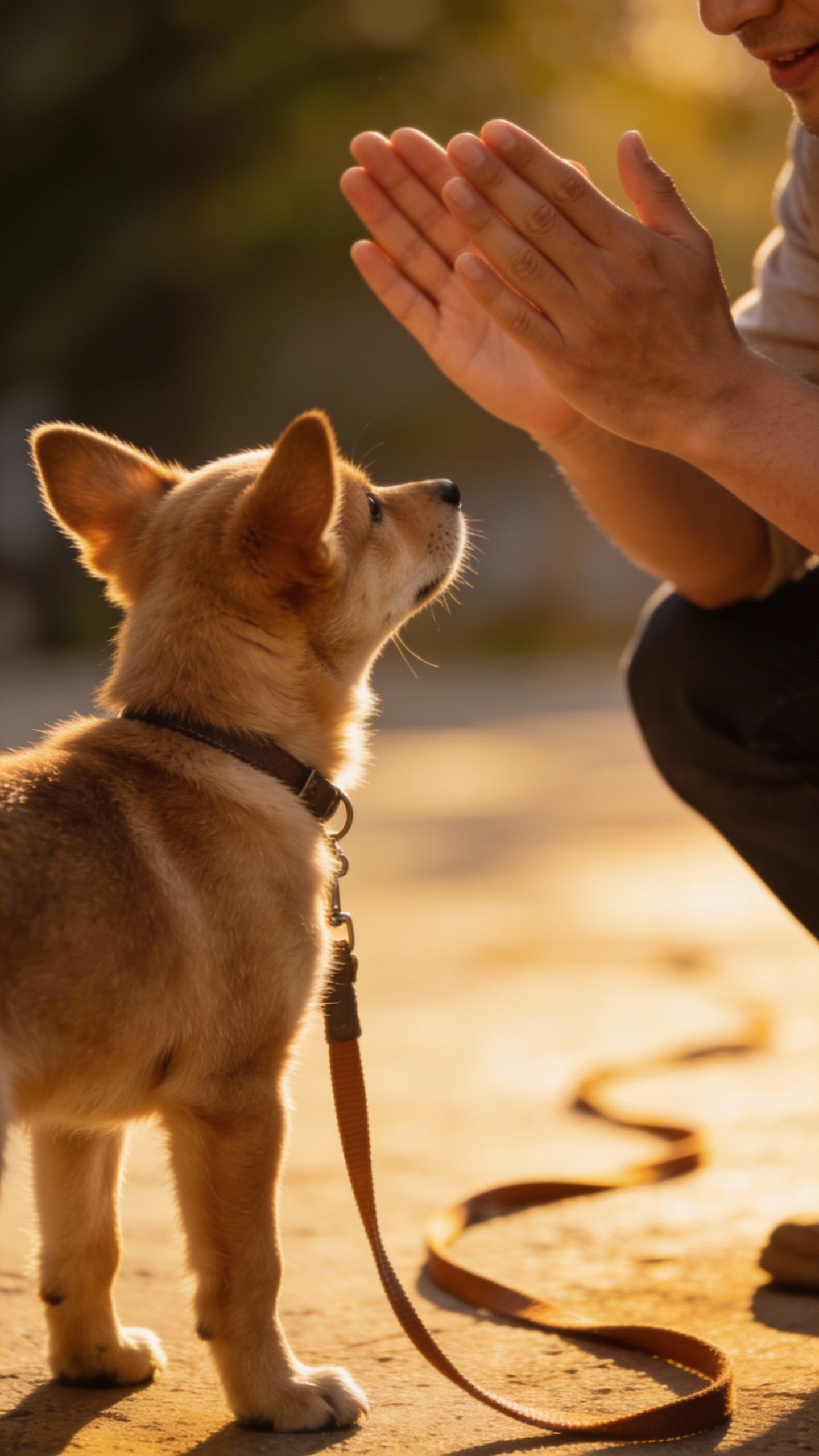
Don’t chase. Run the other direction, clap, kneel, or make goofy noises. Most puppies can’t resist curiosity and motion. When they turn toward you—mark and reward big.
Build a “Find Me!” Game
Turn recall into hide-and-seek. It burns energy and wires your pup’s brain to keep tabs on you. Easy version: – With your puppy nearby, duck behind a couch or tree. – Call “Come!” or “Find me!” – When they locate you, jackpot: lots of treats and praise. – Repeat a few times, then quit while it’s fun. This teaches your dog to check in and hunt for you. You become the GPS target, not the other way around. IMO, this game beats traditional drills for puppies with ants in their pants.
Common Mistakes to Avoid
- Calling when you can’t enforce it. Use the long line until your success rate rocks.
- Repeating the cue. Say it once, then help them succeed.
- Underpaying. Kibble doesn’t beat a squirrel. Chicken might.
- Only calling to end fun. Sprinkle “call, treat, release” reps everywhere.
- Training only when you need it. Practice daily in easy moments.
FAQ
How often should I practice recall with my puppy?
Do 2–3 mini sessions daily, 3–5 minutes each. Sprinkle easy recalls during walks and play, too. Frequent, tiny wins beat one long, boring session.
What if my puppy ignores me completely?
Lower the bar. Move closer, reduce distractions, and switch to a higher value reward. Use your long line to prevent rehearsing “ignore and bolt.” Get the win, then build back up slowly.
Should I use a whistle or a clicker?
A recall whistle can help because it sounds the same every time. Great for windy parks or if your voice gets emotional. Keep your verbal recall too—both can coexist. Clickers help mark the instant they turn toward you, but your “Yes!” works fine as well.
When can I try off-leash?
When your success rate on a long line hits 90% in medium-distraction spots. Then test in a fenced area first. Off-leash is a privilege you earn together, not a vibe you manifest.
My puppy comes but stops just out of reach. Help?
Pay at your knees, not at arm’s length. Feed several treats while you gently take their collar. Then release them back to fun. Practice “collar grabs = good stuff” randomly during the day.
Is it okay to correct my puppy for ignoring me?
Nope. Corrections make you less safe to run to and kill the fun. Management + better rewards + easier setups will fix recall faster than scolding ever will.
Conclusion
You don’t need to yell or sprint after your puppy. You need a recall word that pays, a long line to prevent disasters, and a plan that stacks tiny wins. Keep it short, sweet, and fun. Call once, reward big, release often, and protect the magic of “Come.” Your future self—standing at the park with a dog who races back grinning—will thank you.