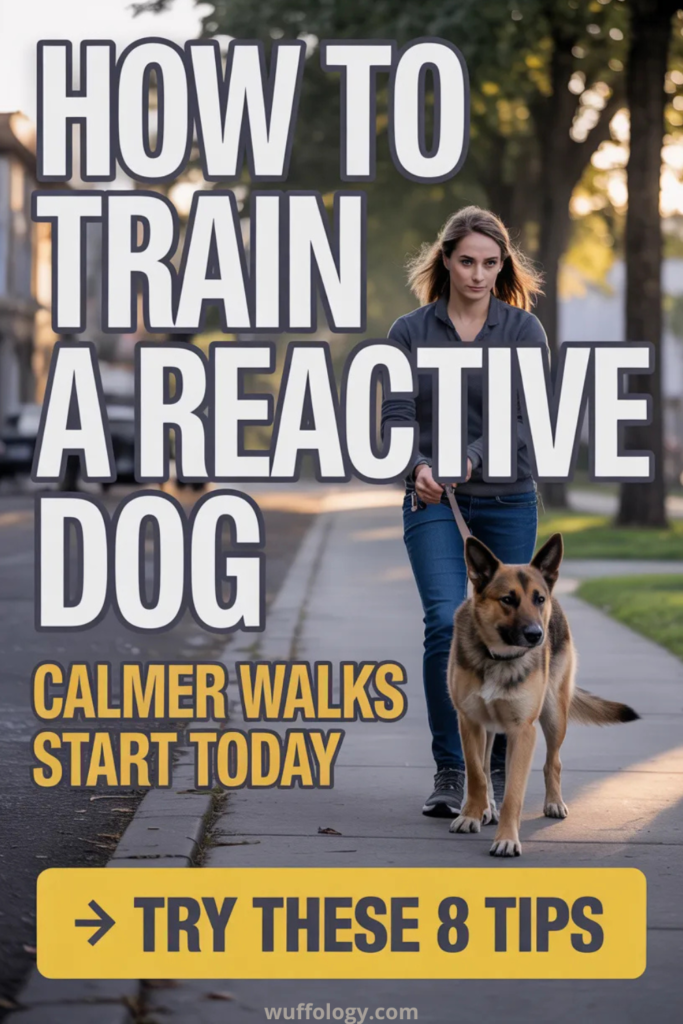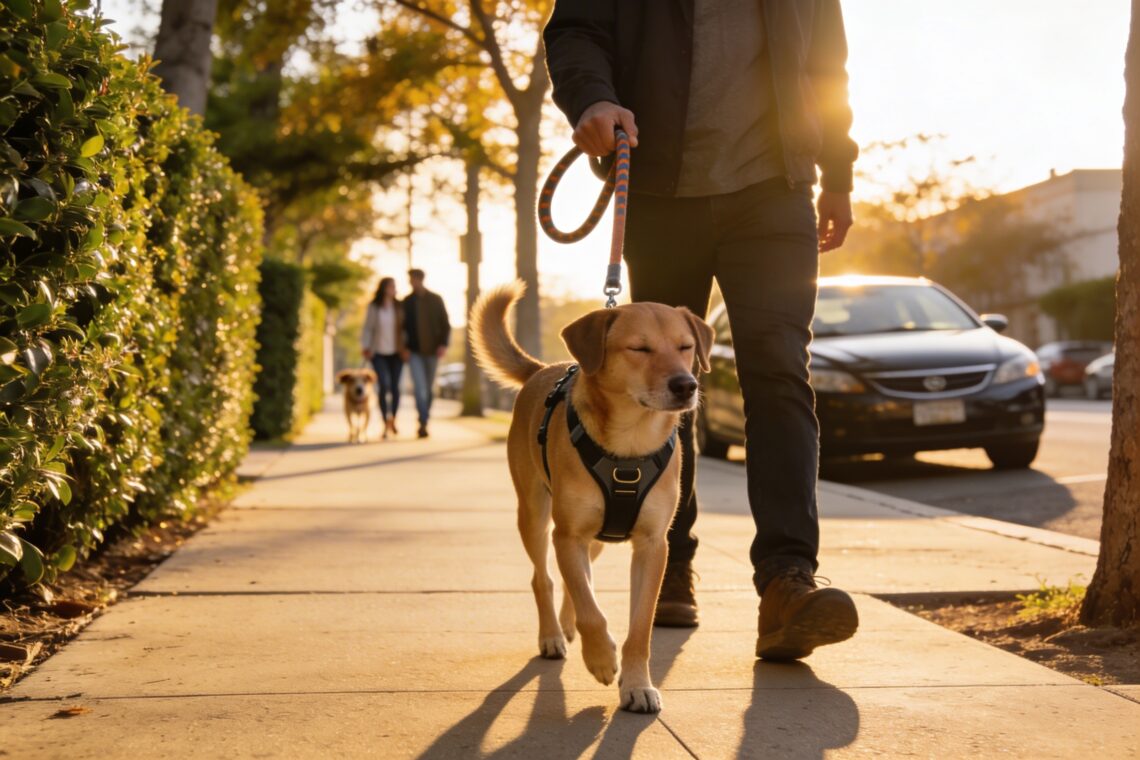
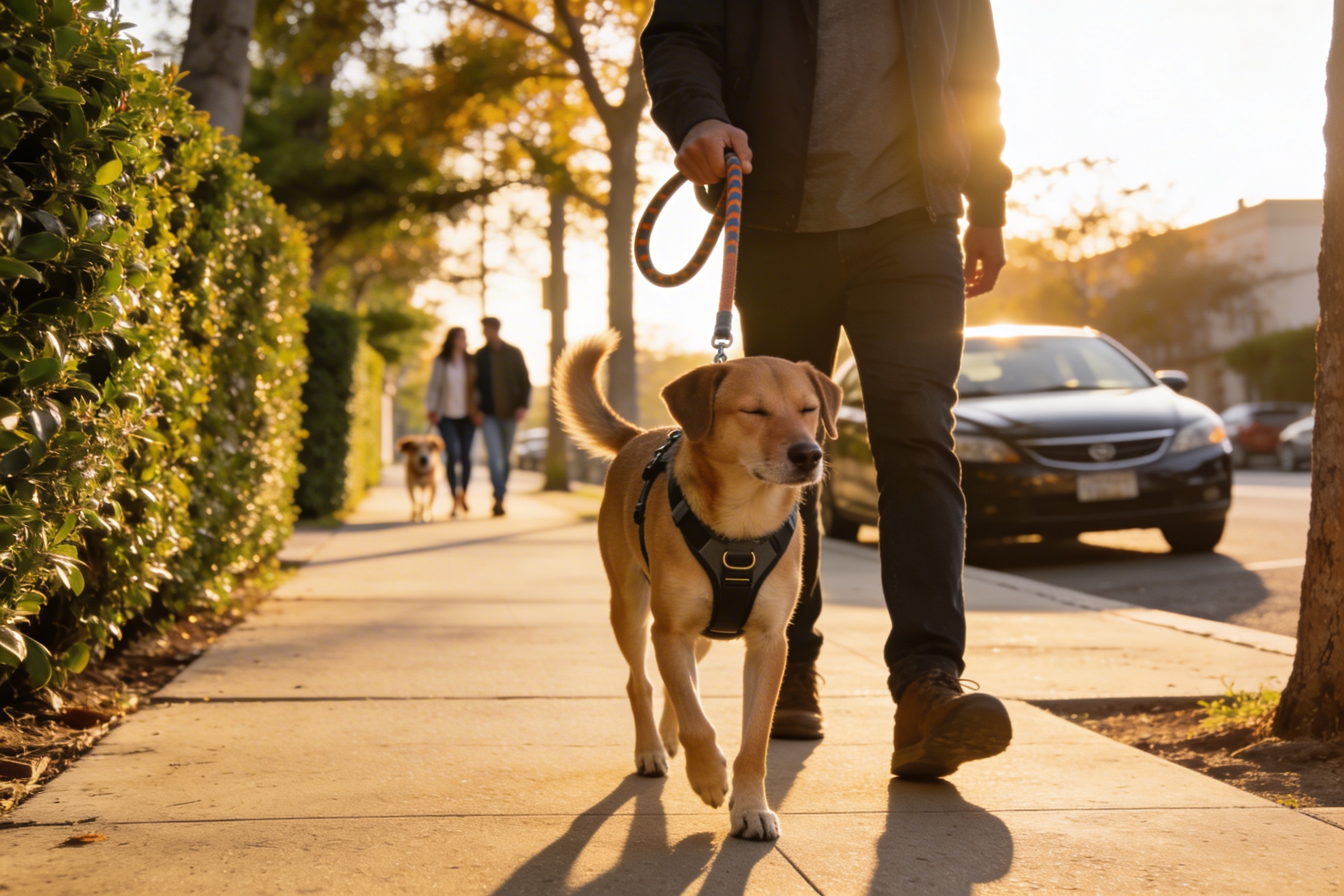
Your dog barks, lunges, and does the whole “hold my leash” routine the second they see another dog or skateboard? You’re not alone, and you’re not a bad owner. You’ve got a reactive dog, not a broken one. With the right plan, you can turn chaos into calm and actually enjoy walks again.
First: What “Reactive” Really Means (And Why Your Dog Isn’t Being a Jerk)
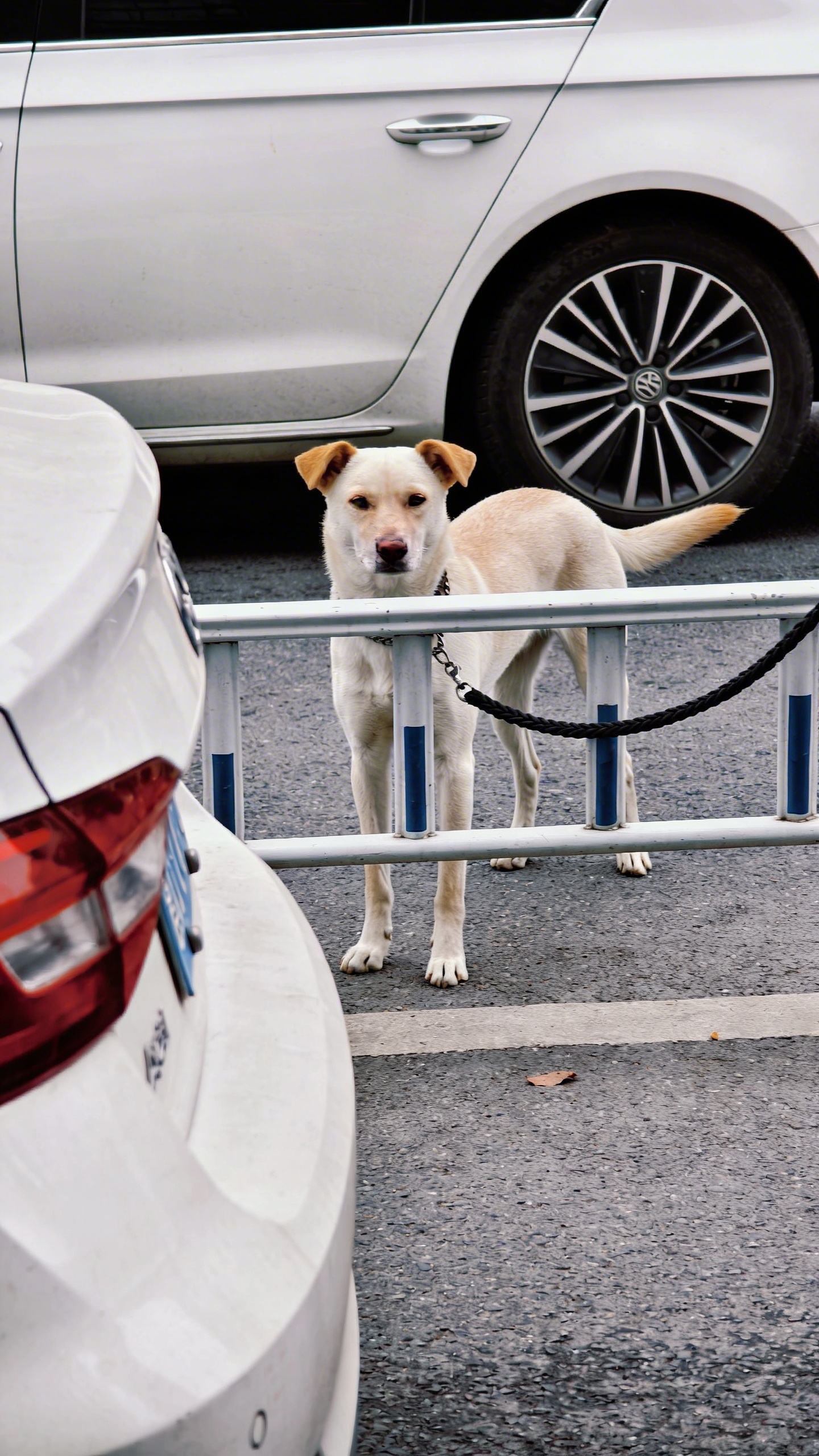
Reactive dogs respond big and fast to triggers—dogs, people, bikes, whatever lights their fuse. That overreaction comes from stress, fear, frustration, or excitement. It’s not stubbornness. The goal? Change their emotional response and give them behaviors that work better than yelling at the world.
Tip 1: Manage the Environment Like a Ninja
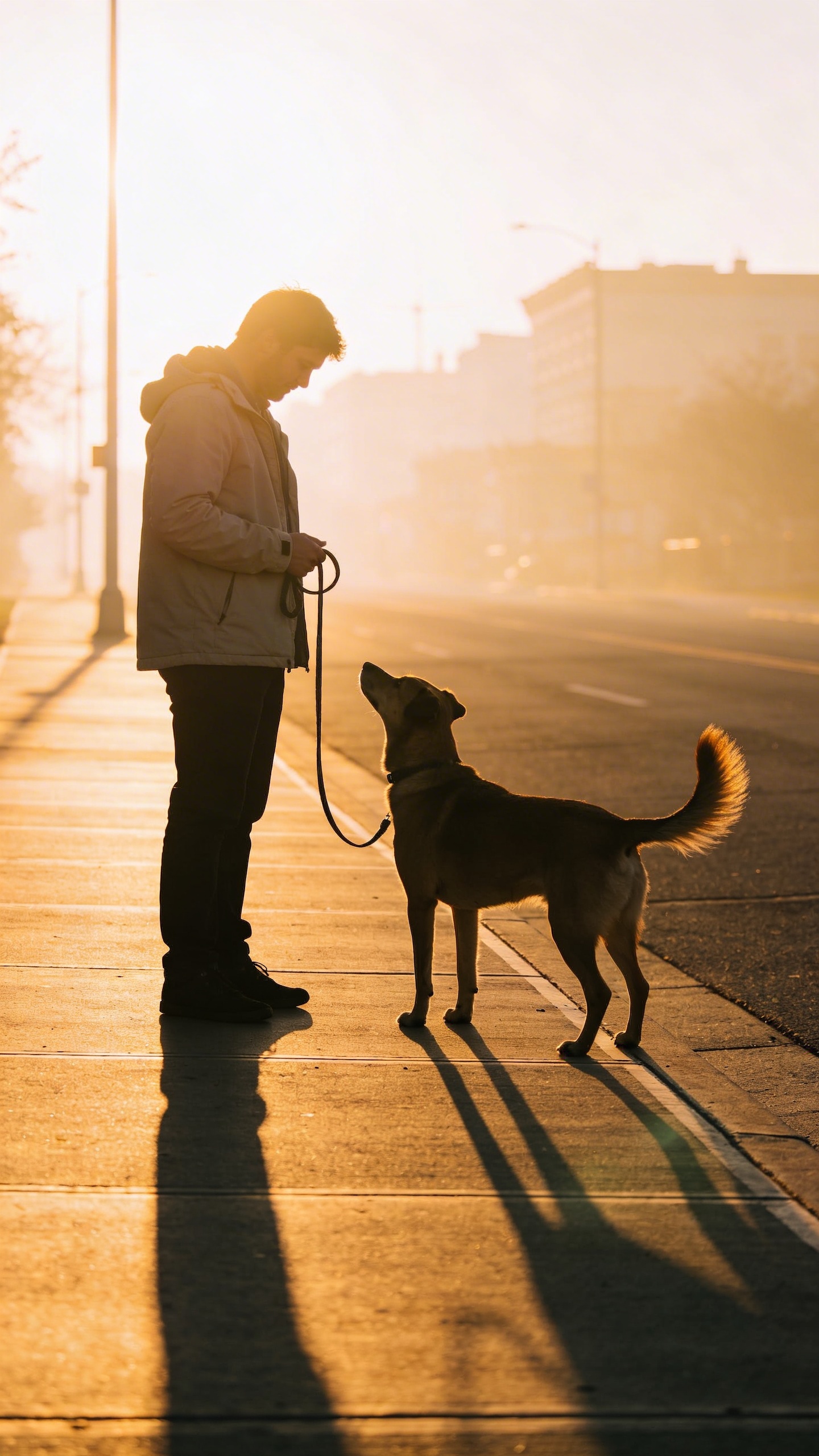
You can’t train through panic. So first, stop the constant explosions.
- Pick quieter routes and times for walks. Fewer triggers means fewer blow-ups.
- Use barriers: park cars, hedges, and distance all help your dog feel safer.
- Gear up: a well-fitted front-clip harness and a 6–8 ft leash give control without pressure.
- Skip dog parks for now. IMO, they’re chaos generators for reactive dogs.
The 3-Second Rule
If a trigger appears and you can’t create distance within three seconds, just turn and leave. No lectures. No toughing it out. Get out before your dog tips over threshold.
Tip 2: Build a Rock-Solid “Look at That” Game
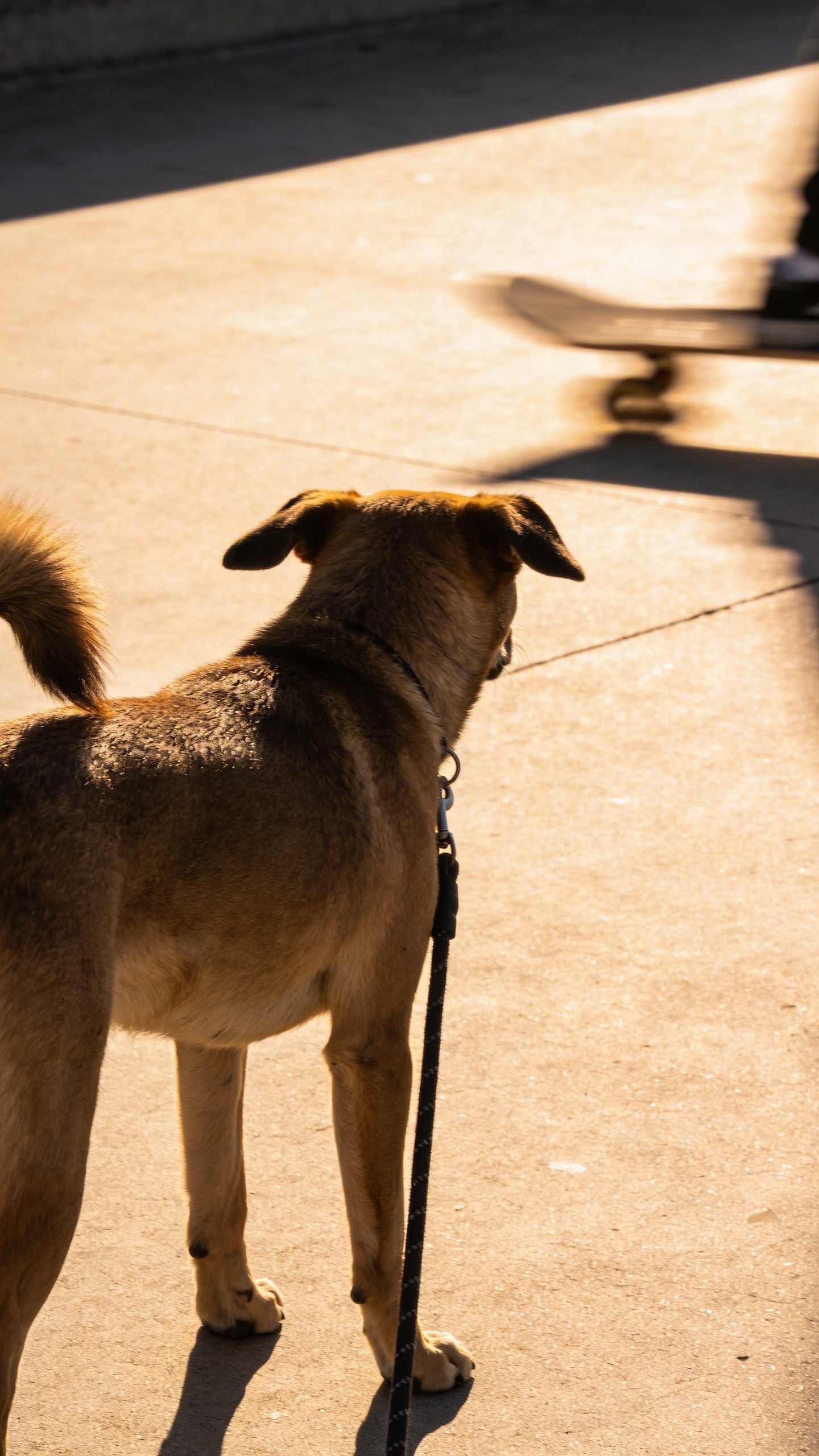
This one changes everything. When your dog sees a trigger, you mark it and reward. Over time, your dog sees something scary and thinks, “Oh hey, snacks!”
- Set up distance so your dog notices the trigger but doesn’t freak out.
- Say “Yes!” or click the instant your dog looks at the trigger.
- Feed high-value treats right after—chicken, cheese, hot dogs. Not dry kibble, FYI.
- Repeat until your dog starts looking back at you after spotting triggers. That look-back is gold.
Common Mistakes to Dodge
- Getting too close, too fast. If your dog locks on, you went too far.
- Waiting for silence. Mark the look, not “calmness perfection.”
- Using boring treats. Bring the VIP snacks.
Tip 3: Teach Emergency U-Turns (Your Panic Button)
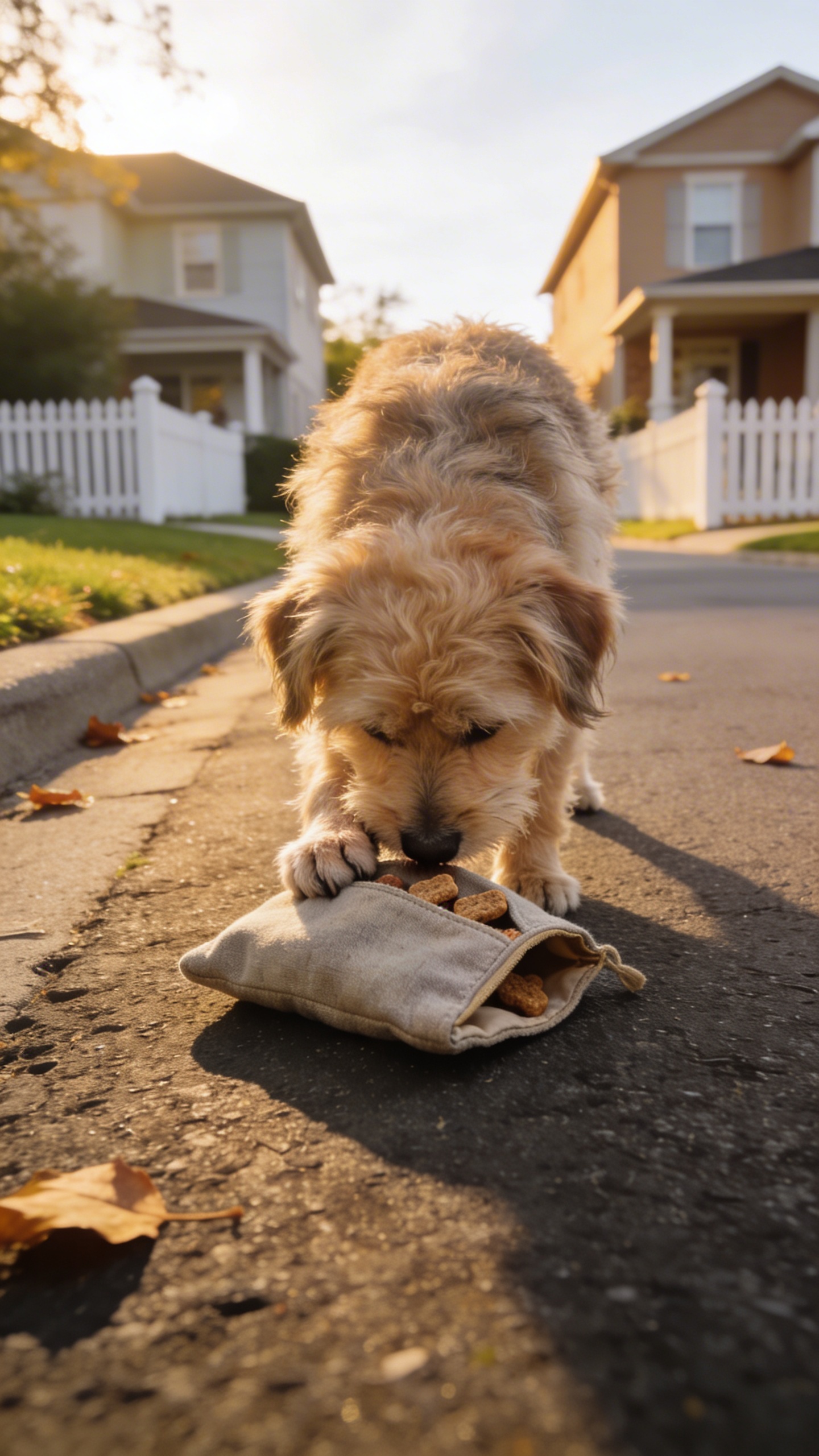
You need a quick exit that feels like a party, not a retreat. Pick a cue like “This way!” and practice at home first.
- Say “This way!” in a happy voice.
- Turn your body and move briskly the other direction.
- Rapid-fire treats as your dog follows for 5–10 steps.
Do short, fun reps during every walk. Then when you need it for real, your dog already knows the drill.
Leash Handling That Helps
– Keep a loose J-shaped leash. Tension adds pressure. – Hold treats in the hand closest to your dog. – Step off at an angle, not straight into the trigger’s path.
Tip 4: Reinforce Calm Like It’s Your Job
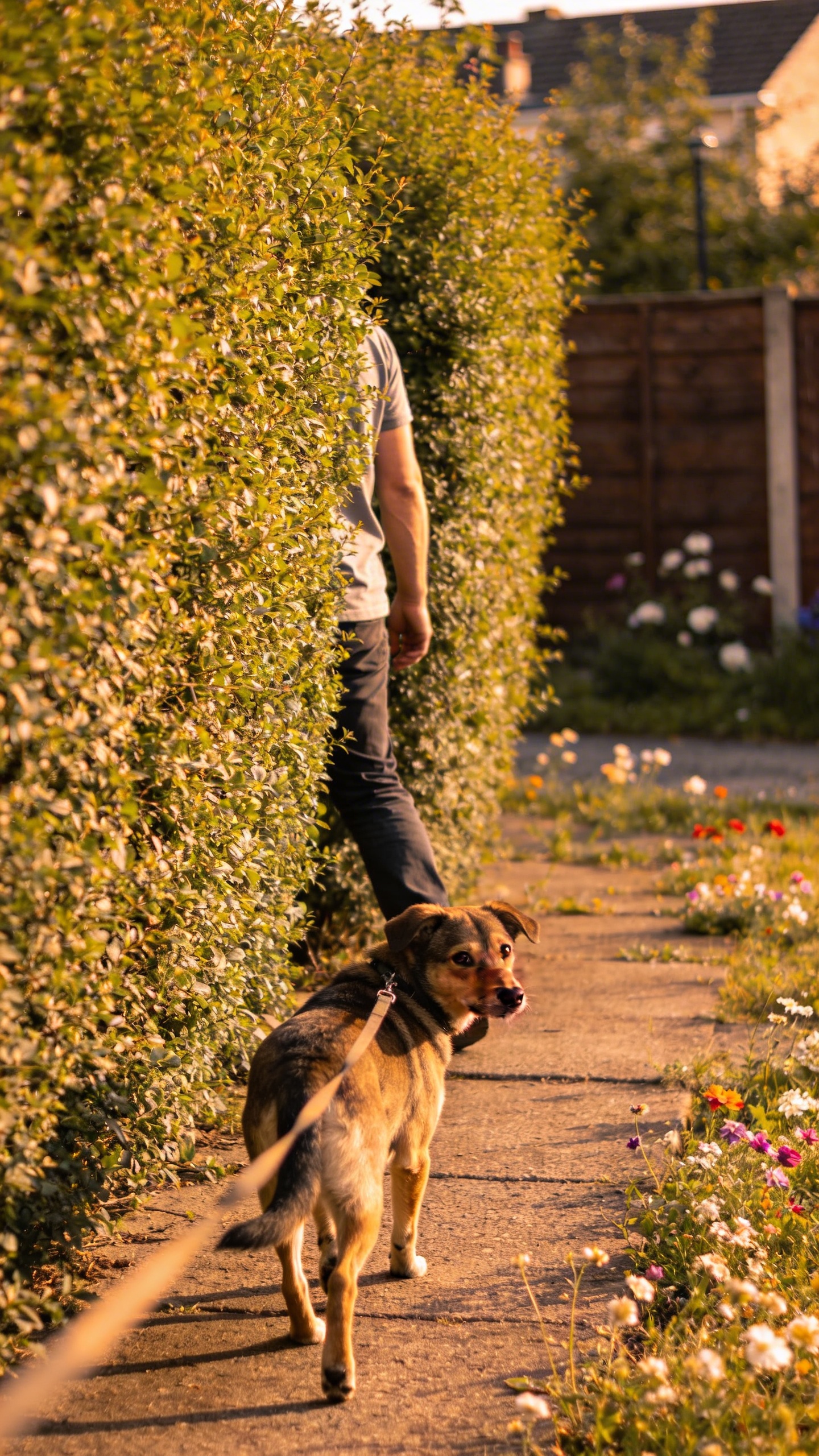
If your dog lies down quietly or checks in on a walk, pay them. Calm creates more calm.
- Mat training: Teach “settle” on a mat at home, then move it to mildly distracting spaces.
- Default check-ins: Reward eye contact even when nothing exciting happens. Boring moments build focus muscles.
- Slow feeders and sniffing: Dogs decompress through scent. Use scatter feeding in the yard and snuffle mats indoors.
Decompression Walks
Think long lines in quiet areas where your dog can sniff and explore. Sniffing lowers arousal, and a calmer baseline makes everything easier. IMO, 2–3 decompression sessions per week can beat one “perfect” training session.
Tip 5: Choose Battles (and Treats) Wisely
You can’t fix everything at once. Pick the top 1–2 triggers and start there.
- Build a treat ladder: Everyday treats for easy wins, “jackpot” treats for hard moments.
- Use distance as a reward: After your dog spots a trigger and checks in, say “Let’s go!” and walk away. Relief counts as reinforcement.
- Keep sessions short: 5–10 minutes. Quit while your dog still wins.
When to Skip the Walk
Bad weather, neighborhood chaos, you’re tired—train inside. Do nose games, obedience bursts, or food puzzles. A tired brain beats an overstimulated meltdown every time.
Tip 6: Communicate Clearly (Because Mixed Signals = Mayhem)
Your dog reads your body better than your words. Send calm, consistent signals.
- Plant your feet when a trigger appears. Don’t yank. Create distance, then cue.
- Use the same cues for the same actions: “Look,” “This way,” “Find it.” Consistency builds trust.
- Reward fast. The shorter the gap between good behavior and treat, the faster the learning.
Three Micro-Cues That Work
– “Look” for eye contact. – “Find it” for a quick scatter of treats on the ground. – “Behind” to step behind your legs and use your body as a shield.
Tip 7: Desensitize with Structure (Not Vibes)
We’re playing the long game: gradually lower your dog’s reactivity at safe distances.
- Rate your dog’s stress on a 1–10 scale. Only train at 3–4 where they can still think.
- Pick one trigger and stay at a distance where your dog notices but stays loose.
- Pair the trigger with treats 10–20 times. End before your dog gets tense.
- Decrease distance slightly over sessions, never during the same one.
You’ll feel impatient. Don’t rush. Nothing tanks progress faster than “just a little closer” turning into a barkstorm.
DIY Setups That Help
– Park near a dog training center and watch from the car. – Sit on a bench overlooking a quiet trail. – Coordinate with a friend and their chill dog for controlled passes.
Tip 8: Get Pro Help When You Need It
If your dog explodes often or you feel overwhelmed, hire a qualified, force-free trainer or behavior consultant. They’ll tailor a plan, spot subtle signals, and keep you on track. Ask about experience with reactivity, what methods they use, and how they measure progress. If someone suggests punishment tools as a first step, hard pass, IMO.
FAQ
Is reactivity the same as aggression?
No. Reactivity means big, fast responses to triggers. Some reactive dogs feel scared, some feel frustrated, and some just have zero impulse control. Aggression involves intent to cause harm. A qualified pro can help you tell the difference and build the right plan.
How long does it take to see progress?
You can see small wins in a week—faster check-ins, fewer meltdowns—but lasting change usually takes weeks to months. It depends on your dog’s history, genetics, and how consistently you practice. Focus on trends, not single bad days.
What treats work best for training a reactive dog?
Use soft, smelly, pea-sized treats your dog goes nuts for: chicken, cheese, hot dogs, freeze-dried liver. Bring a mix. Hard biscuits take too long to eat and don’t compete well with scary skateboards, FYI.
Can I fix reactivity without medication?
Often, yes. Management, training, and decompression help most dogs a ton. If your dog stays highly stressed even with solid training, talk to your vet or a veterinary behaviorist. Medication can lower anxiety enough so training actually sticks.
Should I correct or punish my dog when they bark and lunge?
Nope. Corrections can suppress signals and add stress, which makes behavior worse later. Instead, create space, cue a behavior you like, and pay generously. Reinforce calm, don’t punish fear.
Do I need to socialize my reactive dog more?
Not in the “throw them into the deep end” sense. Forced exposure backfires. Choose quality over quantity: controlled distances, predictable setups, and gradual progress.
Bringing It All Together
You’re not trying to build a robot. You’re helping your dog feel safe and choose better behaviors. Manage the environment, reward what you want, and practice bite-sized sessions that end on a win. Add distance, snacks, and a cheerful “This way!” and you’ll both start to breathe again. Progress won’t look perfect, but it will look quieter—and that’s the point.