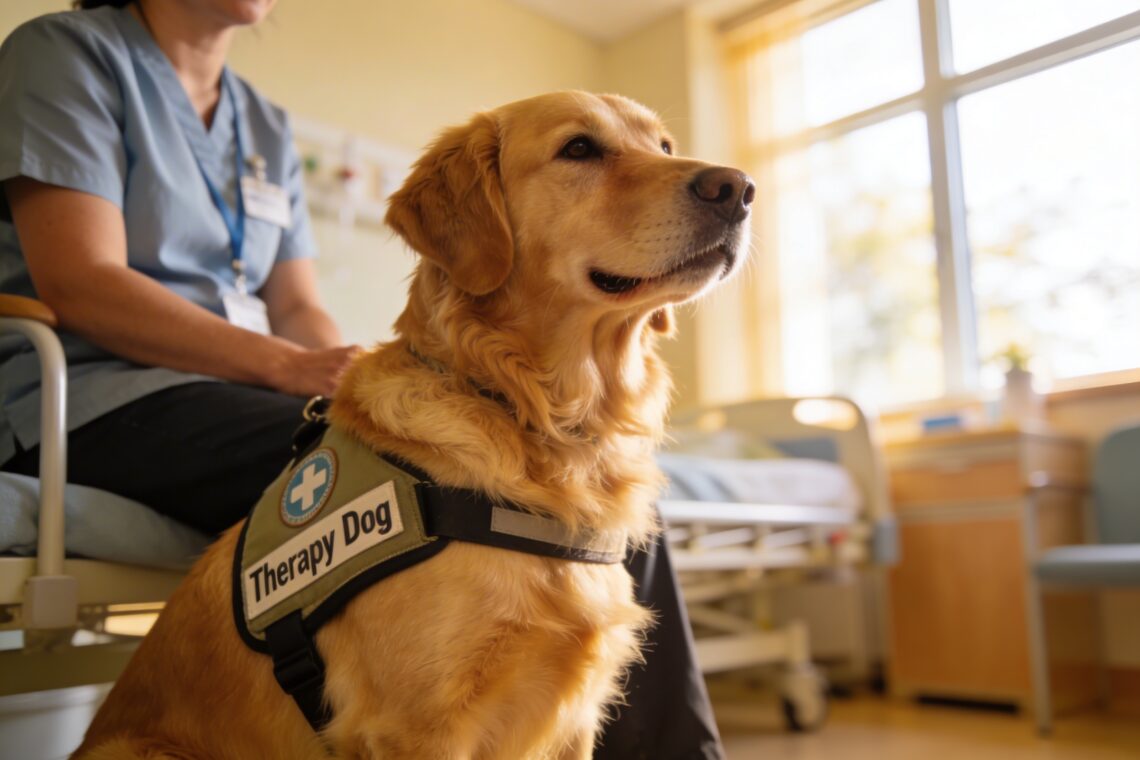
You’ve probably seen therapy dogs in action—wagging tails bringing smiles to hospital patients, calming nervous students during exam week, or comforting people through tough times. Maybe you’ve looked at your own pup and thought, “Hey, she’d be amazing at this!” Here’s the thing: training a therapy dog isn’t just about having a friendly canine—it requires specific skills, rock-solid temperament, and some seriously good habits.
Understanding What Makes a Therapy Dog Different
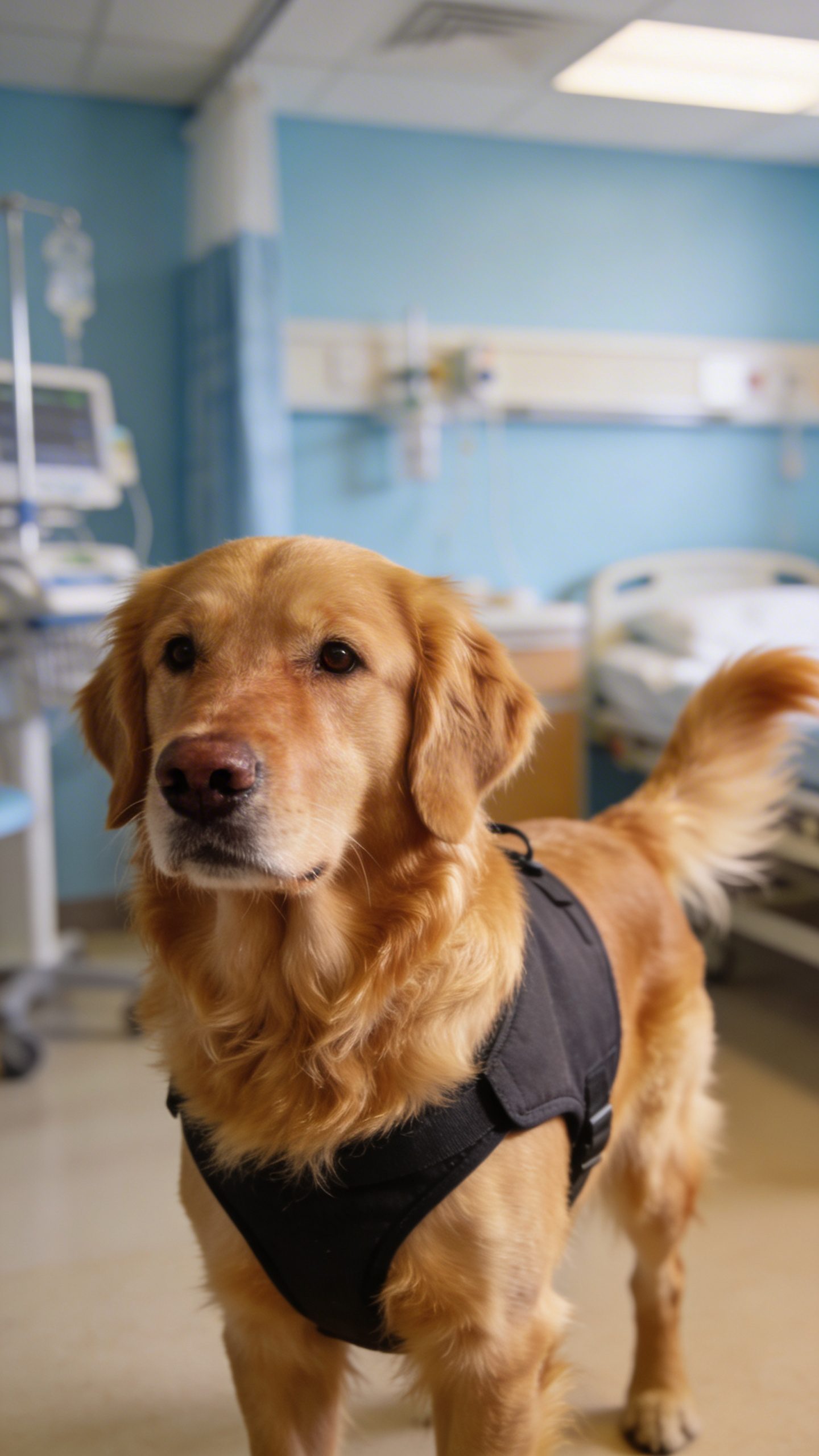
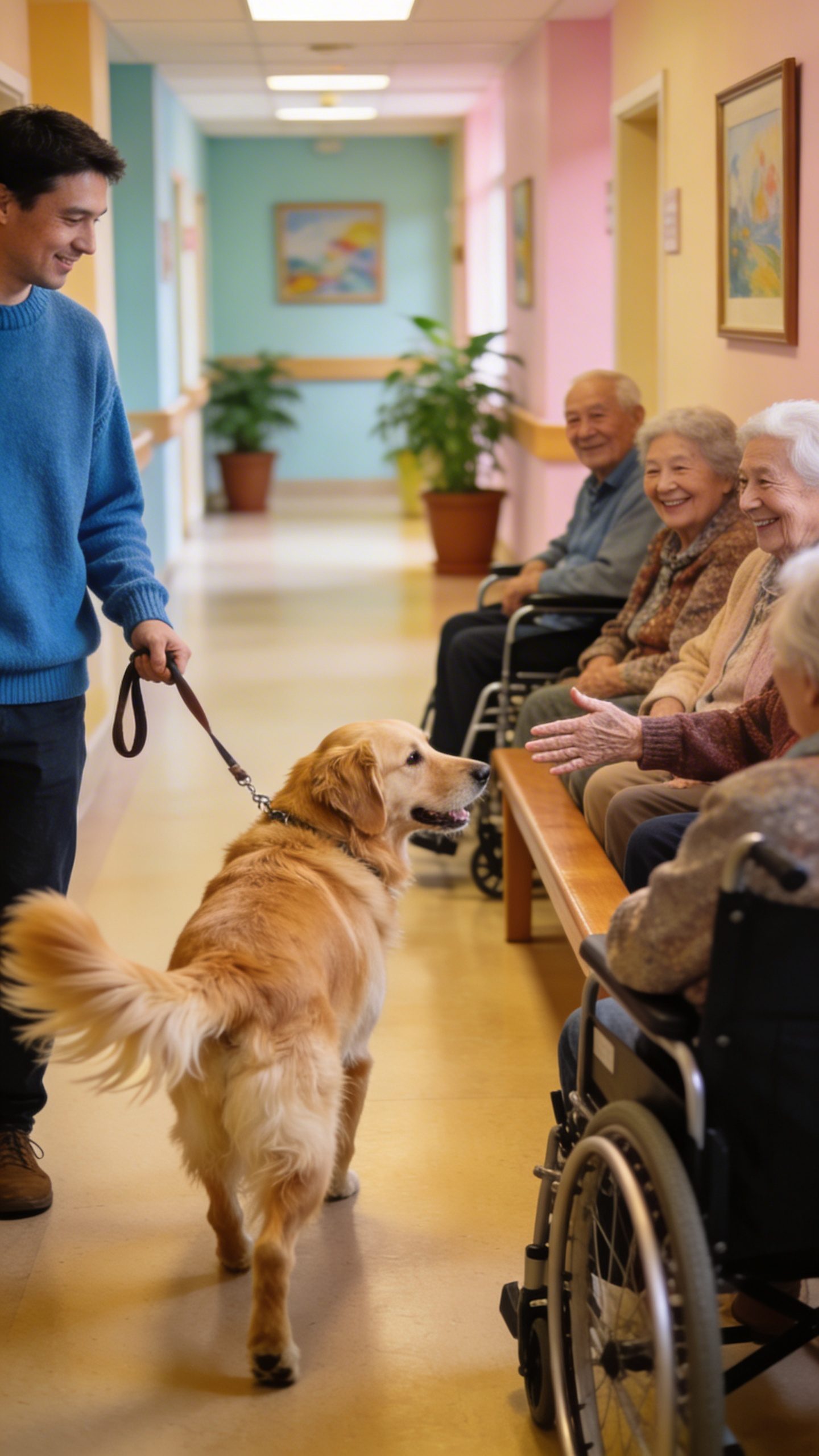
Let’s clear something up right away: therapy dogs aren’t service dogs, and they’re not emotional support animals either. Therapy dogs visit facilities like hospitals, schools, and nursing homes to provide comfort to multiple people. They don’t have the same legal access rights as service dogs, and they work with their handlers to visit others rather than supporting one specific person. The ideal therapy dog candidate has a naturally calm demeanor and genuinely enjoys meeting new people. If your dog loses their mind every time the doorbell rings or treats strangers like potential serial killers, you might have some work ahead of you. But don’t worry—many dogs can learn these skills with patience and proper training.
Building an Unshakeable Foundation of Obedience
Before you even think about therapy dog certification, your pup needs to nail the basics. And I mean really nail them. We’re talking bomb-proof obedience in distracting environments, not just performing tricks when you’re alone in your living room with a pocket full of treats. Your dog should respond reliably to these core commands:
- Sit and stay for extended periods, even with people walking by
- Down and stay while maintaining a relaxed body posture
- Come when called every single time, no matter what’s happening
- Leave it when encountering food, toys, or other temptations
- Loose-leash walking without pulling or lunging
Think of these commands as your dog’s ABCs. You wouldn’t try to write a novel before learning the alphabet, right? Same concept here.
Socializing Like Your Dog’s Career Depends on It (Because It Does)
Here’s where many people drop the ball. Socialization isn’t just introducing your dog to other dogs at the park. For therapy work, your dog needs exposure to an absolutely wild variety of situations, sounds, textures, and people.
Creating a Socialization Schedule
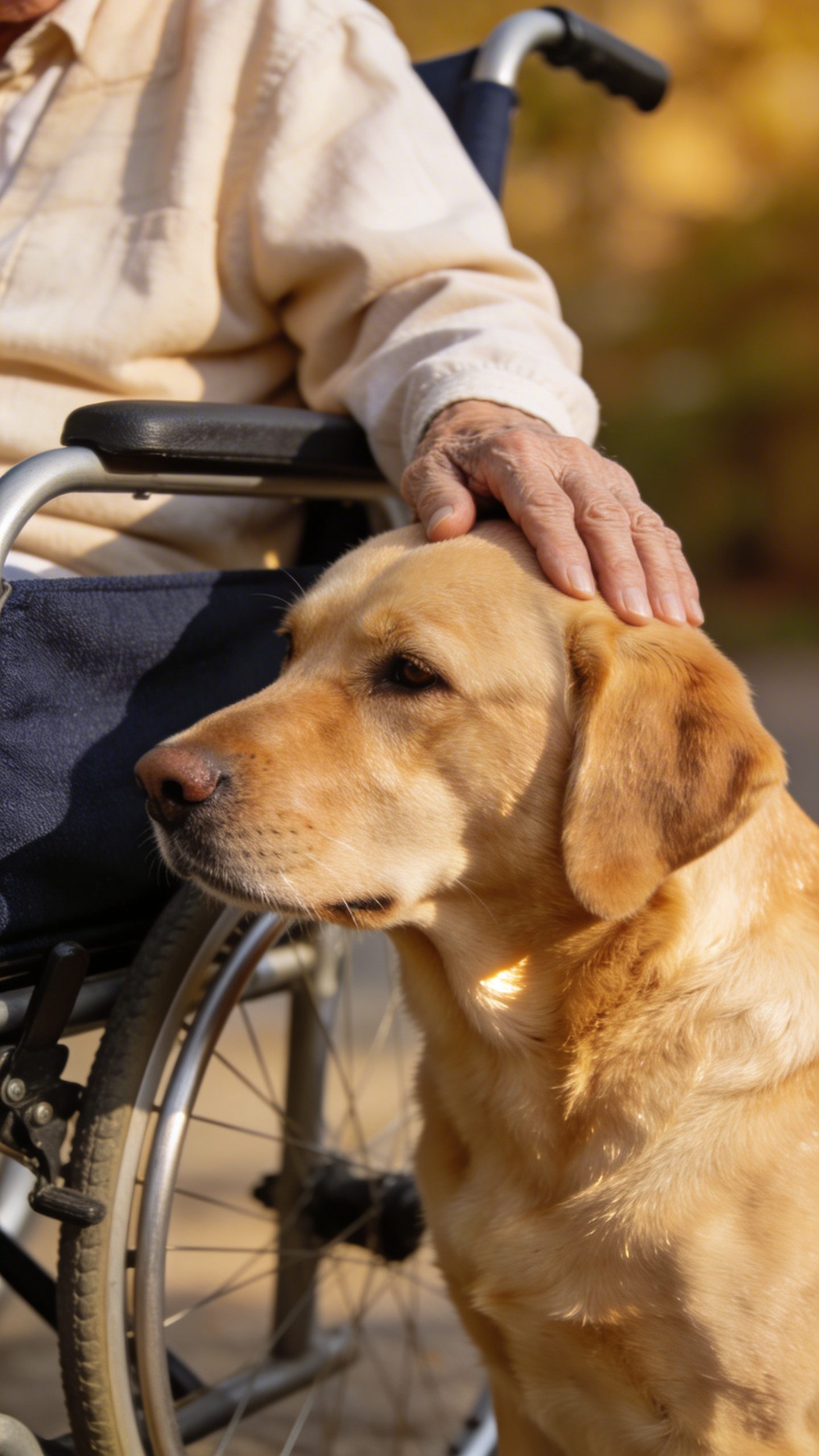
Start taking your dog to different environments regularly. Pet-friendly stores, outdoor cafes, farmers markets, parks—anywhere you can legally bring them. The goal is to make “new and unusual” feel normal and boring. Pay special attention to exposing your dog to people who look and move differently. Therapy dogs encounter folks using wheelchairs, walkers, crutches, and various medical equipment. They need to stay calm around people who might move unpredictably or make unusual sounds.
Desensitization to Weird Stuff
FYI, therapy facilities are sensory overload zones. Hospitals smell weird. Nursing homes have squeaky floors and beeping equipment. Schools have hundreds of excited kids making unpredictable movements. Practice at home with strange objects and sounds. Roll a wheelchair past your dog. Play recordings of medical equipment beeping. Get friends to wear hats, use canes, or approach in unusual ways. The weirder, the better. Your dog should develop a “been there, done that” attitude toward basically everything.
Mastering the Art of Gentle Interaction

A therapy dog needs to be friendly without being overwhelming. Nobody wants 70 pounds of enthusiastic Labrador knocking over a fragile elderly person, no matter how loving the intentions. Teach your dog to approach people calmly and respect personal space. Practice having visitors sit down first, then release your dog to greet them gently. Reward calm approaches and immediately interrupt any jumping, pawing, or overly excited behavior. Your dog also needs to tolerate being petted in ways that might feel uncomfortable. Kids grab. People with limited motor control might pet roughly or unpredictably. Your dog should handle awkward petting with grace and patience, not by moving away or showing stress signals.
Developing Emotional Regulation Skills
This is the secret sauce that separates wannabe therapy dogs from the real deal. Your dog needs to regulate their own emotions in stimulating environments. Practice what trainers call “settle” or “relax” on command. This means your dog can lie down calmly and just… chill. Not alertly watching everything, not ready to spring up at any moment, but genuinely relaxed. In therapy settings, your dog might need to hang out quietly for 30-60 minutes while people come and go. Work on building your dog’s stamina for boring situations. Seriously. Take your dog somewhere, have them lie down, and just exist there for increasingly longer periods. Bring a book. Check your phone. Let them learn that sometimes nothing exciting happens, and that’s perfectly fine.
Reading and Respecting Stress Signals
Here’s something crucial that some handlers miss: you need to become fluent in reading your dog’s stress signals. Just because your dog tolerates something doesn’t mean they’re comfortable. Learn to recognize subtle signs of stress:
- Lip licking or yawning when not tired
- Whale eye (showing the whites of their eyes)
- Ears pinned back or positioned differently than normal
- Excessive panting when not hot or exercised
- Turning their head away from people
- Stiff or tense body posture
If you notice these signs, your dog is telling you they need a break. Listen to them. Pushing a stressed dog to continue working is how you end up with a dog who no longer enjoys therapy work—or worse, one who develops anxiety or reactivity.
Getting Official Certification
Once you’ve built these habits and your dog is crushing it in various environments, it’s time to pursue certification. Most therapy dog organizations require you to pass an evaluation, and many start with the AKC Canine Good Citizen (CGC) test as a baseline.
Choosing a Therapy Dog Organization
Several reputable organizations certify therapy dogs, including Pet Partners, Therapy Dogs International, and Alliance of Therapy Dogs. Each has slightly different requirements and testing procedures, but they all evaluate similar core skills. Research which organizations are accepted at facilities you want to visit. Some hospitals or schools have specific requirements about which certifications they accept. Save yourself headaches by checking this beforehand.
Preparing for Evaluation
The evaluation typically tests your dog’s ability to handle typical therapy scenarios. Evaluators might suddenly drop a book, wheel a walker past your dog, or have people pet your dog in awkward ways. Your dog needs to stay calm, friendly, and under control throughout. IMO, the best preparation is simply living the habits we’ve discussed consistently. You can’t cram for this test like you did for your college finals. Your dog either has the temperament and training, or they don’t.
Frequently Asked Questions
How long does it take to train a therapy dog?
There’s no one-size-fits-all timeline, but most dogs need at least 6-12 months of consistent training and socialization before they’re ready for evaluation. Dogs with naturally calm temperaments and solid basic obedience might progress faster, while reactive or anxious dogs might need longer (or might not be suitable candidates at all). Don’t rush the process—this isn’t a race.
Can any breed become a therapy dog?
Technically yes, though some breeds have natural advantages. The breed matters less than the individual dog’s temperament. That said, extremely high-energy breeds or those bred for protection work often struggle with the calm, gentle demeanor required. Focus on your specific dog’s personality rather than breed stereotypes.
What age should my dog be before starting therapy work?
Most organizations require therapy dogs to be at least one year old, and many trainers recommend waiting until dogs are 18-24 months old. Young dogs often lack the emotional maturity and focus needed for therapy work. Plus, their temperament is still developing—what seems like a calm puppy might become an anxious adolescent.
How much does therapy dog certification cost?
Registration fees for therapy dog organizations typically run between $50-$150 annually, plus one-time evaluation fees of $25-$75. However, the real investment is in training classes, socialization activities, and time. Budget several hundred dollars for quality obedience classes if you’re starting from scratch.
Do I need to worry about liability?
Absolutely. Most reputable therapy dog organizations include liability insurance as part of your membership, which protects you if your dog accidentally injures someone during a therapy visit. Never volunteer your dog without proper insurance coverage—the financial risk just isn’t worth it.
What if my dog doesn’t pass the evaluation?
Don’t take it personally. Some wonderful, well-loved dogs simply aren’t cut out for therapy work, and that’s okay. If your dog shows stress, fear, or reactivity during evaluation, forcing them into therapy work would be unfair to them and potentially unsafe for others. Not every dog needs a job beyond being your beloved companion.
Wrapping It Up
Training a therapy dog is honestly one of the most rewarding things you can do with your canine partner. Watching your dog bring joy and comfort to people who need it creates this incredible ripple effect of goodness in the world. But remember—it’s not about you proving your dog is special or collecting certifications. It’s about genuinely preparing your dog for work that benefits others. That requires honesty about your dog’s capabilities, commitment to building solid habits, and willingness to put in consistent effort over months or years. Start with the fundamentals, socialize extensively, and always prioritize your dog’s emotional wellbeing. Do that, and you might just end up with a certified therapy dog who changes lives everywhere they go. Now get out there and start building those habits!