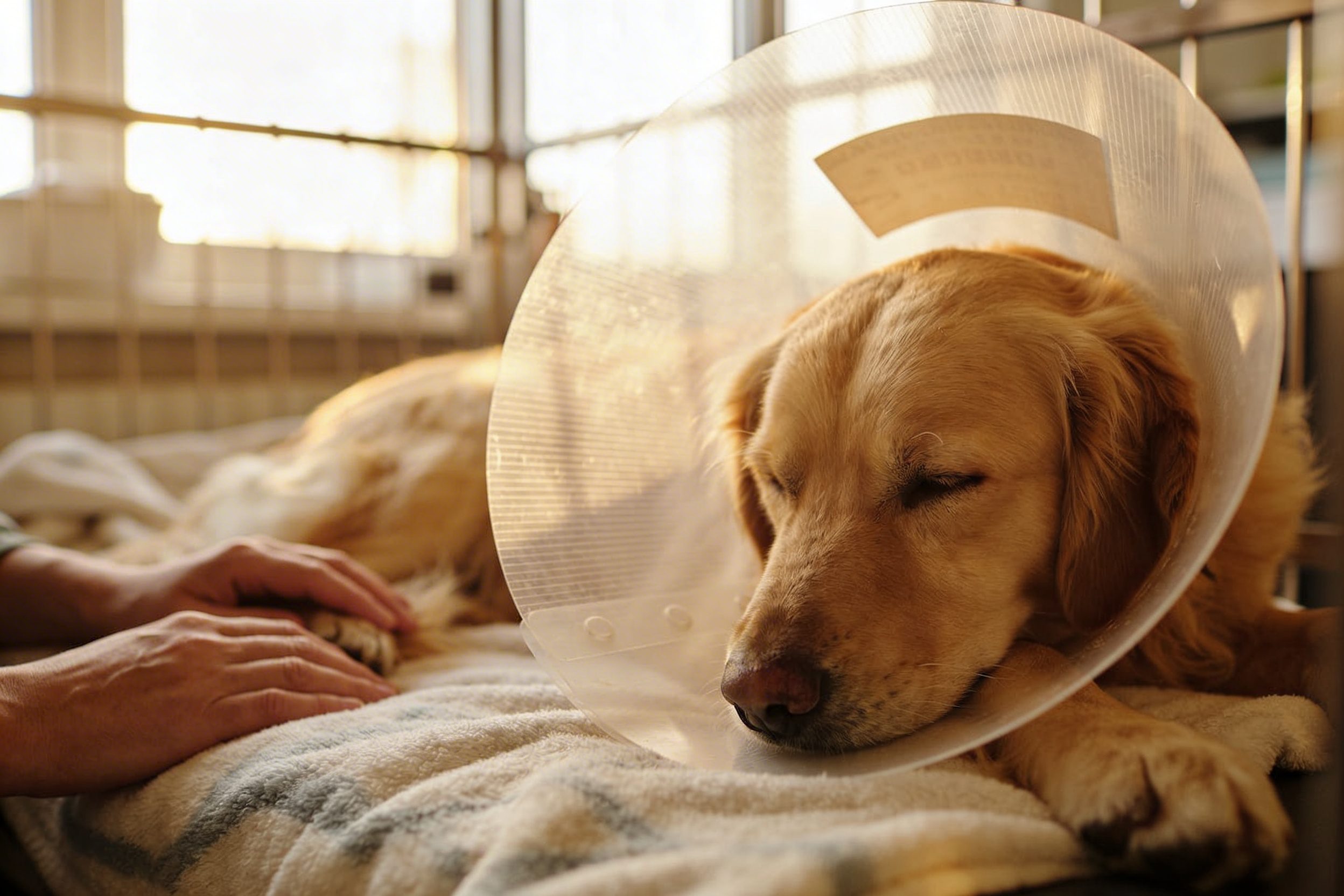
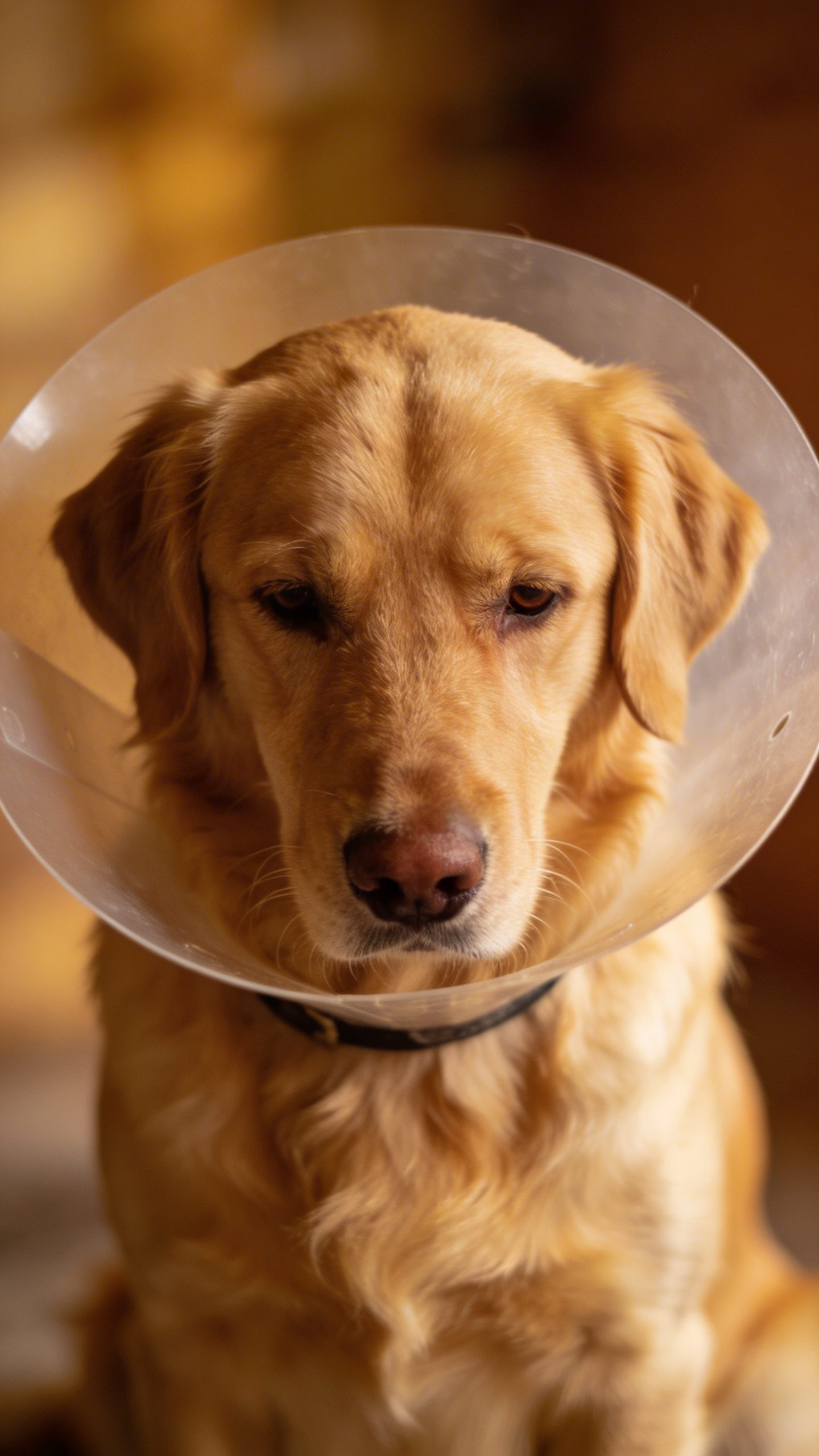
Your pup just got neutered, and now he’s giving you those heartbreaking puppy eyes while sporting a plastic cone. You want to help him heal as fast as possible—and honestly, who can blame you? Let’s dive into the best vet-approved ways to speed up recovery so your good boy can get back to being his normal, energetic self.
The First 24 Hours: Set the Stage for Success
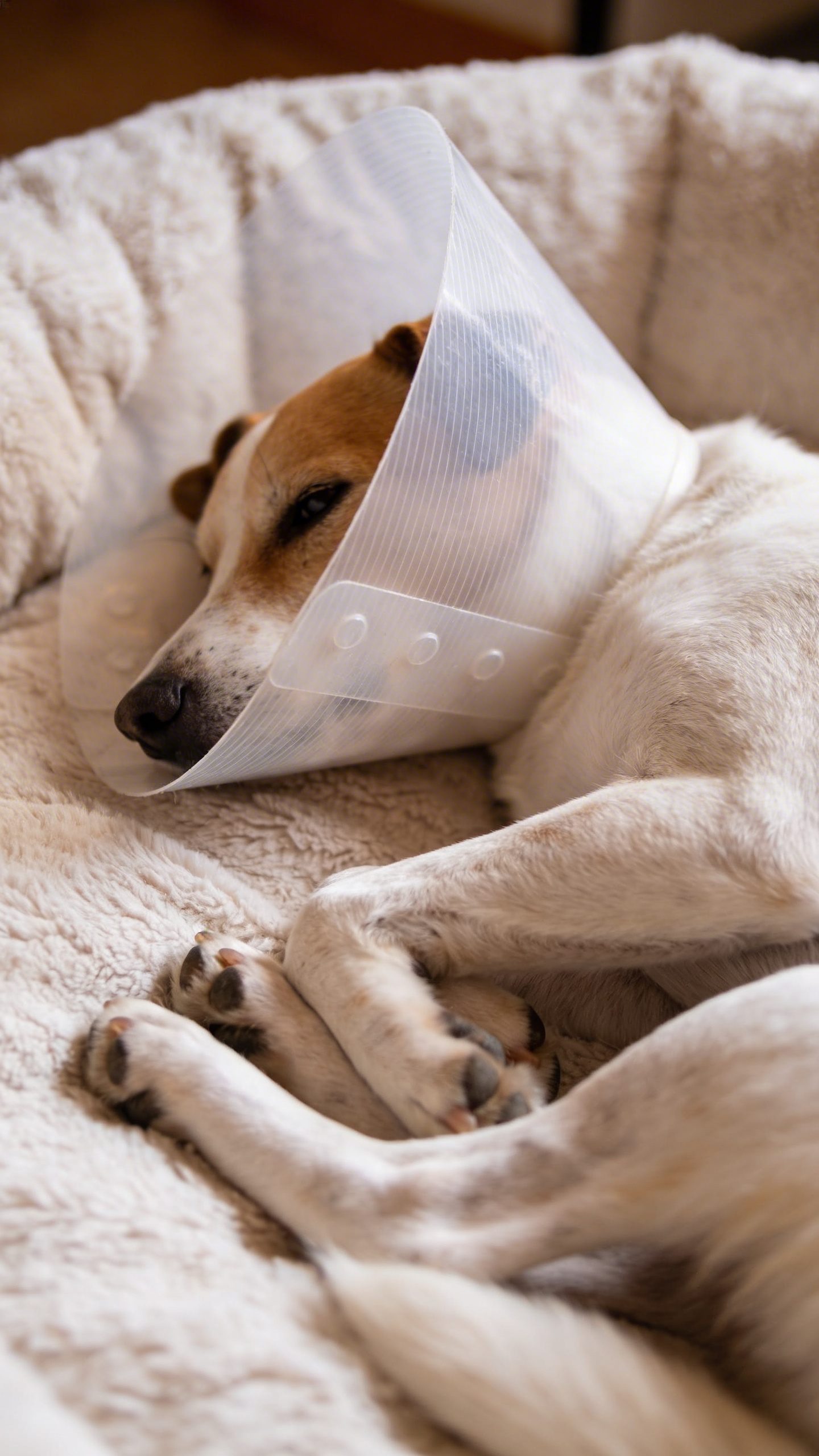
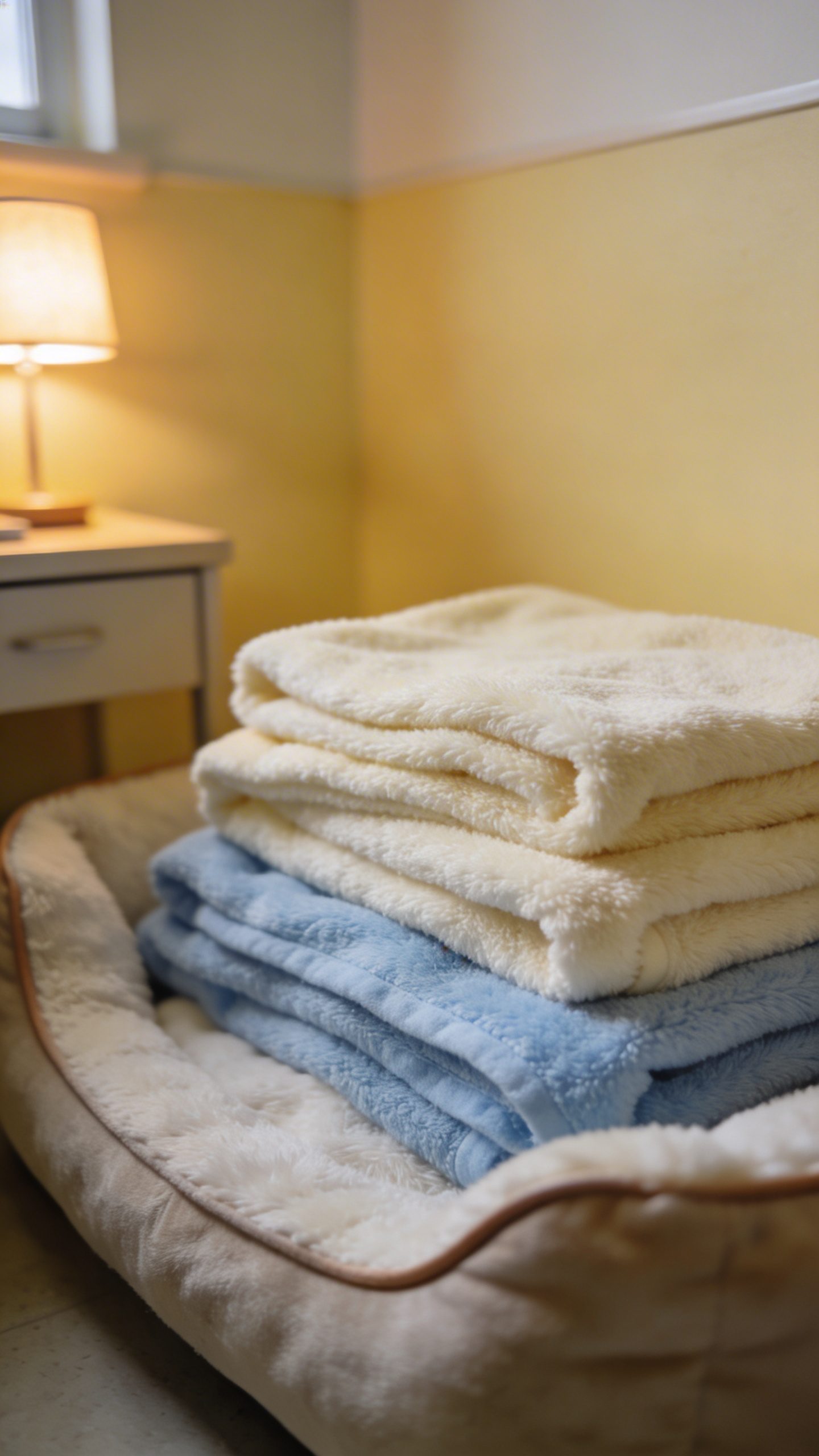
Those first few hours after bringing your dog home from surgery are crucial. Your vet probably sent you home with some instructions, but here’s what really matters in plain English. Set up a recovery zone that’s quiet and away from the main action. Think of it as his personal healing sanctuary—no rowdy kids, no curious cats, and definitely no stairs if you can help it. Your dog needs rest, and he won’t get that if your other pets are trying to sniff his incision site every five minutes. Keep the temperature comfortable—not too hot, not too cold. Your dog’s body is working overtime to heal, and regulating temperature takes energy he doesn’t have right now. A cozy bed with extra blankets he can burrow into works perfectly. Water should be available immediately, but hold off on food for a few hours. Anesthesia can make dogs nauseous, and the last thing you want is your poor guy throwing up and straining his incision. Start with small amounts of food when you do feed him.
Managing Pain Like a Pro
Here’s the thing about dogs: they’re tough as nails and terrible at showing pain. Your dog might act fine while secretly feeling pretty rough, so don’t skip those pain meds. Follow your vet’s prescription to the letter. Set phone reminders if you have to, because missing doses means your dog suffers unnecessarily. Most vets send dogs home with a few days of pain medication, and yes, your dog needs all of it—even if he seems peppy.
Signs Your Dog Needs Pain Relief
Watch for these telltale signs:
- Excessive panting or drooling
- Reluctance to move or lying in unusual positions
- Whimpering or unusual vocalizations
- Loss of appetite beyond the first day
- Aggressive behavior when you approach the surgery site
If you notice these symptoms even with medication, call your vet. They might need to adjust the dosage or switch to something stronger.
The Cone of Shame Isn’t Optional
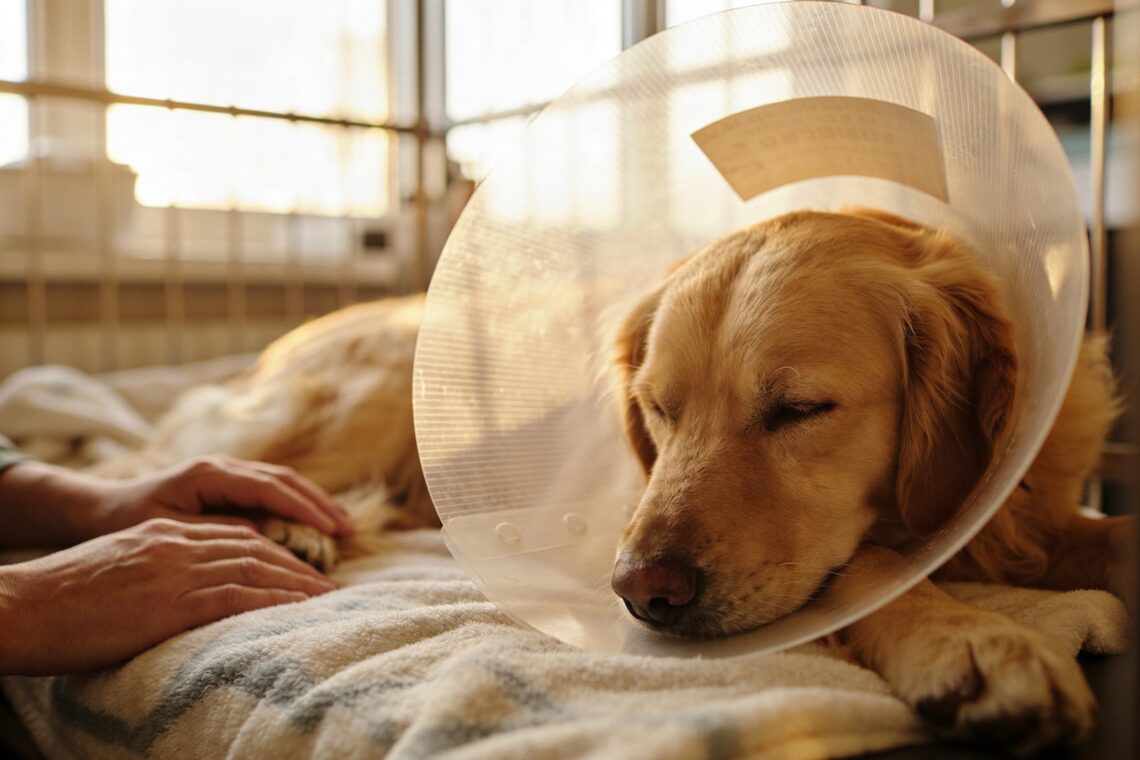
I know, I know—the Elizabethan collar makes your dog look ridiculous and he absolutely hates it. But that cone is standing between your dog and a serious infection or torn stitches. Your dog will try to lick his incision. It’s instinct. And while his saliva has some antibacterial properties, it’s not enough to prevent infection, and the physical trauma from constant licking will delay healing or worse. If the traditional plastic cone is making life miserable for everyone, consider alternatives like inflatable donuts or soft fabric cones. Some dogs do better with recovery suits that cover the incision area. Just make sure whatever you choose actually prevents access to the surgical site—some flexible dogs can still reach around softer barriers.
Making the Cone More Bearable
Remove the cone during supervised cuddle time if your dog shows no interest in the incision. This gives him a mental break and helps prevent cone-induced depression (yes, that’s a real thing). Just watch him like a hawk during these cone-free moments. Help him navigate doorways and food bowls—that cone adds serious diameter he’s not used to. You might need to raise his food and water bowls or widen his pathway to the backyard.
Activity Restriction: The Hardest Part
Here’s where most people struggle. Your dog feels better after a couple days and suddenly thinks he’s ready for parkour. He’s not. Limit activity for 10-14 days minimum. That means no running, jumping, rough play, or zoomies. I repeat: no zoomies, no matter how much he begs. Leash-walk your dog to the bathroom and back—that’s it. This is especially tough for high-energy breeds. A Labrador who’s feeling 80% better on day three will absolutely try to convince you he’s ready for fetch. Don’t fall for it. Torn stitches and hernias are real risks, and they mean another surgery. Try mental stimulation instead: puzzle toys, gentle training sessions, or sniff games indoors. A tired brain is almost as good as a tired body, and way safer during recovery.
Incision Care 101
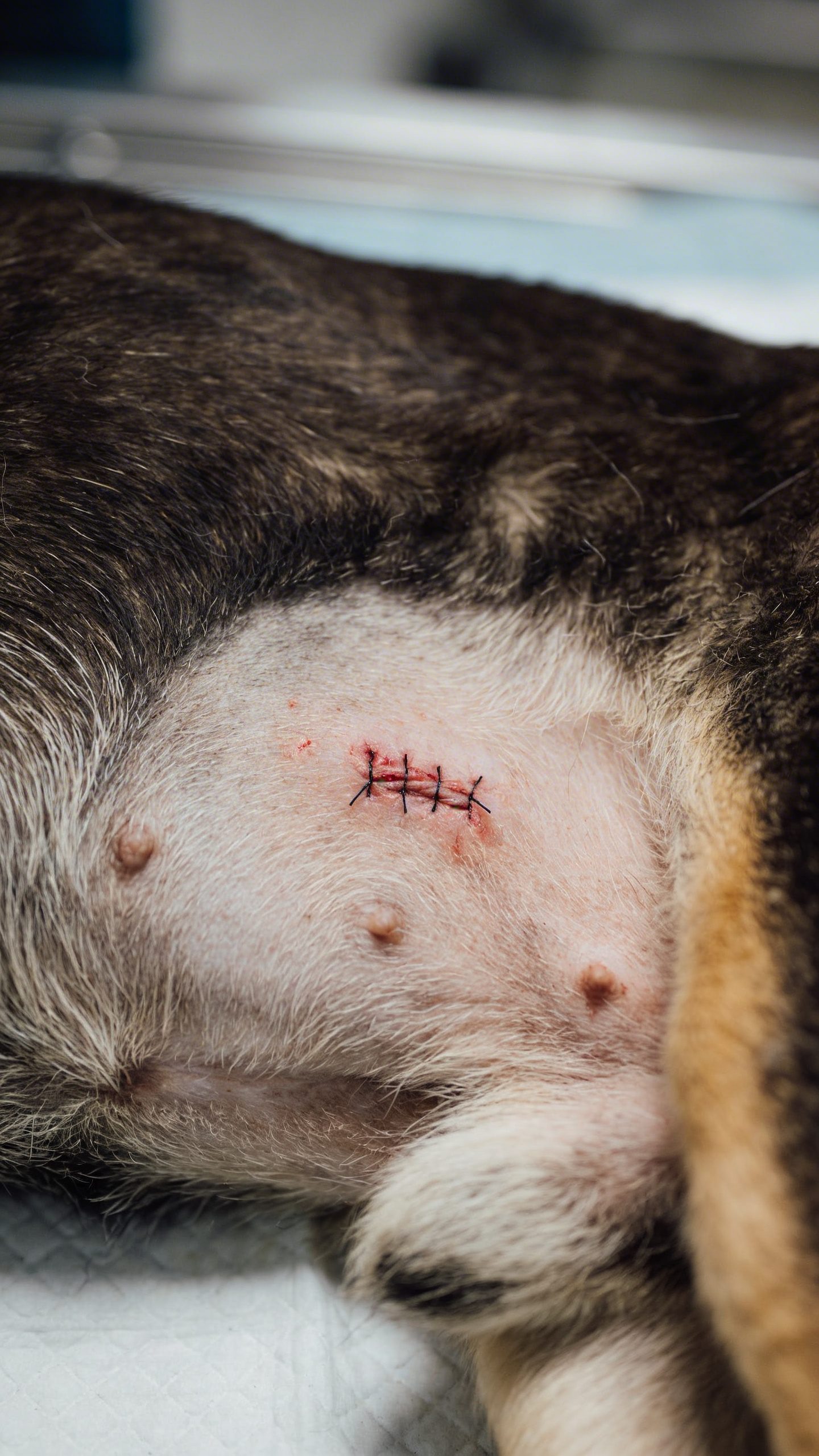
Check that incision site twice daily. You’re looking for normal healing, which includes slight redness, minor swelling, and some bruising. What you don’t want to see: excessive swelling, oozing, bad smell, or gaping wounds. Keep the area clean and dry. No baths for at least 10 days—sponge baths only if your dog gets dirty, and keep water away from the incision. Moisture creates the perfect environment for bacteria to party, and trust me, that’s not a party anyone wants. Don’t apply any creams, ointments, or home remedies unless your vet specifically tells you to. Your grandmother’s miracle salve might work great for cuts, but surgical incisions are different beasts.
Nutrition for Faster Healing
Your dog’s body needs extra resources to heal. Keep him on his regular high-quality food—now’s not the time to experiment with new diets or try to lose weight. Some vets recommend adding extra protein during recovery since protein is essential for tissue repair. A little plain chicken or lean ground beef mixed with regular food can help, but ask your vet first. FYI, sudden diet changes can cause digestive upset, which is the last thing a healing dog needs. Hydration is critical. Make sure fresh water is always available. Dehydration slows healing and can cause complications with medications.
When to Call the Vet (Don’t Be a Hero)
Sometimes things go sideways despite your best efforts. Here’s when you need professional help immediately:
- The incision opens up or starts bleeding heavily
- You see pus or smell something foul
- Your dog runs a fever (normal is 101-102.5°F)
- He stops eating for more than 24 hours
- Excessive lethargy or unresponsiveness
- Vomiting or diarrhea that lasts more than a day
- Swelling in the scrotum area (some is normal, but excessive needs attention)
Don’t wait and hope things improve. Call your vet, send photos if they offer that service, and get professional advice. Most post-surgery complications are way easier to treat when caught early.
Frequently Asked Questions
How long does it take for a neutered dog to fully recover?
Most dogs bounce back within 10-14 days, though complete internal healing takes about a month. Your dog will probably act normal way before he’s actually fully healed, which is why following activity restrictions for the full period matters so much. Younger dogs typically recover faster than older ones, but every dog is different.
Can my dog sleep with me after being neutered?
Yes, but with precautions. Make sure he can get on and off the bed safely without jumping—use ramps or steps if needed. Also, be aware of where his incision is while you sleep. Accidentally kicking or rolling onto the surgical site in your sleep would be painful for him and could damage the incision. Some people prefer keeping their dog in a crate or pen next to the bed for the first few nights.
When can my dog play with other dogs again?
Wait at least two weeks, and honestly, three weeks is better. Other dogs don’t understand that your pup needs gentle treatment, and one enthusiastic play-bow or body slam could tear stitches. Even well-meaning playmates can cause problems. IMO, it’s better to be overly cautious and deal with a bored dog than risk complications requiring another surgery.
Is it normal for my dog to act weird after neutering?
Absolutely. Anesthesia can cause grogginess, confusion, and weird behavior for 24-48 hours. Some dogs whine more, others get clingy, and some act disoriented. Pain and discomfort also change behavior. What’s not normal: aggression that’s completely out of character, seizures, or inability to stand after the first day. Those warrant immediate vet attention.
Will neutering change my dog’s personality?
Not dramatically. Neutering reduces testosterone-driven behaviors like marking, roaming, and some aggression, but your dog’s core personality stays the same. He won’t suddenly become lazy or boring—that’s a myth. Any personality changes typically happen gradually over months as hormone levels adjust, not overnight after surgery.
Can I use a regular collar instead of the cone?
Only if you have 24/7 eyes on your dog, which let’s be honest, you don’t. The second you look away, he’ll lick. Better alternatives exist—inflatable collars, recovery suits, or soft cones—but completely ditching protective gear is asking for trouble. One good licking session can undo days of healing.
Wrapping It Up
Recovery from neutering doesn’t have to be complicated. Keep your dog calm, follow medication schedules, prevent access to the incision, and watch for warning signs. Yeah, those two weeks might feel endless when you’re dealing with a bored, cone-wearing dog who desperately wants to jump on the couch, but it’s temporary. Before you know it, your pup will be back to his regular shenanigans—just without the urge to mark every tree in the neighborhood or escape the yard chasing interesting scents. You’ve got this, and more importantly, your dog’s got you looking out for him.