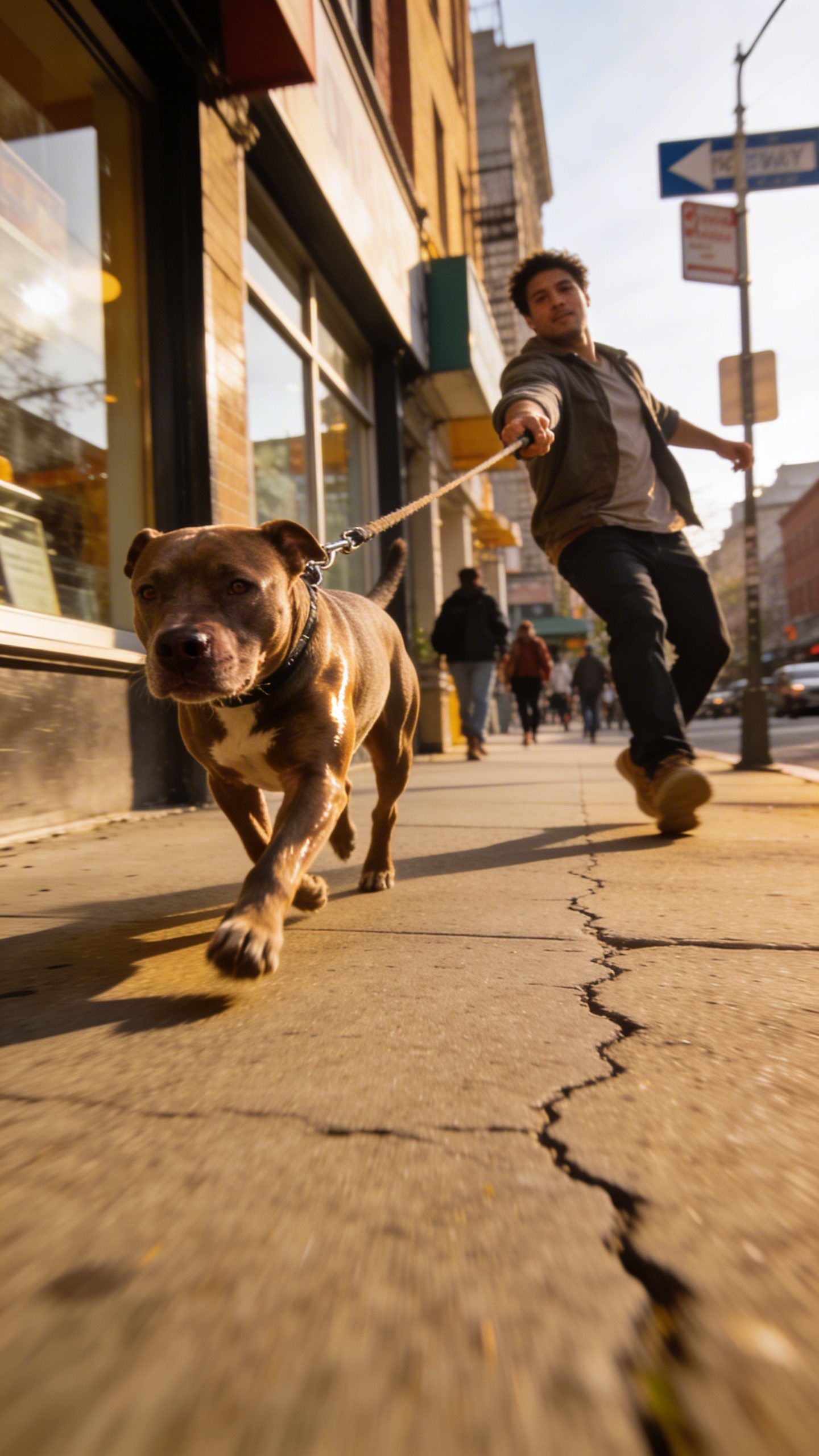
Your Pit Bull sits when he feels like it, comes when the mood strikes, and pulls you down the street like you’re water-skiing on concrete. Sound familiar? Here’s the good news: you don’t need months of expensive training to turn things around. With the right approach and consistent effort, you can see dramatic improvements in just two weeks.
Why Pit Bulls Need a Different Training Approach
Let’s get real for a second. Pit Bulls aren’t your average dog breed. These muscular bundles of energy come with incredible strength, boundless enthusiasm, and a stubborn streak that could rival a toddler refusing vegetables. The traditional “gentle suggestion” training methods? Yeah, those aren’t going to cut it with a Pit Bull who’s decided that squirrel across the street is more interesting than your commands. You need techniques that match their personality: confident, consistent, and engaging enough to hold their attention. Pit Bulls are also people-pleasers at heart, which is your secret weapon. Once you establish yourself as a reliable leader who makes training fun, you’ll be amazed how quickly they catch on. The trick is tapping into that eagerness without letting their high energy derail your sessions.
Fix #1: Master the Foundation with Perfect Timing
Timing is absolutely everything in dog training, and with Pit Bulls, you’re working with a split-second window. When your dog does something right, you have literally one second to mark that behavior with a “Yes!” or a click before treating them. Here’s what most people get wrong: they wait too long to reward. Your Pit Bull sits, you fumble for the treat, find it, and then reward them while they’re already standing again. Congratulations, you just rewarded standing, not sitting. Get yourself a treat pouch and keep it loaded. Practice your timing with non-training activities first. When your dog naturally does something you like, mark it instantly and reward. This conditions both of you to work at the speed necessary for effective training.
The Three-Second Rule
Every training repetition should follow this rhythm: command, action, reward—all within three seconds. Any longer and your Pit Bull’s brain has already moved on to wondering if that’s a new smell on your shoes or calculating the distance to the cat next door.
Fix #2: Energy Management Before Training Sessions
Training a hyped-up Pit Bull is like trying to teach calculus to someone on a caffeine high. It’s technically possible, but why make things harder than they need to be? Before every training session, burn off that excess energy. A 15-20 minute play session or brisk walk makes an enormous difference. A tired Pit Bull is a focused Pit Bull. Well, as focused as they get anyway. Think of it this way: you’re not trying to exhaust your dog, just take the edge off. You want them alert and engaged, not running mental circles while you’re trying to teach “stay.” Some trainers swear by training right after a good play session, and honestly, they’re onto something.
Fix #3: The Power of High-Value Rewards
Dry kibble isn’t going to cut it, folks. Your Pit Bull needs motivation that matches the difficulty of ignoring every distraction in their environment. We’re talking chicken, cheese, hot dogs, or freeze-dried liver. Keep a hierarchy of treats. Regular compliance? Standard training treats. Breakthrough moment or extremely challenging environment? Break out the good stuff. Your dog will learn that listening to you brings seriously good things. FYI, size matters here too. You want treats small enough that your dog isn’t spending 30 seconds chewing between commands. Think pea-sized or smaller. You’ll go through what feels like a ridiculous amount of treats during these 14 days, but that investment pays off big time.
Treats Aren’t Forever
Don’t panic thinking you’ll need to carry chicken in your pockets for the rest of your life. Once behaviors are solid, you’ll start randomly rewarding instead of treating every single time. This actually creates stronger habits than consistent rewarding. It’s the same psychology that makes slot machines addictive.
Fix #4: The Art of Ignoring Bad Behavior
Here’s a mind-bender for you: sometimes the best response to unwanted behavior is absolutely nothing. Pit Bulls crave attention like plants crave sunshine. When they’re jumping, whining, or being pushy, your attention—even negative attention—reinforces the behavior. Turn into a statue. No eye contact, no talking, no pushing them away. Boring is your superpower. The second they stop the unwanted behavior, mark it and reward. You’re teaching them that calm behavior opens doors, while chaos gets them ignored. This feels unnatural at first. Every instinct tells you to correct or redirect, but trust the process. Within days, you’ll notice your Pit Bull offering calm behaviors more often because they’ve figured out what actually works.
Fix #5: Consistency Across All Humans
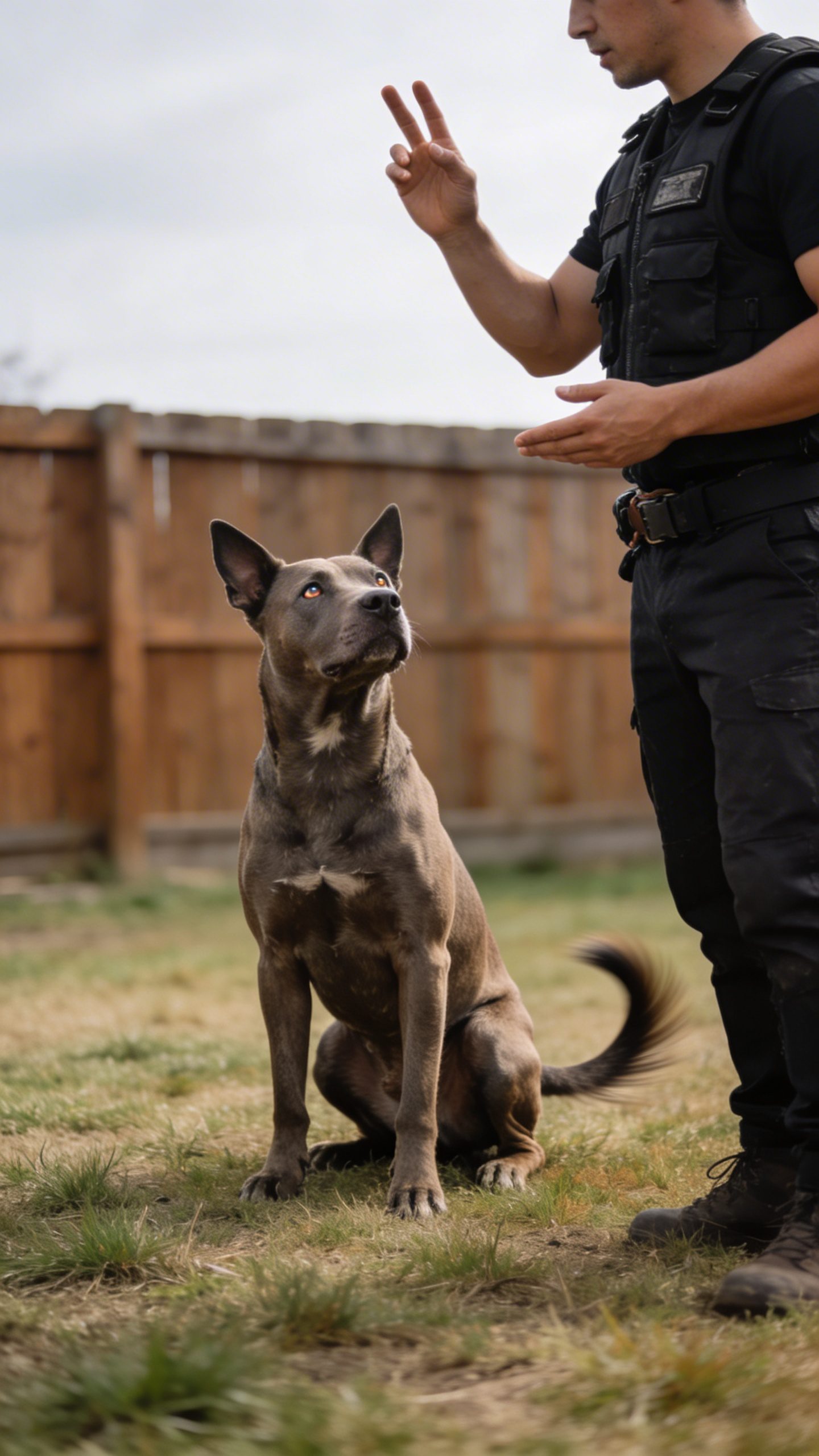
If you let your Pit Bull on the couch but your partner doesn’t, congratulations on your inconsistent mixed messages. Your dog isn’t being stubborn; they’re genuinely confused about the rules. Everyone in your household needs to use the same commands, the same hand signals, and enforce the same rules. Have a family meeting. Write things down if you need to. It sounds excessive, but inconsistency is the fastest way to undermine all your training efforts. This goes double for commands. Pick one word and stick with it. Is it “down” or “lie down”? “Come” or “here”? Your Pit Bull isn’t fluent in synonyms, so don’t make them guess what you want.
Fix #6: Short, Frequent Training Sessions
Forget hour-long training marathons. Your Pit Bull’s attention span probably maxes out around 5-10 minutes per session, and that’s being generous. The magic number? Three to five sessions daily. Think of it like this: five 5-minute sessions (25 minutes total) will get you exponentially better results than one 25-minute session. Your dog stays engaged, ends on a high note, and you can space sessions throughout the day when you both have energy. Morning before work? Five minutes of “sit” and “stay.” Lunch break? Work on “leave it.” Evening? Practice recalls in the backyard. These micro-sessions add up fast, and before you know it, you’re at the end of week two with a dramatically different dog.
End on Success
Always, and I mean always, end your session with something your dog knows and can do well. If you’re working on a challenging new command and they’re struggling, switch to an easy one for the final rep. You want them walking away feeling like a champion, not frustrated.
Fix #7: Proof Behaviors in Different Environments
Your Pit Bull sits perfectly in your living room? Awesome. Now try it at the park with seventeen squirrels doing parkour in the trees nearby. Different story, right? Dogs don’t generalize well. A “sit” in the kitchen is a completely different command than a “sit” at the dog park in their minds. You need to practice every command in multiple locations with varying levels of distraction. Start easy and gradually increase difficulty. Living room, then backyard, then front yard, then quiet street, then busy park. If your dog fails at a new location, you’ve jumped difficulty levels too quickly. Drop back to an easier environment and build up more slowly. IMO, this is where most people give up too early. They get frustrated that their dog “knows” the command but won’t do it outside. Your dog isn’t being defiant; they genuinely need practice in that specific context.
Frequently Asked Questions
Can I really see results in just 14 days?
Absolutely, but let’s be clear about expectations. You’re not going to have a perfectly trained competition dog in two weeks. What you will have is a Pit Bull who understands basic commands, responds more consistently, and shows noticeable improvement in problem behaviors. The foundation you build in these 14 days sets you up for continued success, but training is really a lifelong commitment.
What if my Pit Bull is older or has bad habits already?
Age is just a number, friend. Older dogs can absolutely learn new behaviors, though they might take slightly longer to break established patterns. The key is patience and consistency. Some bad habits might need extra attention—you might work on them for 21 days instead of 14. The techniques remain the same; you’re just being realistic about timelines for deeply ingrained behaviors.
How do I handle aggression or reactivity during training?
That’s beyond quick-fix territory and honestly requires professional help. These seven fixes work for obedience training, not behavior modification for serious aggression issues. If your Pit Bull shows aggression toward people or other dogs, contact a certified professional dog trainer or veterinary behaviorist. Don’t mess around with safety issues.
Should I use a prong collar or e-collar for faster results?
Hard pass on using these tools without professional guidance. Positive reinforcement methods work incredibly well with Pit Bulls, who are naturally eager to please. Aversive tools might seem like shortcuts, but they can damage your relationship with your dog and create new problems. Master these seven fixes first—you’ll be surprised how effective they are without any special equipment beyond treats and a regular collar or harness.
What’s the biggest mistake people make with Pit Bull training?
Inconsistency, hands down. People start strong, see some progress, then get lazy with their training. Or they practice commands at home but never proof them in real-world situations. Your Pit Bull needs consistency and follow-through. Five minutes daily for months beats an intensive week followed by nothing.
Do I need to be “alpha” or dominant with my Pit Bull?
The whole alpha dog theory has been thoroughly debunked by actual science. You don’t need to eat before your dog, go through doorways first, or any of that outdated nonsense. What you need is to be a consistent, reliable leader who sets clear boundaries and rewards good choices. Think less drill sergeant, more respected coach.
Conclusion
Look, transforming your Pit Bull’s obedience in 14 days isn’t magic—it’s strategic, consistent effort applied in the right places. These seven fixes work because they align with how dogs actually learn and specifically address the unique challenges Pit Bulls present. Start today with just one or two fixes. Get your timing down and manage that energy before training. Add in better rewards and more frequent sessions. Before you know it, you’ll be that person at the park with the well-behaved Pit Bull everyone admires. The dog you want is already in there. You just need these two weeks to bring them out.