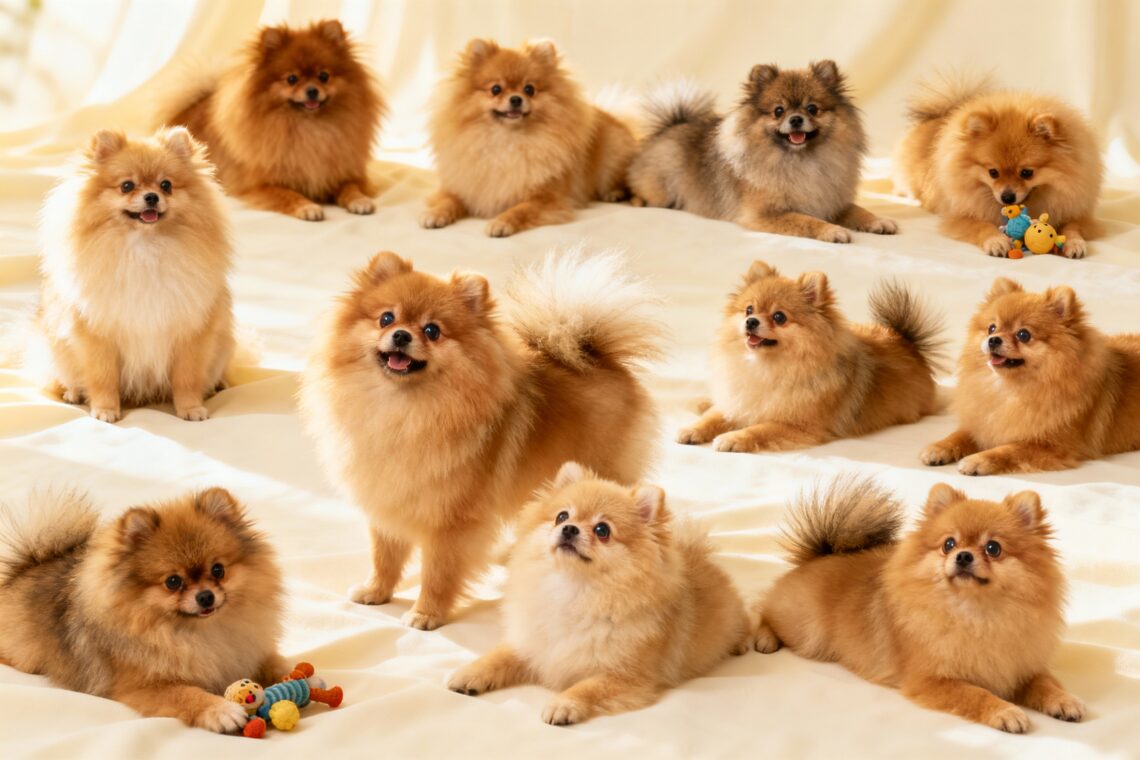
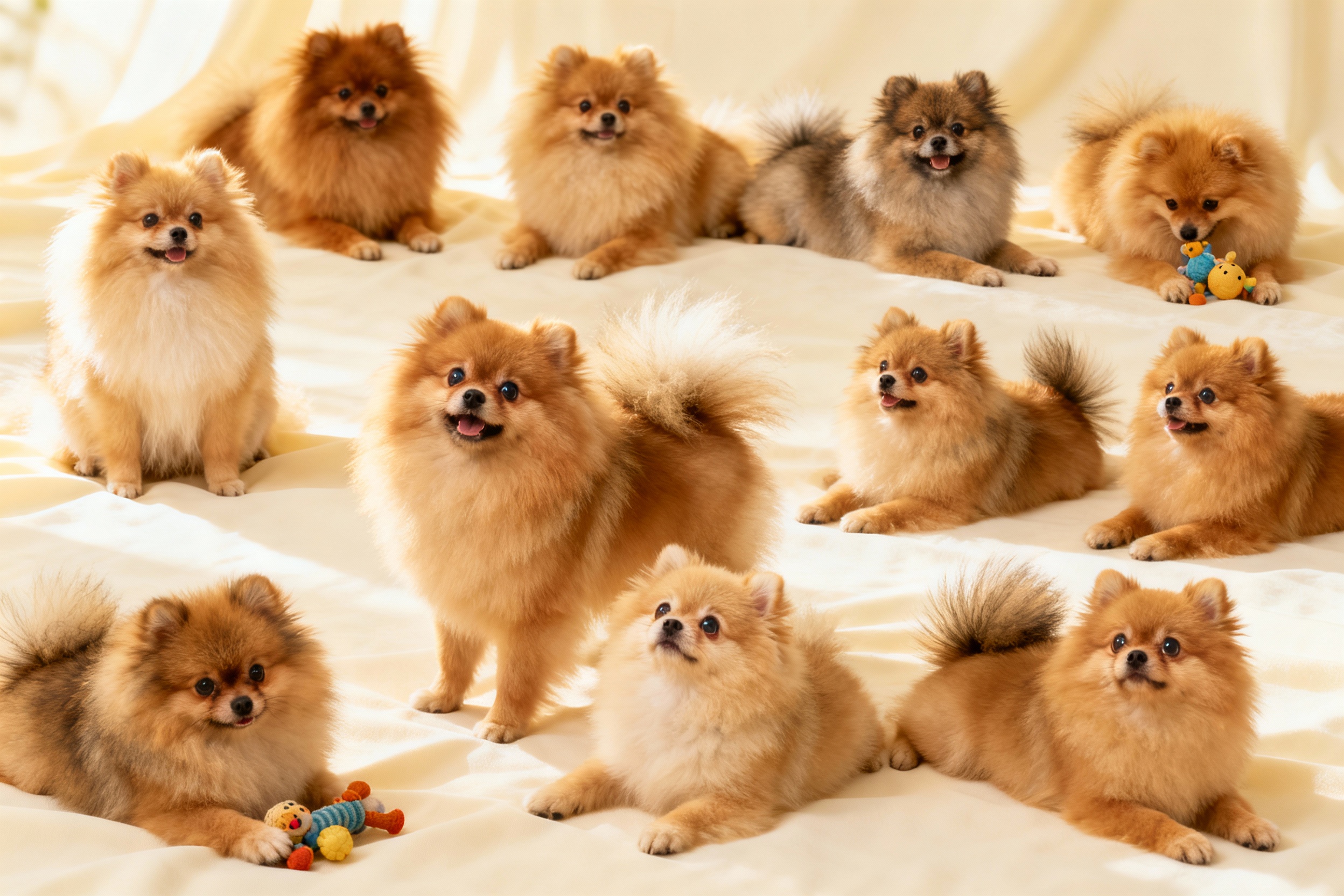
They’re tiny, they’re fluffy, and they strut like they own the sidewalk. Pomeranians pack big-dog vibes into a pocket-sized frame, and honestly, we all fall for it. Want to know why these little drama queens rule hearts (and Instagram)? Here are 15 adorable facts that explain why everyone loves Poms—and why you might, too.
1. They came from sled dog royalty
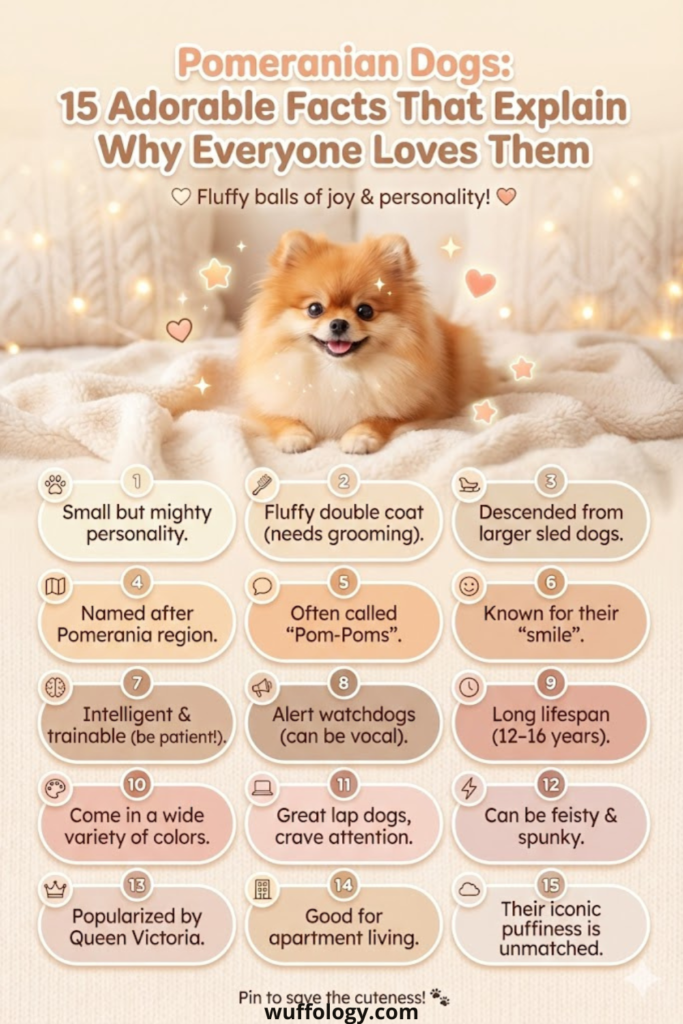
Pomeranians didn’t start small. They descended from spitz-type sled dogs and used to weigh up to 30 pounds. Then breeders in Europe downsized them into the fluff nuggets we know today. Fun twist: Queen Victoria adored Pomeranians and helped popularize the smaller size. When royalty says “mini,” the world listens.
2. The floof is not a drill
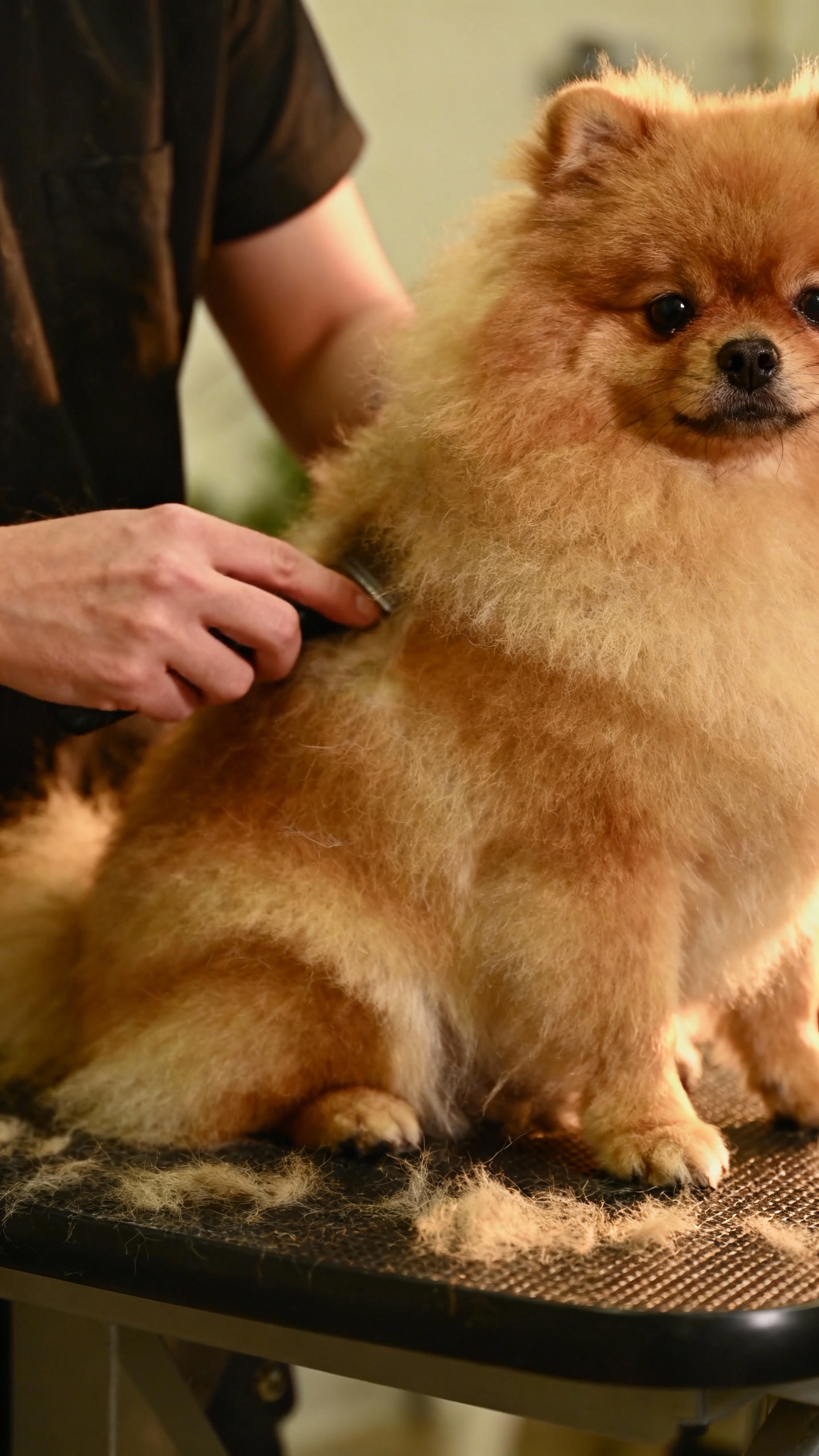
That plush double coat? It’s their signature look. The outer coat stays long and straight; the undercoat feels soft and dense. Together, you get that perfect powder-puff silhouette. FYI: They shed. A lot. Regular brushing keeps the tumbleweeds under control and prevents matting.
Grooming basics you’ll actually use
- Brush 2–3 times a week with a slicker brush and metal comb.
- Trim feet and sanitary areas every few weeks.
- Bathe every 4–6 weeks unless your Pom rolls in… mystery substances.
3. They’re tiny, but they have opinions
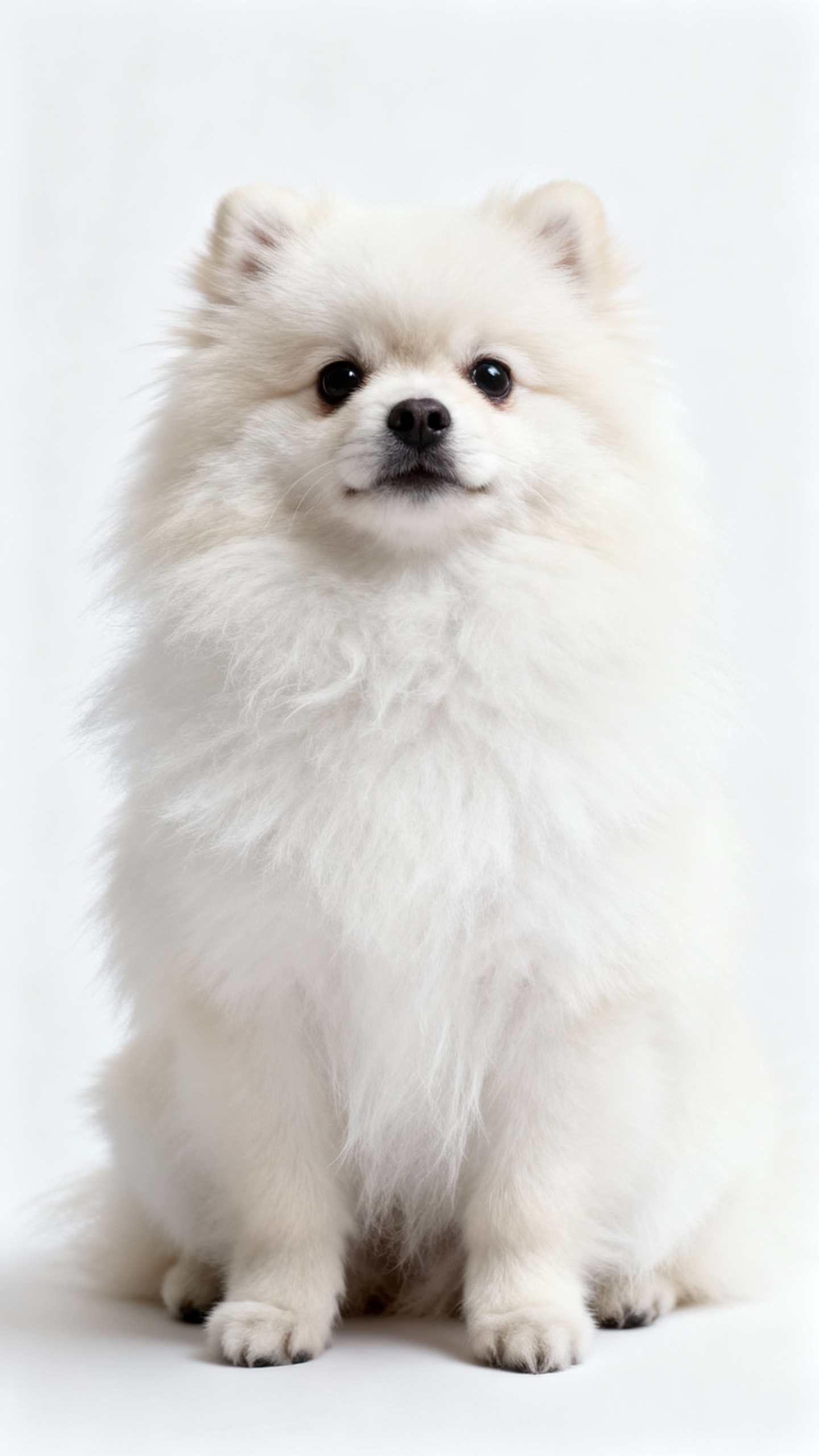
Poms weigh 3–7 pounds, but nobody told them. They act like they’re in charge because, IMO, they kind of are. They make amazing companions for people who love personality in a pint-sized package. Tip: Teach a “quiet” cue early. They protect the home with their voice—and by “voice” we mean epic squeaky-bark monologues.
4. The fox-like face is intentional
That alert expression with the perky ears and bright eyes? It’s part of the breed standard. Their faces look curious and confident, which tracks because they’re always on the lookout for action, snacks, or both.
Facial types you’ll see
- Fox-face: Longer muzzle, classic spitz look.
- Teddy-bear: Rounder face from certain grooming styles.
- Baby-doll: Shorter muzzle and large eyes—very cutesy.
Different looks, same sassy soul.
5. They’re smarter than people expect
Don’t let the fluff fool you. Poms learn tricks fast and love mental games. They crush things like sit, spin, and high-five, especially when treats enter the chat. Make training fun:
- Use 5–10 minute sessions to keep them engaged.
- Mix obedience with tricks—think “paw,” “spin,” and “touch.”
- Rotate puzzle toys to avoid boredom (and chaos).
6. Fifteen shades of fabulous (and then some)
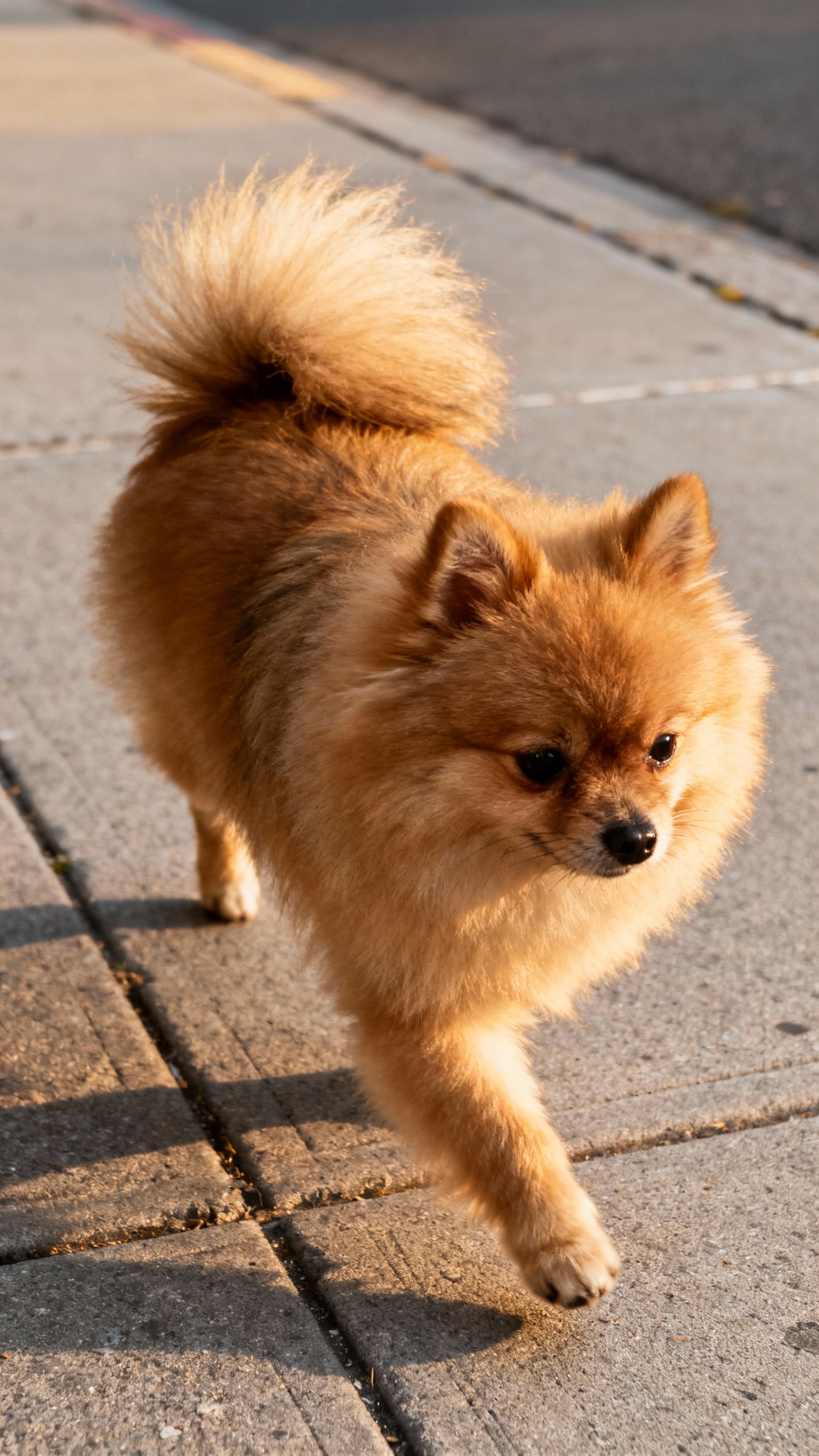
Pomeranians come in a rainbow of colors: orange, cream, black, blue, chocolate, sable, merle, parti-color—you name it. Their coats can also change as they mature, especially when they blow their puppy fur. Translation: Your Pom might glow up into a totally different shade by age two. It’s like watching a real-life filter.
7. They travel like pros
Because they’re small, they fit airline cabin rules and cozy bags, and they settle into city life easily. They love exploring, as long as you keep them safe from big crowds and bigger paws.
Travel-ready checklist
- Well-ventilated carrier that fits under the seat.
- Favorite blanket or toy to lower stress.
- Water, collapsible bowl, and pee pads for emergencies.
8. They’re basically TikTok naturals
The fluffy coat, the expressive face, the dramatic spins—Poms are built for the camera. They don’t just sit for photos; they serve looks. If you want a photogenic partner-in-crime, you’ve found your breed. Pro move: Regular grooming and a clean eye area keep them camera-ready. Natural light does wonders for that fur glow.
9. They stay active, but they won’t exhaust you
Pomeranians have pep, but they don’t need marathon runs. Two brisk walks and some indoor play usually do the trick. They do zoomies, then nap like professionals.
- Daily target: 30–45 minutes of total activity.
- Best games: Fetch down the hallway, snuffle mats, trick training.
10. They’re loyal—and proudly clingy
Poms choose their people and stick to them like Velcro. They love snuggling, shadowing you from room to room, and supervising your life choices. It’s adorable… unless you like privacy. Separation tip: Practice short departures and give puzzle feeders so they learn chill independence.
11. They’re small, so their health needs feel big
Pomeranians can live 12–16 years, sometimes longer. With that longevity, you’ll see some common small-dog issues. Nothing scary—just stuff to stay on top of.
Stuff to watch
- Dental disease: Daily brushing = fewer vet bills.
- Luxating patellas: Keep them lean to protect knees.
- Collapsed trachea: Use a harness, not a collar.
- Hypoglycemia (puppies): Frequent small meals early on.
12. They’re surprisingly good watchdogs
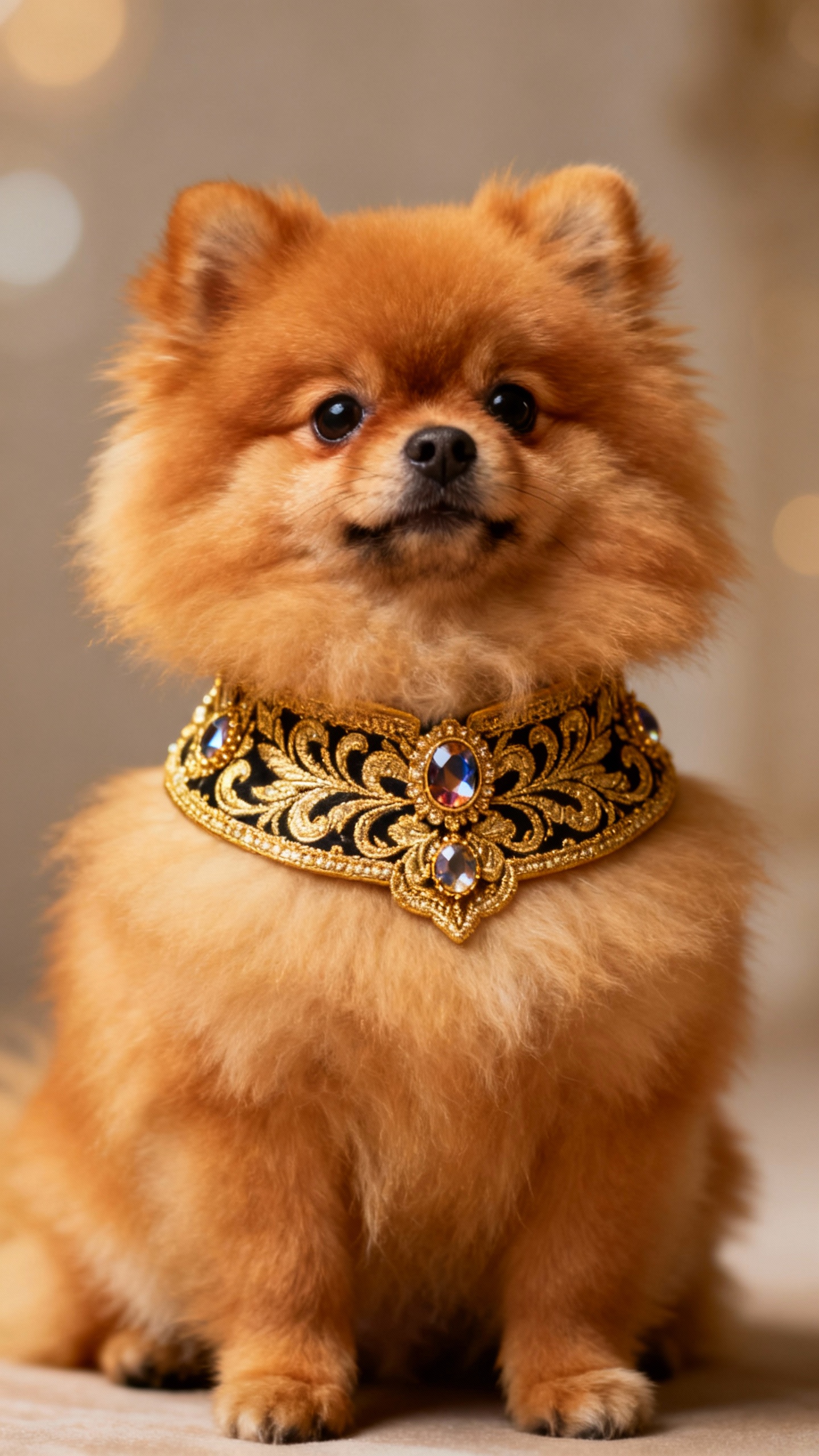
No, they won’t tackle intruders. But they’ll call them out loudly. Their sharp ears and alert personalities make them great little sentries. IMO: Train a “thank you” cue to end the barking. You acknowledge their hard work, they get a treat, and your neighbors don’t hate you.
13. They thrive on routines (and drama)
Poms love structure: mealtimes, walk times, cuddle times. But they also enjoy theatrical entrances and spicy attitudes. It’s part of their charm—tiny bodies, big emotions.
- Set feeding times to prevent picky eating.
- Build a consistent sleep spot so they settle faster.
- Schedule a daily “training show” to burn brain energy.
14. They get along—with the right introductions
Most Poms do well with respectful kids and calm pets. They don’t love rough handling, though, and their size makes them fragile. Supervision isn’t optional. Golden rule: Teach children to sit when greeting, pet gently, and never pick up the dog without support under the chest and rear.
15. They’re tiny comedians
Poms spin when excited, chirp like birds, and tilt their heads so hard you’ll question physics. They invent games and demand applause. You’ll laugh every single day. Side effect: Strangers will stop you on walks. Prepare for, “Omg, can I pet your fluffy fox?”
FAQ
Are Pomeranians good for first-time dog owners?
Yes—if you commit to training and grooming. They’re small and adaptable, but they need boundaries and mental stimulation. A beginner who’ll brush regularly and train short, fun sessions will do great with a Pom.
Do Pomeranians bark a lot?
They can. They’re naturally alert and expressive, which equals frequent commentary. Teach “quiet,” reward calm behavior, and manage triggers like window views to keep noise reasonable.
How much grooming do they need?
Expect brushing a few times a week and salon visits every couple of months for trims. Keep nails short, ears clean, and teeth brushed daily. That routine keeps the coat gorgeous and skin healthy.
Are Pomeranians hypoallergenic?
No. They have a double coat and shed, so people with dog allergies may react. Regular grooming and HEPA filters can help, but there’s no guarantee.
How much exercise do they need?
About 30–45 minutes daily with walks, play, and short training sessions. They’re energetic but don’t need intense workouts. Keep sessions fun and varied to prevent boredom.
Can Pomeranians live with larger dogs?
Yes, with supervision and careful introductions. Choose calm, gentle big dogs and manage play to avoid accidents. Always protect your Pom from roughhousing—it doesn’t take much to injure a small frame.
The adorable bottom line
Pomeranians deliver huge personality in a manageable, portable package. They’re smart, loyal, hilarious, and yes, a little extra—exactly why people can’t resist them. If you want a companion who turns every day into a tiny parade, a Pom might be your perfect match. Just bring a brush, some treats, and a sense of humor.