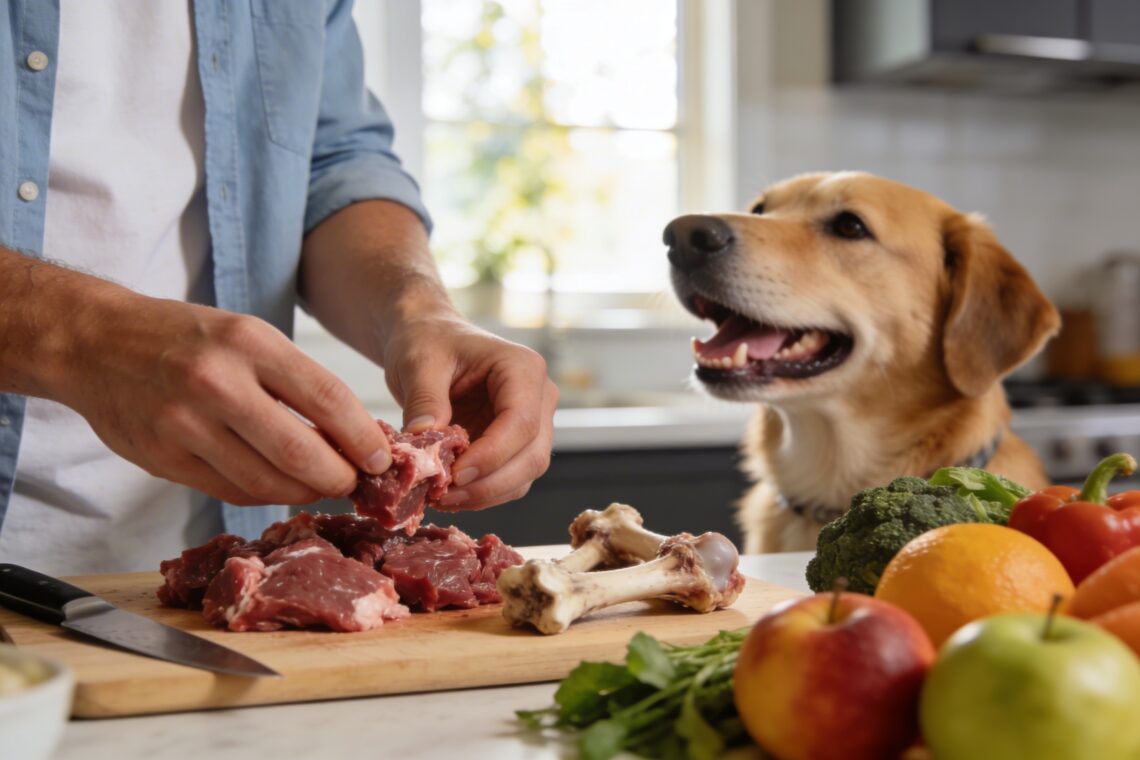
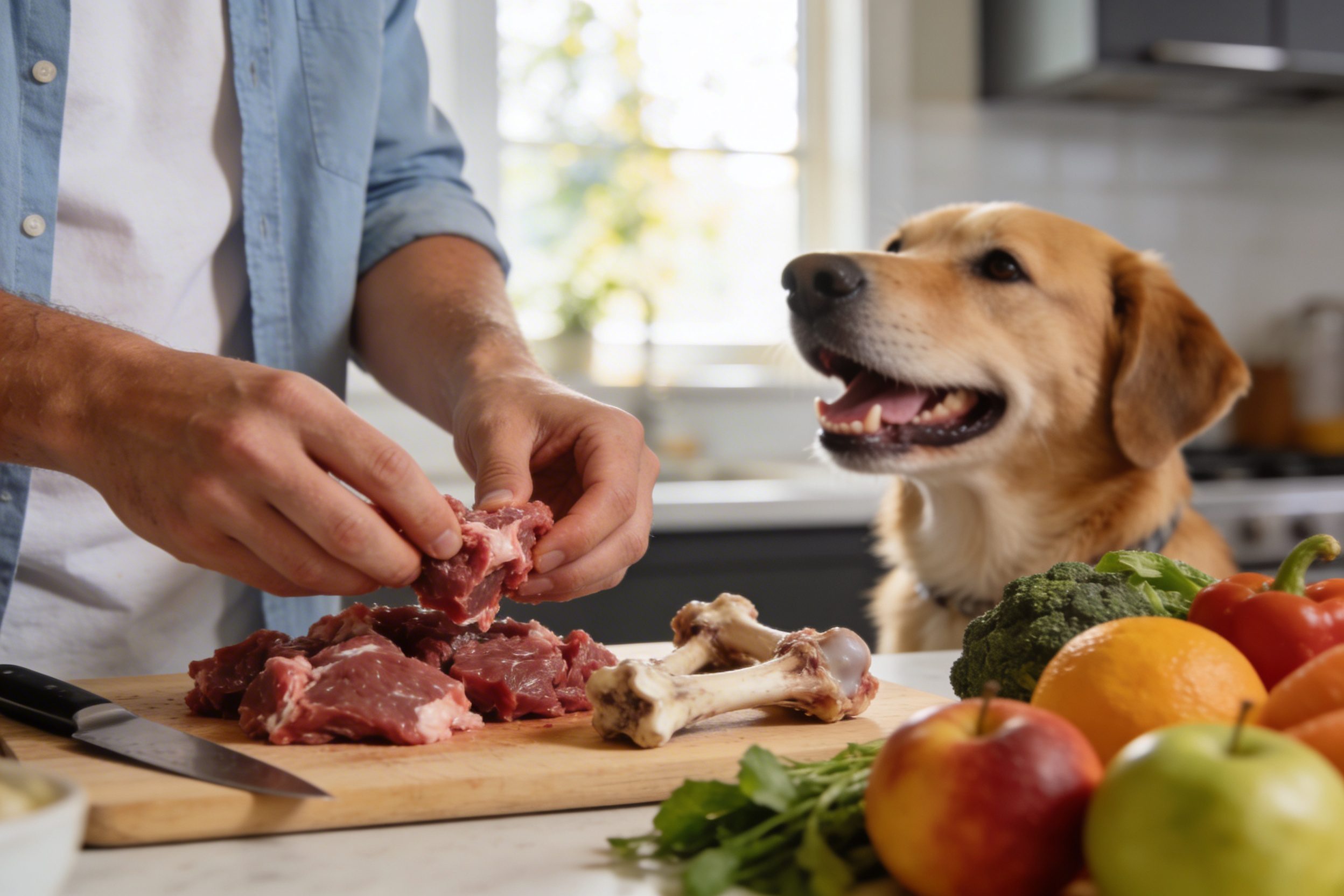
The Raw Dog Diet isn’t a secret club. It’s a straightforward approach that can transform a dog’s energy, coat, and mood—if you do it right. If you’ve ever watched your pup turn up their nose at kibble and beg for something tastier, you’re in the right place. Let’s break it down, no fluff, just practical steps you can actually follow.
What the Raw Dog Diet is (and isn’t)
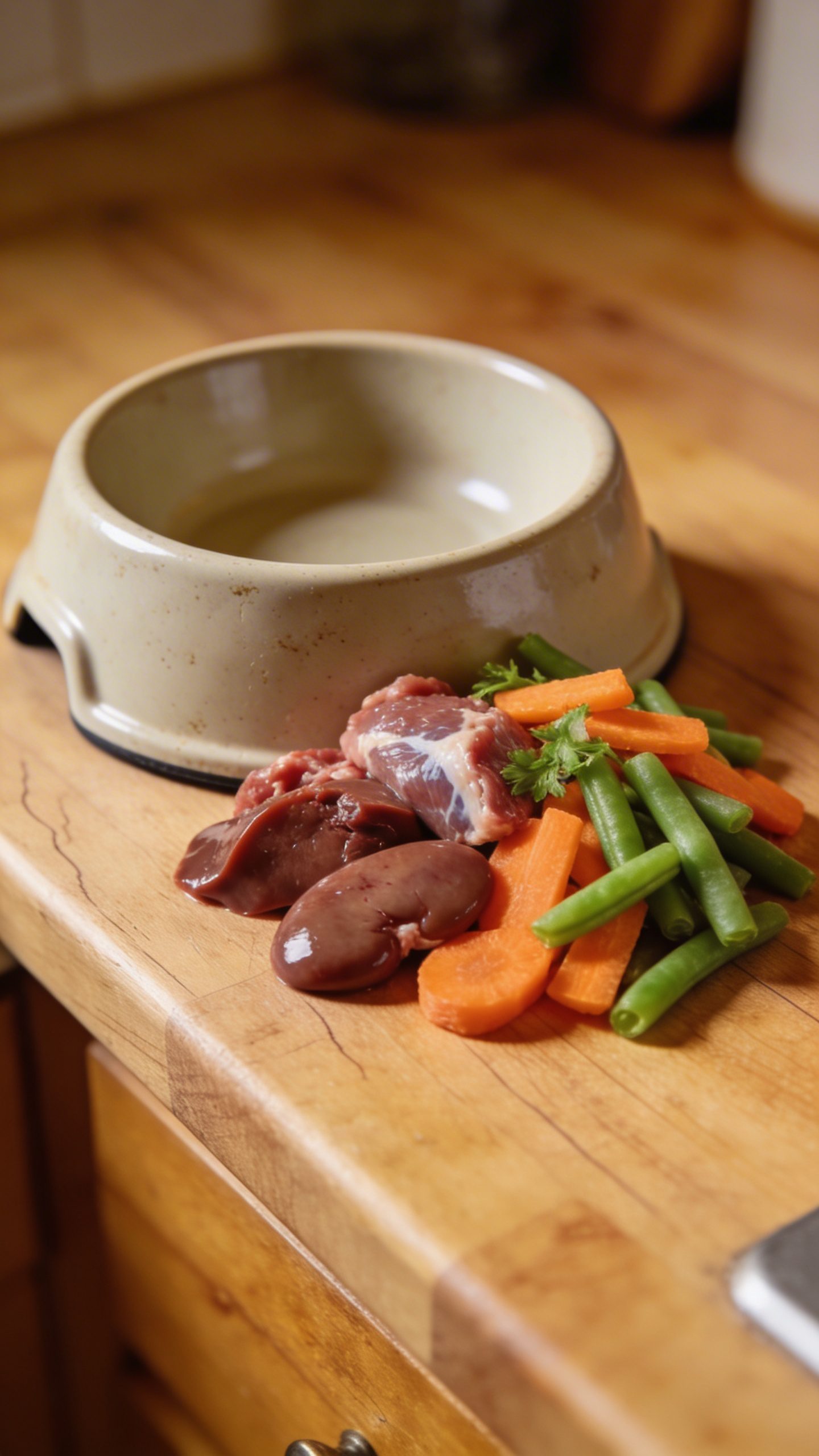
So, what exactly is this “raw” thing anyway? Think simple, real food for dogs. It typically includes muscle meat, bones, organs, and a small amount of fruit or veg. The idea: mimic what dogs ate before they became “highly processed” creatures who think kibble is a food group. What it isn’t: a magic cure-all, a one-size-fits-all plan, or a license to wing it with unsafe foods. It’s a mindful feeding approach that requires planning, safety, and a little science-y curiosity. FYI, no dishwashing fairy will handle the sanitation for you here. You’re the chef, the vet, and the safety inspector all at once.
Starting Point: How Much Should Your Dog Eat?
Figuring out portion sizes is the first rookie mistake to avoid. A few variables matter: weight, age, activity level, and metabolism. The good news? It’s not a mystery. Basic rule of thumb
- Start with 2-3% of your dog’s ideal body weight for adults, chopped into meals.
- Puppies need more like 8-10% of their current body weight spread across the day.
How to dial it in
- Track weight weekly for a month. Adjust by 10-15% if you’re losing or gaining too fast.
- Watch energy and stool. If your dog seems lethargic or stool goes weird, scale back or adjust ratio.
What to Feed: The Core 4-5 Components
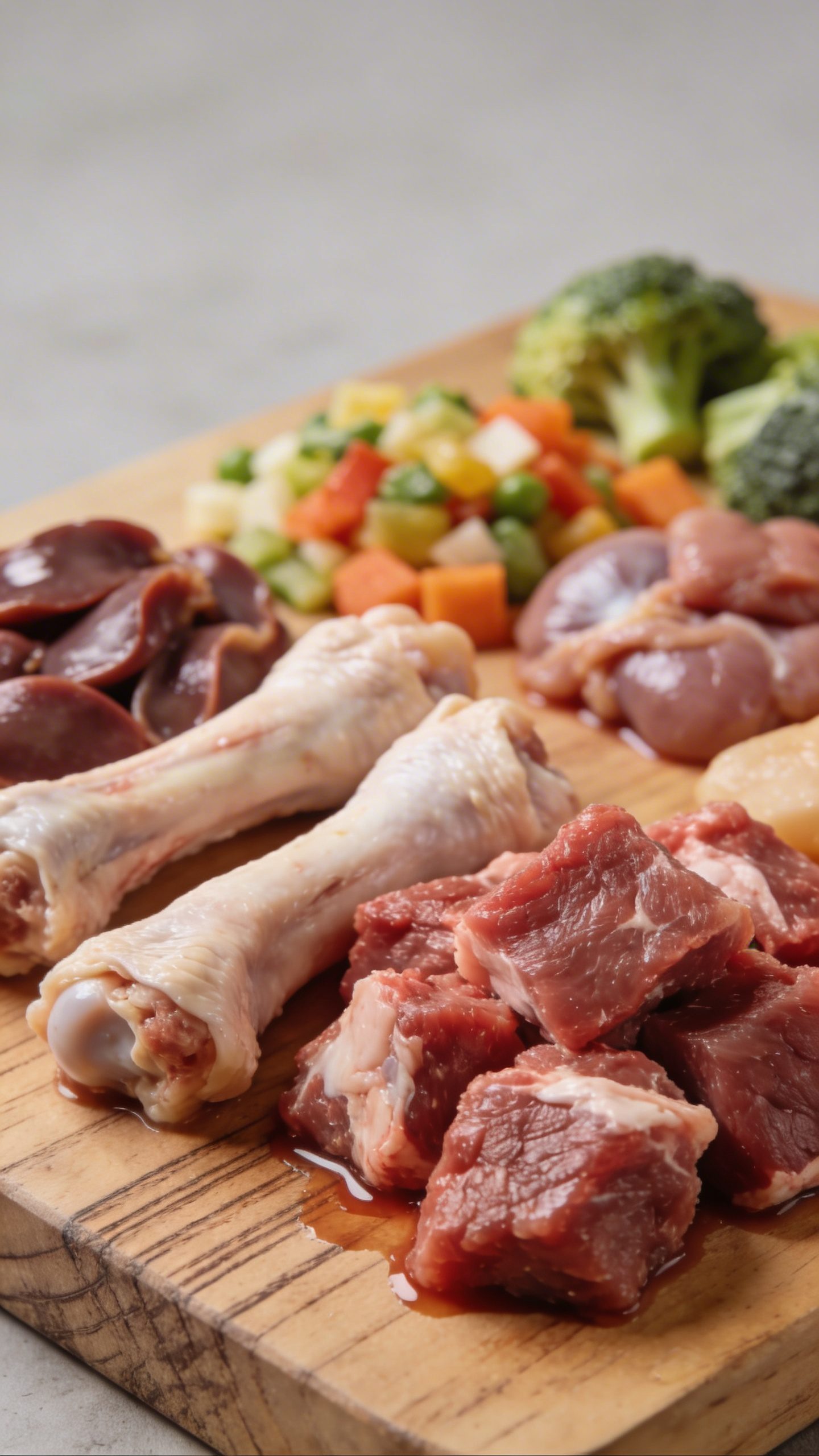
There’s a simple framework that keeps raw feeding sane: muscle meat, bones, organs, a little fruit/veg, and sometimes a supplement. Keep it basic, don’t overcomplicate this.
1) Muscle meat – This is where the protein party happens. Chicken, turkey, beef, lamb, pork, or fish. Aim for 70-80% of the total meat content.
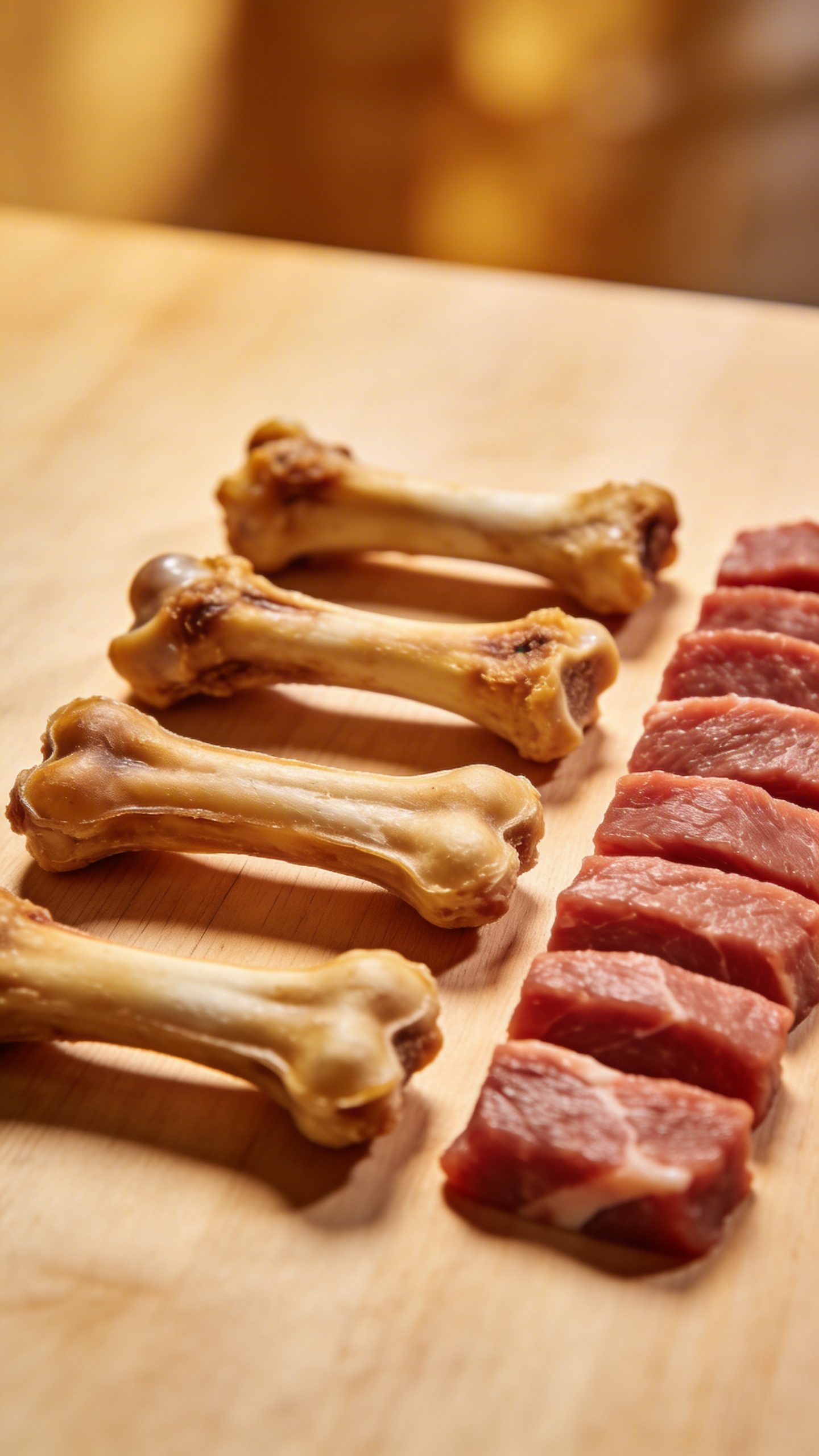
2) Bones – Raw, edible bones provide calcium and keep teeth busy. Always feed raw bones, never cooked ones. Safe bets: chicken necks, wings, or beef ribs in moderation. No small, brittle bones that can splinter.
3) Organs – Liver, kidneys, and heart are nutrient powerhouses. About 5-10% of the total meat plan should be organs, with liver limited to a couple of days per week.
4) Fruits & Veg (optional but helpful) – Carrots, spinach, apples, blueberries. These add fiber and micronutrients. Do a rough 5-10% of the overall diet if you’re including them.
5) Supplements (as needed) – A calcium supplement or bone meal is sometimes recommended if bone content is low. Omega-3s can help with coat and inflammation. FYI, always confirm with your vet before adding anything new.
Safety First: Hygiene, Handling, and Hazards
Raw feeding comes with a few extra chores. Skip these, and you’re playing a risky game. Good hygiene
- Always wash hands before and after handling raw meat.
- Clean and sanitize surfaces and bowls after every meal.
- Store raw meat properly—bare minimum: keep cold, label, and use within safe timelines.
Prevent cross-contamination
- Don’t reuse knives or boards between raw meat and vegetables or cooked foods for humans.
- Don’t feed raw on the carpet; use a tray or mat to minimize mess and bacteria spread.
Bones and choking risks
- Always supervise meals. No chasing the dog while they crunch.
- Avoid small, brittle bones that can splinter. If in doubt, skip it.
Common Pitfalls (and How to Dodge Them)
Every newbie hits a few snags. Here’s your quick-resistant-to-hazards playbook.
1) The “I’ll just wing it” approach
– DIY is great, but you need a balanced plan. The quick fix? Start with a simple 2-week plan and adjust based on your dog’s response. IMO, a little structure goes a long way.
2) Stool drama
– Loose or hard stools aren’t dramatic, they’re signals. If you see it, tweak meat-to-bone ratio and fiber intake. Monitor for a week, then adjust.
3) Stale or mismatched ingredients
– Spoiled meat or inconsistent fat content can cause issues. Buy fresh, rotate proteins, and keep a small stock of safe frozen options.
4) Vet detour paranoia
– Some vets worry about raw diets. Sit down, share your plan, and bring a few weeks of records. A good vet will offer tweaks, not derail your plan.
Transitioning Your Pup: From Kibble to Raw Smoothly
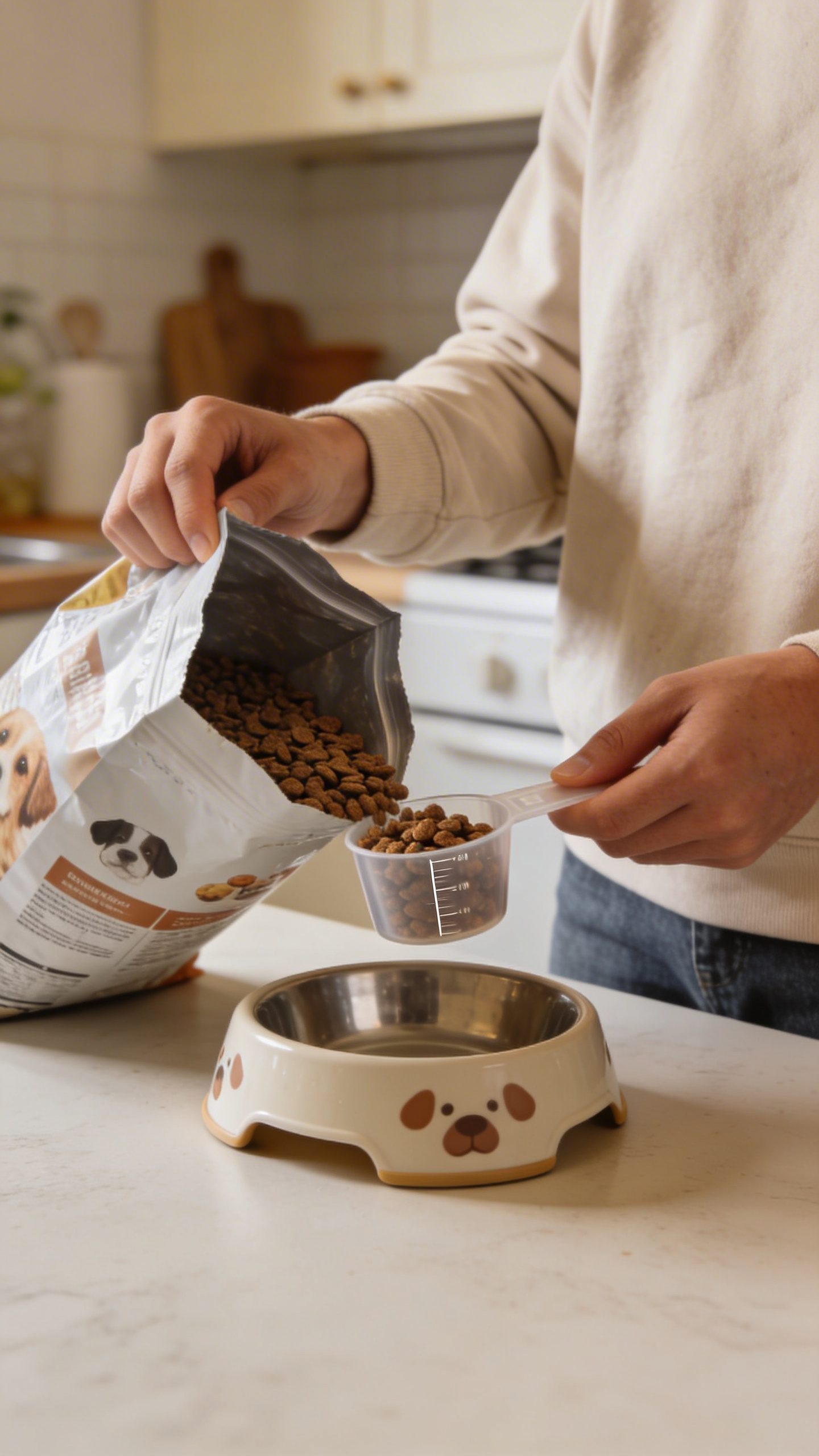
The leap doesn’t have to be dramatic. A smooth transition saves stress, both for you and your dog. Step 1: Mix it up – For the first week, replace 25% of meals with raw. Gradually increase to 50% over 2-3 weeks. Step 2: Observe – Check energy, mood, and digestion. A dog that looks relieved after a meal is a good sign. Step 3: Fine-tune – Some dogs thrive on more organ meat, others on lean muscle. Adjust weekly based on results.
Tools, Resources, and Community Wisdom
– A good digital kitchen scale helps measure portions precisely. – Freezer space becomes your best friend; portion meals and freeze for freshness. – Look for reputable sources that offer balanced recipes and protein variety. IMO, variety is the spice of life for dogs too.
FAQ
Is raw feeding safe for all dogs?
Most dogs can thrive on a well-planned raw diet, but some conditions require caution. Puppies, senior dogs, small breeds, or dogs with chronic illnesses may need tailored plans or vet supervision. If your dog has a history of pancreatitis, dental issues, or metabolic problems, talk to your vet before switching.
What about pet store raw brands vs homemade?
Brand-made raw diets can be convenient and balanced, but they cost more and require trust in the brand. Homemade gives you control over ingredients but needs careful planning to ensure balance. If you go homemade, consider having a vet or canine nutritionist review your plan initially.
Can raw diets cause constipation or diarrhea?
Yes, start-up issues can happen. If stools change, adjust the fiber content a bit and ensure you’re not overloading on bones. Most dogs settle within a couple of weeks as their systems adapt.
How do I handle kitchen hygiene with raw feeding?
Sanitation is non-negotiable. Sanitize surfaces, wash hands, keep raw meat refrigerated, and clean bowls promptly. This isn’t dramatic; it’s common sense—and it keeps your whole household safer.
Do I need to supplement if I feed a balanced raw plan?
A lot of raw plans are formulated to be balanced without extra supplements. Still, some dogs benefit from omega-3s or a calcium boost if bone content is reduced. Always confirm with your vet before adding supplements.
How long does it take to see improvements?
Many owners notice better energy and a shinier coat within a few weeks. Dental benefits often show up over a couple of months. Patience helps—Rome wasn’t built on a single meal.
My Personal Take: What I Wish I Knew Sooner
I won’t pretend this is magic. It’s sensible nutrition with a dash of obedience to safety rules. Here’s what I’d tell my past self if I could go back in time: – Start simple, then iterate. Don’t chase the perfect recipe on day one; build a plan that fits your dog’s life. – Measure everything. The scale, not the eye, is your friend. Small miscalculations compound quickly. – Don’t skip vet time. A quick check-in for your first 2-4 weeks can save you a lot of tension and heartburn. FYI, a good vet will be curious and helpful, not judgmental. – Expect changes in stool and energy. That’s not a red flag; it’s your cue to adjust.
Conclusion
If you’re ready to rethink mealtime, a well-structured raw dog diet can be a game changer. It’s not about chasing the quickest fix; it’s about giving your dog real food, balanced thoughtfully, with safety in mind. Start with the basics, stay consistent, and keep your vet in the loop. With a bit of patience and a lot of love, you might just turn every walk into a victory parade of energy, shiny fur, and wagging tails. IMO, it’s worth trying—just don’t skip the safety checks.