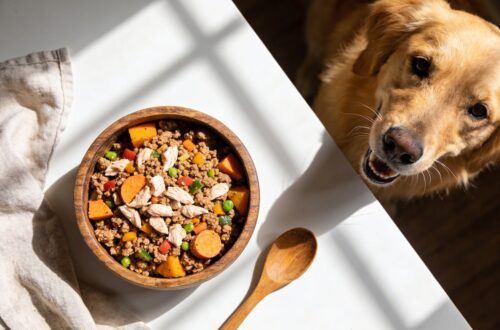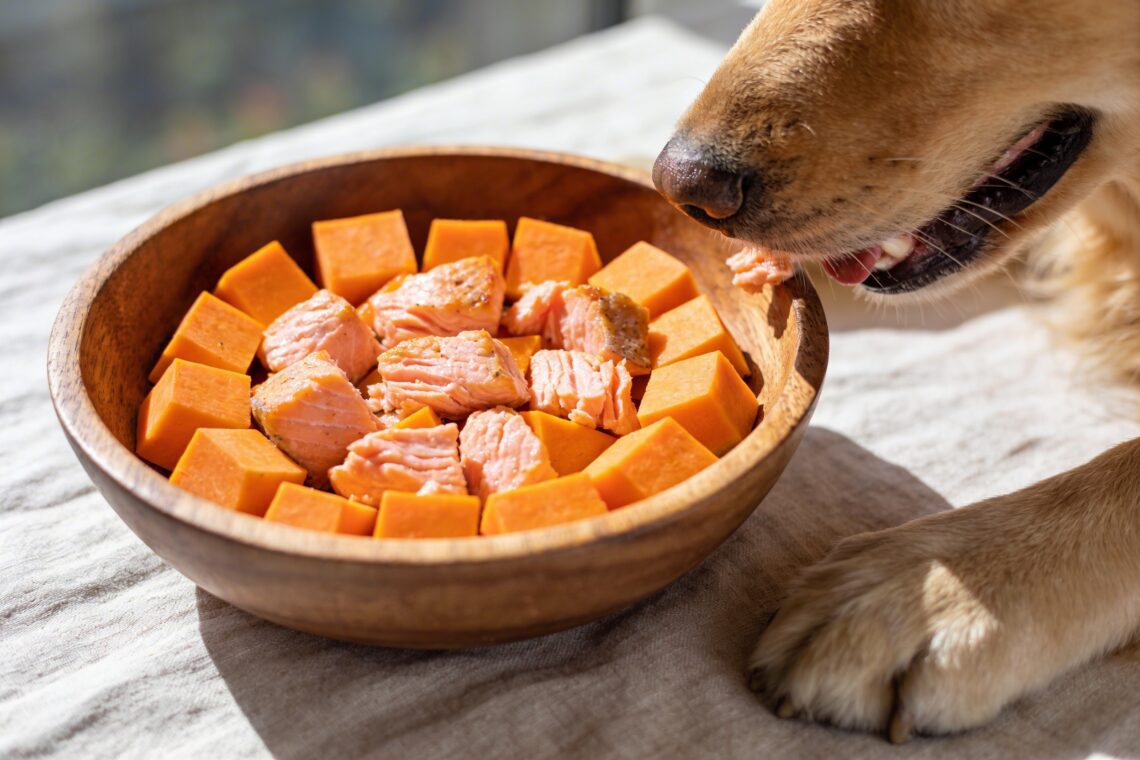
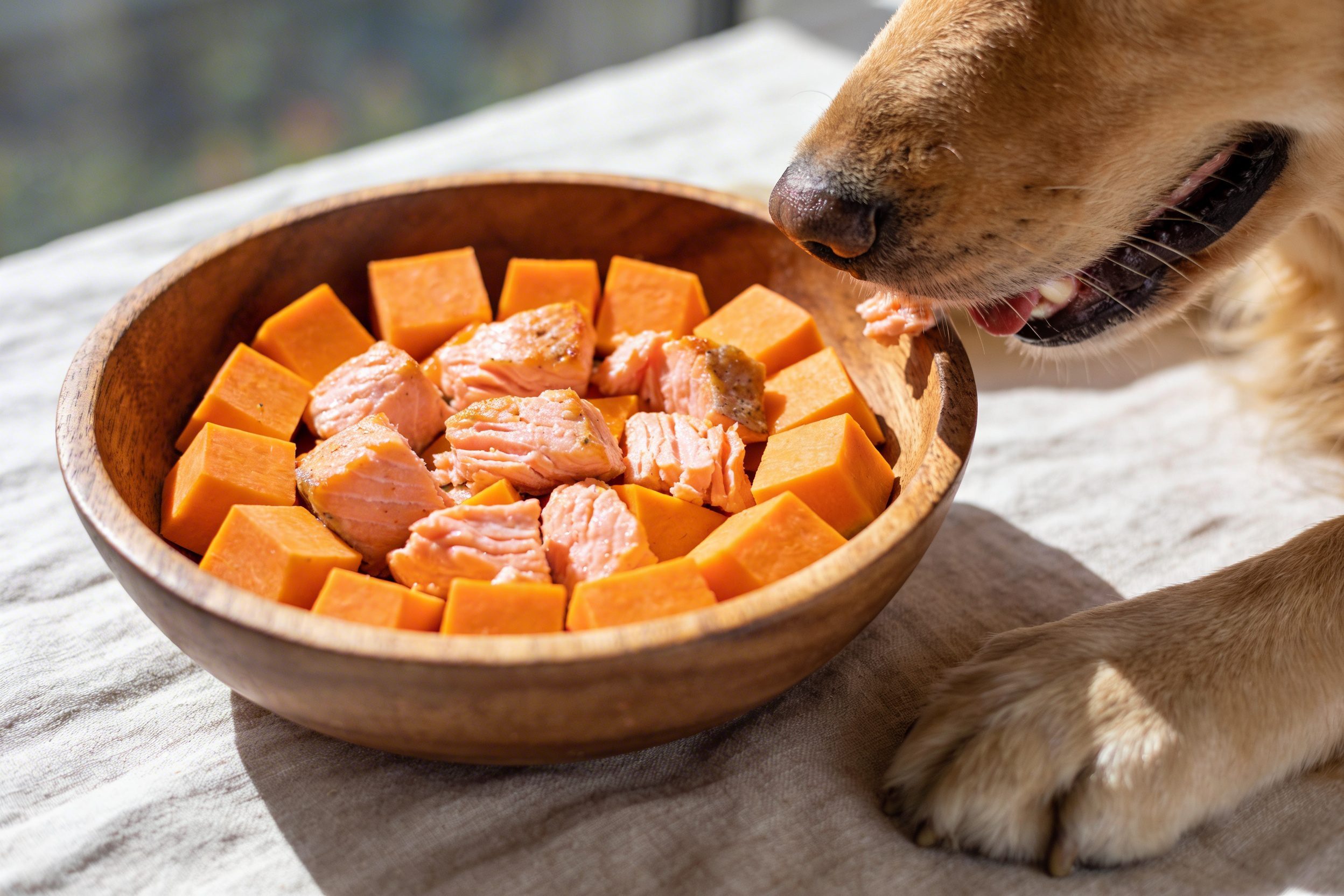
Your pup’s been giving you those puppy eyes at dinner time again, and you’re wondering if there’s something better than the same old kibble routine. Good news: salmon and sweet potato combos are basically the superfood power couple of the dog food world, and making these meals at home is way easier than you think.
Why Vets Are Obsessed with Salmon and Sweet Potato
Here’s the deal: salmon packs omega-3 fatty acids that’ll make your dog’s coat shine like they just left a fancy grooming salon. We’re talking anti-inflammatory benefits, brain health support, and joint protection all rolled into one delicious fish. Sweet potatoes? They’re loaded with fiber, vitamins A and C, and complex carbs that give your pup steady energy without the crash. Vets love this combo because it’s gentle on sensitive stomachs while being nutrient-dense enough to support everything from muscle development to immune function. Plus, most dogs go absolutely bonkers for the taste, which makes mealtime about 100% easier for everyone involved. The protein from salmon is highly digestible, meaning your dog actually absorbs and uses those nutrients instead of just, well, processing them through to the backyard. And unlike some protein sources that can trigger allergies, salmon tends to be pretty safe for even picky or sensitive pups.
Recipe #1: The Classic Salmon and Sweet Potato Bowl
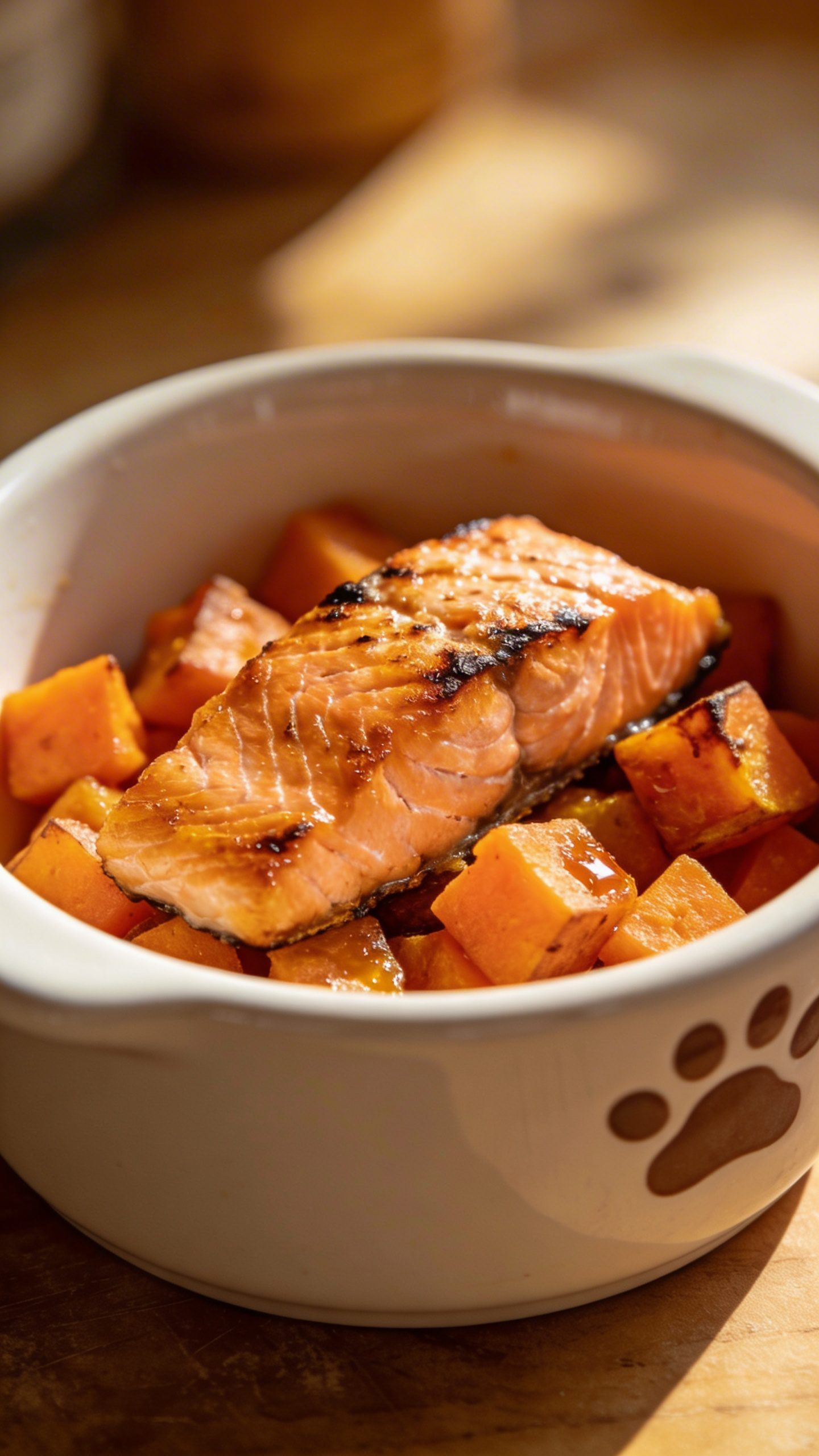
Let’s start with the basics. This recipe is your go-to when you want something simple, nutritious, and virtually impossible to mess up.
Ingredients You’ll Need
- 2 cups cooked, deboned salmon (canned works too, just drain it)
- 2 cups mashed sweet potato
- 1 cup cooked brown rice
- 1/2 cup steamed green beans, chopped
- 1 tablespoon fish oil or olive oil
Mix everything together in a big bowl until it’s well combined. That’s it. Seriously. You can portion this out based on your dog’s size and store it in the fridge for up to three days. For longer storage, freeze individual portions in zip-top bags for up to three months. Your dog gets a balanced meal with protein, complex carbs, vitamins, and healthy fats. You get to feel like a gourmet chef without actually having to become one.
Recipe #2: The Omega-3 Powerhouse Patties
Want to get a little fancier? These patties are perfect for dogs who like their food with a bit of texture, and they’re great for training treats too. Combine 3 cups flaked salmon, 1 cup mashed sweet potato, 2 beaten eggs, and 1/4 cup ground flaxseed. Mix until you get a consistency that holds together, then form into small patties. Bake at 350°F for about 20 minutes, flipping halfway through. The eggs act as a binder while adding extra protein, and the flaxseed brings even more omega-3s to the party. These patties freeze beautifully, and you can break them into smaller pieces for rewards during training sessions. Two birds, one stone.
Recipe #3: The Sensitive Stomach Soother
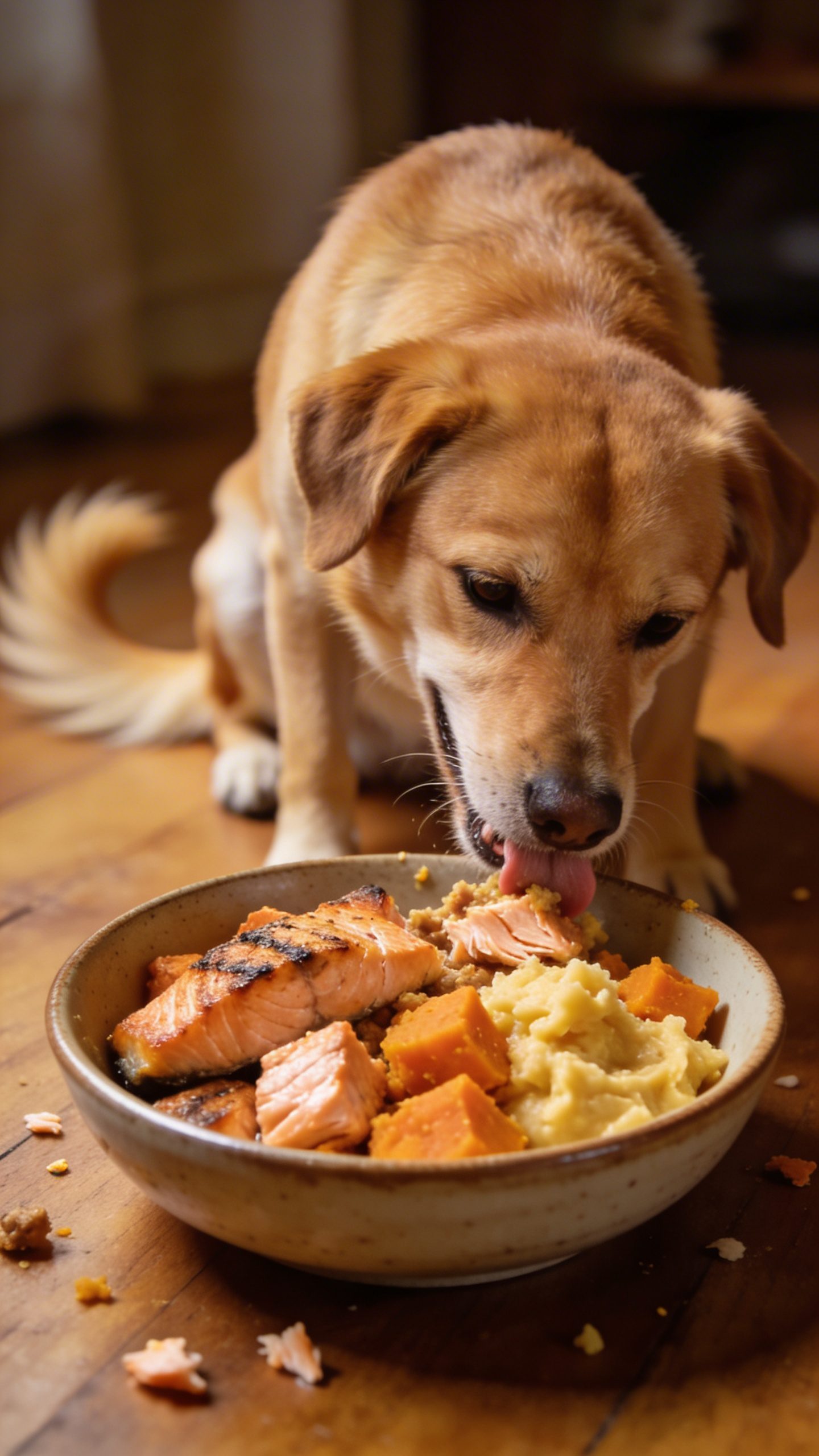
Got a dog with a temperamental tummy? This ultra-gentle recipe keeps things simple while still packing nutritional punch. Start with 1.5 cups baked salmon (no seasoning!), 2 cups plain mashed sweet potato, and 1 cup plain cooked pumpkin. The pumpkin adds extra fiber and is basically magic for digestive issues. Add a tablespoon of coconut oil for healthy fats and mix thoroughly. This recipe intentionally skips the grains and keeps ingredients minimal. FYI, you want to introduce this gradually if your dog’s stomach is already upset – mix it with their regular food over several days to avoid any surprises.
When to Use This Recipe
This is your go-to when your pup’s having digestive issues, recovering from illness, or you’re eliminating potential allergens to figure out what’s bothering them. The limited ingredients make it easy to identify any problems while still providing complete nutrition.
Recipe #4: The Veggie-Loaded Energy Bowl
Active dogs need extra fuel, and this recipe delivers. We’re adding more vegetables for vitamins and minerals that support high-energy lifestyles. Mix together:
- 2 cups cooked salmon chunks
- 1.5 cups diced sweet potato, roasted
- 1/2 cup steamed broccoli, chopped fine
- 1/2 cup shredded carrots
- 1/2 cup cooked quinoa
- 1 tablespoon salmon oil
The quinoa adds complete protein and extra amino acids, while the variety of vegetables ensures your dog gets a rainbow of nutrients. This recipe works especially well for working dogs, agility competitors, or those pups who think they’re training for a marathon every time they hit the dog park.
Recipe #5: The Senior Dog Special
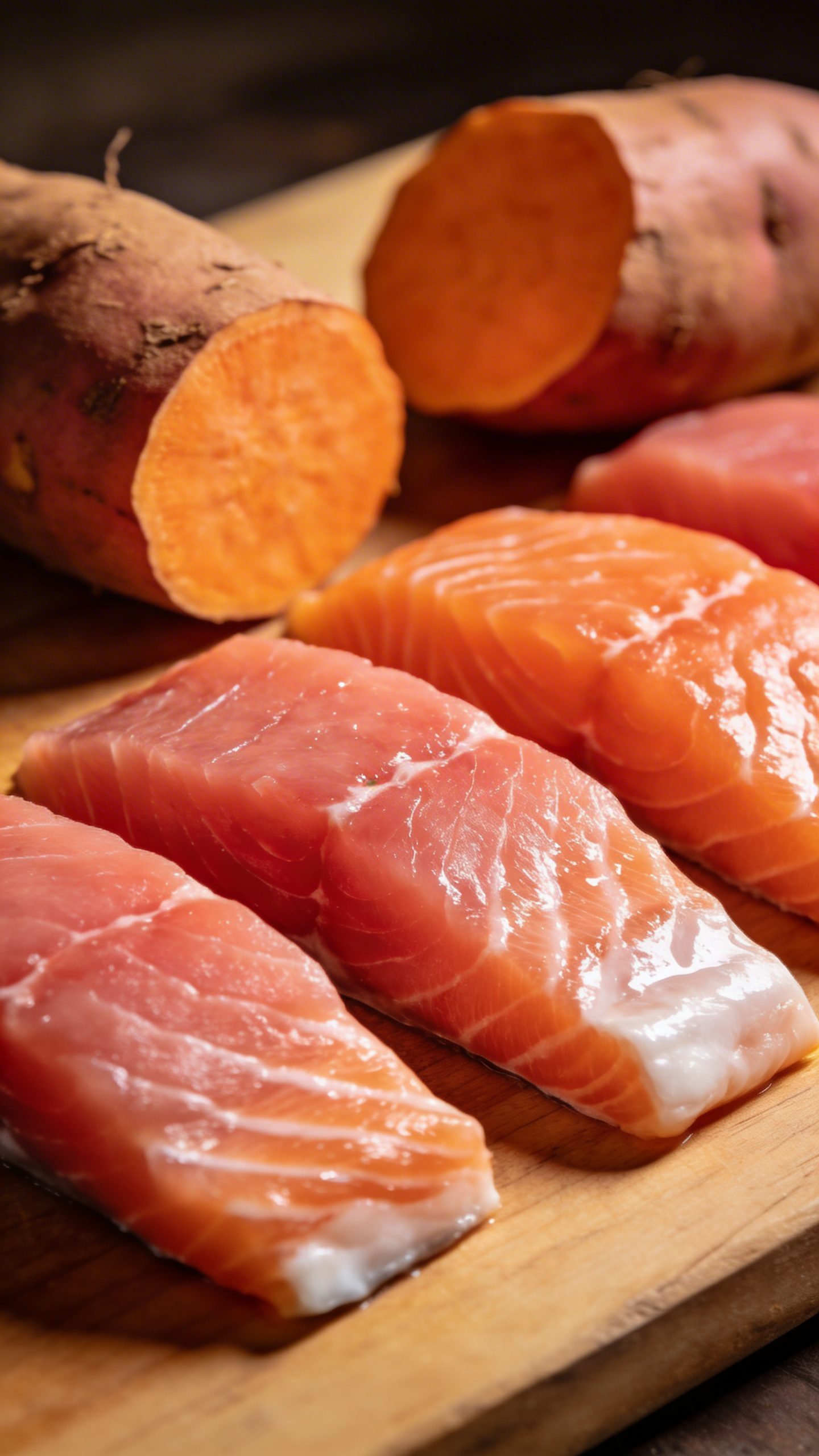
Older dogs have different nutritional needs, and this recipe addresses joint health, digestive support, and easy-to-chew texture. Blend 2 cups poached salmon (super tender), 2 cups mashed sweet potato, 1/2 cup cooked oatmeal, and 1 tablespoon ground turmeric. Add a fish oil capsule (just squeeze out the oil) for extra joint support. The softer texture makes this perfect for dogs with dental issues or reduced jaw strength. Turmeric brings natural anti-inflammatory properties that can help with arthritis and joint pain. Just remember: turmeric stains like crazy, so maybe don’t let your white-furred friend eat this on your new carpet.
Portion Adjustments for Seniors
Older dogs often need fewer calories since they’re not as active. Start with about 25% less than what you’d feed an adult dog of the same weight, and adjust based on their energy levels and weight maintenance. Your vet can help dial in the perfect amount.
Storage Tips and Food Safety
Let’s talk about keeping these meals fresh and safe, because nobody wants to accidentally poison their best friend. Always refrigerate homemade dog food within two hours of cooking. In the fridge, these recipes stay good for 3-4 days max. Label containers with dates so you’re not playing guessing games later. For freezing, portion out individual meals in containers or freezer bags. Squeeze out as much air as possible to prevent freezer burn. Frozen meals last about three months, though honestly, they’ll probably get eaten way before that. Thaw frozen portions in the fridge overnight, never at room temperature. You can warm the food slightly before serving (dogs often prefer it), but test it with your finger first – you want lukewarm, not hot.
Important Nutritional Considerations
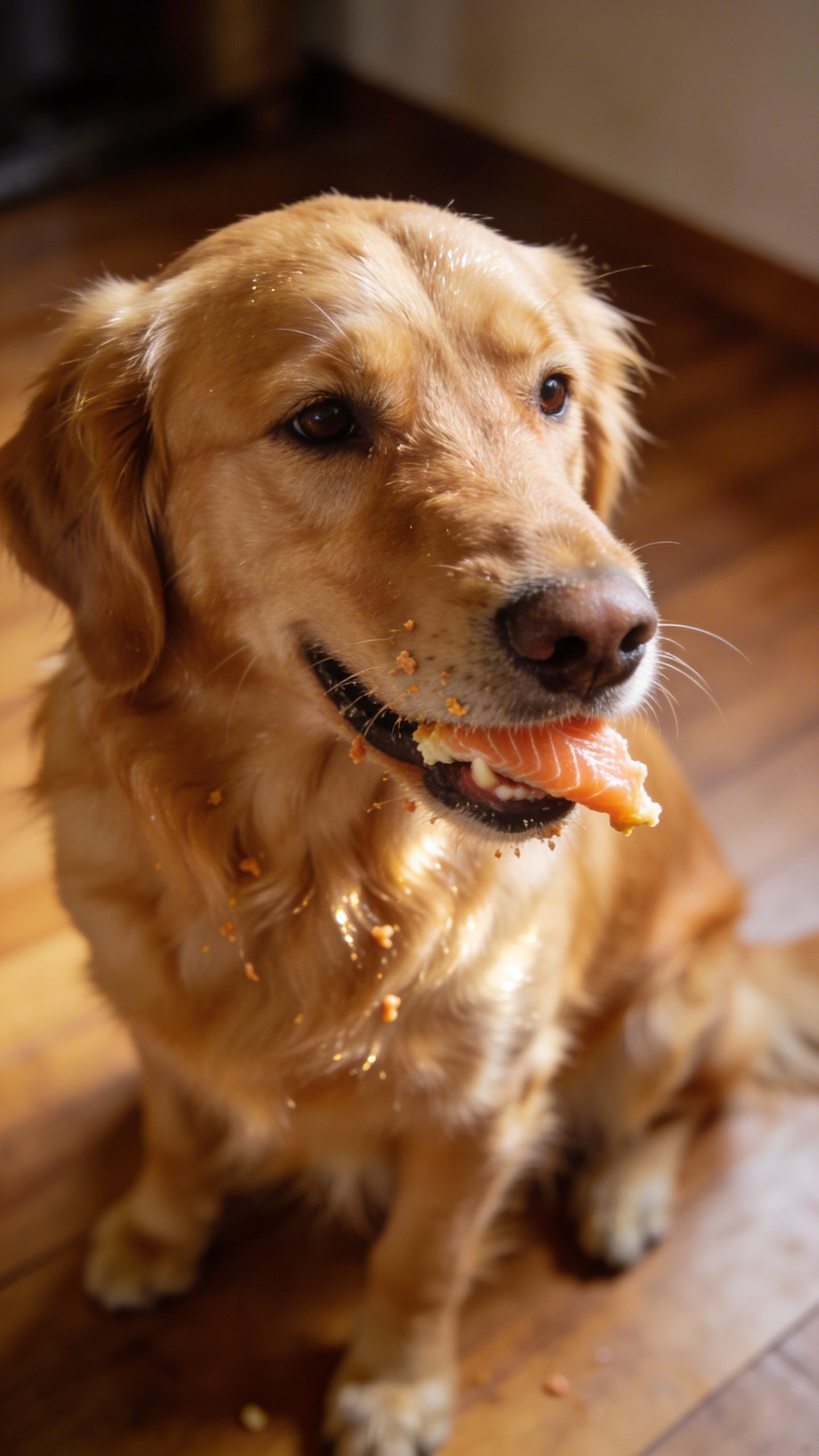
Here’s something crucial: these recipes are fantastic supplemental meals or short-term diets, but if you’re planning to feed homemade food exclusively long-term, you need to talk to your vet or a veterinary nutritionist. Dogs need specific vitamin and mineral ratios that can be tricky to nail consistently without professional guidance. Calcium is particularly important and often missing from homemade diets. You might need to add a calcium supplement or bone meal to make these recipes complete. Iron, zinc, and certain B vitamins are other common gaps in DIY dog food. IMO, rotating between quality commercial food and homemade meals gives you the best of both worlds – nutritional completeness plus variety and fresh ingredients. But you do you.
Supplement Considerations
Talk to your vet about adding a multivitamin designed for dogs if you’re making homemade food regularly. Some popular options include:
- Calcium supplements (especially important)
- Vitamin E for immune support
- B-complex vitamins
- Zinc for skin and coat health
Frequently Asked Questions
Can I use raw salmon instead of cooked?
Nope, don’t do it. Raw salmon can contain parasites that cause salmon poisoning disease in dogs, which sounds exactly as terrible as it is. Always cook salmon thoroughly before serving it to your pup. Canned salmon is already cooked and totally fine to use straight from the can (just drain it well).
How much should I feed my dog?
This depends on your dog’s size, age, and activity level. As a general rule, dogs need about 2-3% of their body weight in food per day. A 50-pound dog would eat roughly 1-1.5 pounds of food daily. Split this into two meals, and adjust based on whether your dog’s maintaining a healthy weight. When in doubt, your vet can give you specific recommendations.
Can puppies eat these recipes?
Puppies can eat salmon and sweet potato, but they have different nutritional needs than adult dogs – specifically higher protein and calcium requirements for growth. If you want to make homemade puppy food, work with a veterinary nutritionist to ensure you’re meeting all their developmental needs. For occasional meals or toppers, these recipes work fine in moderation.
What if my dog has allergies?
Salmon and sweet potato are actually common ingredients in hypoallergenic dog foods because they’re less likely to trigger reactions than chicken or beef. However, any dog can be allergic to anything. If you notice itching, digestive upset, or other allergy symptoms, stop feeding the new food and consult your vet. The sensitive stomach recipe (Recipe #3) is your best bet for elimination diets.
Can I substitute other fish for salmon?
Absolutely! Sardines, mackerel, and whitefish all work great. Just make sure the fish is thoroughly cooked and all bones are removed. Avoid fish high in mercury like tuna – stick with smaller fish that accumulate fewer toxins. Fresh, frozen, or canned all work as long as there’s no added salt or seasoning.
Do I need to add supplements to homemade dog food?
For occasional homemade meals, you’re probably fine without supplements. But if you’re feeding homemade food as the primary diet, yes – you’ll almost certainly need to add calcium and possibly other vitamins and minerals. A veterinary nutritionist can recommend specific supplements based on your recipes and your dog’s needs.
Conclusion
Making salmon and sweet potato meals for your dog isn’t just about nutrition – it’s about showing them some love in a language they definitely understand: food. These five recipes give you plenty of variety to keep things interesting while delivering the nutrients your pup needs to thrive. Start with one recipe, see how your dog responds, and go from there. Pay attention to their energy levels, coat quality, and yes, their poop (sorry, but it’s important). A healthy dog on a good diet will have consistent energy, a shiny coat, and firm, regular bowel movements. Your dog’s already convinced you’re the best human ever. Wait until they taste these meals – you’ll officially reach superhero status in their eyes.