Your dog flops on the floor for belly rubs, wags their tail when you come home, and looks perfectly content snoozing on the couch. But here’s the thing: dogs are masters at hiding their stress, and what looks like normal behavior might actually be your pup’s way of screaming “I’m not okay!” Let’s decode those sneaky stress signals before they turn into bigger problems.
The Sneaky Whale Eye (And No, It’s Not About Marine Mammals)
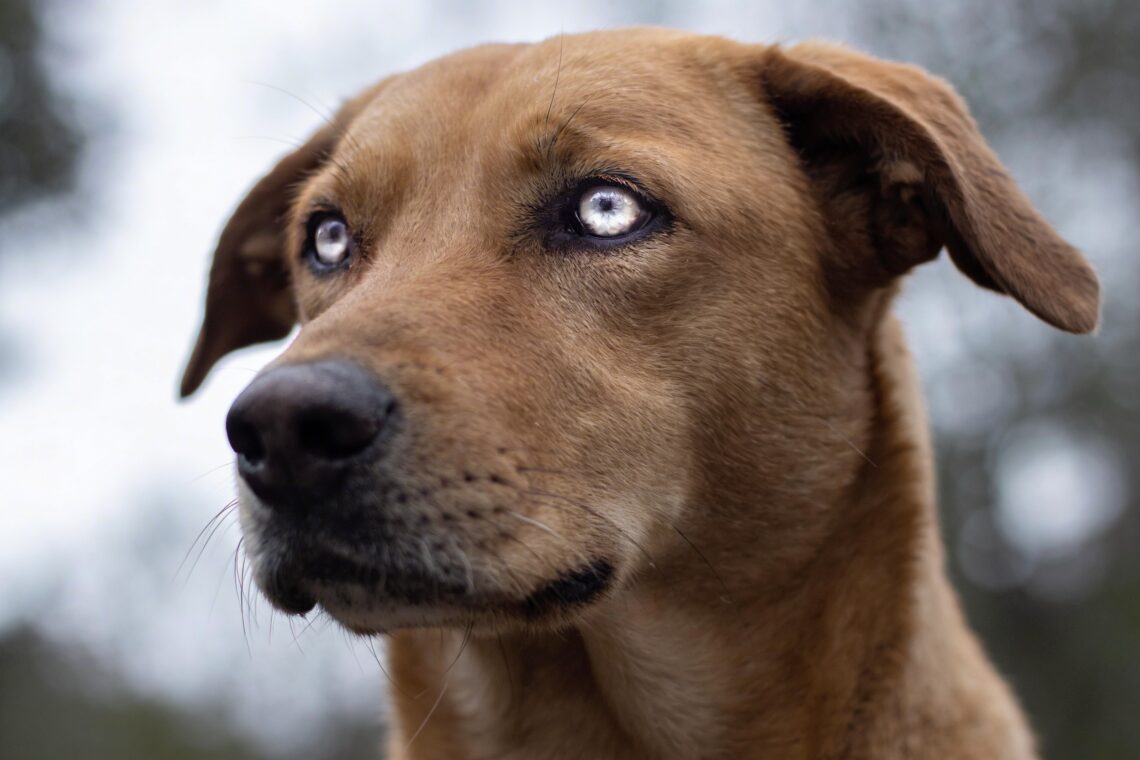
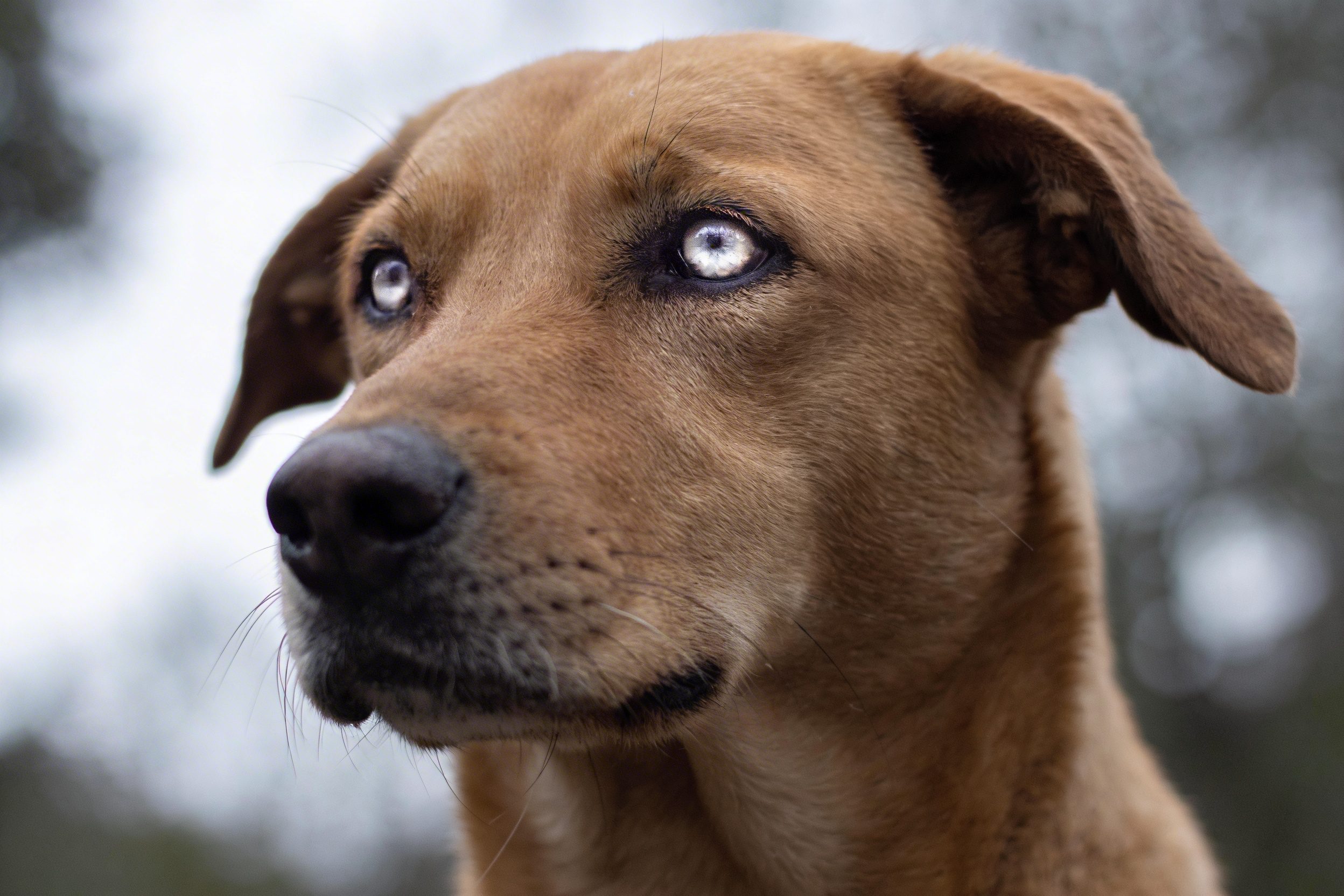
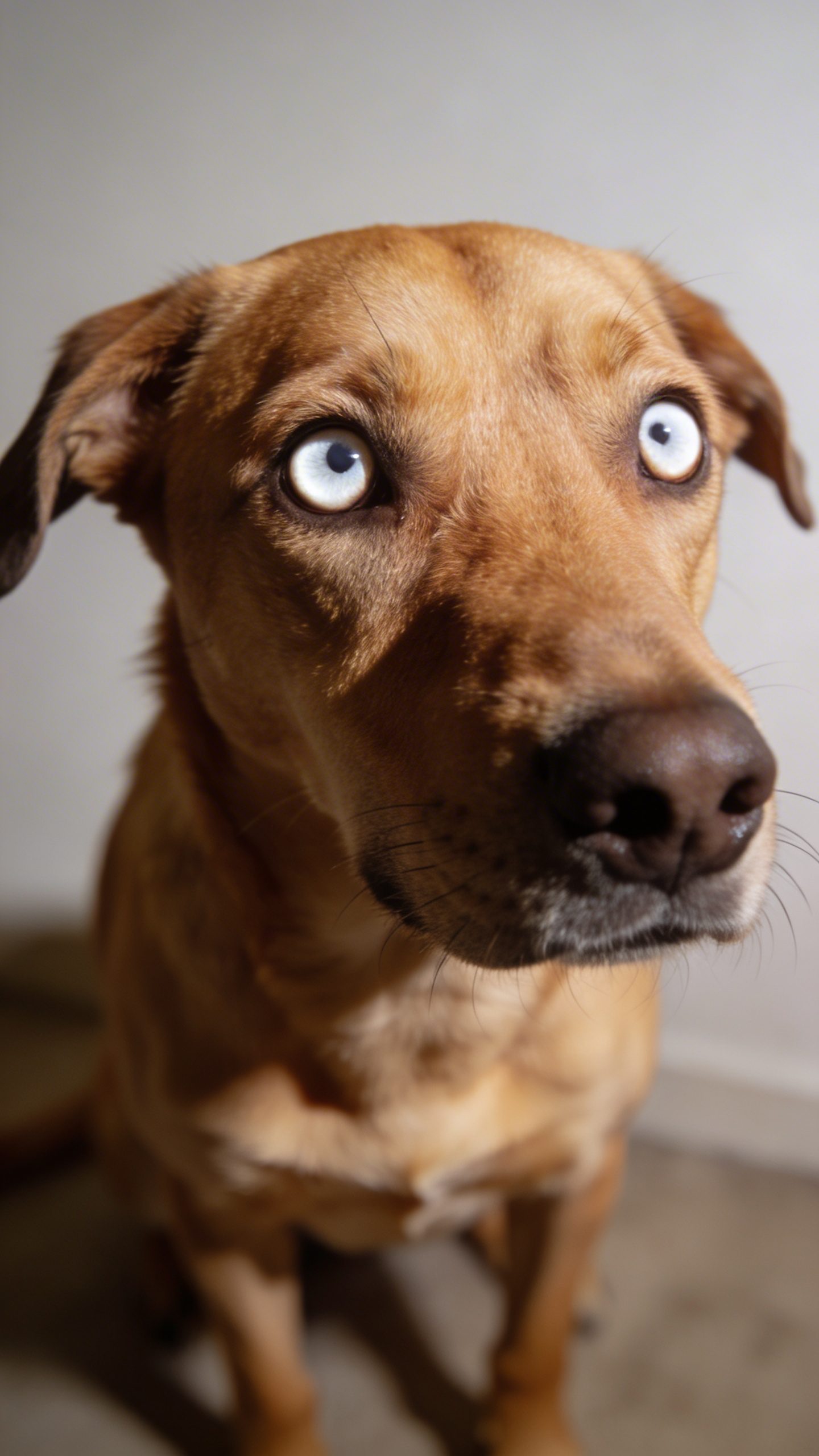
Ever notice your dog giving you serious side-eye, showing the whites of their eyes? That’s “whale eye,” and it’s basically your dog’s version of a nervous glance at the exit during an awkward conversation. When dogs feel uncomfortable, they turn their heads away from whatever’s bothering them while keeping their eyes locked on the threat. You’ll see this a lot when someone leans over your dog for a hug (spoiler alert: most dogs hate hugs), or when a kid gets too close to their favorite toy. The white crescent around their eyes becomes super visible, and it’s your cue to intervene. Think of it as your dog saying “I’m tolerating this, but I really, really don’t like it.”
Excessive Yawning That Has Nothing to Do with Being Tired
Your dog just woke up from a three-hour nap and suddenly starts yawning like they pulled an all-nighter? That’s not tiredness—that’s stress talking. Dogs yawn to calm themselves down when they’re feeling anxious or overwhelmed. I see this all the time at the vet’s office. Dogs sitting in the waiting room will yawn repeatedly, even though they’re clearly wide awake and on high alert. It’s a self-soothing behavior, kind of like how we might take deep breaths when we’re nervous. If your dog yawns during training sessions, meeting new people, or in unfamiliar situations, they’re telling you they need a break. Pay attention to the context. Morning yawn after waking up? Totally normal. Yawning during a thunderstorm or when the neighbor’s kid runs over screaming? That’s anxiety, my friend.
The Lip Lick That Isn’t About Food
Notice your dog licking their lips when there’s no food in sight? This quick tongue flick is another calming signal that dogs use when they’re stressed. It’s super subtle—sometimes just a quick dart of the tongue over the nose—so you’ve got to watch carefully. Dogs lip lick in uncomfortable situations like when you’re scolding them, when strangers approach, or when they’re at the groomer. It’s different from the exaggerated lip-smacking they do when you’re cooking bacon (we’ve all seen that performance). This stress lick is fast, almost nervous-looking, and happens repeatedly.
How to Spot the Difference
Food-related licking is usually accompanied by drooling, intense staring at your sandwich, and possibly some whining. Stress licking happens with other anxiety signals like pinned-back ears, a tucked tail, or a tense body. Context is everything.
Panting When It’s Not Hot or After Exercise

Your dog is panting like they just ran a marathon, but you’ve both been sitting on the couch for an hour and the AC is blasting. What gives? Stress panting is a real thing, and it’s one of the more obvious signs that something’s wrong. Anxious dogs will pant heavily during car rides, vet visits, fireworks, or any situation that makes them uncomfortable. The panting is usually faster and shallower than regular cooling-down panting, and their mouth might look more tense than the usual happy, relaxed pant. FYI, if your dog suddenly starts panting for no apparent reason, rule out health issues first. Pain, heart problems, and other medical conditions can cause panting too. But if your vet gives the all-clear and the panting happens in specific situations? Yeah, that’s anxiety.
Pacing and Inability to Settle
Does your dog walk back and forth like they’re trying to rack up steps on a Fitbit? Pacing is a major stress indicator, especially when your dog can’t seem to find a comfortable spot to lie down. They’ll get up, walk around, maybe circle a few times, lie down for thirty seconds, then repeat the whole process. This restless behavior often happens before thunderstorms (some dogs can sense the barometric pressure changes), during fireworks season, or when their routine gets disrupted. Some dogs pace when they’re in pain, too, so again—vet check if this is new behavior.
The Midnight Pacing Problem
Nighttime pacing deserves special mention because it can seriously mess with everyone’s sleep. Older dogs might pace due to cognitive dysfunction (basically doggy dementia), while younger dogs might be anxious about being alone or hearing noises you can’t even detect. Creating a calm, den-like sleeping environment can help, but persistent pacing needs a professional’s input.
Shedding Like It’s Going Out of Style
Sure, dogs shed. But have you ever noticed your dog leaving behind a literal fur cloud at the vet’s office or groomer? Stress can make dogs “blow their coat,” releasing way more fur than normal. It’s actually pretty wild how much hair an anxious dog can drop in just a few minutes. This happens because stress hormones affect the hair follicles, causing them to release fur. You’ll notice this most in high-stress situations—the exam table at the vet often looks like a dog exploded on it after just one anxious patient. If your dog is shedding excessively at home without any obvious stressors, thyroid issues or other health problems might be the culprit. But situational stress-shedding? Totally normal, just annoying for whoever has to clean it up.
Unusual Body Language: Tucked Tails, Pinned Ears, and Tense Posture
Let’s talk about the whole-body stress signals. An anxious dog doesn’t just show one sign—they’re basically a walking billboard of discomfort if you know what to look for.
The Tail Tells All
A tucked tail (especially if it’s literally between their legs) screams fear or anxiety. But here’s where it gets tricky: some dogs have naturally low tail carriages, so you need to know your dog’s normal. Look for a change from their baseline—a usually high, happy tail that suddenly drops is your red flag.
Ear Position Matters
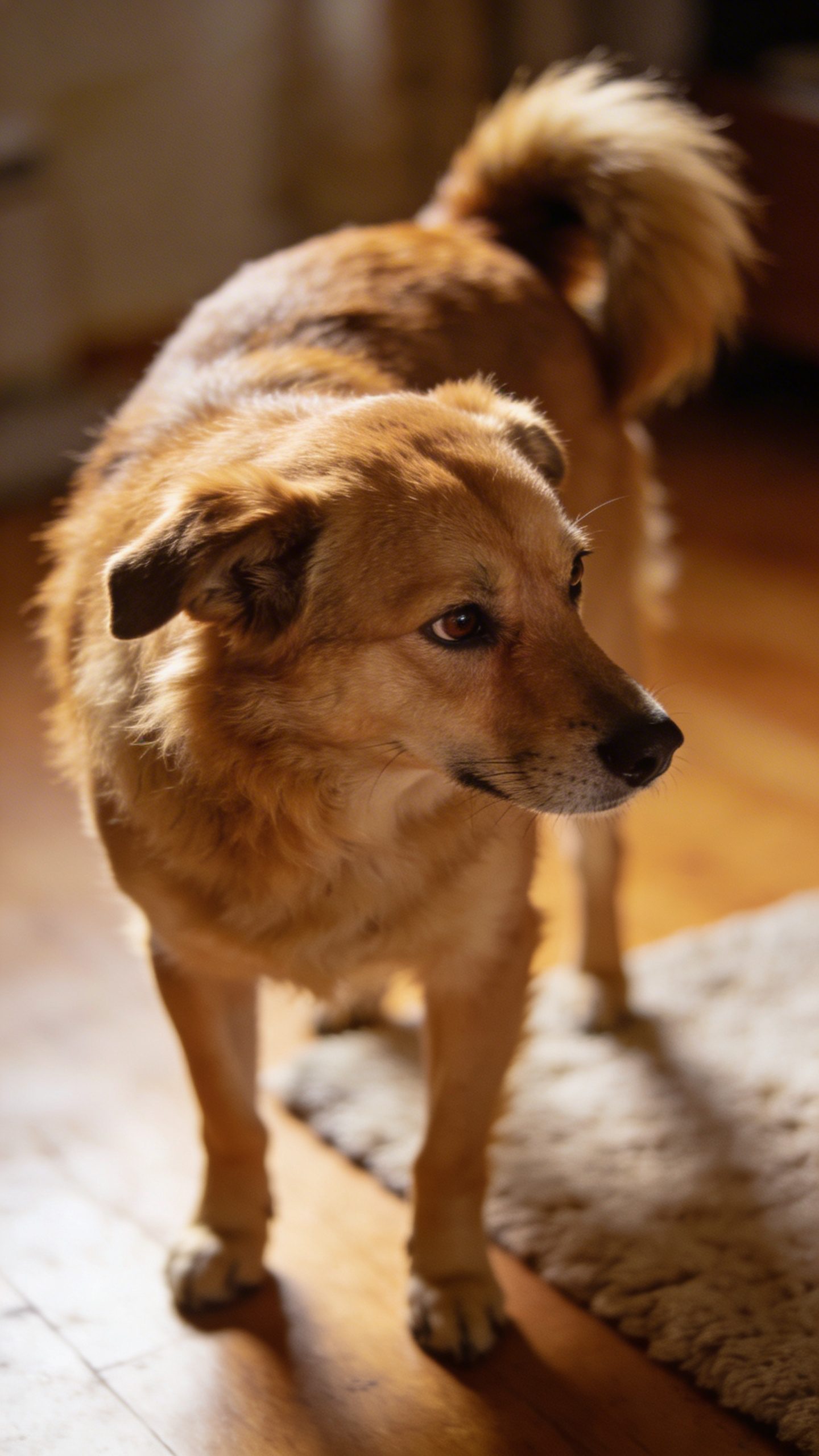
Pinned-back ears, flattened against the head, indicate stress or fear. Again, breed matters here. Some dogs naturally have folded or floppy ears, but you can still see the muscle tension pulling them back and down when they’re anxious.
The Whole Package
An anxious dog often makes themselves smaller—lowered body, weight shifted back on their haunches, ready to bolt. They might also freeze completely, which people sometimes mistake for “being good” when really the dog is too scared to move. IMO, the frozen, statue-like dog is one of the most misunderstood stress signals out there.
Avoidance Behaviors and Hiding
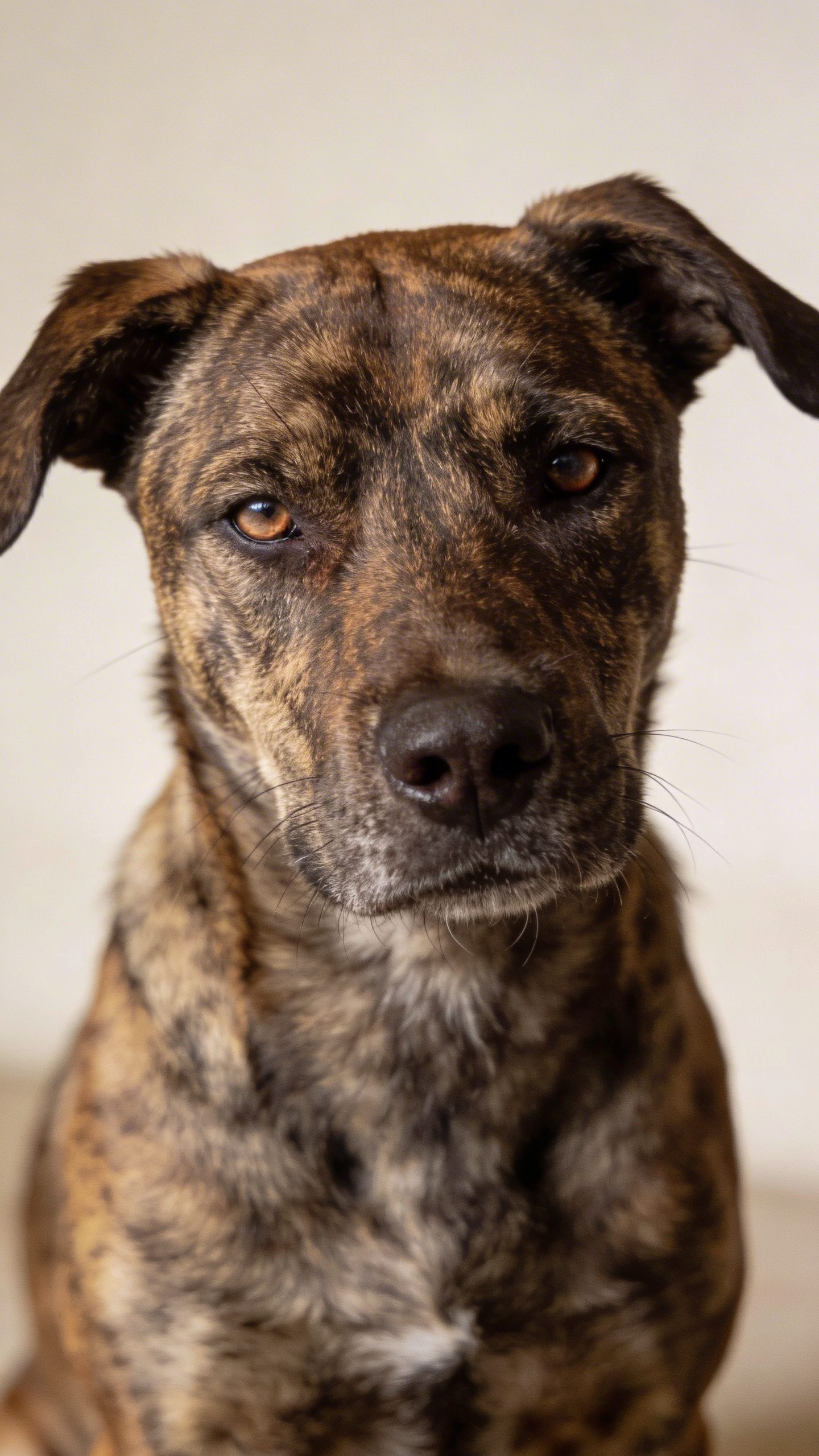
When your normally social dog suddenly becomes a hermit, that’s a problem. Dogs who are stressed will actively avoid whatever’s bothering them—turning their head away, walking in the opposite direction, or hiding under furniture. This can look like your dog suddenly “not listening” to you, but they’re not being stubborn. They’re trying to remove themselves from a stressful situation. Avoidance is actually a good thing—it means your dog is trying to prevent a confrontation rather than escalating to a growl or snap. Some dogs take hiding to the extreme, squeezing themselves into tight spaces like closets, under beds, or behind toilets. During thunderstorms or fireworks, you might find your dog in the bathtub or the back of a closet. They’re seeking den-like security when the world feels too scary.
Excessive Barking or Whining
Sure, some dogs are just chatty (looking at you, Huskies), but excessive vocalization can signal anxiety. This isn’t the excited bark when you grab the leash or the demanding whine for dinner. This is repetitive, high-pitched, or frantic vocalization that doesn’t stop. Separation anxiety often comes with serious vocalization—your neighbors can probably tell you all about it if you leave your anxious dog home alone. The barking or howling starts the moment you leave and might continue for hours. That’s not just being vocal; that’s genuine distress. Context and duration matter here. A few alert barks at a squirrel? Normal. Continuous barking, whining, or howling in specific situations, especially when combined with other stress signals? Time to address the underlying anxiety.
Frequently Asked Questions About Dog Stress and Anxiety
Can my dog’s anxiety get worse if I ignore these signs?
Absolutely. Ignoring stress signals is like ignoring the check engine light in your car—problems don’t fix themselves, they escalate. A mildly anxious dog can develop serious behavioral issues if their stress goes unaddressed. They might start showing aggression (fear-based aggression is super common), develop compulsive behaviors, or their physical health can deteriorate. Chronic stress isn’t just bad for humans; it wreaks havoc on dogs too.
How do I know if my dog needs medication for anxiety or if training will be enough?
Great question, and honestly, this requires a professional evaluation. Mild anxiety often responds well to behavior modification, environmental changes, and training. Severe anxiety—like dogs who hurt themselves trying to escape, can’t function during triggers, or show panic-level responses—usually needs medication as part of the treatment plan. Think of it like this: you can’t train a panicking brain. Medication can lower anxiety to a level where learning and behavior modification actually work. Always consult with a veterinary behaviorist or your vet before making this call.
Are certain breeds more prone to anxiety than others?
Yep, genetics play a role. Herding breeds often have anxiety issues because they were bred to be hyper-alert and sensitive to their environment. German Shepherds, Border Collies, and Australian Shepherds frequently show anxiety-related behaviors. Toy breeds can be prone to separation anxiety. That said, any dog can develop anxiety regardless of breed, and upbringing and experiences matter just as much as genetics. A well-socialized, properly raised dog of an “anxious breed” might be totally chill, while a poorly socialized Lab could be a nervous wreck.
What’s the difference between fear and anxiety in dogs?
Fear is a response to a specific, present threat—like being afraid of the vacuum cleaner when it’s running right next to them. Anxiety is the anticipation of potential threats, even when nothing bad is currently happening. An anxious dog might start showing stress signals the moment you pull out the vacuum from the closet, even before you turn it on. They’re worried about what might happen. Both feel lousy for your dog, but anxiety tends to be more persistent and harder to treat because the threat is often vague or anticipated rather than immediate.
Can I accidentally make my dog’s anxiety worse by comforting them?
This is a huge myth that needs to die. You cannot reinforce fear or anxiety by comforting your dog—emotions aren’t the same as behaviors. If your dog is scared during a thunderstorm and you pet them and speak soothingly, you’re not making the fear worse. You’re providing social support, which can actually help. What you don’t want to do is make a huge fuss, act anxious yourself, or completely change your behavior (which tells your dog something really is wrong). Stay calm, offer comfort if your dog seeks it, and don’t force interaction if they prefer to hide.
When should I call a professional about my dog’s anxiety?
If your dog’s anxiety is affecting their quality of life or yours, it’s time. Specifically, seek help if your dog shows aggression due to fear, can’t be left alone without destroying things or hurting themselves, refuses to eat due to stress, or shows anxiety so severe they can’t enjoy normal activities. Also, if you’ve tried basic management and things aren’t improving, a certified dog trainer or veterinary behaviorist can create a treatment plan. Don’t wait until things are desperate—early intervention works way better than trying to fix years of reinforced anxiety patterns.
Wrapping This Up
Your dog can’t tell you in words when they’re stressed, but they’re definitely communicating if you know how to listen. These nine warning signs—from whale eye to excessive shedding—are your dog’s SOS signals, and recognizing them early can prevent bigger problems down the road. The good news? Once you start paying attention to these subtle cues, you’ll get way better at reading your dog’s emotional state. You can step in before they reach their breaking point, remove them from stressful situations, and work on building their confidence. Every dog deserves to feel safe and secure, and understanding their stress language is the first step in making that happen. Trust your gut—if something seems off with your dog, it probably is. And remember, there’s zero shame in calling in a professional. We all need help sometimes, and your anxious pup will thank you for it.