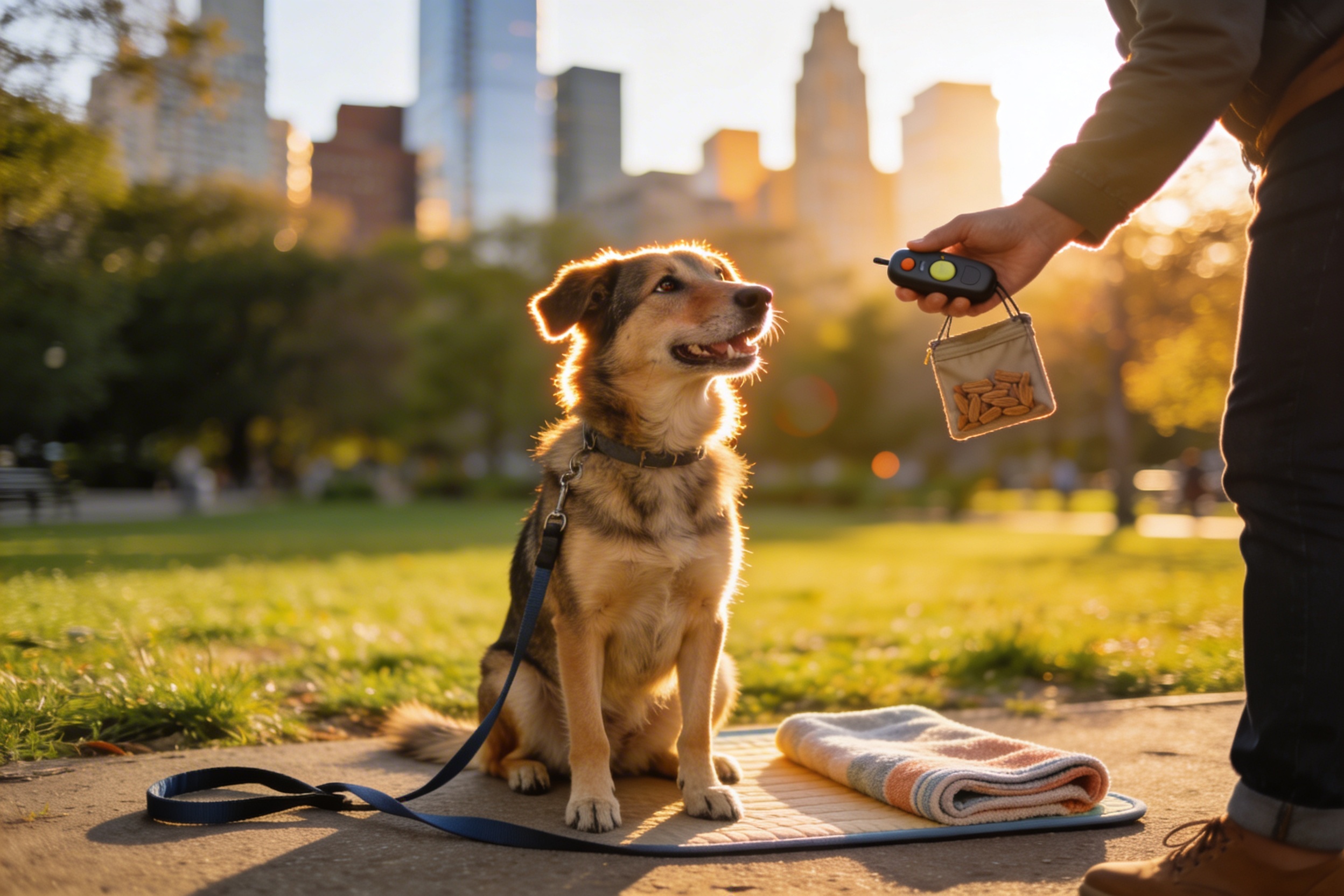
You’ve tried YouTube hacks, fancy harnesses, and that one weird tip from your neighbor’s cousin. Still, your dog acts like a furry tornado. Good news: you can change a ton in just 14 days. Not perfection—progress you can see, feel, and brag about. Let’s get your dog from chaos gremlin to charming sidekick, fast.
What This 14-Day Plan Actually Does
You won’t teach a PhD in obedience in two weeks. But you can install the “operating system” your dog needs: attention, impulse control, and reliable basics. Think of this as a reset button. The goal: build daily habits that work in real life, not just in your kitchen. You’ll train in tiny bursts, stack easy wins, and fix the stuff that drives you nuts. What you’ll need:
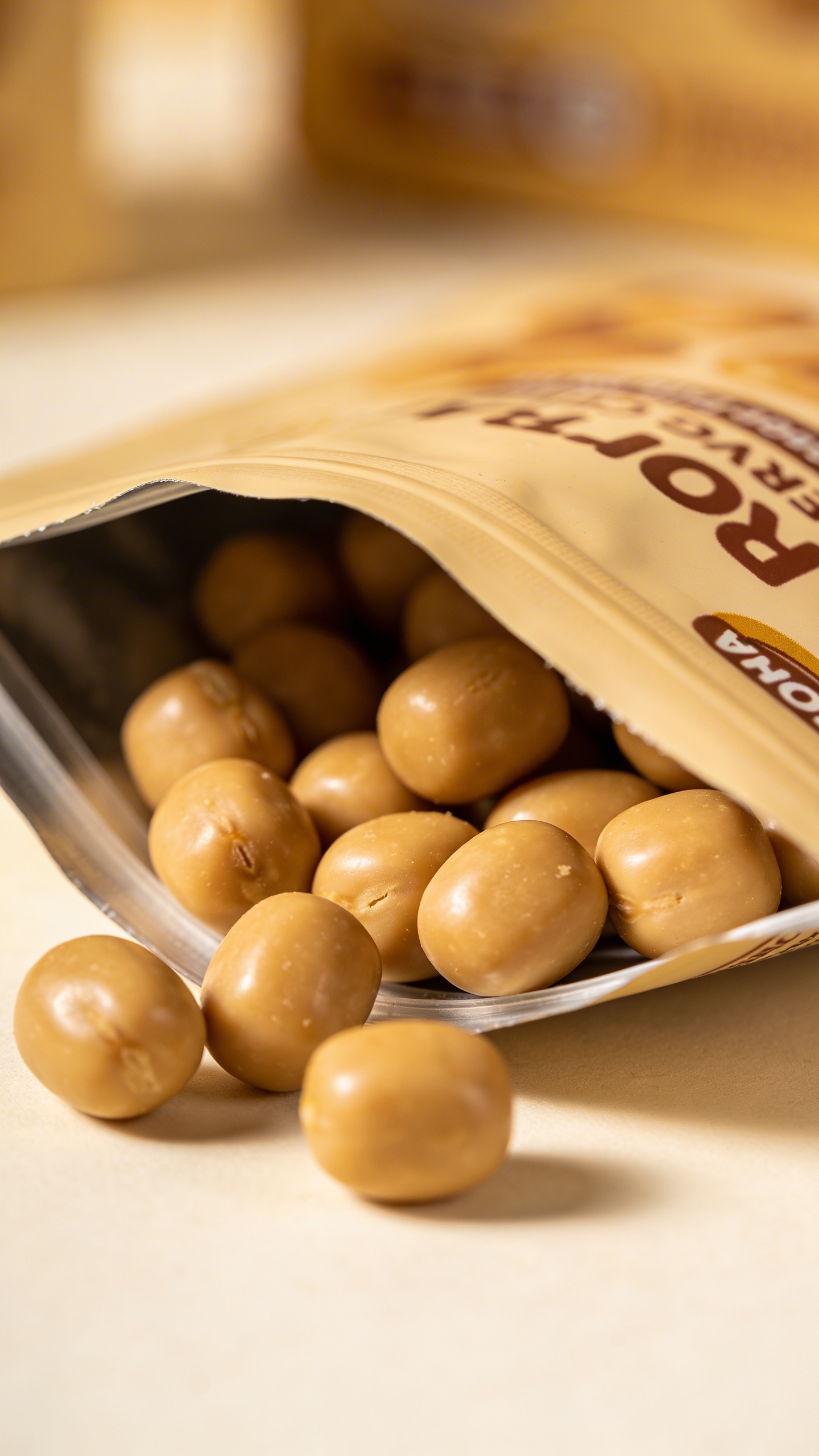
- High-value treats (soft, smelly, pea-sized)
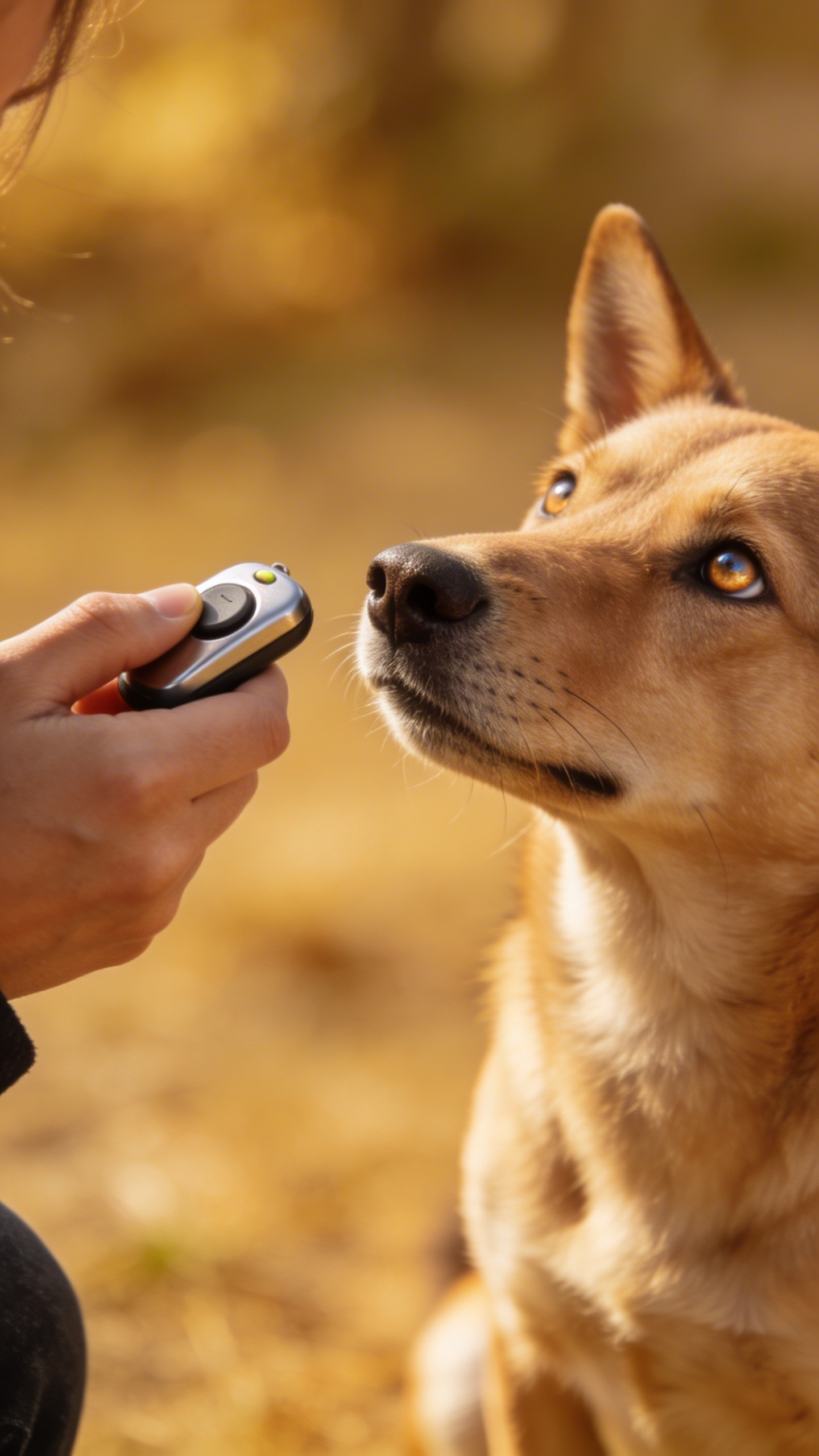
- A clicker or a marker word like “Yes!”
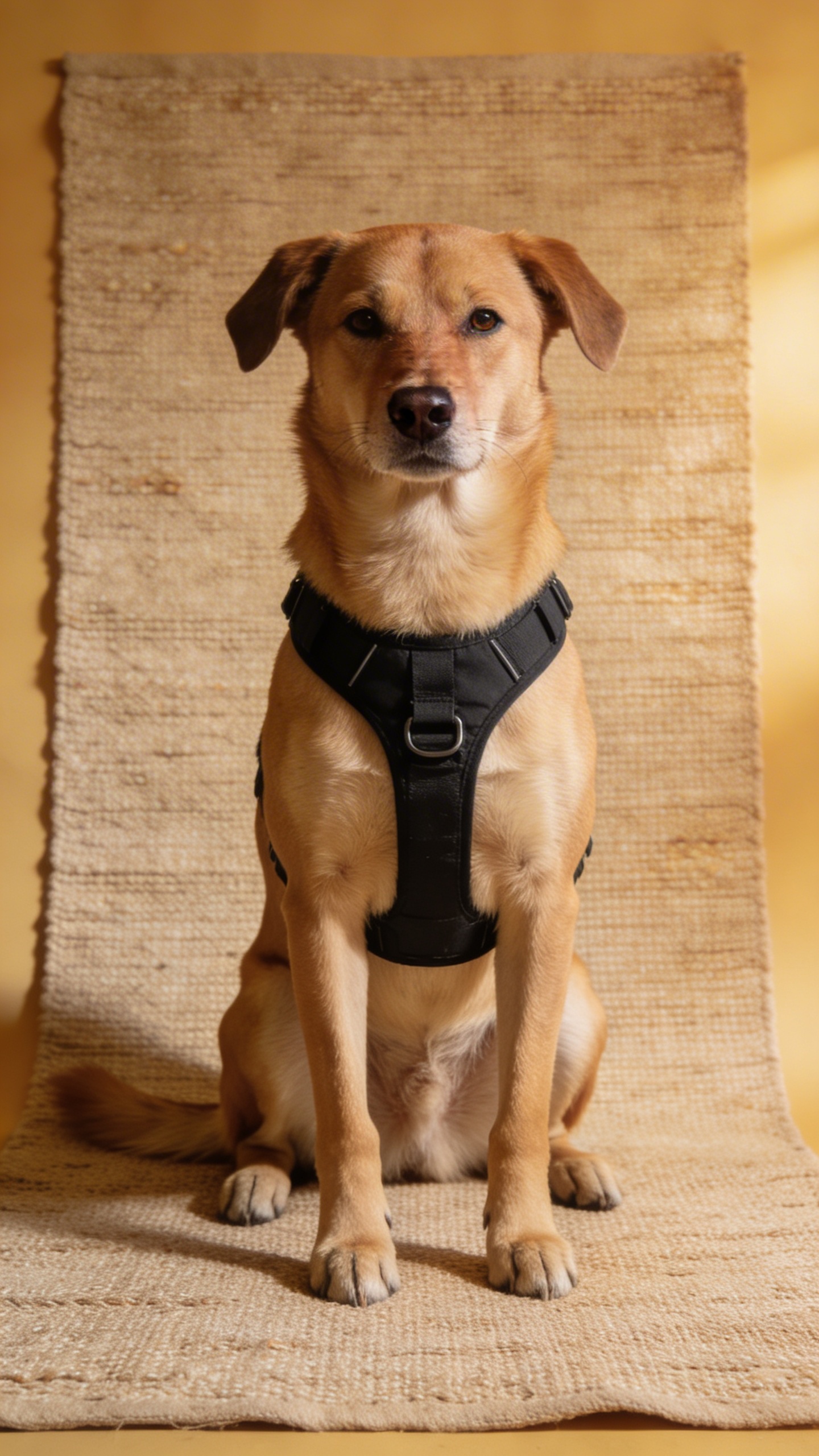
- 6-foot leash, front-clip harness (if pulling happens)
- Mat or towel for “place” training
- 2-3 short sessions per day (3-8 minutes each)
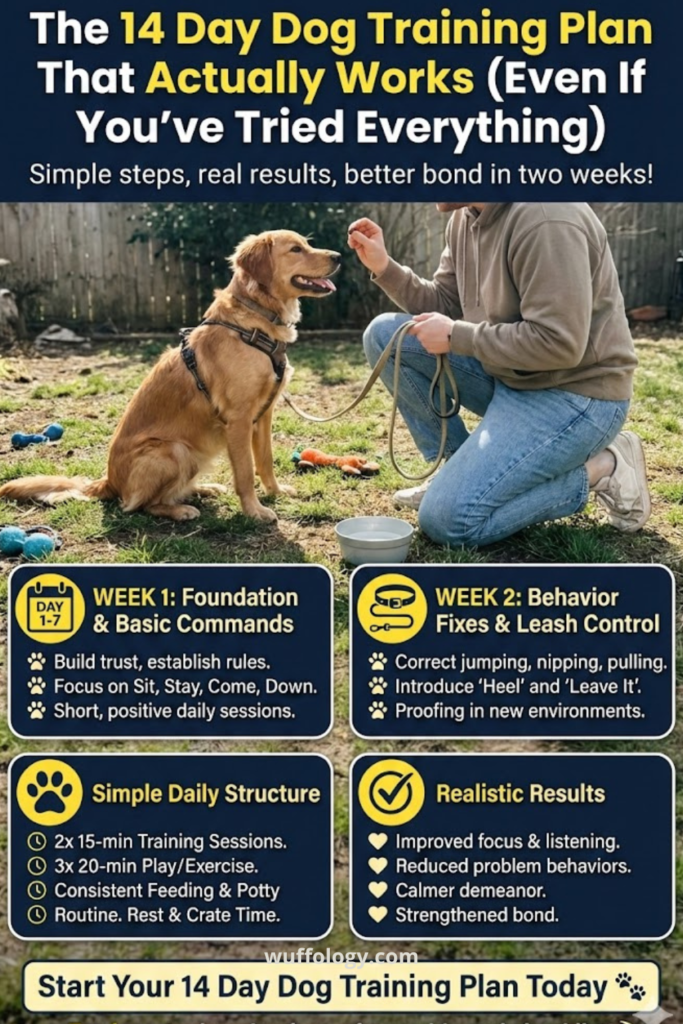
The 14-Day Game Plan (Daily Blueprint)
You’ll repeat the same structure each day, but with small upgrades. Structure beats motivation, IMO. Each day:
- Warm-up (1 min): name recognition + 3 “sits” for treats.
- Core skill (3-5 min): the focus of the day (listed below).
- Real-life rep (2 min): use the skill right away in a real situation.
- Play/Decompress (5-10 min): tug, fetch, sniff walk—your choice.
Daily Focus Plan:
- Day 1: Attention & marker word (“Yes!”) + treat delivery
- Day 2: Sit & release word (“Free!”)
- Day 3: Down (calm, not sloppy belly flop)
- Day 4: Hand target (“Touch”) to redirect excitement
- Day 5: Leave it (start with food in closed fist)
- Day 6: Loose-leash foundations at home
- Day 7: Place/mat training
- Day 8: Come when called—indoors, low distraction
- Day 9: Leash skills outside (quiet area)
- Day 10: Door manners & impulse control
- Day 11: Solidify “Leave it” with moving items
- Day 12: Recall with longer distance & line
- Day 13: Calm greetings with people/dogs (controlled setups)
- Day 14: Real-world test day (park loop, patio sit, or store entry)
Pro Tip: Progression Rules
- Upgrade one thing at a time: distance, duration, or distraction. Never all three at once.
- Two fast successes beat one long slog. Keep sessions short and sweet.
- If your dog fails twice, make it easier immediately. Don’t push through struggle—adjust.
Days 1-3: Teach Your Dog the Language
You can’t coach a team that doesn’t know the plays. We build your dog’s “Yes, I heard you” muscles first.
Marker Magic (Day 1)
Say “Yes!” then immediately treat. Repeat 15 times. Then wait for eye contact—say “Yes!” and treat as soon as they glance up. This creates a silent superpower: your dog learns paying attention makes good stuff happen.
Sit and Down with a Release (Days 2-3)
Teach Sit: Lure up, dog’s butt hits floor, say “Yes!” then treat. Add the word when they’re nailing it. Teach Down: Lure from sit to floor. Mark and treat for elbows down. Release Word: Say “Free!” and toss a treat a foot away. Your dog learns to hold the position until you release. That word saves your sanity later.
Days 4-7: Impulse Control Without the Boredom
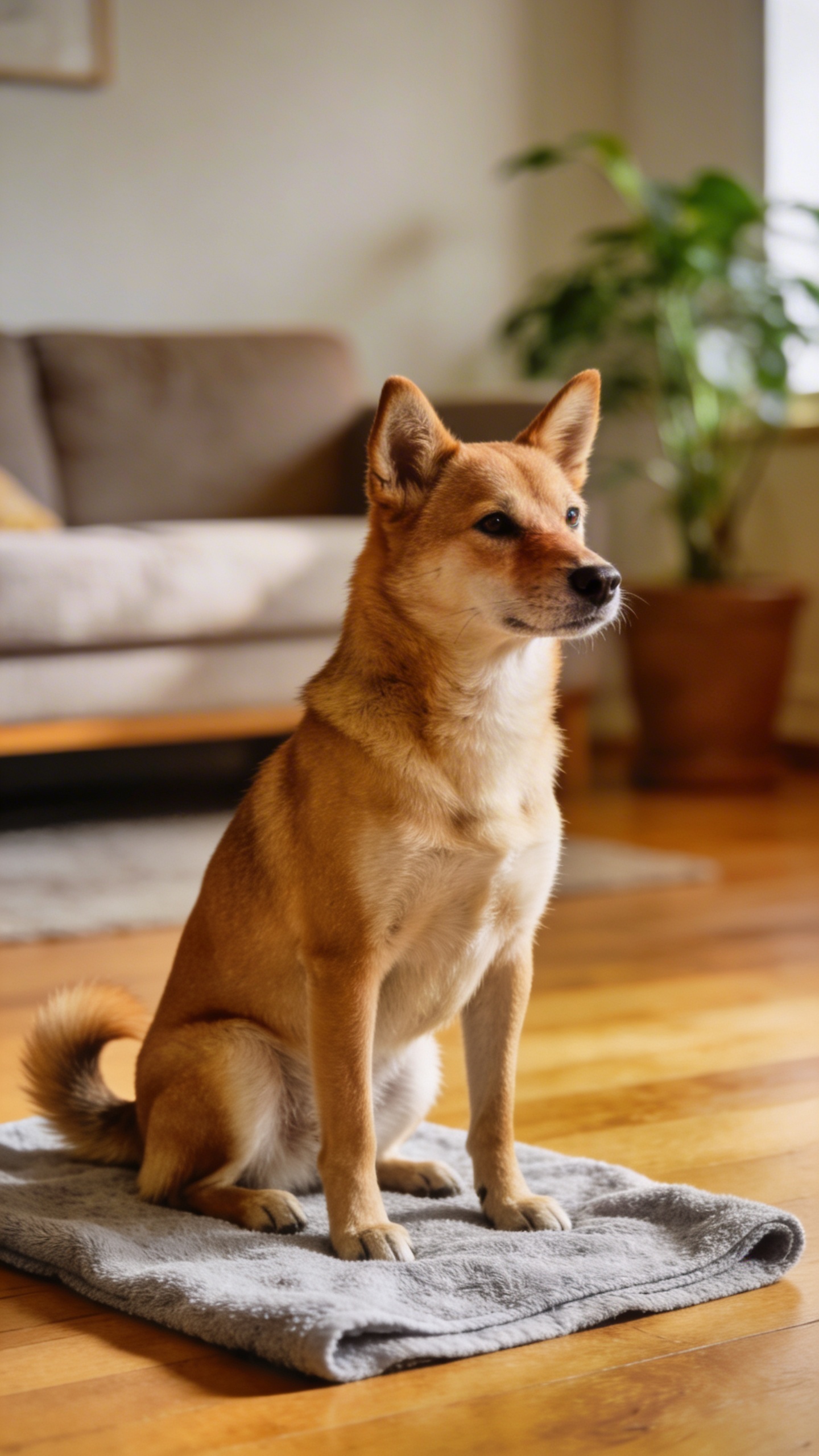
We’re not raising a statue. We’re teaching your dog how to choose calm when it counts.
Hand Target “Touch” (Day 4)
Offer your palm near your dog’s nose. When they boop your hand, say “Yes!” and treat. Use this to redirect from squirrels, guests, or your kid’s pizza slice.
Leave It (Day 5)
Closed fist with a treat. Dog sniffs/paws? Nothing. The second they back off, “Yes!” then treat from your other hand. When that’s easy, open your palm and cover it quickly if they lunge. Build that “ignore = win” muscle.
Loose-Leash Foundations (Day 6)
In the house or yard: mark and treat for any slack in the leash while you walk. Reward by your thigh. Take one step, reward. Two steps, reward. If pulling happens, you stop. Tree mode. No lectures needed.
Place/Mat Training (Day 7)
Toss a treat onto the mat. When paws hit the mat: “Yes!” Over time, ask for “Down,” then add your release word. This becomes your “please chill” button during dinner or deliveries.
Days 8-12: The Big Two—Recall and Real Walks
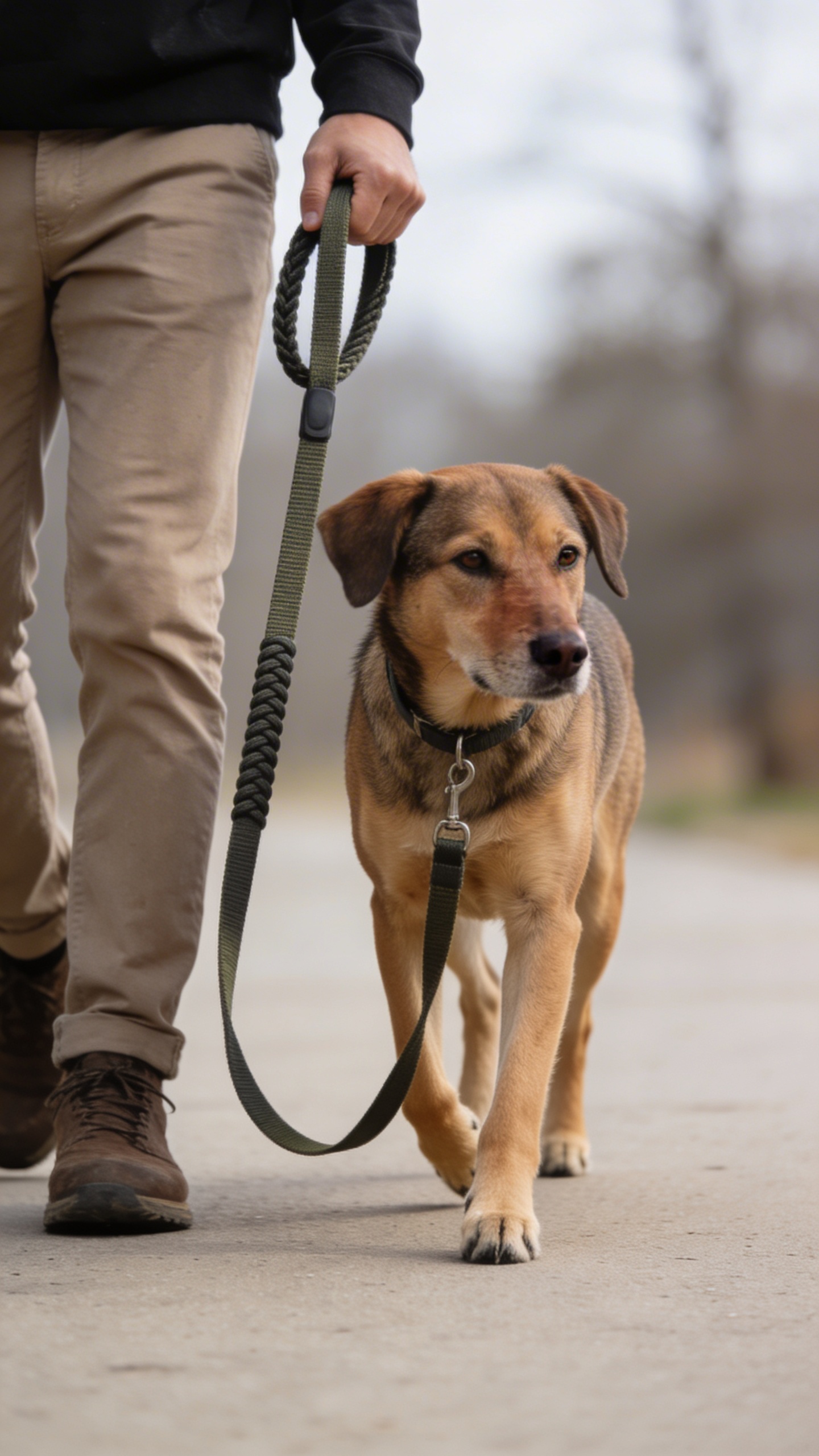
Reliable come and decent leash manners change everything. We scale from easy to spicy.
Recall Indoors (Day 8)
Say your dog’s name once, then “Come!” in a happy voice. When they turn, back up and celebrate like a weirdo. Treat jackpot when they arrive. Then release. Short reps, high energy.
Leash Skills Outside (Day 9)
Start in a quiet spot. Reward heavily for staying near you. Change direction often so your dog checks in. If they hit the end of the leash, stop, wait for slack, then go. Movement becomes the reward.
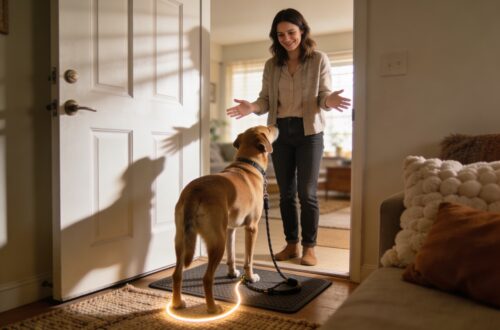
Door Manners & Impulse Control (Day 10)
Crack door a few inches. If your dog surges, close it gently. Door opens when butts stay on floors. Add a sit, then add your release. You control the door, your dog learns patience pays.
Leave It—Level Up (Day 11)
Roll a treat past your dog on the floor. Say “Leave it.” The instant they hesitate: “Yes!” then reward from your hand. You’re paying for self-control, not punishment for curiosity.
Recall with Distance (Day 12)
Use a long line for safety. Start close, pay big. Add distractions slowly. If your dog hesitates, you got too exciting too fast. Dial it back and win again.
Days 13-14: Real-Life Rehearsals
We take the show on the road. You’ll script situations so your dog practices success, not chaos.
Calm Greetings (Day 13)
Ask a friend to help. Dog sits; friend approaches. If your dog pops up, friend turns away. If your dog holds the sit, friend says hi and gives a chin scratch. Dog learns: sit brings people closer. Jumping makes them vanish. Physics!
Test Day Circuit (Day 14)
Do a mini tour:
- Short walk with loose-leash rules
- “Place” at a bench or patio for 1-2 minutes
- 2 recall reps on a long line
- One “leave it” with a dropped item
End on a win. Always. Then celebrate with a chew or sniffari, FYI.
Treats, Timing, and Real-Life Rewards
Treat Strategy: Start with frequent, tasty rewards. Fade food by swapping in life rewards:
- Good leash manners? Move forward as the reward.
- Nice sit at door? You release them outside.
- Recall success? Toss a toy or let them sniff.
You won’t need treats forever, but don’t retire them too early. Keep a random-reward vibe to keep behavior sharp, IMO.
Common Mistakes to Dodge
- Repeating cues (“Sit, sit, SIT!”). Say it once. Help the dog succeed, then reward.
- Training when your dog is over-threshold. Calm brain first, training second.
- Jumping difficulty too fast. Build layers, not leaps.
- Expecting perfection in new places. Dogs aren’t robots in fur suits.
Behavior Fixes: Fast Tweaks That Work
Puppy biting? Offer a chew toy, not your hand. Mark and praise calm mouth on toy. End play if teeth meet skin. Barking at windows? Block the view, then teach “place” away from the window. Pay the quiet. Counter surfing? Manage first (nothing on counters), teach “leave it,” and reward “four on the floor” near the kitchen. Jumping on guests? Leash on before door. Reward sit. No sit, no attention. Consistency beats enthusiasm every time.
FAQ
Can I really fix problem behaviors in just 14 days?
You can massively improve them. You’ll see calmer choices, better attention, and fewer meltdowns. Deep issues take longer, but two weeks builds momentum you can feel.
What if my dog ignores me outside?
Your distractions outrank your treats. Go to a quieter area, use better rewards, and shorten the ask. Earn attention first, then add the hard stuff.
How long should each session be?
3-8 minutes, tops. Do 2-3 mini sessions a day. Quit while you’re ahead so your dog wants an encore.
Do I need special tools?
Nope. A regular 6-foot leash, front-clip harness if pulling happens, and great treats. Fancy gadgets don’t fix unclear training.
My dog is stubborn—will this even work?
Dogs aren’t stubborn; they’re confused, overexcited, or underpaid. Clear cues + big rewards + tiny steps = progress. Consistency beats personality every time.
When should I call a pro?
If you see aggression, resource guarding, or intense fear, bring in a certified trainer or behaviorist. Safety first. You can still run this plan alongside professional guidance.
Conclusion
Two weeks from now, you’ll have a dog who listens faster, chills quicker, and walks like a teammate—not a tow truck. You’ll know exactly what to do when chaos pops up, and your dog will know how to win with you. Keep sessions short, stack easy wins, and celebrate the small stuff. That’s how you turn “tried everything” into “wow, that worked.”