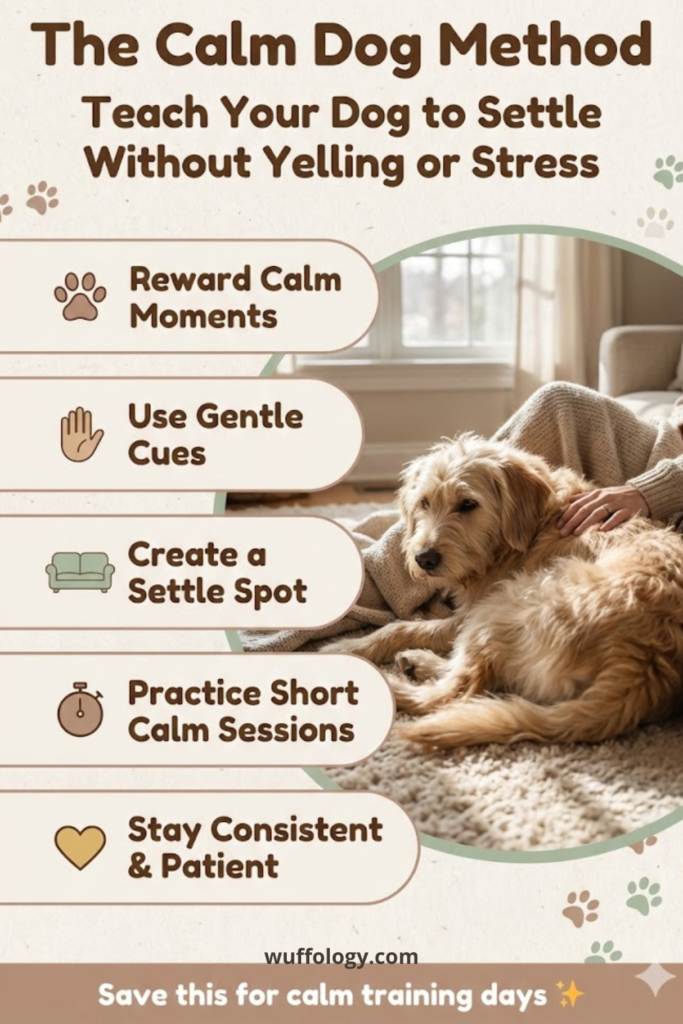

You don’t need to bark at your dog to get calm behavior. You don’t need alpha rolls, stern lectures, or a whistle from the Titanic. You need a plan your dog actually understands—and a vibe your dog wants to copy. Let’s build a chill, reliable “settle” using the Calm Dog Method: low drama, high clarity, and results you can live with.
Why Dogs Don’t Settle (And Why Yelling Doesn’t Help)
Your dog doesn’t “ignore” you to be petty. They likely feel confused, overstimulated, or totally untrained for the situation. When a dog can’t self-regulate, they ping-pong from stimulus to stimulus. Yelling doesn’t translate to “relax.” It translates to “we’re all freaking out.” Dogs mirror your energy. You amp up? They amp up. We need to teach them what “settle” looks like, and then reinforce the heck out of it.
The Calm Dog Method: Core Principles
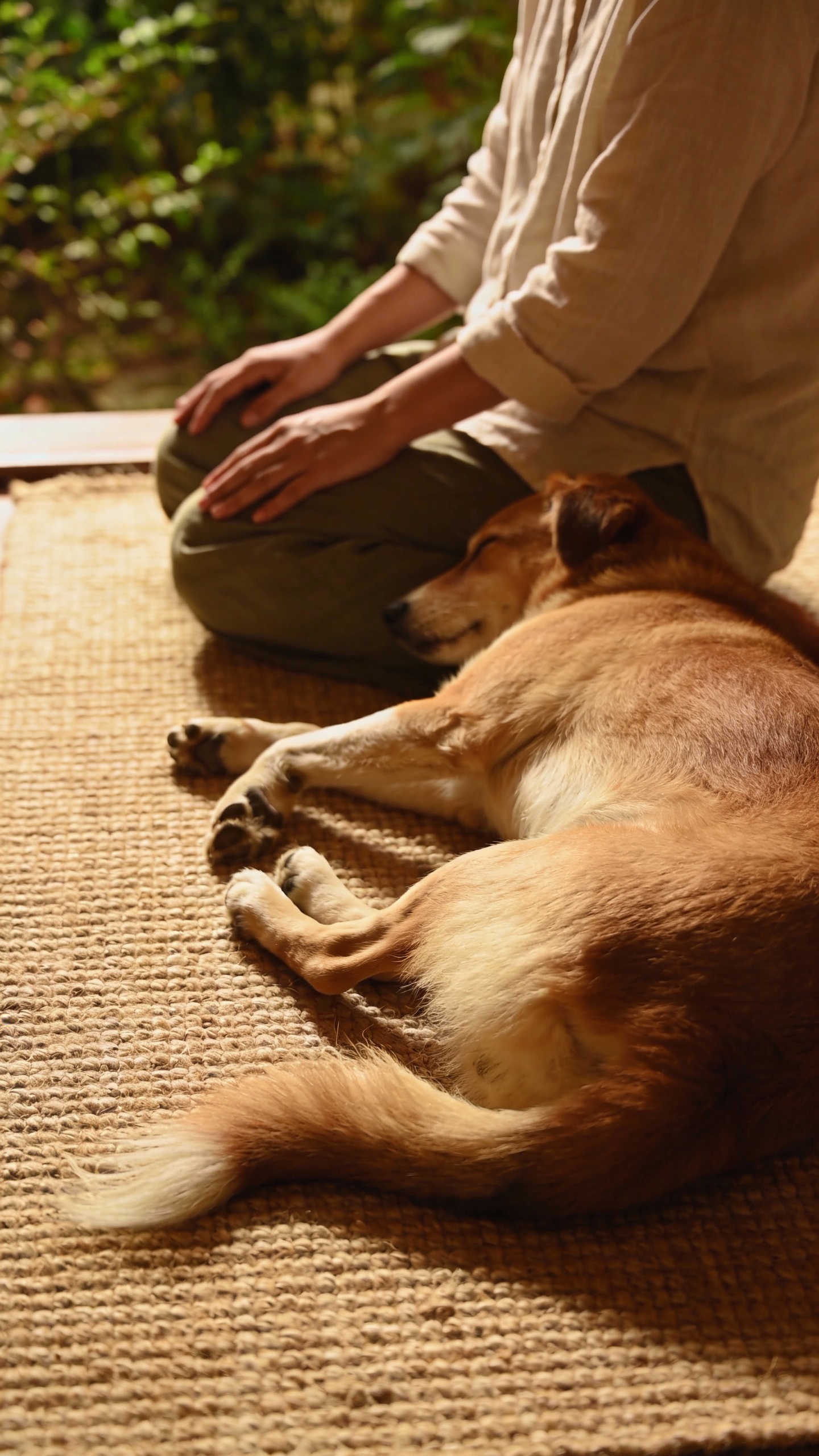
We’ll keep it simple and repeatable. You’ll build calm like a muscle and put it on cue.
- Reinforce calm, not chaos. Pay quiet behavior early and often.
- Lower the difficulty first. Train when your dog can actually succeed.
- Make calm predictable. Create routines that cue relaxation.
- Give a clear job. A mat or bed becomes the “office” for settling.
- Use decompression. Fulfill needs so your dog can relax afterward. (Tired ≠ fried.)
Step-by-Step: Teach “Settle” on a Mat
You’ll need a mat or bed, pea-sized treats, and 3–5 minutes. Yes, minutes. We want frequent, low-stress reps.
- Introduce the mat. Toss a treat on the mat. When your dog steps on it, mark with “Yes!” and drop another treat on the mat. Repeat until the mat screams “good things happen here.”
- Shape calm positions. Wait for a sit or down on the mat. Mark and reward on the mat. Keep rewards low and slow so the dog stays relaxed.
- Add a cue. Say “Settle” softly as your dog moves to lie down. Mark and reward. Don’t chant the cue; say it once when the behavior starts.
- Increase duration. Start with 2–3 seconds of calm. Feed a treat. Add a second. Feed again. Build to 20–30 seconds over short sessions.
- Layer in relaxation. Start feeding fewer, calmer treats. Occasionally drop a treat between the paws. Stroke gently once, then stop. Quiet matters.
- Release cue. Use “Okay” to end the settle. Toss a treat off the mat to reset. The release helps your dog understand when the job ends.
Pro Tip: Avoid the “Wind-Up” Treat
If your dog pops up after every treat, slow your delivery. Place the treat on the mat with deliberate, slow movement. Breathe. Your dog will copy your tempo.
Make Calm a Lifestyle, Not a One-Off

Your dog won’t generalize unless you help. Move the mat around and train in new contexts, then add life’s little distractions.
- Room switch. Practice in the living room, bedroom, and kitchen. Start easy each time.
- You moving. Stand, sit, take a step. Reward the dog for staying put.
- Household noise. TV on. Dishwasher hum. Door opens and closes. Keep it at a level where your dog can still succeed.
- Real-life reps. Dinner time, work calls, guests arriving. Use the mat as your dog’s “do-not-disturb” zone.
When to Reinforce vs. Ignore
– Reinforce: quiet eye blinks, a sigh, hip roll, relaxed jaw, chin down. – Ignore (don’t scold): little wiggles, head pops, minor repositioning. – Interrupt and reset: barking, whining, launching off the mat. Calmly reset and lower the difficulty.
Decompression: The Secret Sauce
You can’t out-train unmet needs. A wired dog can’t settle well.
- Sniffari walks. Slow, sniff-heavy strolls. Let your dog choose the route sometimes.
- Chews and licking. Stuffed Kongs, lick mats, safe chews. They downshift the nervous system.
- Short training bursts. Five-minute brain games beat marathon sessions. IMO, quality > quantity.
- Predictable rest. Guard your dog’s nap time like it’s gold.
Exercise Isn’t a Fire Hose
More fetch won’t fix overstimulation. If fetch turns your dog feral, swap some sessions for sniffing, puzzle toys, or scatter feeding. FYI: balance calms the brain.
Handling Triggers Without Meltdowns
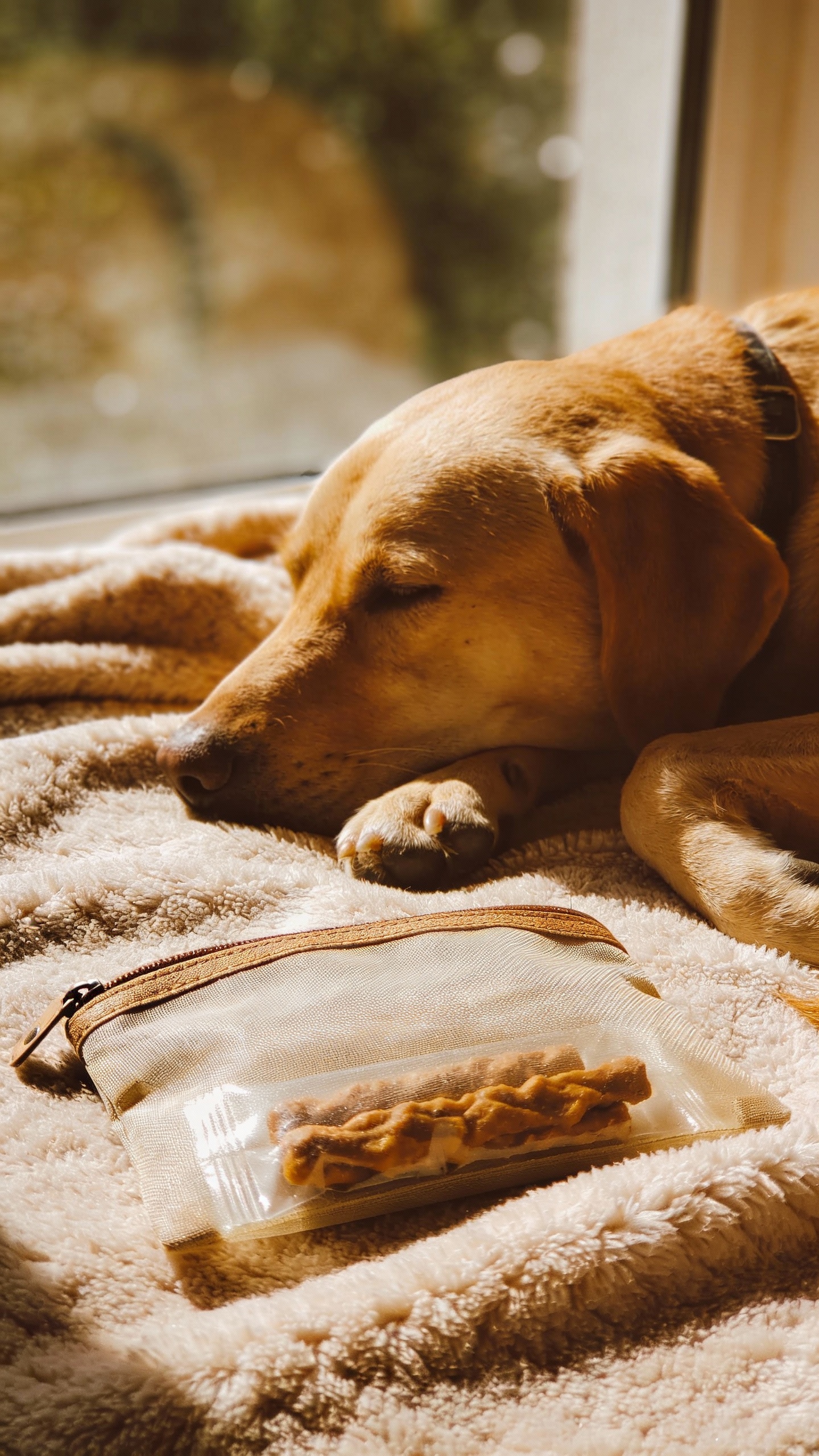
Your dog doesn’t need to “face their fears” at full blast. We’ll use distance and simple counter-conditioning.
- Find the threshold. Far enough from the trigger that your dog notices but stays functional.
- Pair trigger with calm. Trigger appears → you cue “Settle” on the mat → treat calmly while the trigger remains mild.
- Hide-and-seek breaks. If your dog spirals, create space, reset, and lower the intensity.
- Repeat short sessions. End while you’re winning. Momentum builds confidence.
Quick Pattern Games That Help
– 1-2-3 Treat: Walk and drop a treat on “3.” Predictable beats chaotic. – Treat-Scatter: Sprinkle a few on the ground to reset and decompress. – Hand Target: Nose to your palm, reward. It redirects and reconnects.
Common Mistakes (And Easy Fixes)
- Paying only big wins. Catch tiny calm moments. Reinforce the micro-choices.
- Training while hyped. Do a sniff break first. Then train.
- Too much cueing. Teach the behavior first, then add the word. One cue, not ten.
- Reinforcing chaos by accident. If you pay while your dog pops up, you trained popping up. Wait for calm, then pay.
- Jumping to hard environments. New room = easier criteria. Don’t skip steps.
Sample 7-Day Calm Builder Plan
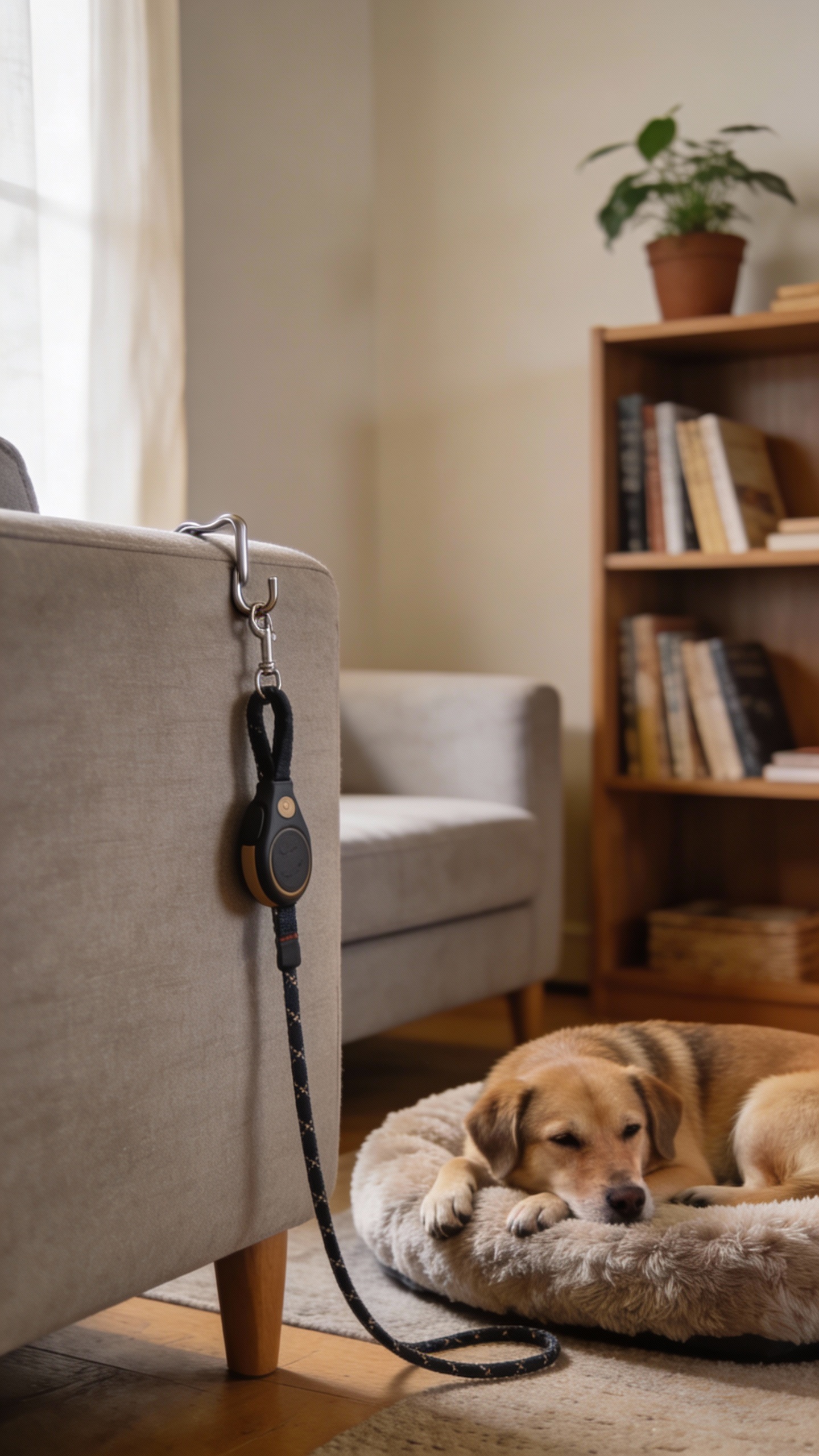
Day 1–2: Mat love in a quiet room. Ten 2-minute sessions. Pay for lying down and 5–10 seconds of chill. Day 3–4: Add gentle distractions. You stand, sit, shuffle. Build to 20–30 seconds. Day 5: Move to a new room. Lower criteria, then climb again. Day 6: Add background noise: TV or low music. Practice during your dinner. Day 7: Real-life trial. Invite a familiar friend over. Cue “Settle,” reinforce generously. If it’s messy, NBD—go easier and try again tomorrow.
FAQ
What if my dog won’t lie down on the mat?
Split the behavior into smaller steps. Mark and reward for stepping on it, then for a sit, then for lowering elbows, then for a full down. Lure gently with a treat if needed, but fade the lure fast. Keep sessions short and upbeat.
How long should a “settle” last?
Aim for consistency over marathons. Start at 5–10 seconds and add a few seconds each session. Many dogs can hit 10–15 minutes over time, but it’s earned through layers of success. Quality relaxation beats clock-watching.
Do I always need the mat?
The mat jumpstarts learning, but you can generalize. Once your dog nails it, practice “Settle” on different surfaces: rug, blanket, bare floor. Keep reinforcing calm in new spots until your dog understands the concept, not just the prop.
Should I use a crate instead?
Crates help some dogs, but crates don’t teach calm by themselves. Use a crate for safe rest and downtime, and train the “settle” separately. Both can coexist, and IMO, a trained settle gives you more flexibility.
My dog barks at every sound. Will this still work?
Yes, but pair it with sound desensitization. Play low-volume recordings of triggers, reinforce calm, and increase volume slowly over days. Add decompression walks and chews to lower overall arousal. It’s a combo move.
What if my dog breaks the settle as soon as guests arrive?
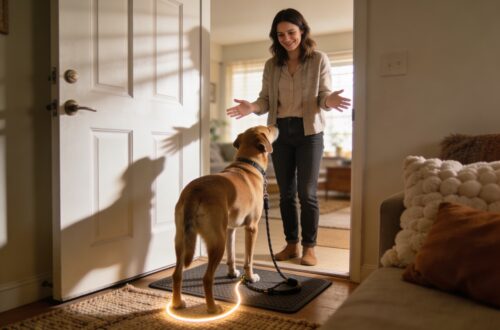
Pre-load success. Do a 3–5 minute settle before the doorbell. Park the mat away from the entry, leash for safety, and pay rapidly at first. Coach guests to ignore the dog for a few minutes. After the initial rush, your dog can greet calmly.
Conclusion
Calm isn’t magic—it’s trained, reinforced, and practiced in real life. You set the tone, you set the criteria, and you reward the behavior you want. Keep sessions short, keep your vibe steady, and celebrate tiny wins. With the Calm Dog Method, your dog learns to choose stillness—and you both get your sanity back.