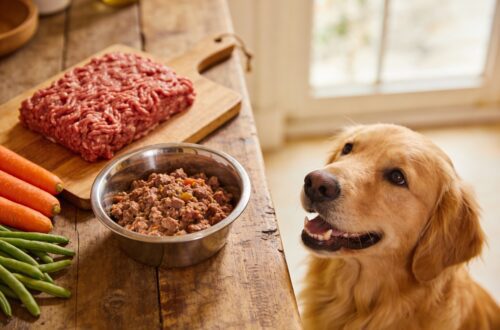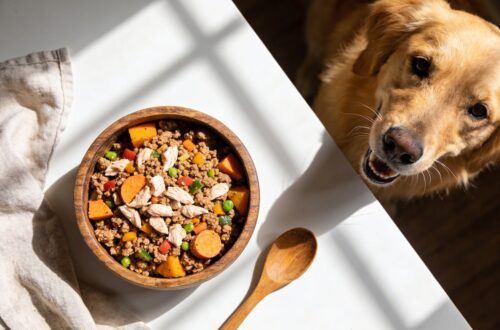
Your dog stares at their kibble like you just served them cardboard. Again. You know dry food is convenient and nutritious, but let’s be real—eating the same crunchy pellets every single day would drive anyone crazy. Good news: transforming that boring bowl into something your pup actually gets excited about is easier than you think.
Why Bother Adding Toppers to Dry Dog Food?
Before we dive into the good stuff, let’s talk about why this matters. Sure, your dog will probably eat plain kibble if they’re hungry enough, but is “good enough” really what we’re going for here? Adding toppers does more than just make meals tastier. Toppers can boost nutrition, add moisture to your dog’s diet, and make mealtime something they actually look forward to instead of tolerate. Plus, if you’ve got a picky eater or a senior dog who’s lost interest in food, the right topper can be a total game-changer. Think of it this way: you could eat plain oatmeal every day for the rest of your life, or you could throw in some berries, nuts, and honey. Same base, completely different experience. Your dog deserves that same variety.
The Protein Powerhouses
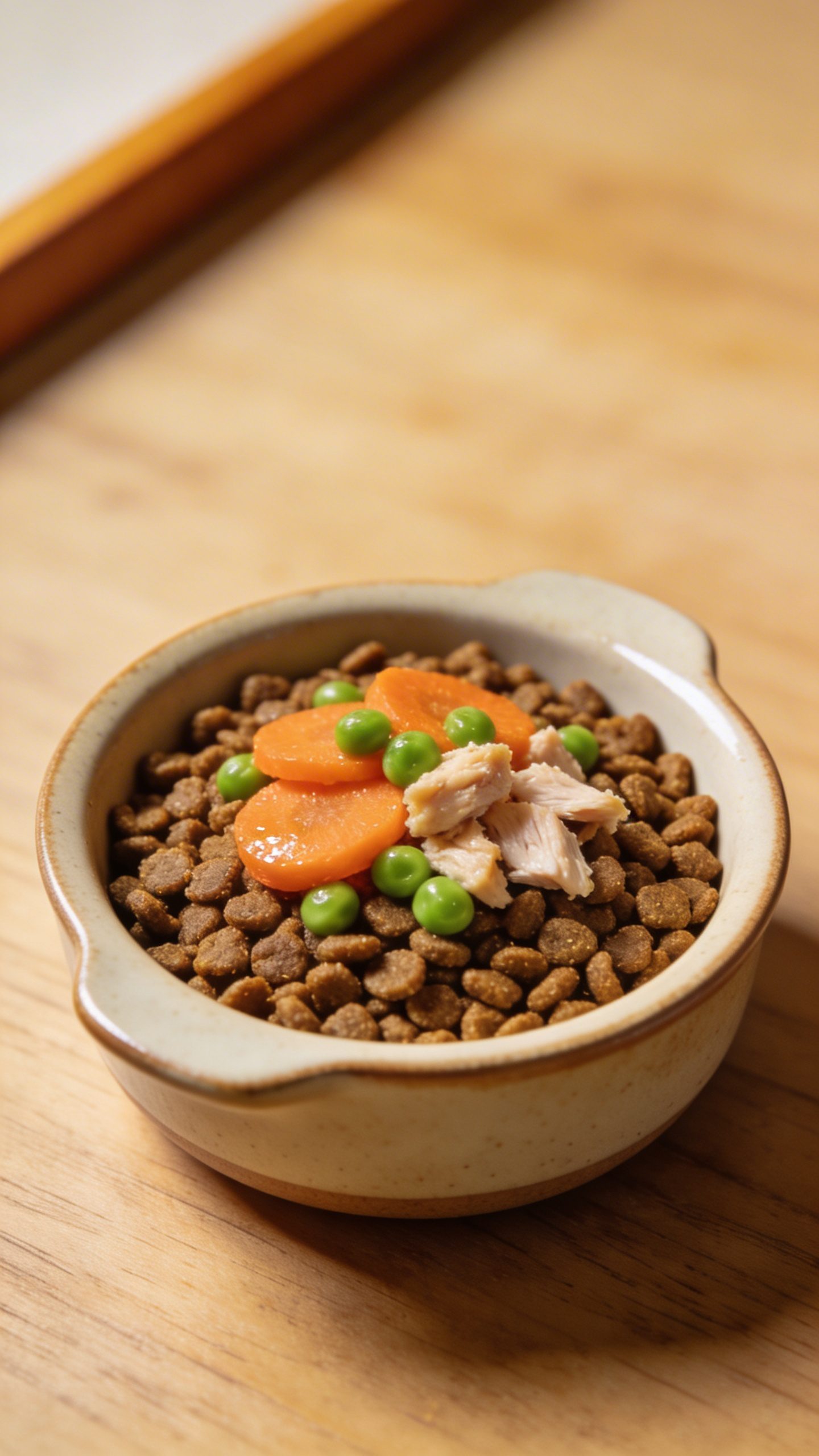
Plain Cooked Chicken or Turkey
This is the MVP of dog food toppers, and for good reason. Shredded chicken or turkey gets tails wagging faster than you can say “sit.” Just make sure you’re cooking it plain—no garlic, onions, or excessive salt. Boil it, bake it, or throw it in a slow cooker with some water. Pro tip: cook a big batch on Sunday and portion it out for the week. Your future self will thank you when you’re not scrambling to make dinner more interesting on a Wednesday night.
Eggs (Because Who Doesn’t Love Eggs?)
Scrambled, hard-boiled, or even raw if you’re comfortable with that—eggs are nutritional goldmines. They’re packed with protein, healthy fats, and vitamins that support everything from your dog’s coat to their muscles. One scrambled egg mixed into kibble transforms a boring meal into something restaurant-worthy in your dog’s eyes. And honestly? It takes like two minutes to scramble an egg. You’ve got two minutes.
Veggie Additions Your Dog Will Actually Eat
Yeah, yeah, dogs are carnivores. But they’re actually omnivores, and many dogs genuinely enjoy vegetables. Shocking, I know.
Sweet Potato or Pumpkin
These orange wonders are fiber-rich, vitamin-packed, and most dogs go absolutely nuts for them. You can use canned pumpkin (make sure it’s pure pumpkin, not pie filling), or roast some sweet potato chunks and mash them up. Bonus: pumpkin is great for digestive issues. Got a dog with a sensitive stomach? This might be your new best friend.
Green Beans and Carrots
These are the gateway vegetables for dogs. Green beans are super low in calories, which makes them perfect if your pup needs to shed a few pounds. Carrots add a satisfying crunch and help clean teeth while your dog chews. You can serve them cooked or raw, though cooking makes them easier to digest. Toss a handful into their bowl and watch them pick through the kibble to get to the good stuff first.
Bone Broth: Liquid Gold for Dogs
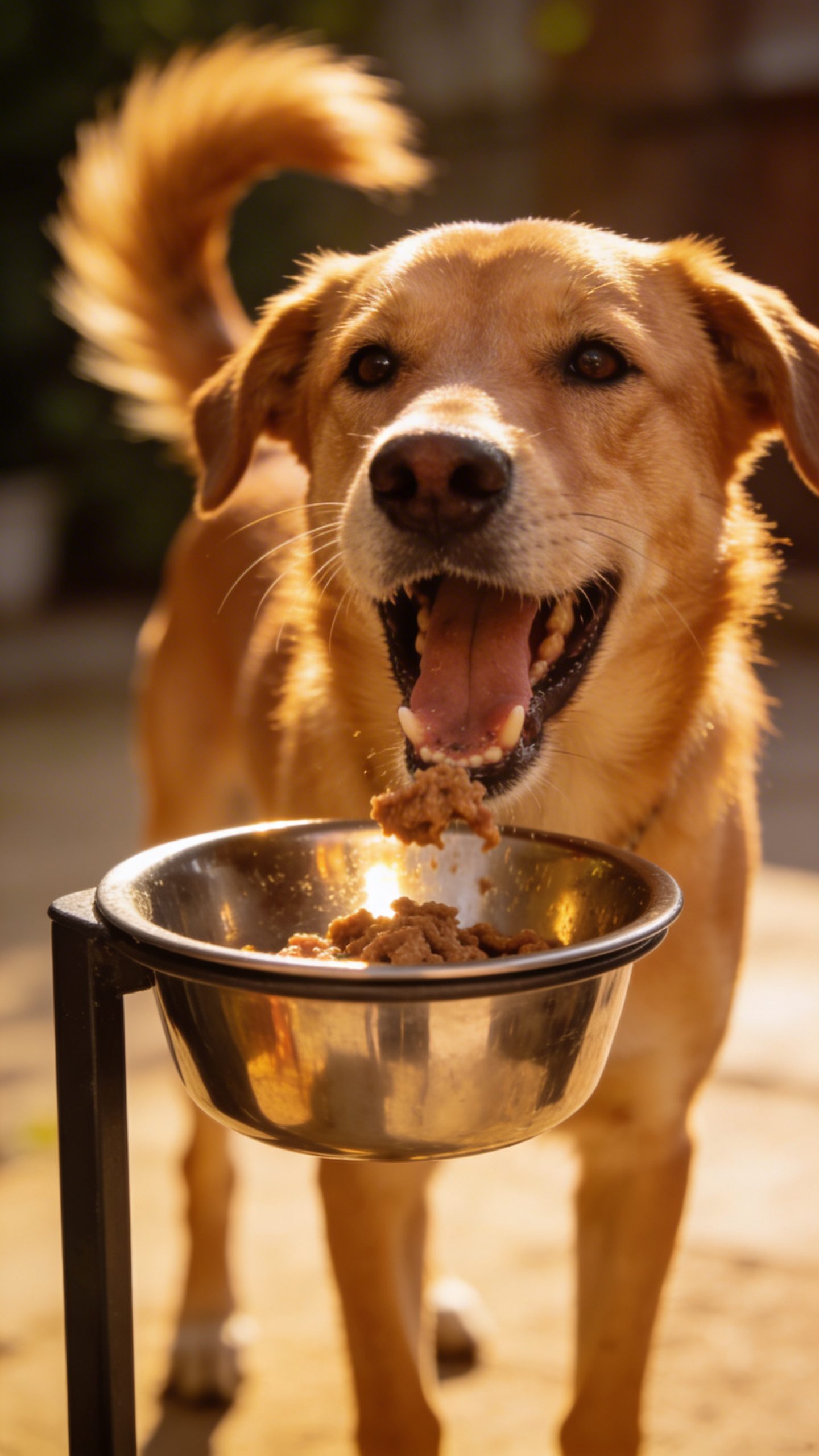
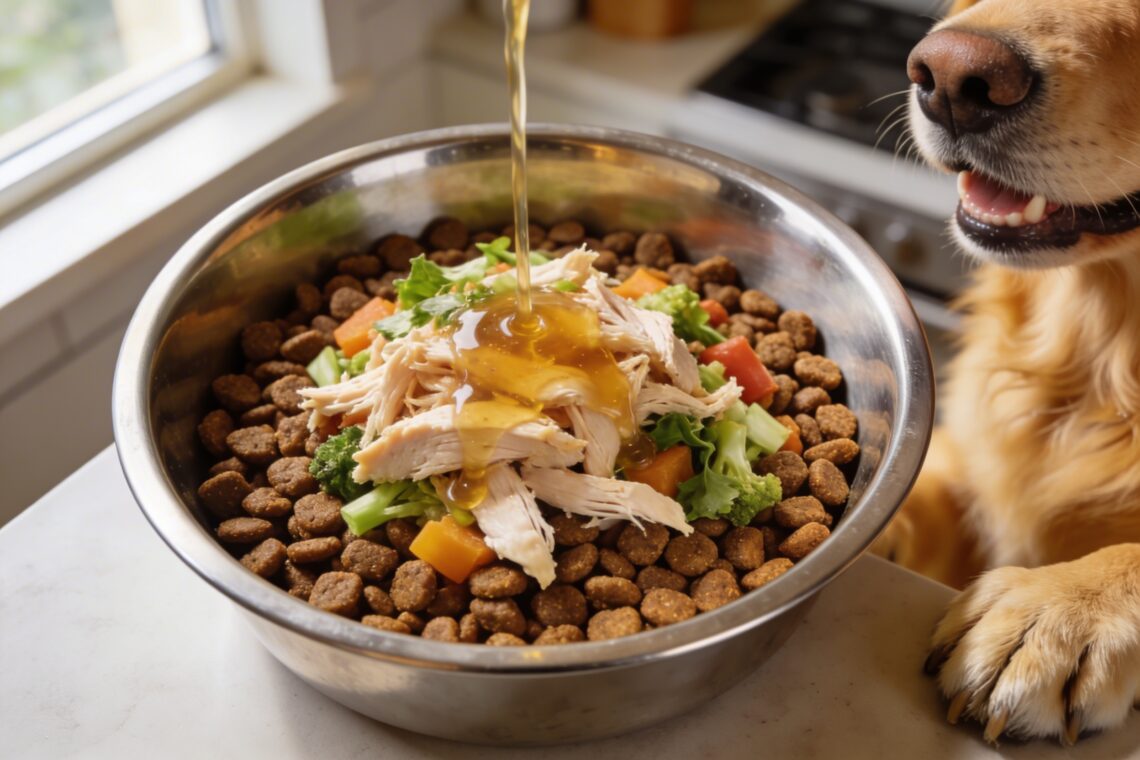
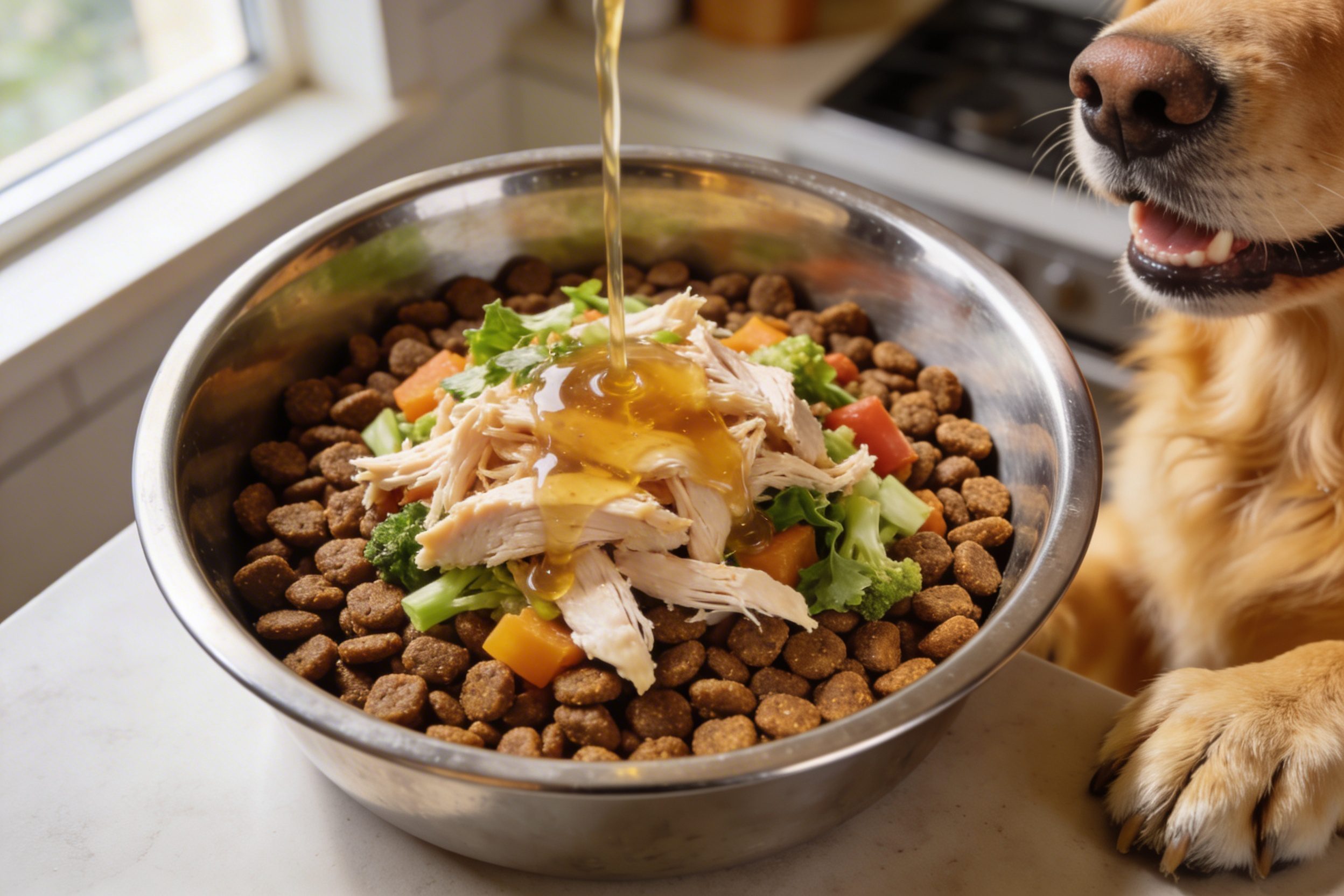
If you haven’t tried bone broth yet, you’re seriously missing out. This stuff is like magic in liquid form—it adds moisture, flavor, and tons of nutrients including collagen and amino acids that support joint health. You can make your own by simmering bones (chicken, beef, or turkey) for hours, or buy pre-made versions designed for dogs. Just pour a few tablespoons over the kibble and let it soak in for a minute. Your dog will think you’ve completely upgraded their meal plan. FYI, this is especially clutch for dogs who don’t drink enough water. The extra moisture helps keep them hydrated without them even realizing it.
The Dairy Department (With Caution)
Plain Yogurt or Kefir
Hold up—before you dump your flavored yogurt into your dog’s bowl, let me stop you. We’re talking plain, unsweetened yogurt with live probiotics. Greek yogurt works great because it’s lower in lactose. The probiotics support gut health and digestion, plus most dogs think it’s absolutely delicious. Start with small amounts to make sure your dog tolerates it well, because some dogs are more lactose intolerant than others.
Cottage Cheese
This one’s a bit divisive—some dogs love it, some couldn’t care less. But for the ones who dig it, cottage cheese provides protein and calcium in a soft, easy-to-eat form. It’s particularly good for senior dogs or picky eaters who need some extra incentive.
Healthy Fats That Make Everything Better
A little fat goes a long way in making kibble more palatable. Plus, healthy fats support skin and coat health, brain function, and overall wellness. Fish oil or salmon oil is probably the most popular option here. Just a pump or two over their food adds omega-3 fatty acids and a fishy smell that drives most dogs wild. You can also use actual sardines or mackerel packed in water—just drain them first. Another option? A small drizzle of olive oil or coconut oil. We’re talking like a teaspoon, not a tablespoon. You want to enhance the food, not turn it into a greasy mess.
Pre-Made Toppers: When You’re Too Busy to DIY
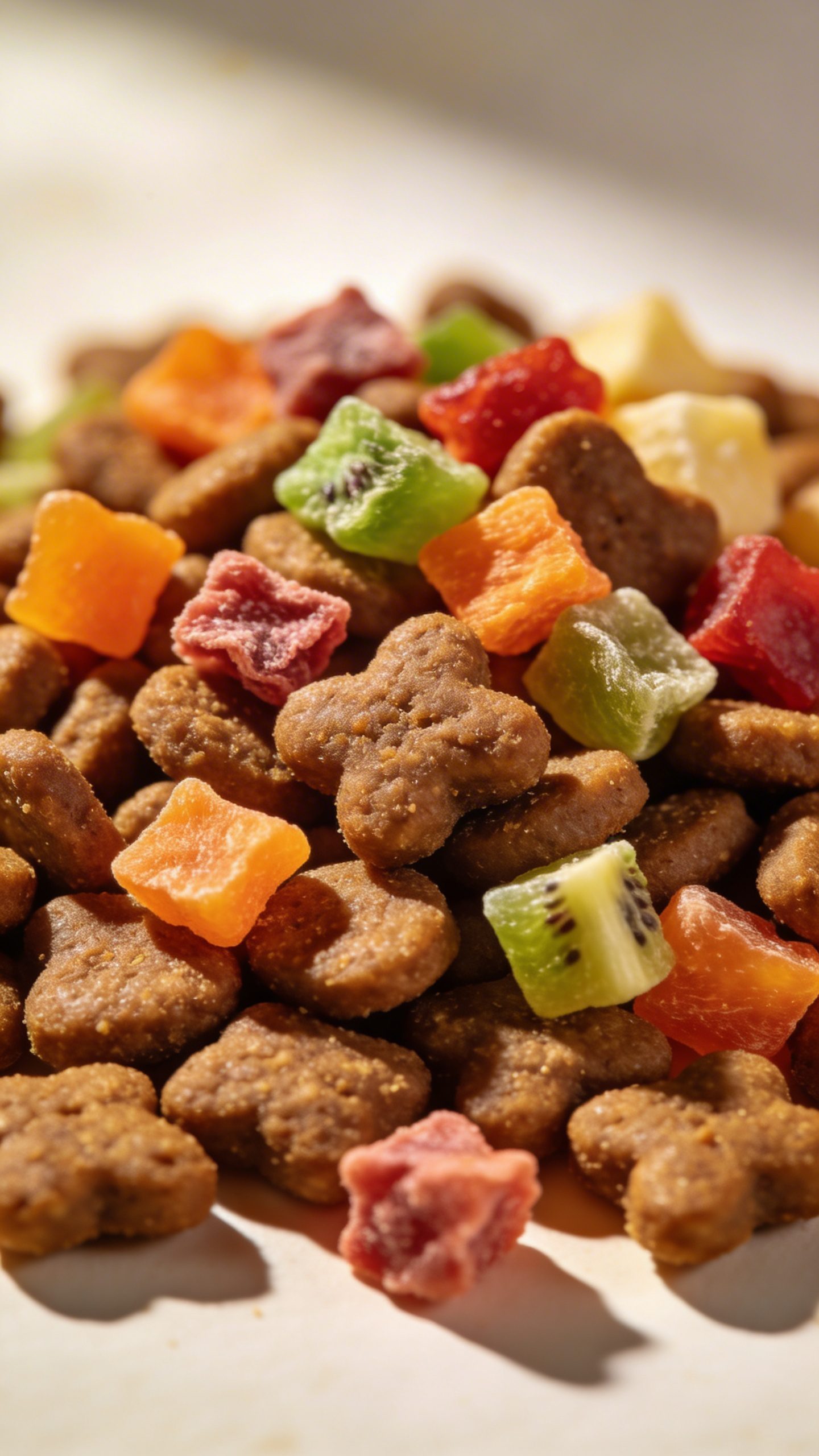
Look, I get it. Some days you barely have time to feed yourself, let alone prep fancy dog food additions. That’s where commercial toppers come in clutch. The market is flooded with options now—freeze-dried raw toppers, wet food specifically designed as toppers, dehydrated veggie mixes, you name it. Brands like Stella & Chewy’s, Honest Kitchen, and Instinct make quality products that you can literally just sprinkle on top. Are they more expensive than DIY options? Absolutely. But convenience has a price, and sometimes that price is worth it. No judgment here—fed is best, whether you’re cooking from scratch or ripping open a pouch.
Common Mistakes to Avoid
Before you go wild with toppers, let’s talk about what NOT to do. First off, don’t let toppers make up more than 10-25% of your dog’s meal. The kibble is nutritionally balanced, and you don’t want to throw that off by going overboard. Second, introduce new toppers gradually. Your dog’s stomach might not appreciate you suddenly dumping five new ingredients into their bowl at once. Start small, see how they react, then adjust. And please, for the love of all that is holy, avoid toxic foods. No grapes, raisins, onions, garlic, chocolate, or xylitol. I know you probably know this already, but it’s worth repeating.
Frequently Asked Questions
Can I mix wet food and dry food together?
Absolutely! This is one of the easiest ways to make dry food more appealing. Just spoon some wet food over the kibble and mix it up. Your dog gets the nutritional benefits of both, plus the texture variety keeps things interesting. Just remember to adjust portions so you’re not overfeeding.
Will adding toppers make my dog stop eating plain kibble?
This is a valid concern, and honestly? It depends on your dog. Some dogs will hold out for the good stuff if they know it’s coming. The solution is to rotate toppers and occasionally serve plain kibble so they don’t get too spoiled. Think of it like a kid who eats vegetables better when there’s variety, not the same thing every single night.
How do I know if I’m adding too much?
Watch your dog’s weight and poop. Seriously. If they start gaining weight, you’re probably adding too many calories. If their stool gets loose, you might be overdoing it or introducing things too quickly. IMO, starting with just a tablespoon or two of toppers is the way to go, then adjusting from there.
Are there toppers I should avoid for puppies vs. senior dogs?
Puppies have different nutritional needs than adult dogs, so you want to be careful not to mess with their balanced puppy food too much. Stick to mild, easily digestible options like plain chicken or pumpkin. Senior dogs, on the other hand, often benefit from softer toppers and things that support joint health, like bone broth or fish oil.
Can toppers help with weight management?
Definitely! If you’re trying to help your dog lose weight, you can reduce their kibble amount slightly and bulk up the meal with low-calorie toppers like green beans, pumpkin, or broth. They’ll feel fuller without consuming as many calories. Just make sure you’re not accidentally adding high-calorie toppers that defeat the purpose.
Do I need to refrigerate leftovers?
Yes, treat dog food toppers like you would your own food. Cooked chicken, opened cans of pumpkin, bone broth—all that stuff needs to be refrigerated and used within a few days. Freeze portions if you’re meal prepping for the week. Nobody wants to serve their dog spoiled food.
Wrapping It All Up
Transforming your dog’s dry food from boring to brilliant doesn’t require a culinary degree or hours in the kitchen. Whether you’re adding a simple scrambled egg, drizzling some bone broth, or sprinkling on freeze-dried raw food, you’re making mealtime something your dog actually enjoys. The key is finding what works for YOUR dog and YOUR schedule. Some days that might mean elaborate meal prep, other days it might mean opening a can of pumpkin. Both are totally fine. Your dog doesn’t care about Instagram-worthy presentations—they just want food that tastes good and makes their human happy to watch them eat. So grab one of these toppers and give it a try tonight. That tail-wagging, bowl-licking enthusiasm you’ll see? Totally worth the extra 30 seconds of effort.