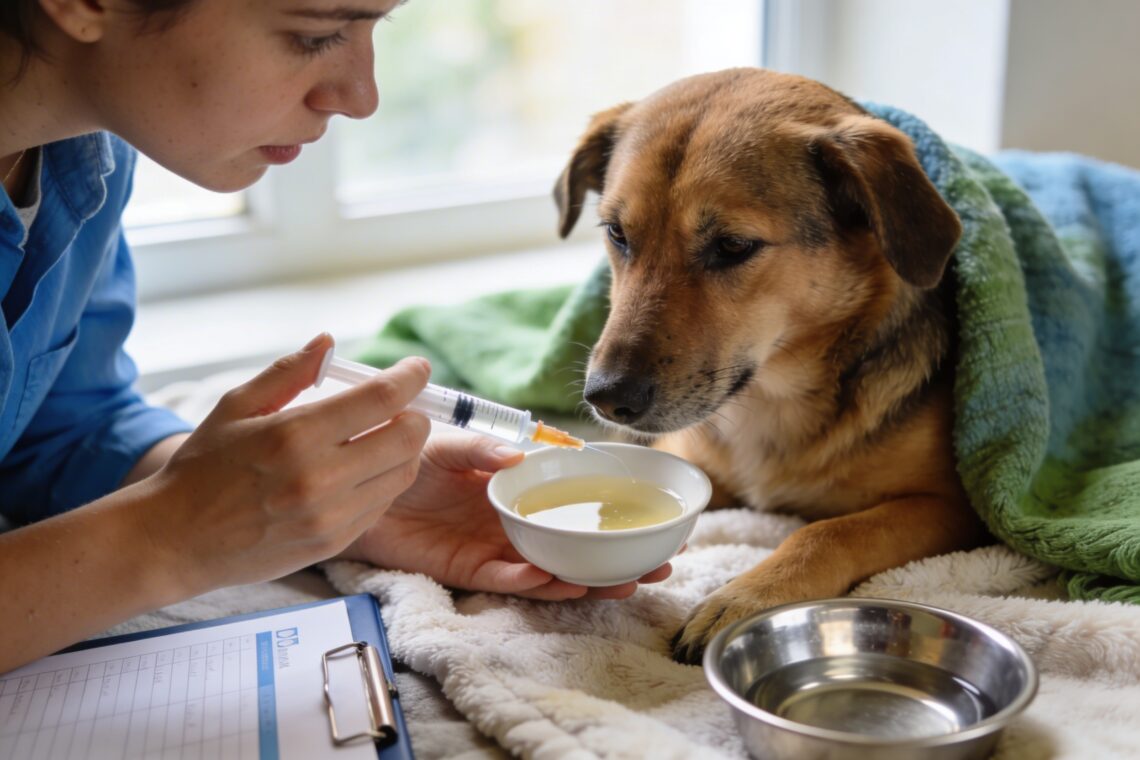
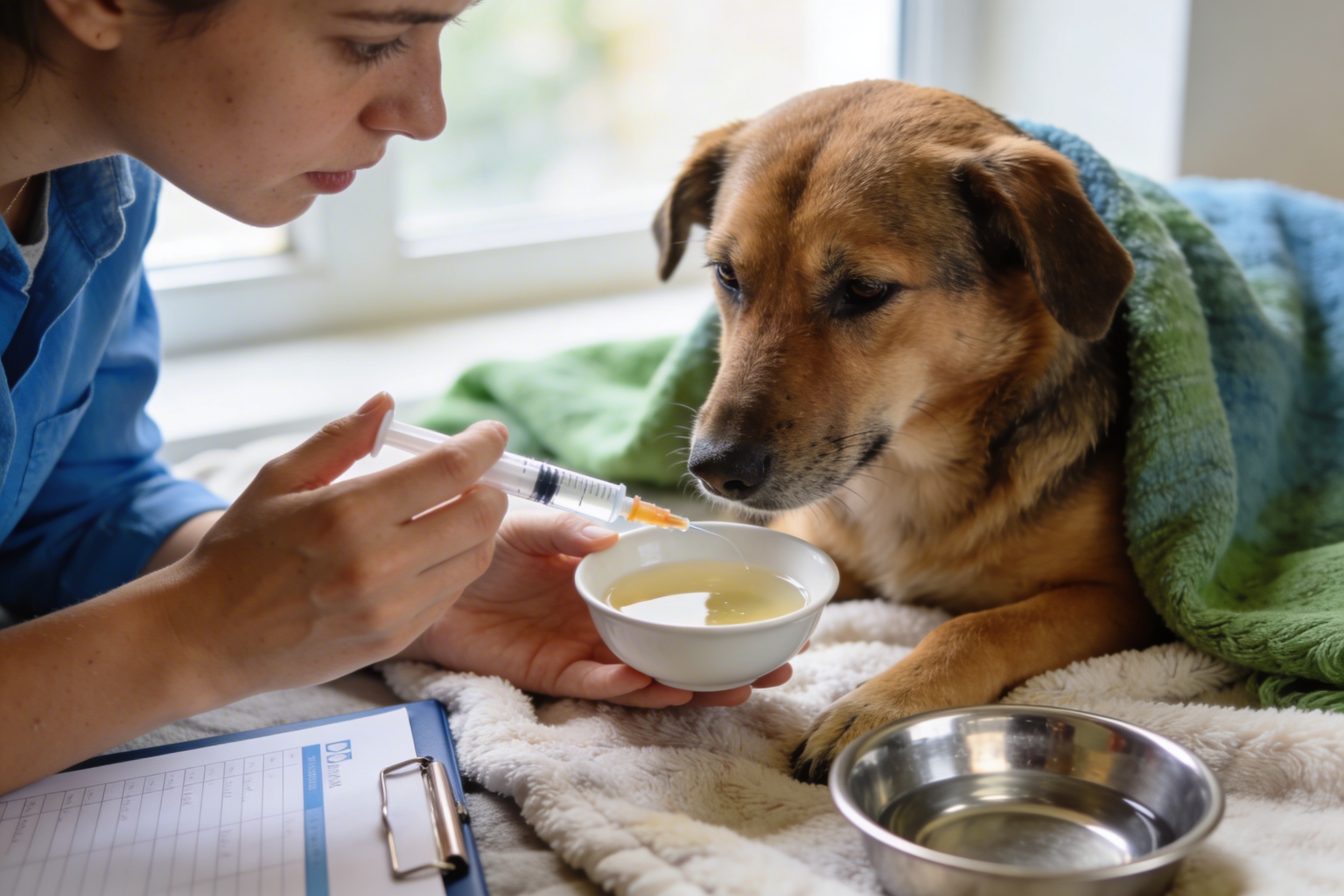
Your dog doesn’t feel great, and you want to help now—not after a week of waiting and a million-dollar vet bill. Good news: you can comfort a sick pup with safe, simple stuff you already own. Even better? These home remedies actually help while you figure out if a vet visit is needed. Let’s keep your best friend comfy, hydrated, and on the mend—without turning your kitchen into a science lab.
First, Don’t Skip This: When to Call the Vet
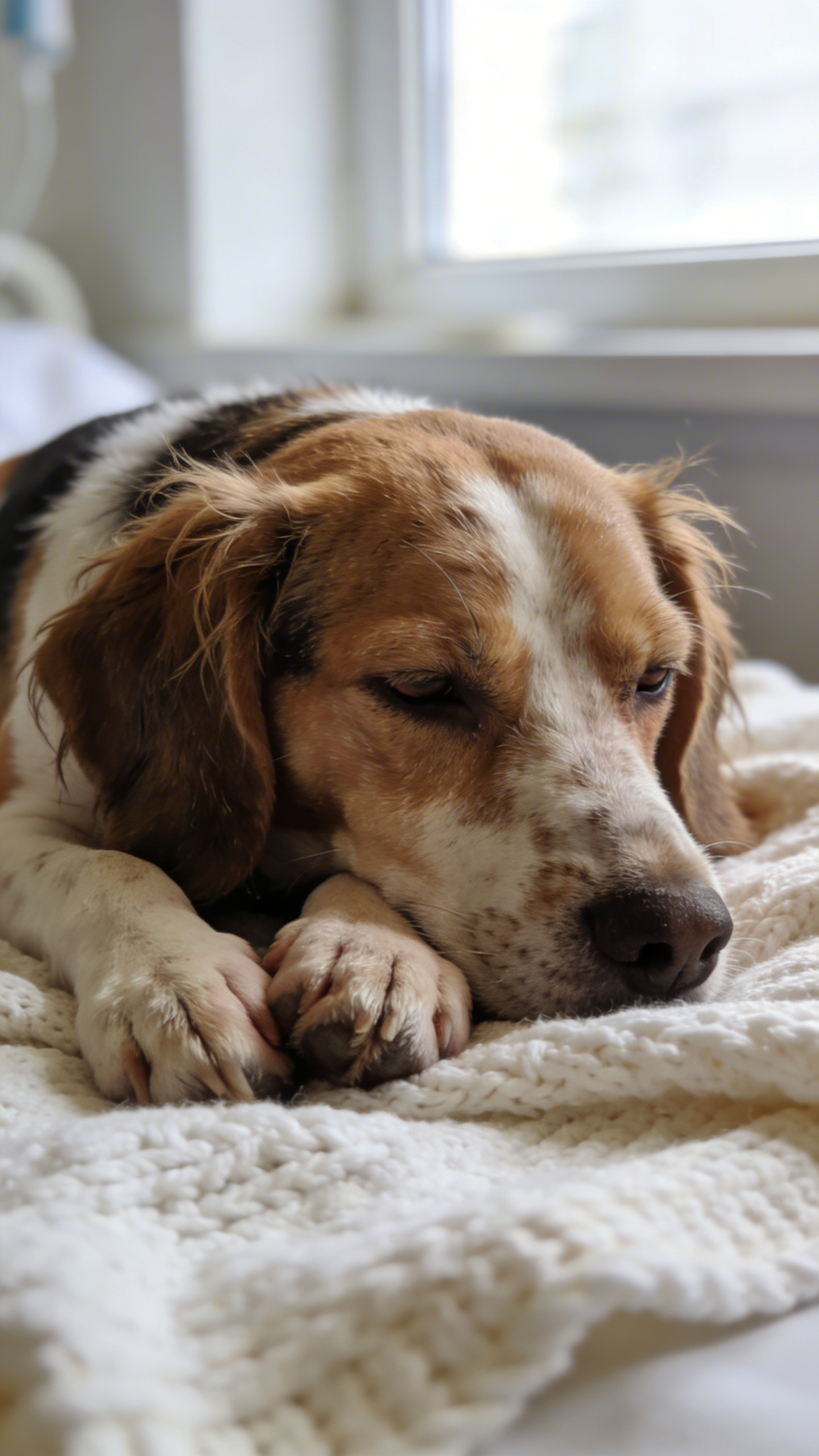
Home remedies help with mild, short-term issues only. Think upset stomach, soft stools, mild nausea, or a little fatigue after a long play day. If your dog shows any of the red flags below, call your vet ASAP. No DIY heroics, please.
- Vomiting/diarrhea for more than 24 hours or any blood in stool/vomit
- Lethargy, collapse, trouble breathing, or pale gums
- Refusal to drink for 12+ hours or signs of dehydration (tacky gums, sunken eyes)
- Abdominal pain, bloating, or retching without producing vomit (possible bloat—emergency)
- Toxins ingested (grapes, xylitol, onions, meds, lilies, etc.)
- Puppies, seniors, or dogs with chronic conditions—play it safe and call
Hydration Hacks: The #1 Priority
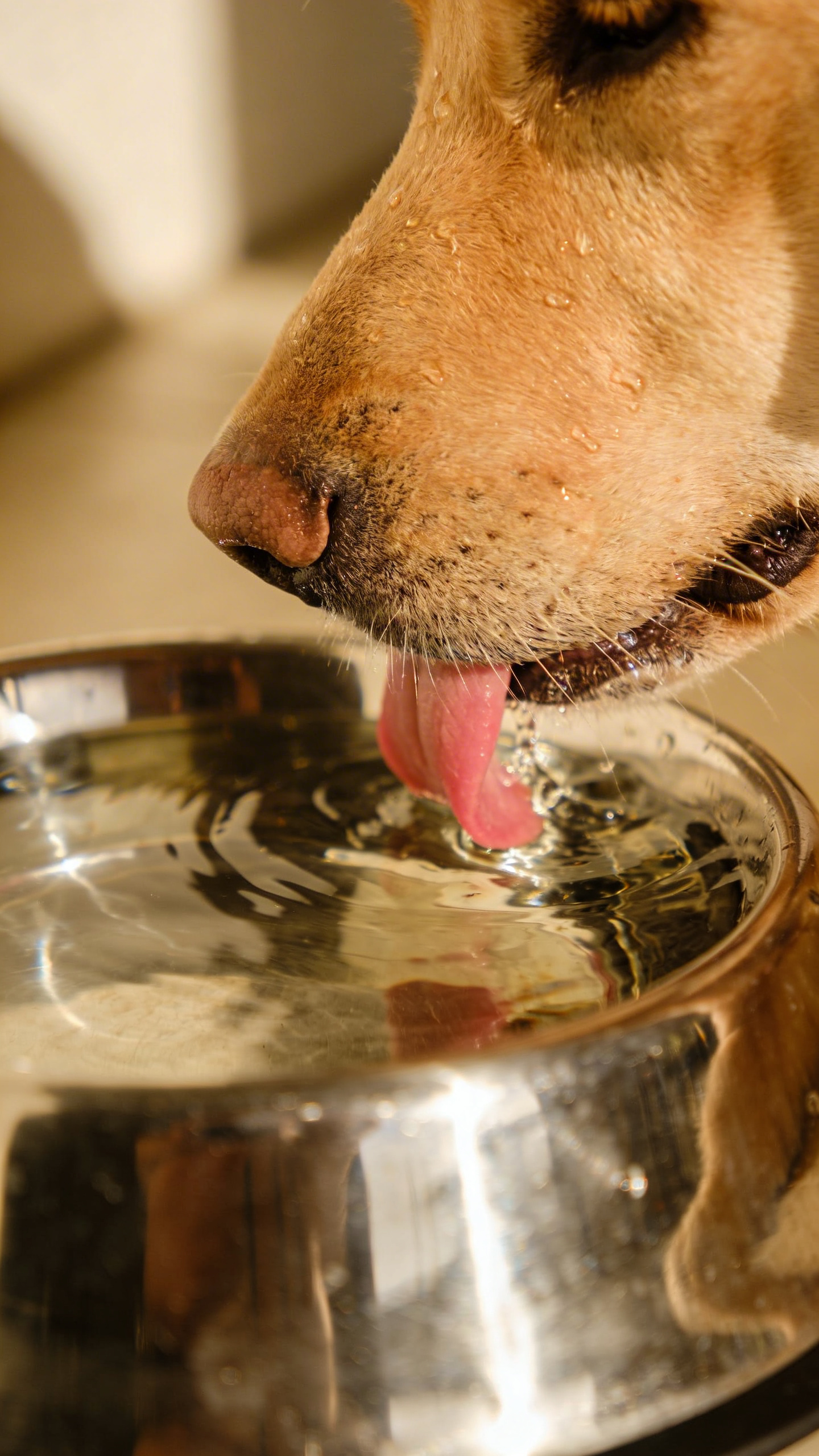
Dogs dehydrate fast when sick. Water matters more than food in the first 12–24 hours if your dog has tummy trouble. Encourage small, frequent sips—don’t let them chug like it’s spring break.
- Offer ice chips or crushed ice if water seems unappealing.
- Try low-sodium bone broth (homemade or unsalted store-bought). Warm it slightly for extra enticement.
- Use an oral rehydration solution made for pets, or mix 1 liter water + 1/2 tsp table salt + 2 tbsp sugar (short-term use only). FYI: avoid flavored sports drinks—too much sugar and additives.
- Flavor their water with a splash of tuna water (from tuna in water, not oil) or broth.
Gentle Stomach Soothers
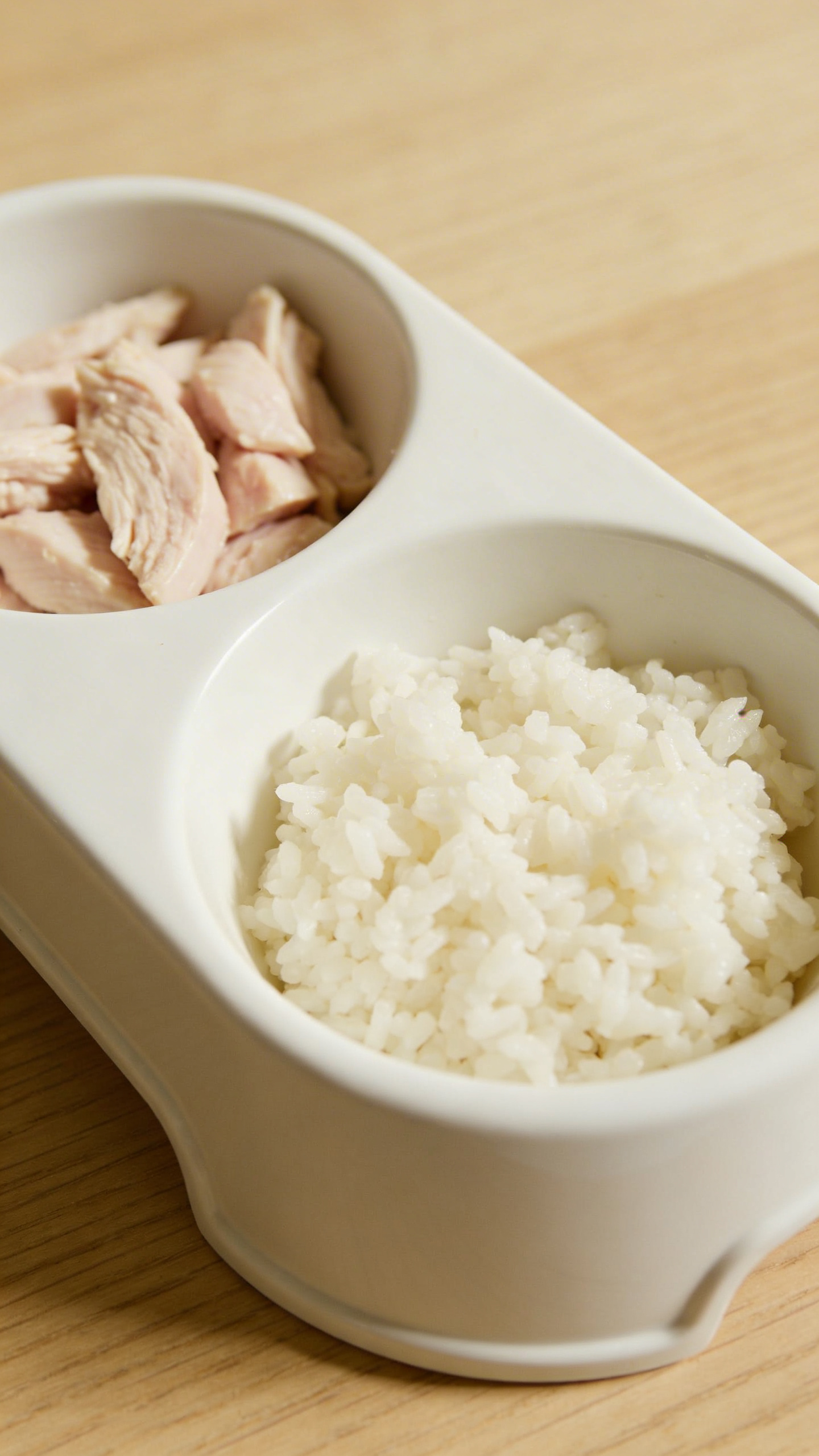
If your dog vomited once or has mild diarrhea but still acts fairly normal, you can try a short rest for the gut and bland foods. Skip food for 6–12 hours (not puppies or tiny breeds), then reintroduce small meals.
The Bland Diet Basics
- Boiled chicken and rice: 2 parts cooked white rice to 1 part skinless, boneless chicken. Tiny portions, 3–4 times daily.
- Turkey and pumpkin: Lean ground turkey (boiled and rinsed) with plain canned pumpkin (not pie filling). Pumpkin adds fiber and helps both diarrhea and mild constipation.
- Baby food hack: Stage 2 meat-only baby food (no onions/garlic) works for picky eaters.
Portions: Start with 1–2 tablespoons per 10 lbs body weight per meal. If they keep it down, slowly increase over 24–48 hours, then transition back to regular food over 3 days.
Nausea and Gas Helpers
- Ginger (for mild nausea): A pinch of powdered ginger mixed into food—about 1/8 tsp per 10 lbs, 1–2x daily. IMO, fresh grated ginger tea (very weak) also works for choosy pups.
- Fennel tea (for gas): Brew weak fennel tea, cool it, and offer a spoonful or two. It’s gentle and dog-safe in tiny amounts.
- Probiotics: A canine probiotic powder or plain, unsweetened yogurt (1 tsp per 10 lbs) can help balance the gut. Pick dairy carefully if your dog gets gassy with yogurt—use pet probiotics instead.
Safe Pantry Add-Ons That Actually Help
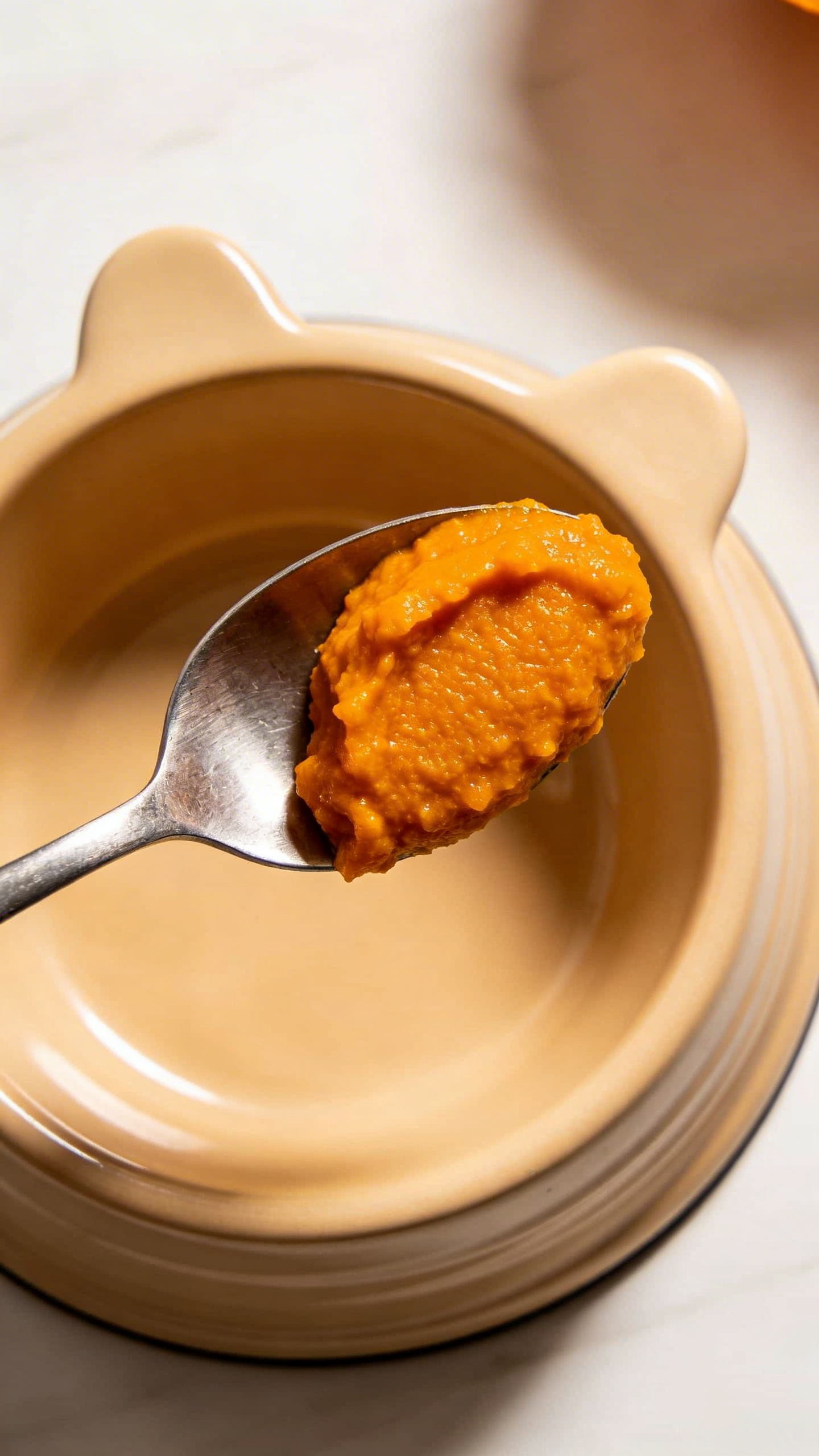
Not every “natural” thing on the internet deserves your dog’s bowl. These do—used correctly.
- Plain canned pumpkin: 1 tsp per 10 lbs for diarrhea or constipation. Fiber for the win.
- Bone broth: Hydration + minerals. Make sure it’s onion- and garlic-free. Great for appetite stimulation.
- Slippery elm powder: Coats the GI tract. Typical dose: 1/8–1/4 tsp per 10 lbs, mixed with water into a syrup, 1–2x daily. Avoid with other meds within 2 hours (it can reduce absorption).
- Chamomile tea: Weakly brewed and cooled; a spoon or two can soothe a nervous stomach. Also works as a gentle eye rinse if diluted and cooled (use a clean cotton pad).
- Honey: For mild cough or sore throat in adult dogs—1/2 tsp per 10 lbs, 2–3x daily. Never give honey to puppies under 1 year.
Comfort Measures That Speed Recovery
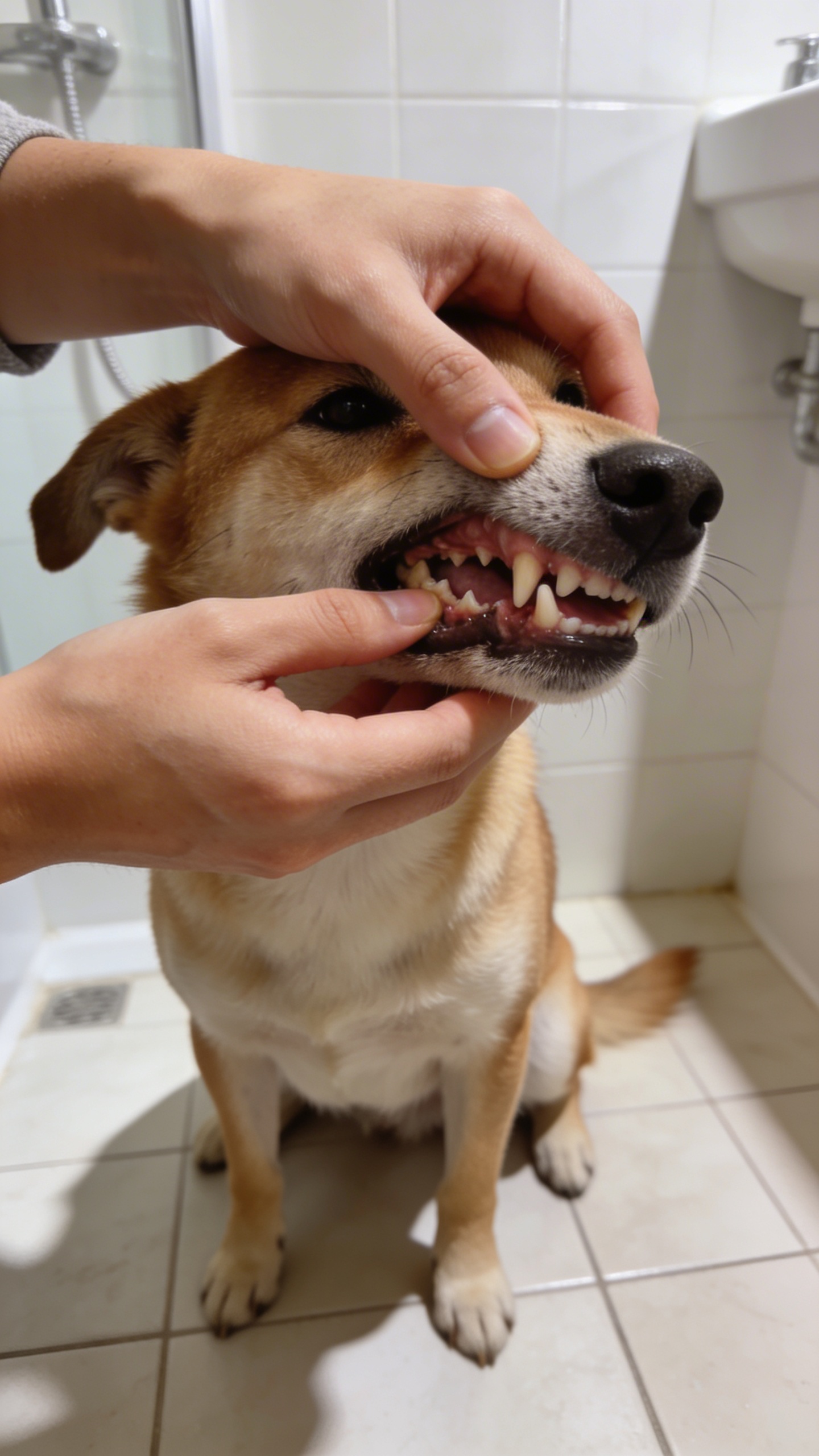
Sometimes the “remedy” isn’t food—it’s comfort. Dogs heal faster when stress stays low and sleep comes easy. Shocking, I know.
- Warmth: A cozy bed away from drafts. Warm (not hot) heating pad wrapped in a towel for sore muscles or chills.
- Quiet time: Reduce excitement, limit stairs and rough play. Short, slow potty breaks only.
- Elevated bowls: If nausea or reflux hits, raise the bowl slightly. Small meals prevent stomach overload.
- Grooming check: Gently wipe eye gunk, clean paws, and brush out loose fur. They feel better instantly.
Natural Support for Tummy Troubles
Some issues keep coming back (looking at you, sensitive stomachs). A few safe supplements can improve resilience. Always introduce one at a time.
Daily Gut Helpers
- Probiotics: A dog-specific brand with multiple strains. Use daily during and after GI upset for a week.
- Prebiotic fiber: Inulin or psyllium husk, tiny amounts only—1/4 tsp for small dogs, 1/2 tsp for medium, 3/4 tsp for large. Mix with lots of water.
- Omega-3s (fish oil): Anti-inflammatory and can soothe IBD-prone guts. Typical dose: 50–100 mg EPA+DHA per kg body weight daily. Use a pet-safe product.
What About Activated Charcoal?
Skip unless your vet says yes. Timing, dosing, and risks depend on what your dog ate. If you suspect poisoning, call a vet or pet poison hotline immediately.
Stuff People Swear By (But You Shouldn’t)
Let’s save you from “Facebook University.” These can harm your dog or just waste time while your dog feels awful.
- Essential oils in water: No. Dogs can aspirate oils; some are toxic. Diffusers can also irritate airways.
- Garlic/onion for “immunity”: Huge nope—both can damage red blood cells.
- Human meds like Pepto, Tylenol, Advil: Many are dangerous or dose-sensitive. Ask your vet first.
- Raw dairy overload: Can make GI symptoms worse. If you use yogurt/kefir, keep it minimal and plain.
- Apple cider vinegar for everything: Doesn’t fix GI bugs and can worsen nausea. Use for salad dressing, not dogs.
Simple Care Plan You Can Follow Today
- Check symptoms. No red flags? Proceed. Red flags? Call the vet. IMO, trust your gut—you know your dog best.
- Hydrate first. Offer water, ice chips, or low-sodium broth every 30–60 minutes in small amounts.
- Rest the gut 6–12 hours if vomiting/diarrhea started recently (not for puppies or toy breeds).
- Start bland meals in tiny portions. Add pumpkin or slippery elm if stools are off.
- Provide comfort. Warm, quiet space. Short potty trips.
- Reassess in 12–24 hours. If no improvement (or symptoms worsen), call your vet. Don’t wait it out for days.
FAQ
How long should I keep my dog on a bland diet?
Usually 2–3 days. If stools firm up and your dog acts normal, transition back to regular food over another 2–3 days by mixing increasing amounts of their normal diet into the bland diet. If diarrhea or vomiting returns during the transition, slow down or call your vet.
Can I give my dog rice water?
Yes, rice water (the starchy water from boiling white rice) can help mild diarrhea and keep hydration up. Offer small amounts frequently. It’s not a miracle cure, but it’s gentle and safe for short-term use.
What if my dog refuses all food?
Focus on fluids first. Try warmed broth, a lick of honey for adults, or meat-only baby food on a spoon. If your dog refuses food for 24 hours or water for 12 hours, call your vet. That’s your line in the sand.
Is pumpkin safe every day?
In small amounts, yes. It’s basically fiber and beta carotene. Keep it to 1 tsp per 10 lbs daily unless your vet says otherwise. Too much fiber can cause gas or looser stools—fun for no one.
What about CBD for nausea or pain?
Some dogs benefit, but quality and dosing vary wildly. If you consider it, choose a pet-specific product with a Certificate of Analysis and talk to your vet, especially if your dog takes other meds. Don’t DIY high doses.
My dog keeps getting tummy upsets. Now what?
Track triggers—rich treats, sudden diet changes, scavenging, stress. Add a daily probiotic, consider a limited-ingredient or sensitive-stomach formula, and slow any food transitions over 7–10 days. If issues persist, ask your vet about food allergies, parasites, or chronic GI disease.
Bottom Line
When your dog feels crummy, keep it simple: hydrate, rest the gut, feed bland, and offer comfort. Use a few targeted, dog-safe add-ons like pumpkin, slippery elm, and probiotics. Watch for red flags and don’t wait to call your vet if something feels off. FYI: your dog doesn’t care that you’re not a “professional”—they just want you nearby, with broth and belly rubs. You’ve got this.