

Your Whoodle is basically the canine equivalent of that friend who’s always happy to see you and never cancels plans. This soft coated, poodle mix bundle of joy needs more than just cuddles and Instagram photos, though. Let me walk you through the care essentials that’ll keep your Whoodle healthy, happy, and out of the vet’s office for anything more serious than routine checkups.
Understanding Your Whoodle’s Unique Needs
Before we dive into the care tips, you need to know what you’re actually dealing with. Whoodles are a cross between a Soft Coated Wheaten Terrier and a Poodle, which means you’ve got a dog with high energy, high intelligence, and a coat that demands attention. Think of them as the overachievers of the dog world who also happen to be class clowns. These dogs inherited the best traits from both parents, but also some of their quirks. The good news? Most Whoodle problems are completely preventable when you know what you’re doing. The bad news? You actually have to do the things. Revolutionary concept, I know.
Grooming: Your New Part-Time Job

Let’s get the elephant in the room out of the way first. That gorgeous, wavy coat that made you fall in love with your Whoodle? It’s going to require serious commitment. We’re talking about a grooming schedule that would make most humans jealous.
Daily Brushing Is Non-Negotiable
You need to brush your Whoodle every single day. Yes, every day. Their coat mats faster than you can say “professional groomer,” and once those mats form, you’re in for a world of pain (mostly for your wallet and your dog’s comfort). Spend 10-15 minutes running a slicker brush through their coat, paying extra attention to behind the ears, under the legs, and around the collar area.
Professional Grooming Every 6-8 Weeks
Unless you’ve got grooming skills that rival a seasoned pro, book regular appointments with a groomer. They’ll handle the haircut, nail trimming, and ear cleaning that keeps your Whoodle looking sharp and feeling comfortable. FYI, skipping these appointments to save money usually backfires when you end up paying for mat removal or treating skin infections.
Exercise: Tire Them Out or Pay the Price
Remember when I said Whoodles are high energy? I wasn’t kidding. These dogs need at least 60 minutes of solid exercise daily, and I’m not talking about a leisurely stroll around the block where they stop to sniff every blade of grass. Your Whoodle needs real, proper exercise that gets their heart pumping. Think running, fetch sessions that actually make them work, agility training, or dog park playdates with equally energetic pups. Without adequate exercise, your Whoodle will channel that energy into redecorating your house with shredded pillows and chewed furniture. Mix up the activities to keep them mentally stimulated too. A bored Whoodle is a destructive Whoodle, and nobody wants to come home to discover their favorite shoes became a chew toy.
Nutrition: Fuel for Your Furry Athlete

Whoodles burn through calories like they’re training for a marathon, so feeding them properly is crucial. You’ll want a high-quality dog food formulated for active, medium-sized breeds. Look for options where real meat is the first ingredient and avoid foods packed with fillers and mysterious by-products. Portion control matters too. Overfeeding leads to weight gain, which puts unnecessary stress on their joints and can trigger health issues down the line. Follow the feeding guidelines on your chosen food, but adjust based on your individual dog’s activity level and body condition. Here’s what to watch for in their diet:
- Protein content between 25-30% for active adults
- Healthy fats for coat health and energy
- Omega-3 fatty acids to support joint health
- Limited ingredients if your Whoodle shows signs of food sensitivities
Training and Socialization: Start Yesterday
Whoodles are ridiculously smart, which means they can learn commands quickly but also figure out how to manipulate you just as fast. Consistent training from puppyhood prevents behavioral problems that become nightmares to fix later. Start socialization early and often. Expose your Whoodle to different people, dogs, environments, and situations while they’re young. A well-socialized Whoodle is confident and adaptable, not a nervous wreck who barks at every leaf that moves. Use positive reinforcement training methods because Whoodles respond way better to treats and praise than harsh corrections. They want to please you (most of the time), so make training sessions fun and rewarding. Keep sessions short though, because even smart dogs have attention spans that rival goldfish sometimes.
Health Monitoring: Catch Problems Before They Escalate

Whoodles are generally healthy, but they can inherit certain conditions from their parent breeds. Being proactive about health monitoring saves you stress, money, and heartache.
Common Health Concerns to Watch
Keep an eye out for these potential issues:
- Hip dysplasia – Watch for limping or difficulty getting up
- Eye problems – Progressive retinal atrophy can affect Poodles
- Addison’s disease – Wheaten Terriers can pass this along
- Protein-losing disorders – Another Wheaten inheritance issue
Schedule annual vet checkups without fail, and don’t ignore small changes in behavior or appetite. Dogs are masters at hiding pain, so subtle shifts often signal bigger problems brewing underneath.
Dental Care Nobody Talks About
Seriously, why does everyone skip the dental care conversation? Your Whoodle’s teeth need attention too. Brush them several times a week with dog-specific toothpaste to prevent periodontal disease, which can lead to heart and kidney problems. IMO, dental disease is one of the most preventable health issues that people just ignore until it’s expensive to fix.
Mental Stimulation: Exercise Their Brain Too
A tired Whoodle is a good Whoodle, but physical exercise alone won’t cut it. These intelligent dogs need mental challenges to stay happy and prevent destructive behaviors. Invest in puzzle toys that make them work for treats. Rotate their toys regularly to keep things interesting. Teach them new tricks even after they’ve mastered the basics. Hide treats around the house and turn it into a scent game. Basically, treat your Whoodle’s brain like a muscle that needs regular workouts. Training sessions double as mental stimulation, so keep teaching them new commands and skills throughout their life. A Whoodle who’s mentally engaged is less likely to invent their own entertainment, which usually involves things you’d rather they didn’t destroy.
Creating a Routine That Works
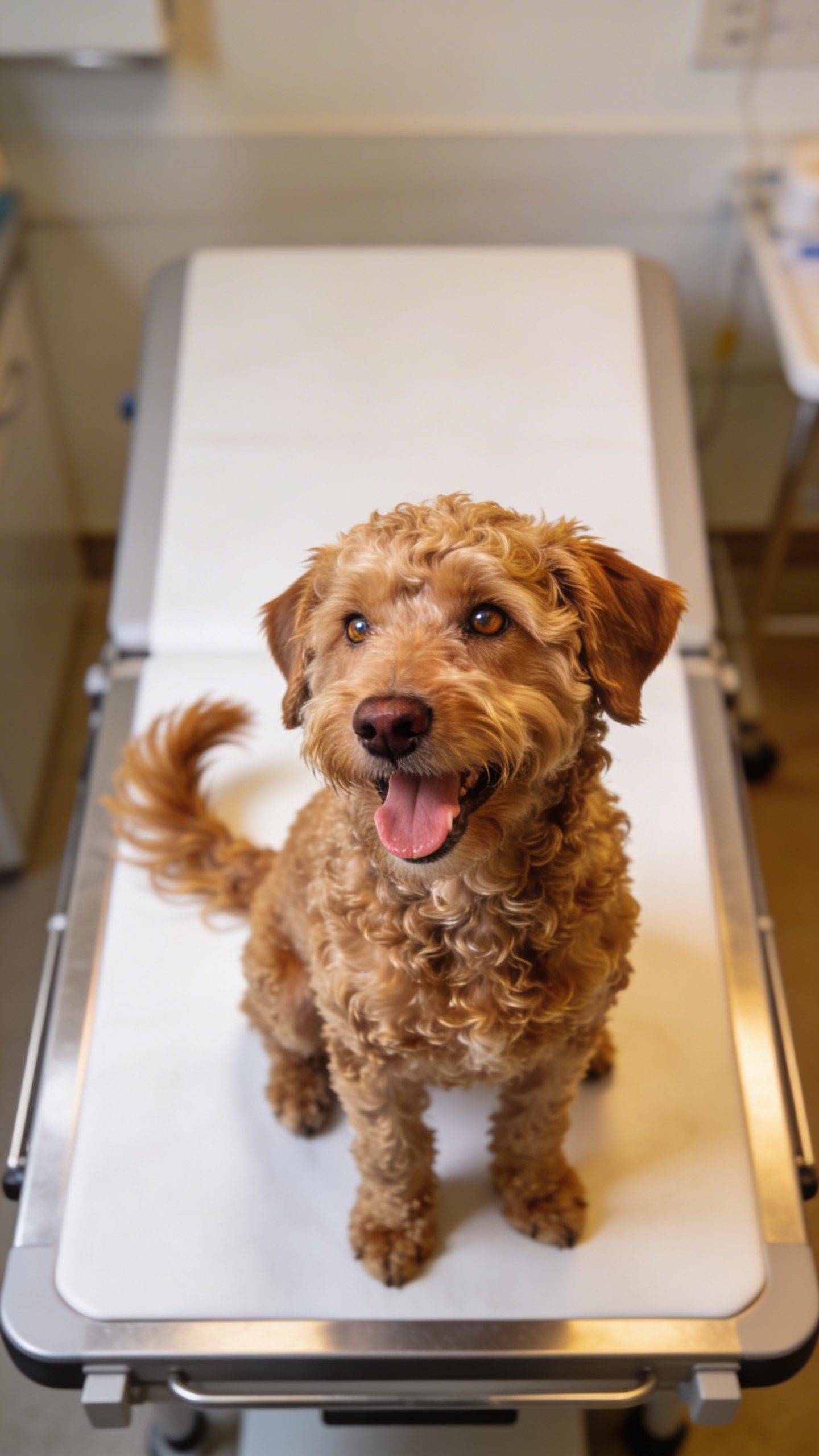
Dogs thrive on routine, and Whoodles are no exception. Establish consistent schedules for feeding, exercise, and bedtime to help your dog feel secure and reduce anxiety. A solid routine also makes housetraining easier and helps prevent behavioral issues. Your Whoodle will know when to expect meals, walks, and playtime, which reduces pestering and whining. Plus, routines make your life easier too since you can plan your day around your dog’s needs. Don’t be so rigid that you can’t be flexible occasionally, but maintain enough consistency that your Whoodle knows what’s normal. This becomes especially important if you need to board them or have someone else watch them while you’re away.
Frequently Asked Questions
How often should I bathe my Whoodle?
Bath your Whoodle every 4-6 weeks or when they start smelling like a barn animal. Over-bathing strips their coat of natural oils and can cause dry skin. Use a gentle, dog-specific shampoo and make sure you rinse thoroughly because leftover soap can irritate their skin.
Are Whoodles actually hypoallergenic?
No dog is truly hypoallergenic, but Whoodles are considered low-shedding thanks to their Poodle genetics. They produce less dander than many breeds, which makes them a better choice for people with mild allergies. That said, spend time with Whoodles before committing if allergies are a concern.
What size crate do I need for a Whoodle?
Most Whoodles need a medium to large crate, depending on whether they take after the Wheaten or Poodle parent more. A 36-inch crate typically works for standard Whoodles (30-45 pounds), while mini Whoodles might fit comfortably in a 30-inch crate. Your dog should be able to stand, turn around, and lie down comfortably.
Can Whoodles be left alone during the day?
Whoodles can handle being alone for 4-6 hours if properly trained and exercised, but they’re social dogs who prefer company. They can develop separation anxiety if left alone too frequently or for extended periods. Consider doggy daycare or a dog walker if you work long hours.
Do Whoodles bark a lot?
Whoodles can be vocal, especially if they inherit the Wheaten’s guard dog tendencies. Early training helps manage excessive barking. They’ll alert you to visitors and unusual sounds, but shouldn’t bark constantly if properly exercised and mentally stimulated.
What’s the lifespan of a Whoodle?
With proper care, Whoodles typically live 12-15 years. Maintaining a healthy weight, providing regular exercise, and staying on top of veterinary care all contribute to a longer, healthier life for your pup.
Wrapping It All Up
Caring for a Whoodle isn’t rocket science, but it does require commitment and consistency. Daily grooming, plenty of exercise, proper nutrition, ongoing training, and regular health monitoring form the foundation of responsible Whoodle ownership. These aren’t optional extras, they’re necessities that prevent common problems before they start. The effort you put in during those crucial first months and years pays dividends throughout your dog’s life. You’ll end up with a well-adjusted, healthy companion who brings joy instead of destruction to your household. And honestly? That’s exactly what you signed up for when you brought home that adorable furball in the first place.