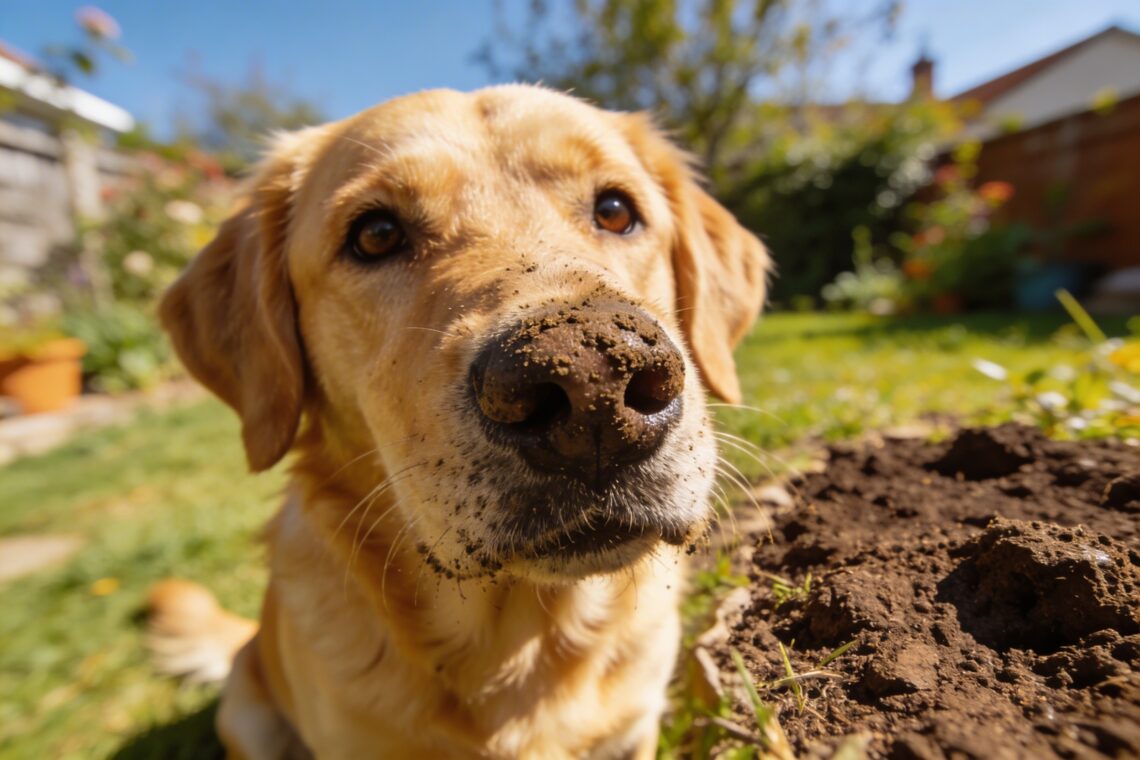
You’ve caught your furry friend munching on the backyard like it’s an all-you-can-eat buffet, and now you’re wondering if they’ve completely lost it. Spoiler alert: they probably haven’t. Dogs eat dirt for some pretty specific reasons, and the good news is that most of them are totally fixable within a week or so.
The Nutritional Deficiency Detective Work
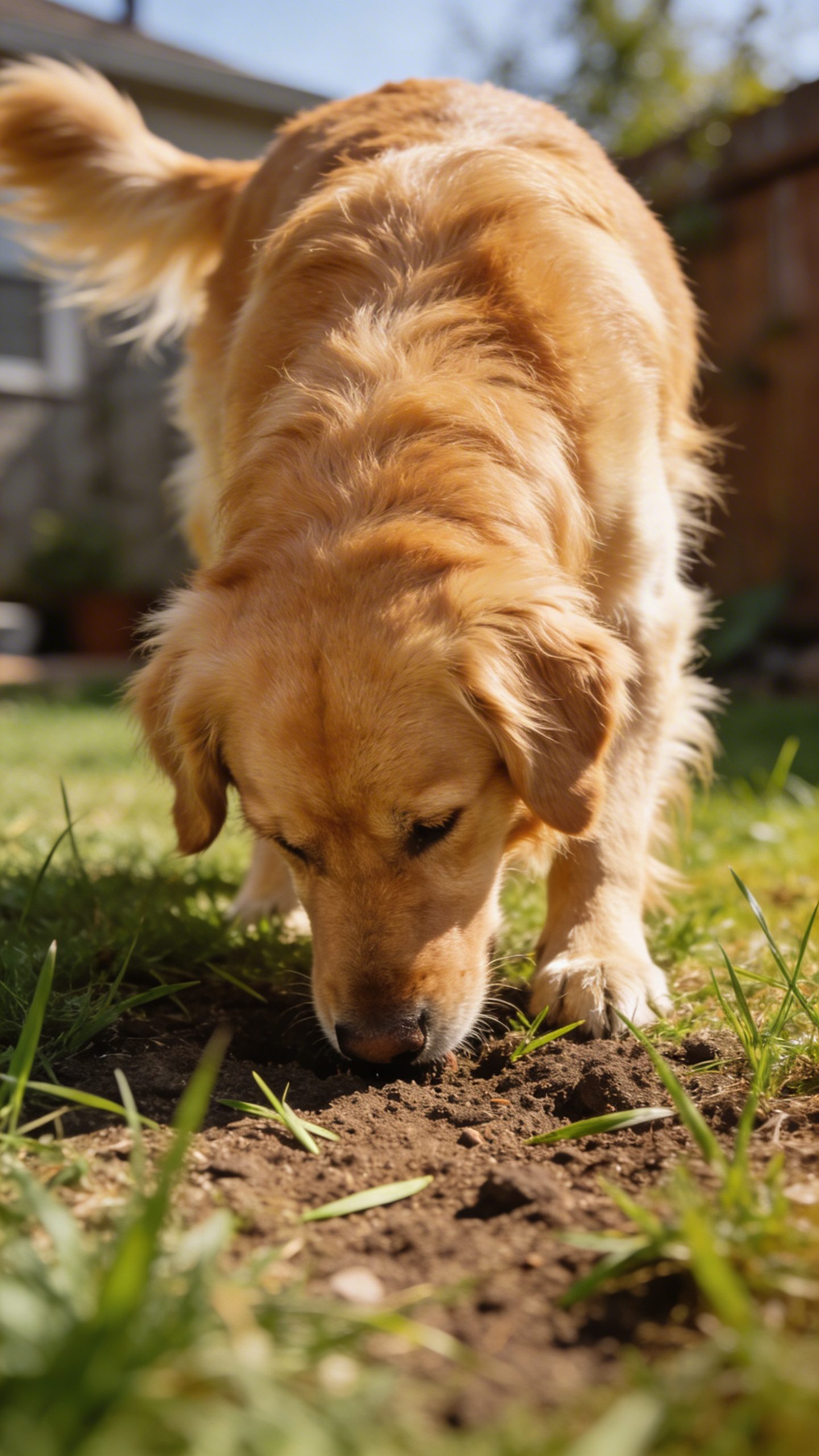
Here’s the thing about dogs: they’re smarter than we give them credit for. When their body lacks certain minerals or nutrients, they sometimes try to source them from the ground. It’s like how pregnant women crave pickles and ice cream, except way less appetizing. Iron, calcium, and sodium deficiencies are the usual suspects here. Your dog’s instincts tell them that dirt contains trace minerals, and honestly, they’re not wrong. The problem is that eating dirt isn’t exactly the recommended daily serving method. If you’ve recently switched dog foods or your pup is on a homemade diet, this could be your culprit. Check the label on your dog food to make sure it meets AAFCO standards (that’s the Association of American Feed Control Officials, FYI). A quick chat with your vet and possibly a blood test can confirm if your dog is running low on essential nutrients.
The Quick Fix
Switch to a high-quality, balanced dog food within the week. Look for brands that specifically mention they’re “complete and balanced” for your dog’s life stage. Most dogs stop their dirt-eating habit within a few days once their nutritional needs are met. If you’re feeding a homemade diet, it’s time to consult with a veterinary nutritionist to balance things out properly.
Anemia: The Serious Cousin of Nutritional Deficiency
Now we’re getting into slightly more concerning territory. Anemia means your dog doesn’t have enough red blood cells, and it can trigger some weird behaviors, including dirt consumption. This condition goes hand-in-hand with nutritional deficiencies but deserves its own spotlight. Signs your dog might be anemic include pale gums, lethargy, and yes, eating non-food items like dirt. Before you panic, remember that anemia is highly treatable once identified. Your vet can run a simple complete blood count (CBC) to check red blood cell levels. The causes range from parasites (hello, hookworms) to chronic diseases, so you’ll want professional help on this one. The good news? Once you identify and treat the underlying cause, the dirt-eating typically stops within a week as your dog starts feeling better.
Boredom: Your Dog’s Existential Crisis
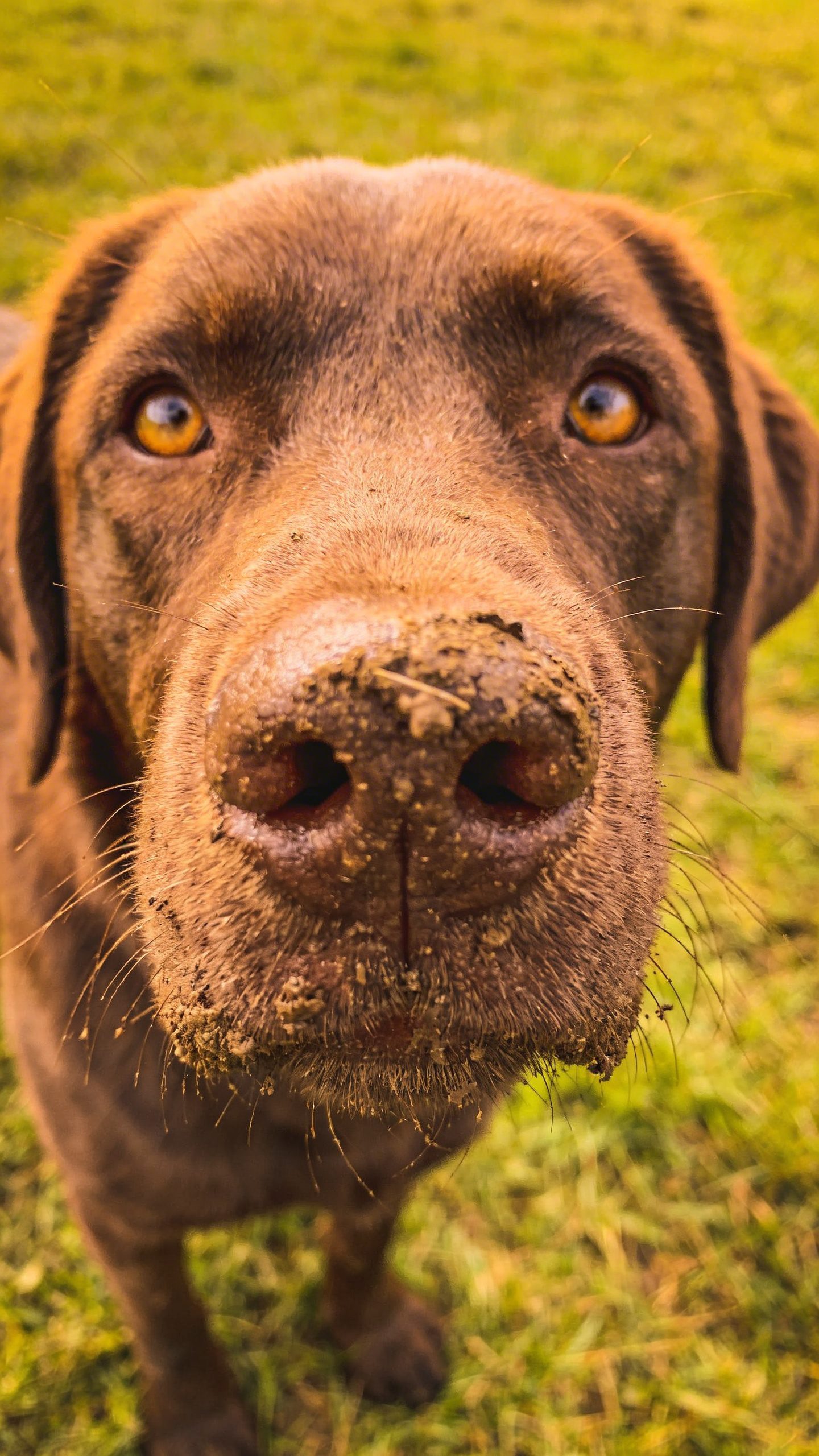
Let’s be real: some dogs eat dirt because they’re bored out of their minds. Think about it—they’re stuck in the backyard with nothing to do while you’re inside binge-watching your favorite show. Dirt starts looking pretty interesting when it’s that or staring at the fence for the 47th time today. Smart breeds and high-energy dogs are especially prone to finding creative (read: annoying) ways to entertain themselves. Border Collies, Australian Shepherds, and Jack Russell Terriers didn’t get their reputation for being intense by accident.
Breaking the Boredom Cycle
This is honestly one of the easiest problems to solve. Increase your dog’s physical exercise and mental stimulation, and watch the dirt-eating disappear like magic. Here’s your one-week game plan:
- Add an extra 20-30 minutes of exercise daily (walks, fetch, or play sessions)
- Introduce puzzle toys or treat-dispensing toys during the day
- Rotate their toys every few days to keep things fresh
- Consider doggy daycare or a dog walker if you’re gone all day
- Teach them a new trick—mental exercise counts too
Most dogs will ditch their dirt habit within three to four days once they’ve got better things to do. IMO, this is the most satisfying fix because you’ll have a happier, more engaged dog overall.
Gastrointestinal Upset: The Tummy Troubles Connection

Your dog might be eating dirt to soothe an upset stomach. Strange as it sounds, some dogs consume dirt, grass, and other earthy materials when they’re feeling nauseous. It’s their version of reaching for the Pepto-Bismol. Acid reflux, inflammatory bowel disease, or even just eating too fast can trigger this behavior. Pay attention to whether your dog shows other signs like vomiting, diarrhea, excessive gas, or decreased appetite. These are your red flags that something’s brewing in their digestive system. Food allergies can also play a role here. If your dog has been scratching more than usual or has skin issues along with the dirt-eating, you might be looking at a food sensitivity situation.
The Week-Long Solution
Start by feeding smaller, more frequent meals to reduce acid buildup. Switch to a easily digestible food or a bland diet of boiled chicken and rice for a few days. If symptoms persist beyond three days or worsen, get to the vet. They might prescribe antacids or recommend a food trial to identify allergies. Once the GI issues resolve, the dirt consumption typically stops within days.
Seeking Attention (Yes, Really)
Dogs are manipulative little geniuses sometimes. If they’ve figured out that eating dirt makes you come running outside, yelling and making a fuss, congratulations—you’ve been trained. Negative attention is still attention to a dog who’s feeling ignored. They don’t care if you’re mad; they care that you’re engaged with them instead of scrolling through your phone. This behavior pattern usually develops over time. Your dog eats dirt once, you react dramatically, and boom—they’ve learned a new trick to get your attention. The solution requires consistency and a bit of reverse psychology. Ignore the dirt-eating behavior completely (unless it’s dangerous or excessive). Instead, catch your dog doing literally anything else and reward that with praise and attention. Within a week of consistently reinforcing good behavior and ignoring the dirt munching, most attention-seeking dogs will move on to better strategies for getting your focus.
Pica: When It’s Actually a Compulsion
Sometimes dirt-eating crosses the line into pica, which is the compulsive consumption of non-food items. This is different from the occasional dirt snack—we’re talking persistent, obsessive behavior that doesn’t respond to the usual fixes. Pica can stem from anxiety, OCD-like tendencies, or learned behavior that’s become a hard-wired habit. It’s more common in dogs who’ve experienced stress, rehoming, or lack of proper socialization as puppies. If your dog’s dirt-eating seems compulsive and doesn’t improve with nutritional changes, more exercise, or attention adjustments, you’re looking at a behavioral issue that needs professional intervention. A veterinary behaviorist or certified dog trainer can create a behavior modification plan. This might take longer than a week to fully resolve, but you should see improvement in the first seven days with the right approach.
Frequently Asked Questions
Is eating dirt dangerous for my dog?
It can be, depending on what’s in the dirt. Pesticides, fertilizers, and parasites lurking in soil can make your dog seriously ill. Small amounts of plain dirt usually won’t cause problems, but regular consumption can lead to intestinal blockages or toxic exposure. If your dog eats dirt from treated lawns or gardens, that’s a veterinary emergency waiting to happen.
How quickly can I stop my dog from eating dirt?
For most causes—nutritional deficiencies, boredom, and attention-seeking—you’ll see significant improvement within three to seven days of addressing the root cause. Behavioral issues like pica might take longer, potentially several weeks with consistent training. The key is identifying the specific reason your dog is doing it in the first place.
Should I muzzle my dog to prevent dirt-eating?
That’s treating the symptom, not the problem. A muzzle might stop the behavior temporarily, but it doesn’t address why your dog wants to eat dirt in the first place. Plus, it’s pretty miserable for your dog. Focus on solving the underlying cause instead of slapping a bandaid on it.
Can puppies grow out of eating dirt?
Puppies explore the world with their mouths, so some dirt consumption is normal developmental behavior. Most puppies naturally stop between 6-12 months as they mature and learn what’s food and what’s not. However, if the behavior persists or seems excessive, apply the same troubleshooting steps as you would for an adult dog.
What’s the difference between eating dirt and eating grass?
Grass-eating is super common and usually not concerning—many dogs just like the taste or texture. Dirt-eating is less normal and more likely to indicate an underlying issue. That said, if your dog is obsessively eating grass along with dirt, the same potential causes apply.
Do certain dog breeds eat dirt more than others?
Not really. Any breed can develop this habit, though high-energy and intelligent breeds might do it out of boredom more frequently. Breeds prone to anxiety might engage in pica-related dirt consumption. It’s more about individual temperament and circumstances than breed predisposition.
Conclusion
The bottom line? Your dirt-munching dog isn’t broken—they’re trying to tell you something. Whether it’s “I need better nutrition,” “I’m bored senseless,” or “my stomach hurts,” there’s always a reason behind the behavior. The vast majority of cases resolve quickly once you identify and address the root cause. Start with the easy fixes: upgrade the dog food, increase exercise, and rule out attention-seeking. If those don’t work within a week, schedule that vet appointment to check for medical issues. Your dog will thank you, and your backyard will stop looking like a excavation site. Win-win.